
Lanternfly (Spotted Lanternfly)
Lycorma delicatula
A strikingly patterned planthopper with grey, spotted forewings that flash to reveal crimson hindwings when it leaps, now notorious as an invasive agricultural pest far from its native range.
- Size
- Body about 25 mm; wingspan around 50 mm
- Habitat
- Trees and shrubs, especially tree of heaven, orchards and vineyards
- Danger
- Nuisance pest
Spotted a bug like this?
Identify any bug or insect from a photo, free.
Overview
The spotted lanternfly is a planthopper native to China and parts of Southeast Asia, where it is one among many species in its family kept in check by natural predators and parasites. It first appeared outside its native range in South Korea in the early 2000s and was subsequently detected in the northeastern United States in 2014, from where it has since spread to numerous states, becoming a significant invasive agricultural pest.
Despite its common name, the spotted lanternfly is not a fly but a true bug in the order Hemiptera, family Fulgoridae, related to other planthoppers and lantern bugs. It feeds by piercing plant tissue with a needle-like mouthpart to draw out sap, favouring the invasive tree of heaven (Ailanthus altissima) but also feeding on grapevines, fruit trees, and many other plants, which has made it a serious concern for viticulture and orchard crops in newly invaded regions.
In its introduced range, the spotted lanternfly lacks the natural predators and parasites that help regulate its populations at home, contributing to its rapid spread and status as a regulated agricultural pest in affected areas.
How to Identify
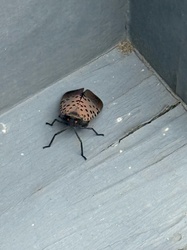
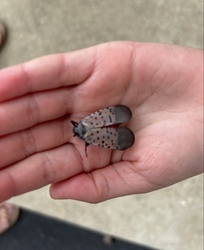
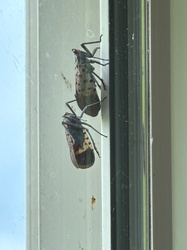
- Adult forewings pale grey with bold black spots near the base and a black net-like pattern toward the tip
- Hindwings bright red near the base with black spots, black and white banding toward the tip, visible mainly in flight or when the wings are spread
- Body and head mostly black with a yellow abdomen marked with black bands, visible when wings are open
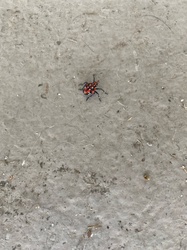
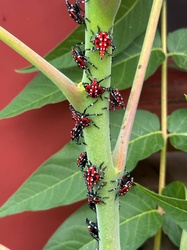
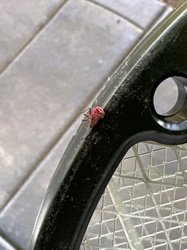
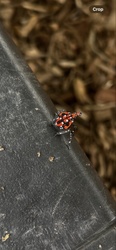
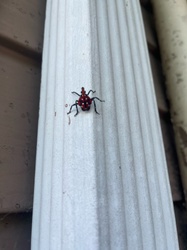
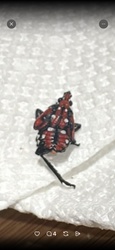
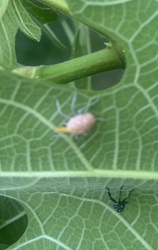
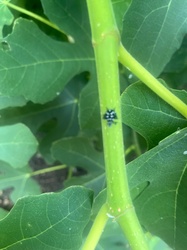
- Nymphs change dramatically through development: early nymphs are black with white spots, while the final nymphal stage before adulthood is bright red with black and white spots
- Strong jumping legs; the insect hops and flutters rather than sustaining long powered flight
- Distinguished from native planthoppers by its larger size, spotted grey forewings, and red-and-black hindwing pattern
Habitat & Range
Spotted lanternflies are found on a wide range of trees and woody plants, with a strong preference for the tree of heaven, an invasive tree species itself, as well as grapevines, fruit trees such as apple and stone fruit, and various hardwoods. In its native range across China, Vietnam, and parts of Southeast Asia, it occupies similar tree and shrub habitats. In its introduced range in South Korea and the northeastern and mid-Atlantic United States, it has become established in orchards, vineyards, forest edges, and urban trees, spreading in part through egg masses laid on vehicles, firewood, and other transported materials. Adults are most visible from mid-summer through autumn, with egg masses persisting on tree bark and other surfaces through winter.
Behavior & Diet
Spotted lanternflies feed in groups on the trunks, branches, and stems of host plants, inserting their piercing-sucking mouthparts to draw sap, which can weaken host plants and, in large numbers, reduce vigour or yield in agricultural crops such as grapevines. While feeding, they excrete large amounts of a sugary liquid called honeydew, which can promote the growth of sooty mould on the surfaces below infested plants. Rather than flying strongly, spotted lanternflies primarily move by hopping using their powerful hind legs, with flight used mainly for short glides. In its introduced range, the species is considered an agricultural pest due to its broad host range and tendency to build up large populations in the absence of the natural enemies found in its native range.
Life Cycle
Females lay egg masses covered in a greyish, mud-like protective coating on tree bark, stones, vehicles, or other flat surfaces in autumn, and these overwinter through the cold months. Eggs hatch in spring into small black-and-white spotted nymphs, which pass through four nymphal instars over the summer, undergoing incomplete metamorphosis with no pupal stage; the final nymphal instar develops the distinctive red colouring before moulting into a winged adult. Adults appear from mid to late summer and remain active into autumn, mating and laying the egg masses that will overwinter to produce the next generation. The species typically completes one generation per year.
Frequently asked questions
Is the spotted lanternfly a fly?
No, despite the name it is a planthopper, a type of true bug in the order Hemiptera, not a member of the fly order Diptera.
What does the spotted lanternfly feed on?
It feeds on plant sap by piercing bark and stems, with a strong preference for the tree of heaven but also feeding on grapevines, fruit trees, and many other woody plants.
Why is the spotted lanternfly considered a pest?
In regions where it has been introduced outside its native range, it lacks natural predators and parasites, allowing populations to grow large enough to stress host plants and affect crops such as grapes.
How can you recognise a spotted lanternfly egg mass?
Egg masses appear as flat, greyish, putty-like or mud-like patches on bark, stone, or other flat surfaces, typically laid in autumn and persisting through winter.
Lanternfly (Spotted Lanternfly) guides
In-depth guides for identifying, understanding, and living alongside Lanternfly (Spotted Lanternfly).
Lanternfly (Spotted Lanternfly) identified by the community
Real finds identified with Bug Identifier.
Other bugs you may enjoy
Bagrada Bug
Arid gardens, crucifer fields, desert-adjacent croplands
Assassin Bug
Gardens, meadows, and vegetation worldwide
Water Boatman Bug
Ponds, lakes, and slow-moving freshwater
Water Stick Insect
Still and slow-moving water with dense submerged vegetation
Rough Stink Bug
Tree bark, woodlands, orchards, and shrubby vegetation
Stink Bug
Gardens, crop fields, and woodlands across temperate and subtropical regions
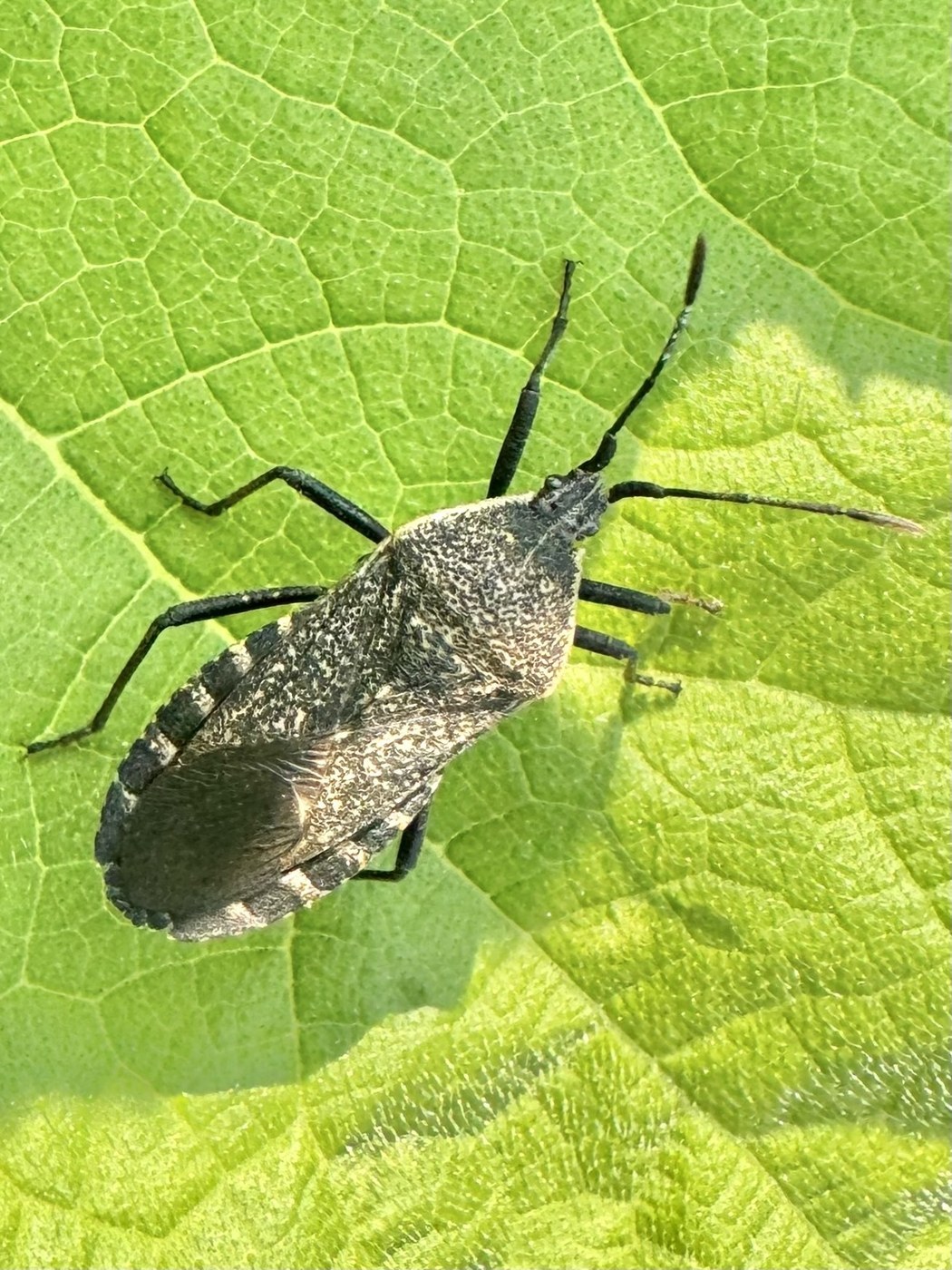
Squash Bug
Vegetable gardens and farm fields growing squash, pumpkin, and other cucurbits
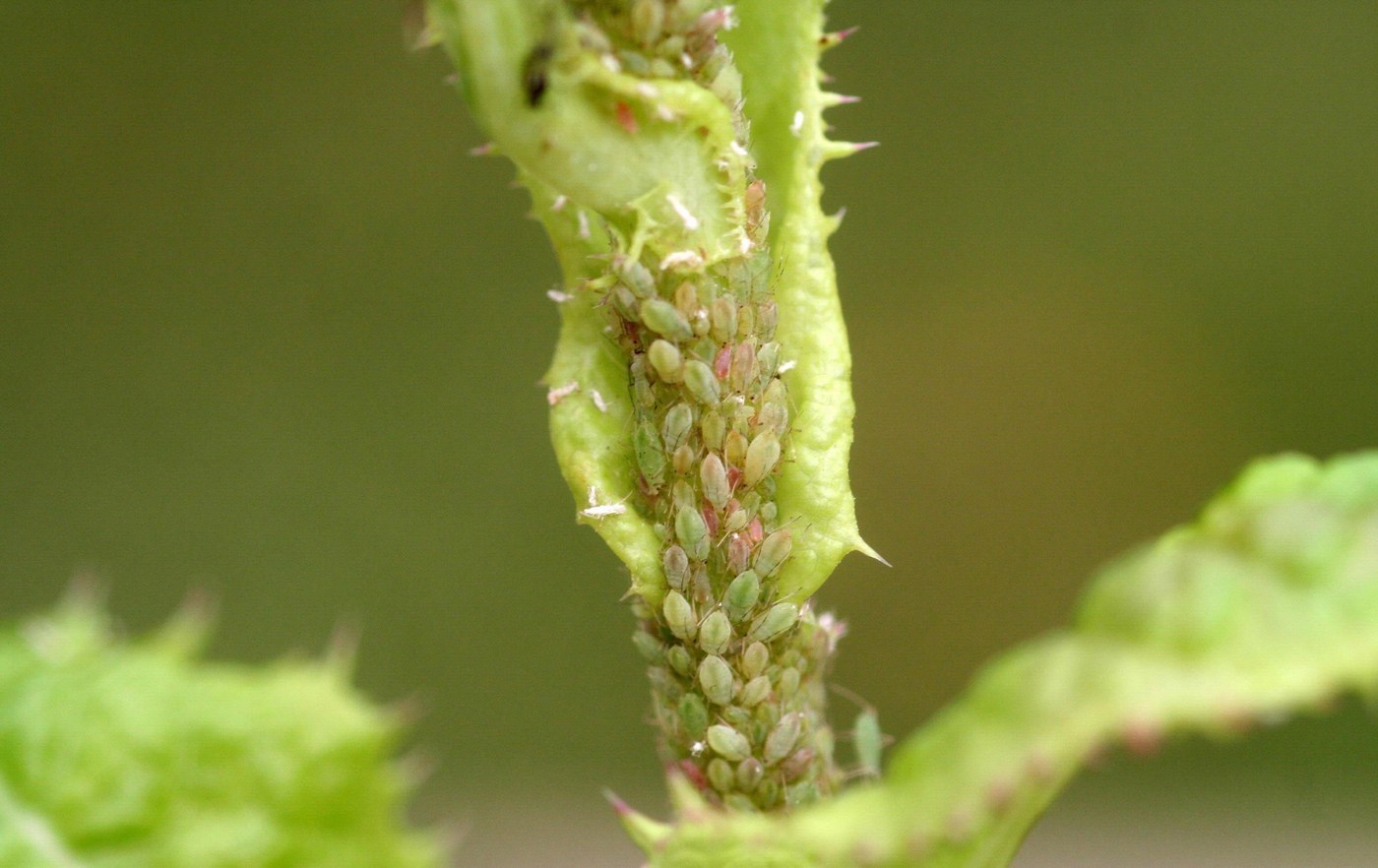
Aphid
On stems, leaves, and buds of a very wide range of host plants
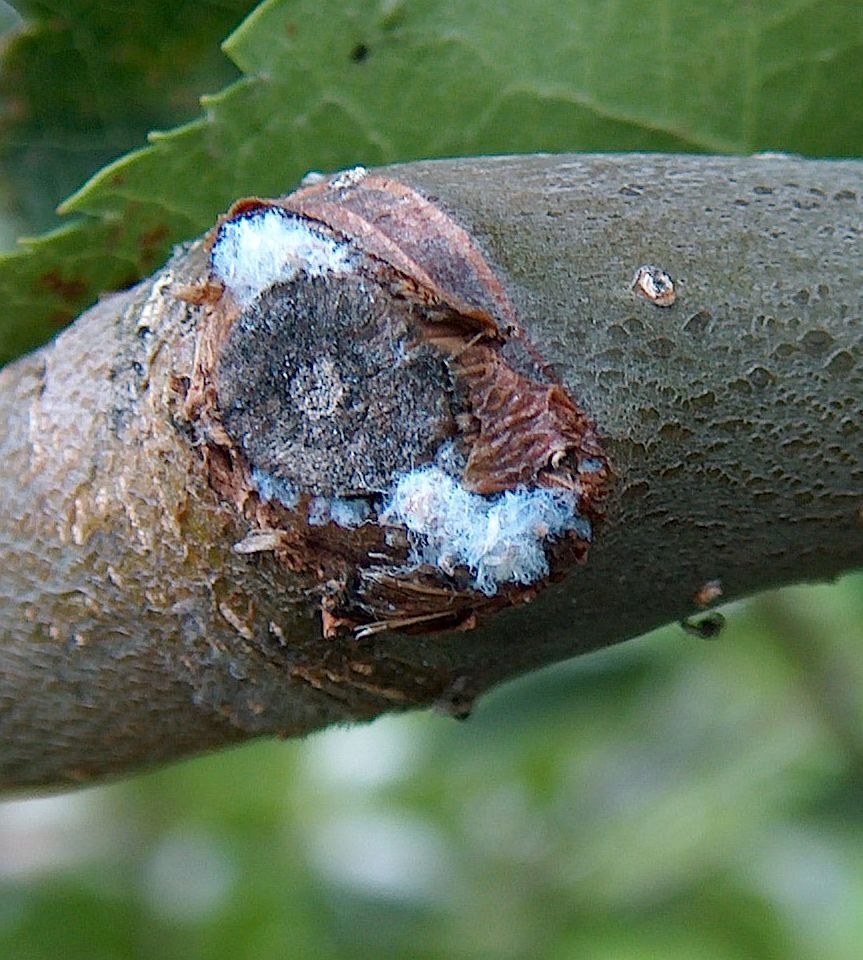
Woolly Aphid
Bark crevices, root collars, and twigs of apple, elm, and alder trees
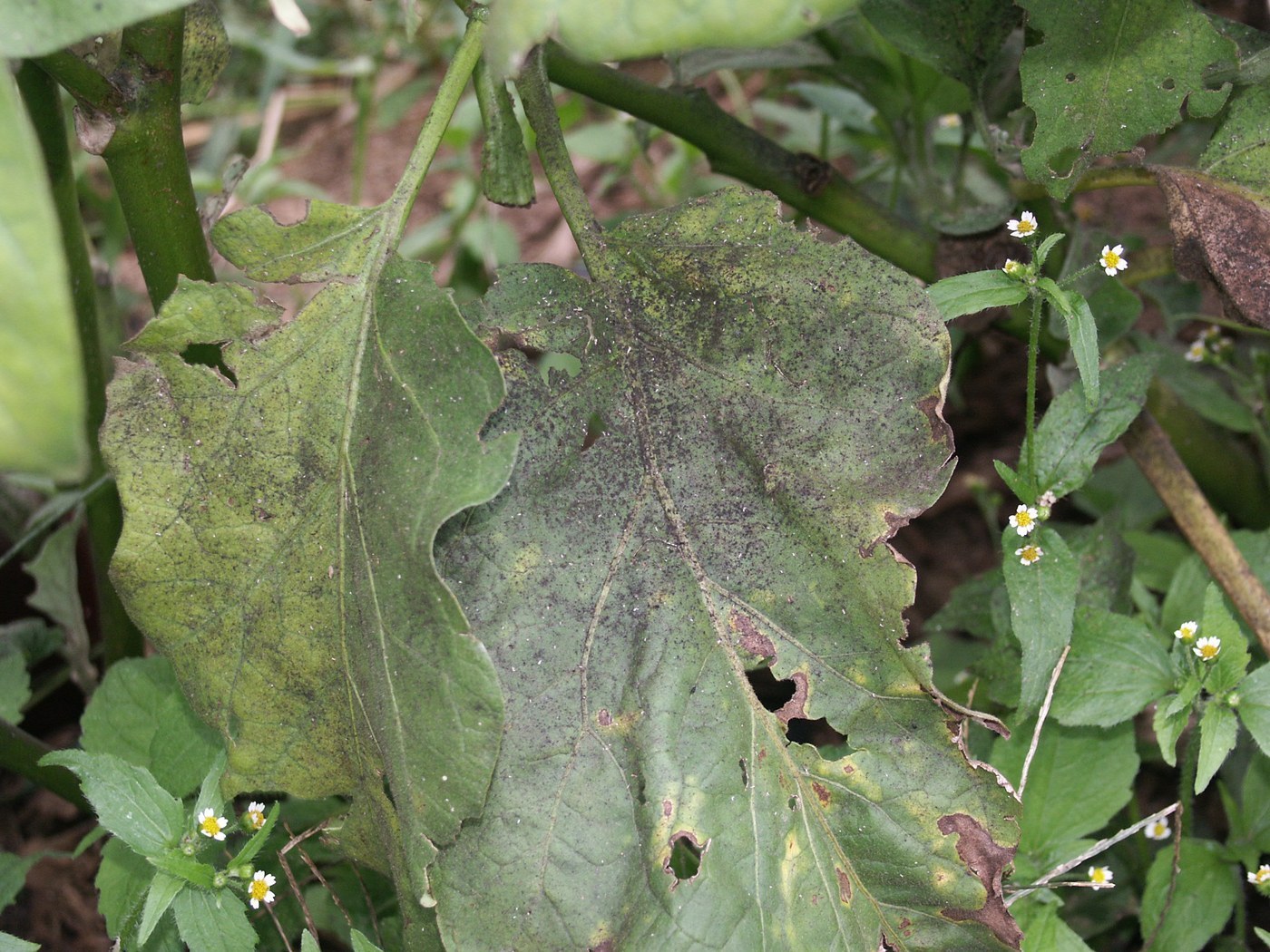
Whitefly
Greenhouses, gardens, and undersides of leaves on host plants
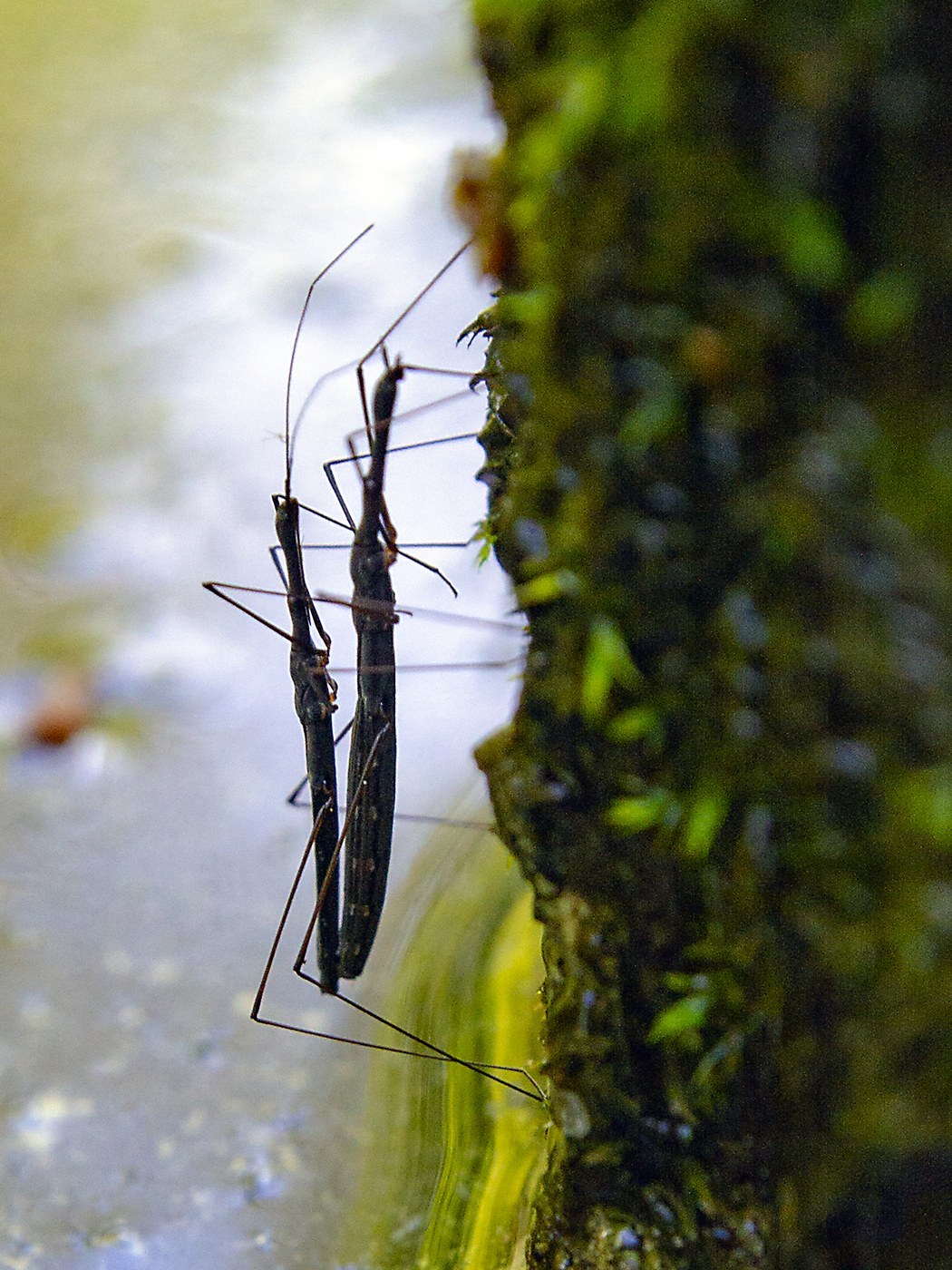
Water Measurer
Quiet edges of ponds, marshes, and slow streams
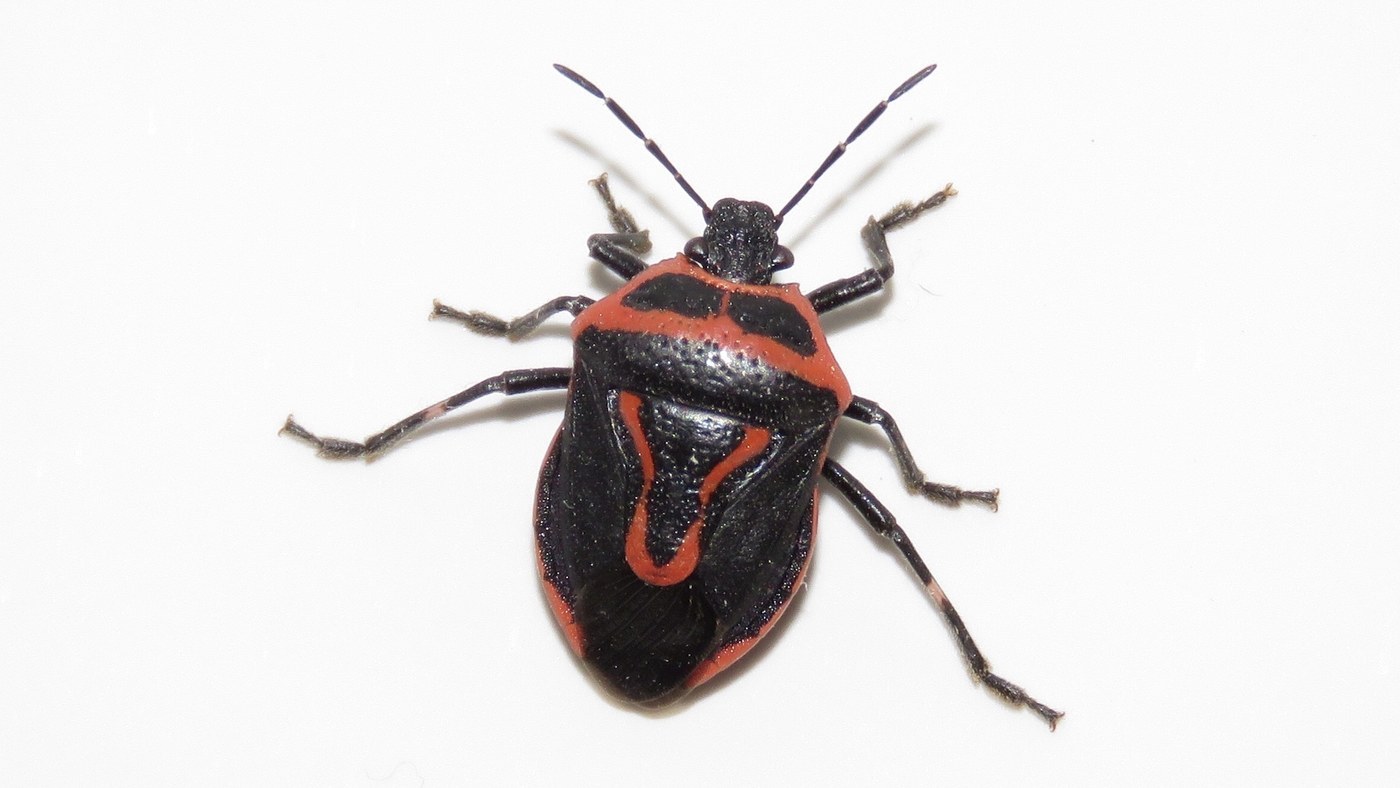
Two-Spotted Stink Bug
Gardens and fields with potato and nightshade-family plants