
Predatory Stink Bug
Subfamily Asopinae (e.g., Podisus maculiventris)
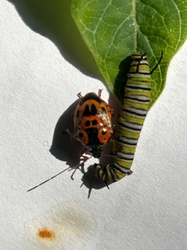
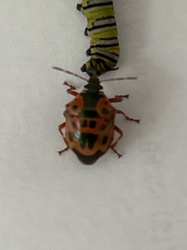
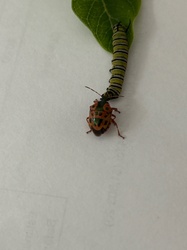
Unlike its plant-feeding relatives, the predatory stink bug is a hunter that spears caterpillars and beetle larvae with a stout beak. The spined soldier bug is a familiar shield-shaped garden ally.
- Size
- 1-1.5 cm
- Habitat
- Gardens, fields, and forests
- Danger
- Bites
Spotted a bug like this?
Identify any bug or insect from a photo, free.
Overview
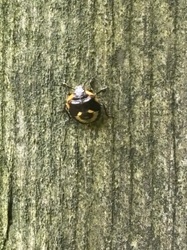
Predatory stink bugs are shield bugs of the subfamily Asopinae that, in contrast to most stink bugs, feed on other insects rather than plants. A well-known example is the spined soldier bug (Podisus maculiventris), recognized by the sharp points on its shoulders.
These bugs have the classic five-sided shield shape of stink bugs but possess a stouter, more robust beak adapted for piercing prey. They are found across gardens, farmland, and forests, where both nymphs and adults hunt soft-bodied insects.
Because they attack many pest caterpillars, beetle larvae, and other insects, predatory stink bugs are considered beneficial and are sometimes reared for biological control. Like other stink bugs, they can emit a defensive odor when disturbed.
How to Identify
Look for these features:
- Shield-shaped body about 1 to 1.5 cm long, brown to grayish
- Sharp, pointed projections on the shoulders (in the spined soldier bug)
- A stout, robust beak thicker than that of plant-feeding stink bugs
- Mottled coloration with darker markings
- Often seen holding prey with its beak
Lookalikes include plant-feeding stink bugs, but the thick beak and predatory habit distinguish the soldier bugs.
Habitat & Range
Predatory stink bugs occur widely across North America and other regions, in gardens, crop fields, orchards, meadows, and woodland edges. They are found on foliage where prey insects are active, especially during the warm growing season. They overwinter as adults in sheltered sites such as leaf litter.
Behavior & Diet
Predatory stink bugs hunt caterpillars, beetle larvae, and other soft-bodied insects, impaling prey with their beak and feeding on body fluids. Both nymphs and adults are predators, though young nymphs may also take some plant fluids. By consuming many pest insects, they play a beneficial role in gardens and agriculture and help regulate insect populations.
Life Cycle
Predatory stink bugs undergo incomplete metamorphosis. Females lay clusters of barrel-shaped eggs on foliage. The emerging nymphs pass through several instars, becoming increasingly predatory as they grow, before molting into winged adults. Several generations may occur per year in warm climates, and adults typically overwinter in sheltered locations.
Frequently asked questions
How is a predatory stink bug different from a regular stink bug?
It feeds on other insects rather than plants and has a stouter beak adapted for piercing prey.
What does it eat?
It preys on caterpillars, beetle larvae, and other soft-bodied insects.
Is it good for the garden?
Yes, by consuming many pest insects it is considered a beneficial predator.
Can it bite?
It can jab with its beak in defense if handled, but it targets insect prey, not people.
Predatory Stink Bug guides
In-depth guides for identifying, understanding, and living alongside Predatory Stink Bug.
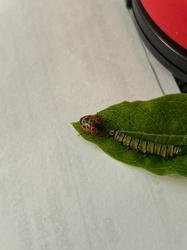
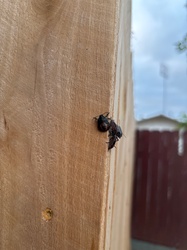
Predatory Stink Bug identified by the community
Real finds identified with Bug Identifier.

Other bugs you may enjoy
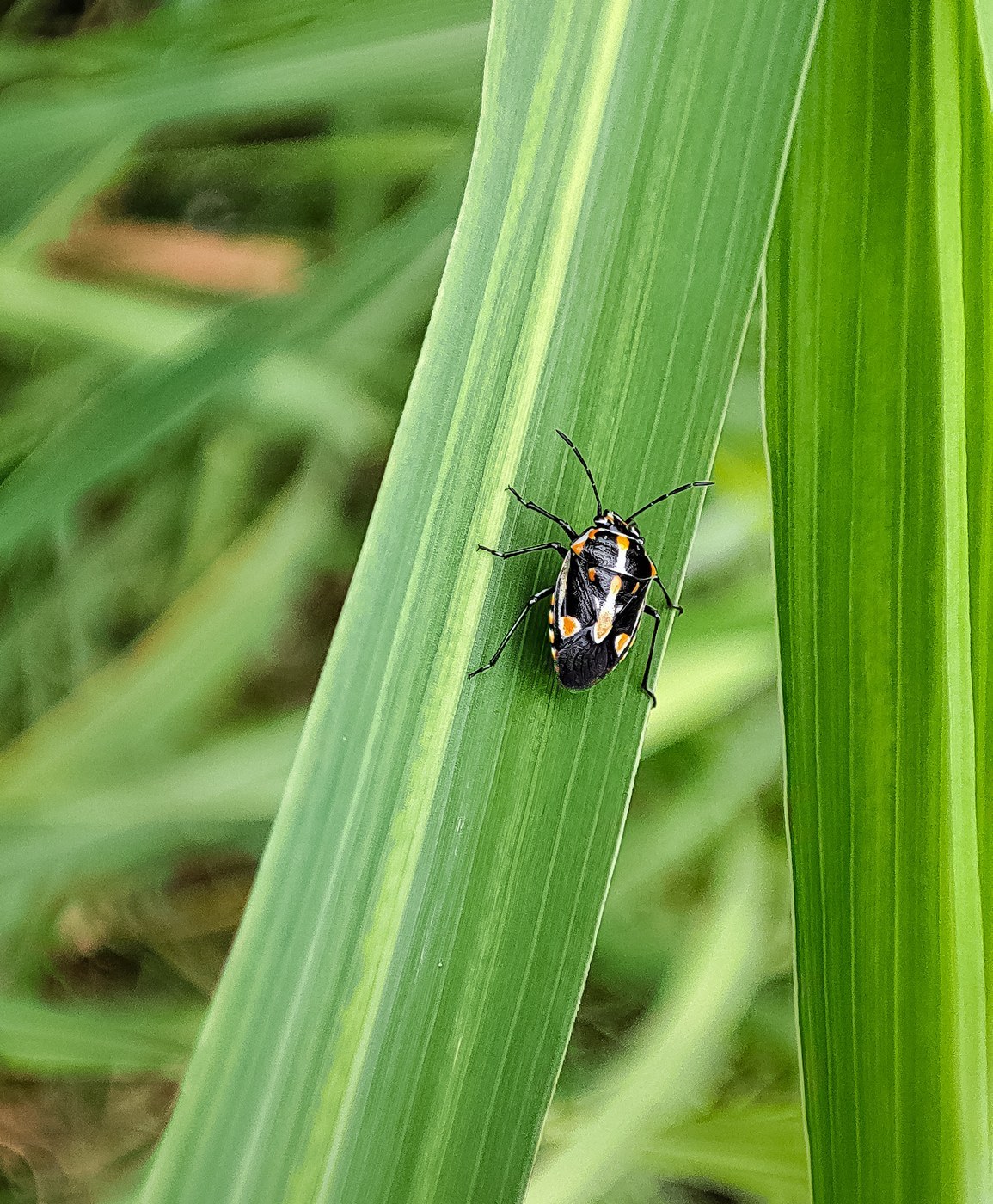
Bagrada Bug
Arid gardens, crucifer fields, desert-adjacent croplands
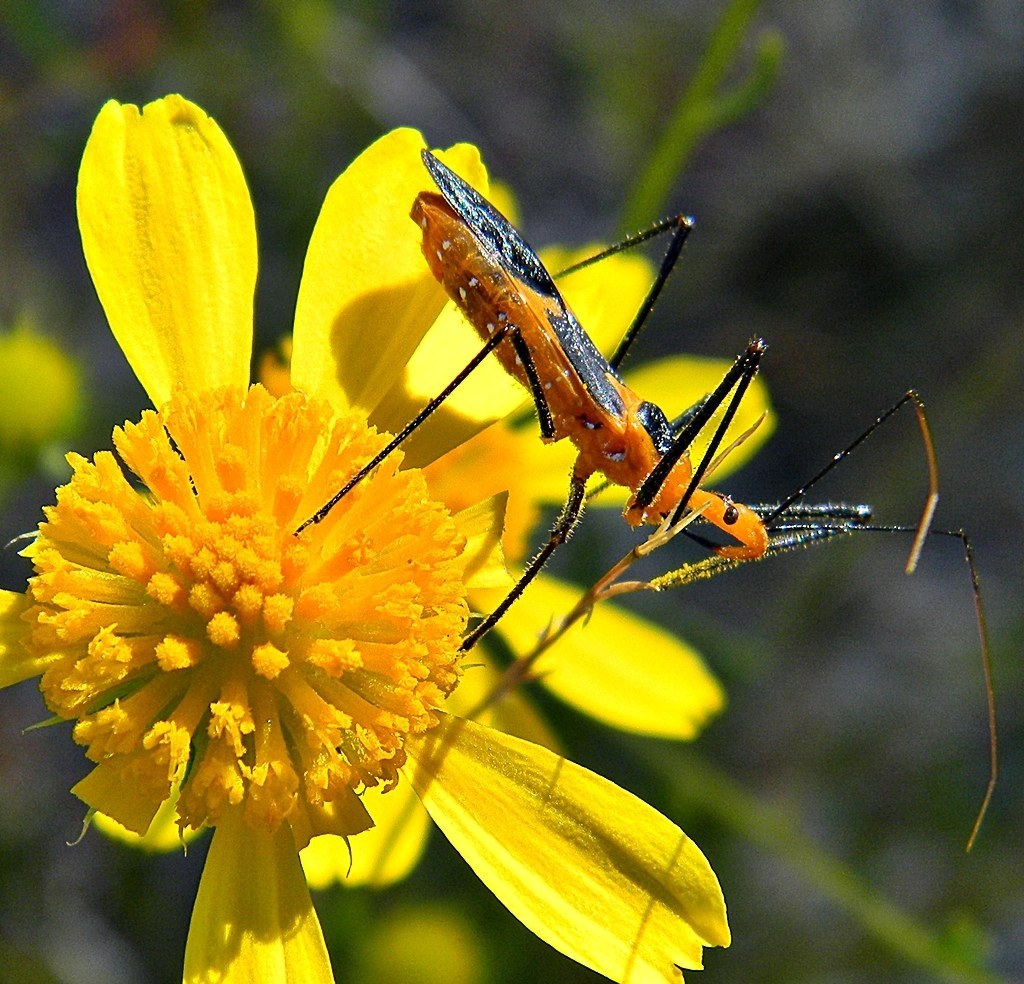
Assassin Bug
Gardens, meadows, and vegetation worldwide
Water Boatman Bug
Ponds, lakes, and slow-moving freshwater
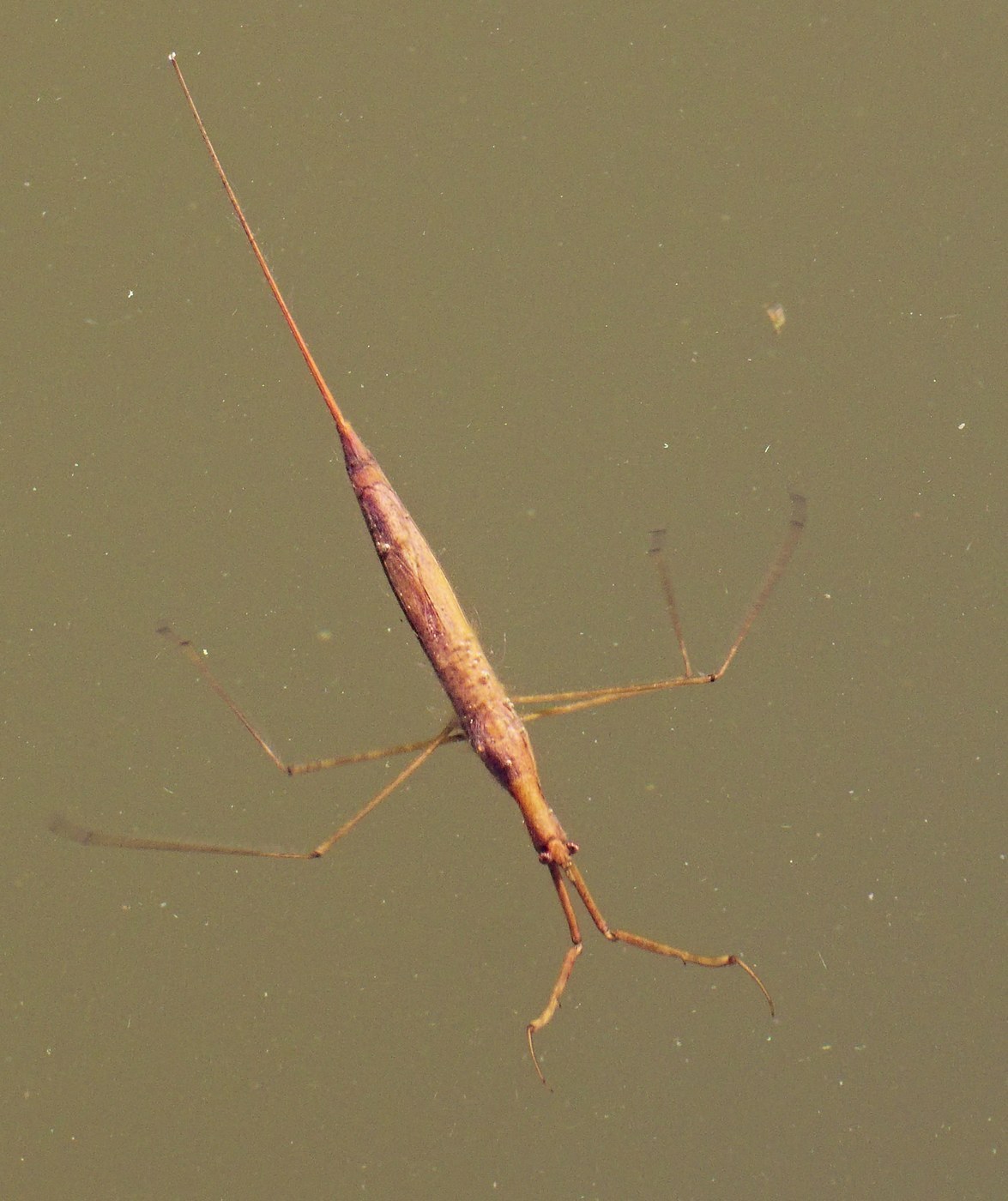
Water Stick Insect
Still and slow-moving water with dense submerged vegetation
Rough Stink Bug
Tree bark, woodlands, orchards, and shrubby vegetation
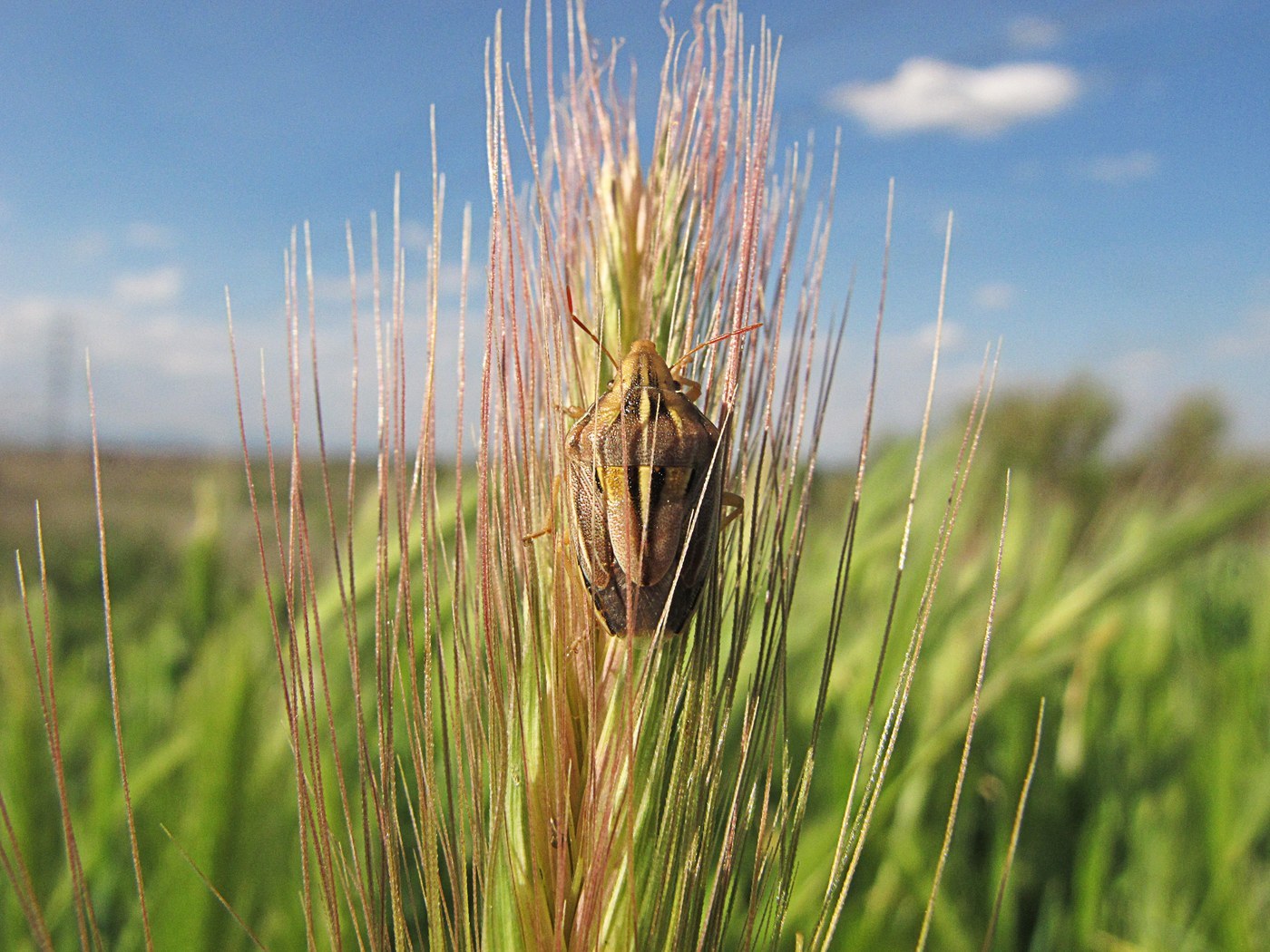
Stink Bug
Gardens, crop fields, and woodlands across temperate and subtropical regions
Squash Bug
Vegetable gardens and farm fields growing squash, pumpkin, and other cucurbits
Aphid
On stems, leaves, and buds of a very wide range of host plants
Woolly Aphid
Bark crevices, root collars, and twigs of apple, elm, and alder trees
Whitefly
Greenhouses, gardens, and undersides of leaves on host plants
Water Measurer
Quiet edges of ponds, marshes, and slow streams
Two-Spotted Stink Bug
Gardens and fields with potato and nightshade-family plants