
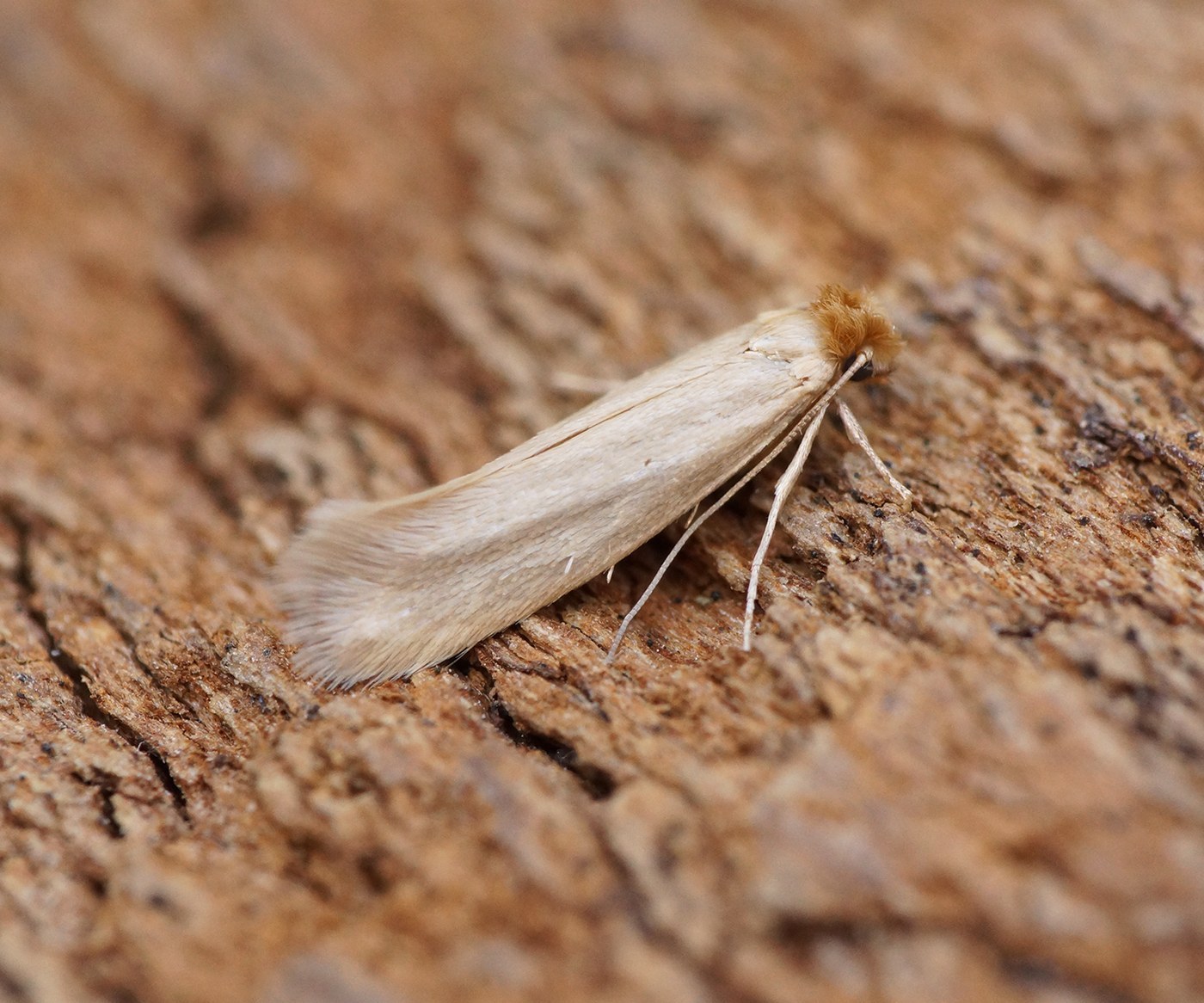
Clothes Moth
Tineola bisselliella
A tiny, pale golden moth that avoids light and flutters weakly from dark closets, more often noticed by the damage its larvae leave in stored fabrics than by the moth itself.
- Size
- 6–8 mm body, 12–16 mm wingspan
- Habitat
- Indoors in closets, dark storage areas, undisturbed fabric
- Danger
- Nuisance pest
Spotted a bug like this?
Identify any bug or insect from a photo, free.
Overview
The clothes moth, most commonly the webbing clothes moth Tineola bisselliella, belongs to the family Tineidae, a group of small moths whose larvae specialize in feeding on keratin-based materials. Unlike most moths, adult clothes moths are weak fliers that shun light, preferring to stay hidden in dark, undisturbed spaces.
This species is notable as one of the few moths closely associated with human households worldwide, having spread globally through the storage and trade of wool and other animal-fiber textiles. It is considered a household pest because its larvae can damage stored fabrics, though the adult moths themselves cause no harm and do not feed at all.
How to Identify
- Small moth, 6–8 mm long, with a wingspan of roughly 12–16 mm.
- Uniform pale golden or buff-colored wings, unmarked and slightly shiny, with fringed edges.
- Reddish-golden tufts of hair on the head, visible up close.
- Weak, low, fluttering flight, usually only a short distance before landing.
- Lookalike: distinguished from pantry moths by its plain, unmarked golden wings, whereas pantry moths typically show a two-toned or banded wing pattern.
Habitat & Range
Found worldwide, closely tied to indoor human environments such as closets, drawers, attics, and storage boxes containing wool, fur, feathers, or other animal-fiber materials. Adults avoid light and are most often seen fluttering out when disturbed storage areas are opened.
Behavior & Diet
Adult clothes moths do not feed at all, living only long enough to mate and lay eggs, relying entirely on energy reserves from the larval stage. It is the larvae that feed, consuming keratin-containing fibers such as wool, fur, silk, and feathers, often in dark, undisturbed locations. Because of this feeding habit on stored textiles, the species is considered a household pest in homes, museums, and textile storage facilities.
Life Cycle
Clothes moths undergo complete metamorphosis. Females lay tiny eggs directly on suitable fabric, which hatch within one to two weeks into small caterpillars that spin silken feeding tunnels or protective webbing as they eat. Larval development can take anywhere from a couple of months to over a year depending on temperature and food availability, followed by pupation in a silken cocoon; multiple generations can occur indoors year-round due to stable indoor conditions.
Frequently asked questions
Do clothes moths eat cotton or synthetic fabrics?
No, their larvae specialize in animal-derived keratin fibers like wool, fur, and feathers, and generally avoid plant-based or synthetic materials.
Why do I rarely see clothes moths flying around?
Adults avoid light and are weak fliers, so they tend to stay hidden in dark closets and storage areas rather than flying openly.
Is it the moth or the larva that damages fabric?
Only the larval stage feeds and causes fabric damage; the adult moth does not eat at all.
How can I tell a clothes moth from a pantry moth?
Clothes moths have plain, unmarked golden wings, while pantry moths typically show a distinct two-toned or banded wing pattern.
Clothes Moth guides
In-depth guides for identifying, understanding, and living alongside Clothes Moth.
Other bugs you may enjoy
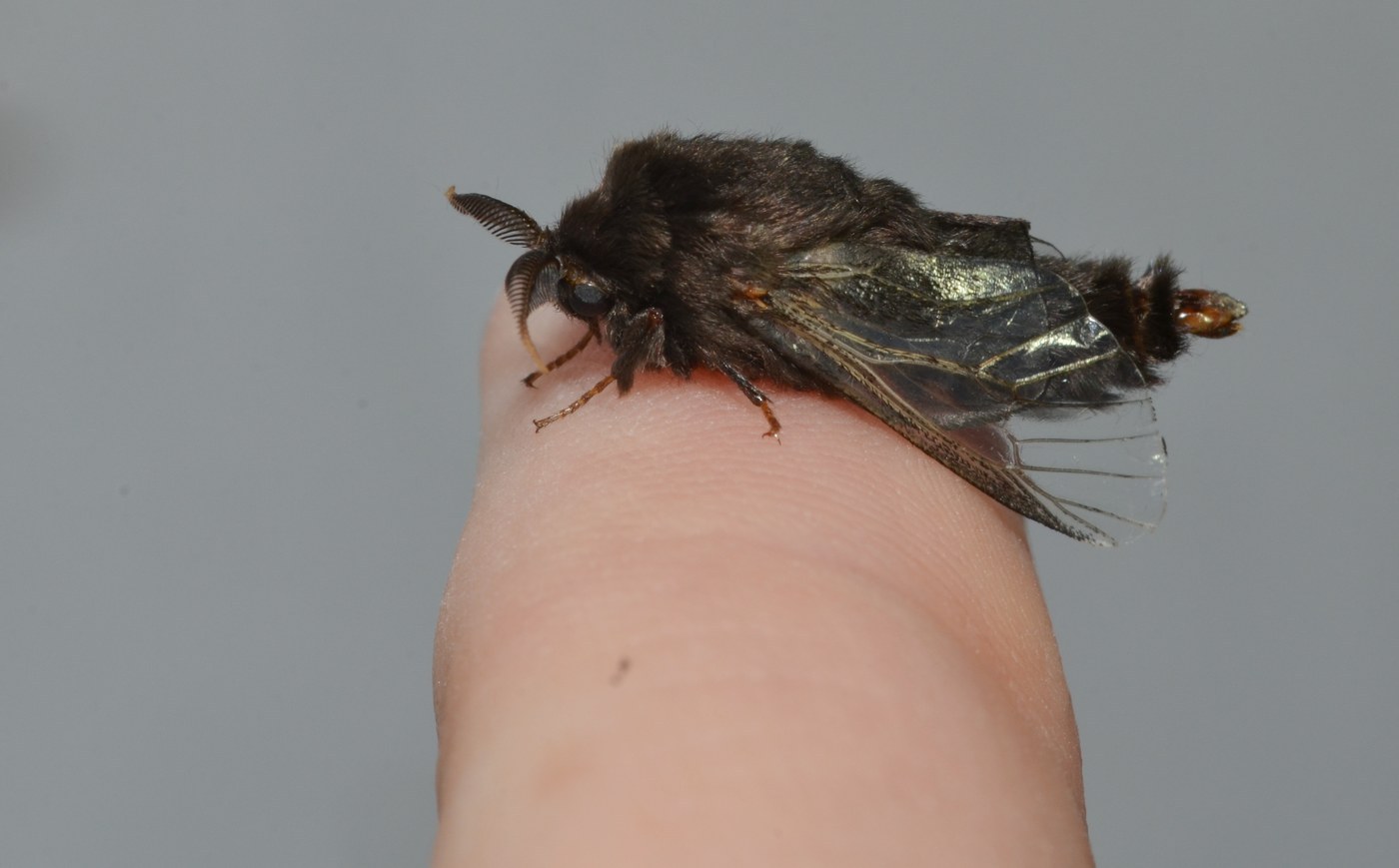
Bagworm Moth
Coniferous and deciduous trees, shrubs, hedges
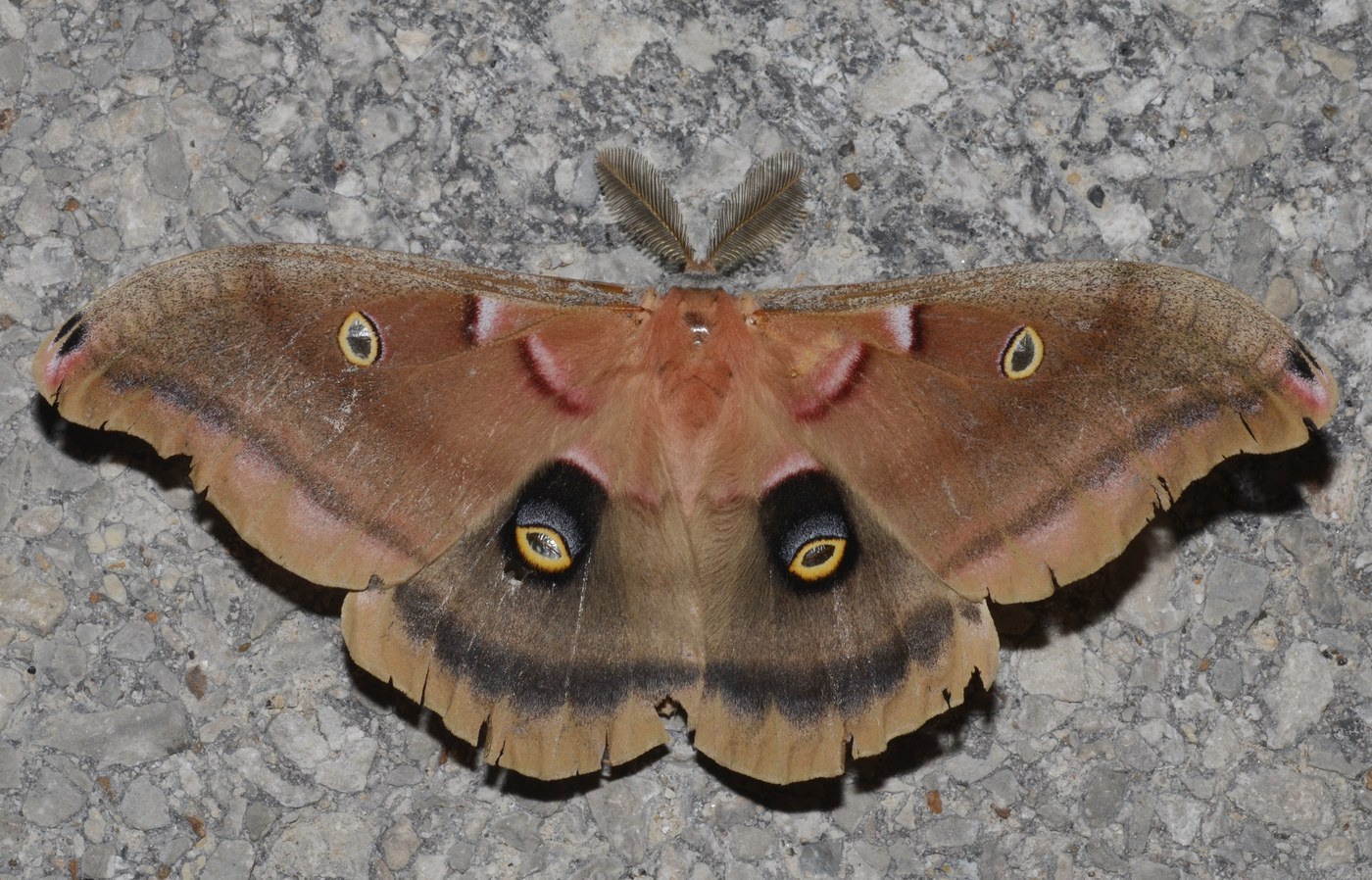
Antheraea Silkmoth
Deciduous forests, woodland edges, orchards
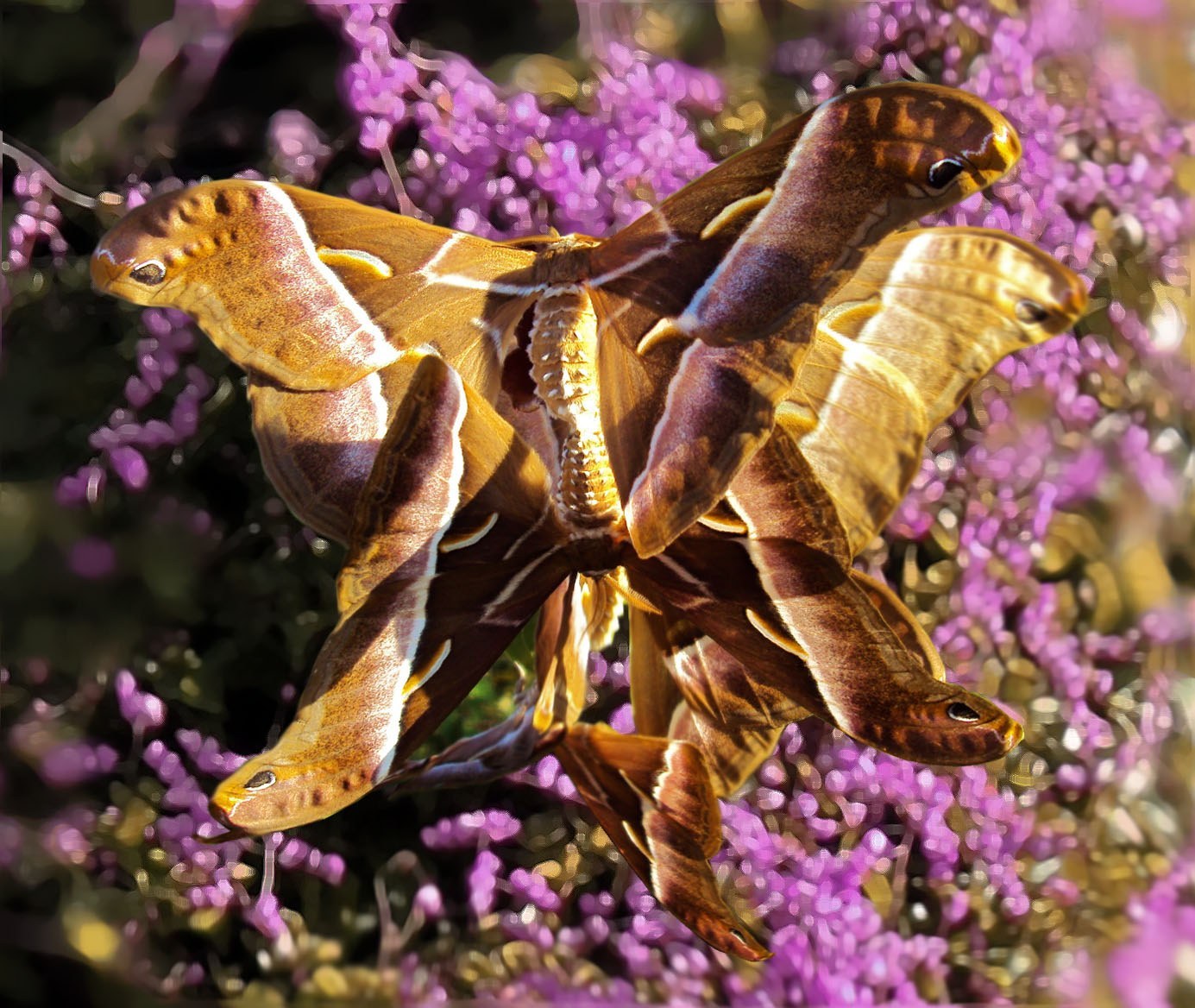
Ailanthus Silkmoth (Cynthia Moth)
Urban parks, wastelands, and woodland edges with tree-of-heaven; native to Asia, introduced in North America and Europe
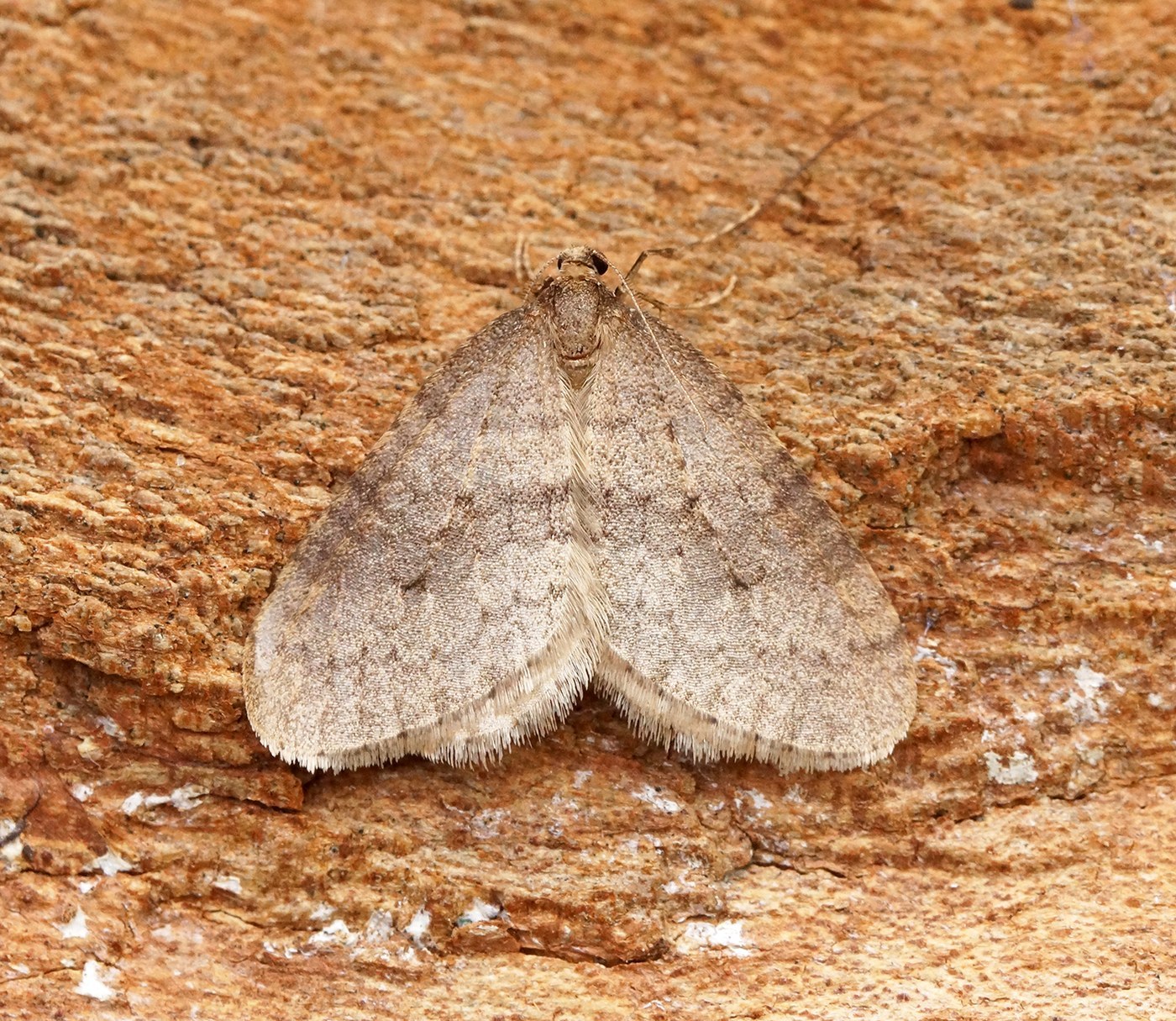
Winter Moth
Deciduous woodland, orchards, gardens, hedgerows
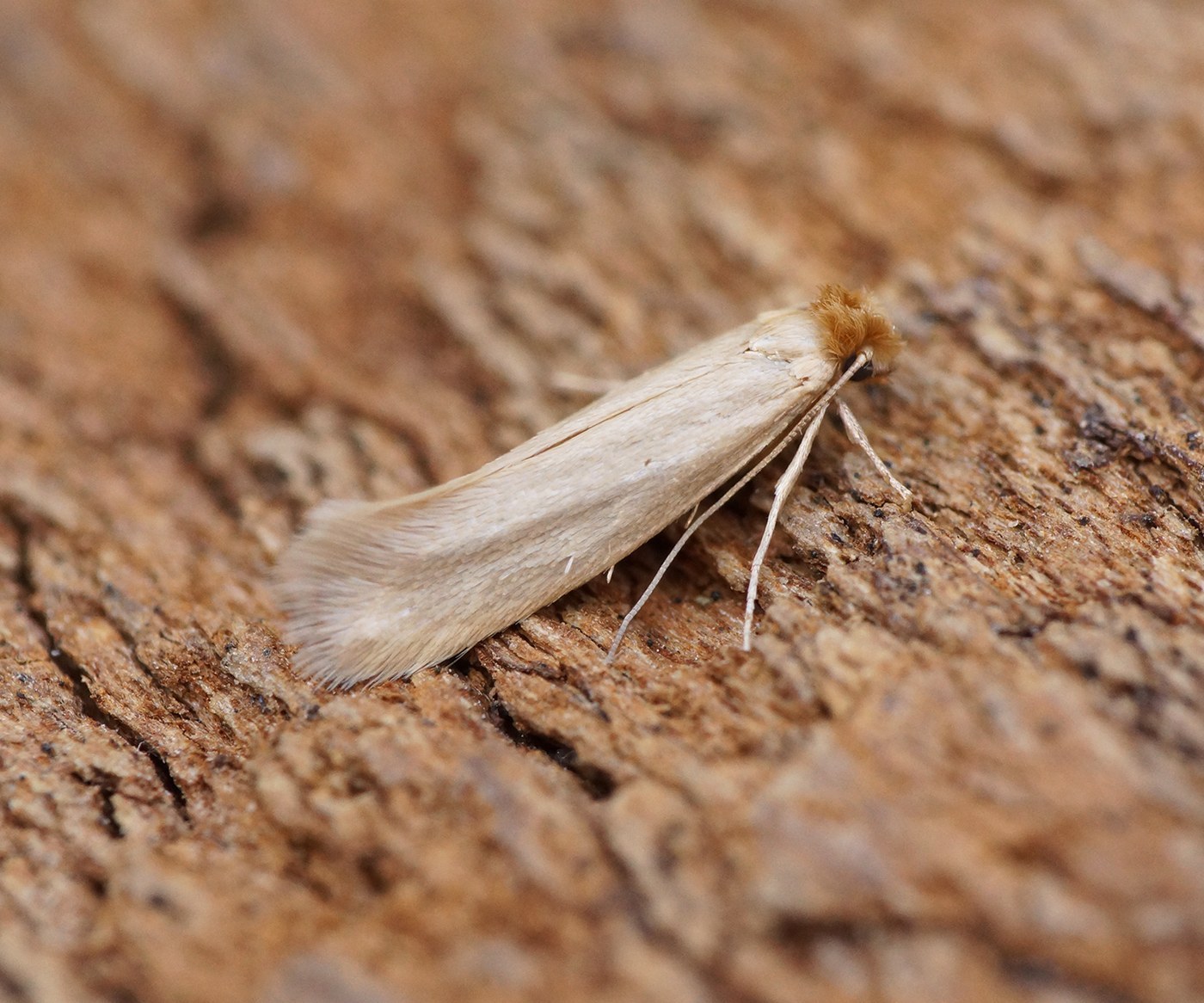
Webbing Clothes Moth
Dark closets, storage areas, and animal nests worldwide
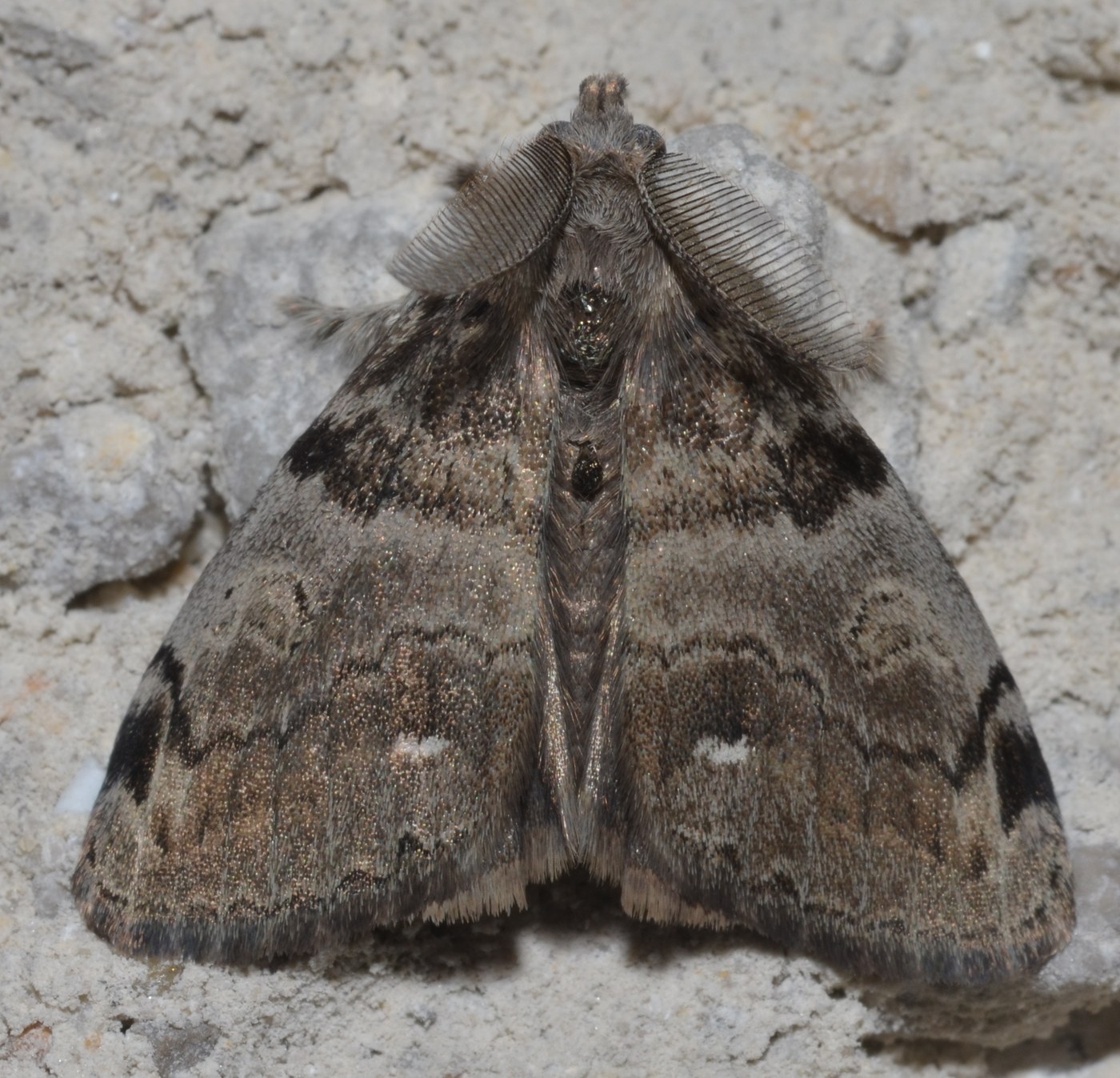
Tussock Moth
Deciduous forests, parks, gardens
Wax Moth
Beehives, apiaries, stored beeswax and comb
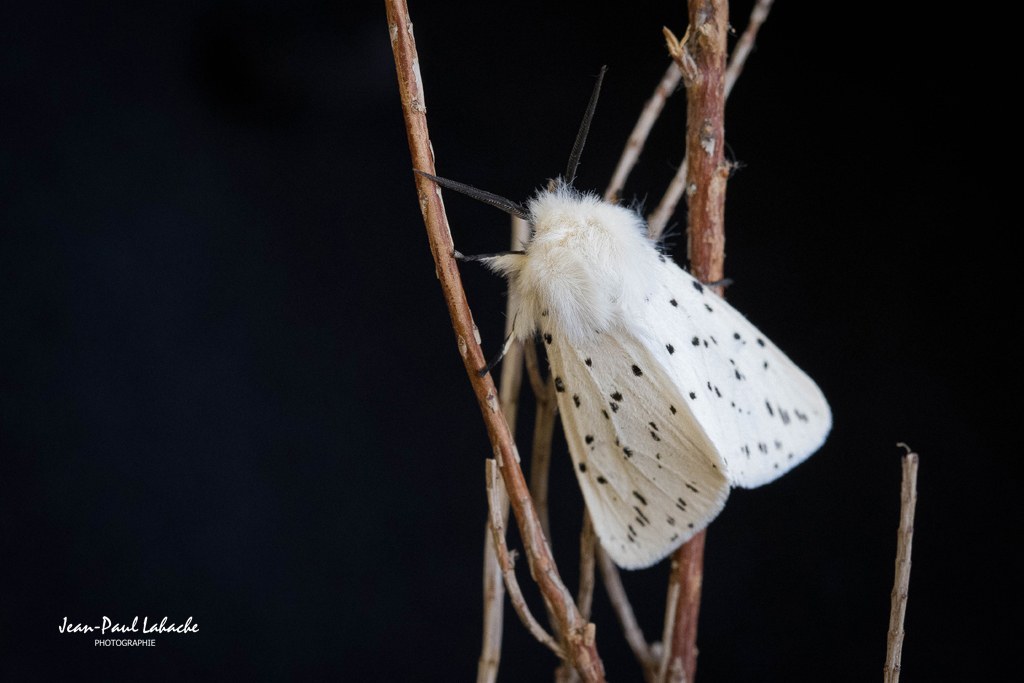
White Ermine Moth
Gardens, meadows, hedgerows
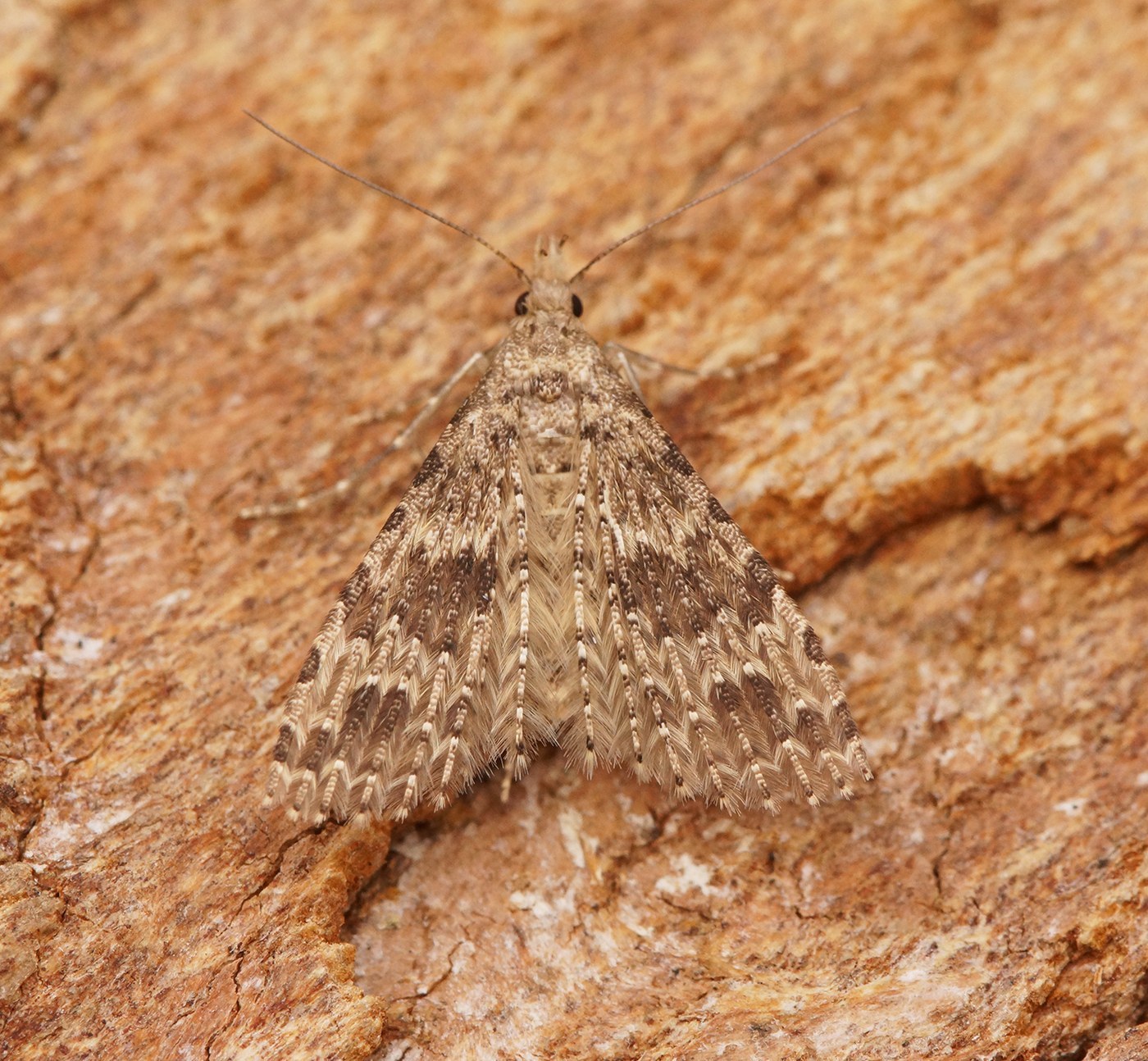
Twenty-plume Moth
Gardens, hedgerows, near honeysuckle
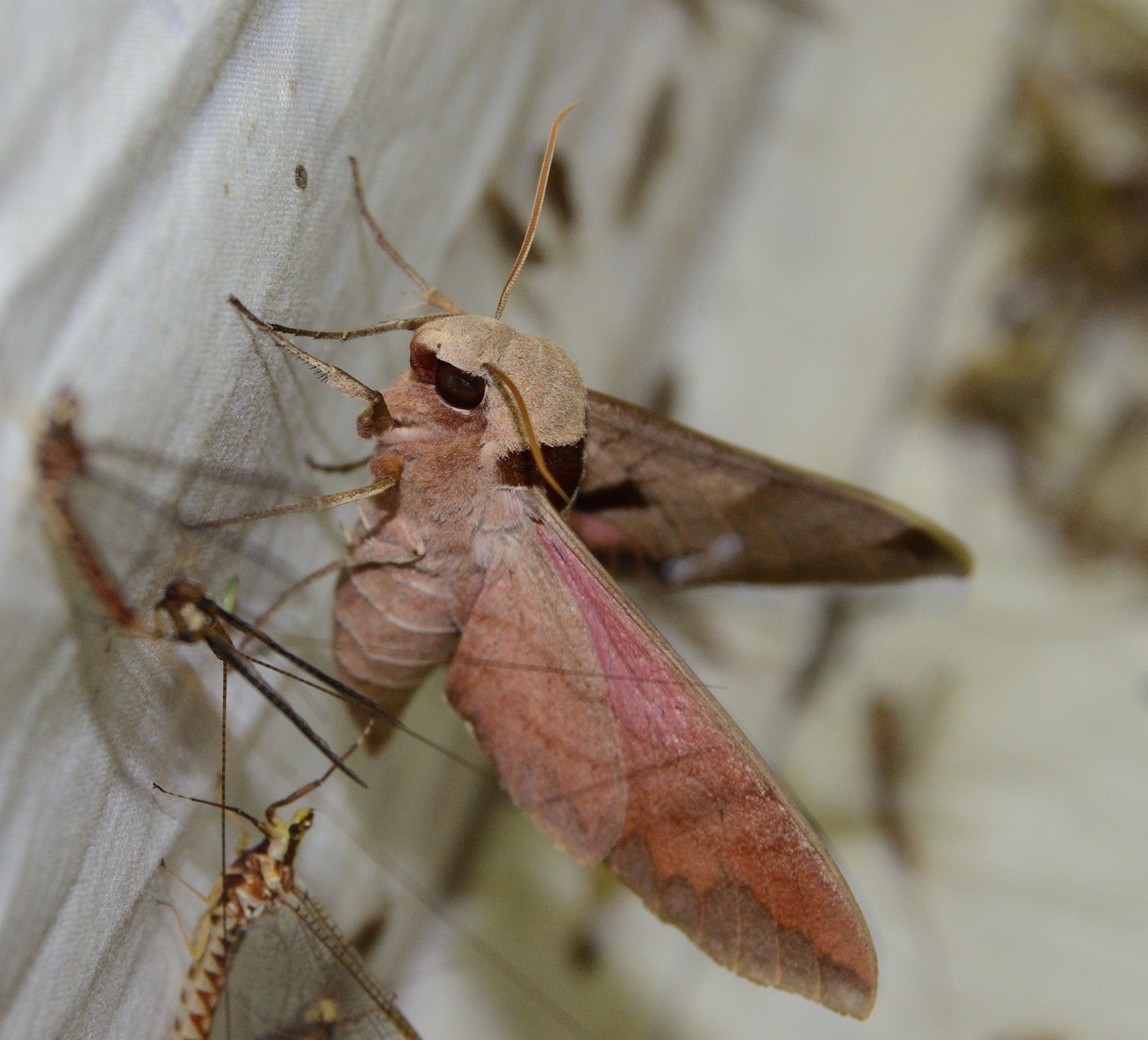
Achemon Sphinx Moth
Vineyards, woodland edges, gardens with wild grape
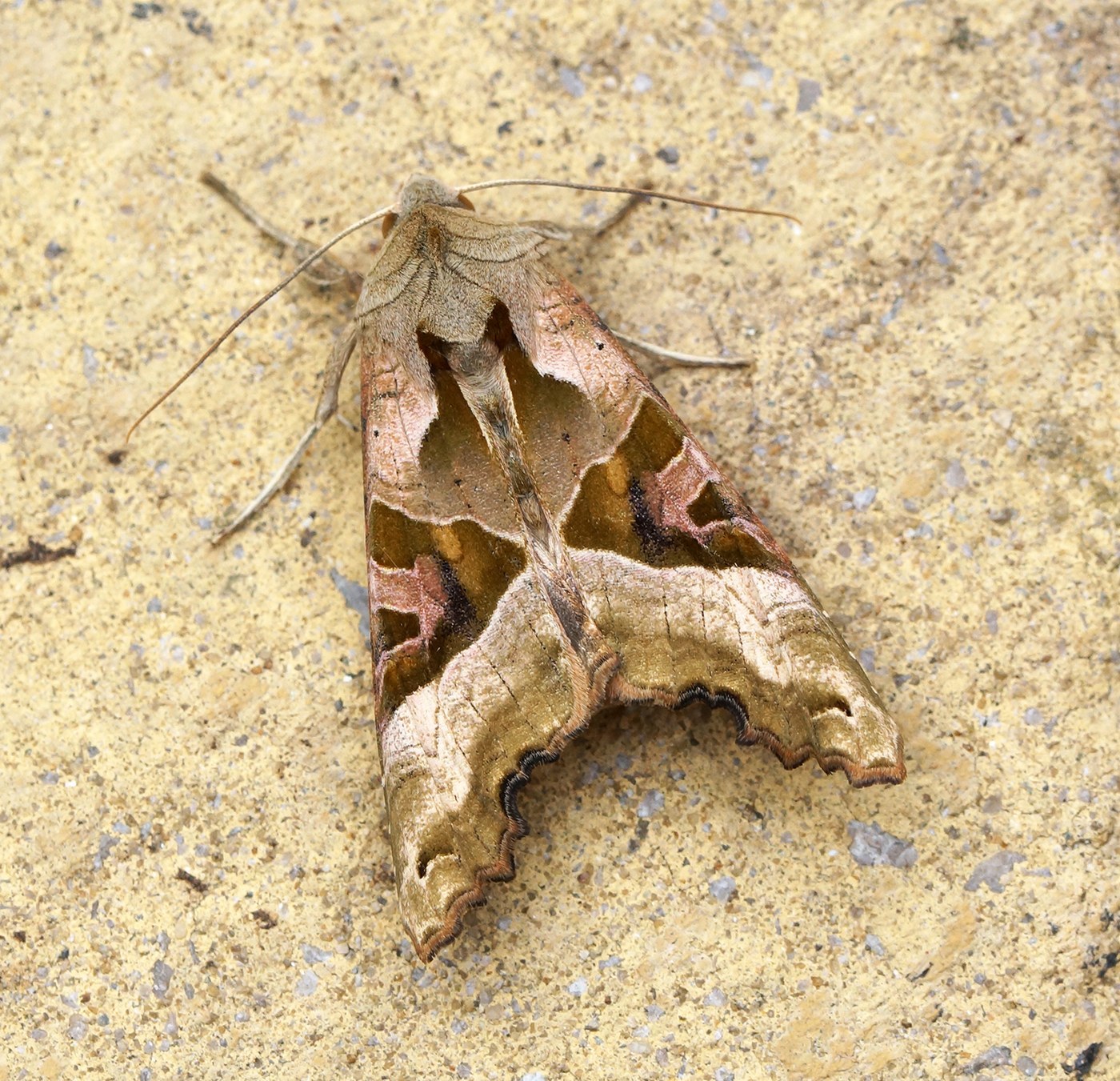
Angle Shades Moth
Gardens, hedgerows, woodland edges, urban parks
Atlas Moth
Tropical and subtropical lowland forests of Southeast Asia