
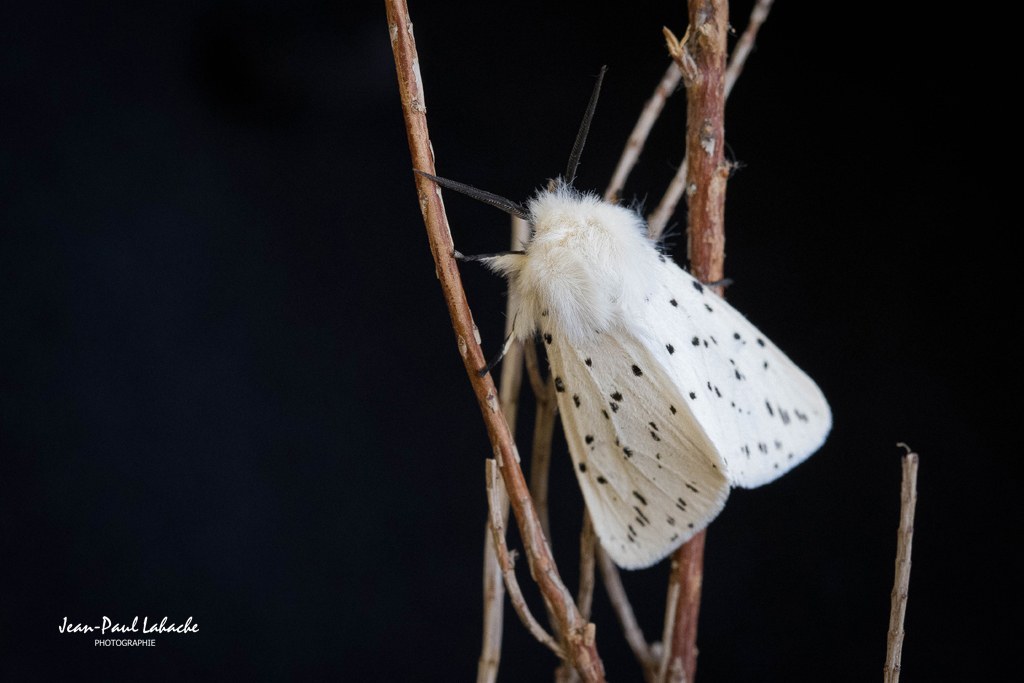
White Ermine Moth
Spilosoma lubricipeda
A soft, fuzzy white moth speckled with small black dots, resembling the ermine fur trim after which it is named, commonly seen resting on vegetation or attracted to lights on summer nights.
- Size
- 1.4–1.8 in wingspan
- Habitat
- Gardens, meadows, hedgerows
- Danger
- Harmless
Spotted a bug like this?
Identify any bug or insect from a photo, free.
Overview
The white ermine moth is a member of the tiger moth subfamily Arctiinae within the family Erebidae, widespread across Europe and parts of temperate Asia. Its common name references the resemblance of its white, dark-spotted wings to ermine fur, a luxury material historically trimmed with the black-tipped tails of stoats.
Adults have a plush, densely furred body and predominantly white wings scattered with small, irregular black dots, giving them an elegant, almost decorative appearance among garden moths. The species is a familiar sight in light traps and gardens during early summer.
As a member of the tiger moth group, the white ermine shares broader family traits including warning coloration in some relatives and a caterpillar stage covered in dense hair, making it part of a well-known and visually striking moth lineage found throughout the Northern Hemisphere.
How to Identify
- Wings are creamy white to pure white, scattered with small, irregular black spots across both forewings and hindwings.
- Body is thick and densely furred, white with a row of black dots along the abdomen and often an orange-yellow patch near the base.
- Wingspan roughly 3.5–4.5 cm; wings held tent-like or flat over the body at rest.
- Feathery antennae, more pronounced in males.
- Distinguished from the similarly patterned buff ermine and muslin moth by its purer white ground color and more numerous black spotting.
Habitat & Range
Common across the United Kingdom, continental Europe, and temperate parts of Asia, found in gardens, meadows, hedgerows, and waste ground wherever low herbaceous plants grow. Adults fly mainly at night from late spring into midsummer and are frequently attracted to outdoor lighting and moth traps.
Behavior & Diet
Adults are nocturnal, resting by day on foliage or fences where their pale coloring can still make them fairly conspicuous against darker backgrounds, and flying at night in search of mates. Caterpillars are generalist feeders on low-growing herbaceous plants and are densely covered in long hairs, a trait shared broadly among tiger moth larvae that provides some protection from predators. The species contributes to the broader community of night-flying pollinators and prey items for nocturnal insectivores.
Life Cycle
Females lay clusters of eggs on the underside of host plant leaves, which hatch into hairy caterpillars that feed through summer on a wide range of low-growing plants. The larvae molt through several instars before overwintering as a fully grown caterpillar or pupa, sheltering in leaf litter or loose soil. Pupation occurs in a silk-lined cocoon incorporating the caterpillar's own hairs, with adults emerging the following late spring to complete one generation per year.
Frequently asked questions
Why is it called the ermine moth?
Its white wings scattered with small black spots resemble the appearance of ermine fur, a fashion material historically associated with stoat pelts.
How can I tell it apart from the buff ermine moth?
The white ermine has a purer white ground color with more extensive black spotting, while the buff ermine tends toward a warmer, creamy buff tone with fewer spots.
What does the caterpillar eat?
It feeds on a wide variety of low-growing herbaceous garden and meadow plants.
When is it most likely to be seen?
Adults are most active at night in late spring and early summer, often appearing at porch lights or moth traps.
White Ermine Moth guides
In-depth guides for identifying, understanding, and living alongside White Ermine Moth.
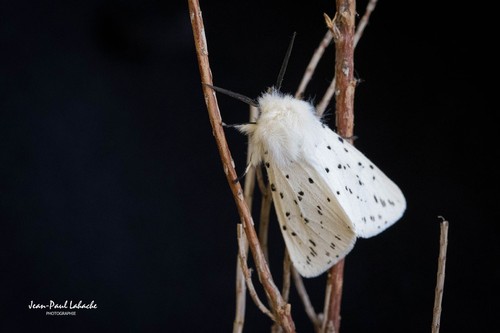
White Ermine Moth identified by the community
Real finds identified with Bug Identifier.
Other bugs you may enjoy
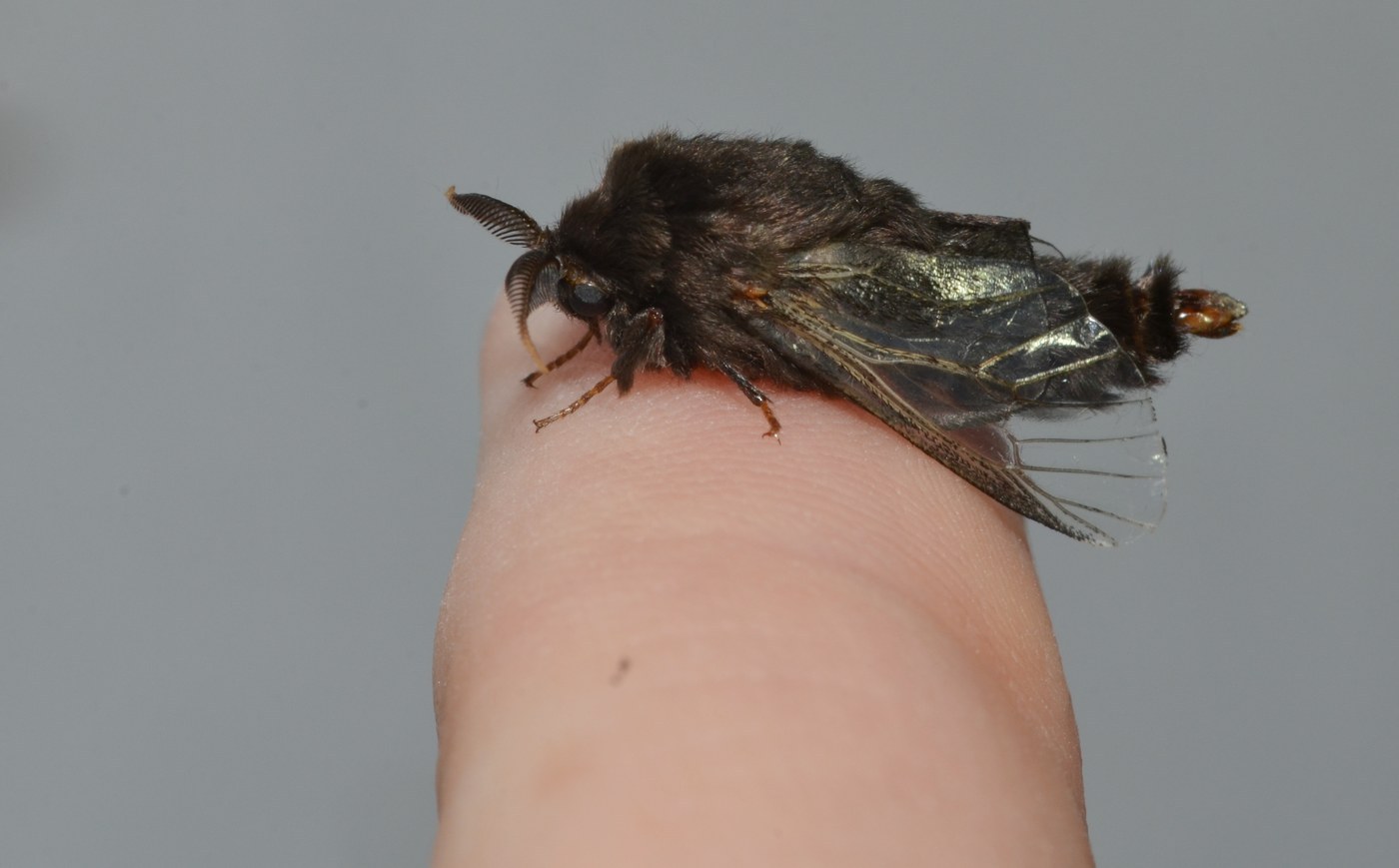
Bagworm Moth
Coniferous and deciduous trees, shrubs, hedges
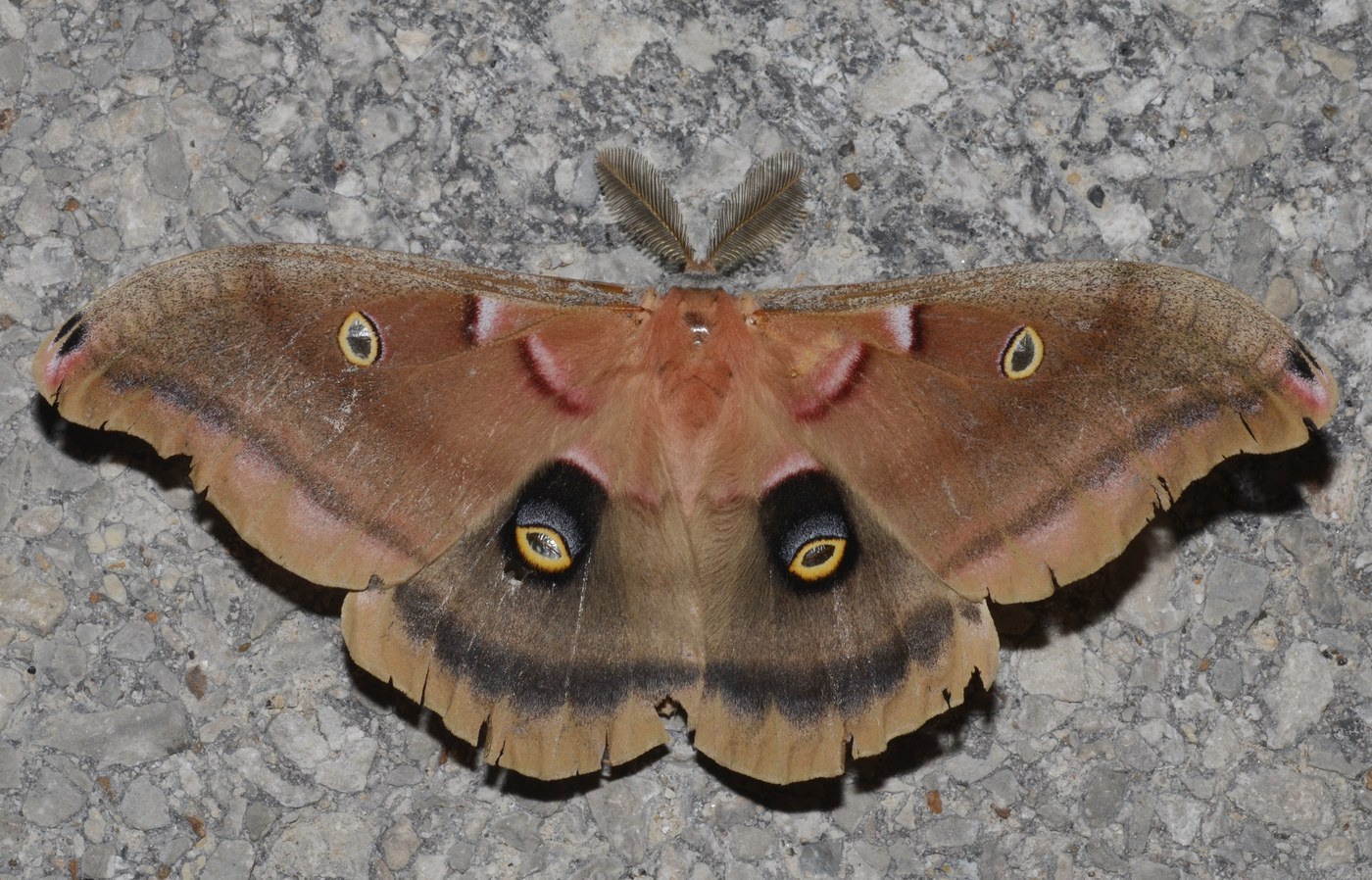
Antheraea Silkmoth
Deciduous forests, woodland edges, orchards
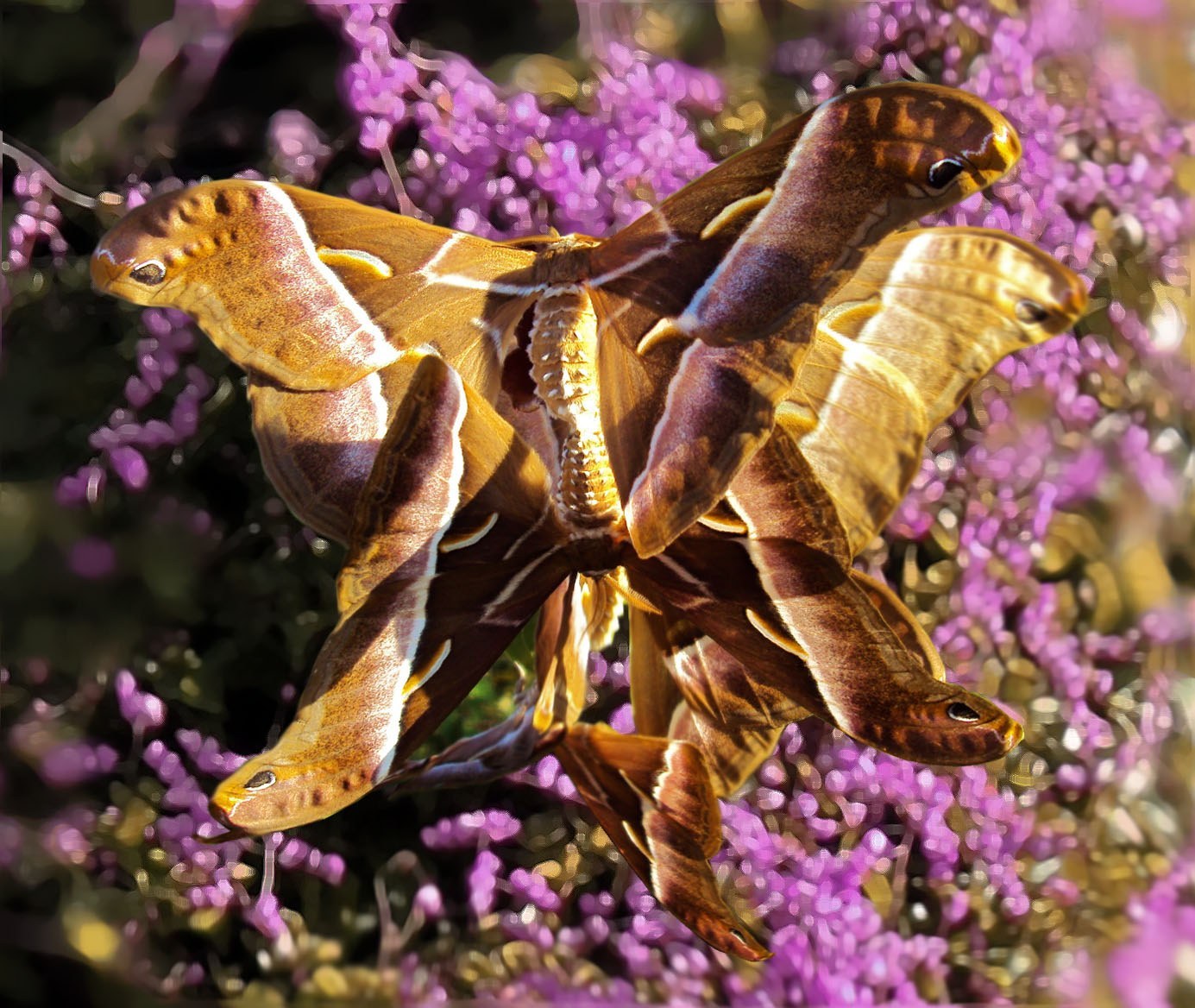
Ailanthus Silkmoth (Cynthia Moth)
Urban parks, wastelands, and woodland edges with tree-of-heaven; native to Asia, introduced in North America and Europe
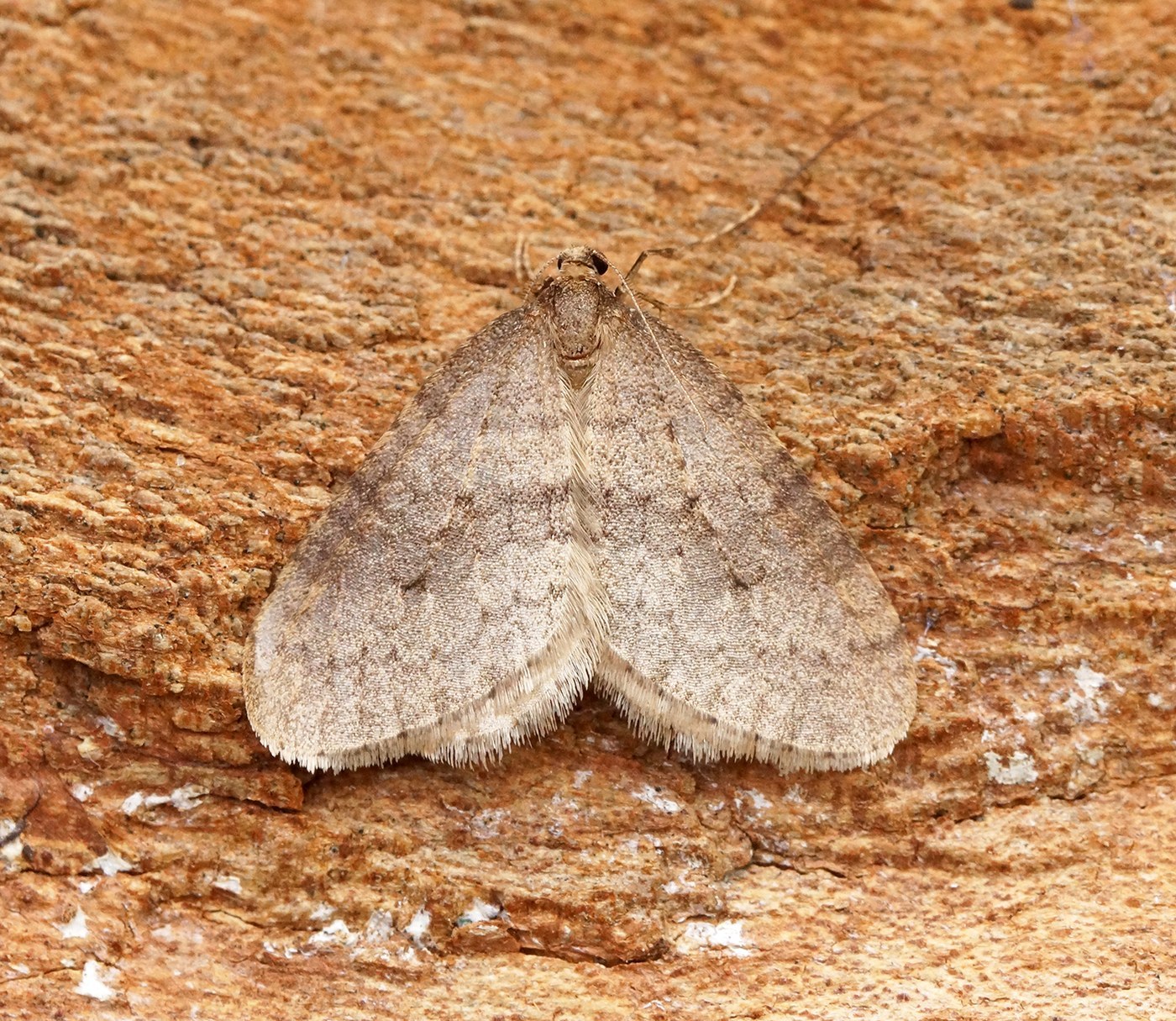
Winter Moth
Deciduous woodland, orchards, gardens, hedgerows
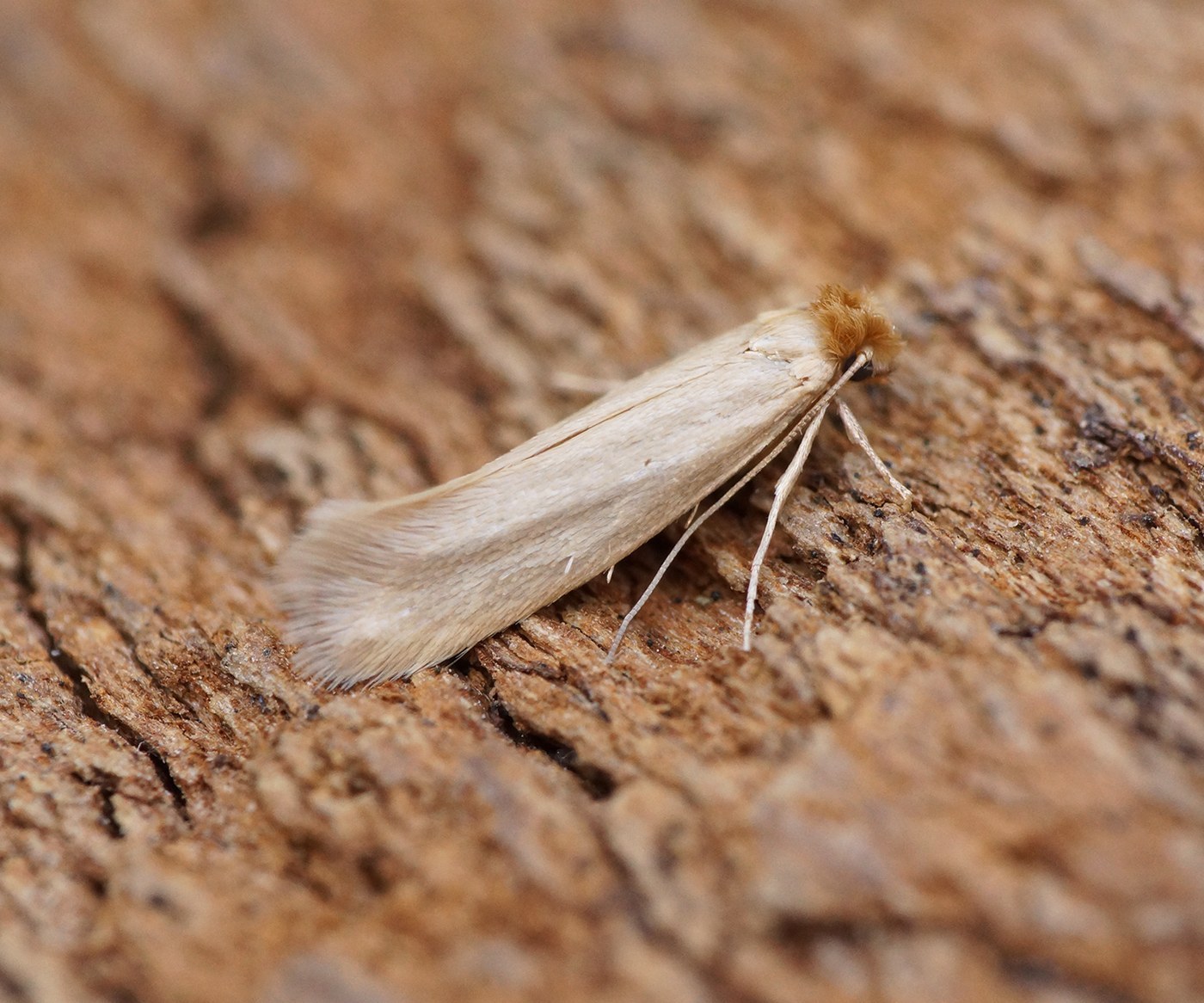
Webbing Clothes Moth
Dark closets, storage areas, and animal nests worldwide
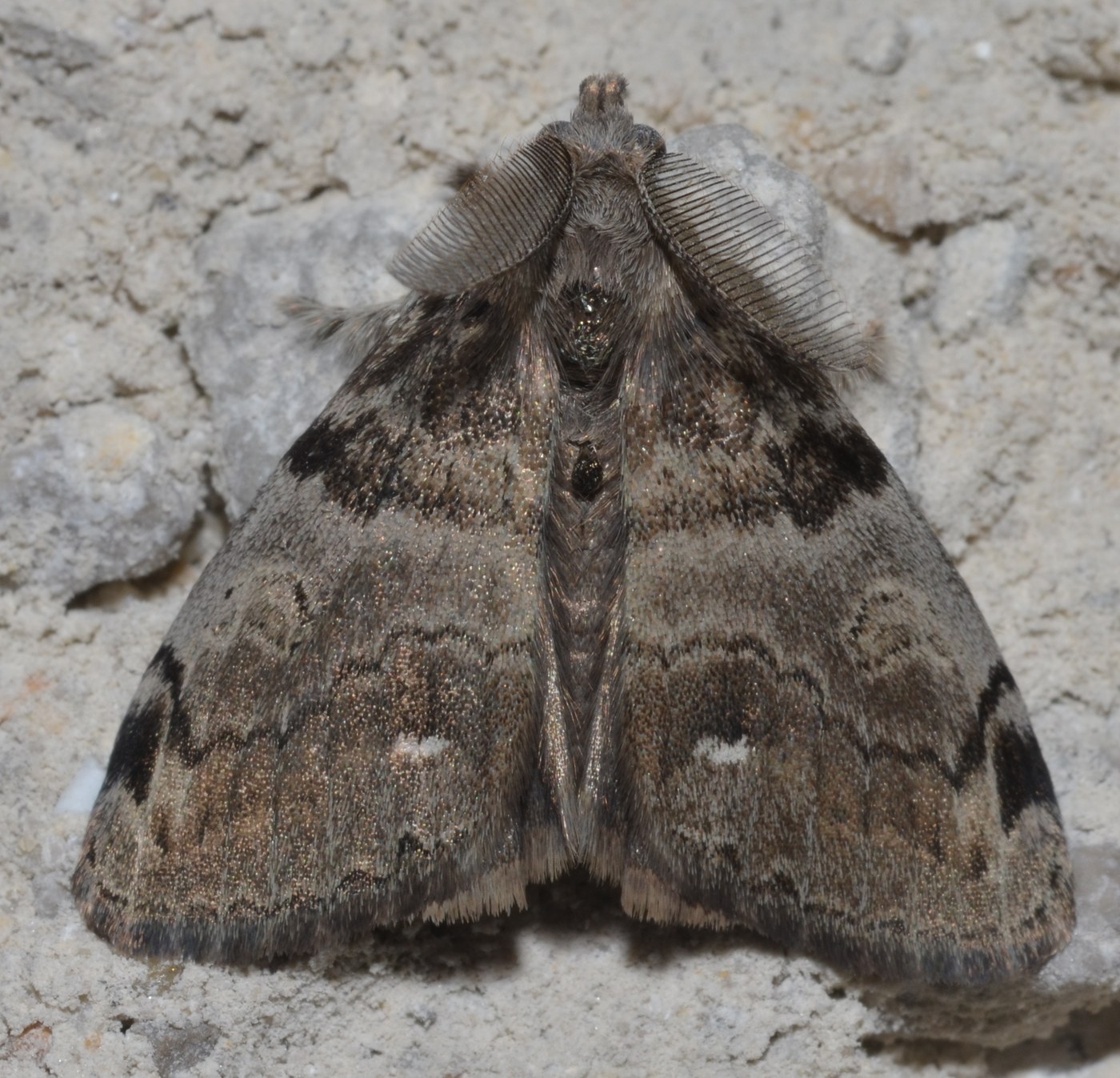
Tussock Moth
Deciduous forests, parks, gardens
Wax Moth
Beehives, apiaries, stored beeswax and comb
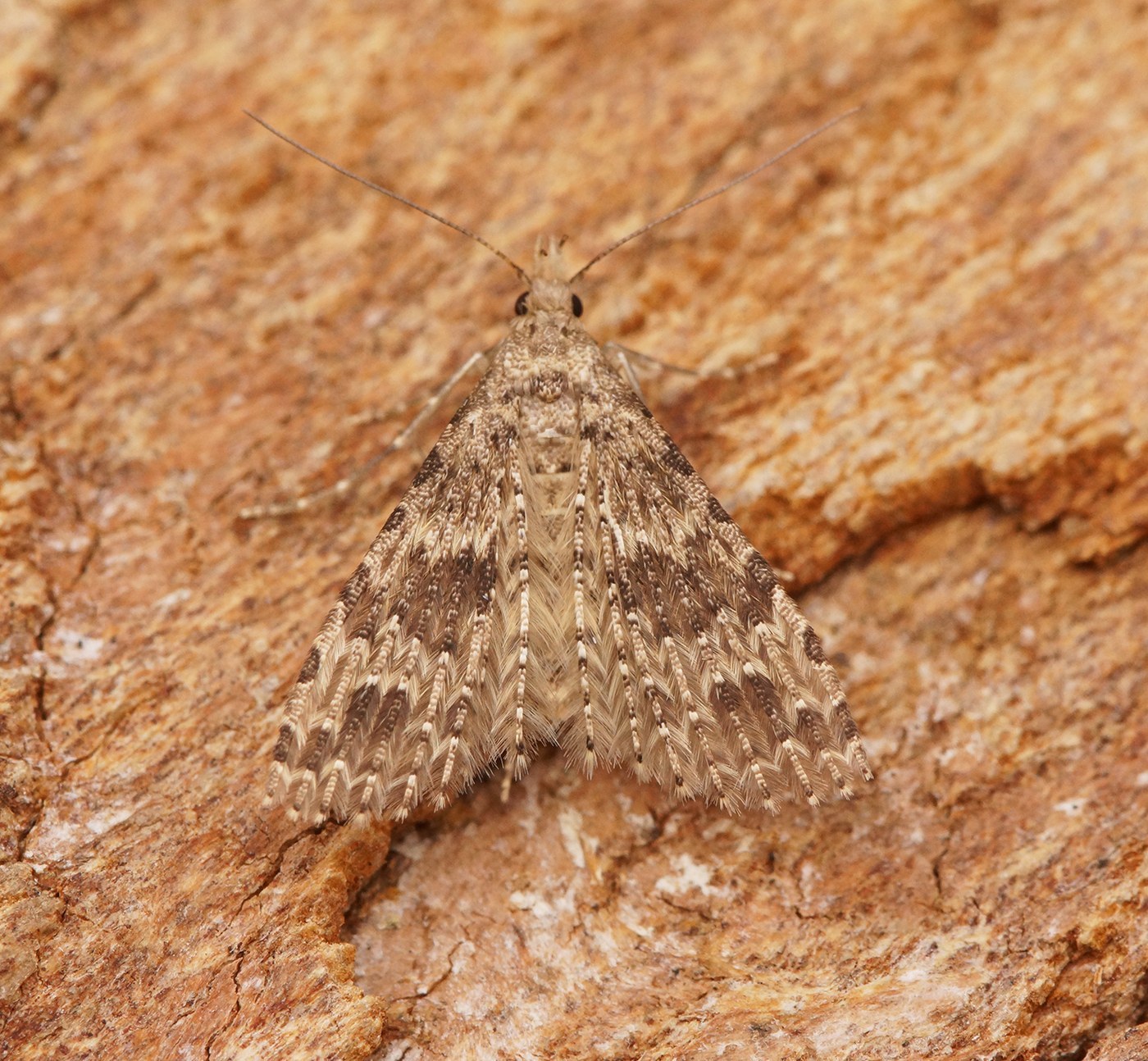
Twenty-plume Moth
Gardens, hedgerows, near honeysuckle
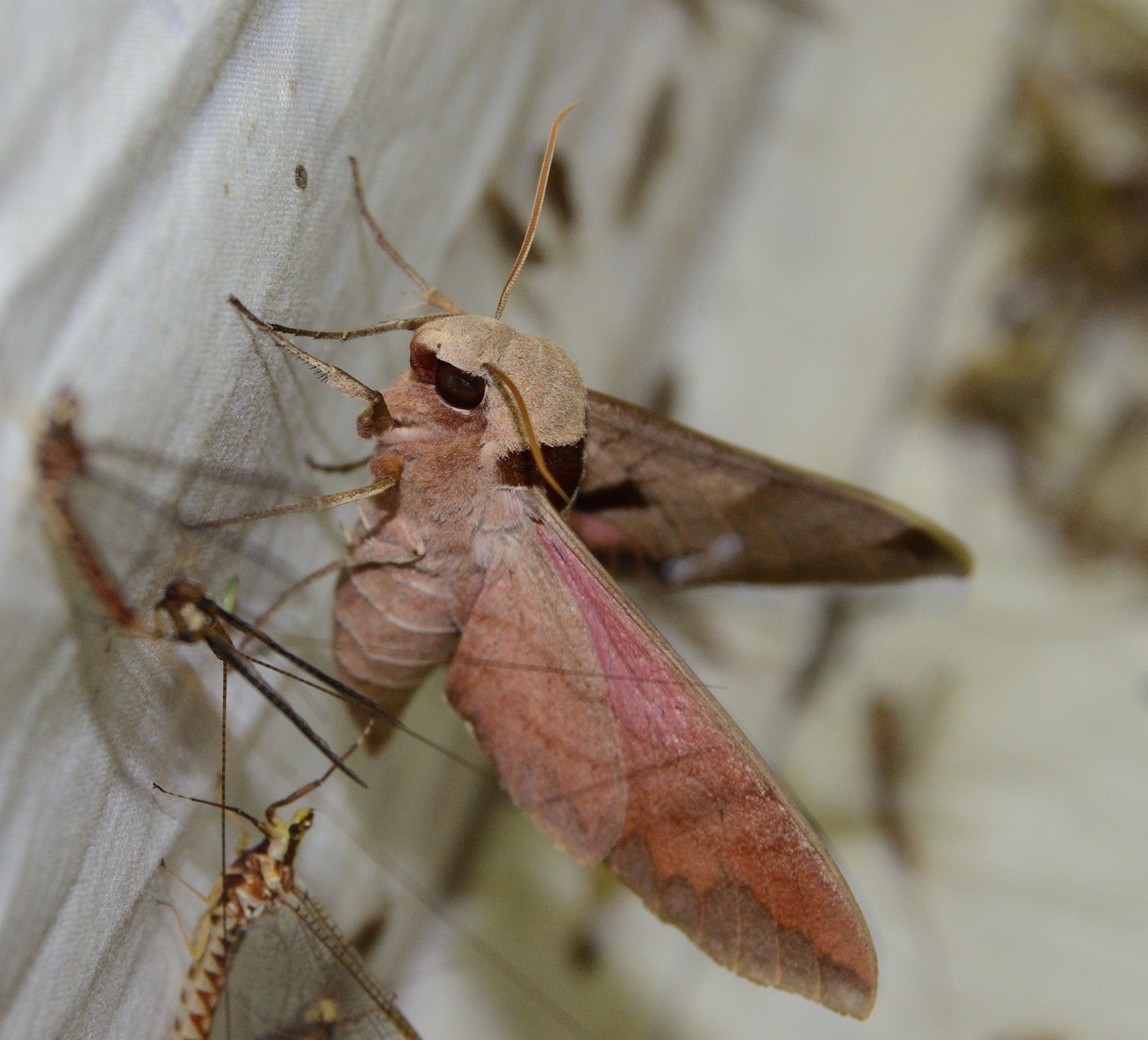
Achemon Sphinx Moth
Vineyards, woodland edges, gardens with wild grape
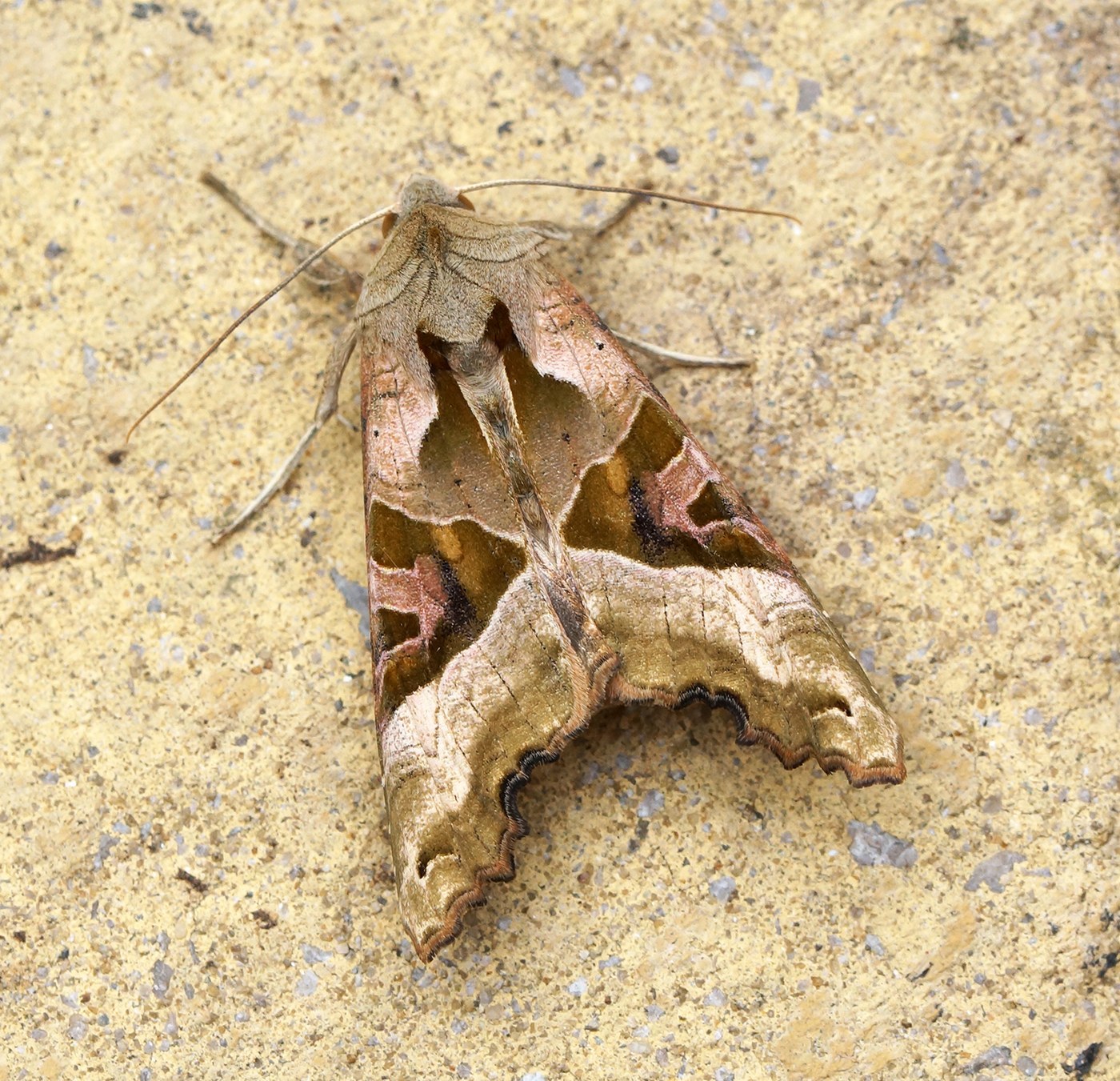
Angle Shades Moth
Gardens, hedgerows, woodland edges, urban parks
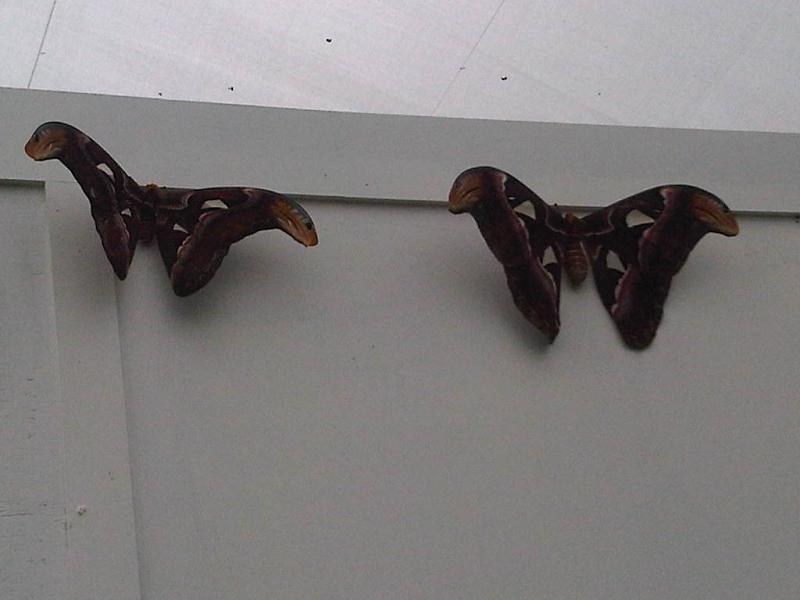
Atlas Moth
Tropical and subtropical lowland forests of Southeast Asia
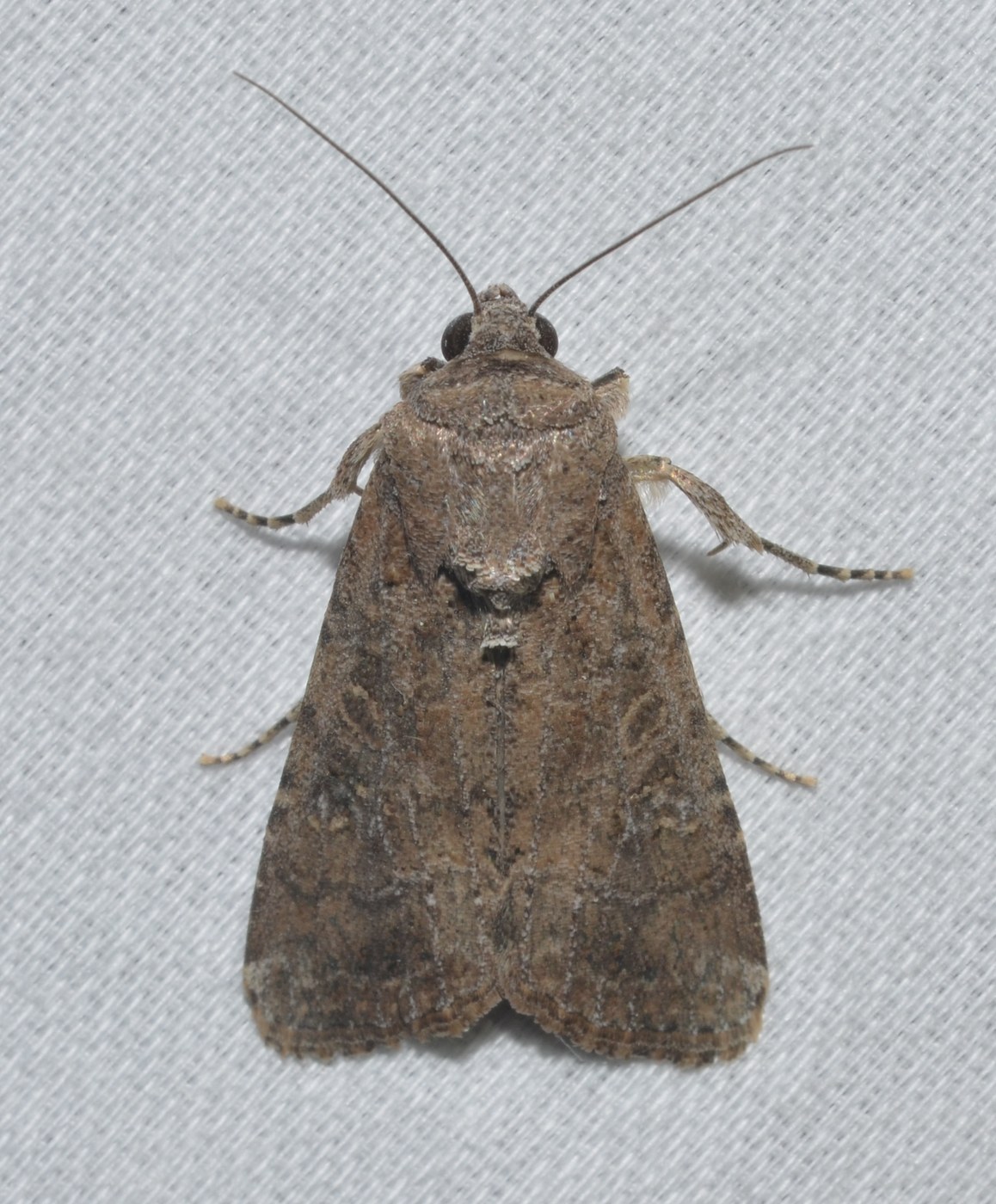
Armyworm Moth
Grasslands, pastures, farmland