
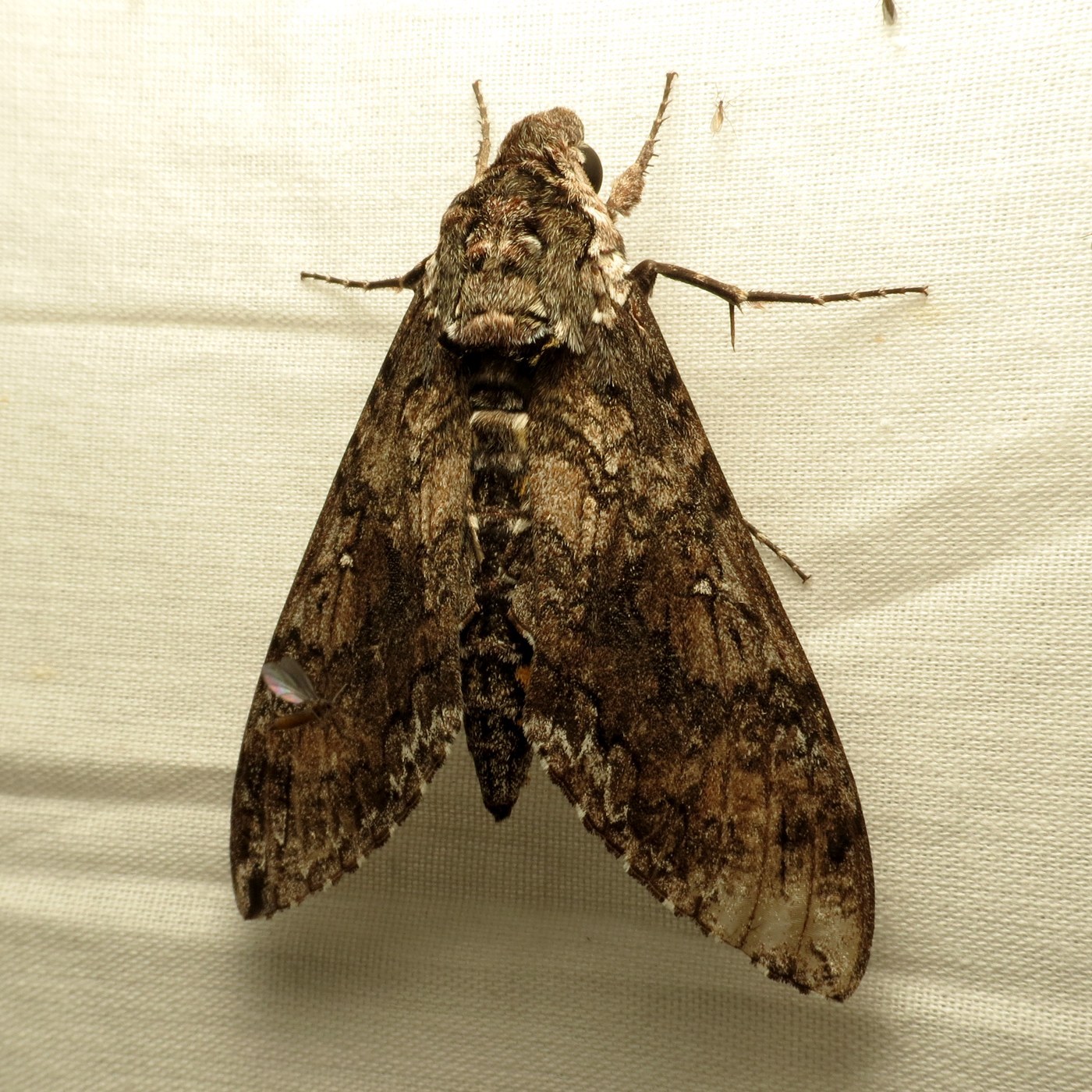
Tobacco Hornworm Moth (Carolina Sphinx)
Manduca sexta
A large, streamlined gray-brown sphinx moth with six pairs of orange spots along its abdomen, best known as the adult stage of the tobacco hornworm caterpillar that feeds on tomato and tobacco plants.
- Size
- 3.5–5 in wingspan
- Habitat
- Gardens, farmland, tobacco and nightshade-family crops
- Danger
- Harmless
Spotted a bug like this?
Identify any bug or insect from a photo, free.
Overview
The tobacco hornworm moth, also called the Carolina sphinx moth, is a large member of the sphinx or hawk moth family (Sphingidae). Adults are powerful, fast fliers with narrow, swept-back wings built for sustained hovering flight, and they are most active around dusk, when they visit deep-throated flowers for nectar.
The species is far better known in its larval stage, the tobacco hornworm, a large green caterpillar with white diagonal stripes and a curved posterior 'horn' that is a familiar and often unwelcome sight to home gardeners growing tomatoes, peppers, and related nightshade-family plants.
As a pollinator, the adult moth performs an important ecological function similar to that of hawk moths generally, visiting night-blooming and evening flowers with long floral tubes that few other pollinators can reach.
How to Identify
- Large, torpedo-shaped body with mottled gray-brown forewings and narrower, more rounded hindwings.
- Abdomen marked with six pairs of bright orange-yellow spots running down each side, a key identification feature.
- Wingspan reaches 3.5 to 5 inches, among the larger moths encountered in gardens.
- Closely resembles the tomato hornworm moth (five-spotted hawk moth), which has five pairs of spots instead of six and slightly different wing patterning; the two species' caterpillars differ mainly in the color and shape of their tail horn.
Habitat & Range
Widespread across the southern and central United States into Mexico and Central America, and found more locally further north during warm months. Adults are crepuscular and nocturnal, flying at dusk and after dark to visit flowers, while larvae are found on host plants in gardens, farm fields, and disturbed areas wherever tobacco, tomato, or other nightshade-family plants grow.
Behavior & Diet
Adult moths hover at flowers in the evening, unfurling a long proboscis to draw nectar from deep, tubular blossoms such as jimsonweed, petunia, and evening primrose, functioning as important pollinators for these plants. The larvae are voracious leaf-feeders on nightshade-family plants, capable of stripping foliage quickly, and are a well-known presence on garden tomato and tobacco plants. When disturbed, the caterpillar may rear up its front end in a sphinx-like posture, which gives the family its common name.
Life Cycle
Females lay single pale green eggs on the underside of host plant leaves. The eggs hatch into small caterpillars that grow rapidly through five instars, becoming the large green hornworm familiar to gardeners, before dropping to the soil to pupate underground in a dark, spindle-shaped case. There are typically two or more generations per year in warmer climates, and the species overwinters as a pupa buried in the soil, emerging as an adult moth when conditions warm.
Frequently asked questions
Is this the same insect as the tomato hornworm?
They are closely related but distinct species; the tobacco hornworm moth has six pairs of orange abdominal spots while the related tomato hornworm moth typically shows five pairs.
Does the adult moth damage plants?
No, adults feed only on flower nectar; it is the caterpillar stage that feeds on foliage.
How big does the adult get?
It is one of the larger moths seen in North American gardens, with a wingspan often reaching 4 to 5 inches.
When is it active?
Adults fly at dusk and through the night, often mistaken in low light for a small bat or hummingbird due to their size and hovering flight.
Tobacco Hornworm Moth (Carolina Sphinx) guides
In-depth guides for identifying, understanding, and living alongside Tobacco Hornworm Moth (Carolina Sphinx).
Other bugs you may enjoy
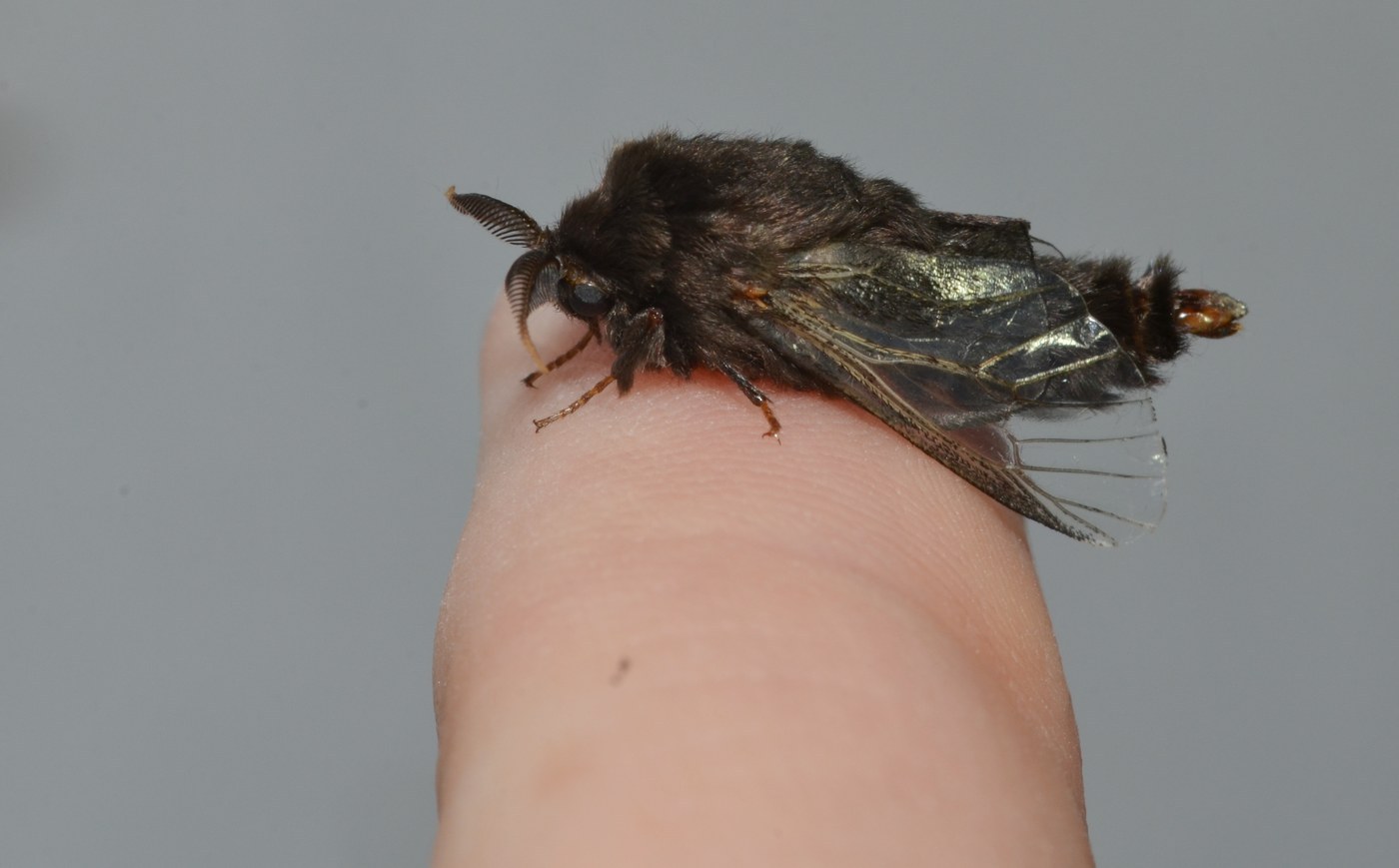
Bagworm Moth
Coniferous and deciduous trees, shrubs, hedges
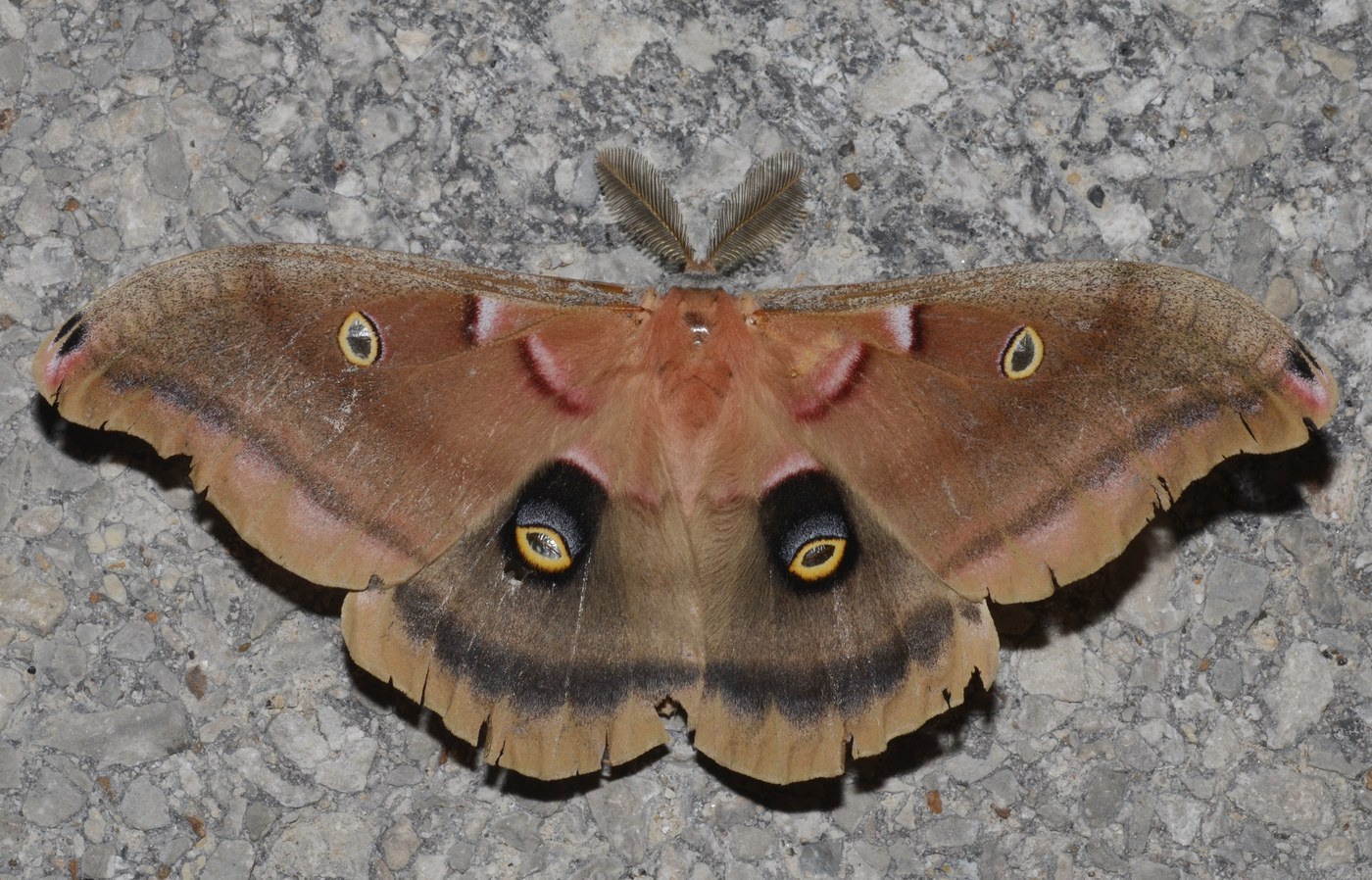
Antheraea Silkmoth
Deciduous forests, woodland edges, orchards
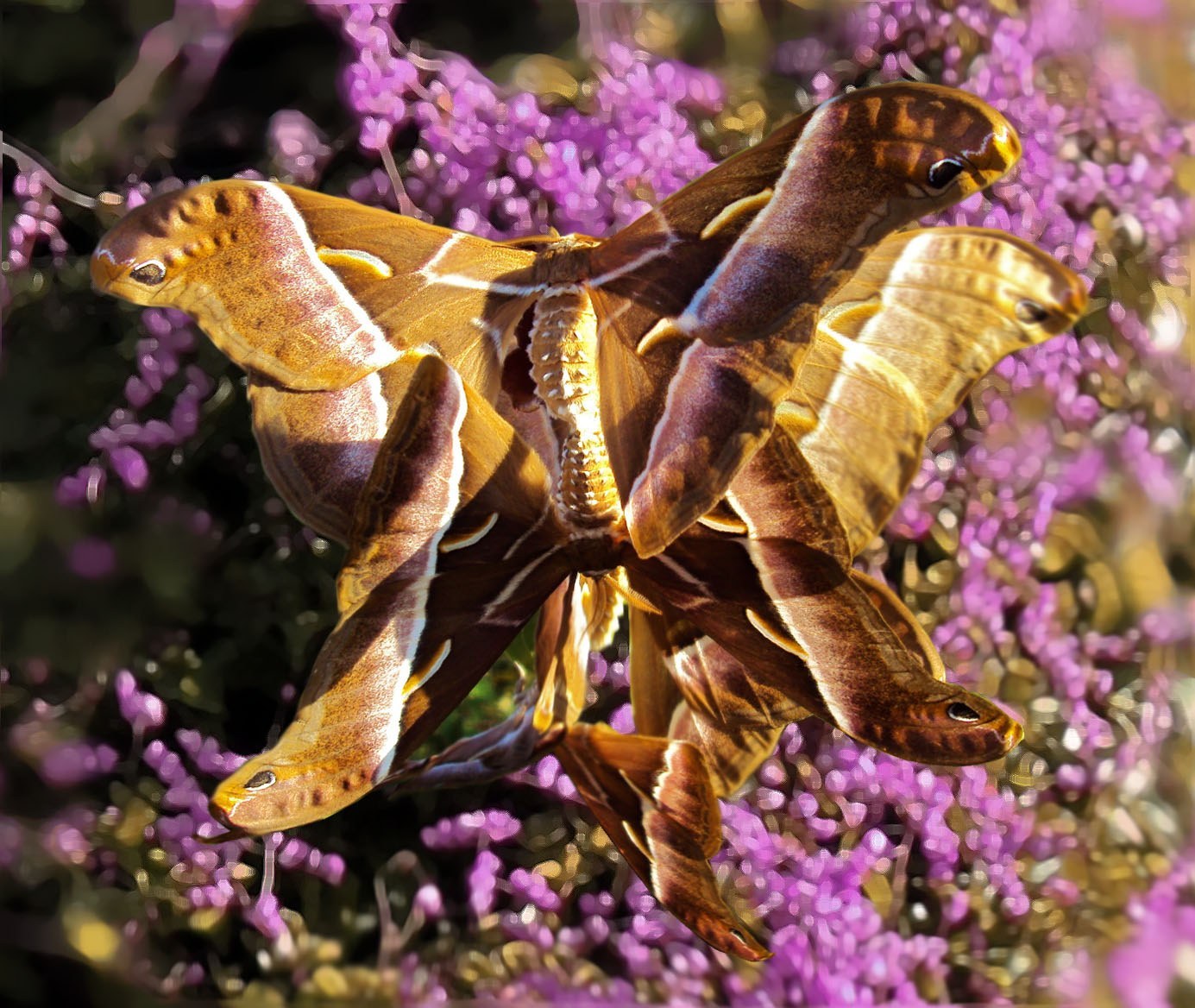
Ailanthus Silkmoth (Cynthia Moth)
Urban parks, wastelands, and woodland edges with tree-of-heaven; native to Asia, introduced in North America and Europe
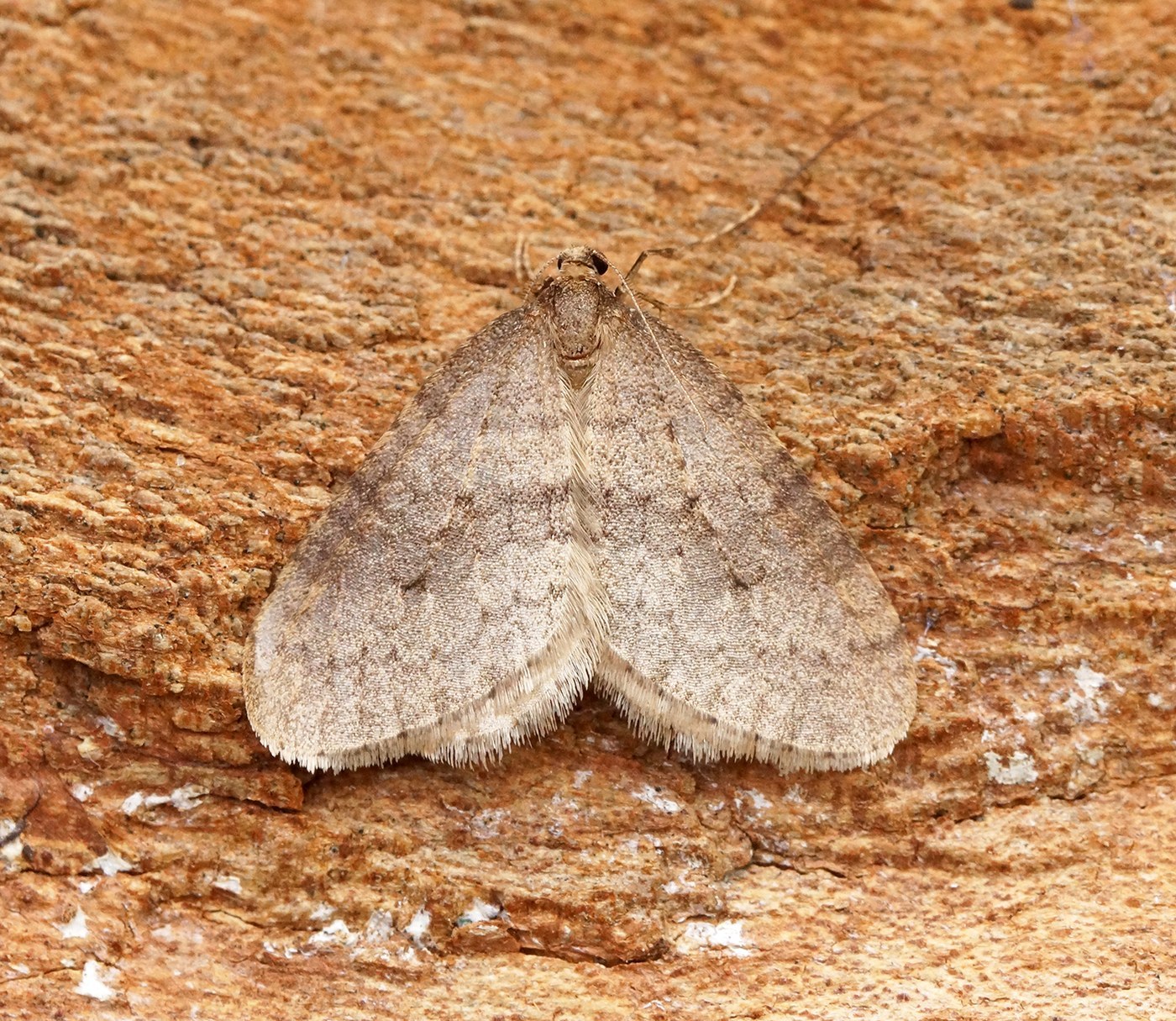
Winter Moth
Deciduous woodland, orchards, gardens, hedgerows
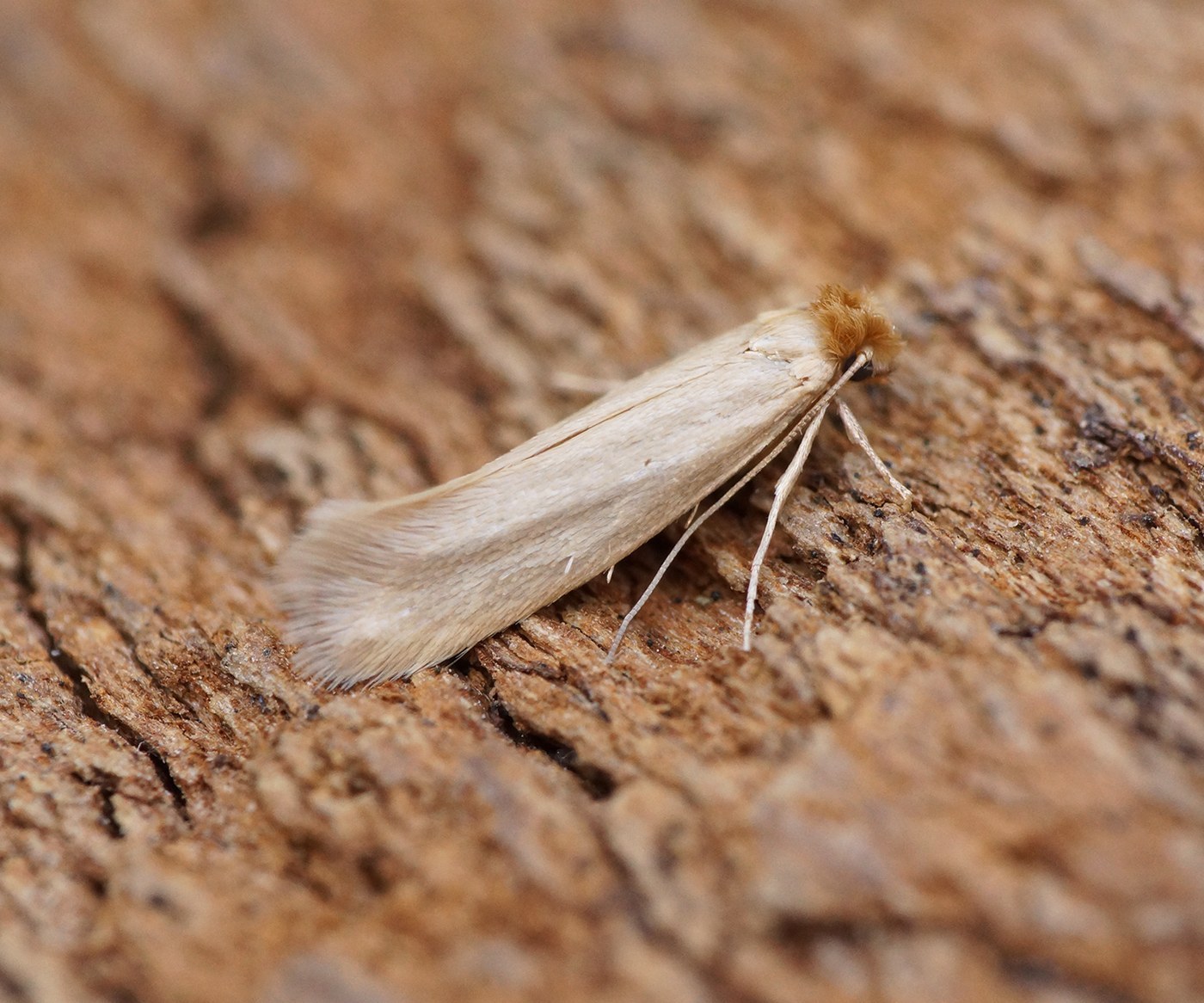
Webbing Clothes Moth
Dark closets, storage areas, and animal nests worldwide
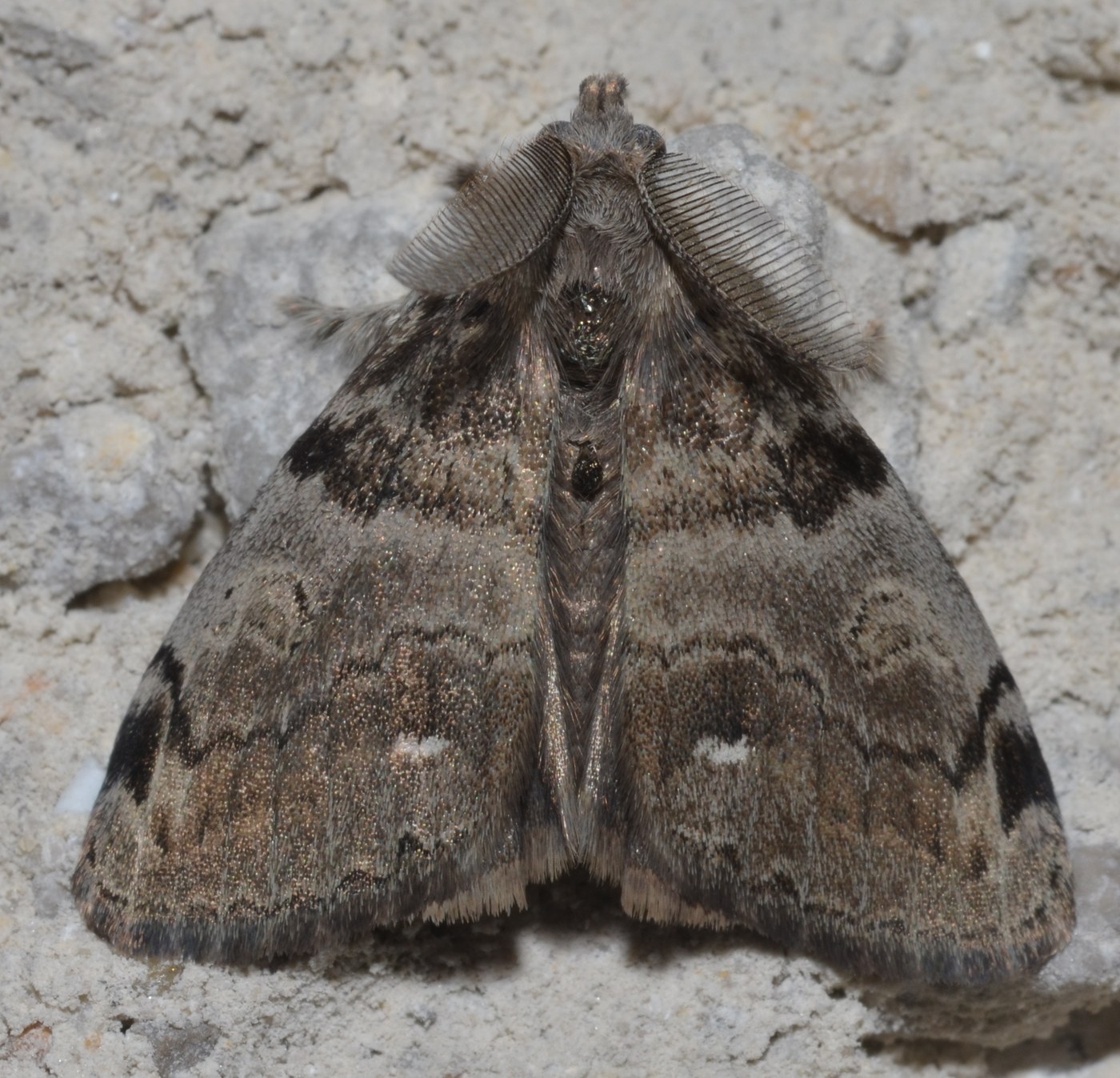
Tussock Moth
Deciduous forests, parks, gardens
Wax Moth
Beehives, apiaries, stored beeswax and comb
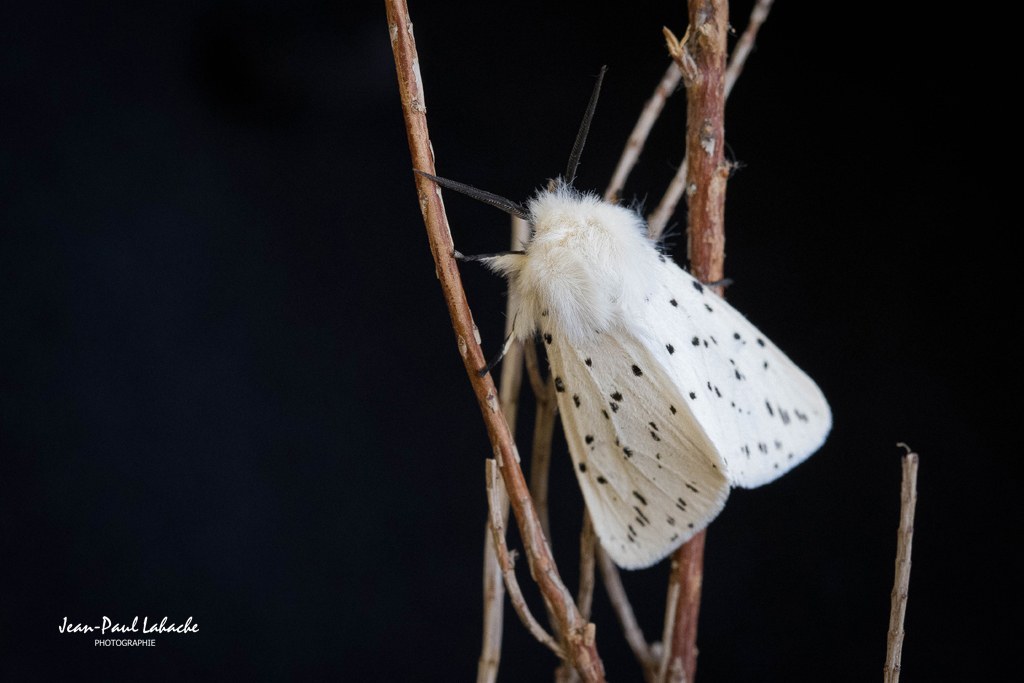
White Ermine Moth
Gardens, meadows, hedgerows
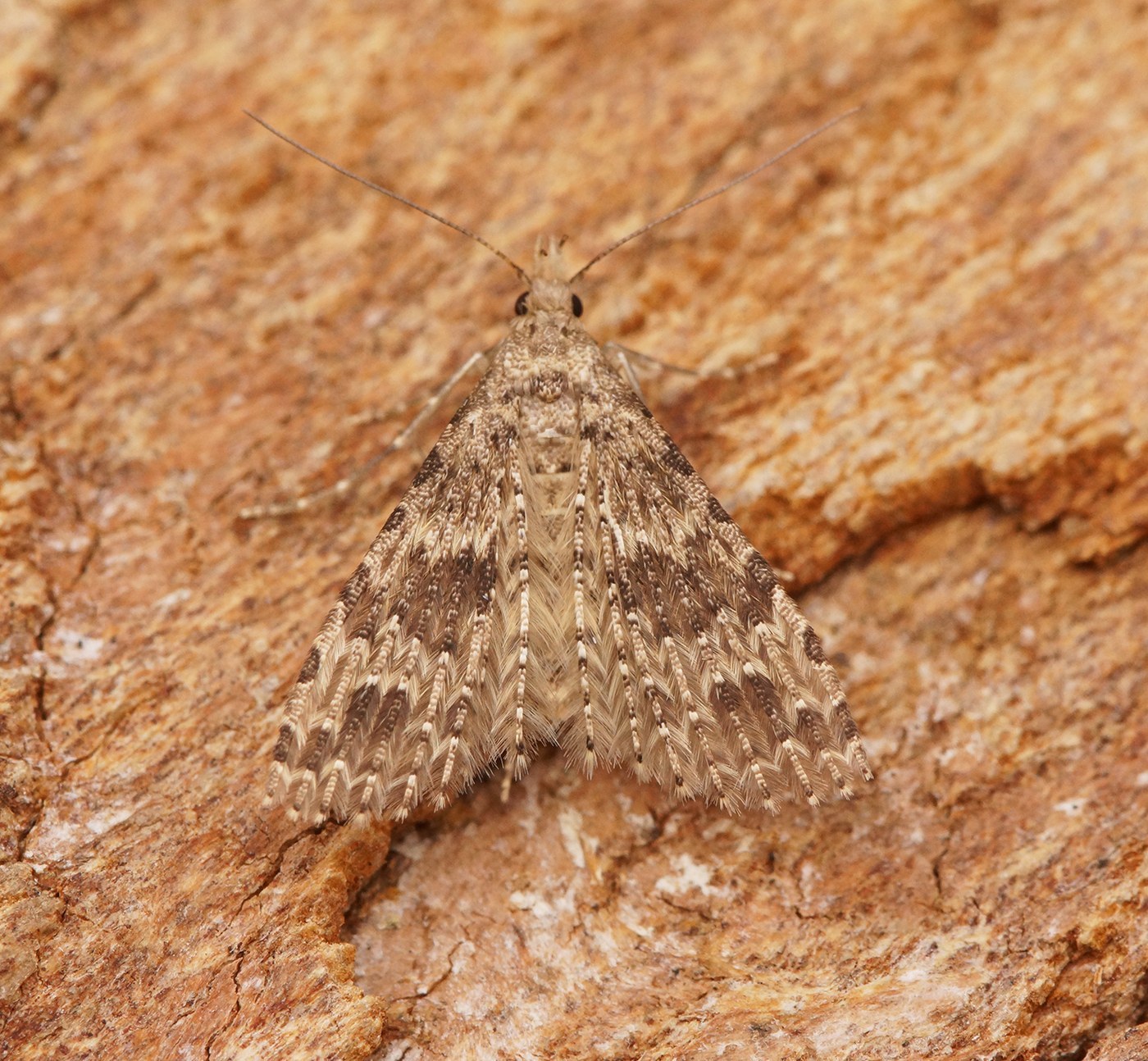
Twenty-plume Moth
Gardens, hedgerows, near honeysuckle
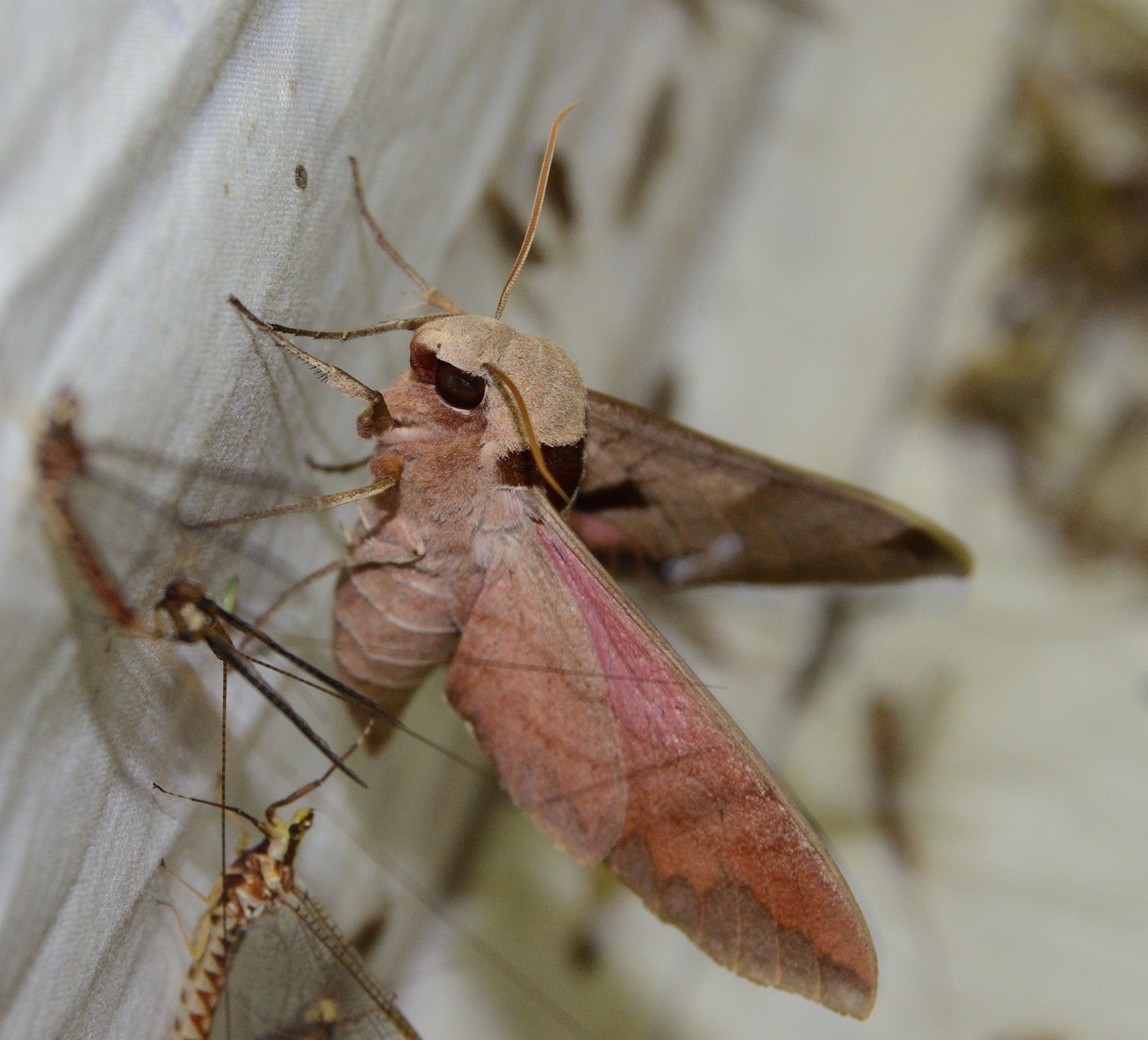
Achemon Sphinx Moth
Vineyards, woodland edges, gardens with wild grape
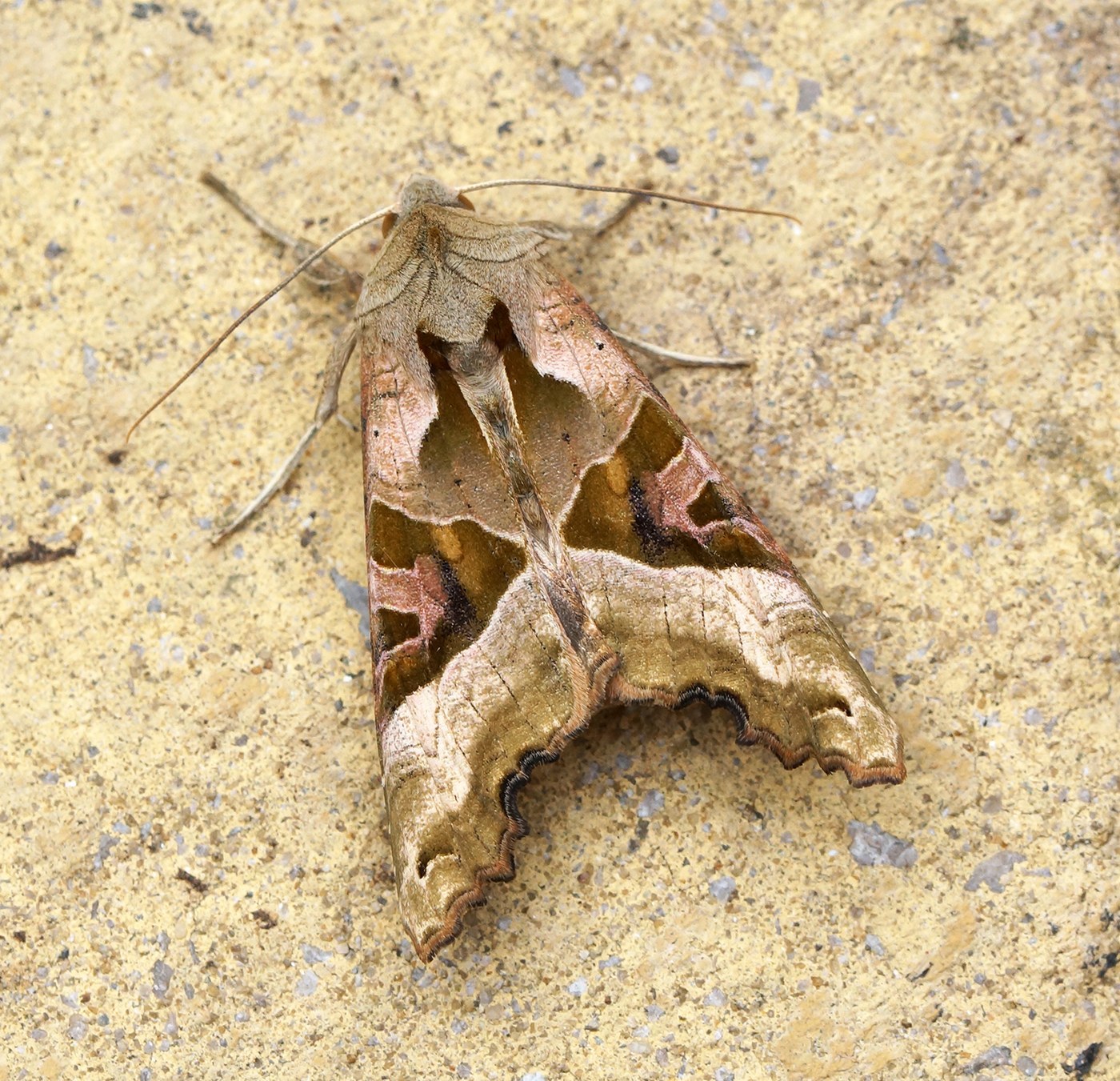
Angle Shades Moth
Gardens, hedgerows, woodland edges, urban parks
Atlas Moth
Tropical and subtropical lowland forests of Southeast Asia