
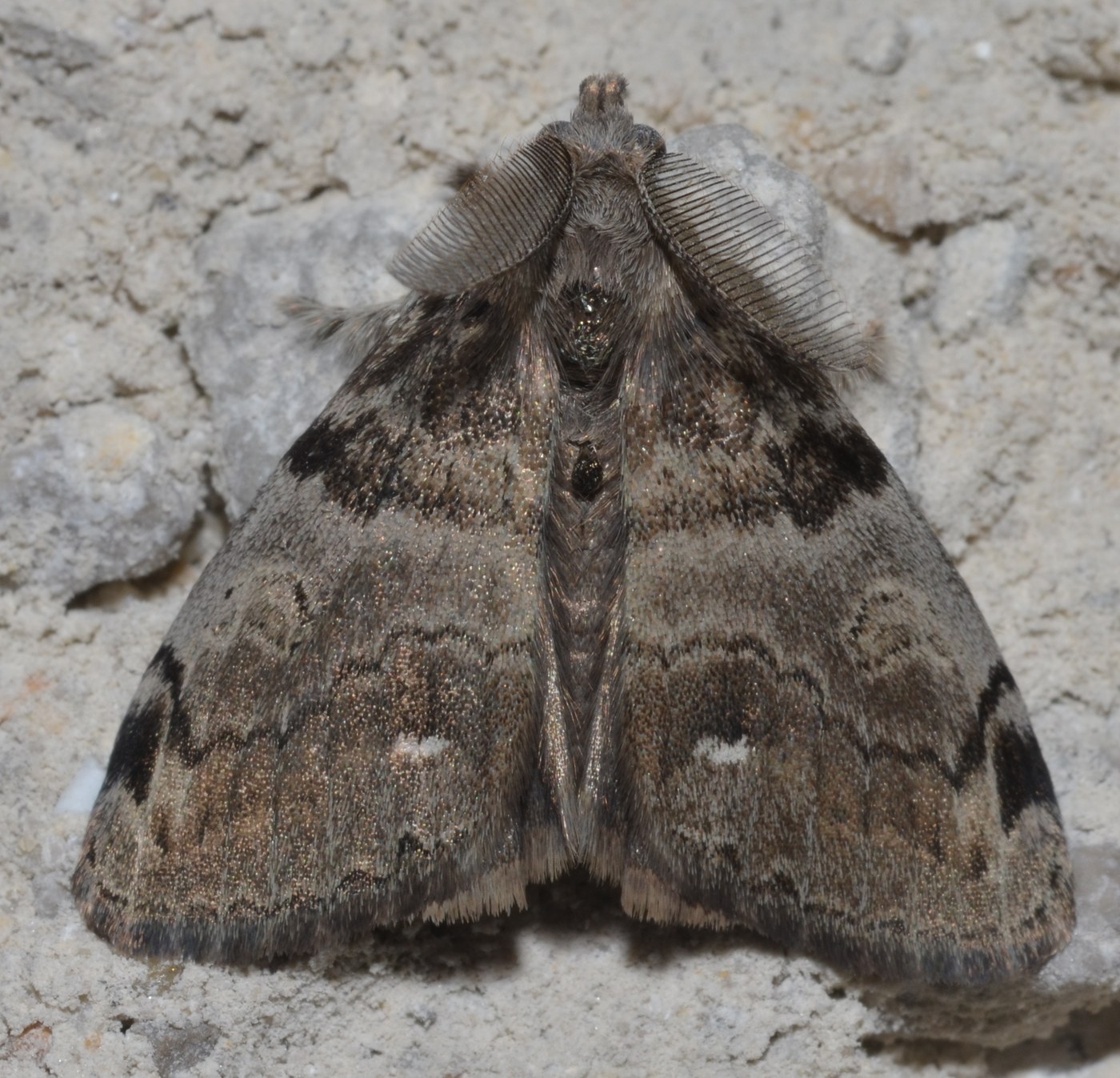
Tussock Moth
Orgyia leucostigma
A moth with a striking split lifestyle: winged, drab gray-brown males fly to seek out flightless, grub-like females, while the ornate caterpillars sport dense tufts of colorful bristly hair.
- Size
- 0.8–1.4 in wingspan (males); females wingless
- Habitat
- Deciduous forests, parks, gardens
- Danger
- Stings
Spotted a bug like this?
Identify any bug or insect from a photo, free.
Overview
The tussock moth is a member of the subfamily Lymantriinae within the family Erebidae, a group known for pronounced sexual dimorphism and distinctively hairy, tufted caterpillars. The white-marked tussock moth is one of the most familiar North American representatives of this group, easily recognized in its larval stage by dense brush-like tufts of setae along its back.
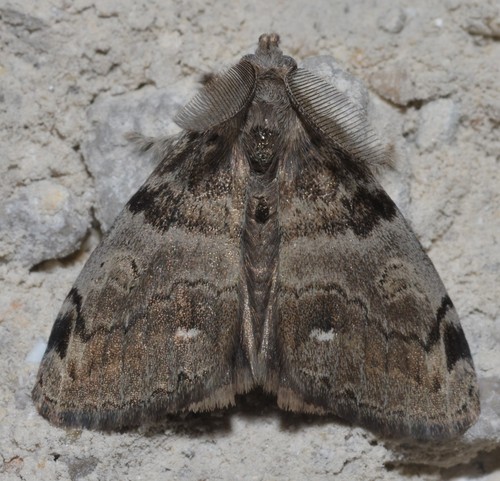
Adult males are small, drab gray-brown moths with feathery antennae and functional wings, while females are flightless, with only vestigial wing stubs, remaining on or near their cocoon to mate and lay eggs. This dramatic difference between the sexes is a hallmark of the tussock moth group.
Ecologically, the species is a generalist feeder on deciduous trees and shrubs and is a recognizable presence in forests, parks, and gardens throughout much of temperate North America, with its caterpillars often more commonly observed than the adults.
How to Identify
- Adult males are small, mottled gray-brown moths with feathery antennae and a wingspan of roughly 2.5–3.5 cm.
- Adult females are flightless, grayish, and grub-like, with reduced wing stubs, rarely seen away from their cocoon.
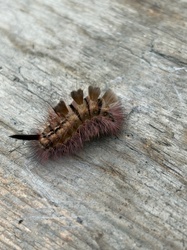
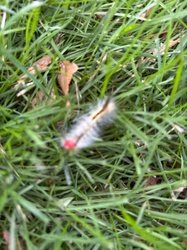
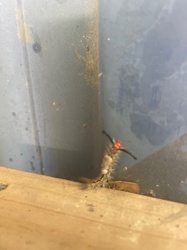
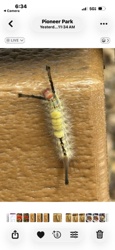
- The caterpillar is the most recognizable stage: pale yellow to cream body with a red head, black tufts of long hair-pencils projecting from the front and rear, and a row of four dense, brush-like cream or yellow tussocks along its back.
- Distinguished from other hairy caterpillars by the combination of a red head, forward-pointing black hair pencils, and the four upright tussock tufts.
Habitat & Range
Widespread across eastern and central North America in deciduous forests, urban parks, and gardens, wherever suitable host trees such as maple, oak, elm, and birch are present. Caterpillars are most commonly seen in mid to late summer, while adult moths emerge in late summer and fall.
Behavior & Diet
Male moths fly at night in search of flightless females, which remain stationed on their cocoon and release pheromones to attract mates. Caterpillars feed on the foliage of a wide range of deciduous trees and shrubs, chewing leaves and sometimes causing noticeable defoliation in high-population years. The caterpillar's dense hair tufts and bristles serve as a visual and physical deterrent to predators.
Life Cycle
Females lay a frothy mass of eggs directly on or near their old cocoon, which overwinters and hatches the following spring into small, hairy caterpillars. The larvae feed and molt through several instars over the summer before spinning a cocoon incorporating their own body hairs. Adults emerge from the cocoon, mate immediately since females cannot fly, and the cycle repeats with one or two generations per year depending on climate.
Frequently asked questions
Why don't female tussock moths fly?
Females have only vestigial wing stubs and remain near their cocoon, relying on pheromones to attract winged males rather than flying to find mates.
Is the tussock moth caterpillar the same as other hairy caterpillars?
No, it has a distinctive combination of a red head, forward-pointing black hair pencils, and four brush-like tussocks on its back that set it apart from other hairy species.
What does the caterpillar feed on?
It feeds on the foliage of many deciduous trees and shrubs, including maple, oak, elm, and birch.
Why is the caterpillar so hairy?
Its dense tufts and bristles act as a physical defense that deters predators, and they also make the larva one of the most recognizable caterpillars in its range.
Tussock Moth guides
In-depth guides for identifying, understanding, and living alongside Tussock Moth.
Tussock Moth identified by the community
Real finds identified with Bug Identifier.

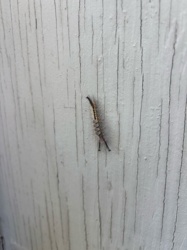
Other bugs you may enjoy
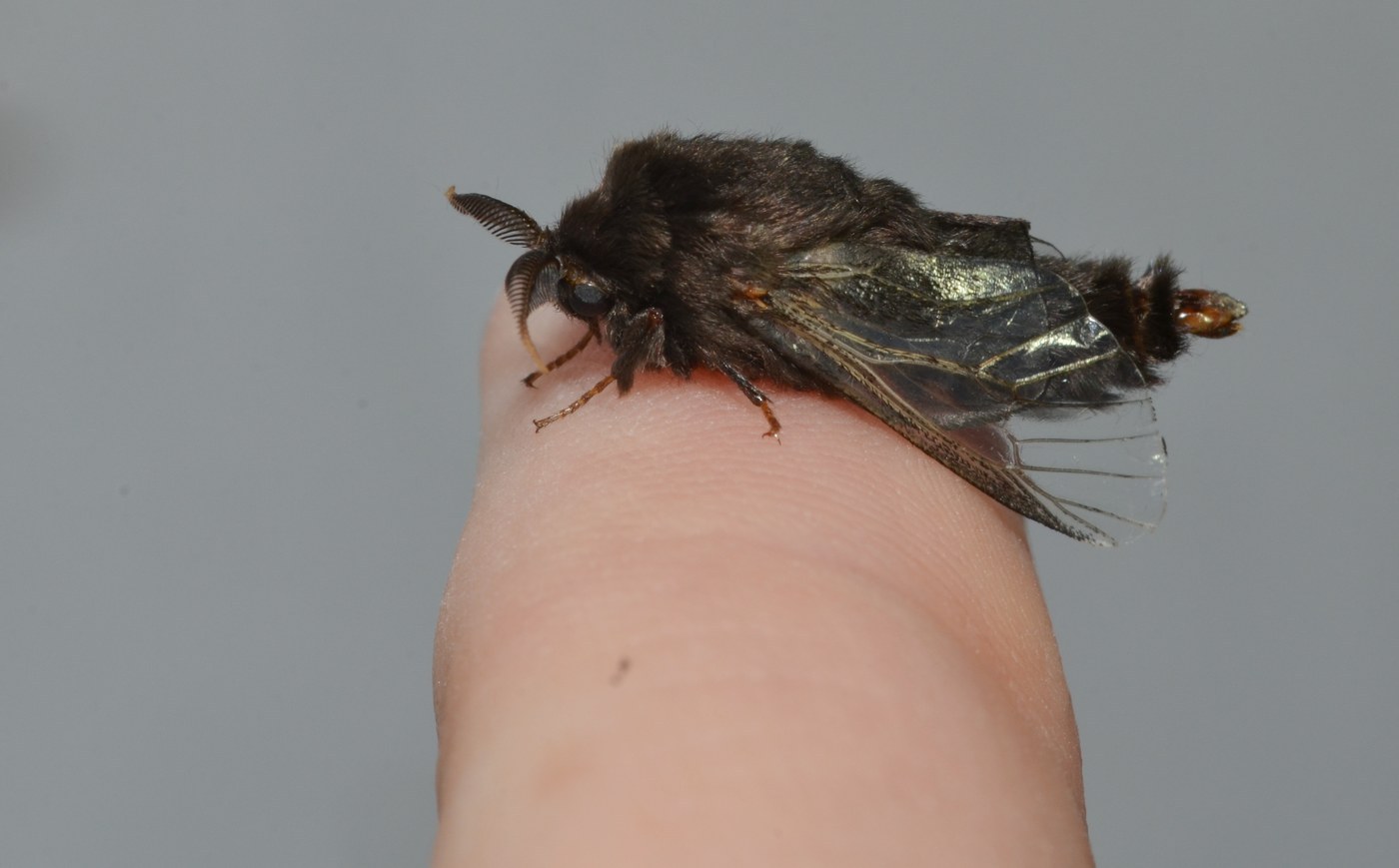
Bagworm Moth
Coniferous and deciduous trees, shrubs, hedges
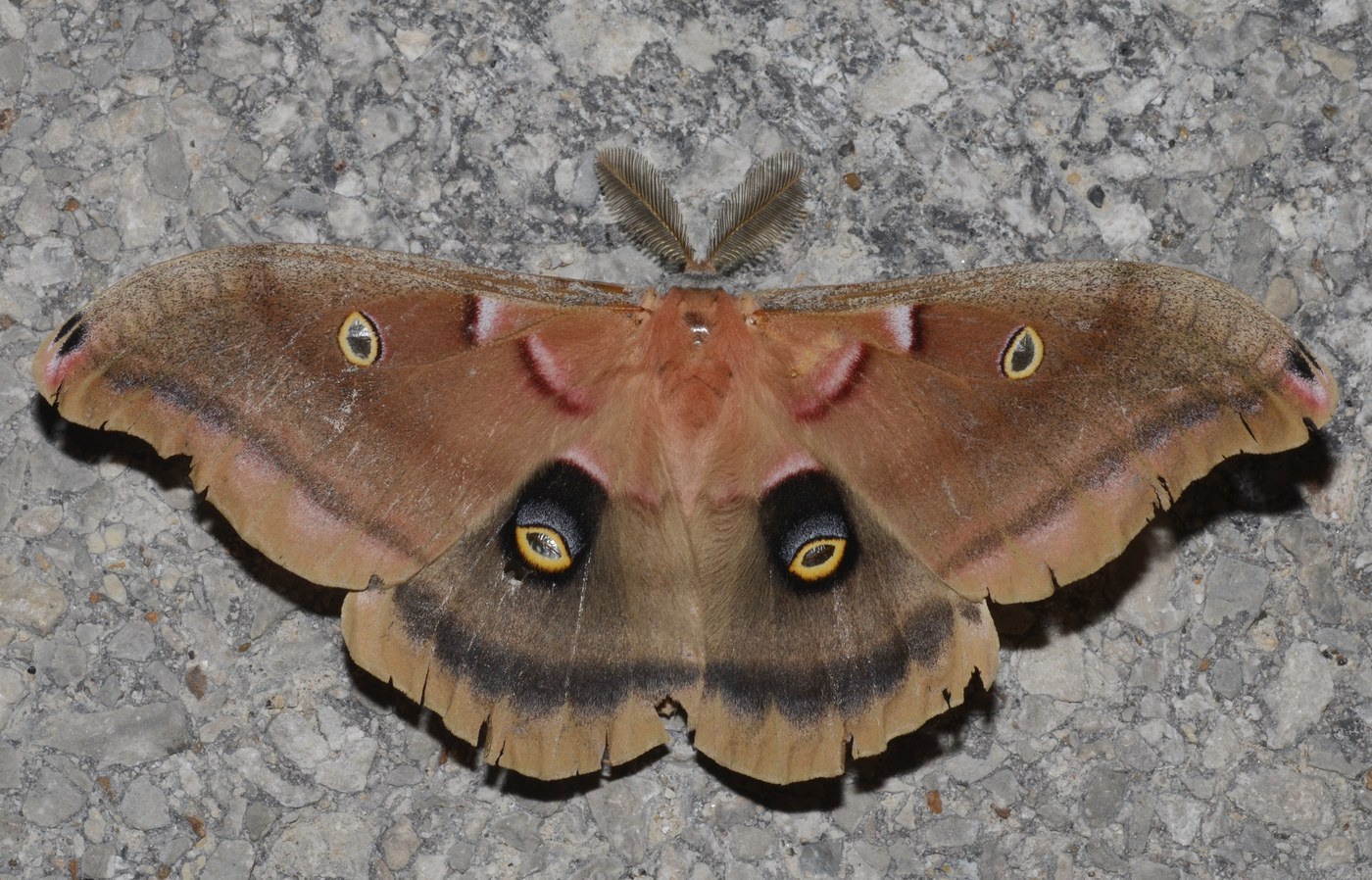
Antheraea Silkmoth
Deciduous forests, woodland edges, orchards
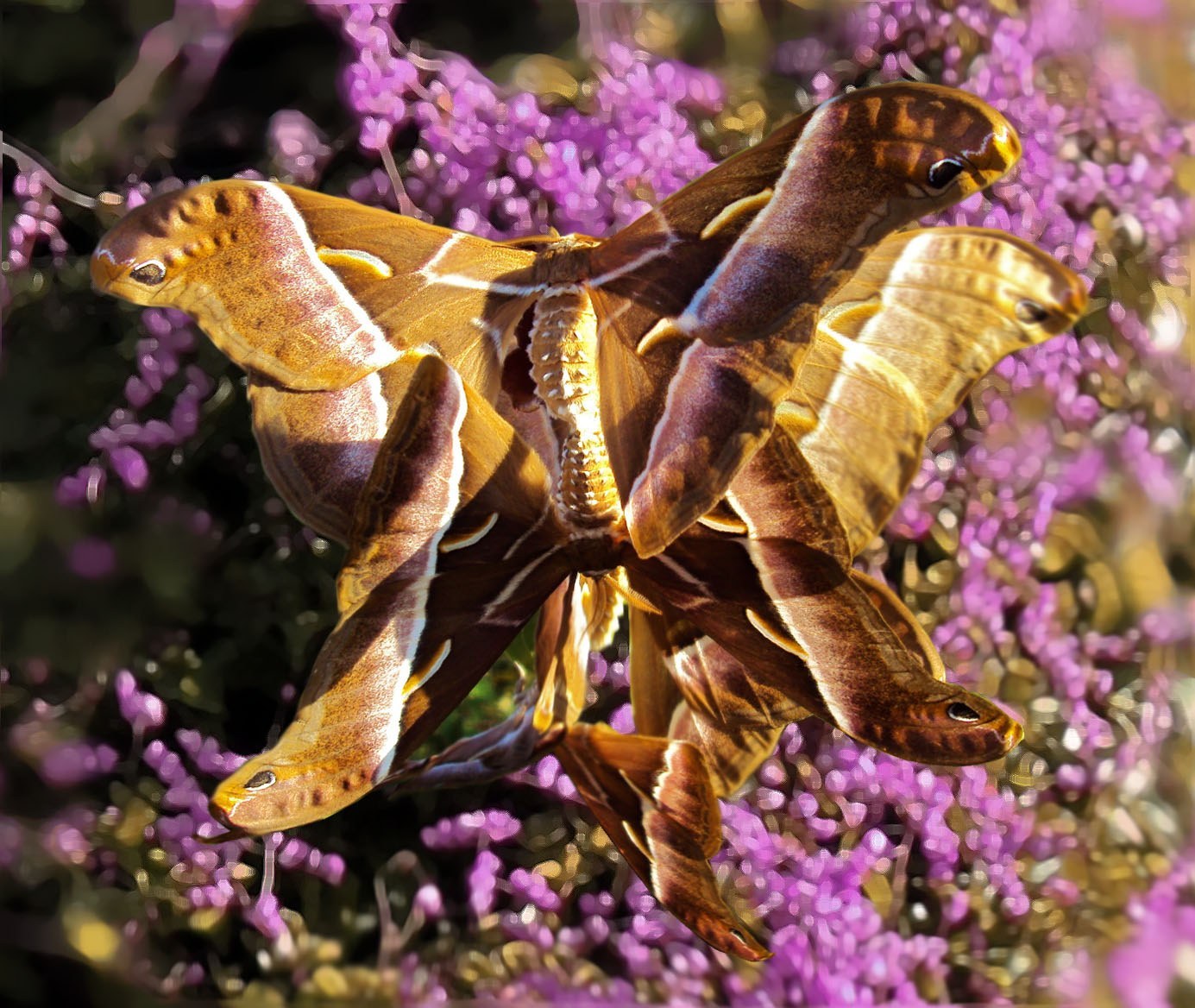
Ailanthus Silkmoth (Cynthia Moth)
Urban parks, wastelands, and woodland edges with tree-of-heaven; native to Asia, introduced in North America and Europe
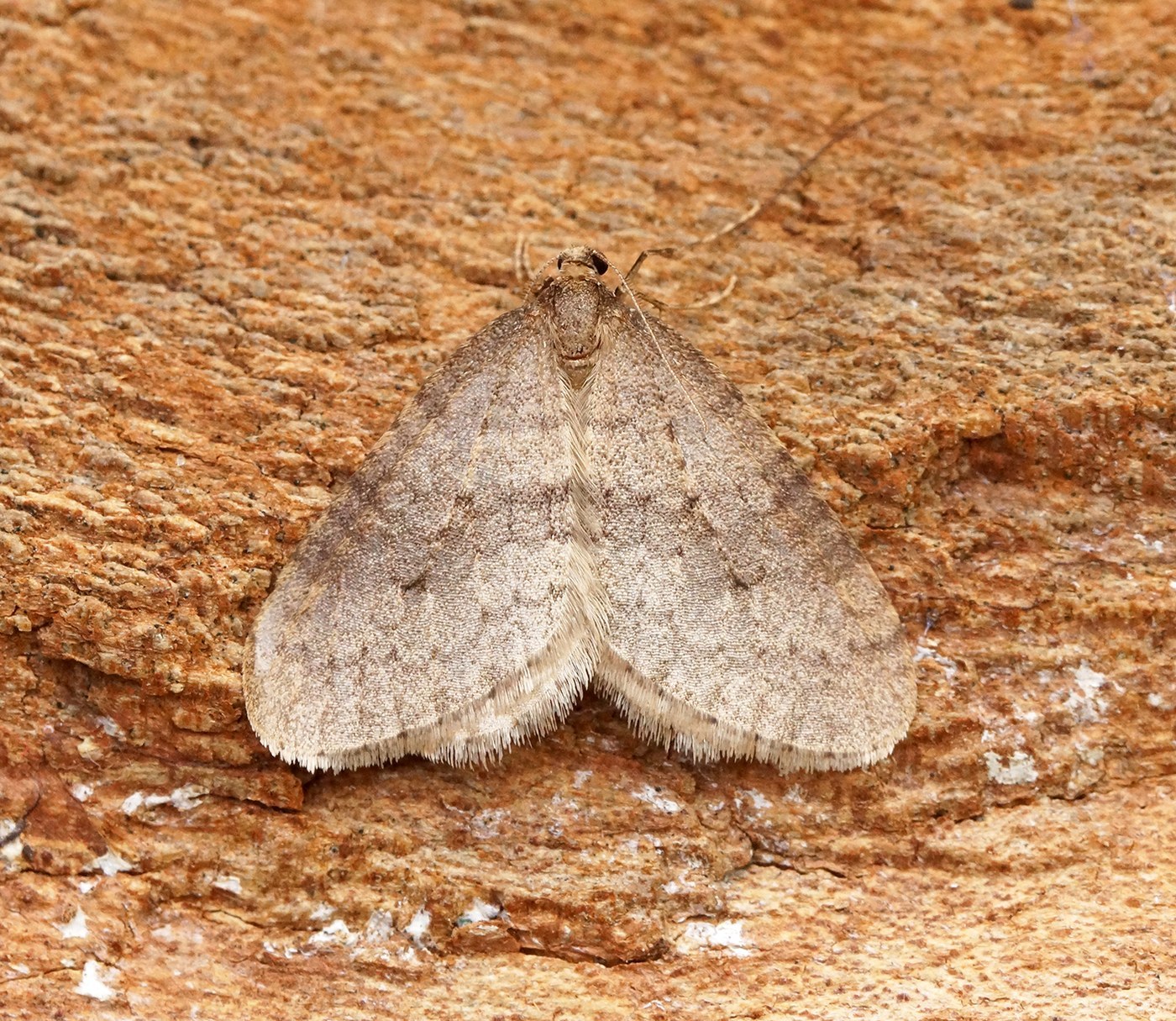
Winter Moth
Deciduous woodland, orchards, gardens, hedgerows
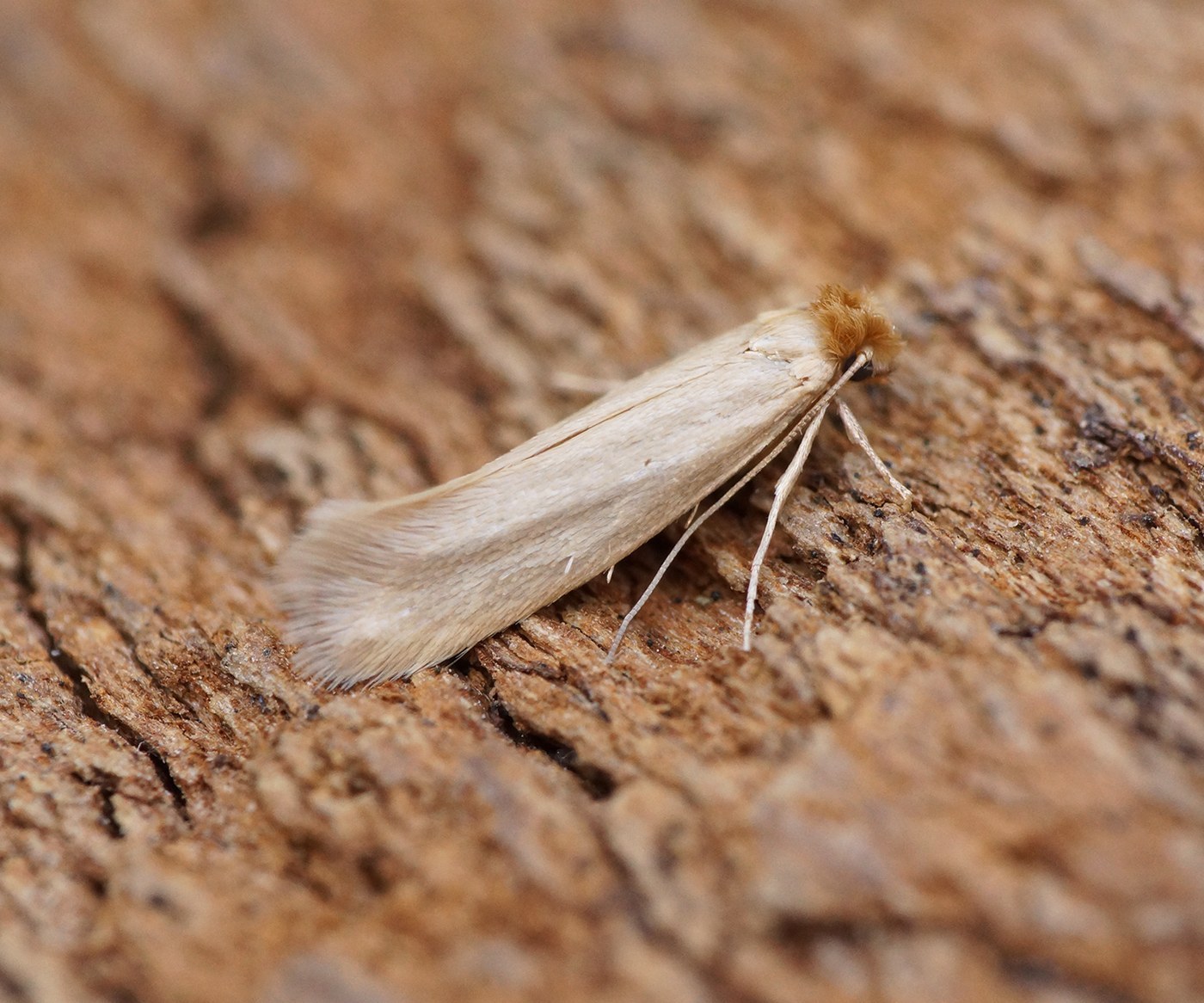
Webbing Clothes Moth
Dark closets, storage areas, and animal nests worldwide
Wax Moth
Beehives, apiaries, stored beeswax and comb
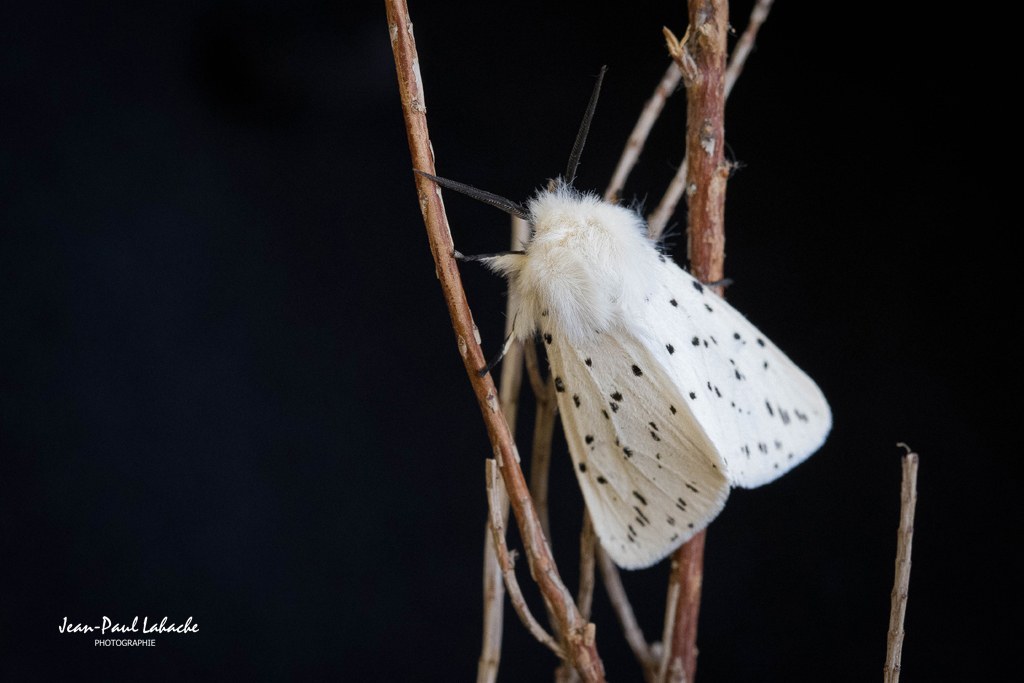
White Ermine Moth
Gardens, meadows, hedgerows
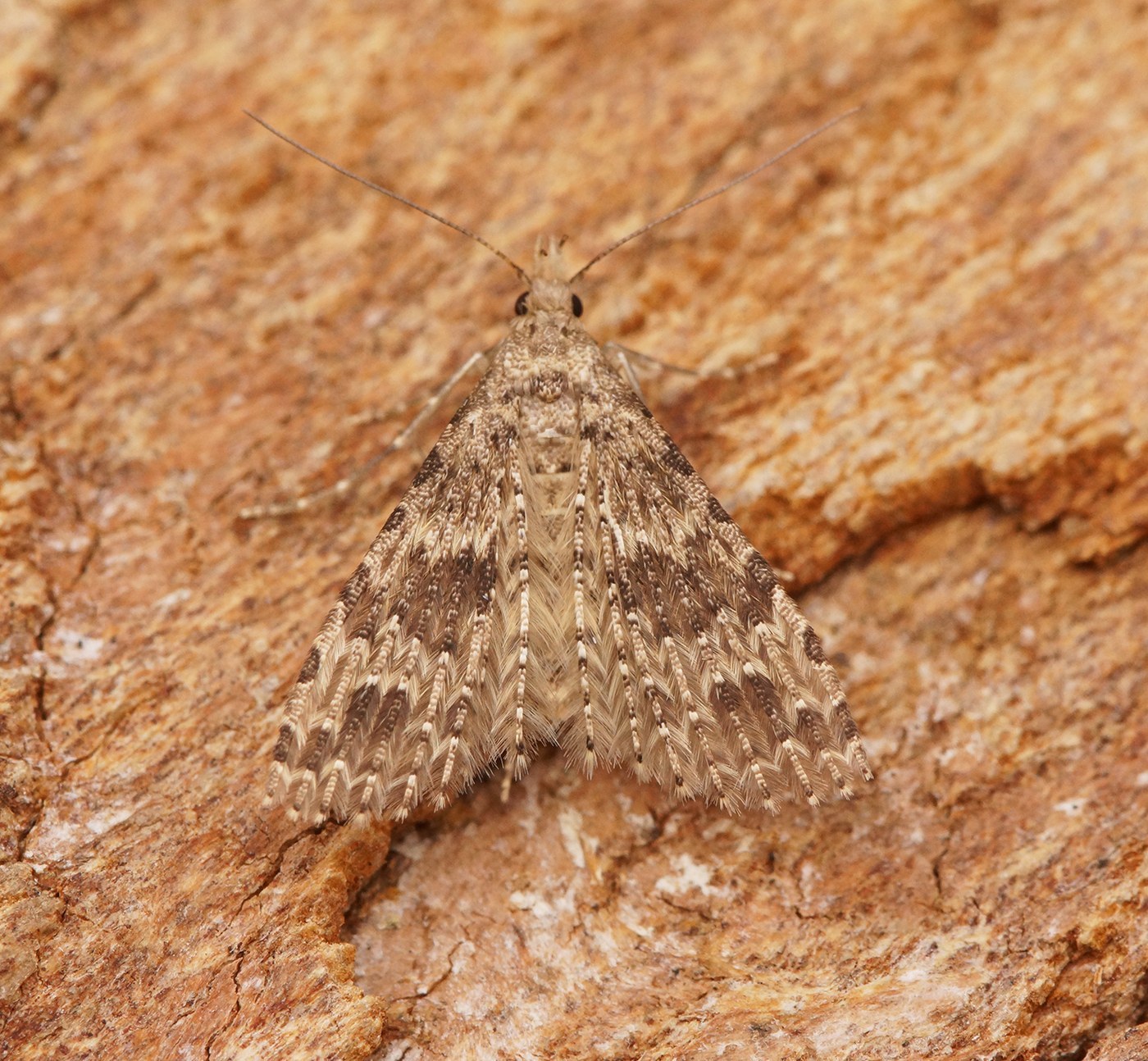
Twenty-plume Moth
Gardens, hedgerows, near honeysuckle
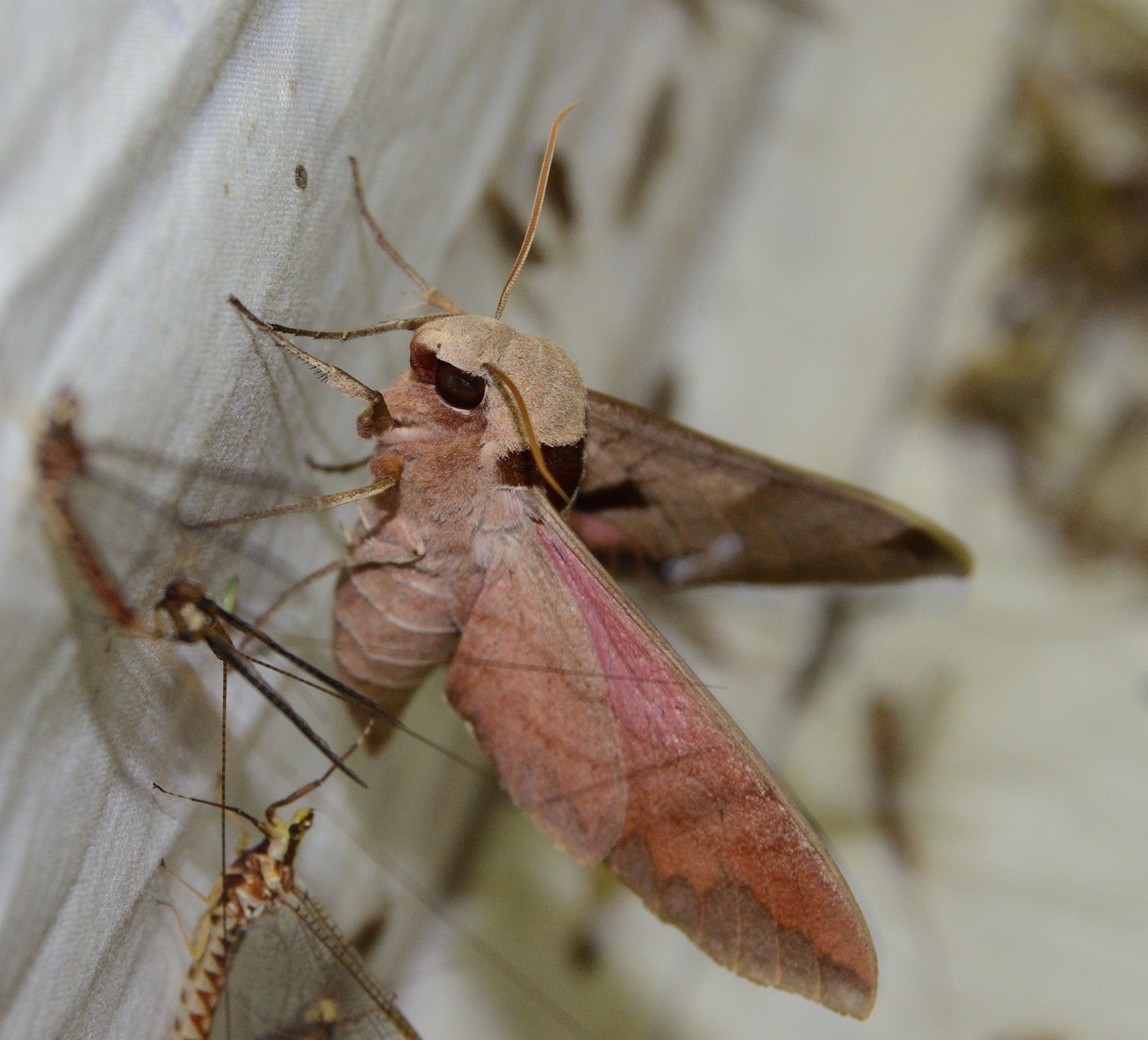
Achemon Sphinx Moth
Vineyards, woodland edges, gardens with wild grape
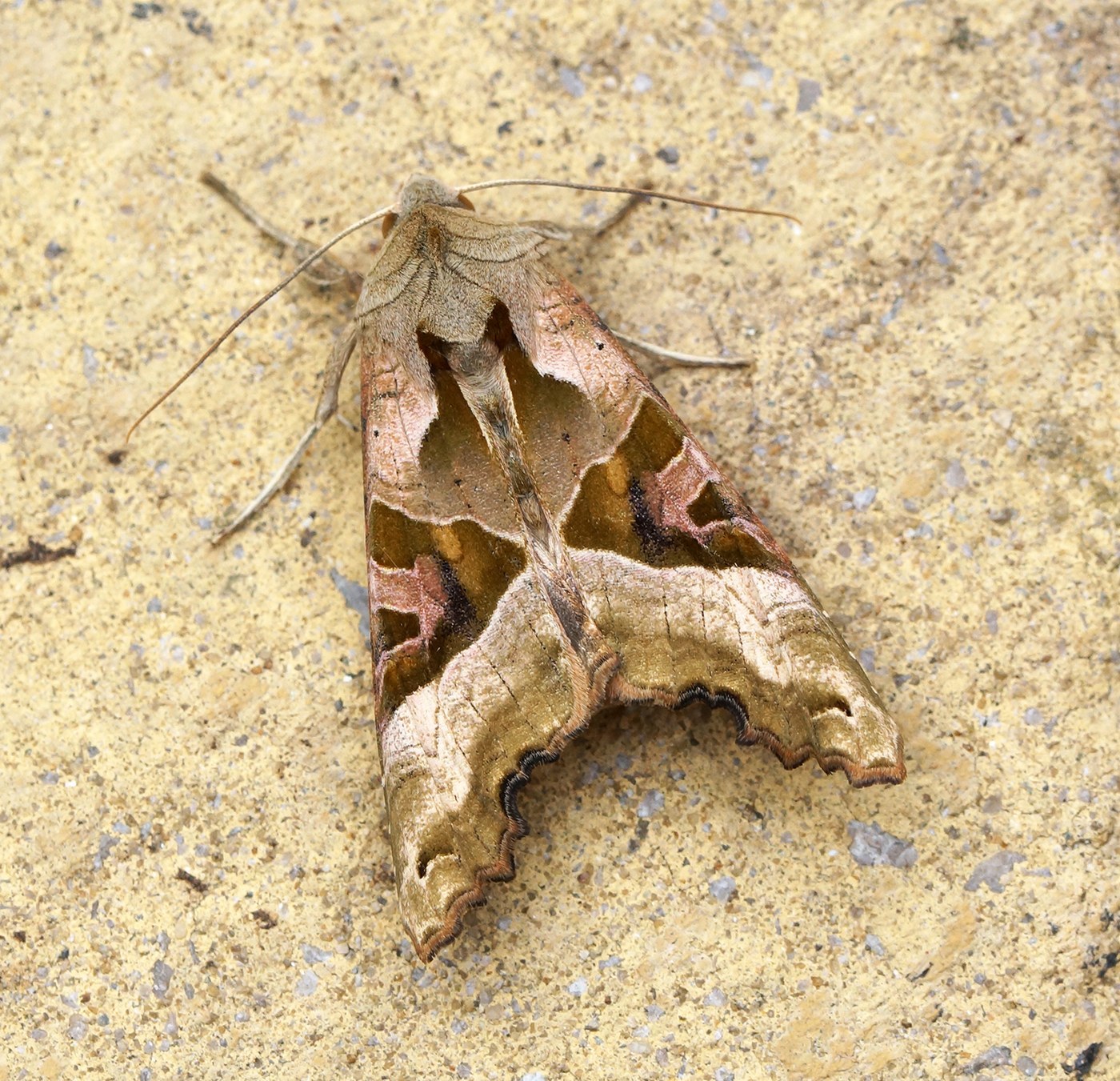
Angle Shades Moth
Gardens, hedgerows, woodland edges, urban parks
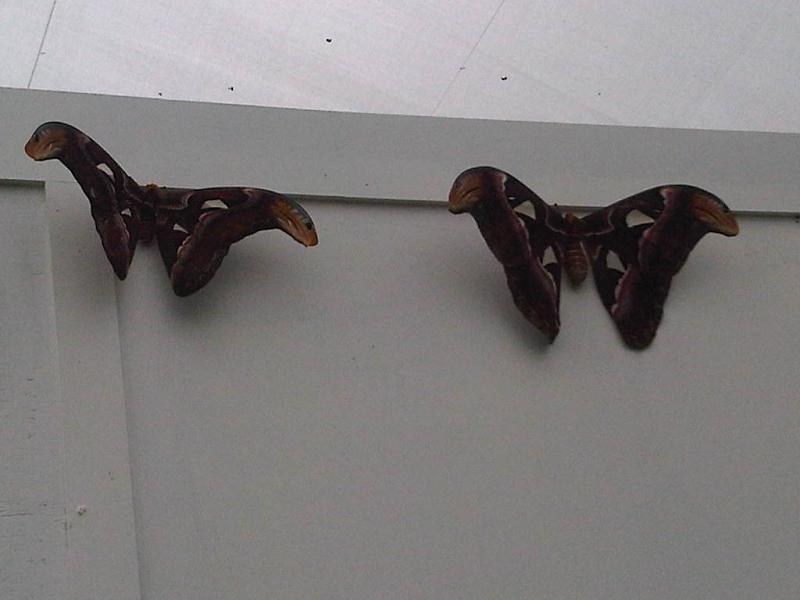
Atlas Moth
Tropical and subtropical lowland forests of Southeast Asia
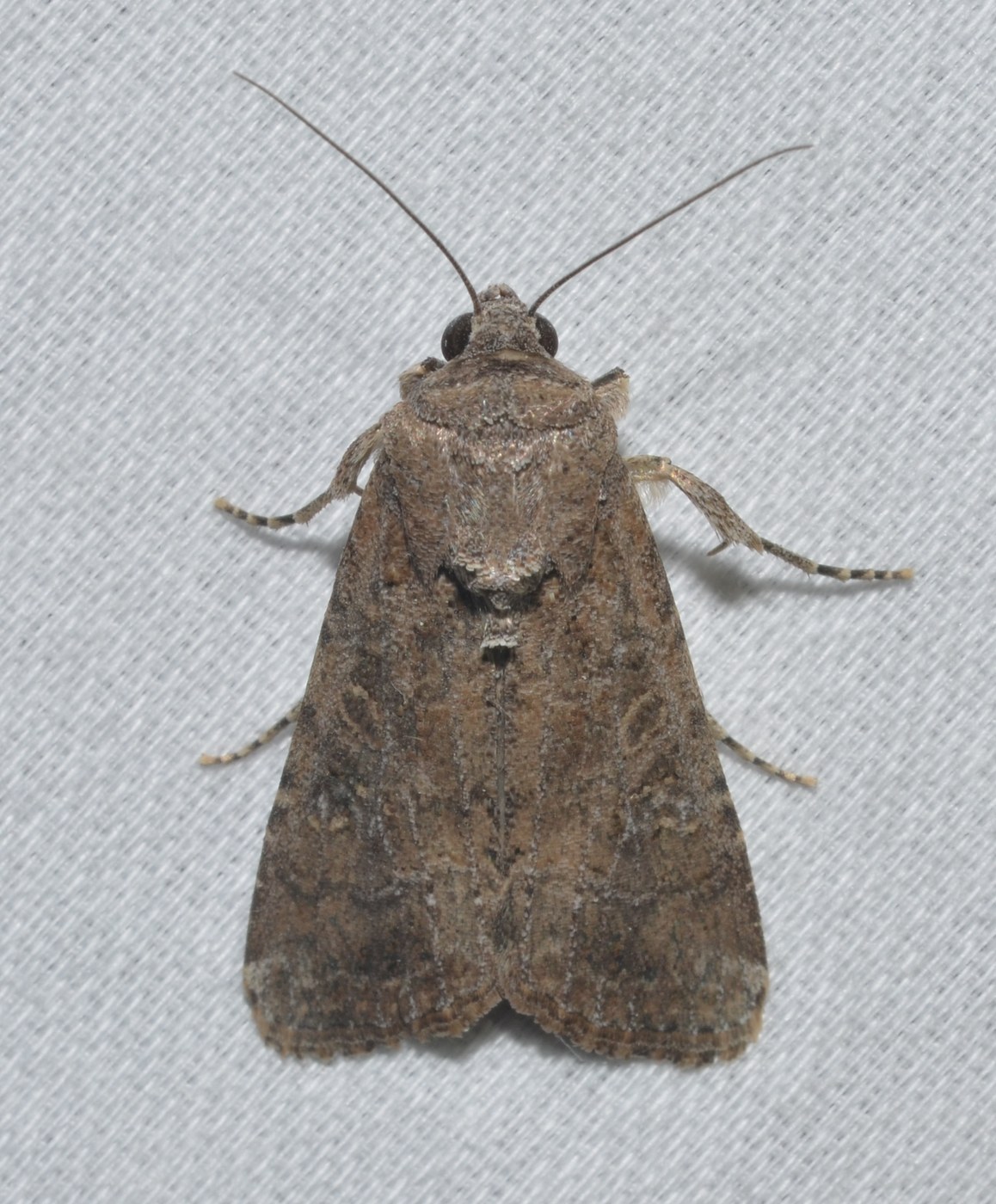
Armyworm Moth
Grasslands, pastures, farmland