
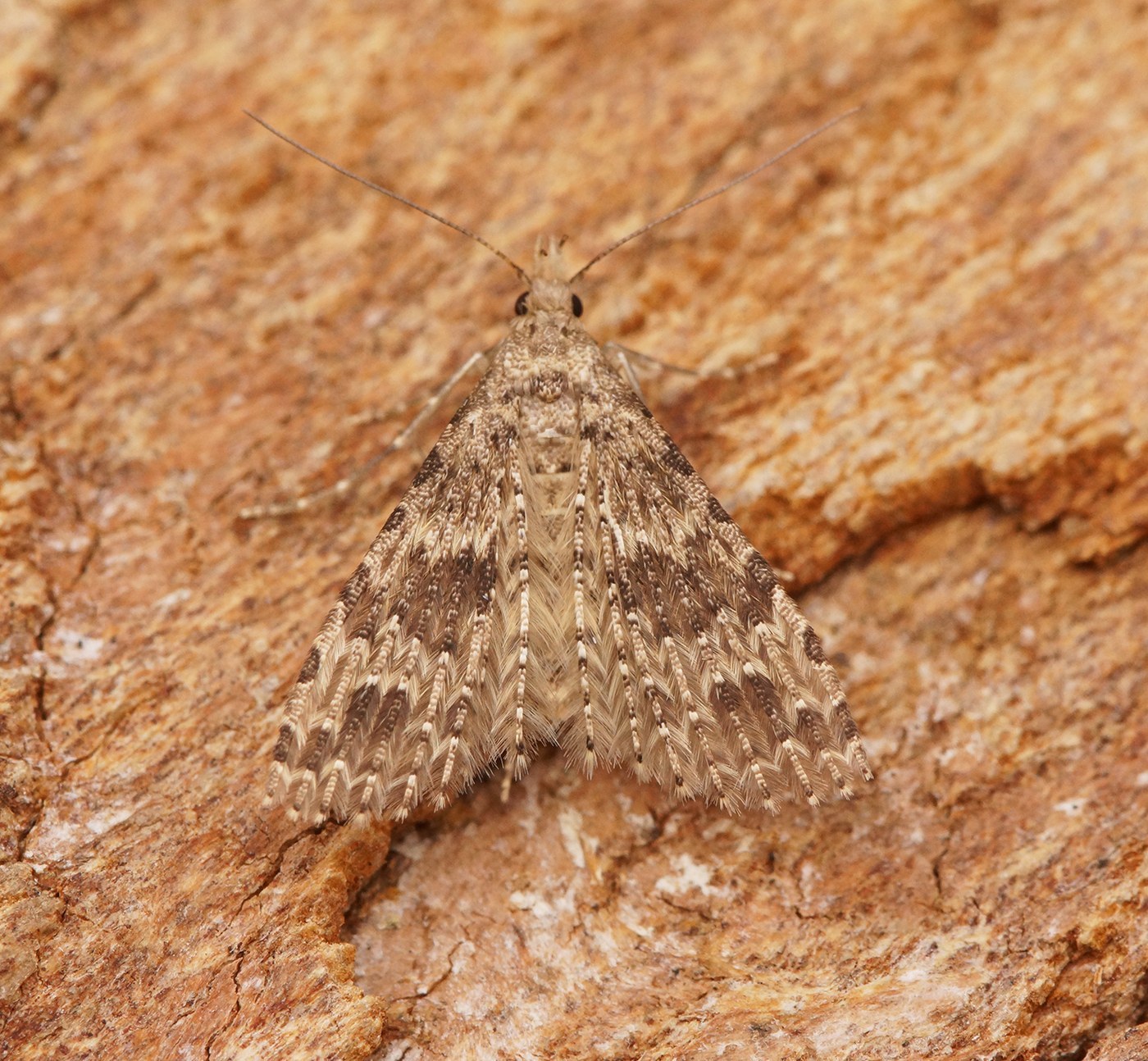
Twenty-plume Moth
Alucita hexadactyla
A tiny, unusual moth whose wings are each divided into numerous slender, feather-like plumes rather than solid membranes, giving it a delicate, fringed appearance unlike almost any other moth.
- Size
- 14–17 mm wingspan
- Habitat
- Gardens, hedgerows, near honeysuckle
- Danger
- Harmless
Spotted a bug like this?
Identify any bug or insect from a photo, free.
Overview
The Twenty-plume Moth is a small but remarkable species in the family Alucitidae, the many-plumed moths, distinguished by wings that are split into numerous narrow, feather-like rays instead of the continuous membrane found in most moths. Each of its four wings is divided into multiple plumes, and the common name reflects the total count across all wings, making it one of the most structurally unusual small moths encountered in gardens.
Despite its delicate and fragile-looking wing structure, it is a fairly common and widespread species wherever its host plant, honeysuckle, grows, and it is often first noticed at rest with its plumed wings folded into a compact, feathery fan shape rather than the flat or triangular silhouette typical of most moths.
Ecologically it is a specialist feeder tied closely to honeysuckle, and it represents an interesting example of unusual wing evolution within the Lepidoptera, related in general body form to the more diverse plume moths (family Pterophoridae) but distinguished by its own family and more numerous, finer wing divisions.
How to Identify
- Wings are divided into narrow, feather-like plumes rather than solid surfaces, giving a fringed, delicate appearance unlike typical moths.
- Overall coloring is mottled grey-brown to buff, providing camouflage against bark and dry vegetation.
- At rest, the plumed wings are folded together into a compact fan or T-shape, often held out to the sides of the slender body.
- Body and legs are slender and delicate, matching the fine, fragile look of the wings.
- Very small size and distinctive plumed wing structure make it hard to confuse with most other moths, though plume moths in the family Pterophoridae have fewer, broader divisions per wing by comparison.
Habitat & Range
Found across Europe and introduced to parts of North America, closely associated with honeysuckle, its larval host plant, and therefore common in gardens, hedgerows, and woodland edges where honeysuckle grows. Adults can be seen in warmer months and are also known to overwinter as adults in sheltered spots such as outbuildings, window frames, and dense vegetation, making them one of the moths occasionally spotted resting indoors during cooler months.
Behavior & Diet
Adults are largely nocturnal but may be disturbed from daytime resting spots on walls, fences, or foliage, where they display their distinctive folded, plumed wings. The caterpillars feed on the buds, leaves, and flowers of honeysuckle, a relatively specialized diet compared to many generalist moth larvae. As adults, individuals are known to seek out sheltered locations to pass the winter, being one of the few moths regularly found resting indoors during the colder months before becoming active again in spring.
Life Cycle
Females lay eggs on honeysuckle foliage or buds. The caterpillars feed on the host plant through the growing season before pupating, typically producing more than one generation per year in favorable conditions. Adults from a late-season generation commonly overwinter in sheltered locations, becoming active again with warmer spring temperatures to mate and continue the cycle.
Frequently asked questions
Why does it have so many wing plumes?
Its wings are naturally divided into narrow, feather-like rays rather than a solid membrane, an unusual structural feature shared by the small moth family Alucitidae.
Is it the same as a plume moth?
It is related to but distinct from the plume moths in family Pterophoridae, which typically have fewer and broader wing divisions compared to this species' finer, more numerous plumes.
What does its caterpillar eat?
The caterpillar feeds specifically on honeysuckle, including its buds, leaves, and flowers.
Why do I find one resting indoors in winter?
Adults commonly seek out sheltered spots such as outbuildings or window frames to overwinter, which is why they are sometimes noticed resting indoors during cold months.
Twenty-plume Moth guides
In-depth guides for identifying, understanding, and living alongside Twenty-plume Moth.
Other bugs you may enjoy
Bagworm Moth
Coniferous and deciduous trees, shrubs, hedges
Antheraea Silkmoth
Deciduous forests, woodland edges, orchards
Ailanthus Silkmoth (Cynthia Moth)
Urban parks, wastelands, and woodland edges with tree-of-heaven; native to Asia, introduced in North America and Europe
Winter Moth
Deciduous woodland, orchards, gardens, hedgerows
Webbing Clothes Moth
Dark closets, storage areas, and animal nests worldwide
Tussock Moth
Deciduous forests, parks, gardens
Wax Moth
Beehives, apiaries, stored beeswax and comb
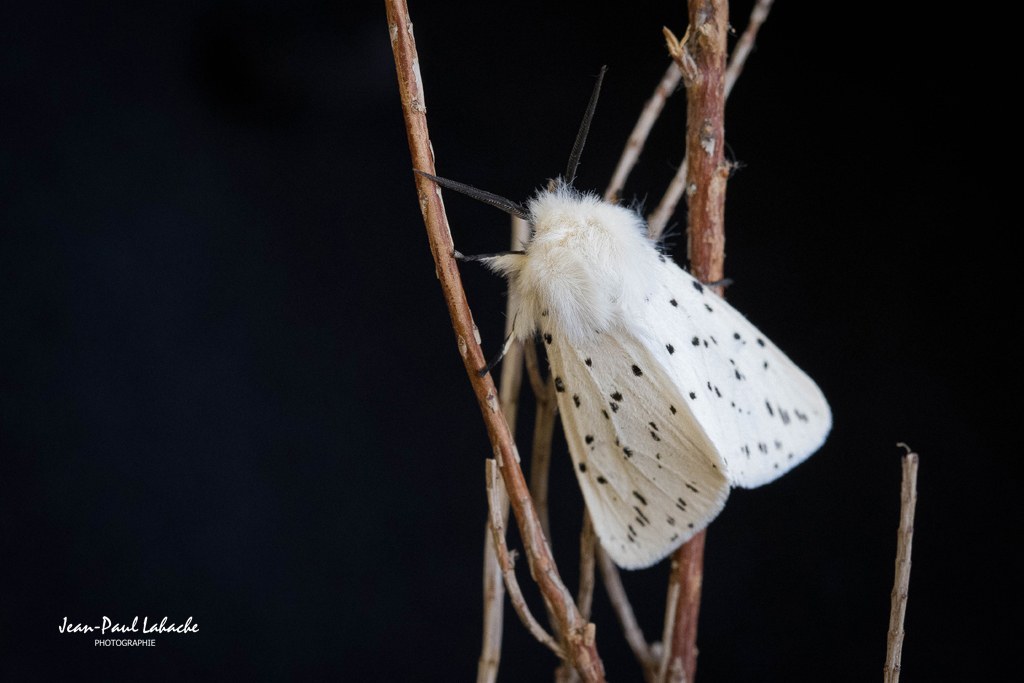
White Ermine Moth
Gardens, meadows, hedgerows
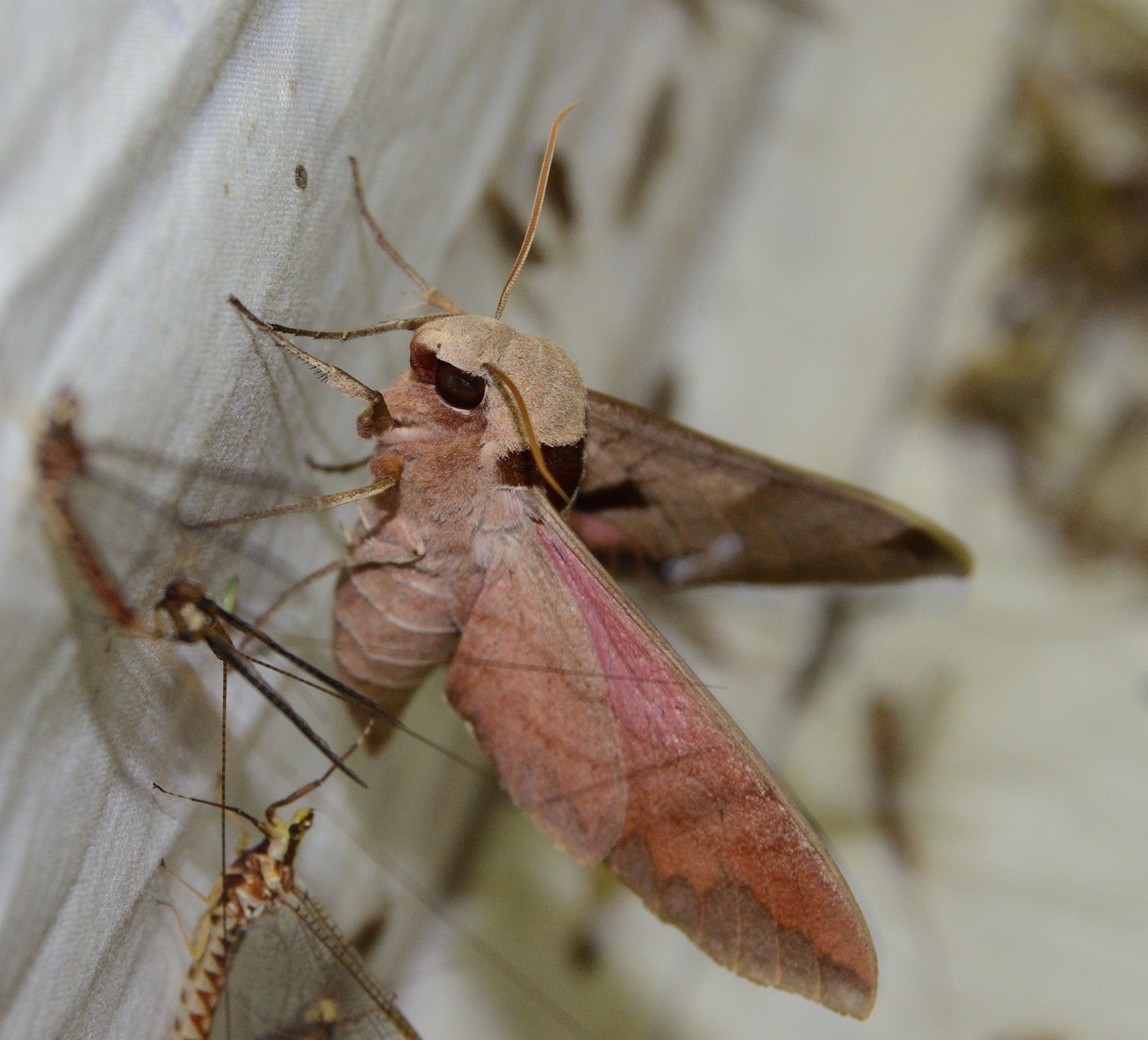
Achemon Sphinx Moth
Vineyards, woodland edges, gardens with wild grape
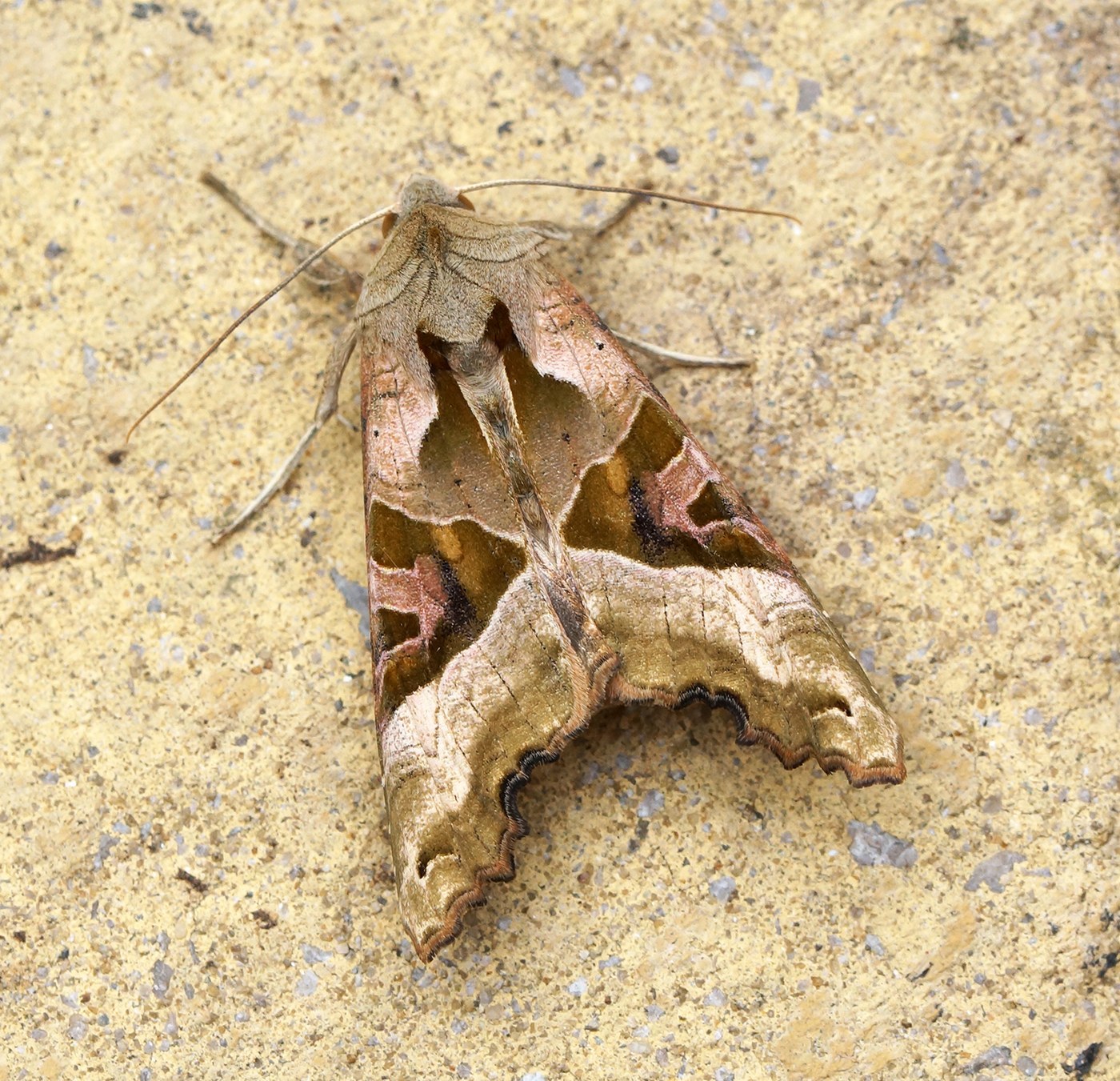
Angle Shades Moth
Gardens, hedgerows, woodland edges, urban parks
Atlas Moth
Tropical and subtropical lowland forests of Southeast Asia
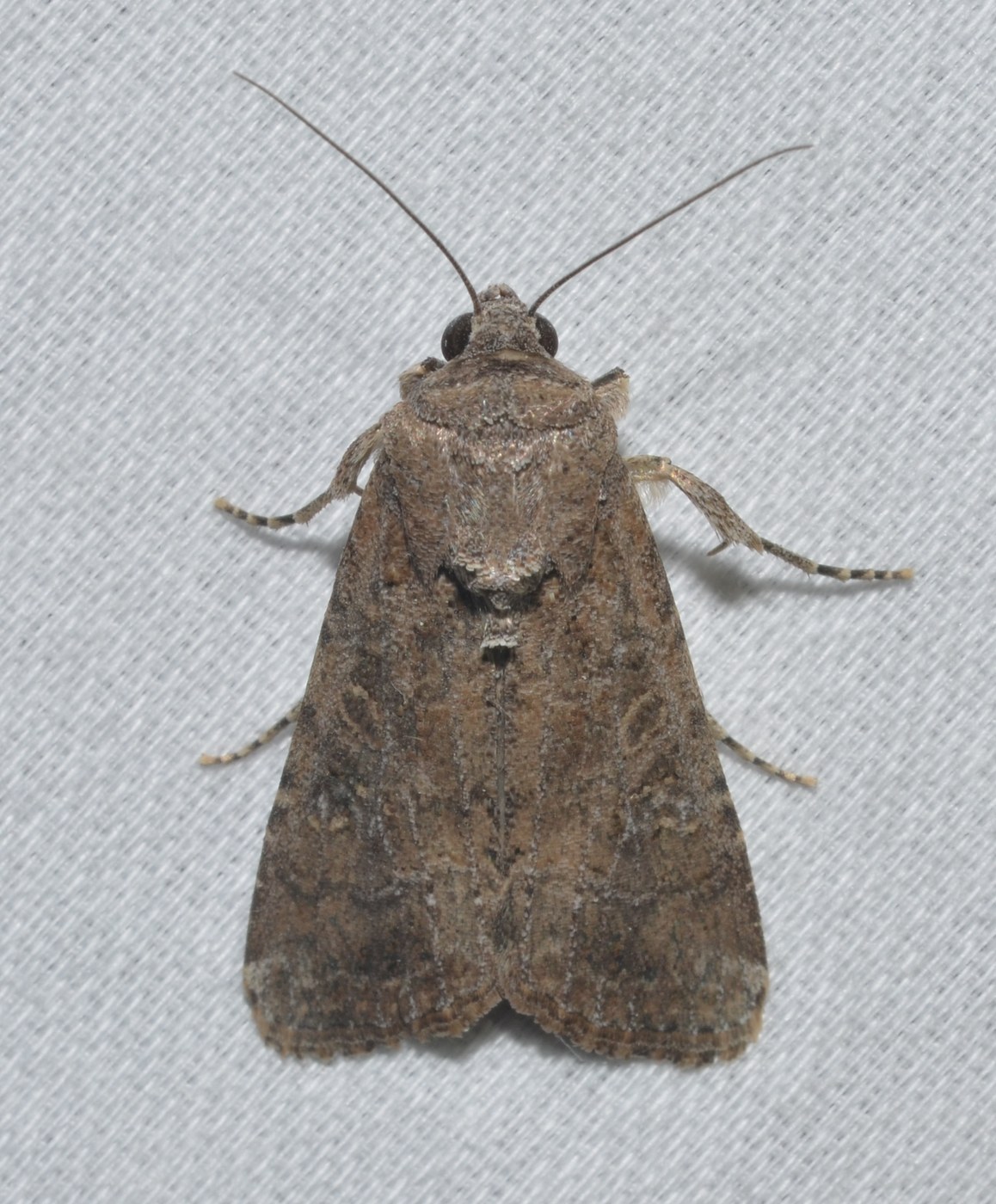
Armyworm Moth
Grasslands, pastures, farmland