
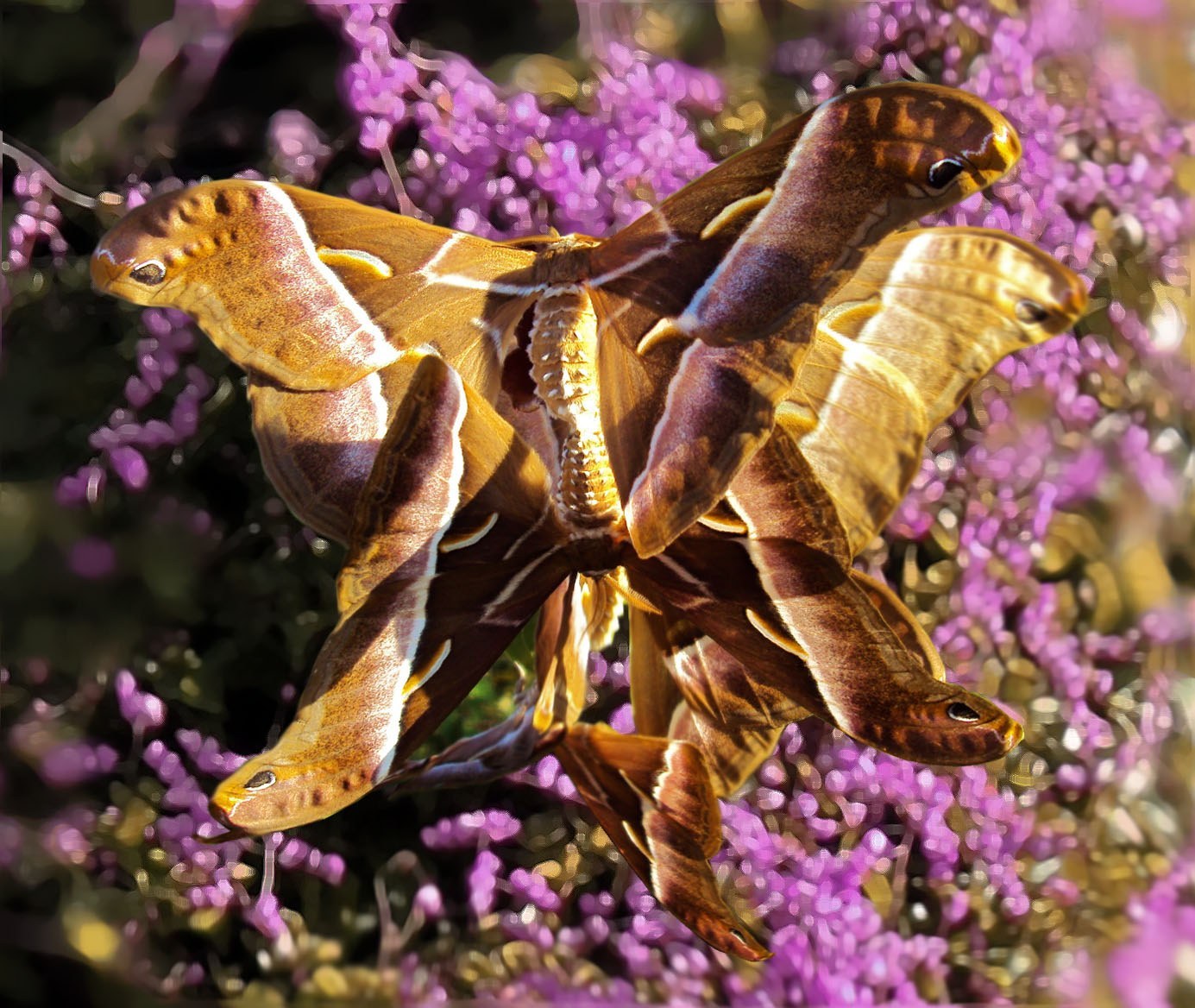
Ailanthus Silkmoth (Cynthia Moth)
Samia cynthia
A very large silkmoth with broad, tan-brown wings crossed by white, crescent-moon-shaped bands, closely associated with the fast-spreading tree-of-heaven that both feeds its larvae and carried the species around the world.
- Size
- 4.7–5.9 in wingspan
- Habitat
- Urban parks, wastelands, and woodland edges with tree-of-heaven; native to Asia, introduced in North America and Europe
- Danger
- Harmless
Spotted a bug like this?
Identify any bug or insect from a photo, free.
Overview
The ailanthus silkmoth, also widely known as the cynthia moth, is a large member of the family Saturniidae native to eastern Asia. It is unusual among the giant silkmoths for having successfully established populations far outside its native range, following the deliberate and accidental spread of its primary host plant, the tree-of-heaven, which was introduced to North America and Europe as an ornamental and shade tree.
Historically, the species was cultivated in parts of Asia for a coarse form of silk distinct from that of the domesticated silkworm, and it remains one of the more recognizable large moths in urban and suburban areas where tree-of-heaven has become established.
Its broad, softly pointed wings and pale, moon-like crescent markings make it one of the more elegant silkmoths encountered outside a strictly wild forest setting.
How to Identify
- Very large, broad-winged moth in warm shades of tan, olive-brown, or grayish-brown, with wingtips softly hooked or pointed rather than tailed.
- Each wing bears a pale, translucent crescent-moon-shaped marking near the center, crossed by darker banding toward the wing edges.
- Body is stout, furry, and colored to match the wings, with broad, feathery antennae in males.
- Lookalikes: other large Samia species, but the combination of crescent markings, non-tailed wingtips, and close association with tree-of-heaven helps distinguish it in areas where it has been introduced.
Habitat & Range
Native to China and other parts of eastern Asia, the ailanthus silkmoth has become established in parts of North America and Europe largely due to the spread of its host tree, tree-of-heaven, in urban parks, vacant lots, roadsides, and other disturbed ground. Adults fly mainly in summer, are active at night, and are often seen resting on walls, tree trunks, or under eaves near host trees in both urban and semi-natural settings.
Behavior & Diet
Adults are nocturnal and do not feed, living only long enough to mate and lay eggs using energy stored from the larval stage. Larvae feed heavily on the leaves of tree-of-heaven, and in areas where this host tree has spread aggressively, the moth has been able to expand alongside it into disturbed and urban habitats. As with other Saturniidae, the species contributes to local food webs as a prey item for birds and other predators, and historically its silk-producing cocoon gave it minor economic significance in traditional textile production in parts of its native range.
Life Cycle
Eggs are laid on the leaves of tree-of-heaven or related host plants and hatch into large, pale bluish-green caterpillars covered in small waxy tubercles, which feed and grow through several instars over the summer. Mature larvae spin a distinctive tough, papery cocoon often suspended by a silk peduncle from a twig, within which the pupa overwinters in temperate climates. Adults emerge in summer, generally producing one generation per year in cooler regions and occasionally more in warmer parts of its introduced and native range.
Frequently asked questions
Is the cynthia moth the same as the ailanthus silkmoth?
Yes, both names refer to the same species, with "cynthia moth" being an older common name still in wide use.
Why is it found so far from its native range?
Its spread closely tracks the introduction of tree-of-heaven, an Asian tree planted widely as an ornamental in North America and Europe, which provides food for its larvae.
How can I recognize its cocoon?
The cocoon is tough and papery, often hanging from a twig by a silk stalk, and is a useful sign of the species even when the moth itself is not visible.
Was this species ever used for silk production?
Yes, a coarse silk from this species has historically been produced in parts of Asia, distinct from the silk of the domesticated silkworm moth.
Ailanthus Silkmoth (Cynthia Moth) guides
In-depth guides for identifying, understanding, and living alongside Ailanthus Silkmoth (Cynthia Moth).
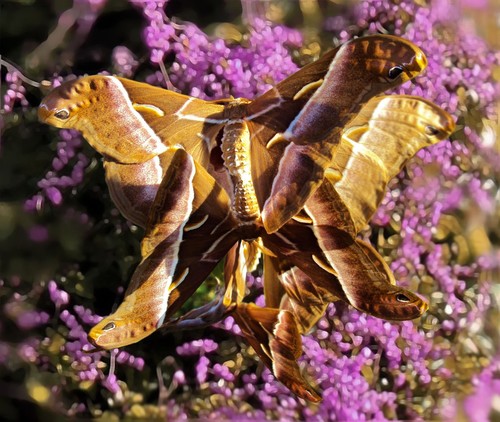
Ailanthus Silkmoth (Cynthia Moth) identified by the community
Real finds identified with Bug Identifier.
Other bugs you may enjoy
Bagworm Moth
Coniferous and deciduous trees, shrubs, hedges
Antheraea Silkmoth
Deciduous forests, woodland edges, orchards
Winter Moth
Deciduous woodland, orchards, gardens, hedgerows
Webbing Clothes Moth
Dark closets, storage areas, and animal nests worldwide
Tussock Moth
Deciduous forests, parks, gardens
Wax Moth
Beehives, apiaries, stored beeswax and comb
White Ermine Moth
Gardens, meadows, hedgerows
Twenty-plume Moth
Gardens, hedgerows, near honeysuckle
Achemon Sphinx Moth
Vineyards, woodland edges, gardens with wild grape
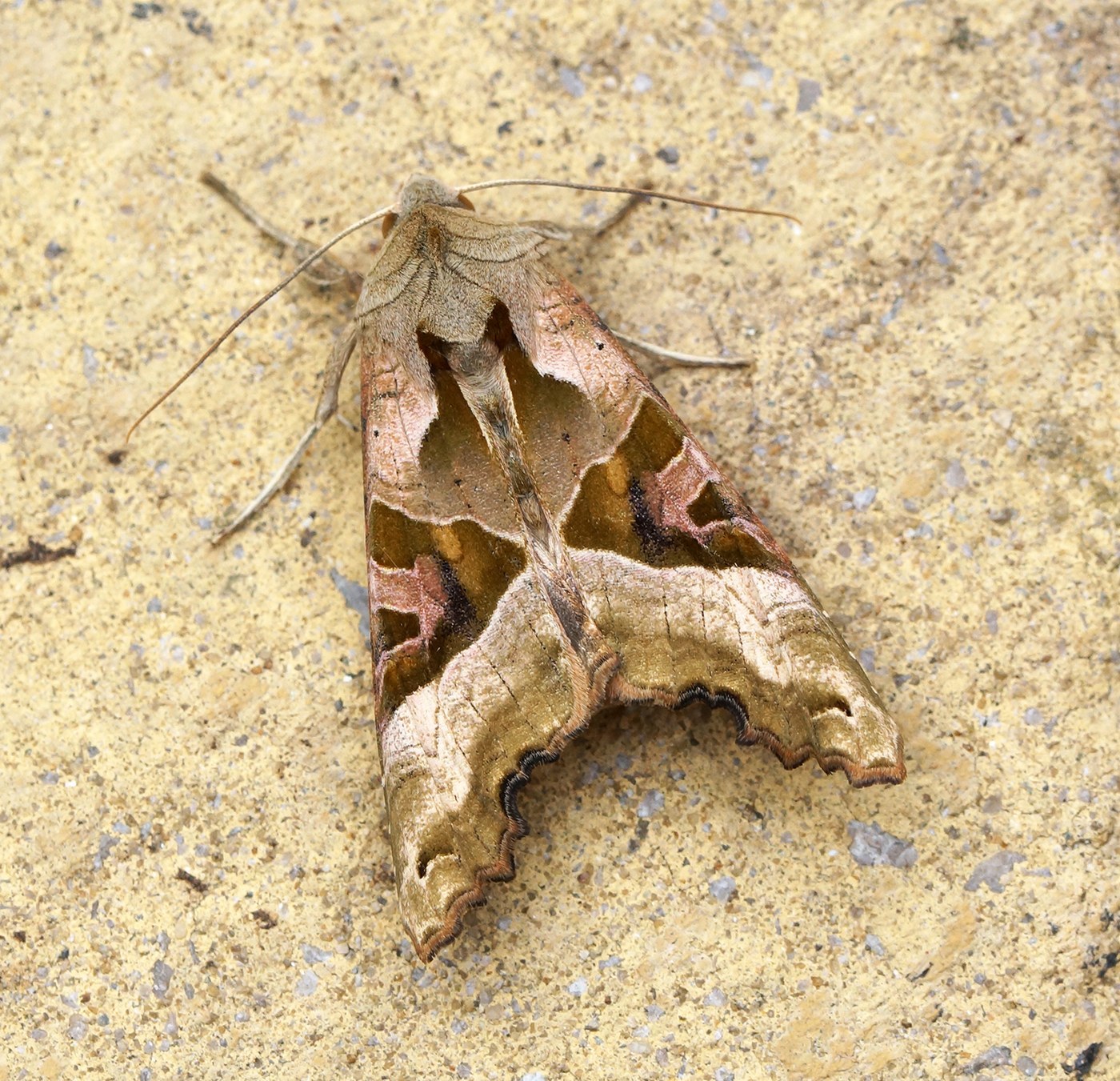
Angle Shades Moth
Gardens, hedgerows, woodland edges, urban parks
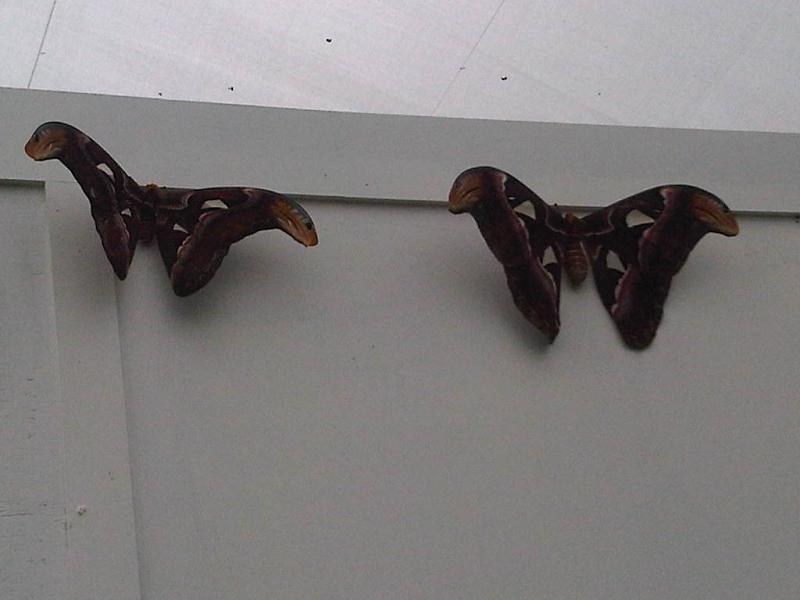
Atlas Moth
Tropical and subtropical lowland forests of Southeast Asia
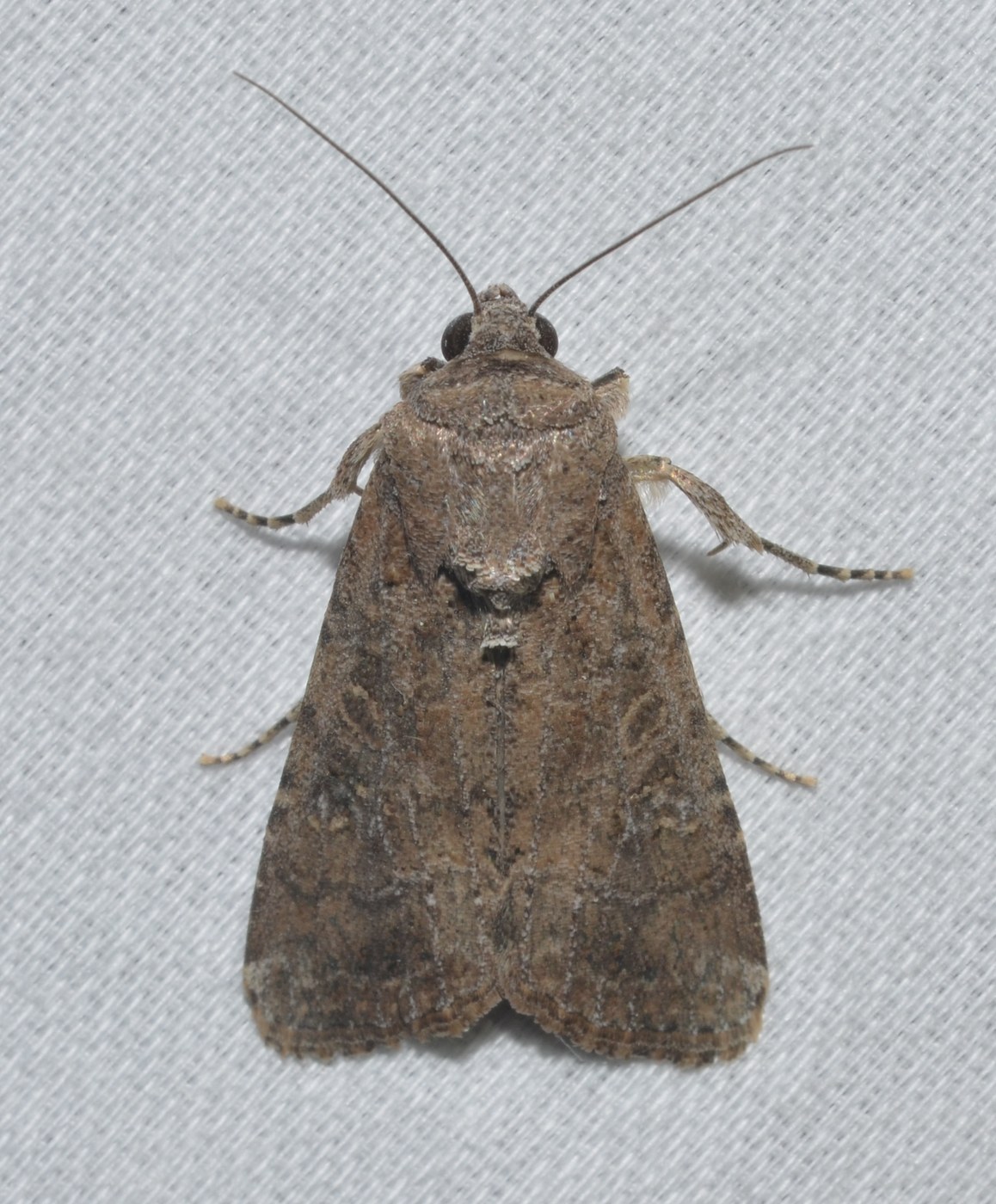
Armyworm Moth
Grasslands, pastures, farmland