
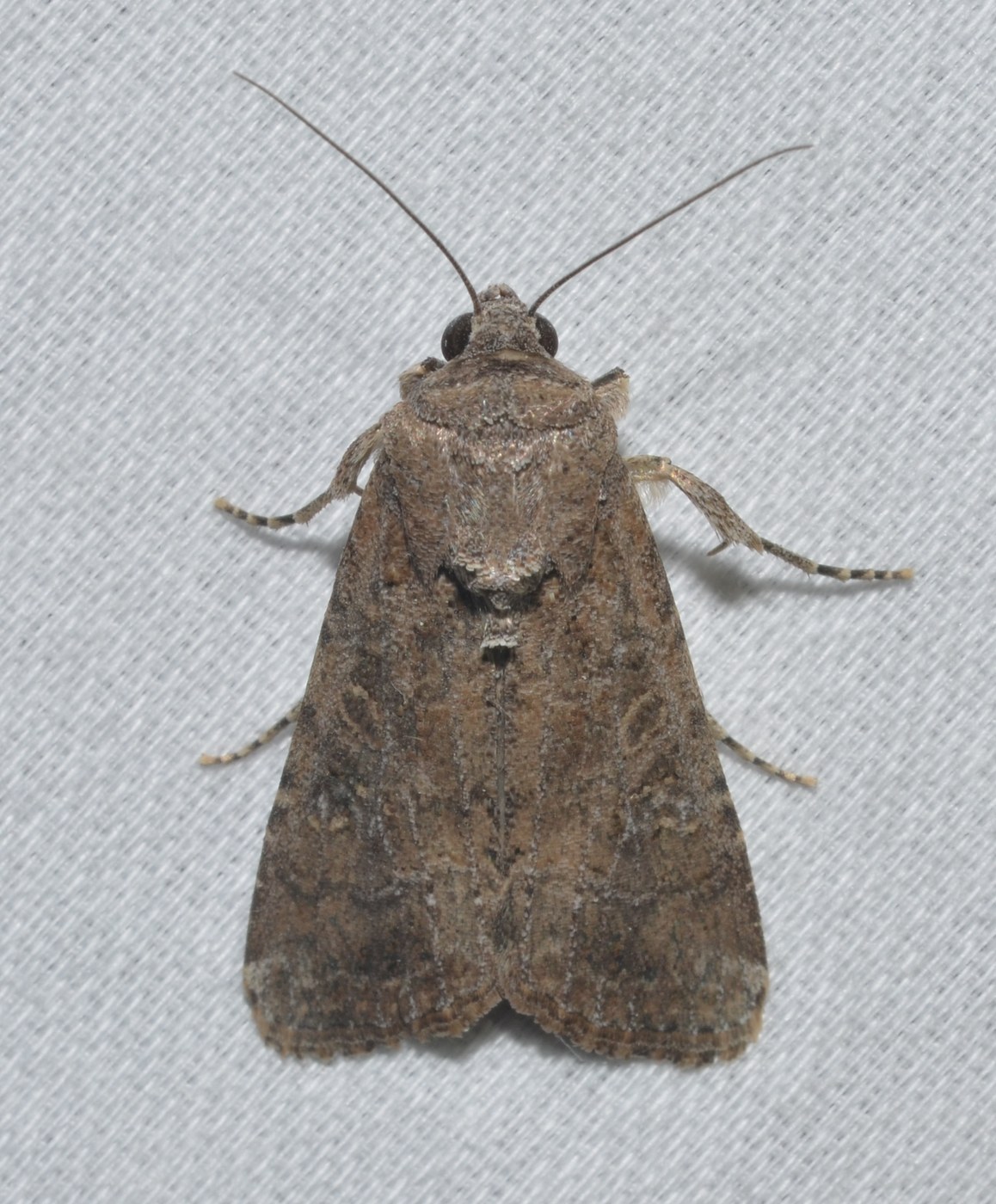
Armyworm Moth
Mythimna unipuncta
A plain tan to reddish-brown moth whose caterpillars are famous for marching in large groups across fields, stripping grasses and grain crops as they move.
- Size
- 1.2–1.6 in wingspan
- Habitat
- Grasslands, pastures, farmland
- Danger
- Nuisance pest
Spotted a bug like this?
Identify any bug or insect from a photo, free.
Overview
The armyworm moth is a member of the owlet moth family, Noctuidae, named for the dense, migrating masses of caterpillars that can move together across a field like an advancing army when local food is exhausted. Several related species share the "armyworm" name, including the true armyworm and the fall armyworm, each with slightly different host preferences and geographic ranges.
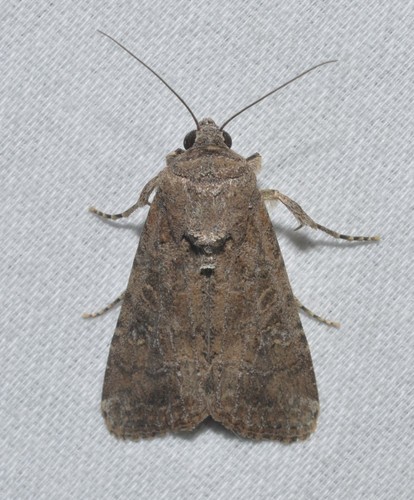
Adults are unremarkable, medium-sized moths with narrow, tan to grayish-brown forewings, often marked with a single small white spot near the center, and paler hindwings. They are strong nocturnal fliers and, like several related noctuid pests, some populations undertake seasonal migrations to recolonize regions after winter.
As a grass and grain specialist in its larval stage, the armyworm moth has considerable agricultural significance, periodically causing dramatic, visible outbreaks in pastures and cereal crops when caterpillar populations surge.
How to Identify
- Adult forewings are pale tan to reddish-brown with subtle mottling and often a single small white dot near the center of each wing.
- Hindwings are paler grayish-white, mostly hidden at rest.
- Wingspan around 3–4 cm; body slender, typical noctuid moth build.
- The caterpillar is smooth-skinned, striped lengthwise in shades of green, brown, and cream, with a distinct dark stripe along each side.
- Distinguished from cutworms by its more active daytime movement in dense groups and longitudinal striping rather than a uniform dull color.
Habitat & Range
Found throughout much of North America and other temperate regions, favoring grasslands, pastures, lawns, and cereal grain fields such as wheat, corn, and rice. Adults are nocturnal and often migratory, appearing in large numbers following favorable wind patterns, with caterpillar outbreaks most commonly seen in late spring through fall.
Behavior & Diet
Adults feed on nectar and fly at night, frequently gathering at lights in large numbers during outbreak years. Caterpillars feed on grasses and grain crops, and when population density is high and food becomes scarce, large groups move together across the ground in a mass migration, consuming vegetation in their path, a behavior that gives the species its common name. This mass movement makes armyworm outbreaks highly visible and ecologically notable events in affected grasslands.
Life Cycle
Females lay clusters of eggs on grass blades or plant debris, which hatch into small caterpillars that feed primarily at night, hiding in soil or thatch during the day. The larvae pass through six instars before pupating in an underground chamber. Multiple generations can occur in a single season in warmer climates, and the species often overwinters as a partially grown larva or pupa, with some populations relying on annual northward migration to reestablish in cooler regions.
Frequently asked questions
Why is it called an armyworm?
The caterpillars can gather in dense groups and move together across a field like a marching army when local food supplies run out.
Is the armyworm moth the same as the fall armyworm moth?
They are closely related but distinct species that share similar names and habits, with somewhat different host plant preferences and ranges.
What does the caterpillar eat?
It primarily feeds on grasses and cereal grain crops such as wheat, corn, and rice.
How can I tell the adult moth from other similar moths?
Look for a plain tan to reddish-brown forewing with a single small white dot near the center, a feature that helps distinguish it from many similar noctuid species.
Armyworm Moth guides
In-depth guides for identifying, understanding, and living alongside Armyworm Moth.
Other bugs you may enjoy
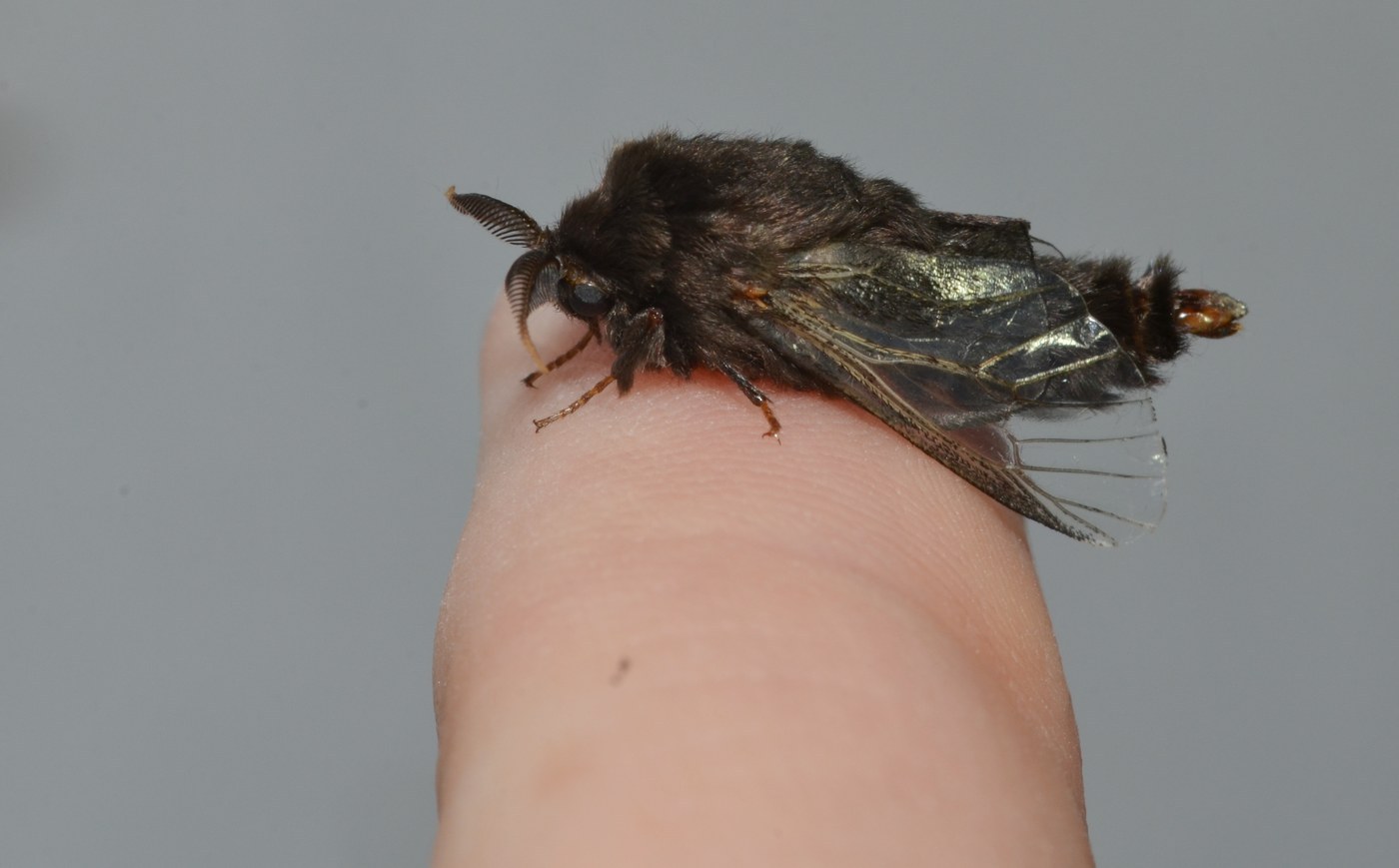
Bagworm Moth
Coniferous and deciduous trees, shrubs, hedges
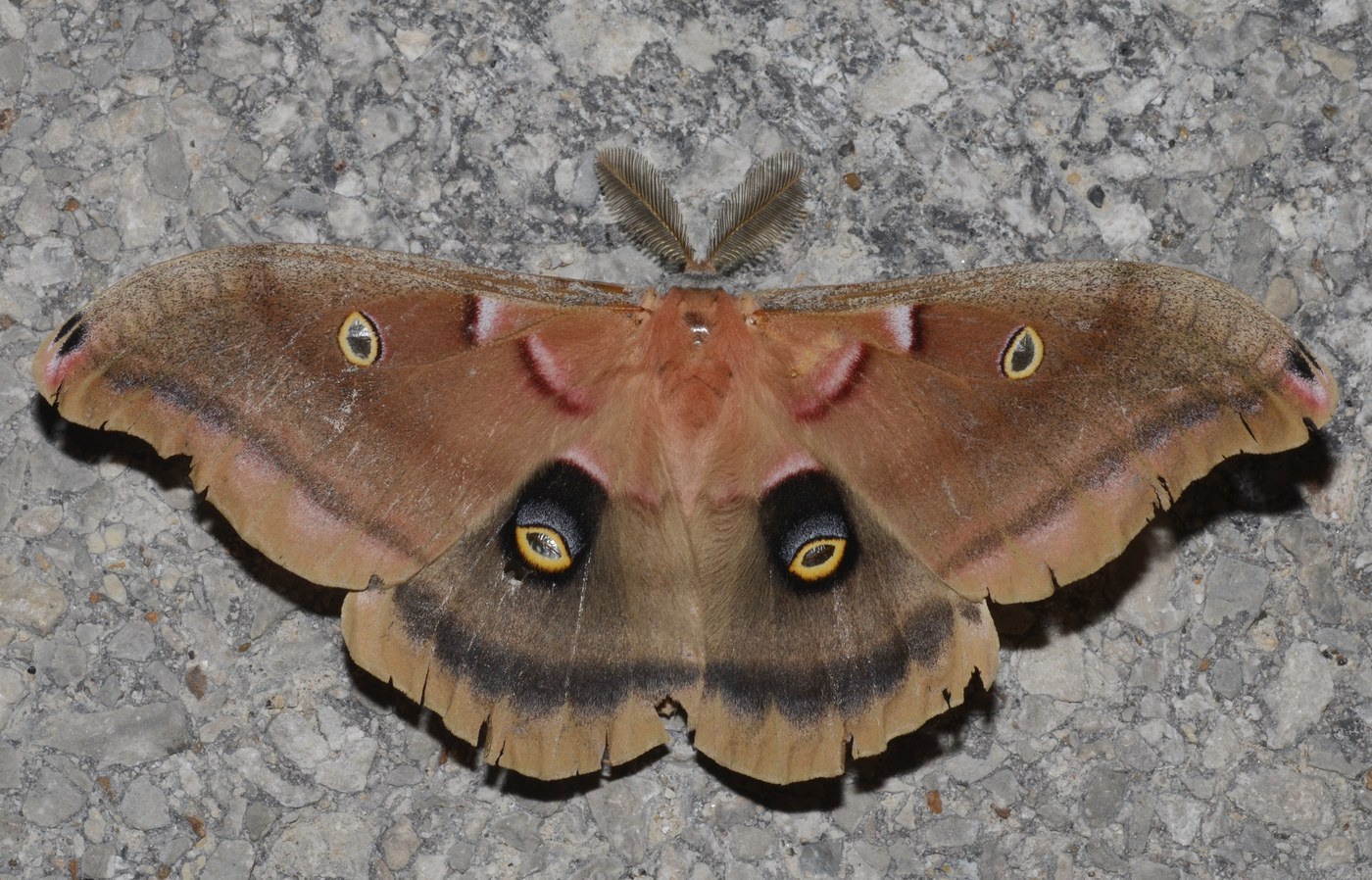
Antheraea Silkmoth
Deciduous forests, woodland edges, orchards
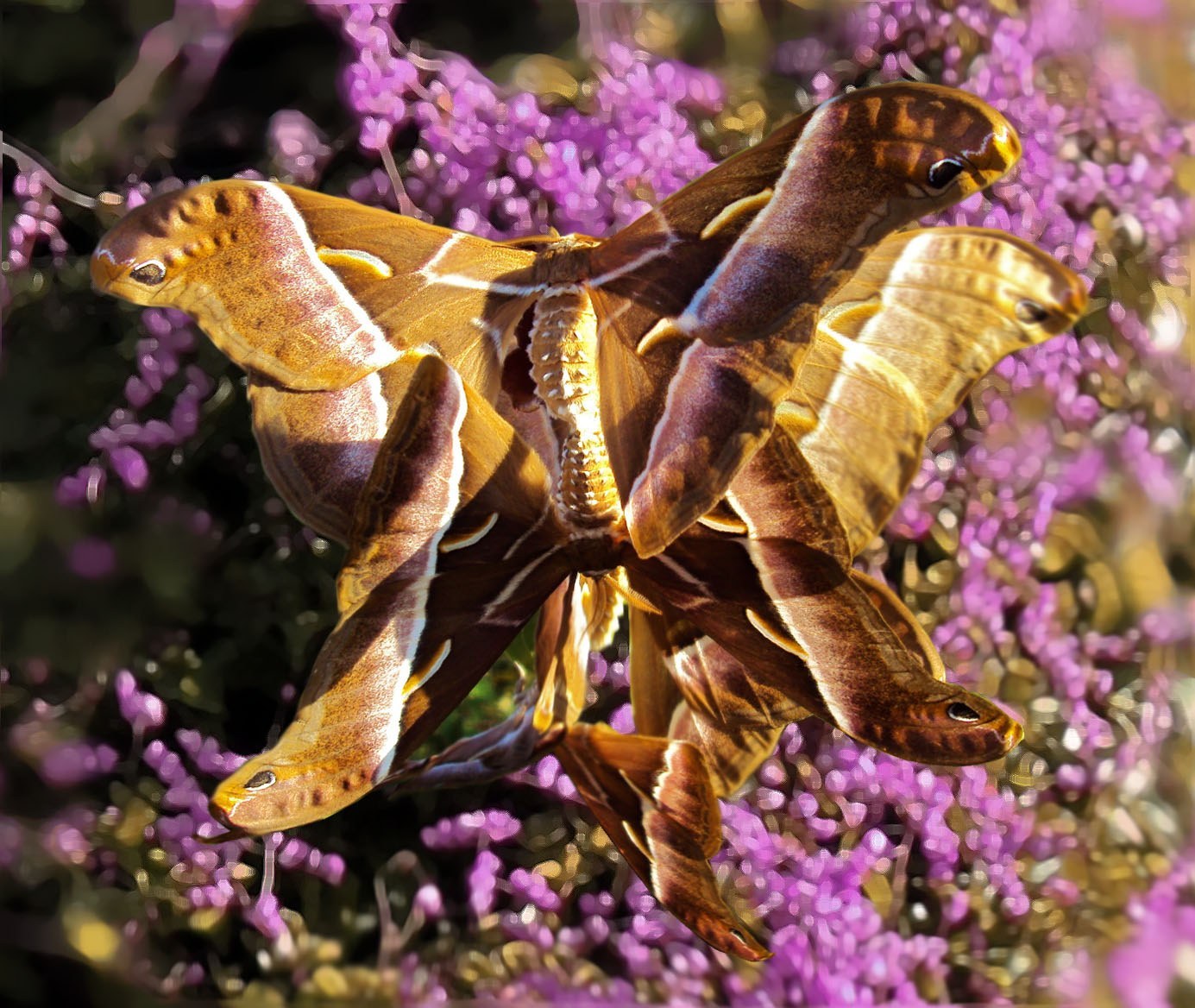
Ailanthus Silkmoth (Cynthia Moth)
Urban parks, wastelands, and woodland edges with tree-of-heaven; native to Asia, introduced in North America and Europe
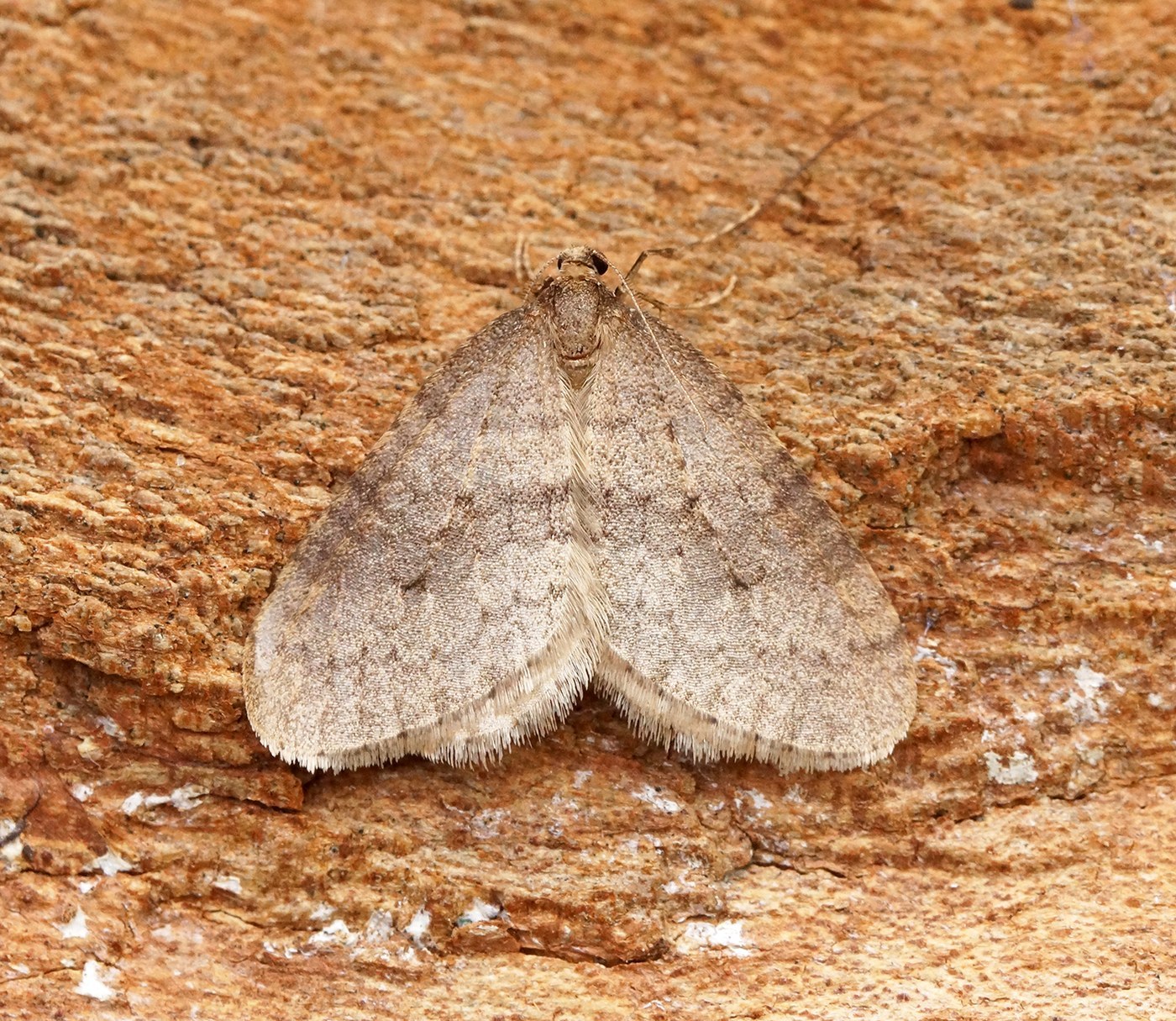
Winter Moth
Deciduous woodland, orchards, gardens, hedgerows
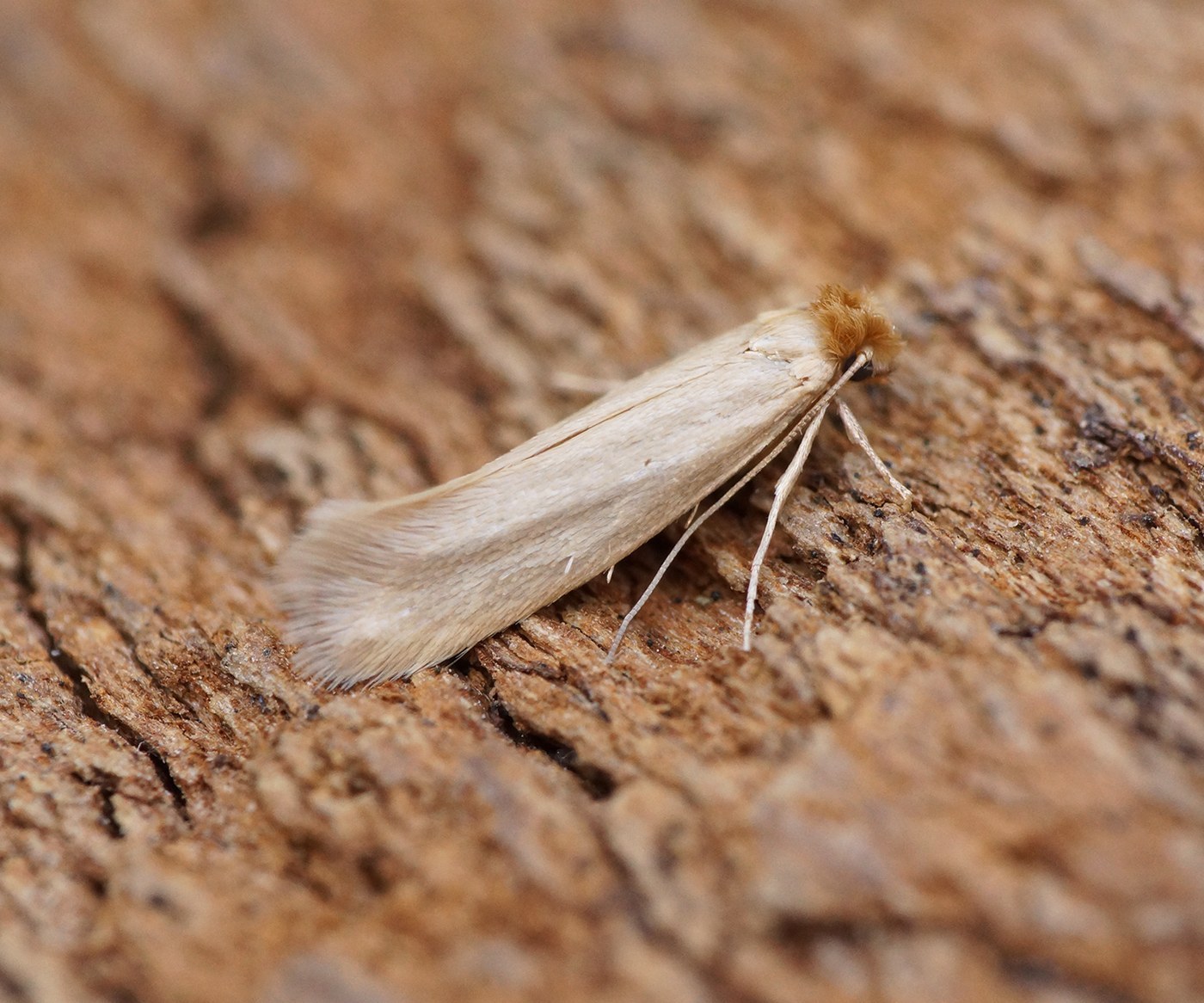
Webbing Clothes Moth
Dark closets, storage areas, and animal nests worldwide
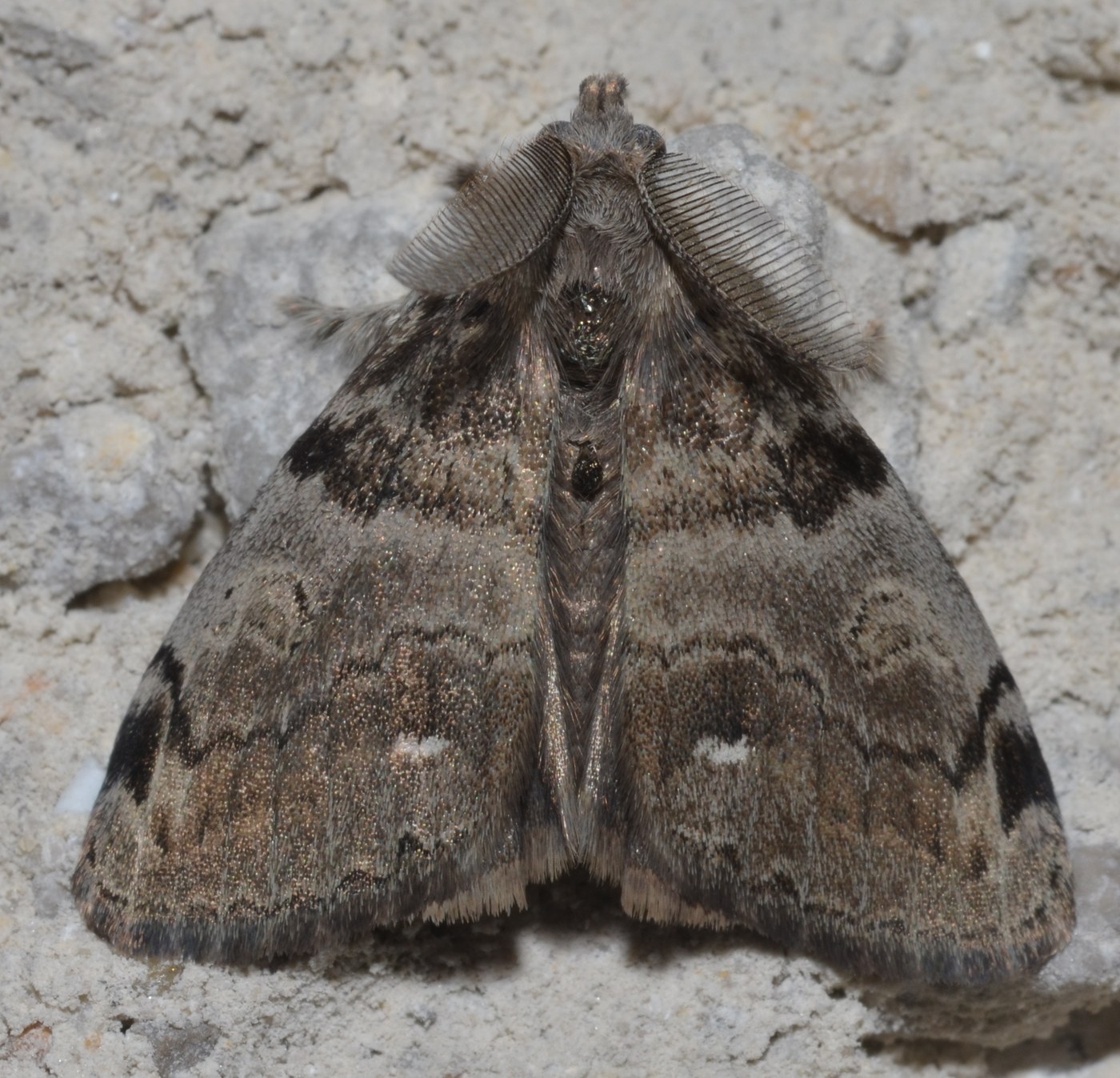
Tussock Moth
Deciduous forests, parks, gardens
Wax Moth
Beehives, apiaries, stored beeswax and comb
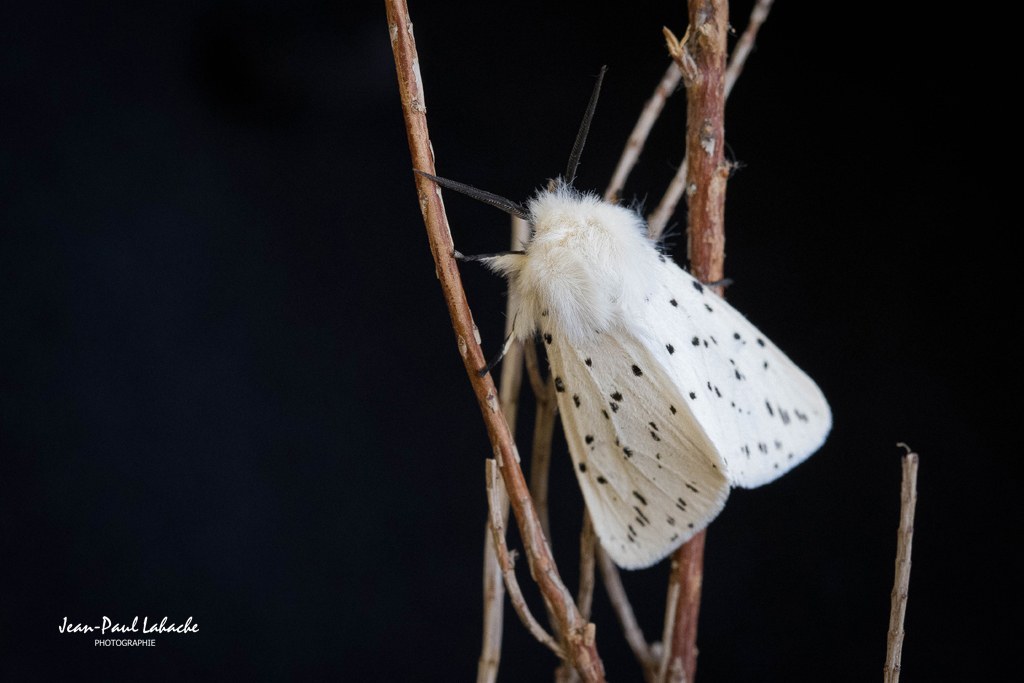
White Ermine Moth
Gardens, meadows, hedgerows
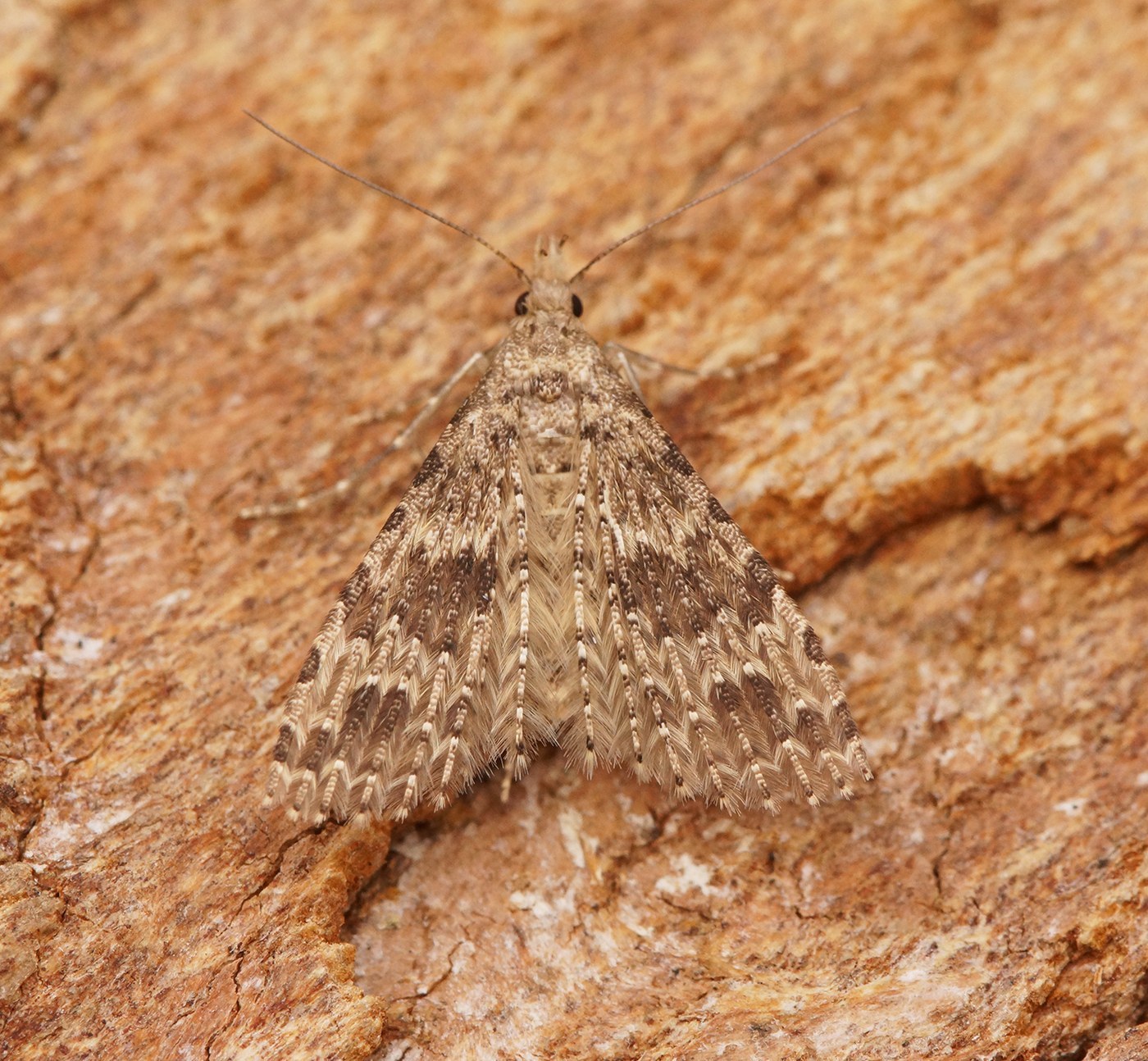
Twenty-plume Moth
Gardens, hedgerows, near honeysuckle
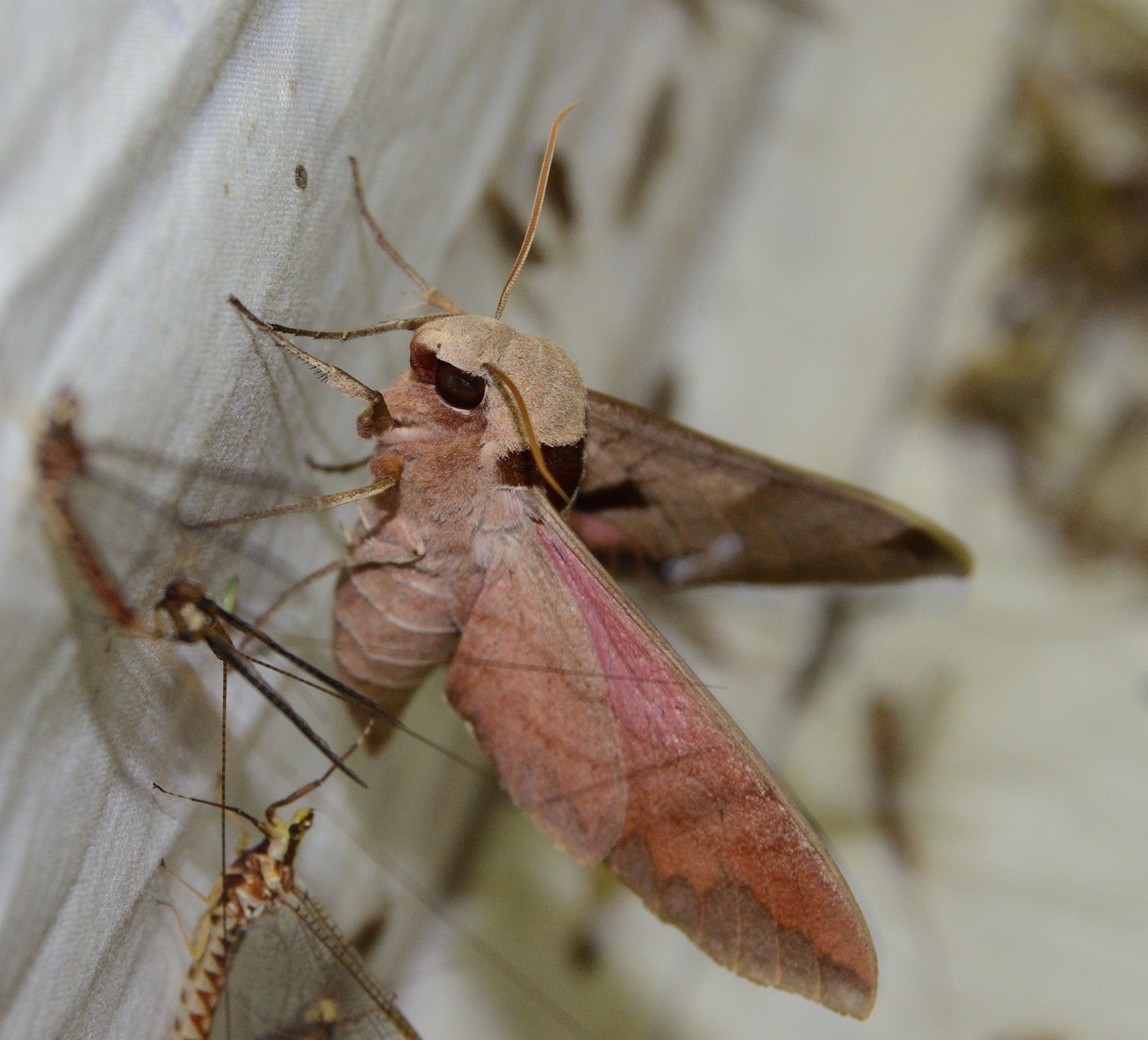
Achemon Sphinx Moth
Vineyards, woodland edges, gardens with wild grape
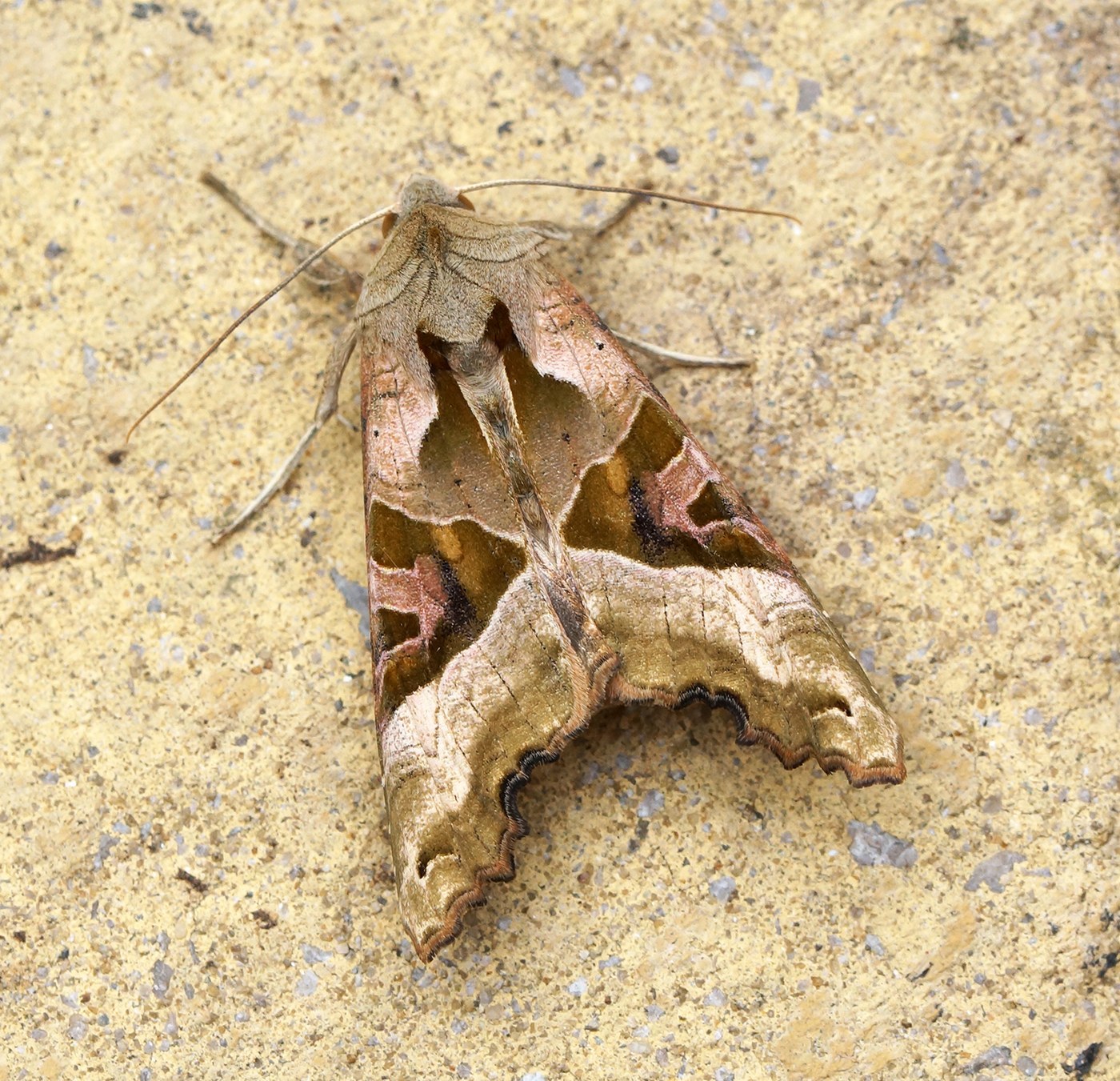
Angle Shades Moth
Gardens, hedgerows, woodland edges, urban parks
Atlas Moth
Tropical and subtropical lowland forests of Southeast Asia