
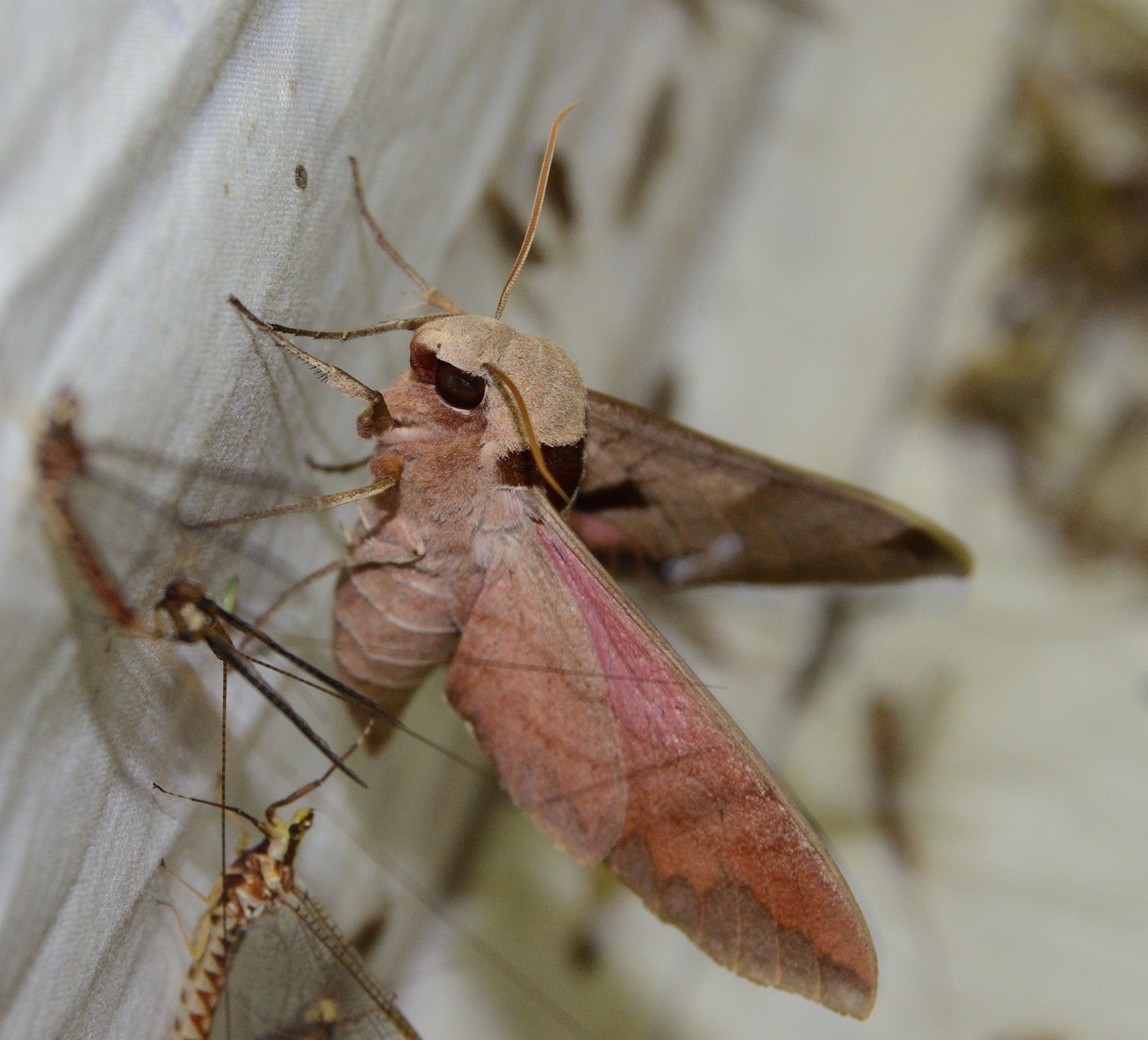
Achemon Sphinx Moth
Eumorpha achemon
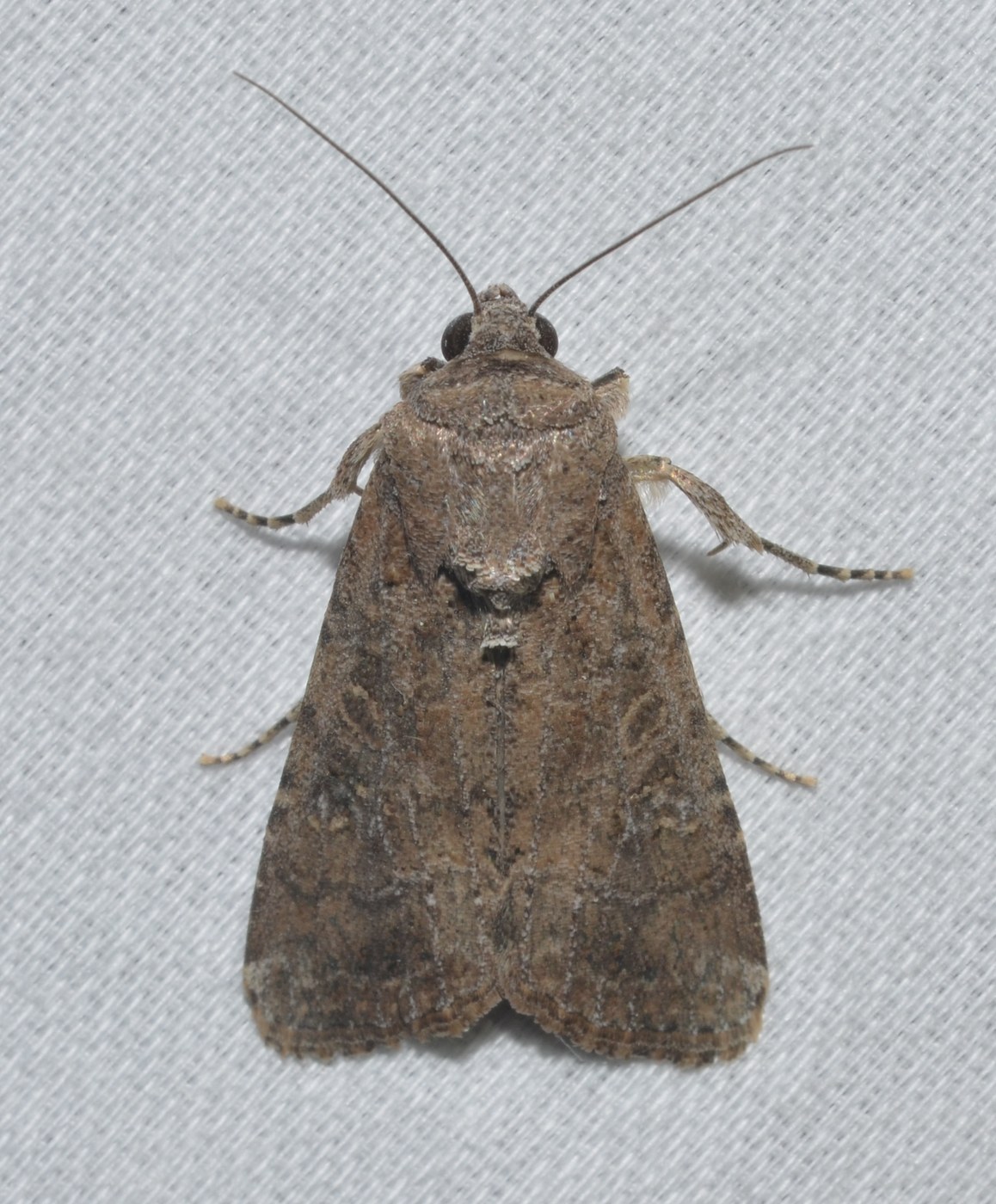
A large, streamlined sphinx moth with pinkish-brown forewings marked by darker scalloped patches and rosy pink hindwings edged in black, closely tied to grapevines as a larval host.
- Size
- 3–3.5 in wingspan
- Habitat
- Vineyards, woodland edges, gardens with wild grape
- Danger
- Harmless
Spotted a bug like this?
Identify any bug or insect from a photo, free.
Overview
The Achemon sphinx moth is a member of the hawk moth family, Sphingidae, known for their powerful, streamlined bodies and rapid, hovering flight reminiscent of hummingbirds. This species is one of the larger sphinx moths in North America and is most often encountered where wild or cultivated grapevines grow, since its caterpillar feeds almost exclusively on grape and Virginia creeper foliage.
Adults have a subdued but attractive combination of tan, brown, and pink coloring with scalloped darker markings on the forewings, a pattern that provides effective camouflage against tree bark and dry foliage when at rest. The moth is a strong, fast flier capable of covering long distances at dusk in search of nectar sources.
As both a pollinator and a prey species, the Achemon sphinx moth fills an important niche in the food webs of woodlands and vineyard edges, and its large, horned caterpillar is one of the more dramatic insect larvae found on grapevines.
How to Identify
- Forewings are pinkish-tan to olive-brown with darker brown, scalloped or wavy patches, giving a mottled bark-like camouflage pattern.
- Hindwings are rosy pink with a dark brown to black border along the outer edge, visible mainly in flight or when the moth is disturbed.
- Body is thick, tapered, and streamlined, typical of sphinx moths, with long, narrow forewings held swept back at rest.
- Antennae are relatively short and thickened toward the tip, typical of hawk moths, and the adult feeds on nectar using a coiled proboscis.
- Larvae are large, green or brown caterpillars with diagonal side stripes and, in later stages, often lose the typical sphinx moth "horn," replaced by a smooth button-like eyespot.
Habitat & Range
Found across much of the United States and into southern Canada wherever wild grape (Vitis) or Virginia creeper grows, including vineyards, woodland edges, hedgerows, and gardens with ornamental vines. Adults are active at dusk and after dark from late spring through summer, and are strong fliers capable of traveling considerable distances between host plants and nectar sources.
Behavior & Diet
Adults are crepuscular and nocturnal, hovering in front of flowers to sip nectar with rapid, sustained wingbeats much like a hummingbird, which also makes them effective pollinators of night-blooming and dusk-visited flowers. Caterpillars are voracious leaf-feeders on grapevine and related plants, capable of stripping significant foliage when locally abundant. Both larvae and adults are food sources for birds, and the caterpillars are notably preyed upon by parasitic wasps.
Life Cycle
Females lay single eggs on the leaves of grape or Virginia creeper. Caterpillars pass through several instars, growing substantially larger and often changing color and pattern as they mature, before burrowing into loose soil to pupate in an underground chamber without spinning a cocoon. The pupa overwinters below ground in colder regions, with adults emerging the following late spring; one or two generations occur per year depending on climate.
Frequently asked questions
How can I tell this moth from other sphinx moths?
The combination of scalloped brown-and-tan forewings with rosy pink, dark-bordered hindwings is distinctive among North American sphinx moths.
What does the caterpillar eat?
It feeds almost exclusively on the leaves of wild or cultivated grapevines and Virginia creeper.
Does the caterpillar have a horn like other sphinx moth larvae?
Younger caterpillars have a small horn at the rear, but in later stages this is often replaced by a smooth, eyespot-like button.
Where would I be most likely to see one?
Near grapevines at dusk or after dark, where adults visit flowers for nectar and caterpillars feed on the foliage.
Achemon Sphinx Moth guides
In-depth guides for identifying, understanding, and living alongside Achemon Sphinx Moth.
Other bugs you may enjoy
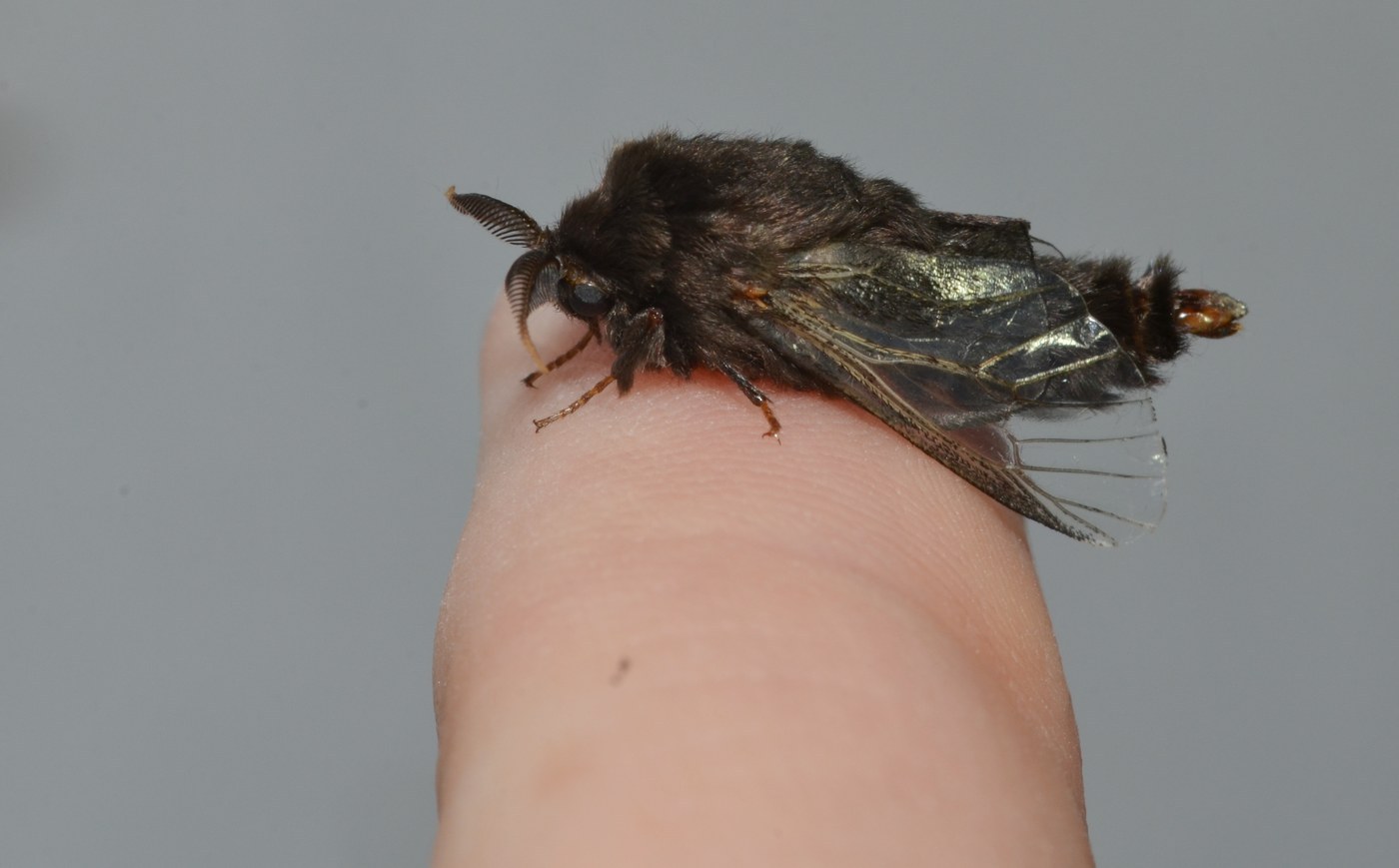
Bagworm Moth
Coniferous and deciduous trees, shrubs, hedges
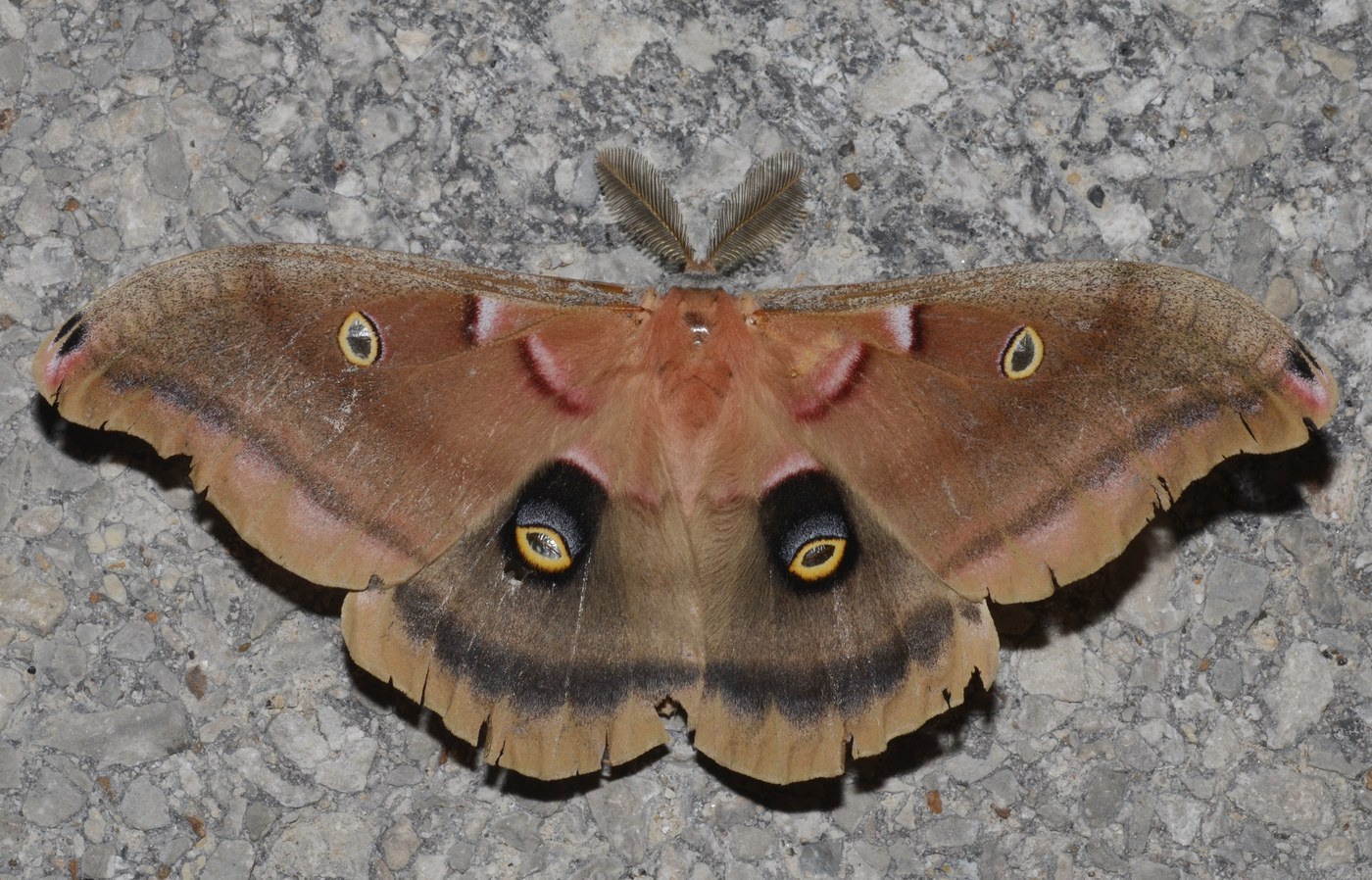
Antheraea Silkmoth
Deciduous forests, woodland edges, orchards
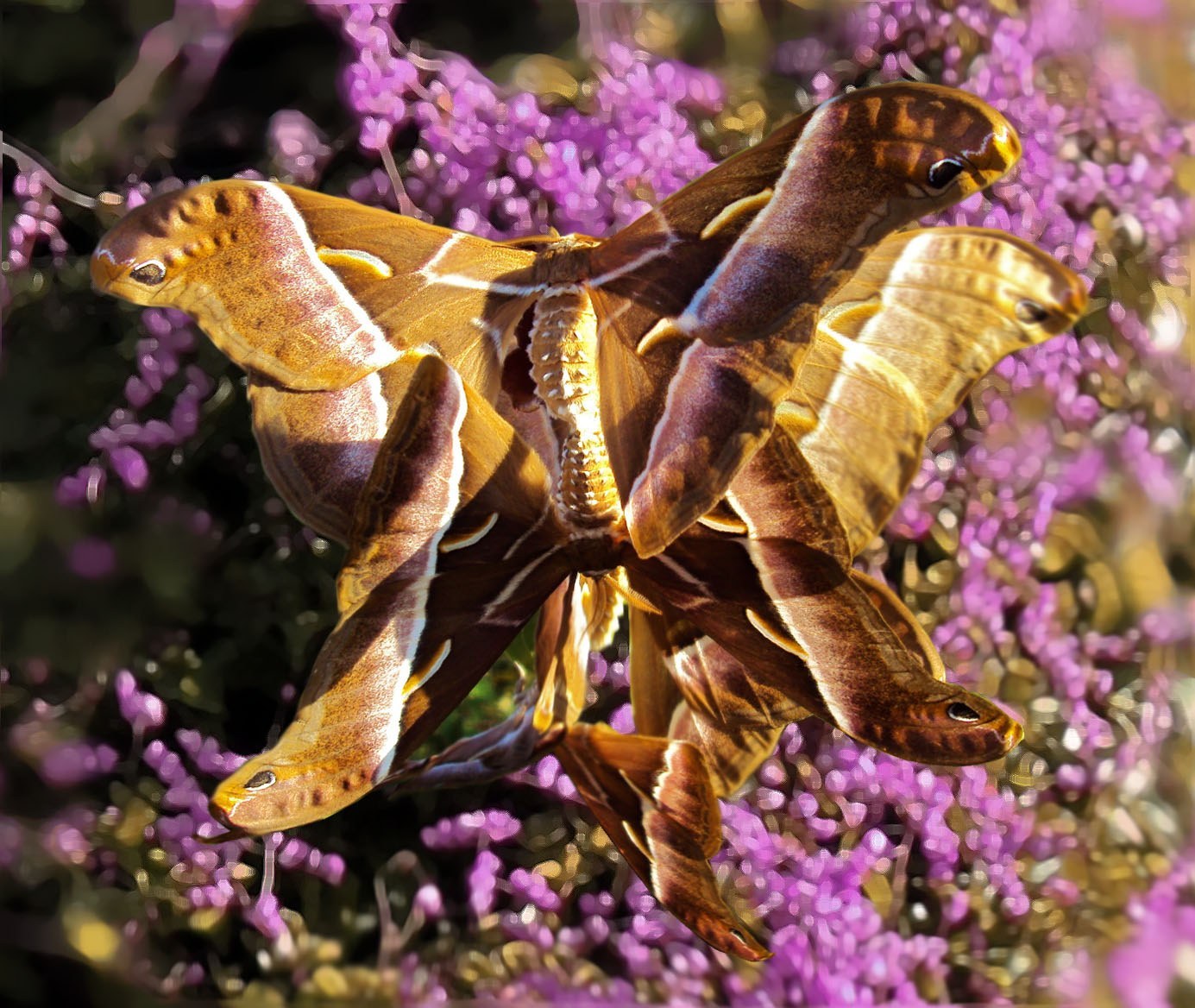
Ailanthus Silkmoth (Cynthia Moth)
Urban parks, wastelands, and woodland edges with tree-of-heaven; native to Asia, introduced in North America and Europe
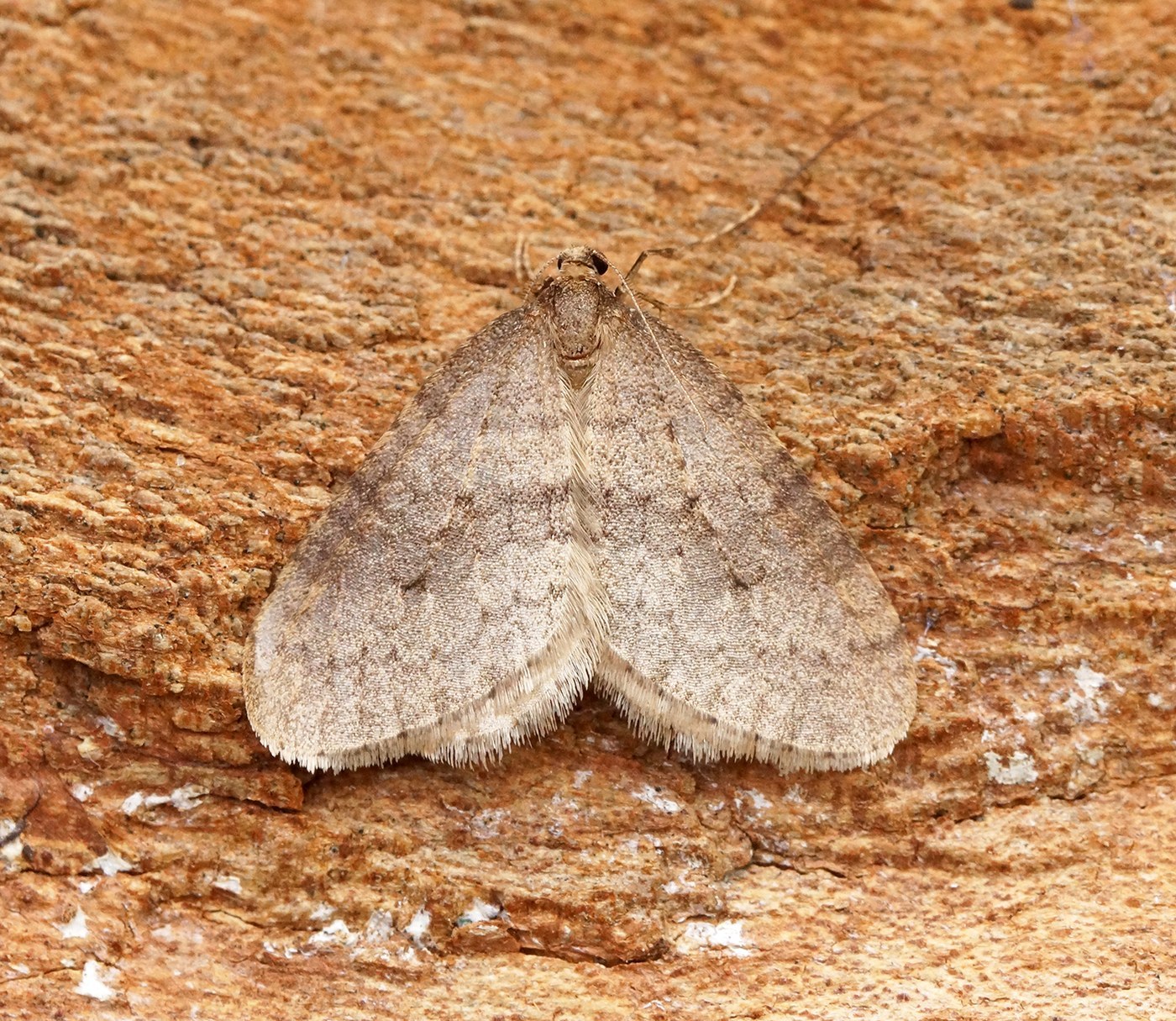
Winter Moth
Deciduous woodland, orchards, gardens, hedgerows
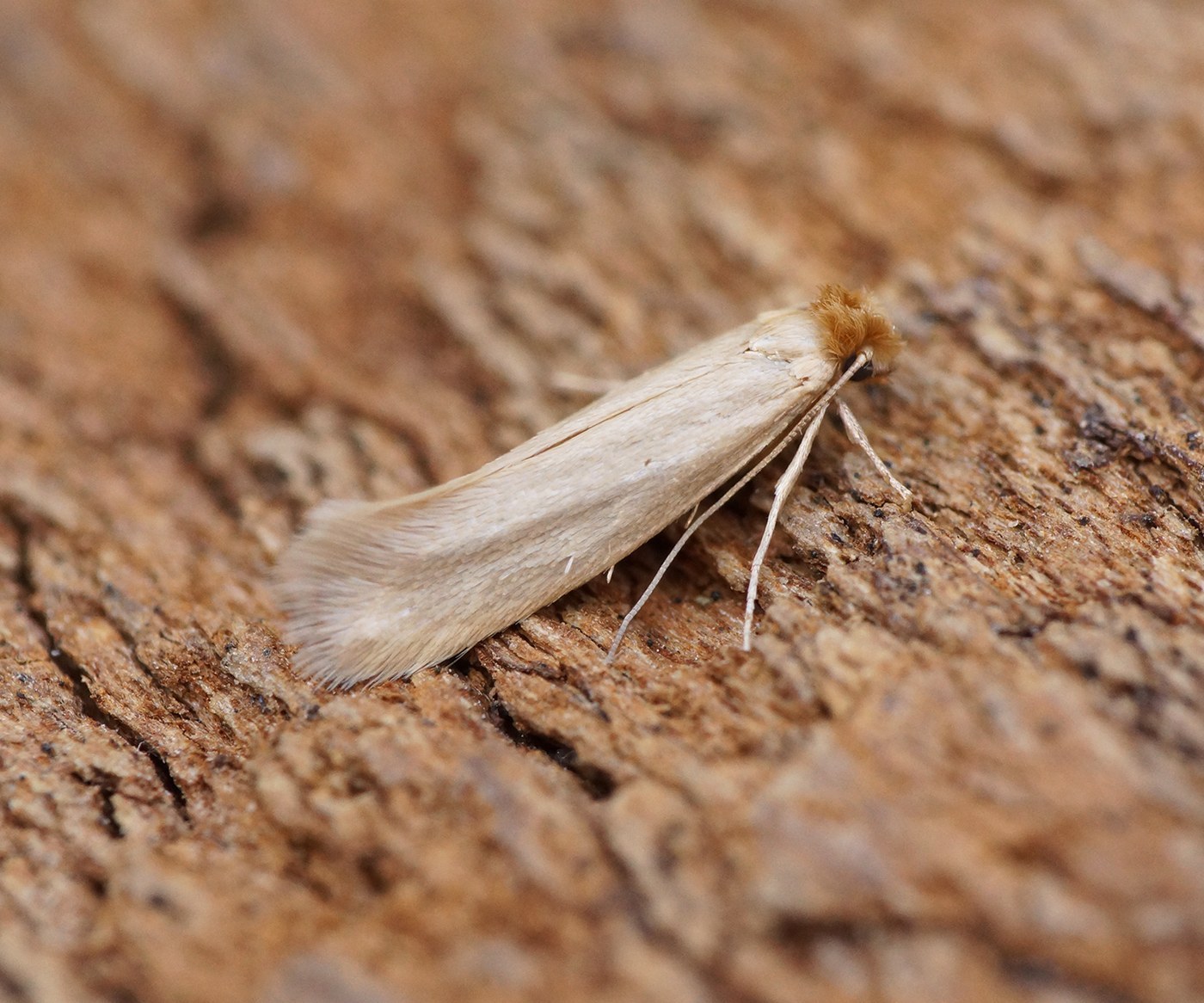
Webbing Clothes Moth
Dark closets, storage areas, and animal nests worldwide
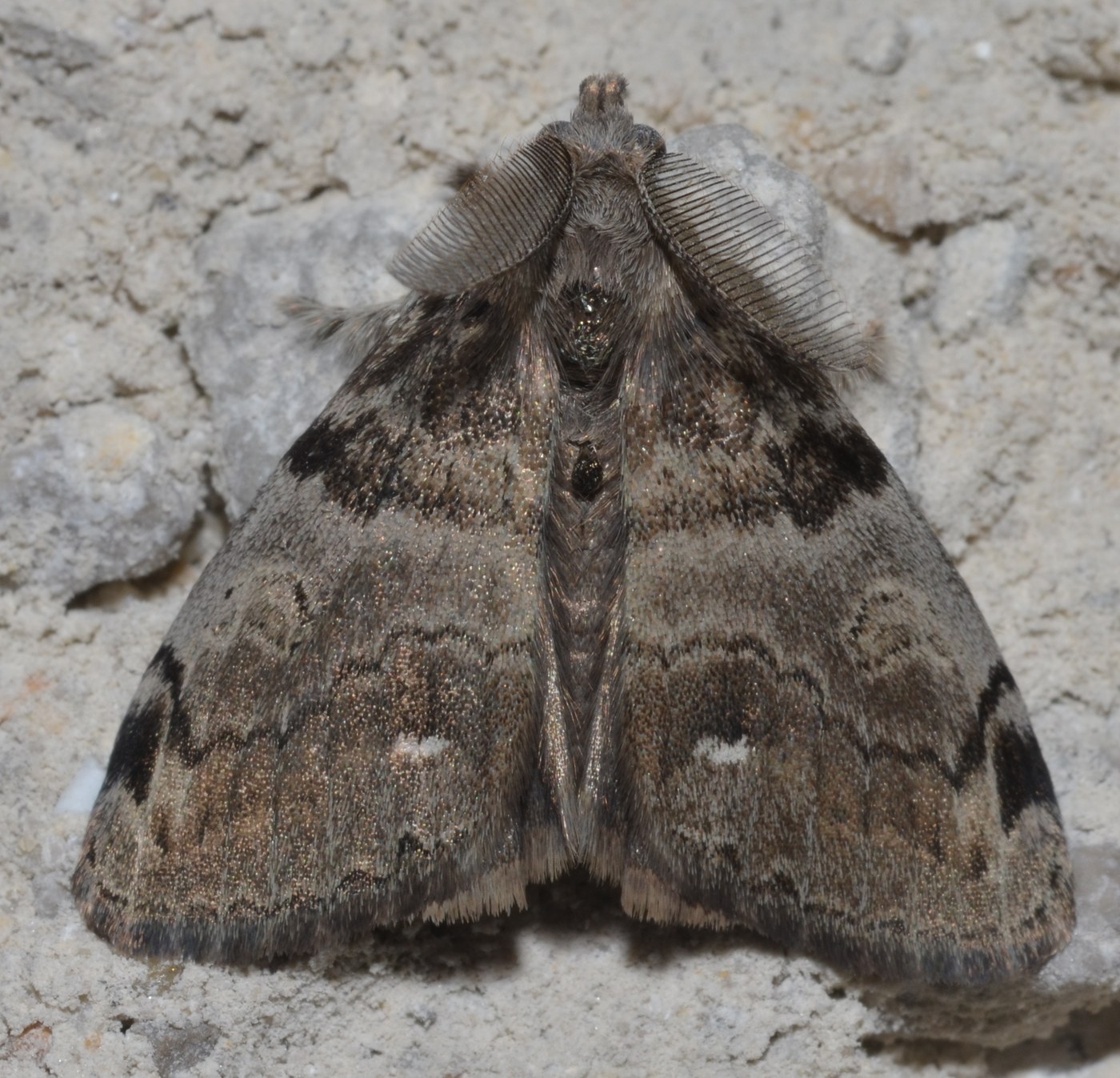
Tussock Moth
Deciduous forests, parks, gardens
Wax Moth
Beehives, apiaries, stored beeswax and comb
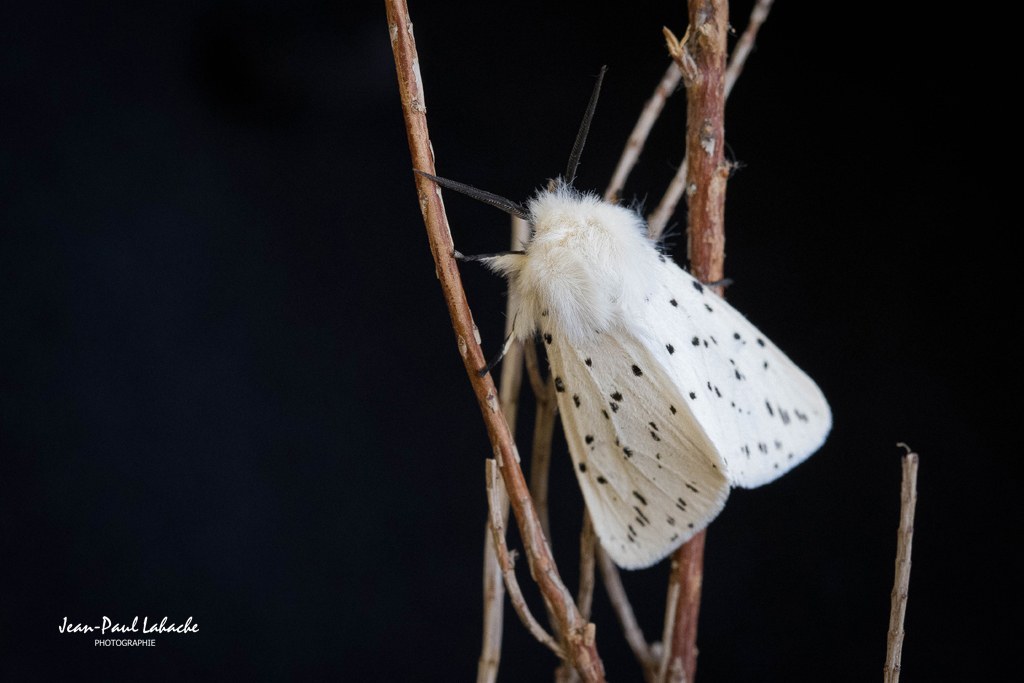
White Ermine Moth
Gardens, meadows, hedgerows
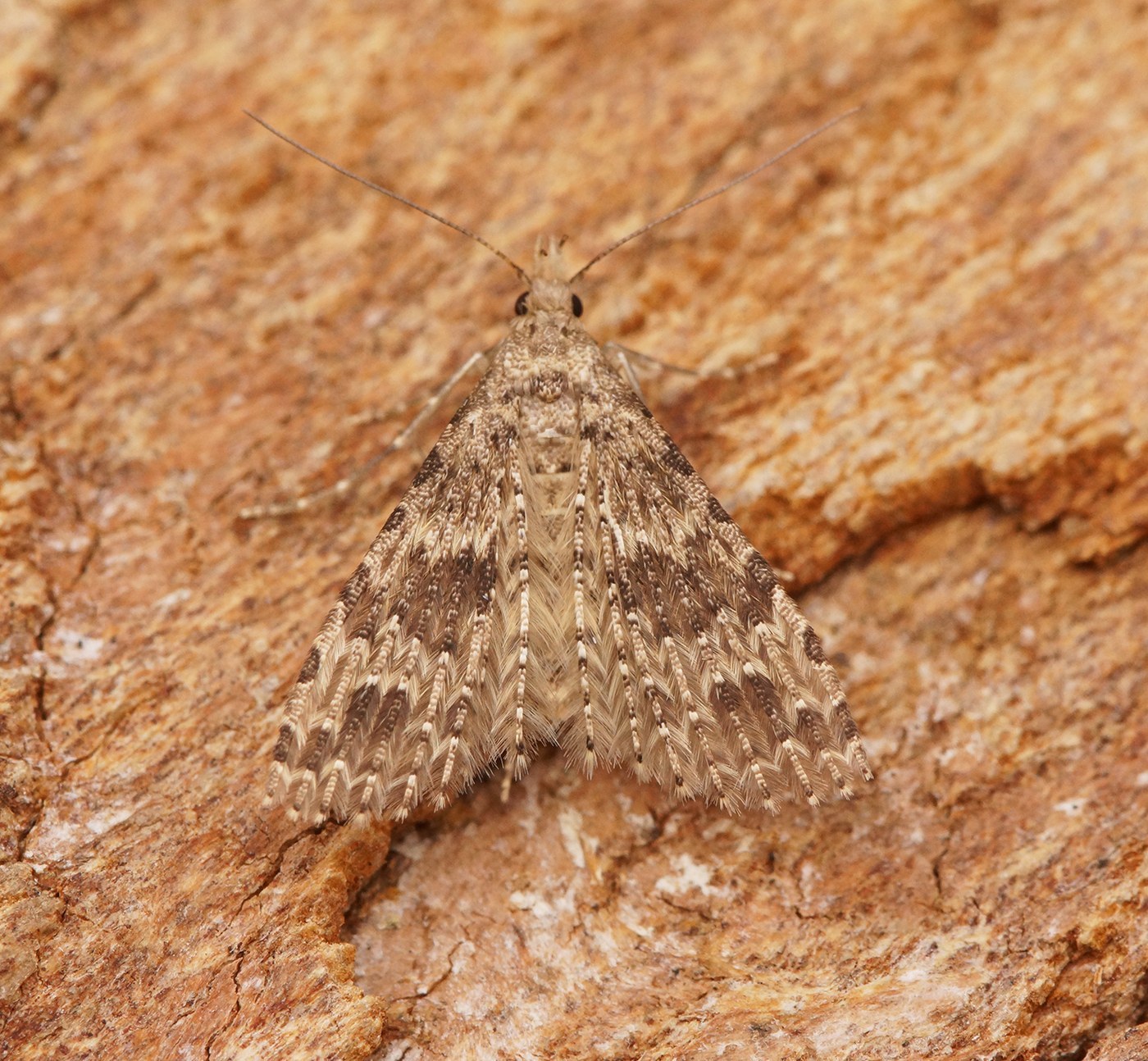
Twenty-plume Moth
Gardens, hedgerows, near honeysuckle
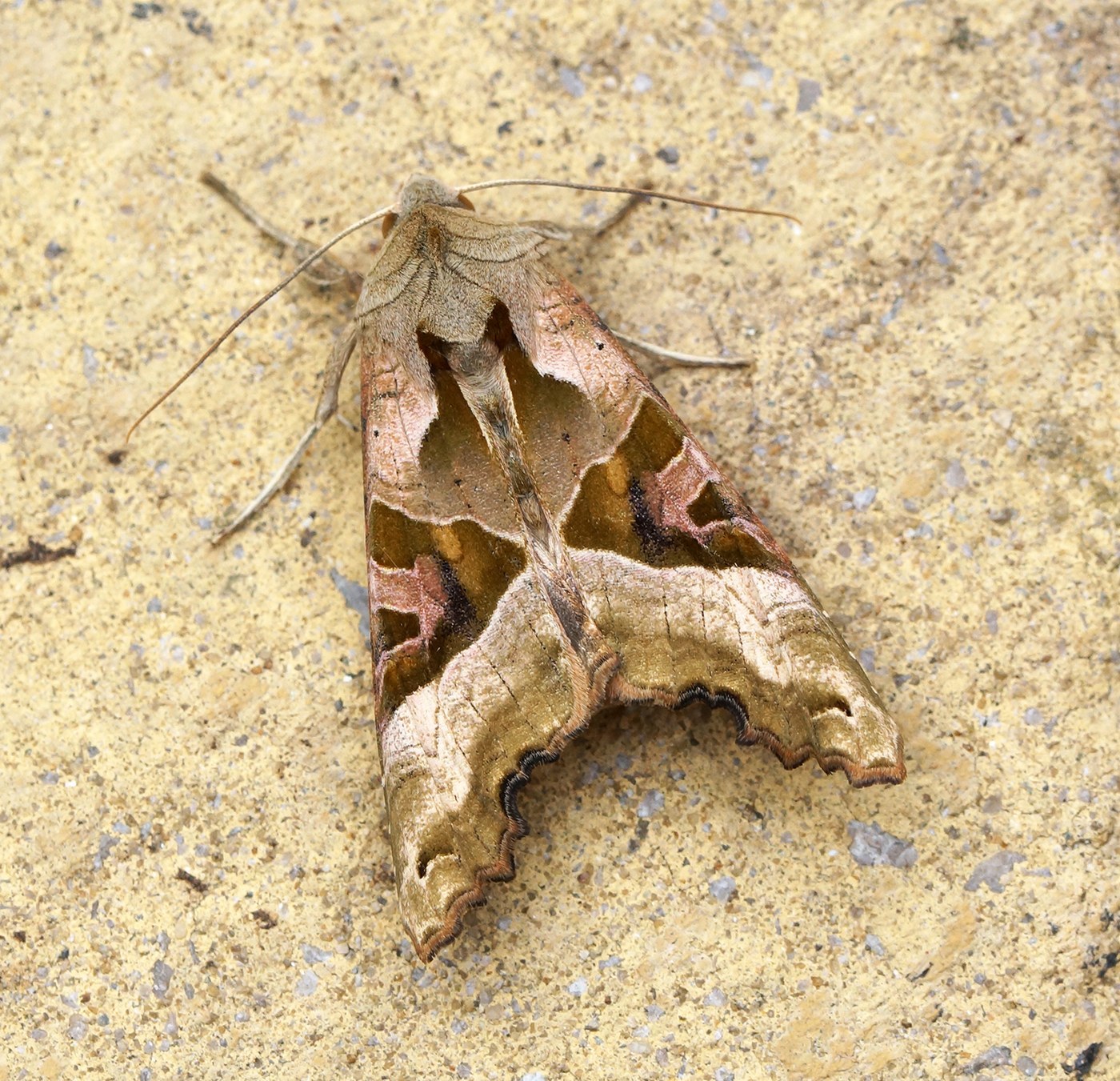
Angle Shades Moth
Gardens, hedgerows, woodland edges, urban parks
Atlas Moth
Tropical and subtropical lowland forests of Southeast Asia
Armyworm Moth
Grasslands, pastures, farmland