
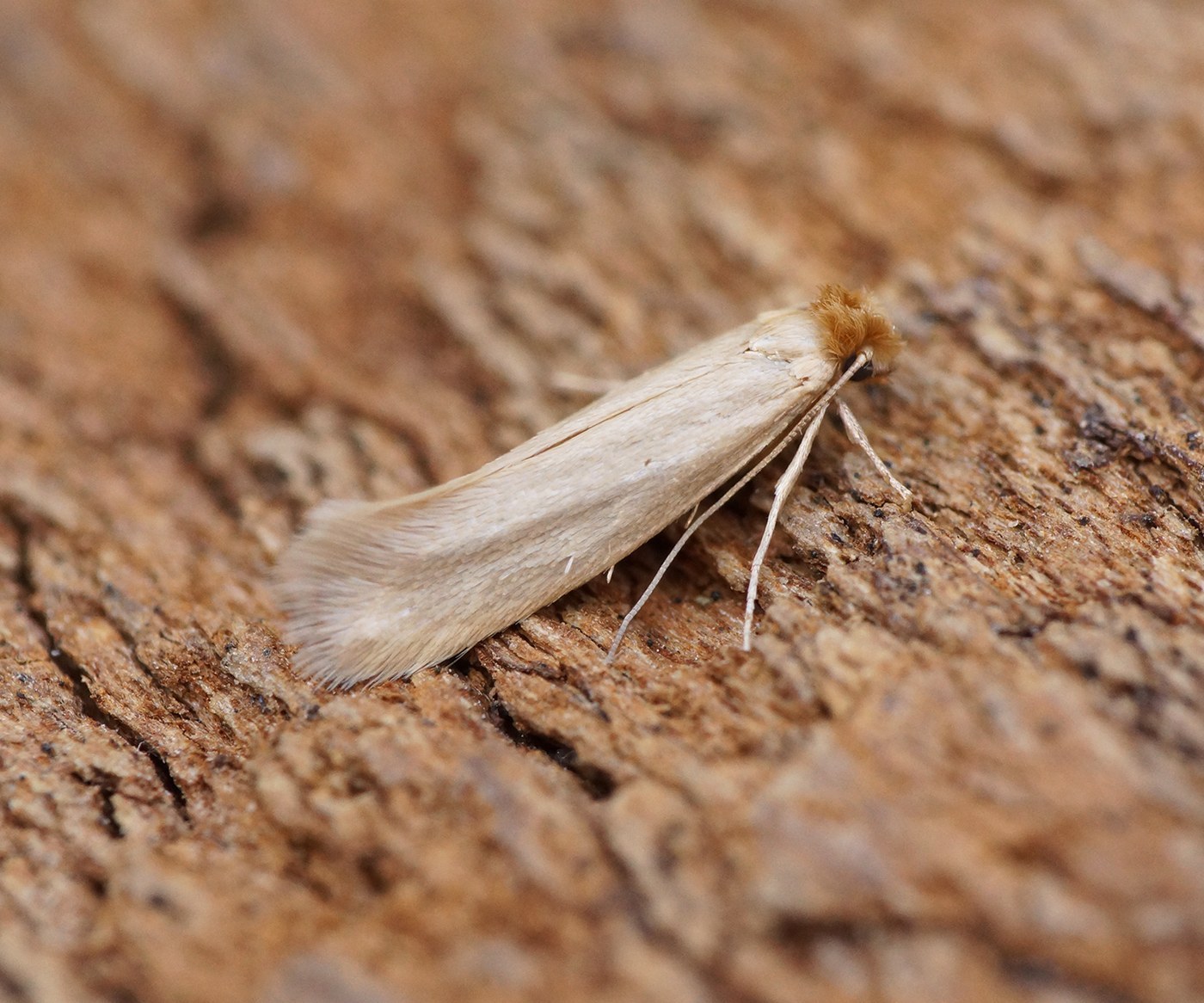
Webbing Clothes Moth
Tineola bisselliella
A small, plain golden-buff moth that avoids light and flutters weakly from dark closets, leaving silken webbing where its larvae have grazed on wool and fur.
- Size
- Wingspan about 12–16 mm
- Habitat
- Dark closets, storage areas, and animal nests worldwide
- Danger
- Nuisance pest
Spotted a bug like this?
Identify any bug or insect from a photo, free.
Overview
The webbing clothes moth is a small, unassuming moth in the family Tineidae, best known for larvae that feed on keratin-containing natural fibers such as wool, fur, and feathers. Unlike many moths that are drawn toward light, this species actively avoids illumination, which is one reason infestations often go unnoticed until visible damage appears.
In its natural context, the webbing clothes moth is thought to have originated in association with the nests, fur, and feathers of birds and mammals, where its larvae could feed on shed hair and skin debris. This ecological role as a scavenger of keratin-based material carried over readily into human households, where wool clothing, carpets, and stored furs provide similar food sources.
The species is now found essentially worldwide in temperate and warm climates, and is one of two commonly encountered clothes moths, the other being the casemaking clothes moth, which differs mainly in the portable case its larvae build and carry.
How to Identify
- Adult wingspan roughly 12–16 mm
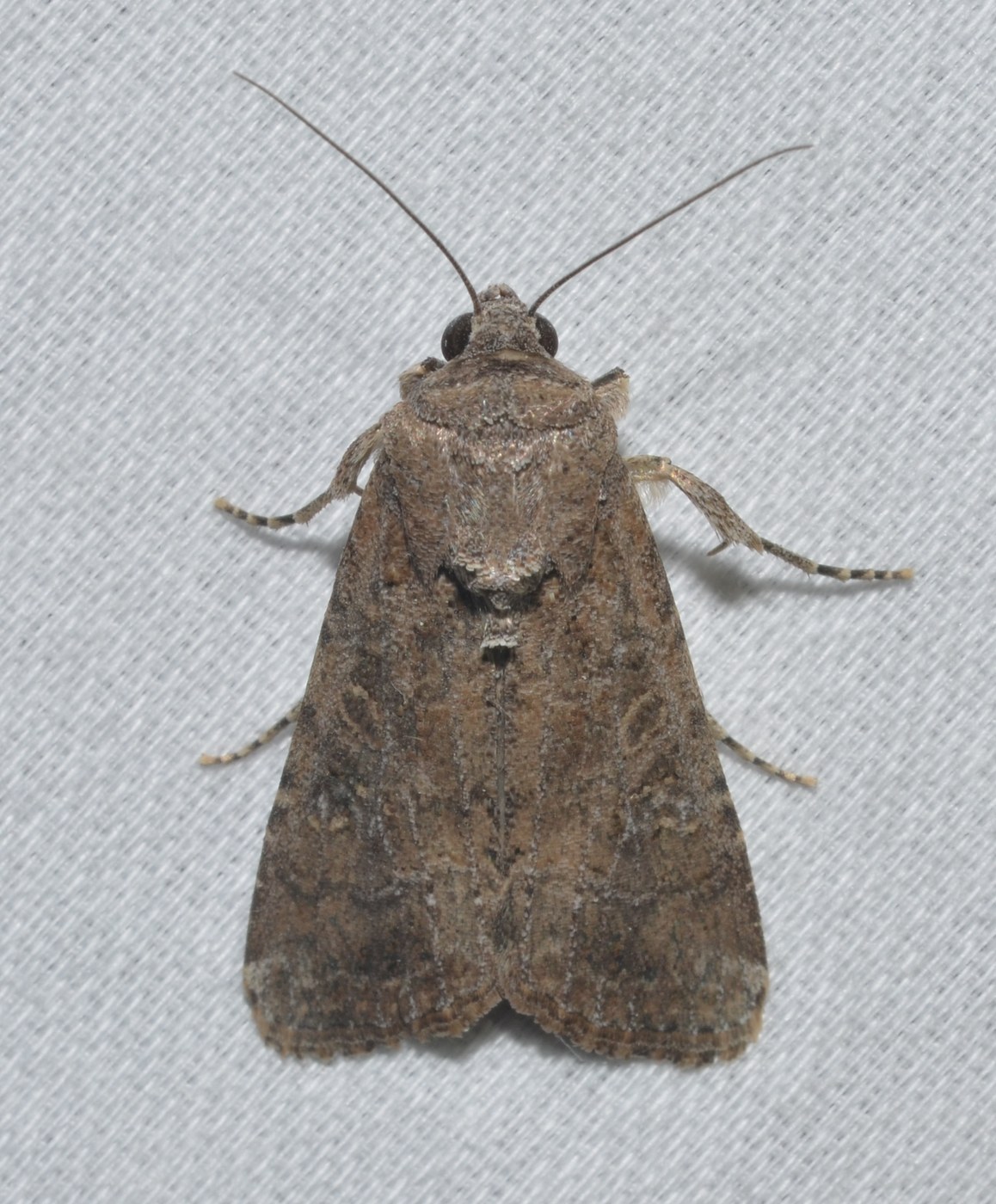
- Wings are a plain, uniform golden-buff to straw color with no distinct spots or bands
- A tuft of reddish-golden hair-like scales is often present on the head
- Adults are weak fliers and tend to scurry or run rather than fly when disturbed, avoiding light
- Larvae are small, whitish caterpillars that spin loose silken webbing and tunnels over the fabric they feed on, rather than a portable case
- Distinguished from the casemaking clothes moth mainly by larval behavior: webbing clothes moth larvae leave silk webbing in place rather than carrying a case
Habitat & Range
Webbing clothes moths are found worldwide in temperate to warm regions, typically in dark, undisturbed indoor spaces such as closets, storage boxes, attics, and beneath furniture. They favor still, low-light conditions and are rarely seen in brightly lit or frequently disturbed areas. Outdoors, related feeding habits can occur in bird or mammal nests containing fur or feathers.
Behavior & Diet
Adult moths are short-lived, weak fliers that avoid bright light and are most often seen scurrying across dark surfaces when disturbed rather than flying toward a lamp. They do not feed as adults. Larvae are the feeding and damaging stage, grazing on wool, fur, feathers, felt, and similar keratin-rich materials while spinning silk webbing and feeding tunnels over the surface of the material. This same natural larval diet allows the species to break down keratin debris in animal nests in the wild, a scavenging role that becomes a fabric-feeding nuisance when it occurs in stored textiles.
Life Cycle
Females lay tiny eggs directly on or near a suitable fiber food source, and eggs hatch within one to two weeks. Larvae feed for an extended period, ranging from a few weeks to many months depending on temperature and food quality, molting through multiple instars while spinning silk webbing over the material they consume. When mature, the larva spins a silken cocoon in a sheltered spot and pupates for one to several weeks before the adult emerges. Development speed varies greatly with temperature, and the species can overwinter as a larva in cooler climates, generally producing one to several generations per year indoors.
Frequently asked questions
Why do I rarely see webbing clothes moths flying around lights?
This species avoids bright light and tends to scurry into dark, undisturbed areas rather than fly toward illumination.
What causes the silk webbing on wool fabric?
It is spun by the larvae as they feed, forming loose silken tunnels and patches over the material.
How does this moth differ from the casemaking clothes moth?
Webbing clothes moth larvae spin webbing in place, while casemaking clothes moth larvae build and carry a portable silken case.
Do adult clothes moths damage fabric?
No, only the larvae feed on fibers; adults do not eat and exist mainly to mate and lay eggs.
Webbing Clothes Moth guides
In-depth guides for identifying, understanding, and living alongside Webbing Clothes Moth.
Other bugs you may enjoy
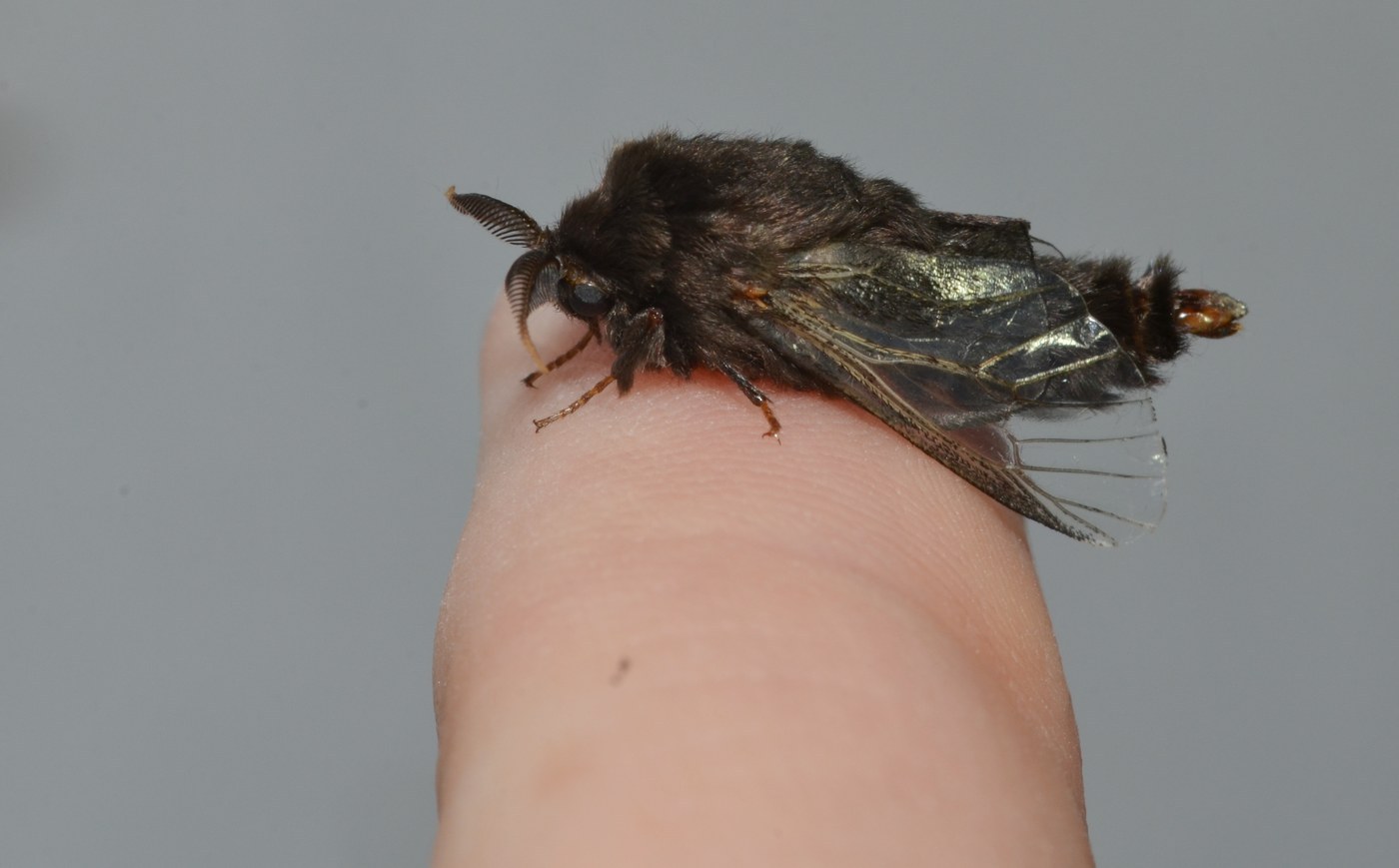
Bagworm Moth
Coniferous and deciduous trees, shrubs, hedges
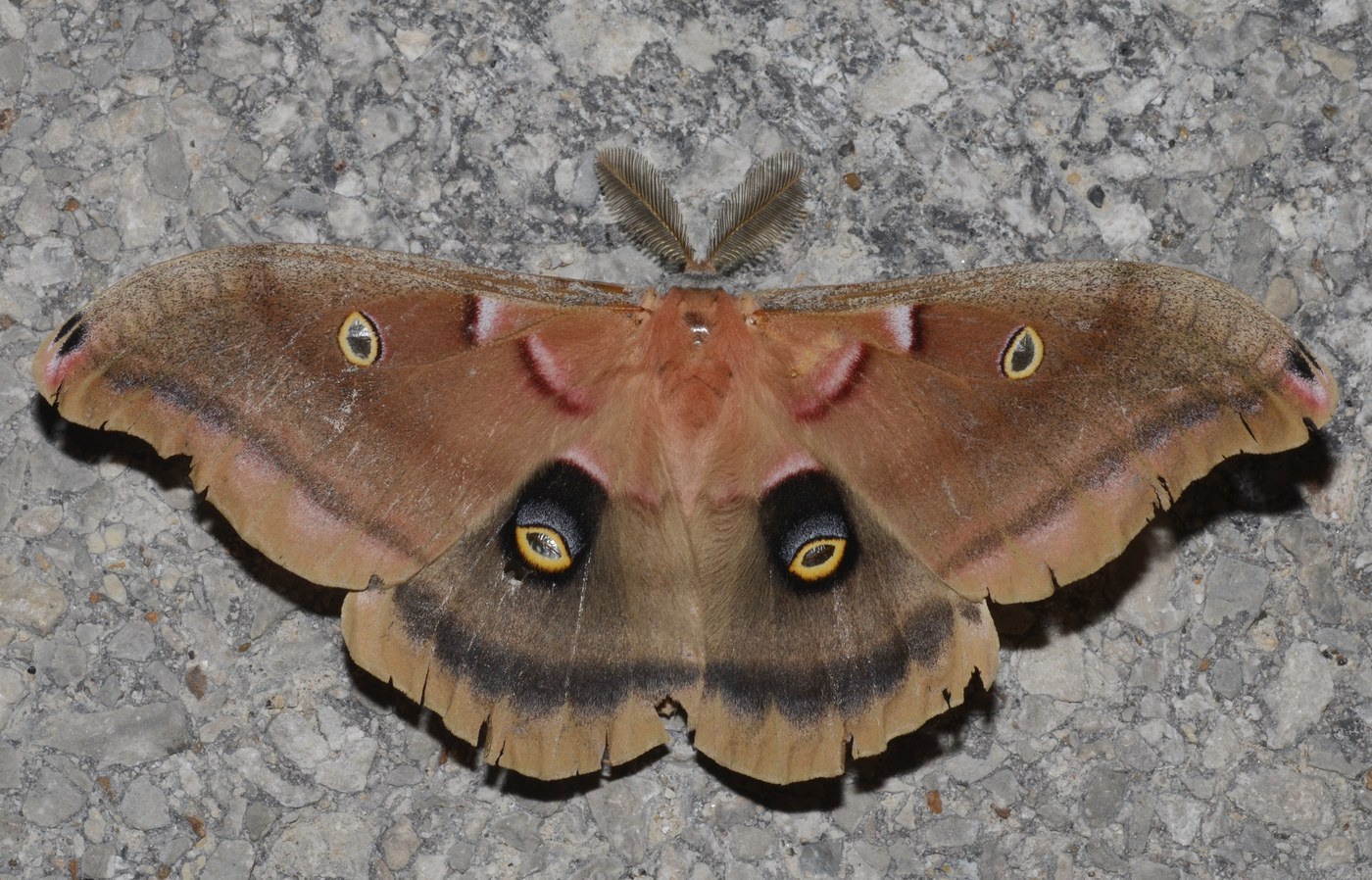
Antheraea Silkmoth
Deciduous forests, woodland edges, orchards
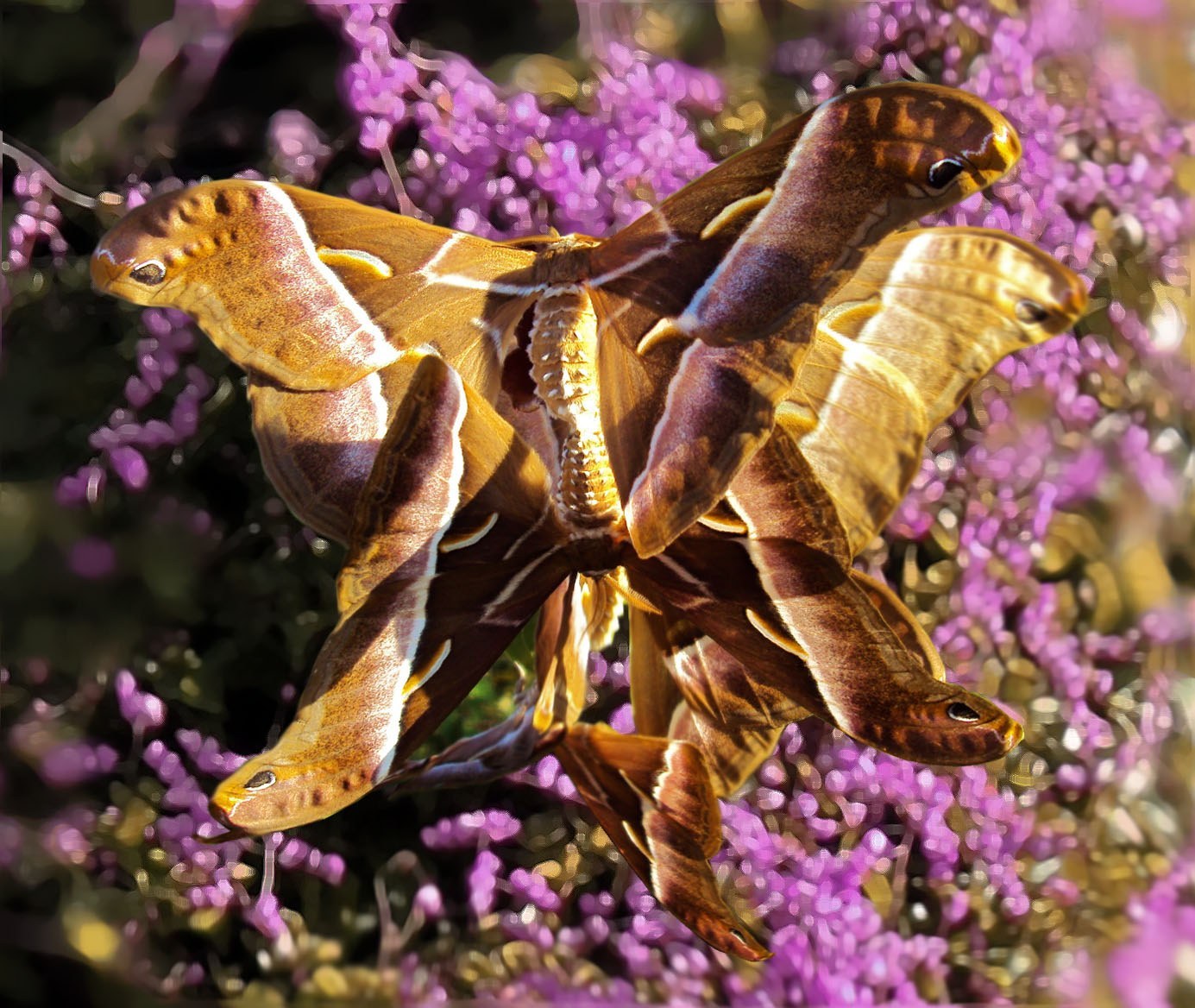
Ailanthus Silkmoth (Cynthia Moth)
Urban parks, wastelands, and woodland edges with tree-of-heaven; native to Asia, introduced in North America and Europe
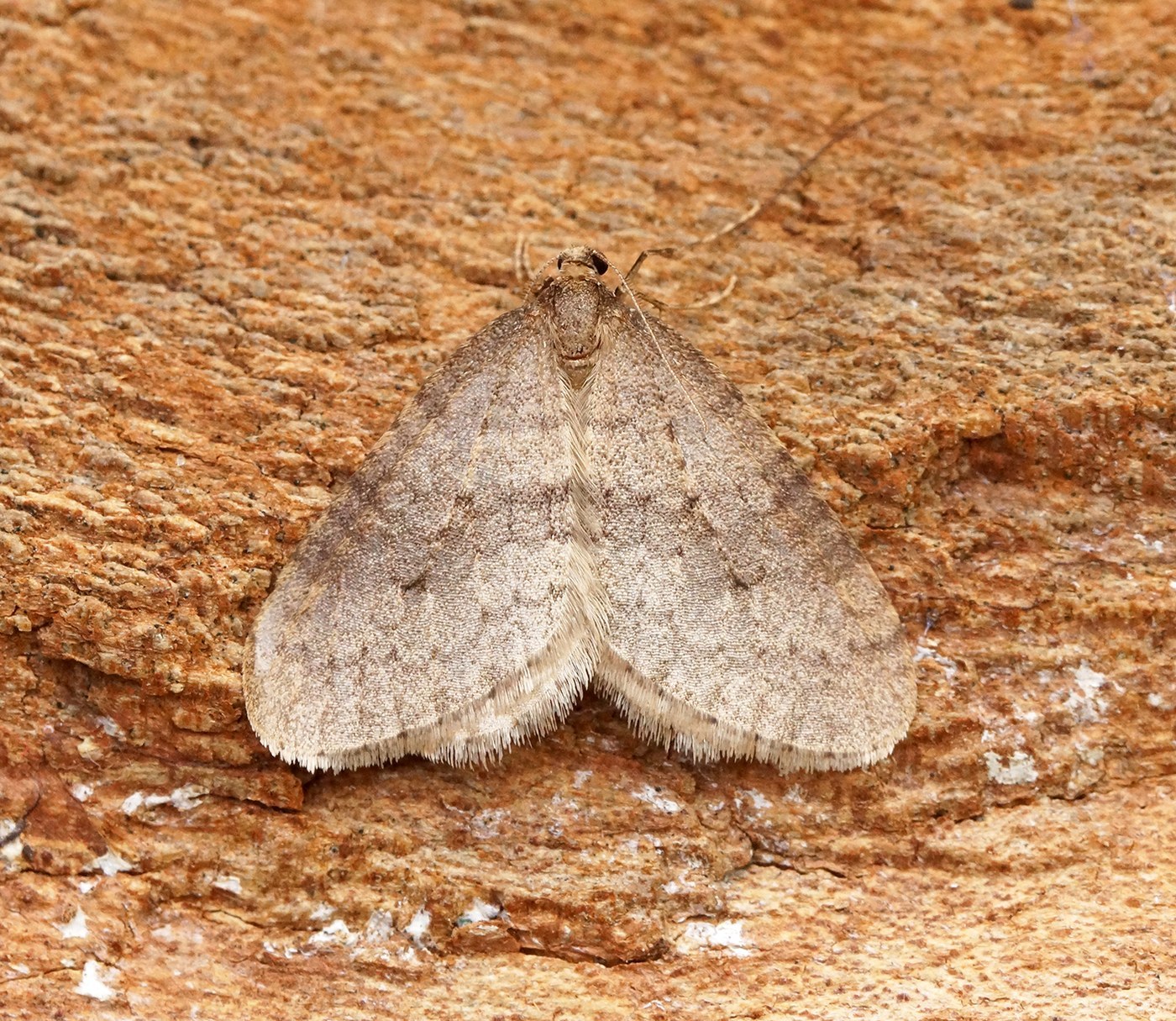
Winter Moth
Deciduous woodland, orchards, gardens, hedgerows
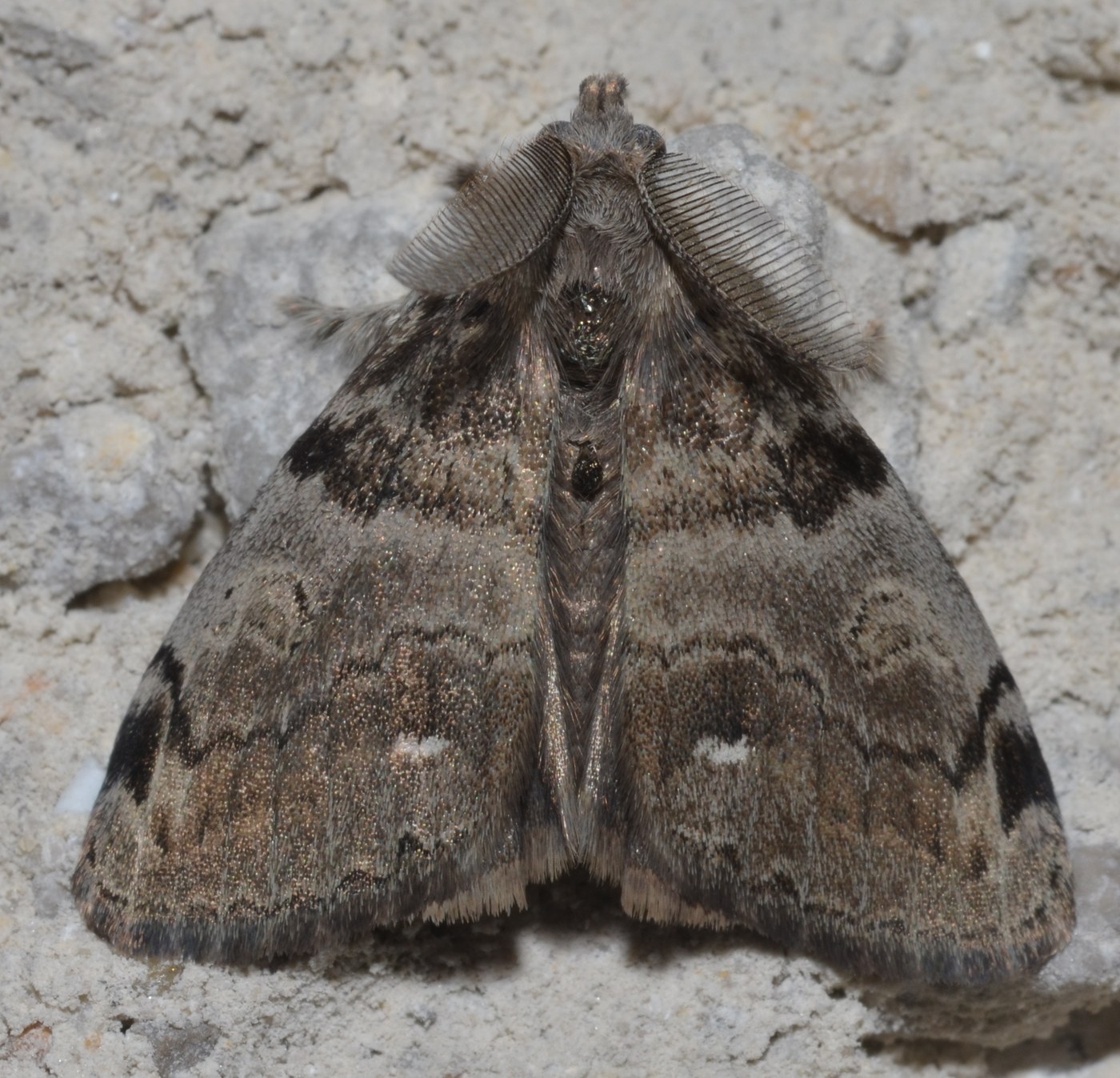
Tussock Moth
Deciduous forests, parks, gardens
Wax Moth
Beehives, apiaries, stored beeswax and comb
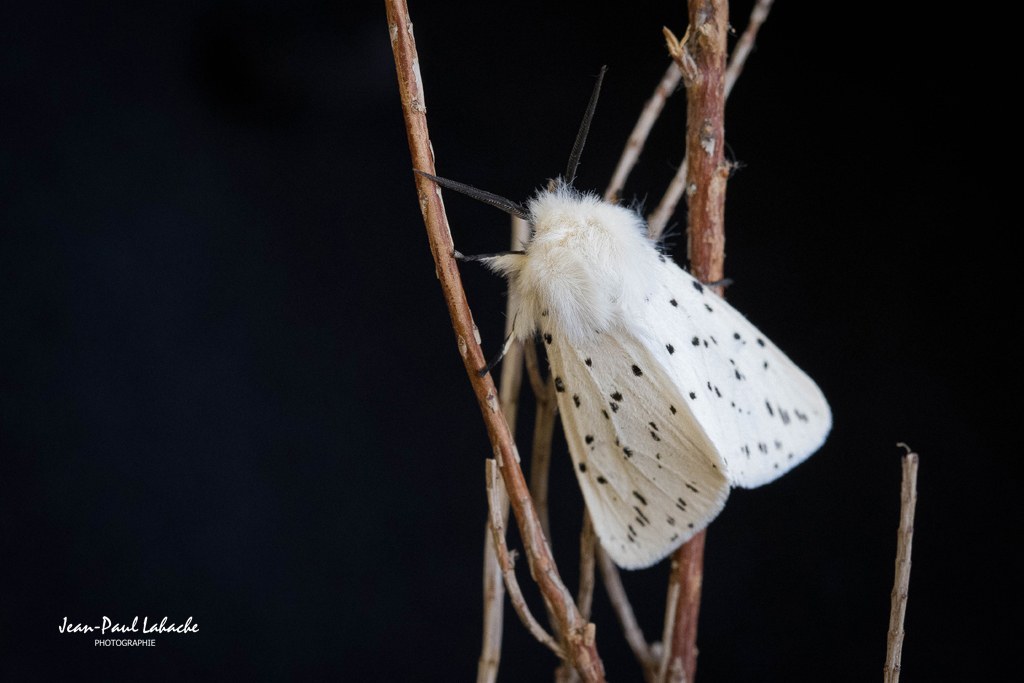
White Ermine Moth
Gardens, meadows, hedgerows
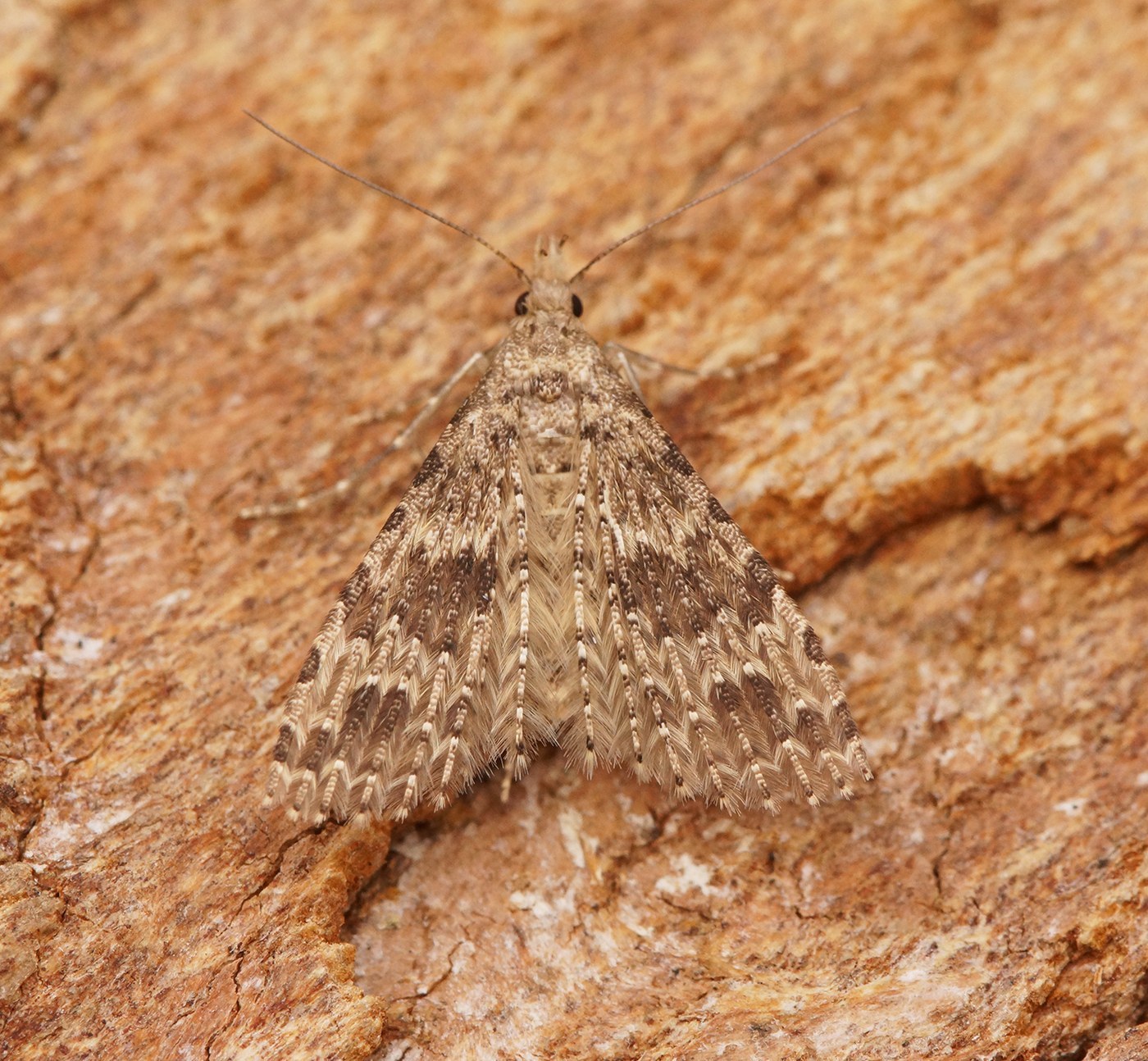
Twenty-plume Moth
Gardens, hedgerows, near honeysuckle
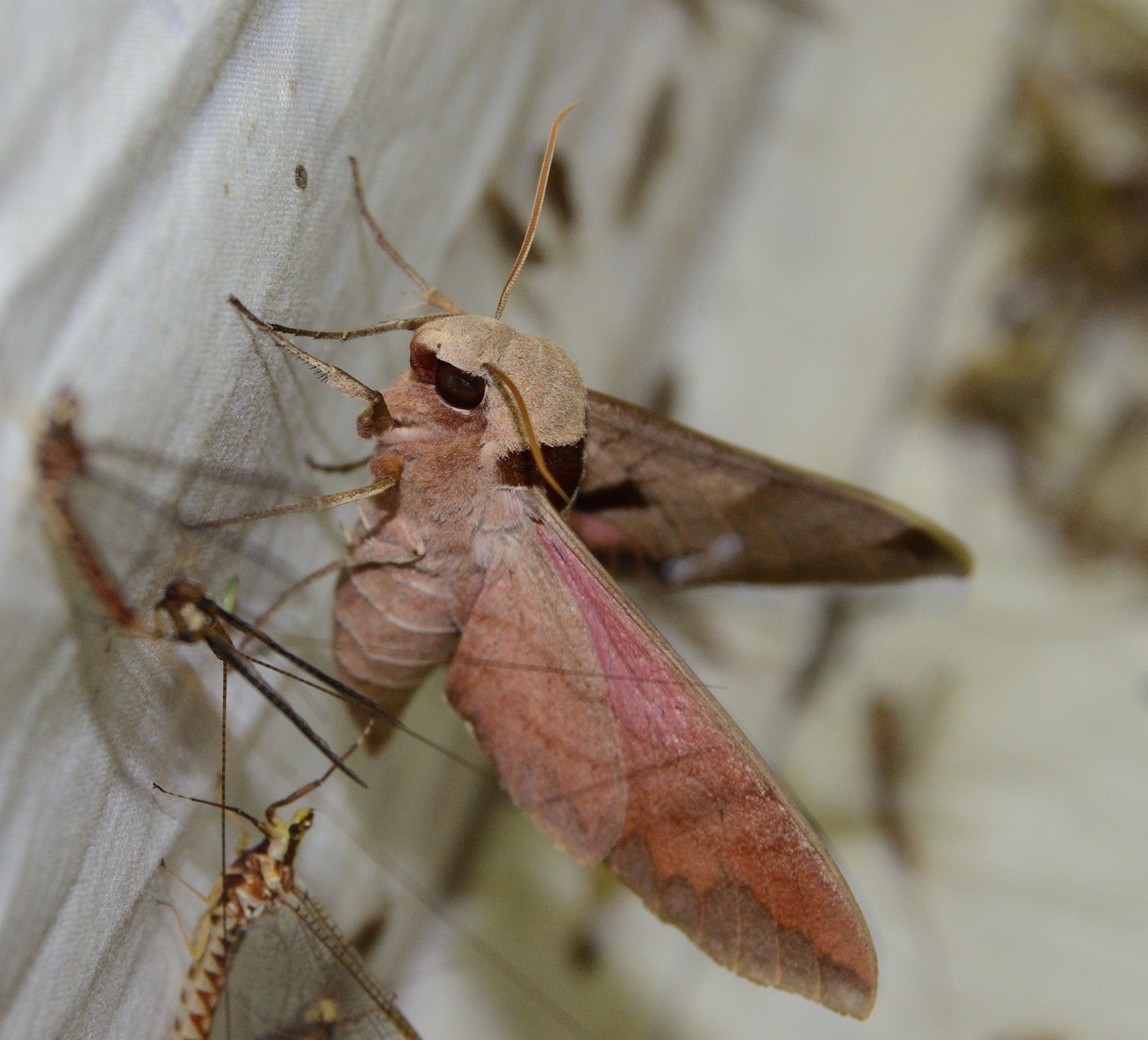
Achemon Sphinx Moth
Vineyards, woodland edges, gardens with wild grape
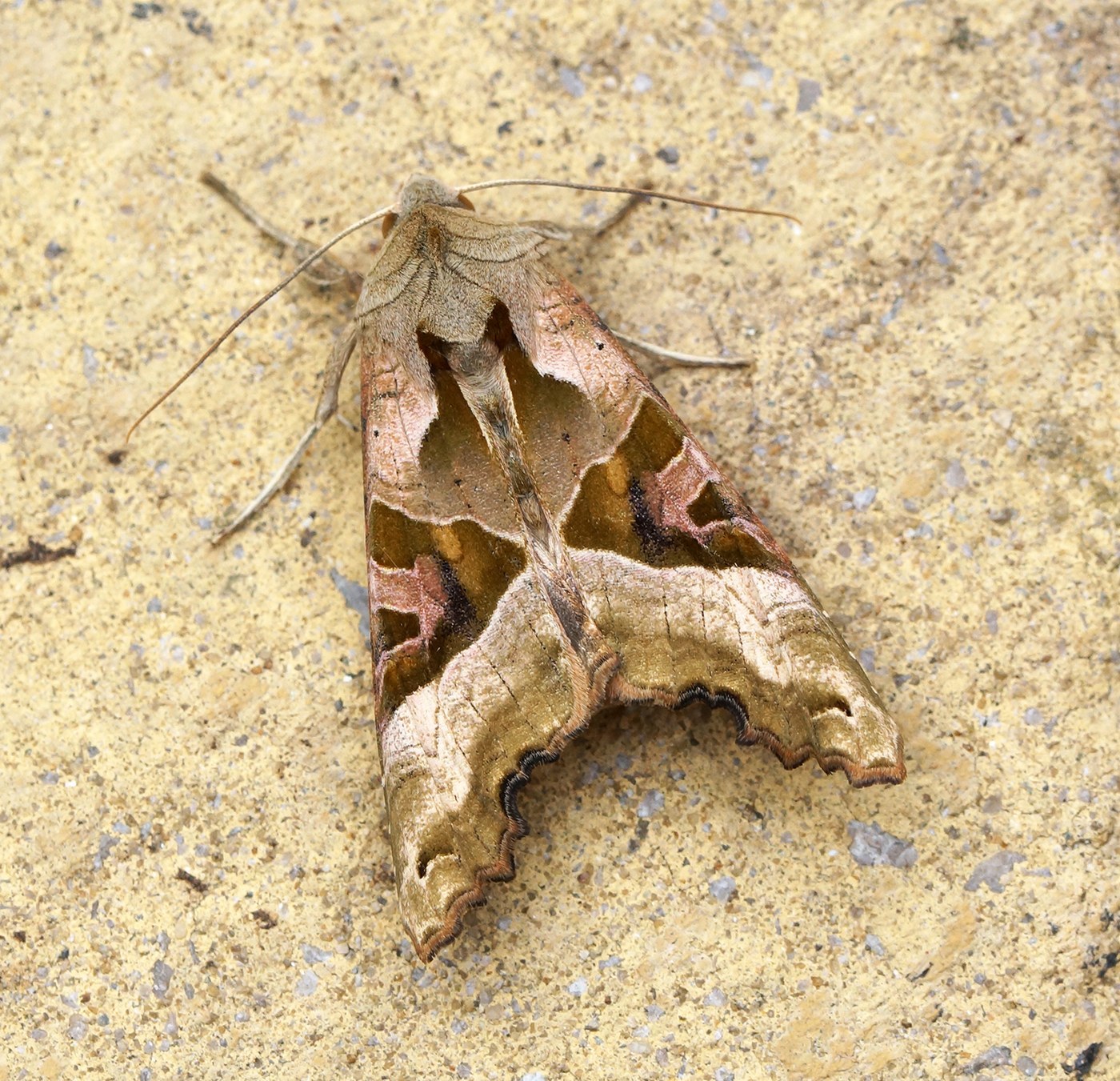
Angle Shades Moth
Gardens, hedgerows, woodland edges, urban parks
Atlas Moth
Tropical and subtropical lowland forests of Southeast Asia
Armyworm Moth
Grasslands, pastures, farmland