
Antheraea Silkmoth
Antheraea polyphemus
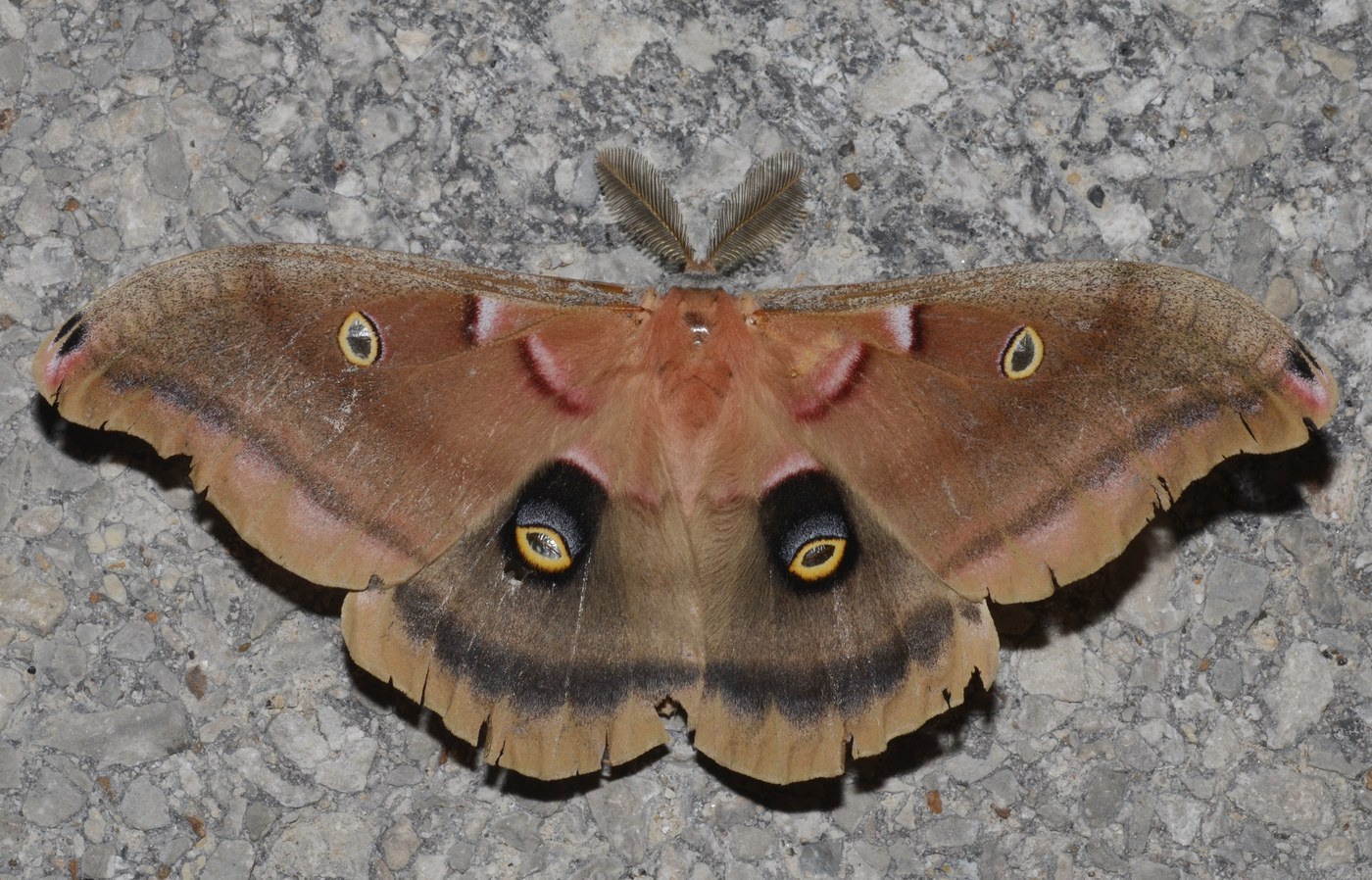
A large, robust silkmoth in the genus Antheraea with broad reddish-brown to tan wings, each marked with a prominent transparent, eye-like spot, representing a group of giant moths long valued for producing wild silk.
- Size
- 100–150 mm wingspan
- Habitat
- Deciduous forests, woodland edges, orchards
- Danger
- Harmless
Spotted a bug like this?
Identify any bug or insect from a photo, free.
Overview
Antheraea is a genus of large silkmoths within the family Saturniidae, distributed across North America, Asia, and parts of Africa, and includes several economically and ecologically notable species such as the North American Polyphemus Moth and various Asian oak silkmoths used in wild silk production. These moths are among the largest and most spectacular members of the moth world, known for their broad wings, robust furry bodies, and striking eyespot markings.
Members of this genus are notable for their large transparent or translucent eyespots on both fore- and hindwings, which are thought to startle or deter predators when suddenly revealed. Several Antheraea species have long been reared for their silk, which differs in texture and color from that of the domesticated silkworm, giving the genus additional cultural and economic significance in parts of Asia.
Ecologically, Antheraea silkmoths are important components of woodland ecosystems, with caterpillars feeding on the foliage of oaks and other trees, and adults, which do not feed at all, existing solely to mate and reproduce during their brief adult lifespan.
How to Identify
- Large, broad wings ranging from reddish-brown to tan or ochre depending on species, often with a pinkish or purplish wash near the margins.
- Each wing bears a prominent eyespot: forewing eyespots are often smaller, while hindwing eyespots are typically larger and more transparent, resembling a lens or window.
- Body is stout, densely furred, and proportionally small compared to the large wings.
- Antennae are broadly feathery (bipectinate), especially in males, used for detecting female pheromones.
- Considerably larger than most other moths in the same habitat, with wingspans often exceeding 100 mm.
- Lookalikes include other giant silkmoths such as Luna or Cecropia moths, but the prominent transparent eyespots and overall tan-brown coloring help distinguish Antheraea species.
Habitat & Range
Species in this genus are found across North America, and across temperate and subtropical Asia including China, India, and Japan, typically inhabiting deciduous forests, woodland edges, and orchards where oak and related host trees grow. Adults are active mainly at night during a short window in late spring or summer depending on species and region, and are strongly attracted to lights.
Behavior & Diet
Adult Antheraea silkmoths do not feed at all, lacking functional mouthparts, and survive solely on energy reserves built up during the caterpillar stage, living only long enough to mate and lay eggs, typically about a week. They are nocturnal, with males using their large feathery antennae to detect female pheromones from considerable distances before flying to locate a mate. The caterpillars are large, green, and feed voraciously on the foliage of oaks and other deciduous trees, playing a role in leaf turnover within forest canopies, while both larvae and adults serve as prey for birds, small mammals, and other predators.
Life Cycle
Females lay eggs on the leaves or bark of host trees. Caterpillars hatch and pass through several instars, growing to a large size while feeding on foliage, before spinning a tough silken cocoon, often attached to a branch or among leaf litter, in which they pupate. Depending on species and climate there may be one or two generations per year, with the pupa commonly overwintering inside its cocoon before the short-lived, non-feeding adult emerges the following season.
Frequently asked questions
What does the eyespot on the wing look like?
It is typically a large, translucent, lens-like spot on the hindwing (and often a smaller one on the forewing), thought to help startle predators when revealed.
Do adult Antheraea silkmoths eat anything?
No, the adults have no functional mouthparts and do not feed; they live off energy stored during the caterpillar stage for about a week, just long enough to reproduce.
How big can it get?
Species in this genus are among the largest moths in their regions, with wingspans commonly ranging from about 100 to 150 mm.
What do the caterpillars eat?
The large green caterpillars feed mainly on the foliage of oak trees and other deciduous hardwoods.
Antheraea Silkmoth guides
In-depth guides for identifying, understanding, and living alongside Antheraea Silkmoth.
Other bugs you may enjoy
Bagworm Moth
Coniferous and deciduous trees, shrubs, hedges
Ailanthus Silkmoth (Cynthia Moth)
Urban parks, wastelands, and woodland edges with tree-of-heaven; native to Asia, introduced in North America and Europe
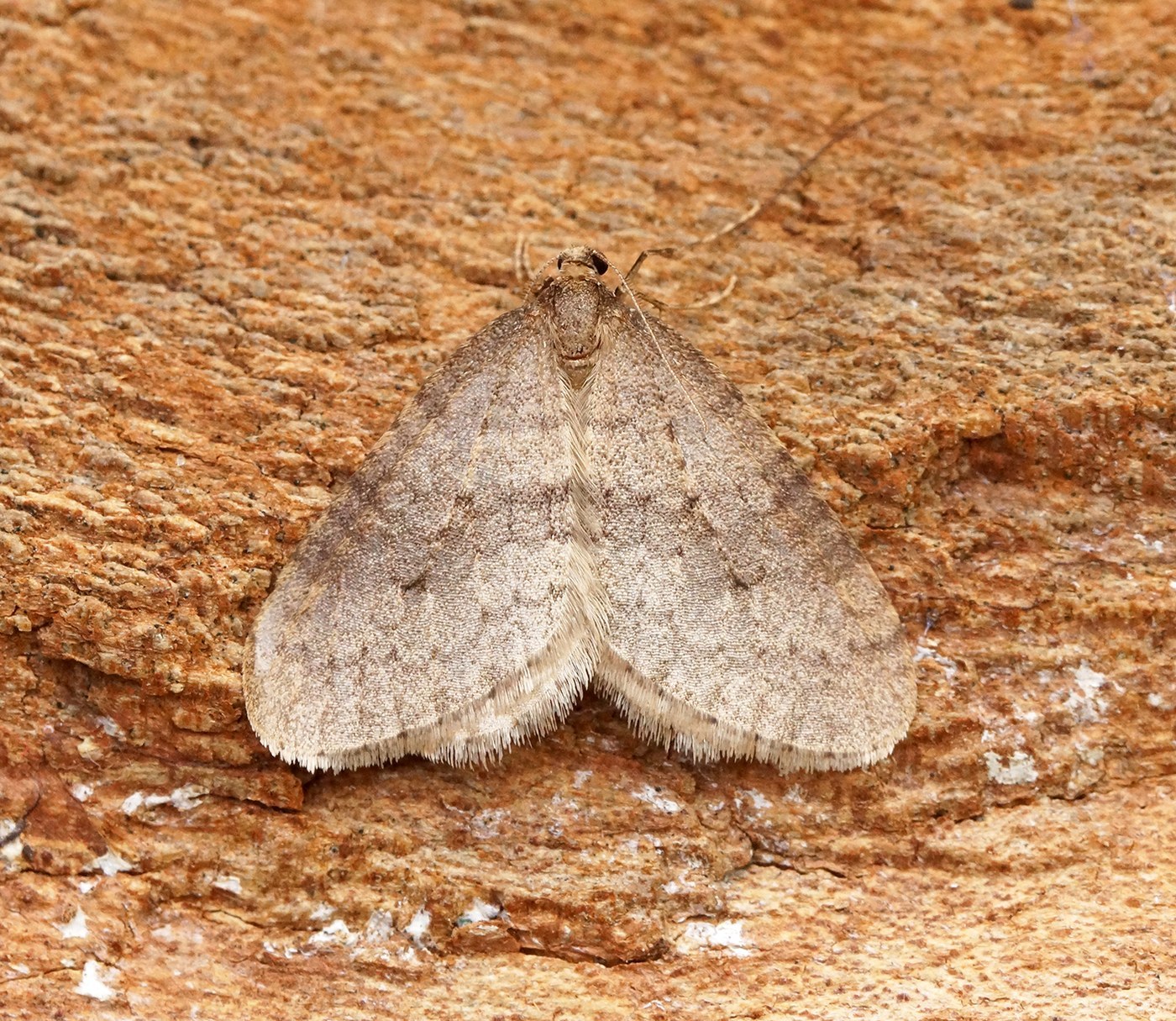
Winter Moth
Deciduous woodland, orchards, gardens, hedgerows
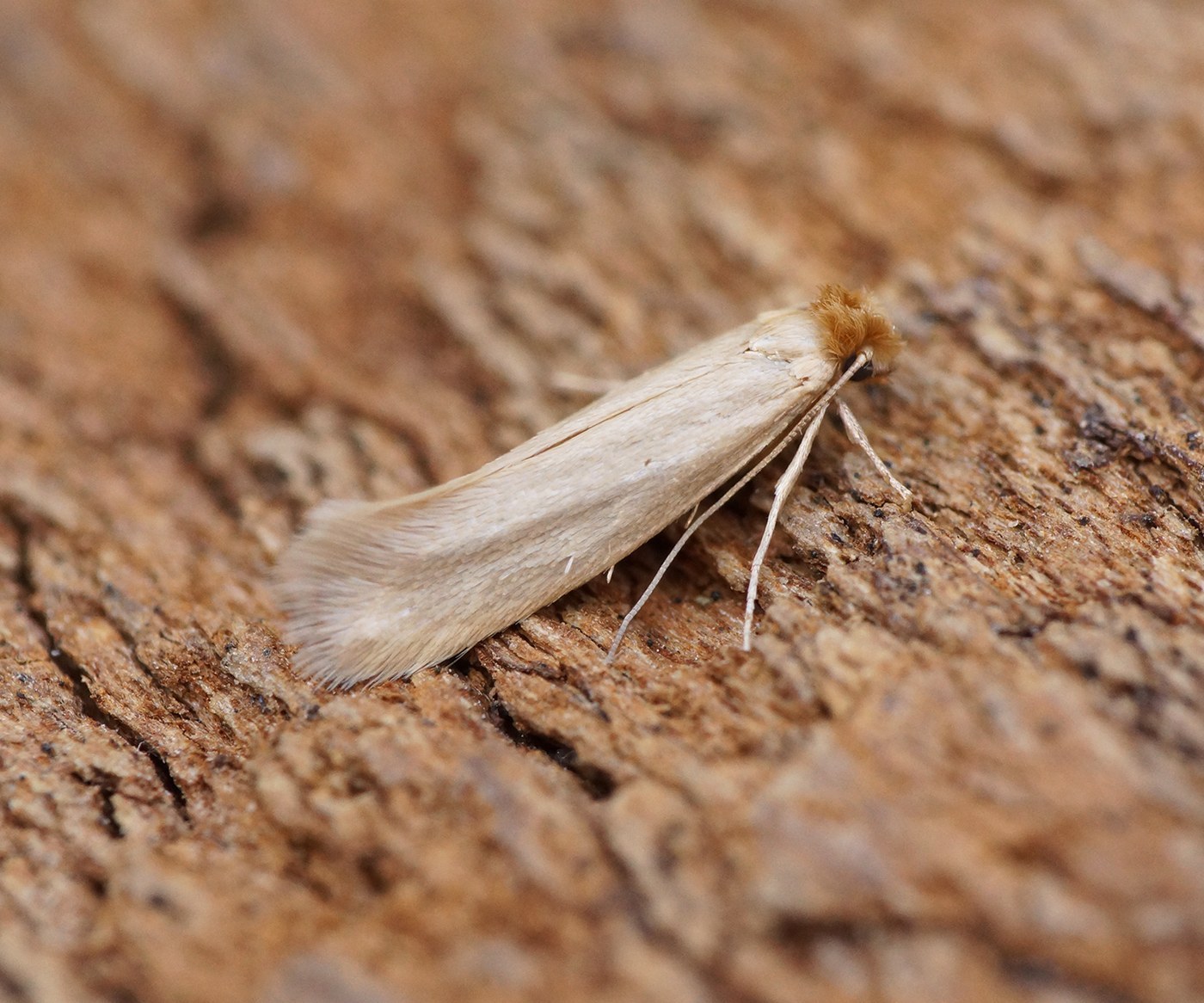
Webbing Clothes Moth
Dark closets, storage areas, and animal nests worldwide
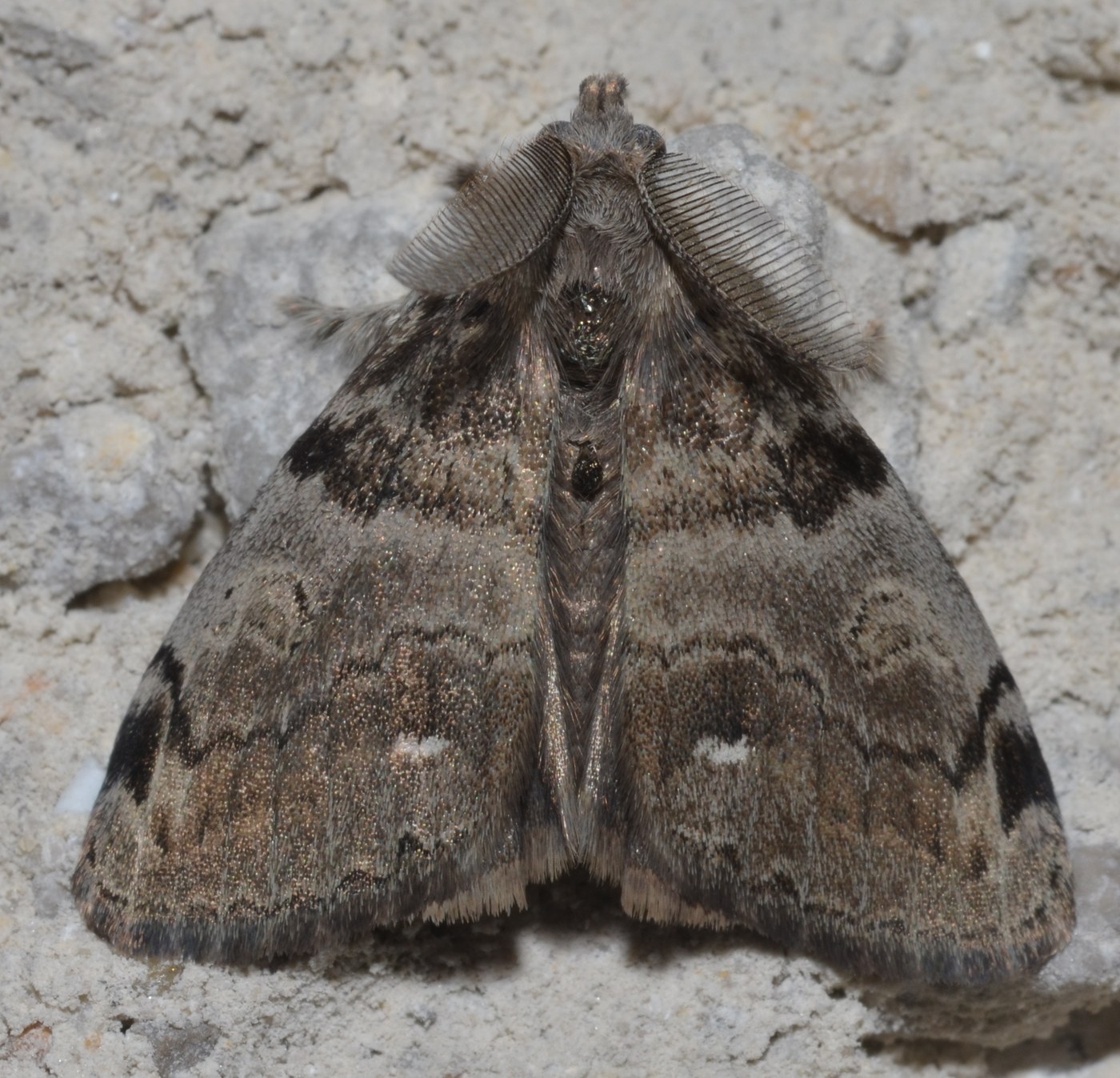
Tussock Moth
Deciduous forests, parks, gardens
Wax Moth
Beehives, apiaries, stored beeswax and comb
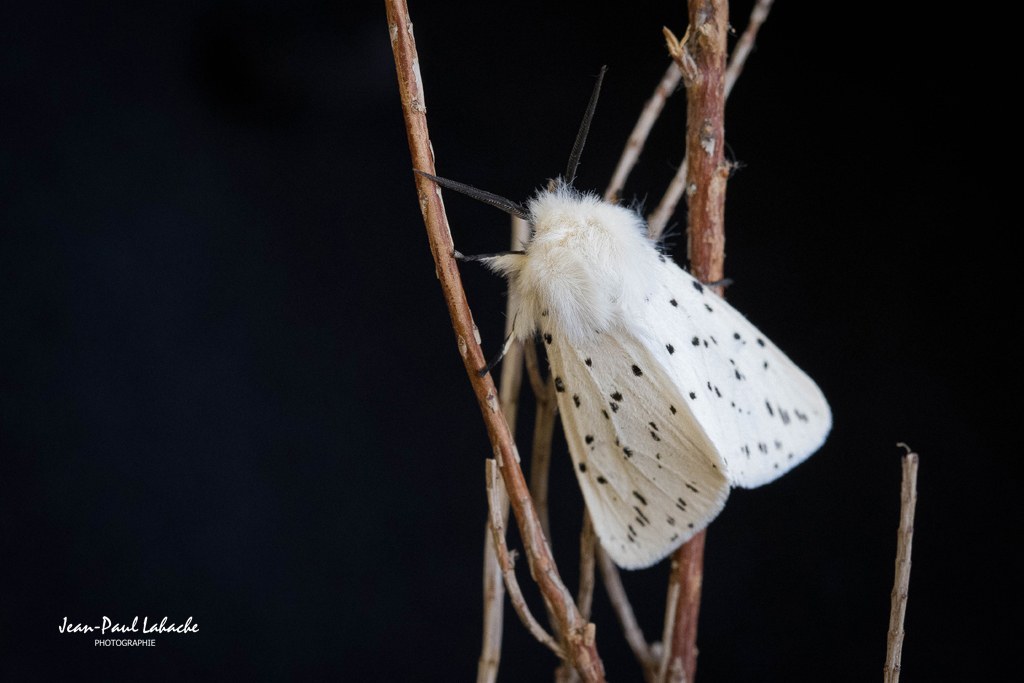
White Ermine Moth
Gardens, meadows, hedgerows
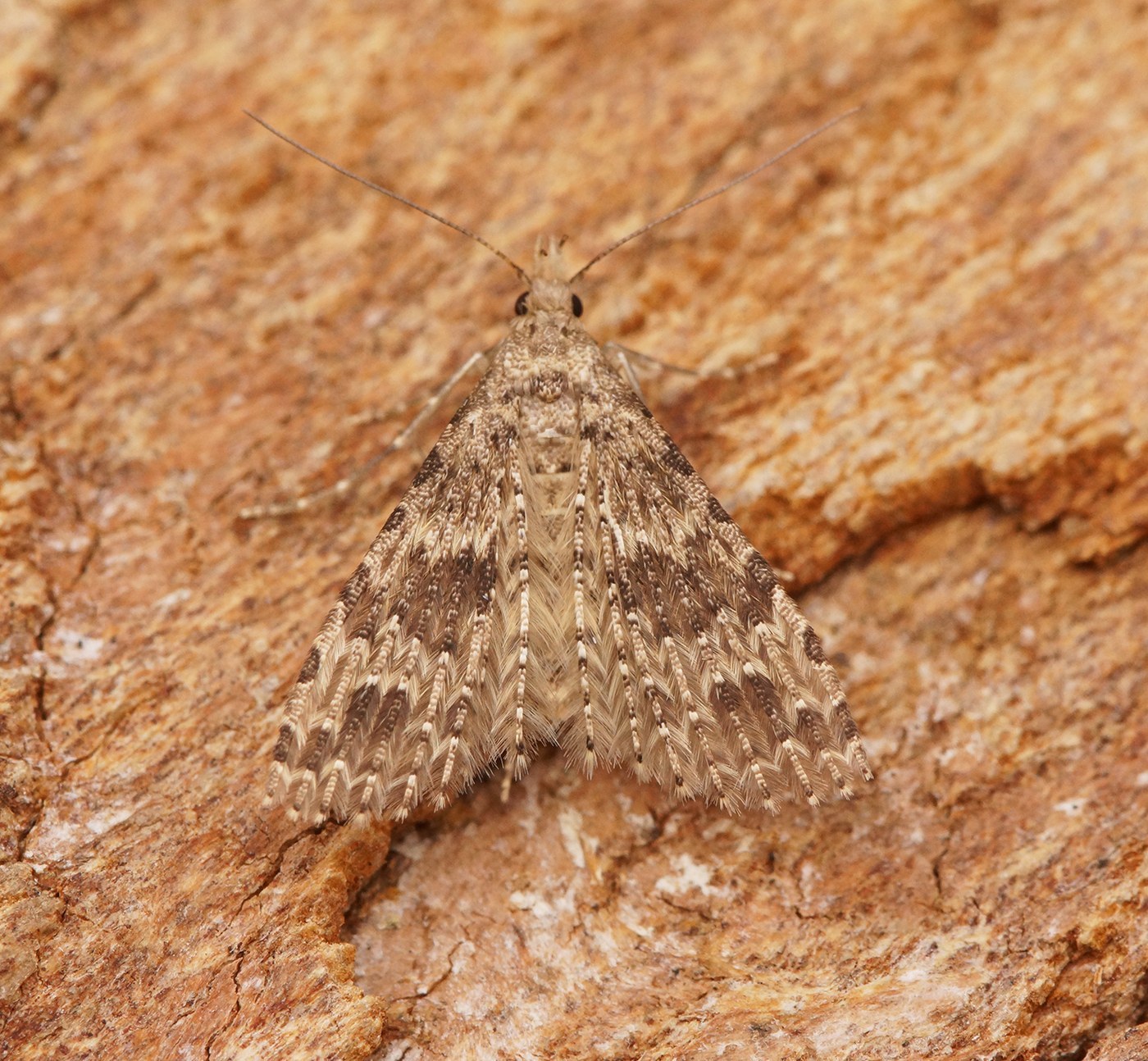
Twenty-plume Moth
Gardens, hedgerows, near honeysuckle
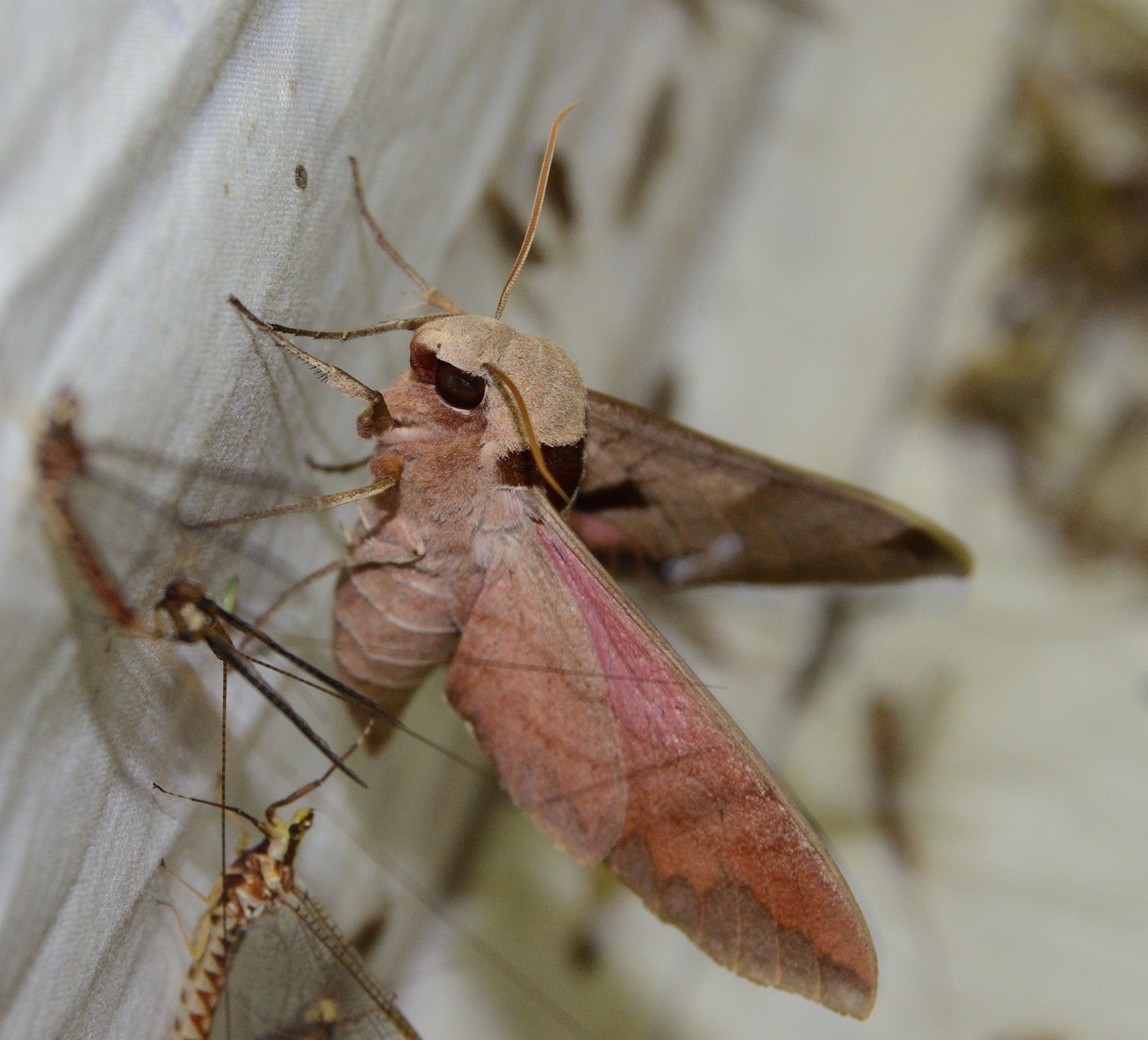
Achemon Sphinx Moth
Vineyards, woodland edges, gardens with wild grape
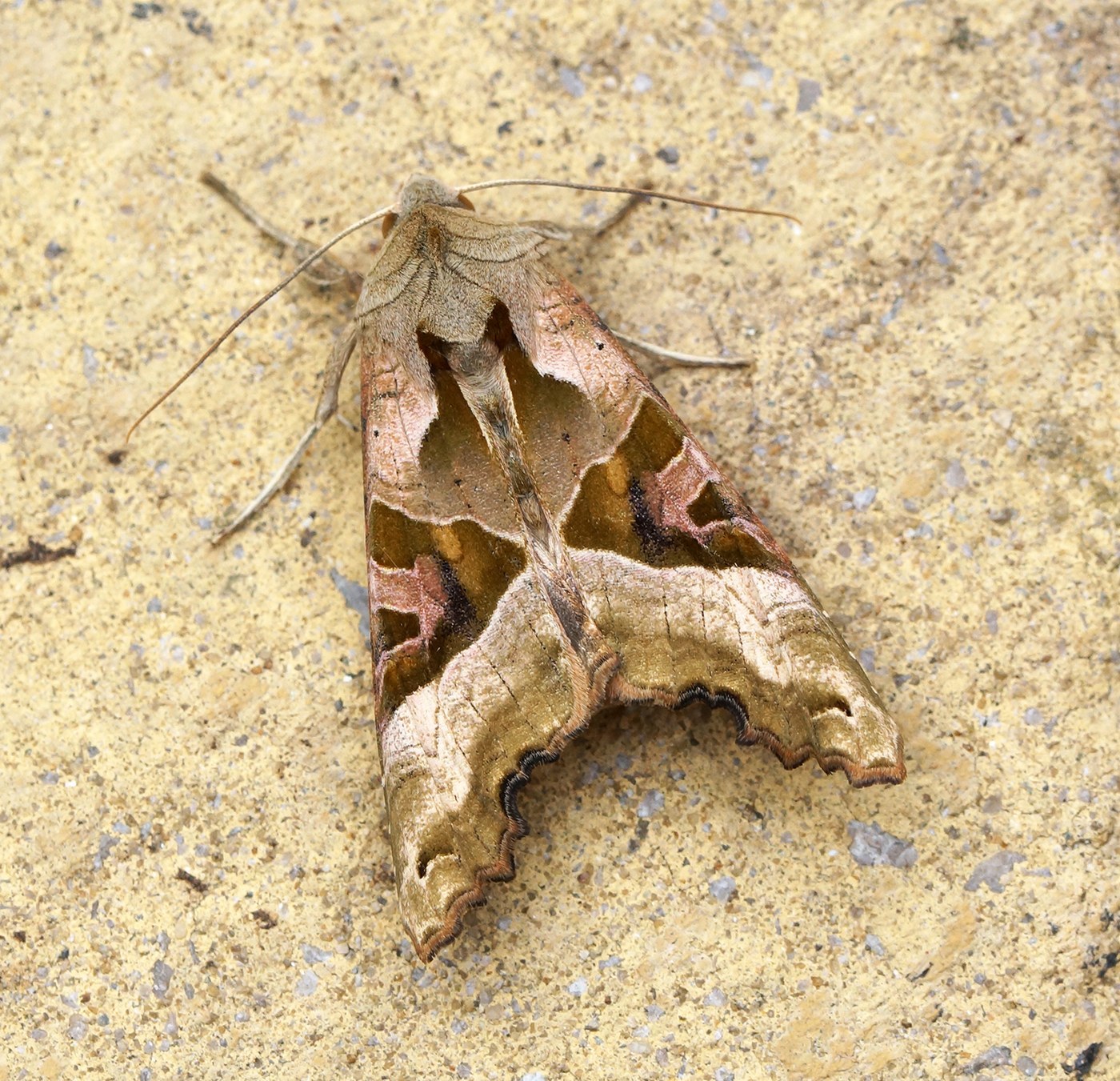
Angle Shades Moth
Gardens, hedgerows, woodland edges, urban parks
Atlas Moth
Tropical and subtropical lowland forests of Southeast Asia
Armyworm Moth
Grasslands, pastures, farmland