
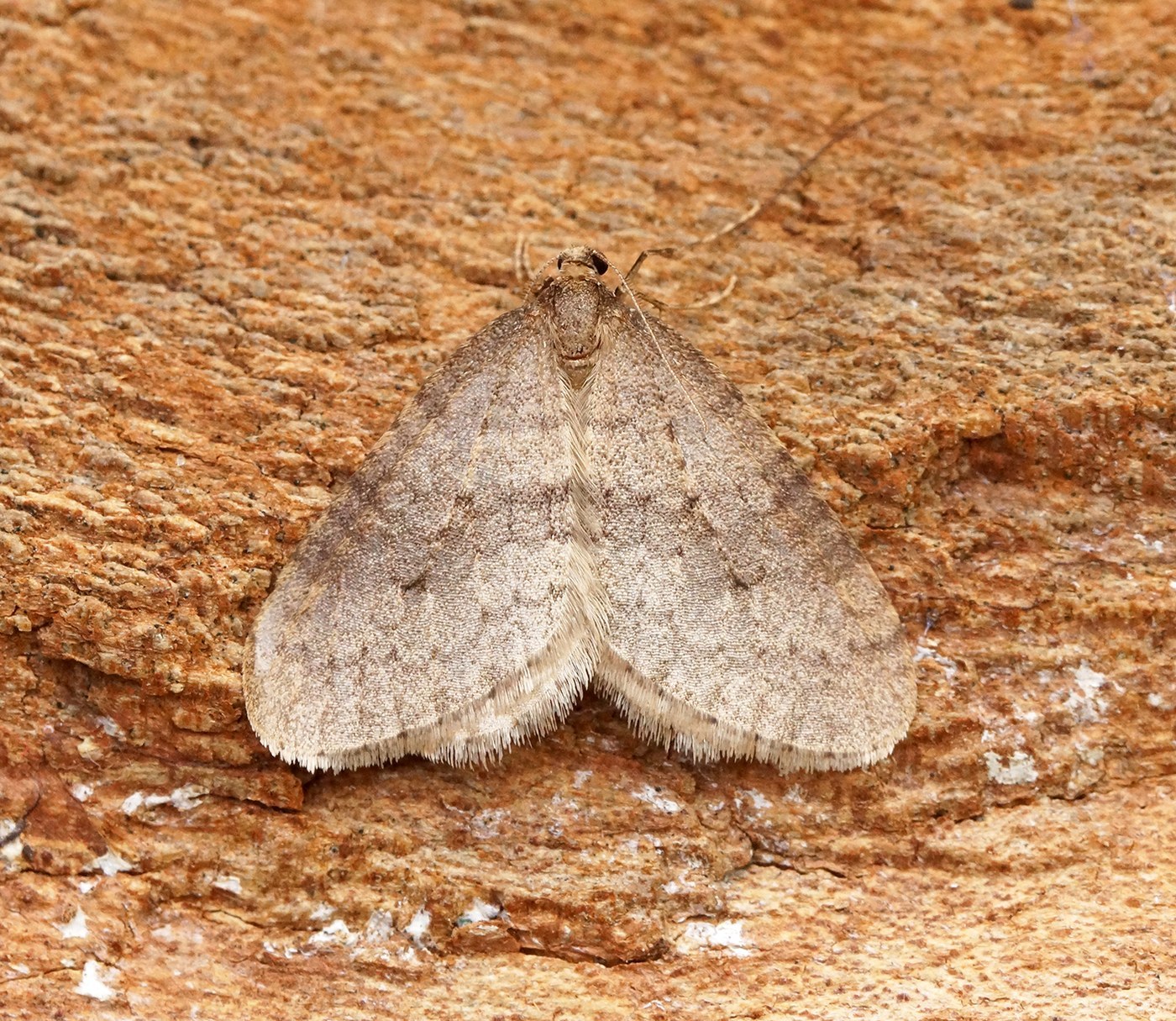
Winter Moth
Operophtera brumata
A small tan-brown moth unusual for flying in the cold of late autumn and early winter, with strongly dimorphic sexes: fully winged males and flightless, near-wingless females that climb tree trunks to lay eggs.
- Size
- 0.8–1.2 in wingspan (male); female nearly wingless
- Habitat
- Deciduous woodland, orchards, gardens, hedgerows
- Danger
- Nuisance pest
Spotted a bug like this?
Identify any bug or insect from a photo, free.
Overview
The winter moth is a geometrid moth (family Geometridae) native to Europe and temperate Asia, now also established in parts of North America. It stands out among moths for its unusual flight period, with adults active during the cold months of late autumn into early winter, long after most other moth species have finished their yearly flight.
Like many geometrid tussock-related species, it shows marked sexual dimorphism: males have fully functional wings and fly at night in search of mates, while females have only small vestigial wing pads and cannot fly, instead crawling up tree trunks to reach the canopy where they lay eggs.
The species is best known to gardeners and orchardists as the source of small green looper caterpillars that emerge in early spring and feed on developing leaf and flower buds of many deciduous trees, sometimes causing significant defoliation in high-population years.
How to Identify
- Male: pale tan to grayish-brown, fringed wings with faint wavy crossbands, a typical understated geometrid pattern.
- Female: nearly wingless, gray-brown, and plump, with only small non-functional wing stubs, giving her a spider-like or beetle-like appearance rather than a typical moth shape.
- Adults fly (males) or are active (females) unusually late in the year, from November into December in many regions, a key identification clue given how few other moths are on the wing at that time.
- Caterpillars are pale green loopers (inchworms) with faint white longitudinal stripes, similar to other geometrid larvae and best distinguished by their early-spring appearance on buds and young leaves.
Habitat & Range
Native to Europe and temperate Asia, and introduced to parts of northeastern North America and the Pacific Northwest. Found in deciduous woodland, orchards, hedgerows, parks, and gardens wherever host trees such as oak, maple, apple, and cherry grow. Adults are unusual among moths for being active in late autumn and early winter, often noticed around outdoor lighting on cold nights.
Behavior & Diet
Male winter moths fly at night, even in near-freezing temperatures, searching for the flightless females, which climb tree trunks after emerging from the soil in order to reach the canopy and release pheromones. After mating, females lay eggs in bark crevices, where they remain dormant through winter. Caterpillars hatch in early spring in synchrony with bud break and feed on unfolding leaves, flower buds, and blossoms of a wide range of deciduous trees and shrubs, occasionally reaching high enough numbers to be regarded as an orchard and garden pest.
Life Cycle
Eggs laid in bark crevices in late autumn overwinter and hatch in early spring, timed to coincide with host tree bud break. Caterpillars feed on emerging leaves and buds, developing through several instars as pale green loopers before dropping to the ground on silk threads to pupate in the soil in late spring. Pupae remain in the soil through summer, with adults emerging in late autumn to begin the cycle again; there is one generation per year.
Frequently asked questions
Why does this moth fly in winter when others don't?
Its life cycle is timed so that adults emerge and mate in late autumn to early winter, laying eggs that will hatch the following spring in sync with fresh tree buds.
Can the female fly?
No, the female has only tiny non-functional wing pads and instead crawls up tree trunks to reach the canopy to lay eggs.
How do I recognize the caterpillar?
It is a small pale green looper (inchworm) caterpillar with faint white stripes, most noticeable in early spring feeding on unfolding leaf and flower buds.
Where might I see adults?
Around outdoor lights or on tree trunks on cold nights in late autumn and early winter, in areas with deciduous trees.
Winter Moth guides
In-depth guides for identifying, understanding, and living alongside Winter Moth.
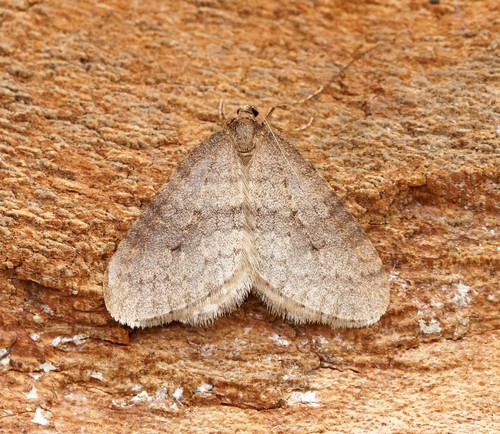
Winter Moth identified by the community
Real finds identified with Bug Identifier.
Other bugs you may enjoy
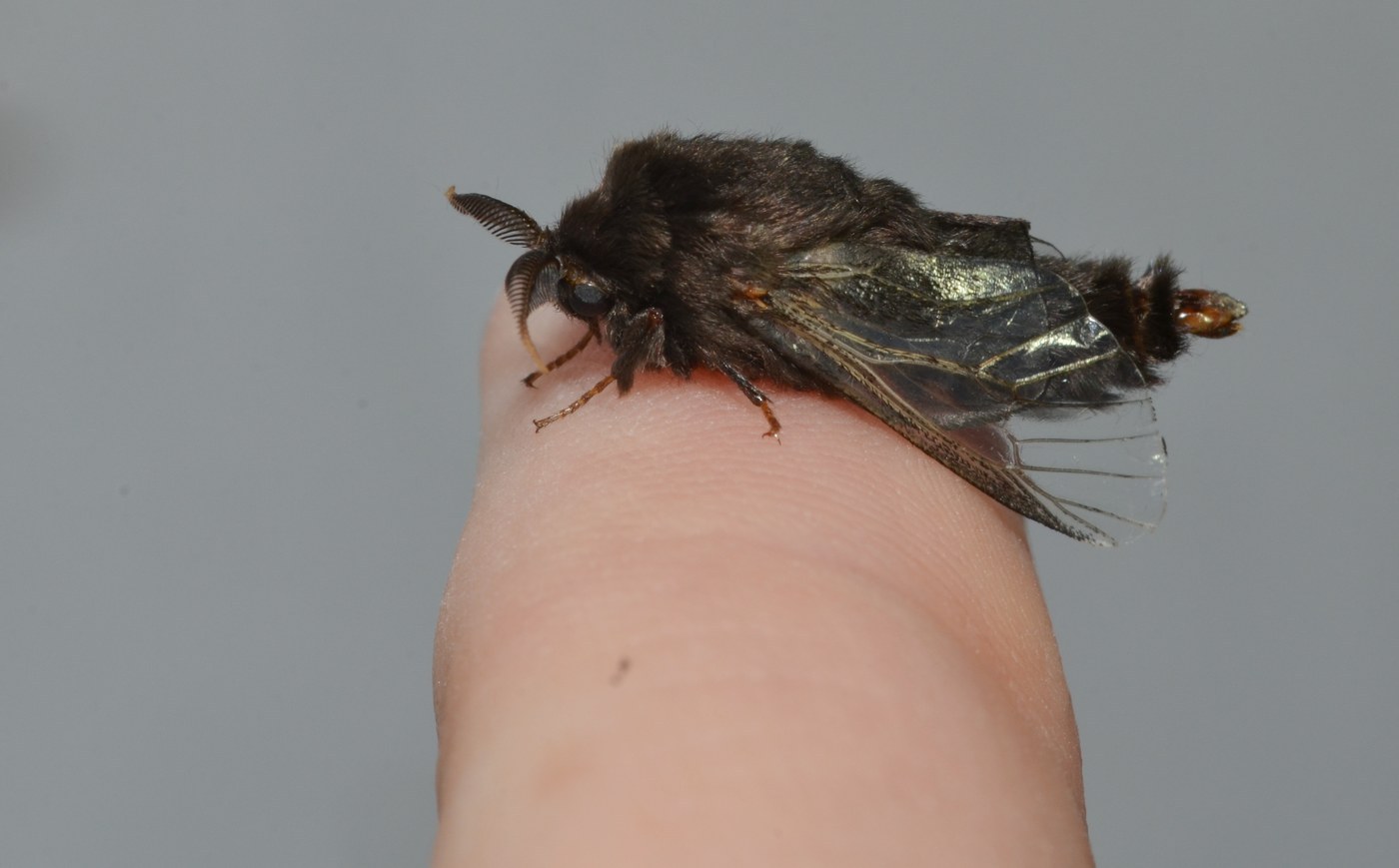
Bagworm Moth
Coniferous and deciduous trees, shrubs, hedges
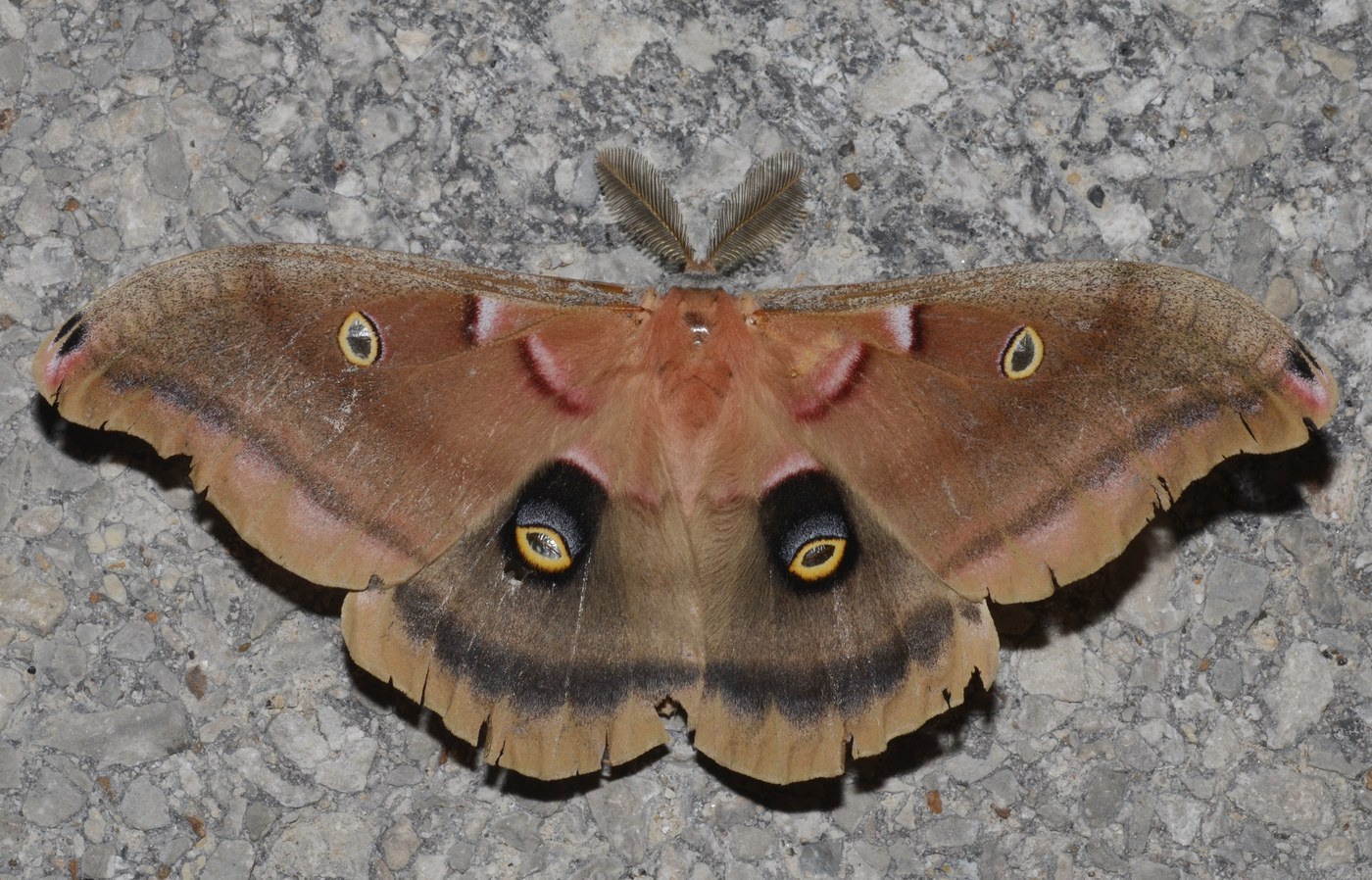
Antheraea Silkmoth
Deciduous forests, woodland edges, orchards
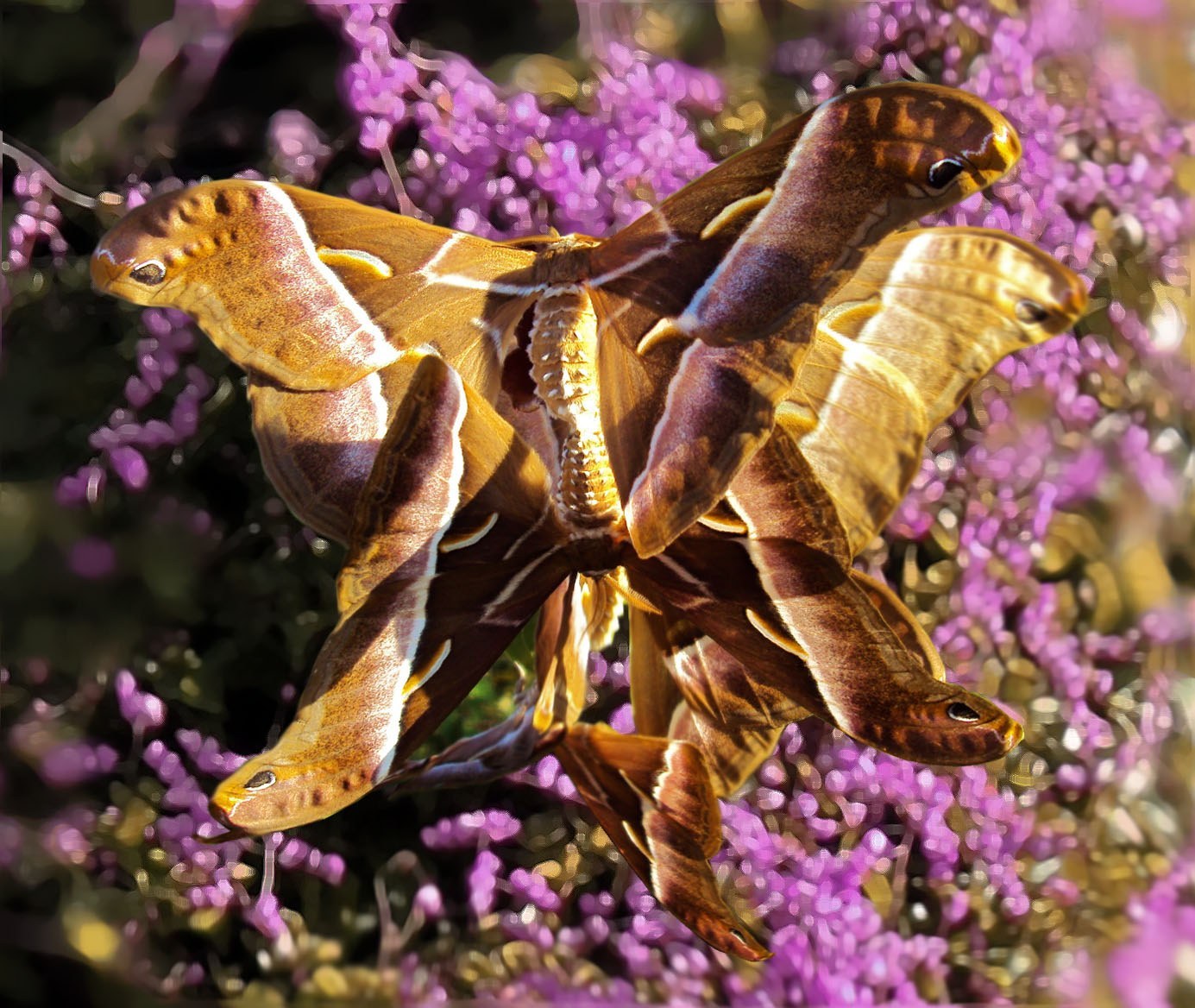
Ailanthus Silkmoth (Cynthia Moth)
Urban parks, wastelands, and woodland edges with tree-of-heaven; native to Asia, introduced in North America and Europe
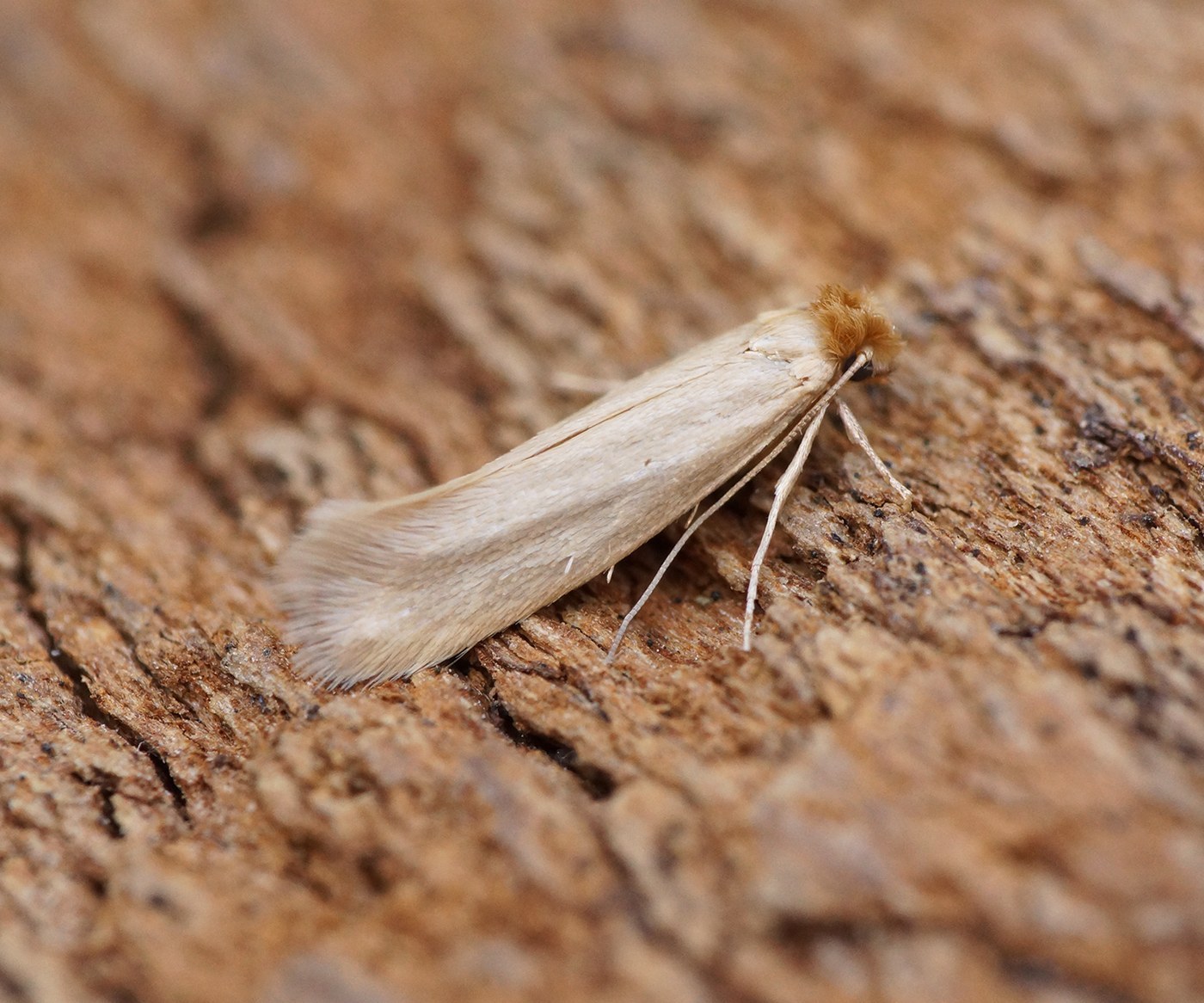
Webbing Clothes Moth
Dark closets, storage areas, and animal nests worldwide
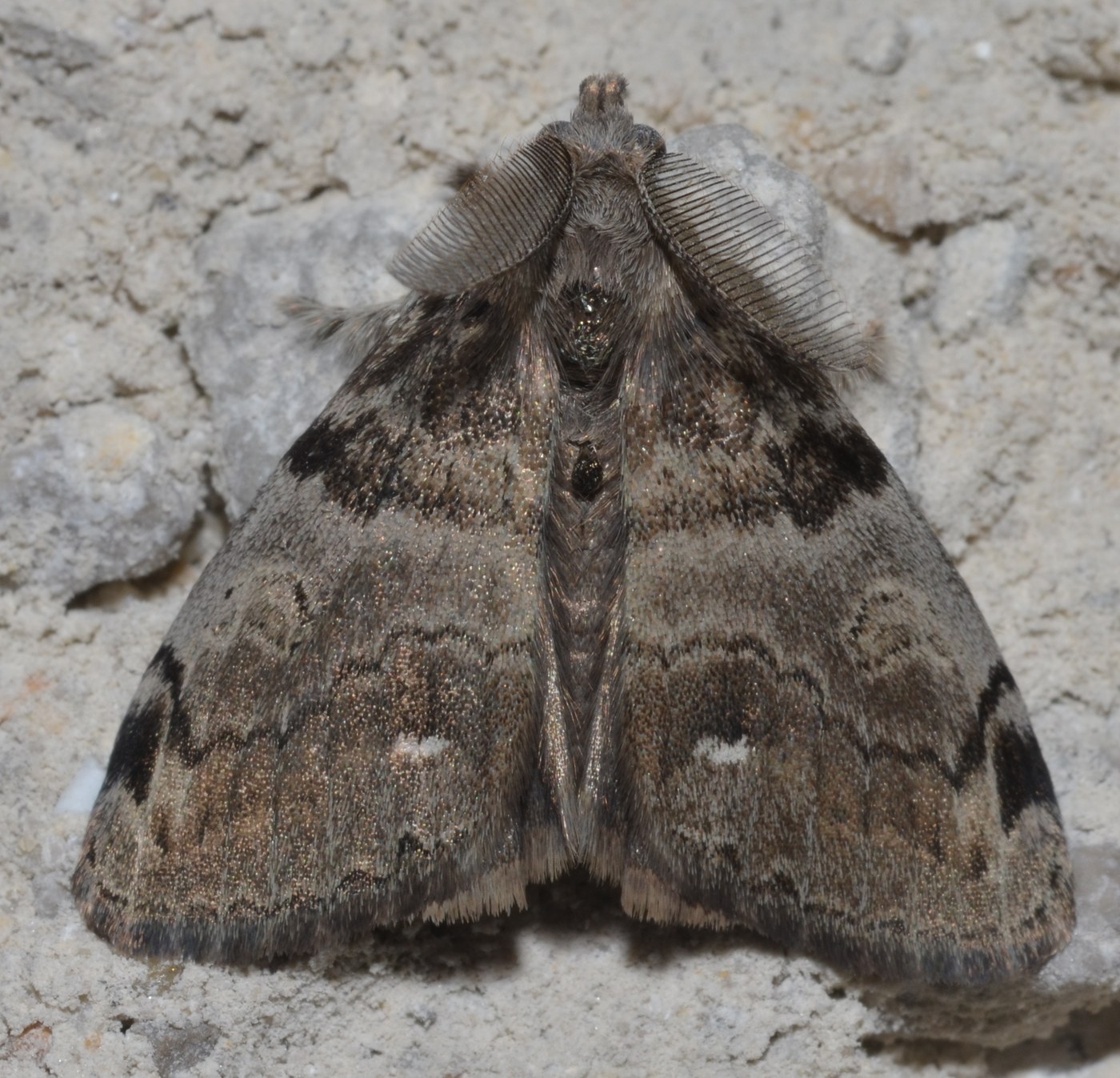
Tussock Moth
Deciduous forests, parks, gardens
Wax Moth
Beehives, apiaries, stored beeswax and comb
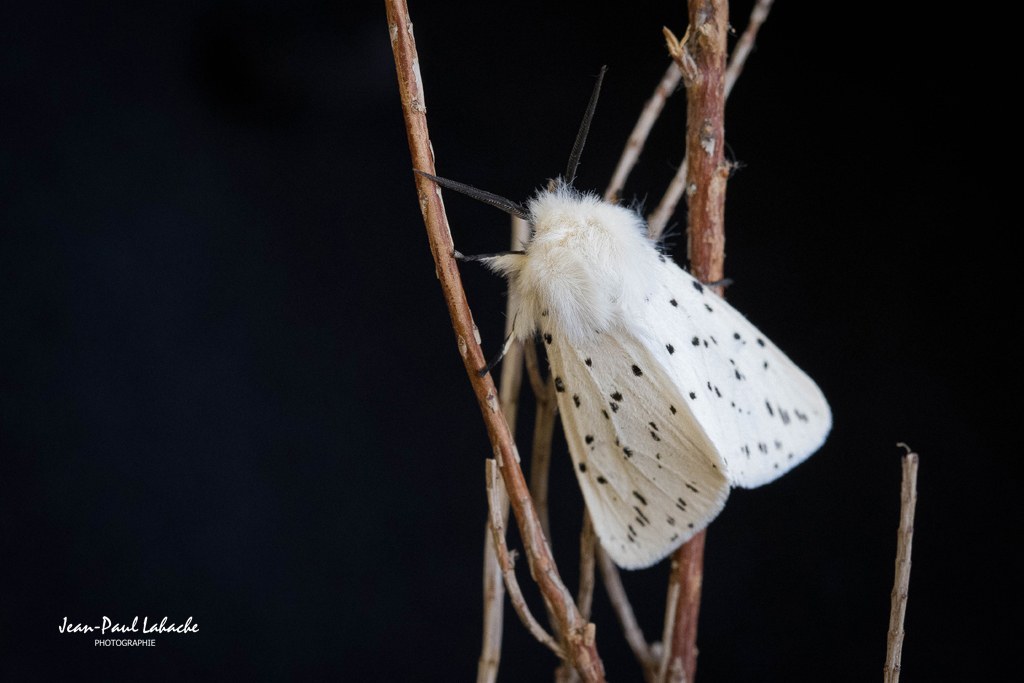
White Ermine Moth
Gardens, meadows, hedgerows
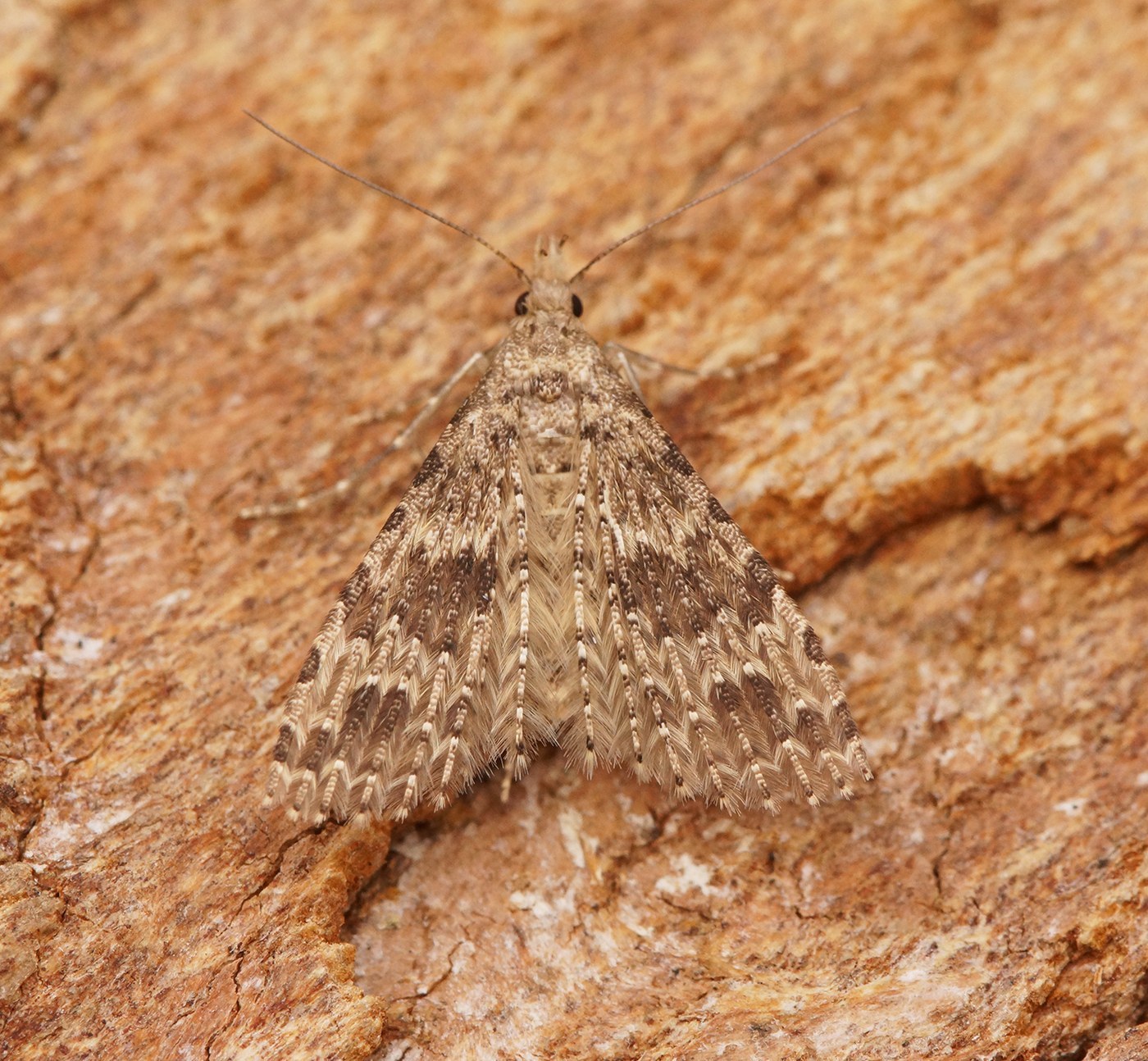
Twenty-plume Moth
Gardens, hedgerows, near honeysuckle
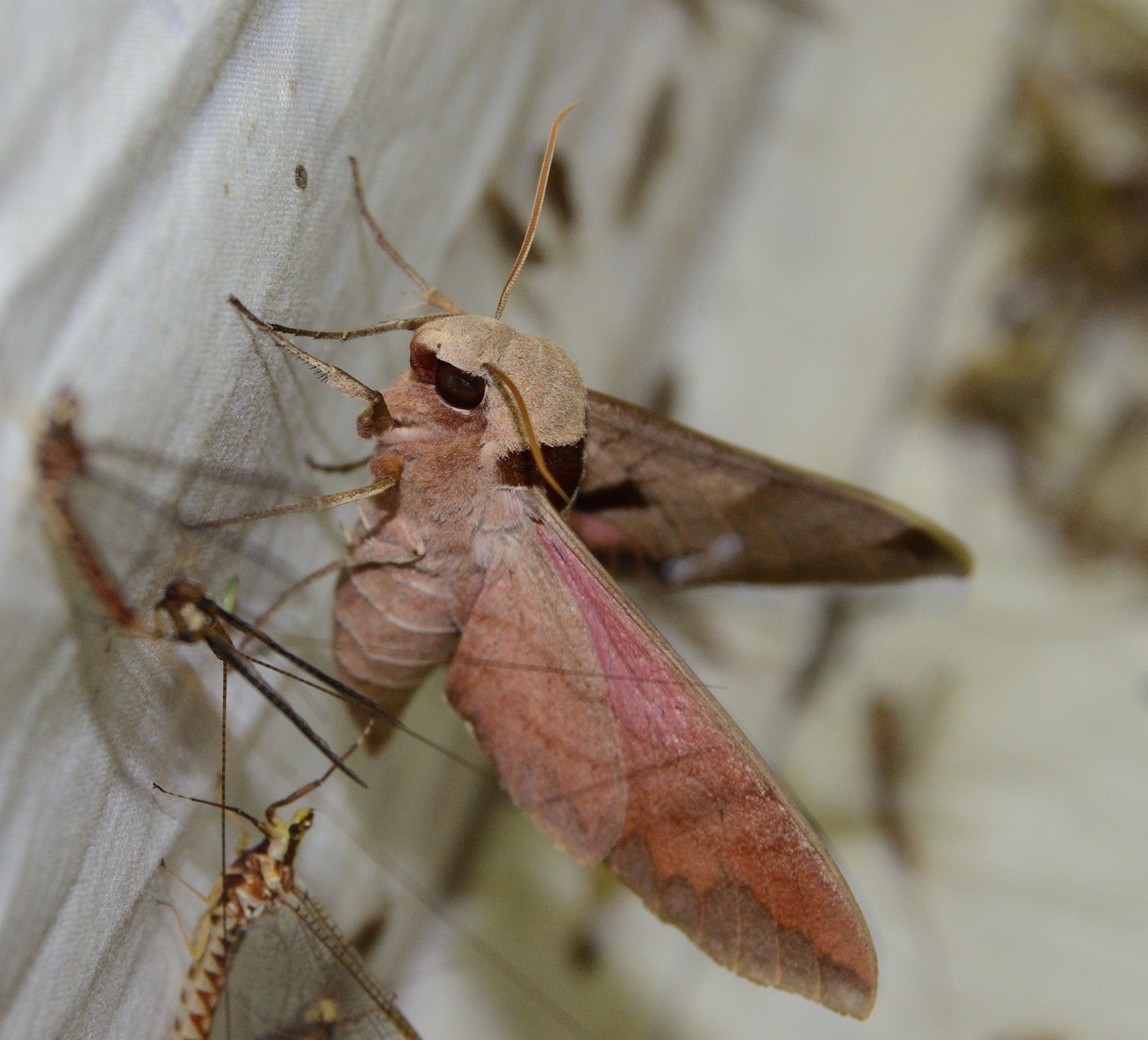
Achemon Sphinx Moth
Vineyards, woodland edges, gardens with wild grape
Angle Shades Moth
Gardens, hedgerows, woodland edges, urban parks
Atlas Moth
Tropical and subtropical lowland forests of Southeast Asia
Armyworm Moth
Grasslands, pastures, farmland