
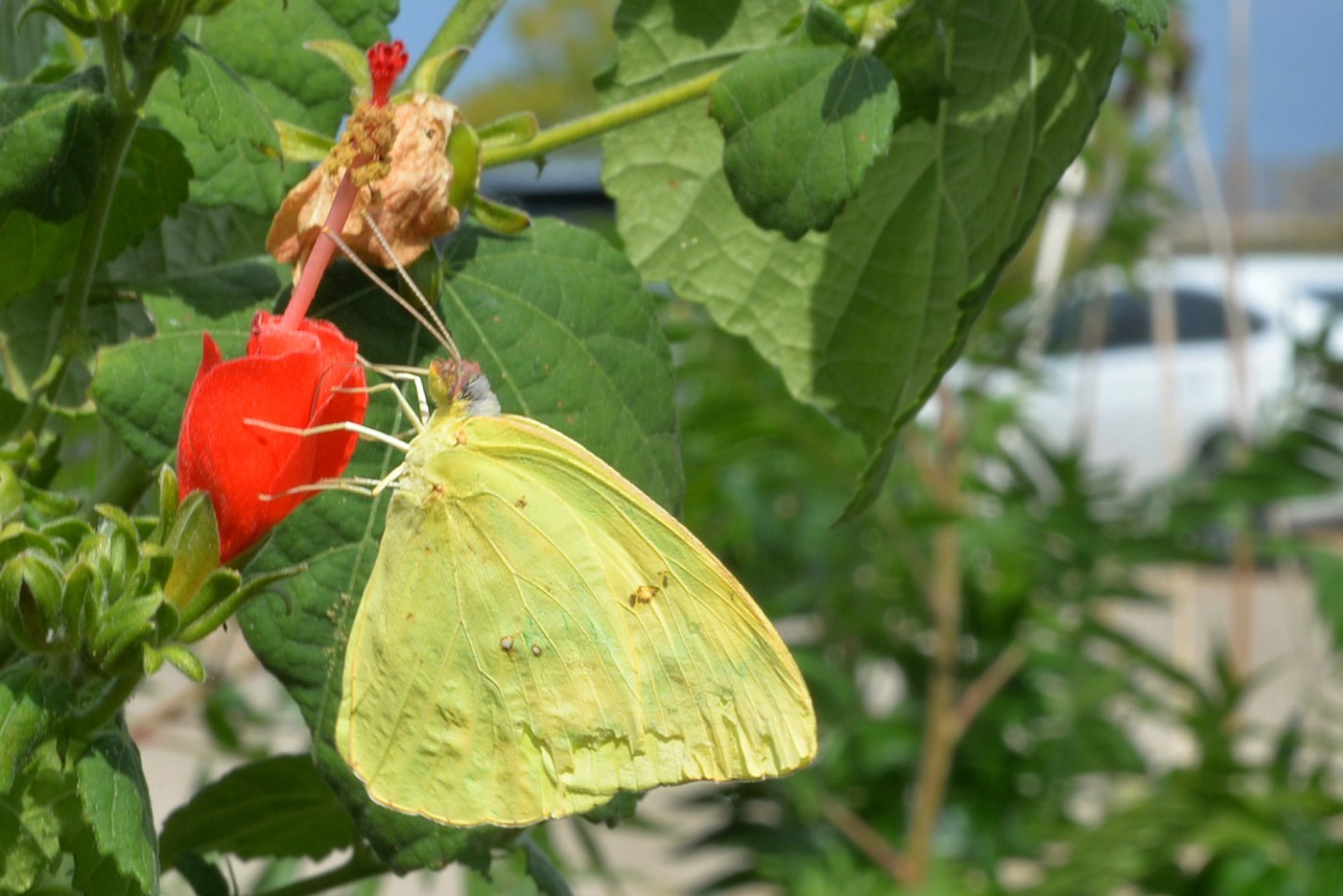
Cloudless Sulphur
Phoebis sennae
A large, bright lemon-yellow butterfly that flies with strong, direct wingbeats and rarely shows any dark markings, giving it an almost uniformly 'cloudless' appearance.
- Size
- 2.25–2.75 in wingspan
- Habitat
- Gardens, fields, roadsides, and open sunny areas
- Danger
- Harmless
Spotted a bug like this?
Identify any bug or insect from a photo, free.
Overview
The Cloudless Sulphur is a large, vividly yellow member of the family Pieridae (whites and sulphurs), common across the southern United States and much of Latin America, with strong seasonal migrants reaching well into the northern and midwestern states each summer and fall. Its clean, nearly unmarked yellow wings and powerful flight make it one of the most conspicuous and recognizable sulphur butterflies in North America.
As a member of the sulphur group, it shares the pigment-based yellow and white wing colors typical of the family, produced by pterin pigments rather than structural coloration. Cloudless Sulphurs are known for their long-distance seasonal movements, sometimes forming loose migratory streams reminiscent of, though less famous than, the Monarch's migration.
The species is a frequent visitor to gardens planted with tubular flowers, where its long proboscis allows it to access nectar that shorter-tongued butterflies cannot reach.
How to Identify
- Large sulphur butterfly with a bright, clear lemon-yellow color above in males; females may show a pale yellow or white form with scattered small dark spots and a faint dark border.
- Wings are broad and rounded, with very few markings, giving an almost solid-colored appearance in flight, hence 'cloudless.'
- Undersides show one or two small silvery spots ringed in reddish-brown on the hindwing, useful for identification at rest.
- Antennae are short, pink to reddish, and clubbed.
- Distinguished from the Orange Sulphur and Clouded Sulphur by its larger size, purer yellow color, and lack of a solid dark wing border in males.
Habitat & Range
Cloudless Sulphurs are year-round residents of the Deep South, Florida, Texas, and much of Mexico, Central America, and the Caribbean, breeding wherever senna and related legumes grow. Each summer and autumn, generations migrate northward, appearing as far as the Great Lakes and New England, though they cannot survive freezing winters outside the southern range. Adults favor open, sunny habitats such as gardens, fields, roadsides, and open woodland edges, and are active from spring through fall in the north and year-round in the deep South.
Behavior & Diet
Adults are strong, fast fliers, often seen streaming steadily in one direction during migratory movements, and they visit a wide range of tubular flowers such as hibiscus, lantana, and cardinal flower, using their long proboscis to reach deep nectar. Males patrol open areas searching for females and engage in courtship flights involving pheromone displays. Caterpillars feed exclusively on plants in the senna family, and can vary in color from yellow-green to nearly black depending on whether they are feeding on leaves or flowers, a form of camouflage matching their food source.
Life Cycle
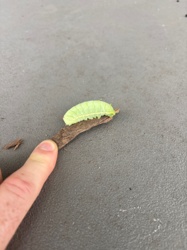
Eggs are laid singly on the leaves, buds, or flowers of senna host plants and are spindle-shaped and pale yellow. The caterpillar passes through several molts, its color shifting between green and yellow forms to match the plant part it is feeding on, sometimes with blue-black speckling. Pupation occurs in a slender, boat-shaped chrysalis suspended from a stem or leaf by a silk girdle. The species breeds continuously in warm climates with multiple overlapping generations per year, while more northern individuals represent seasonal, non-overwintering migrants.
Frequently asked questions
Why is it called 'Cloudless'?
Its wings are almost entirely unmarked bright yellow, lacking the dark clouding or banding seen in many other sulphur butterflies.
How is it different from the Clouded Sulphur or Orange Sulphur?
The Cloudless Sulphur is larger, a purer lemon-yellow, and males lack the solid dark wing border found in those smaller, more common sulphurs.
Does it migrate?
Yes, populations migrate northward from resident southern ranges each summer and fall, though these northern individuals cannot survive winter.
What do the caterpillars feed on?
They feed exclusively on senna plants and closely related legumes, with their body color shifting to match the leaves or flowers they are eating.
Cloudless Sulphur guides
In-depth guides for identifying, understanding, and living alongside Cloudless Sulphur.
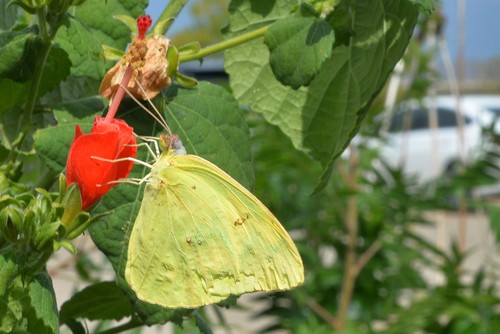
Cloudless Sulphur identified by the community
Real finds identified with Bug Identifier.

Other bugs you may enjoy
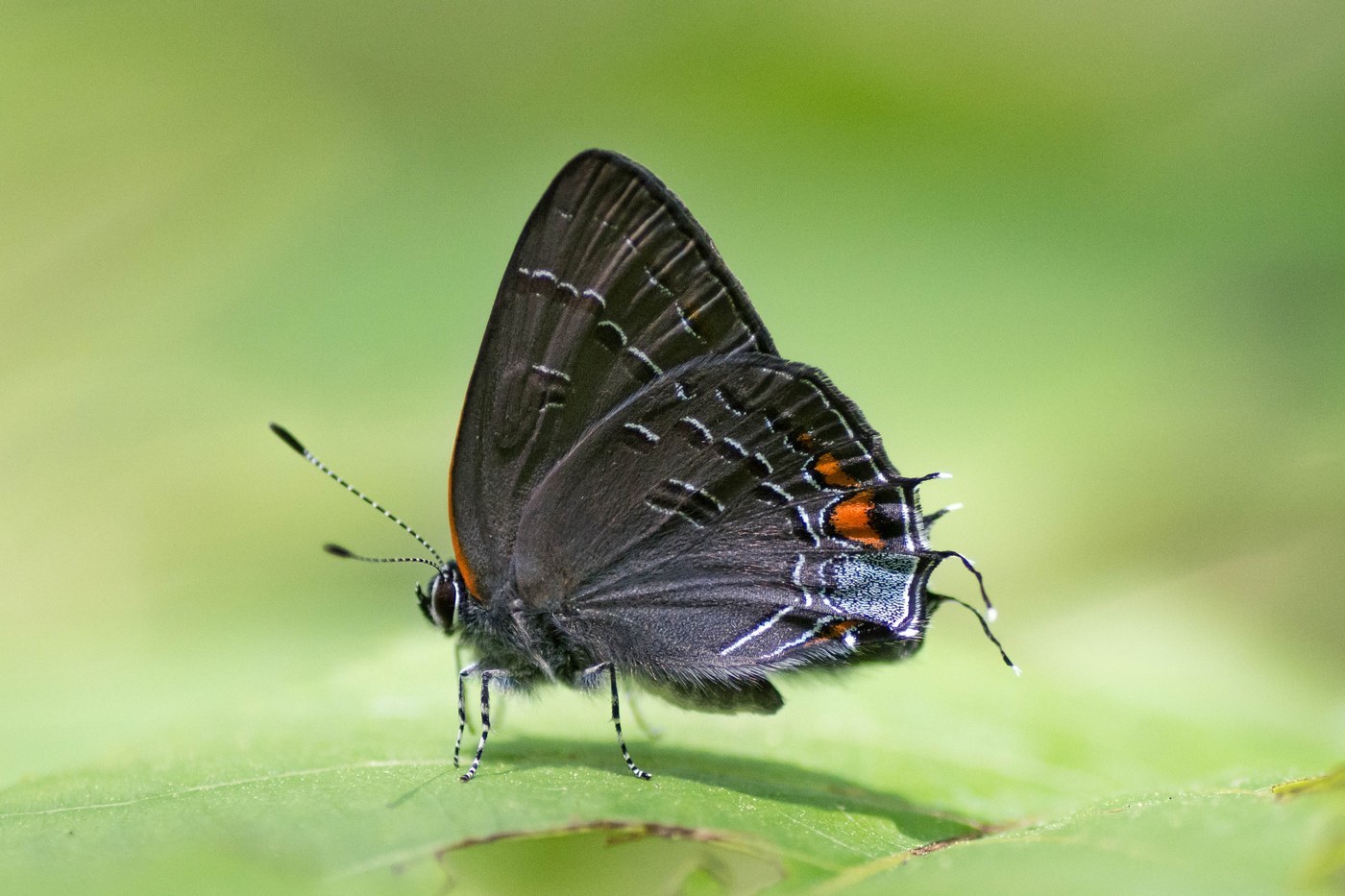
Banded Hairstreak
Deciduous woodlands and edges with oaks and hickories
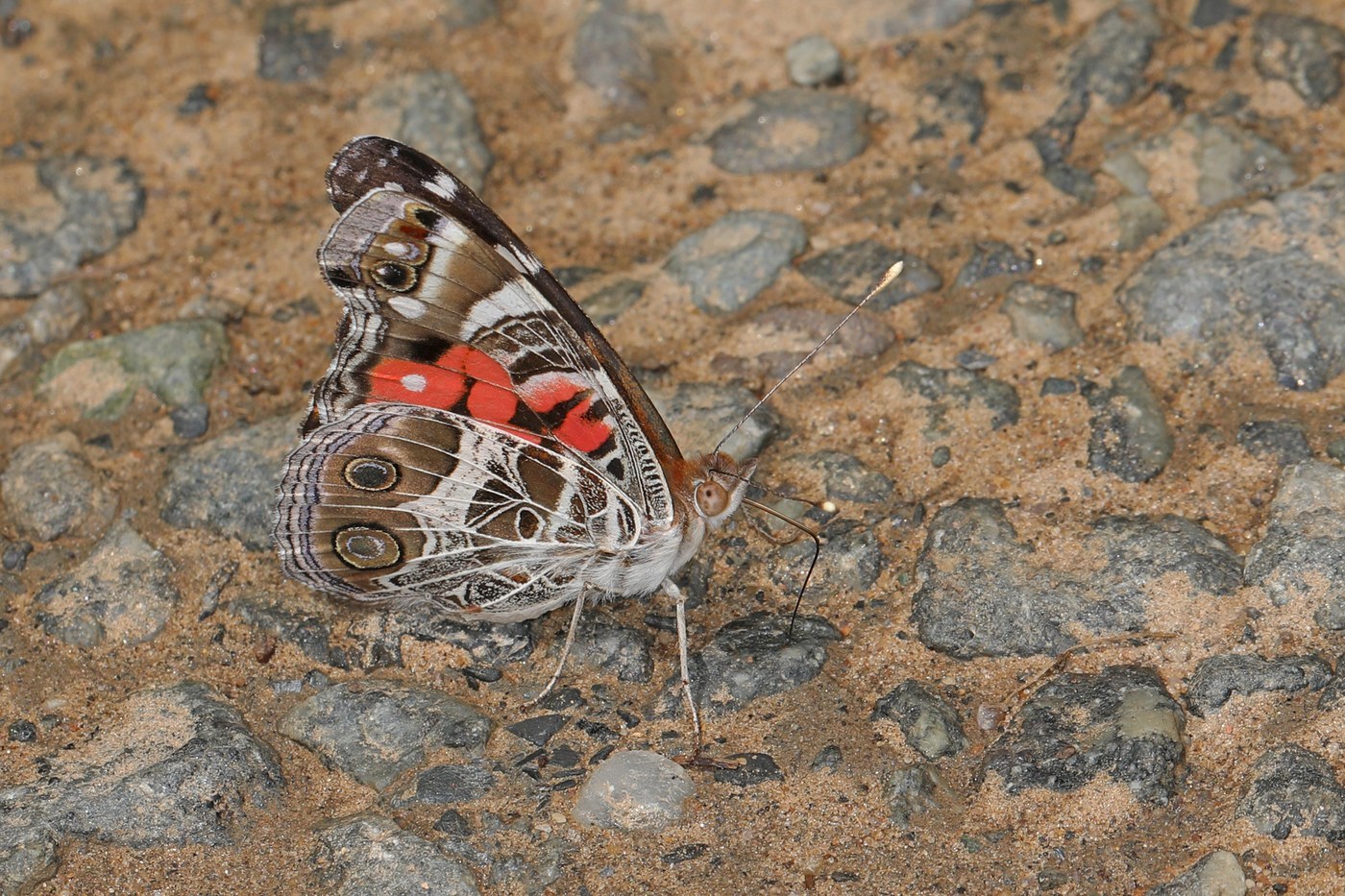
American Lady
Open fields, meadows, gardens, roadsides
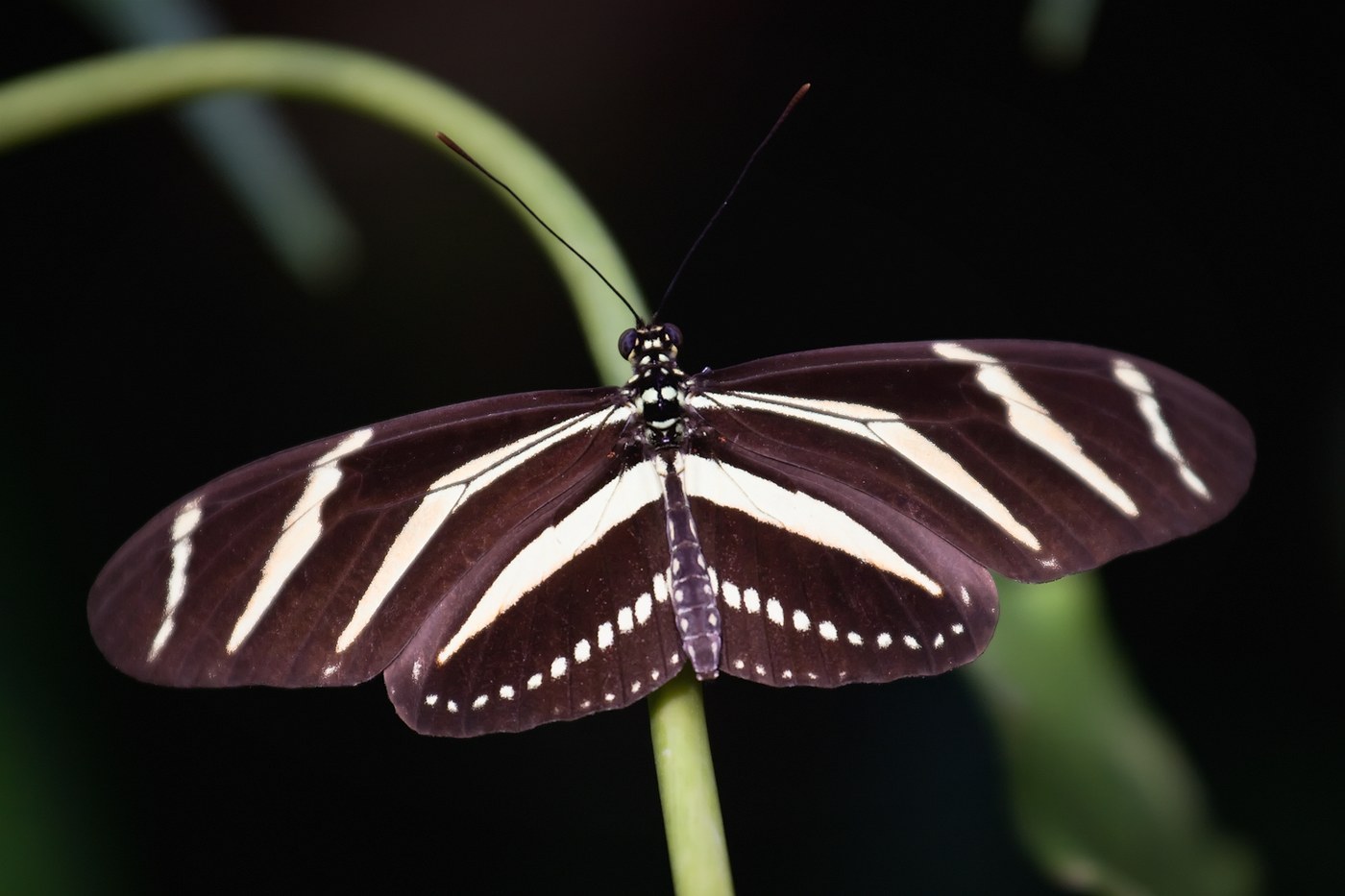
Zebra Longwing
Tropical hammocks, gardens, forest edges
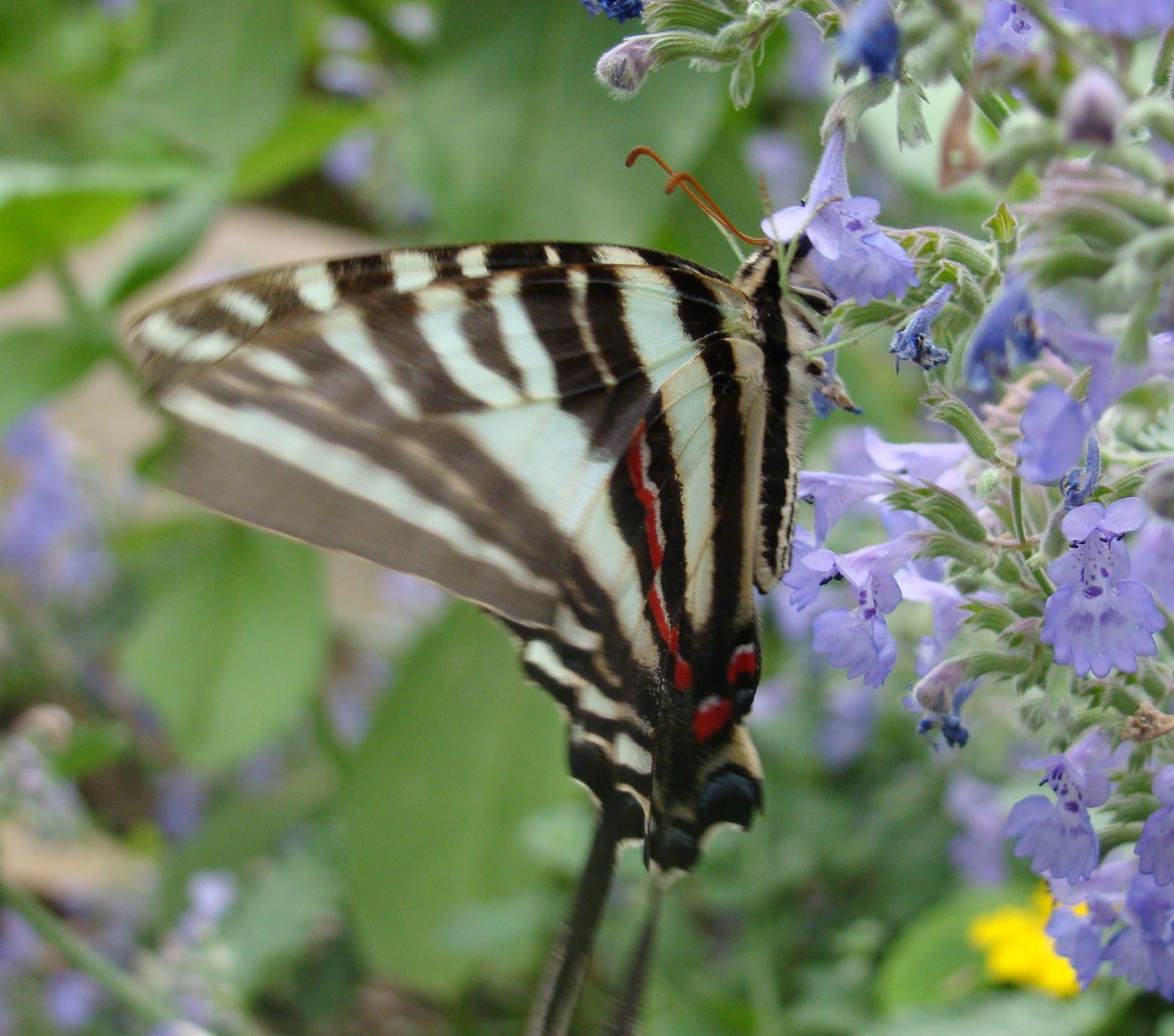
Zebra Swallowtail
Woodlands, floodplains, forest edges near pawpaw
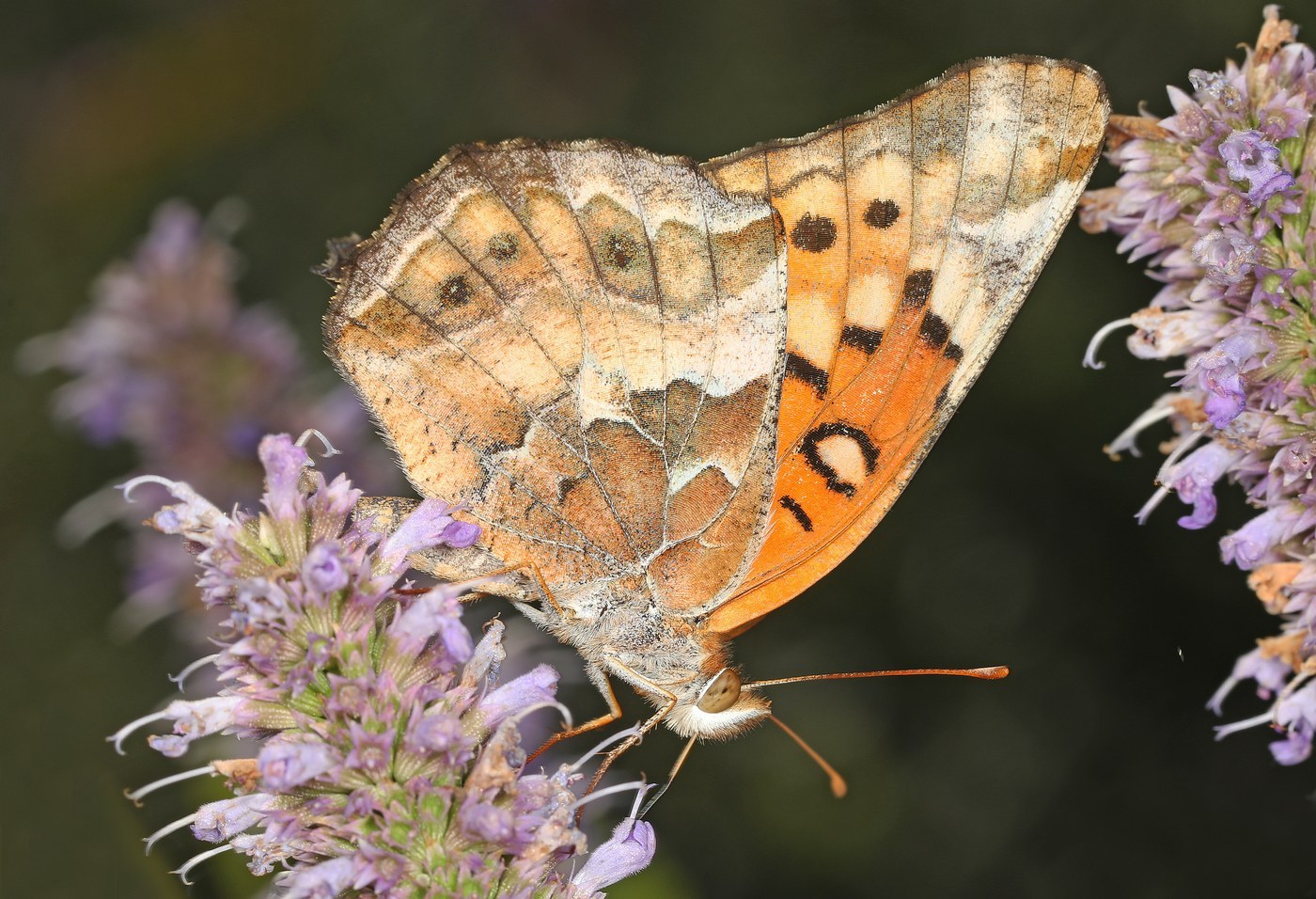
Variegated Fritillary
Open fields, prairies, roadsides, and disturbed ground across most of the United States
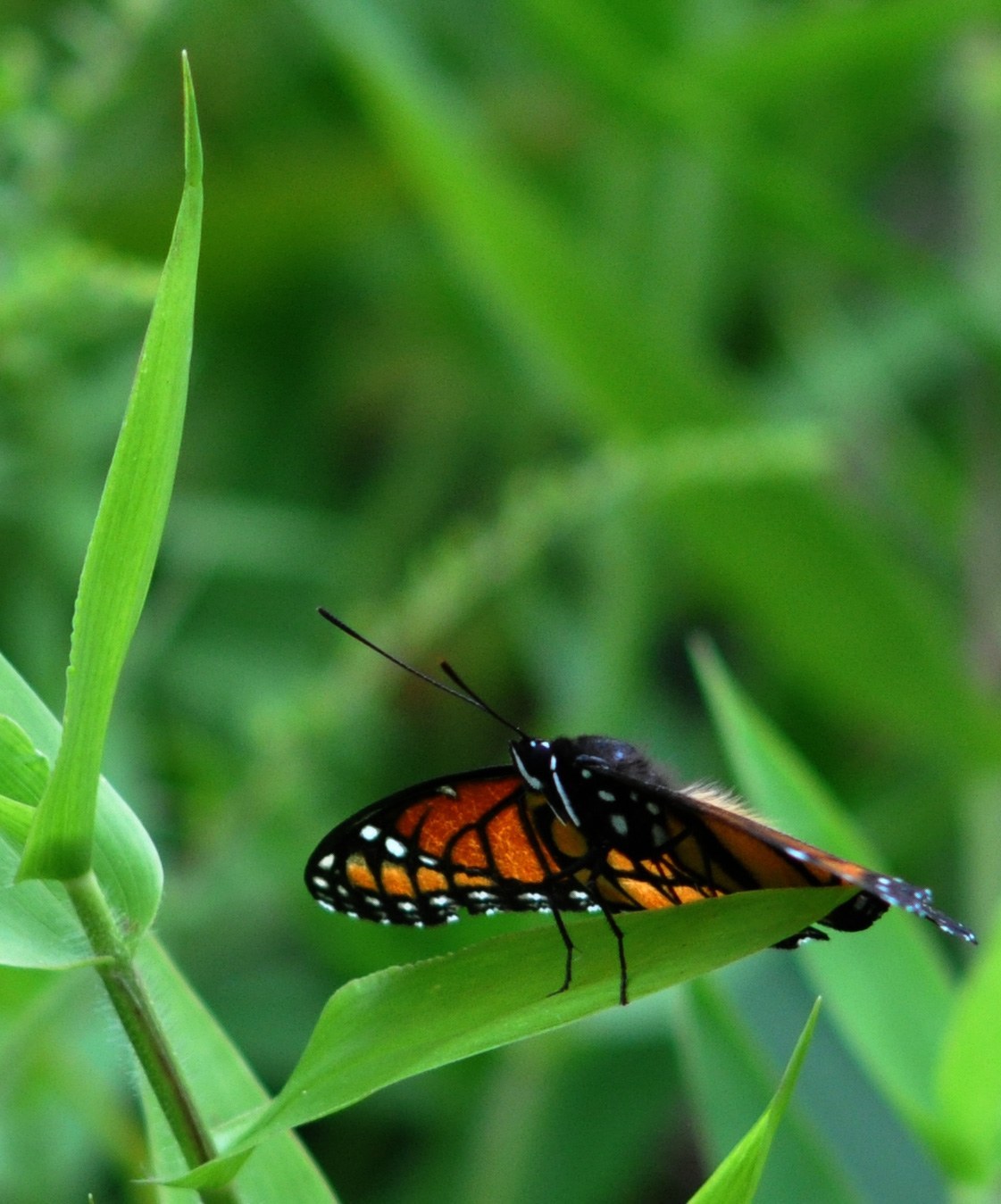
Viceroy Butterfly
Wetlands, meadows, riverbanks, willow thickets (North America)
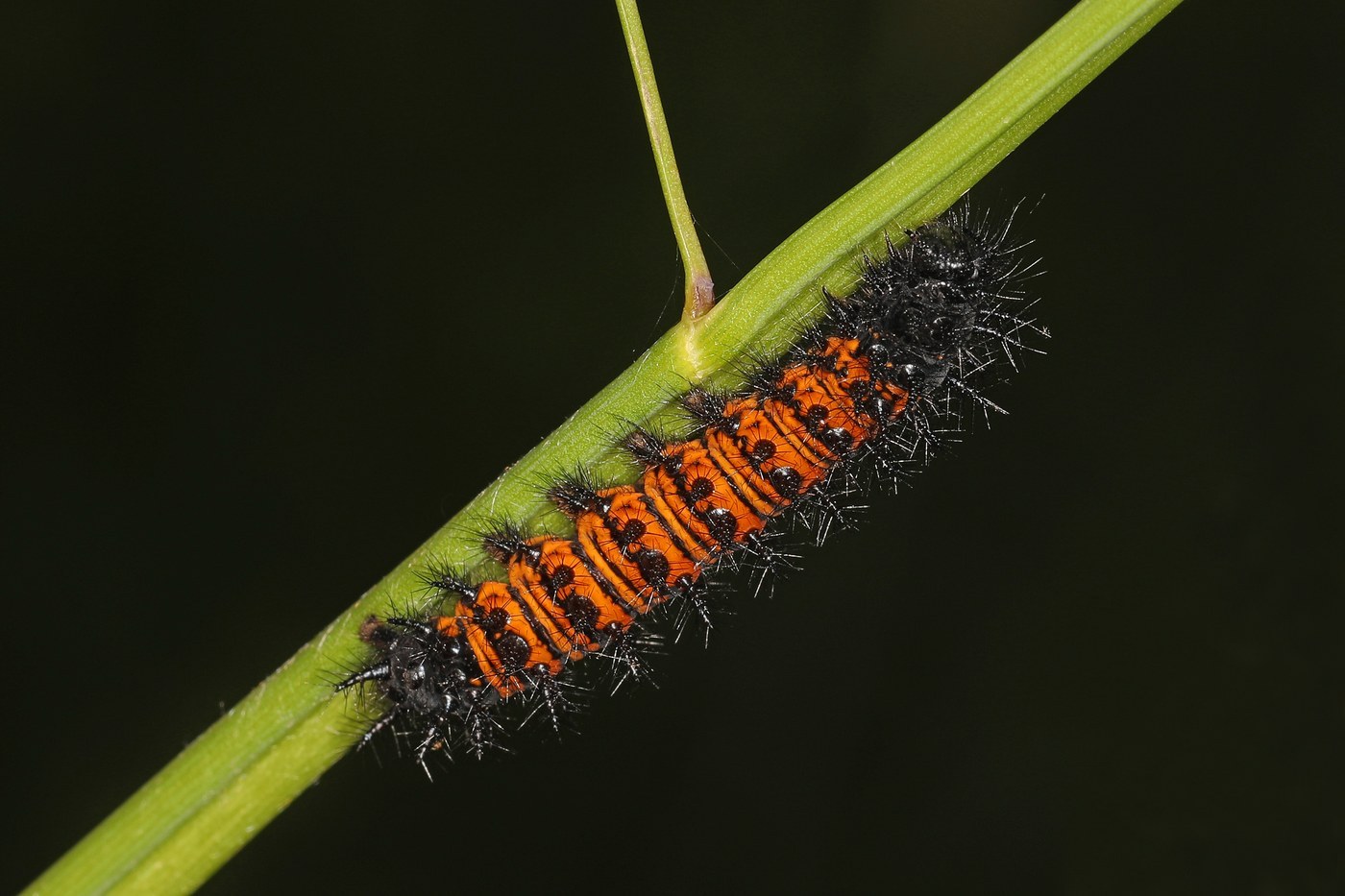
Baltimore Checkerspot
Wet meadows, bogs, and marshy fields in the northeastern and Appalachian US
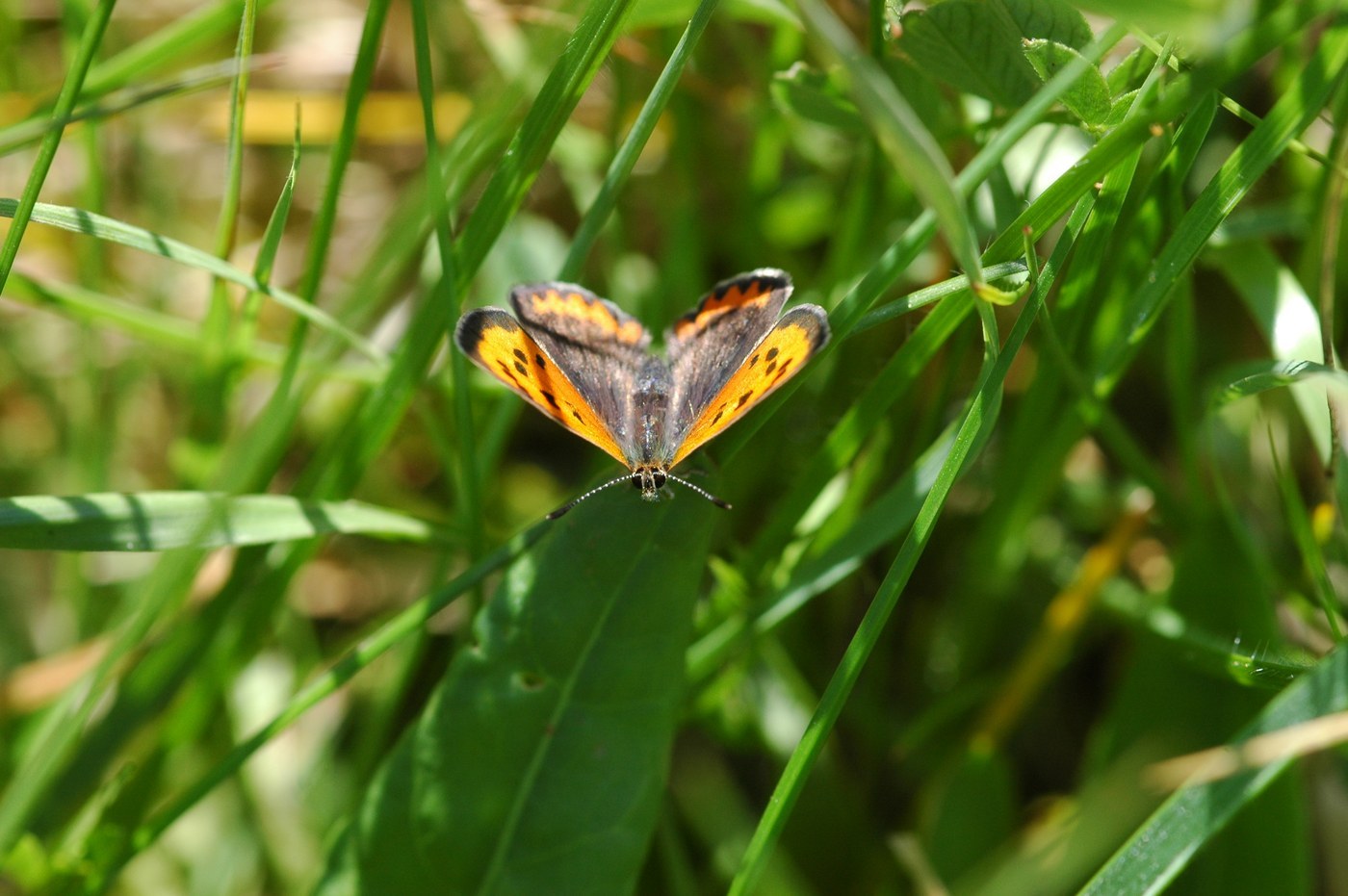
American Copper
Old fields, roadsides, and disturbed open ground with sorrel or dock
West Virginia White
Rich deciduous forest floors, especially near seeps and streams
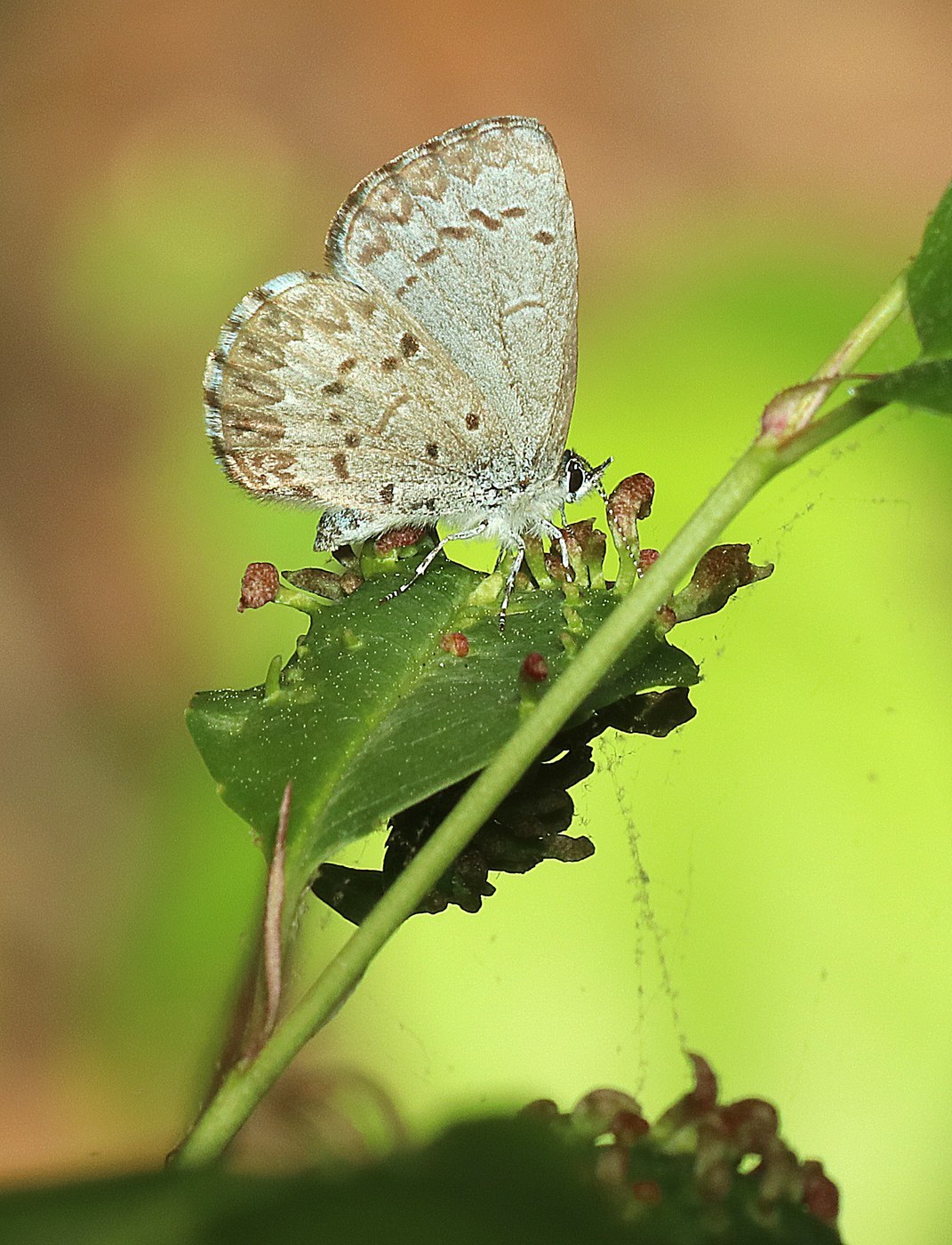
Spring Azure
Woodland edges, gardens, shrubby clearings
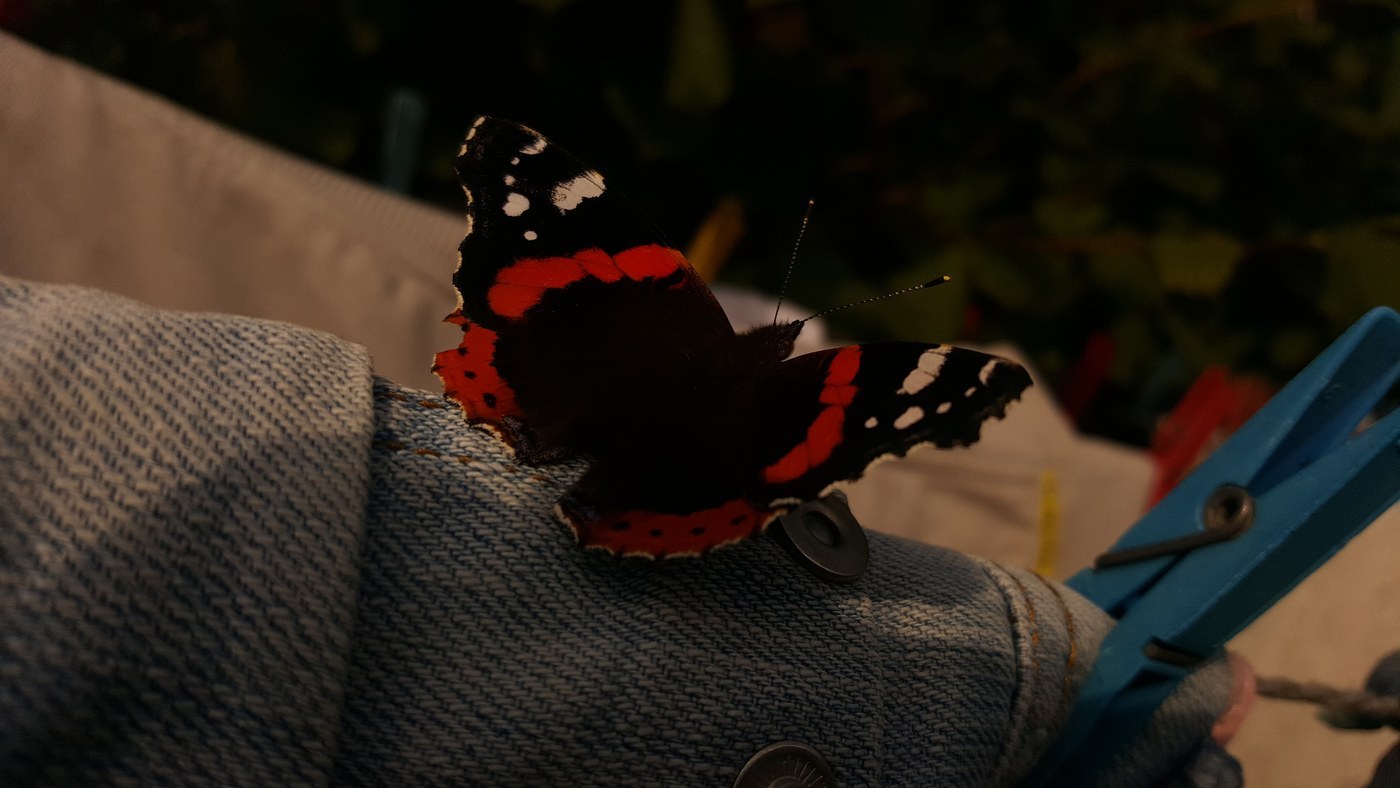
Red Admiral
Gardens, woodland edges, parks, meadows
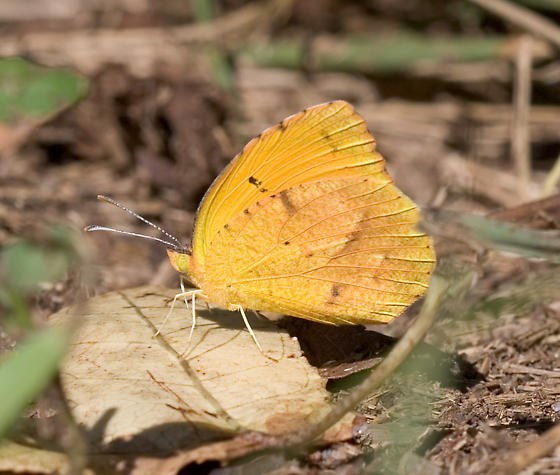
Sleepy Orange
Open woodland, fields, roadsides, and disturbed ground