
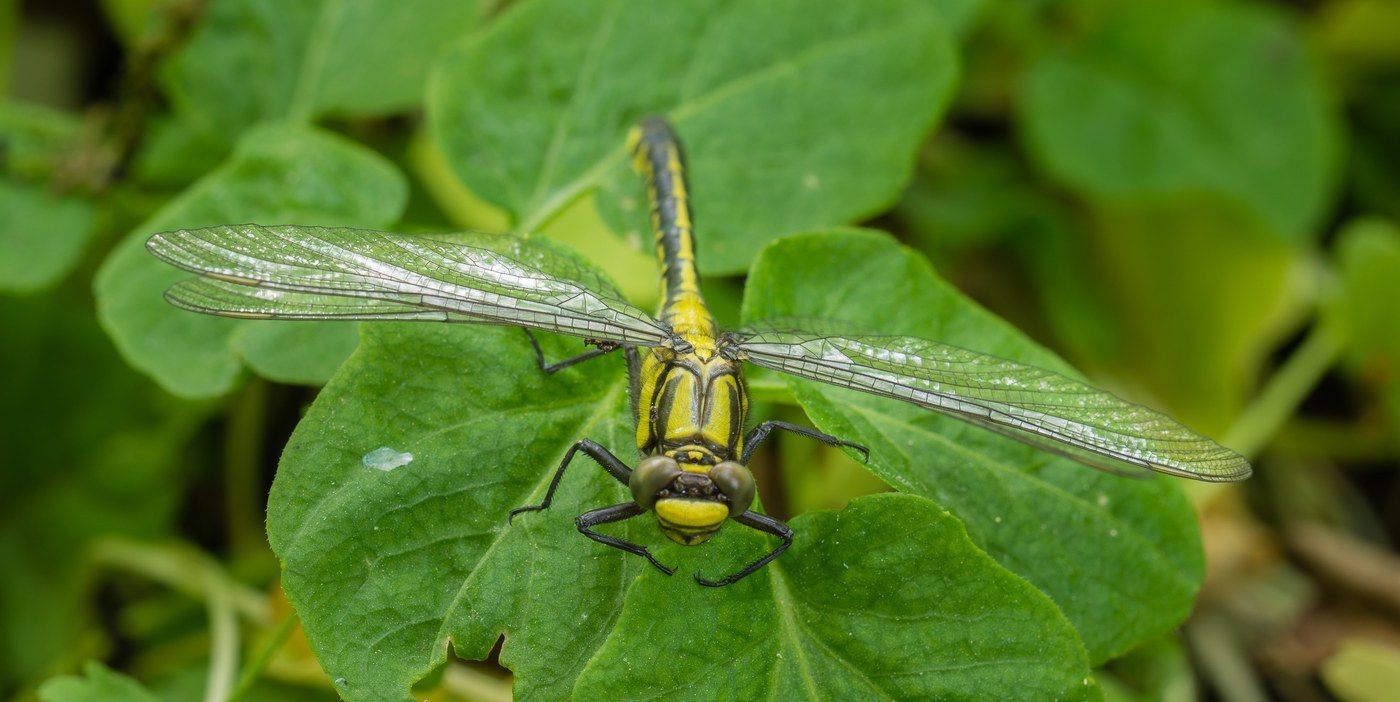
Common Clubtail
Gomphus vulgatissimus
This river-loving dragonfly gets its name from the noticeably widened, club-shaped tip of its abdomen, which it displays as it rests on sunlit waterside vegetation.
- Size
- Body length about 1.8-2 in (45-50 mm)
- Habitat
- Slow-flowing rivers and streams with sandy or silty bottoms
- Danger
- Harmless
Spotted a bug like this?
Identify any bug or insect from a photo, free.
Overview
The Common Clubtail is a member of the clubtail family (Gomphidae), recognizable by the swollen, paddle-like enlargement near the end of the male's abdomen. It is widespread across much of Europe and parts of western Asia, where it is closely tied to flowing water rather than the still ponds favored by many skimmers.
Unlike many dragonflies that perch upright on vegetation, clubtails often rest flat on the ground, rocks, or low plants along riverbanks, using their yellow-and-black patterned bodies as camouflage against sunlit and shaded substrate.
How to Identify
- Black body marked with bright yellow-green stripes and spots along the thorax and abdomen
- Distinctly widened, club-like tip to the abdomen, more pronounced in males
- Eyes are set apart on the head rather than touching, a key feature separating clubtails from skimmers and darners
- Wings are clear without significant dark patches
- Similar clubtail species are distinguished by fine differences in abdominal markings and the shape of the terminal appendages
Habitat & Range
Common Clubtails are closely associated with slow to moderately flowing rivers and larger streams with sandy, silty, or gravelly bottoms, where the burrowing nymphs live. The species occurs widely across much of Europe, including the British Isles, and into parts of western Asia. Adults emerge in spring and are typically seen through early summer.
Behavior & Diet
Adults often perch flat on open ground, rocks, or low waterside vegetation rather than clinging upright to stems, and they make short flights to intercept prey or rivals. As predators, adults capture small flying insects on the wing, while the burrowing nymphs ambush other invertebrates from within the riverbed sediment. Because clubtail nymphs are sensitive to water quality and flow, their presence is often considered an indicator of relatively clean, well-oxygenated river habitat.
Life Cycle
Females lay eggs by tapping the water surface of the river while flying, releasing eggs that sink and settle into the streambed. The eggs hatch into nymphs that burrow into sand or silt, where they live for one to several years depending on conditions, breathing through gills and ambushing small invertebrates from their concealed position. When mature, nymphs crawl out of the water onto the bank or nearby vegetation to undergo their final molt into a winged adult, completing incomplete metamorphosis. Adults live for several weeks, during which mating and egg-laying occur along the same river habitat.
Frequently asked questions
Why is it called a 'clubtail'?
The tip of the male's abdomen is noticeably widened into a paddle or club shape, a feature shared by other members of the Gomphidae family.
How is the Common Clubtail different from skimmer dragonflies?
Clubtails have eyes that are separated on top of the head, rather than touching as in skimmers, and they favor flowing rivers rather than still ponds.
Where do Common Clubtail nymphs live?
The nymphs burrow into sandy or silty riverbed sediment, where they ambush small invertebrates while remaining mostly hidden.
When can Common Clubtails be seen as adults?
Adults typically emerge in spring and can be observed near rivers and streams through early summer.
Common Clubtail guides
In-depth guides for identifying, understanding, and living alongside Common Clubtail.
Common Clubtail identified by the community
Real finds identified with Bug Identifier.
Other bugs you may enjoy
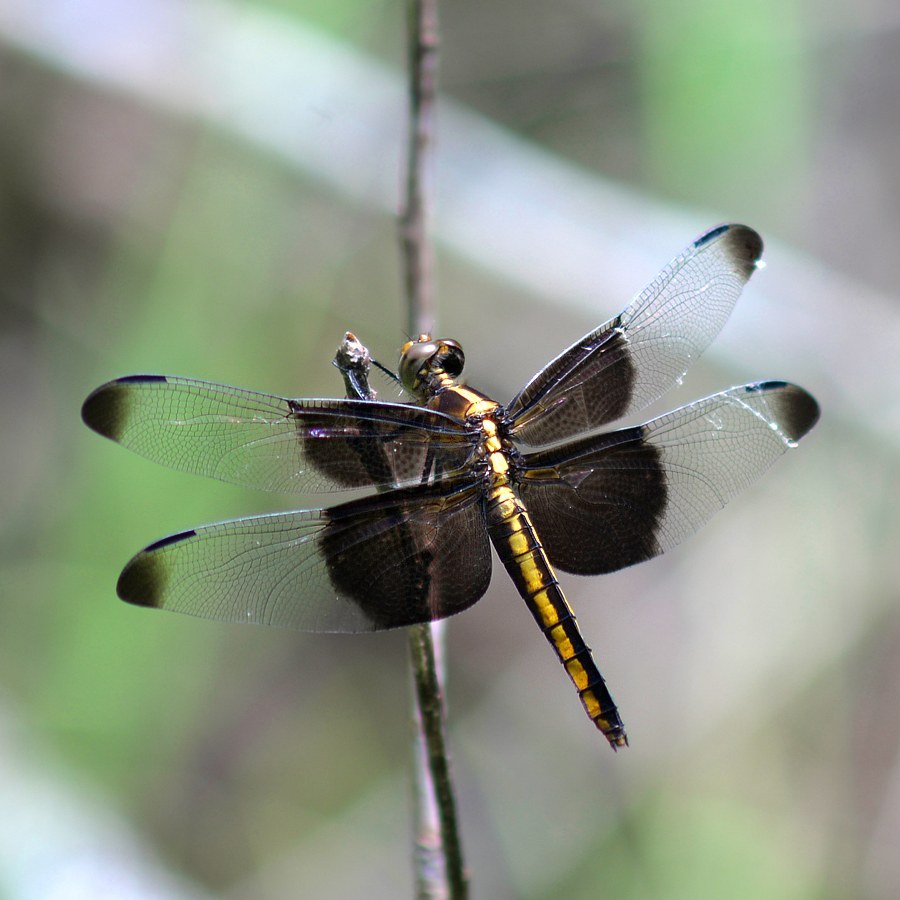
Widow Skimmer
ponds, lakes, and slow-moving streams with open shoreline vegetation across much of the United States
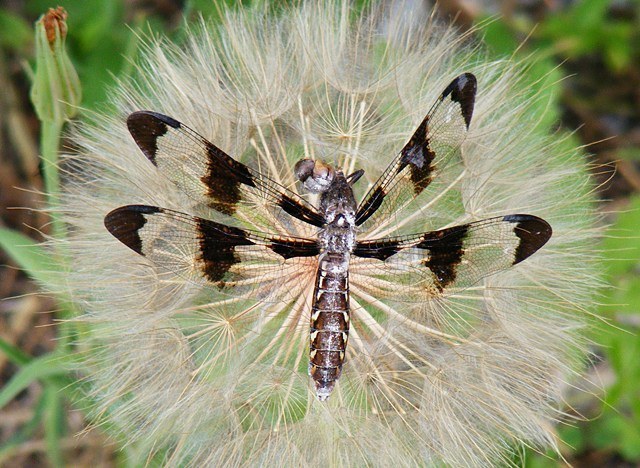
Twelve-spotted Skimmer
Ponds, lakes, and slow streams with open, sunny shorelines
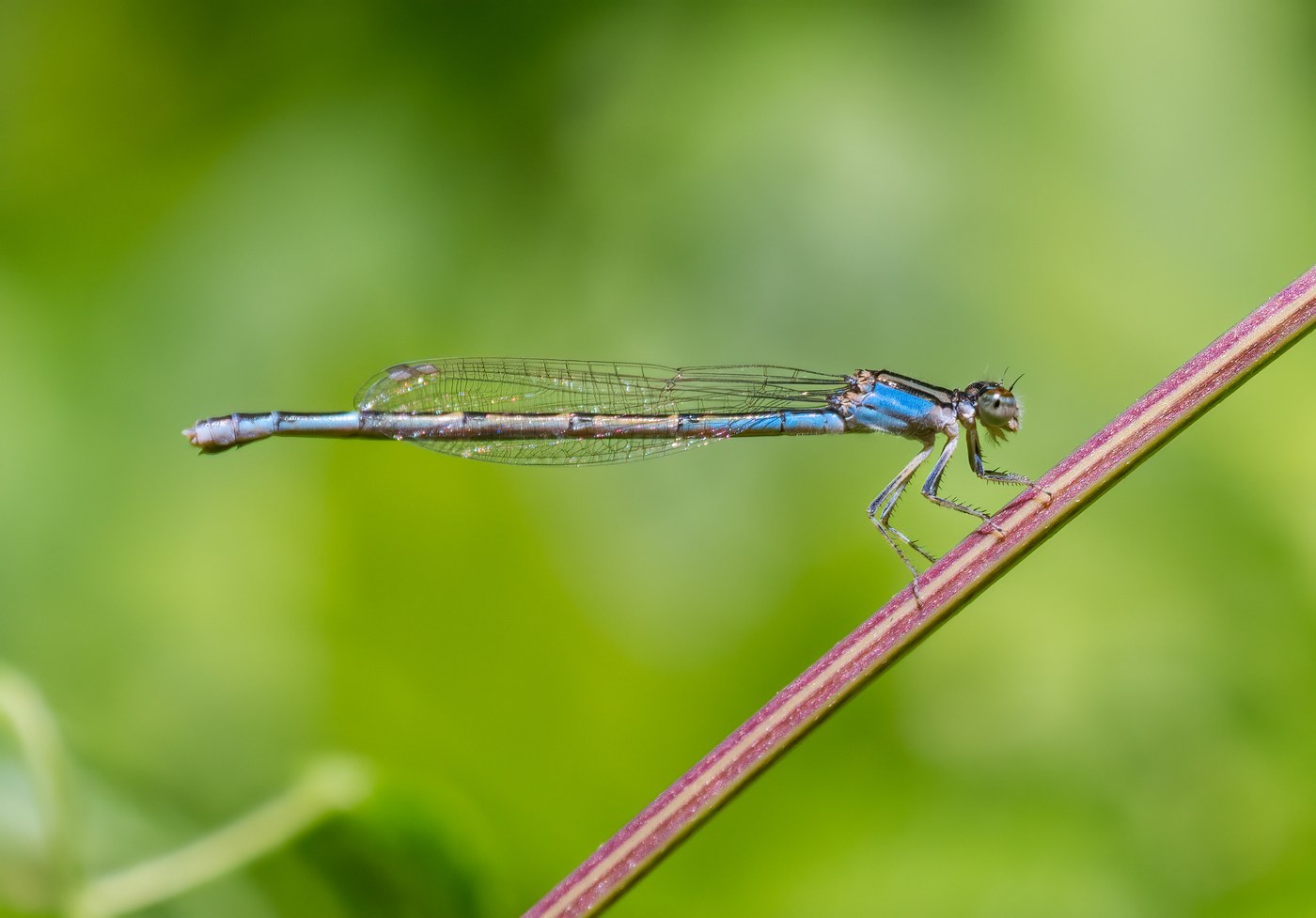
Azure Bluet
ponds, lakes, and slow streams with abundant aquatic vegetation
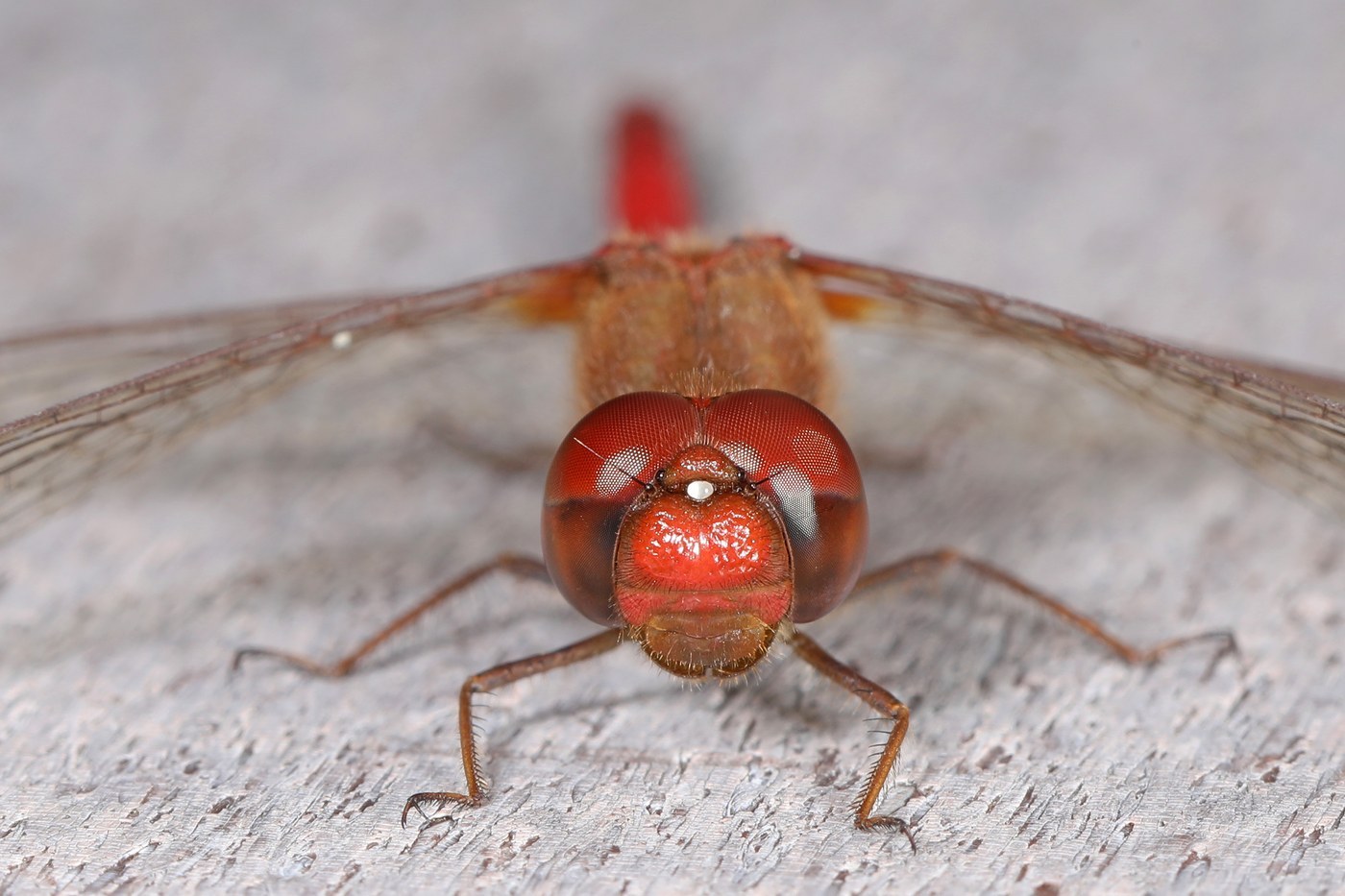
Autumn Meadowhawk
Ponds, marshes, and slow streams, often lingering into late fall
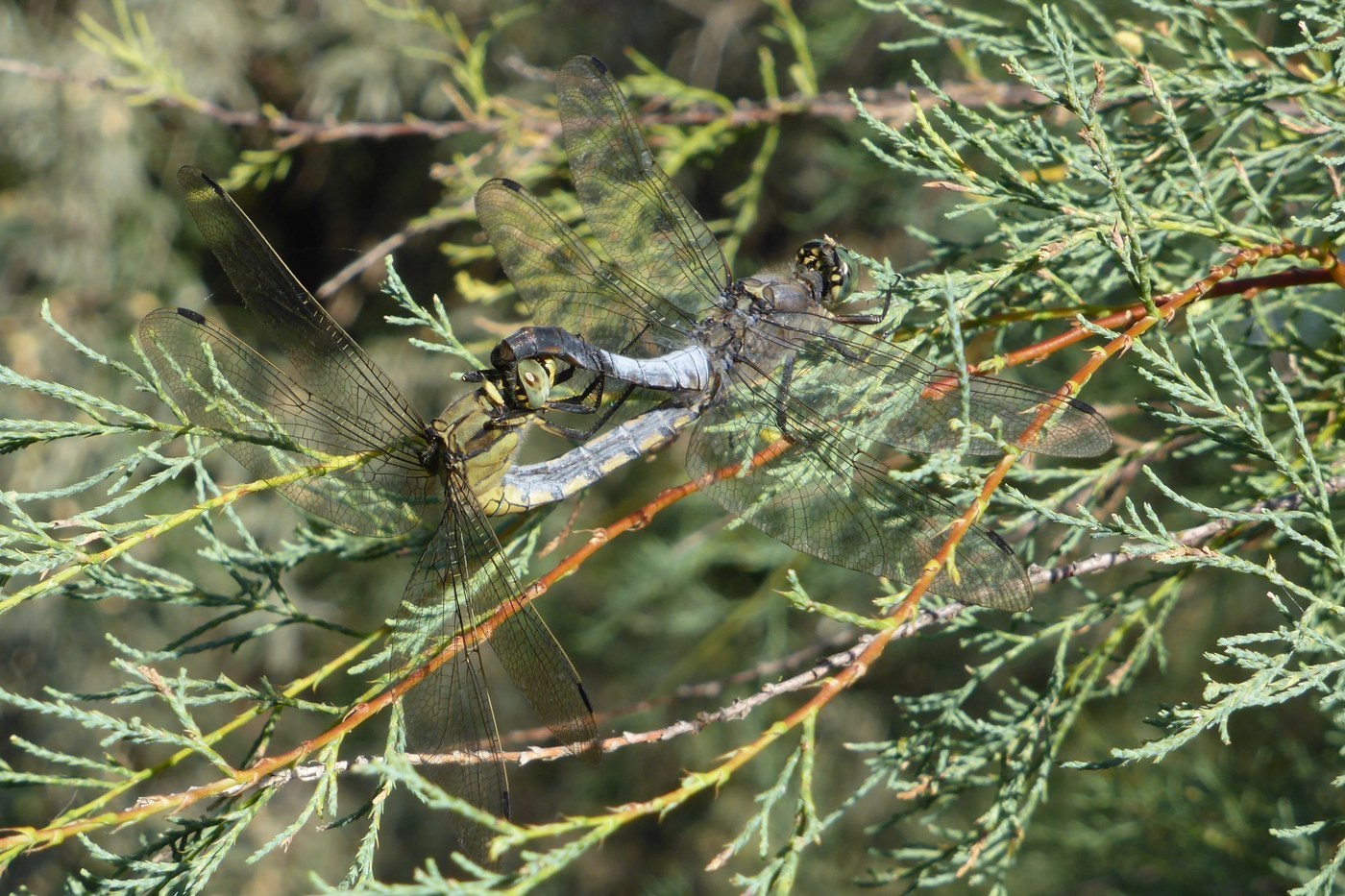
Spangled Skimmer
Ponds, lakes, and marshes with open sunny shorelines
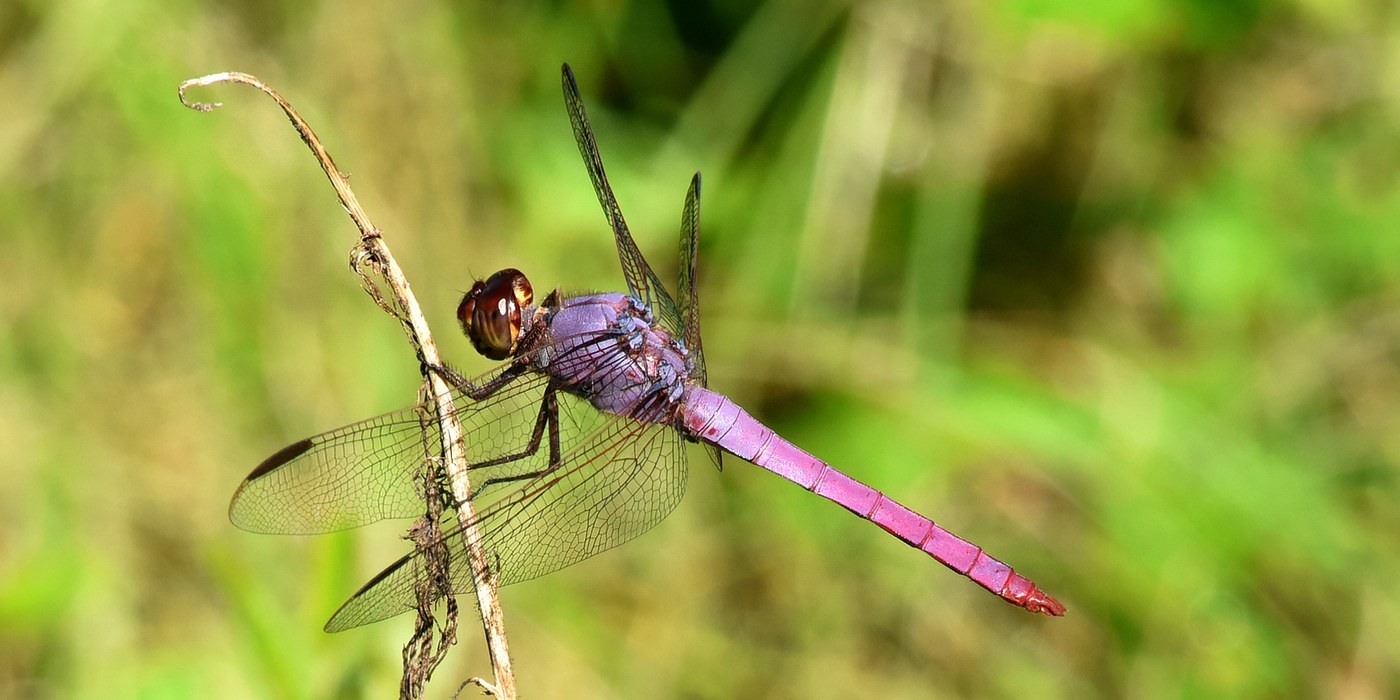
Roseate Skimmer
Ponds, ditches, and canals across the southern United States
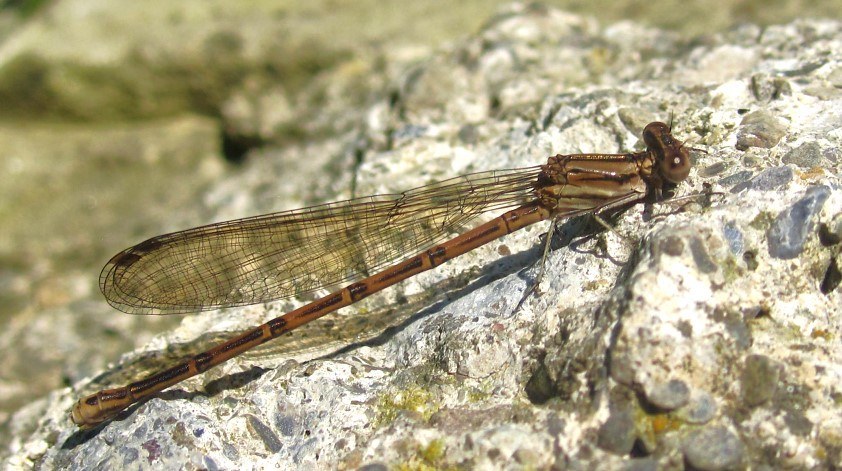
Variable Dancer
streams, rivers, and pond margins, especially in wooded or partly shaded settings
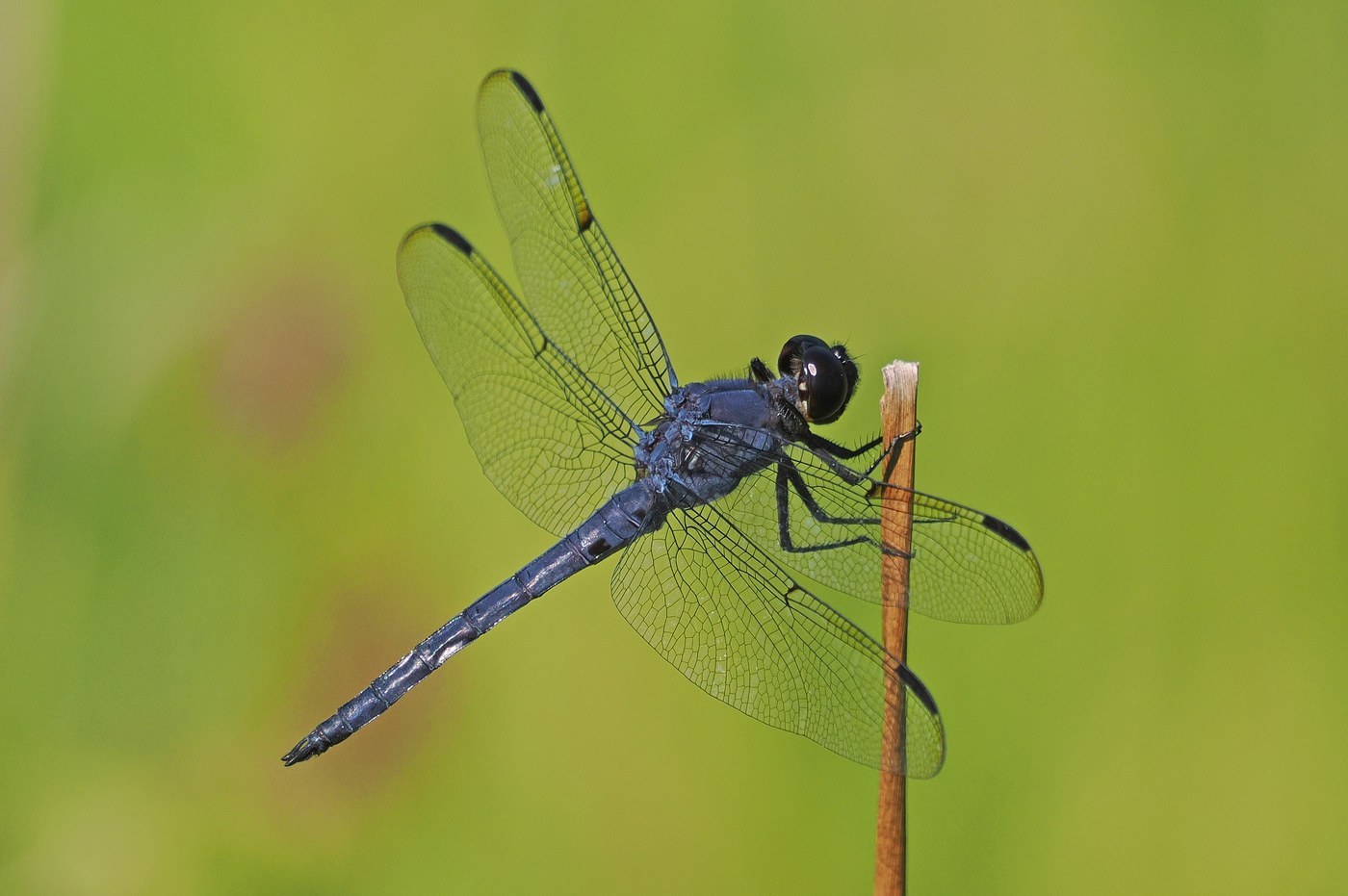
Slaty Skimmer
Still or slow-moving ponds, lakes, and marshes with open shoreline
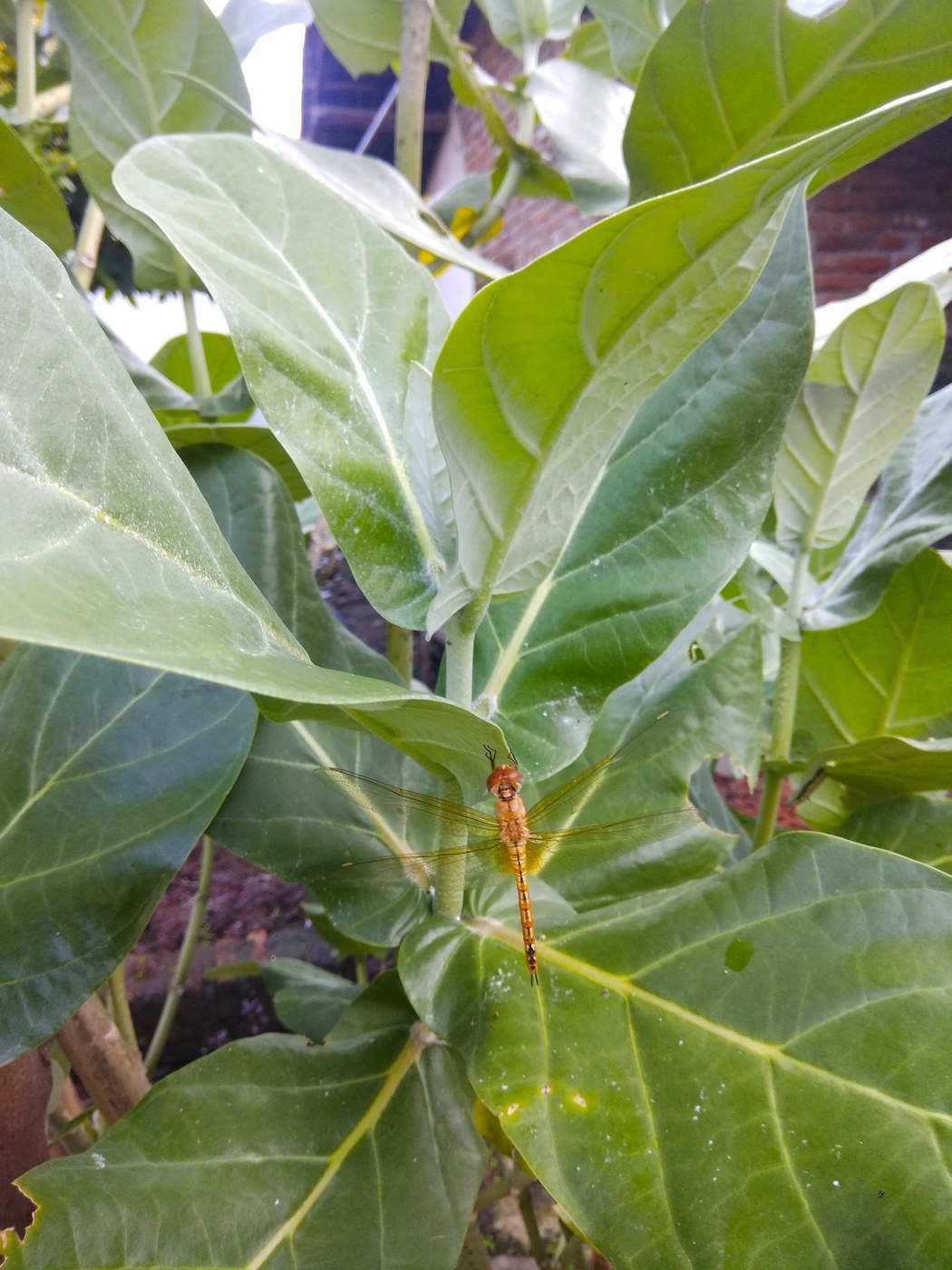
Wandering Glider
Temporary pools, open fields, and coastlines nearly worldwide
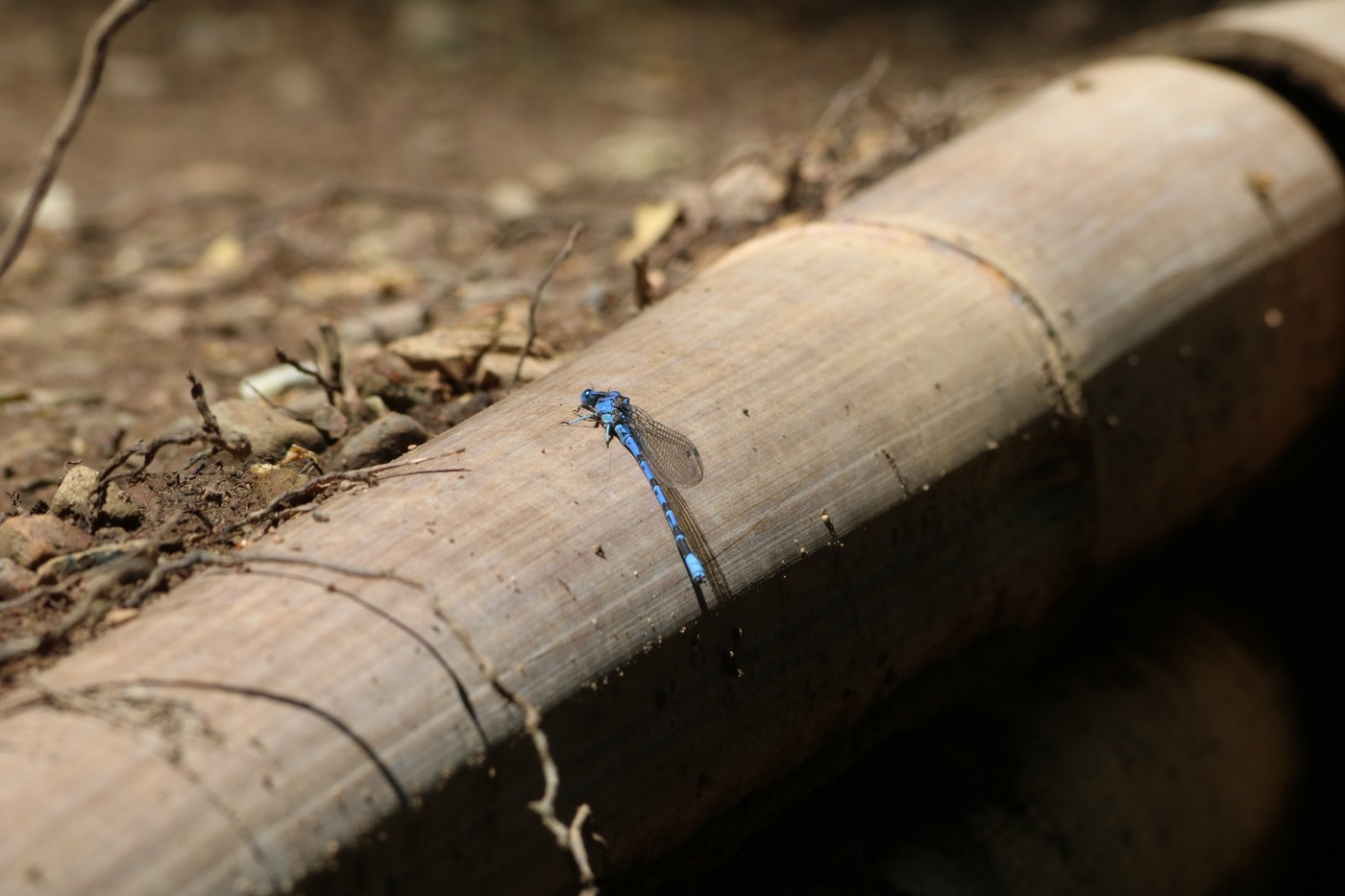
Vivid Dancer
rocky streams, seeps, and spring-fed creeks, often near thermal or warm springs
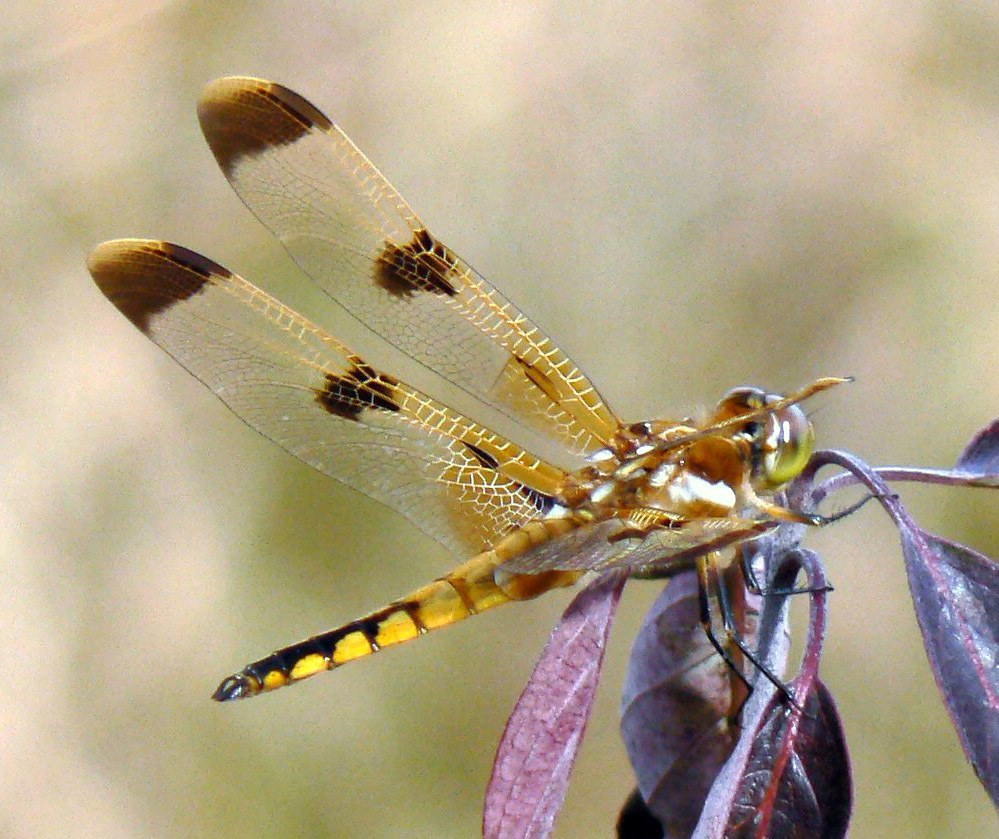
Painted Skimmer
Ponds, marshes, and slow-moving vegetated waters, including temporary pools
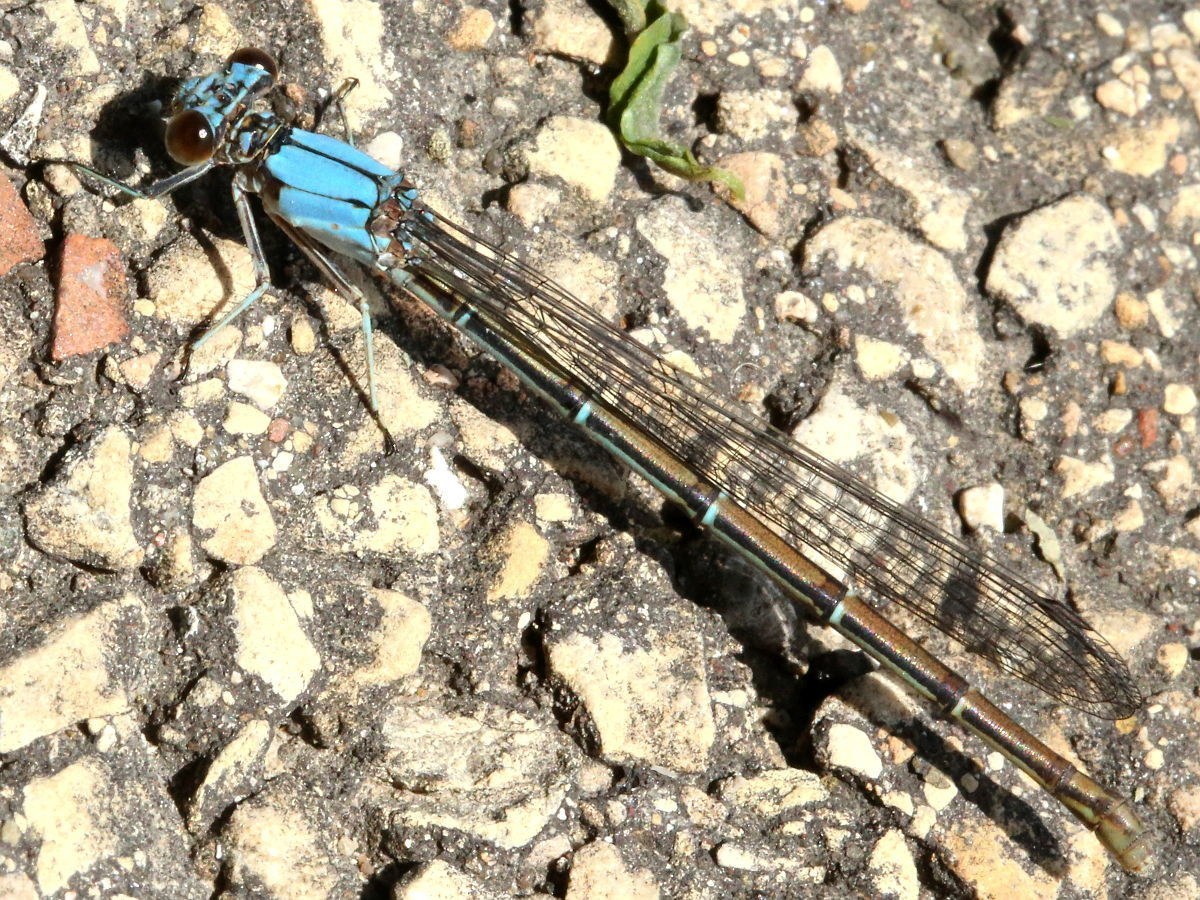
Powdered Dancer
rocky and gravelly rivers, streams, and lake shorelines