
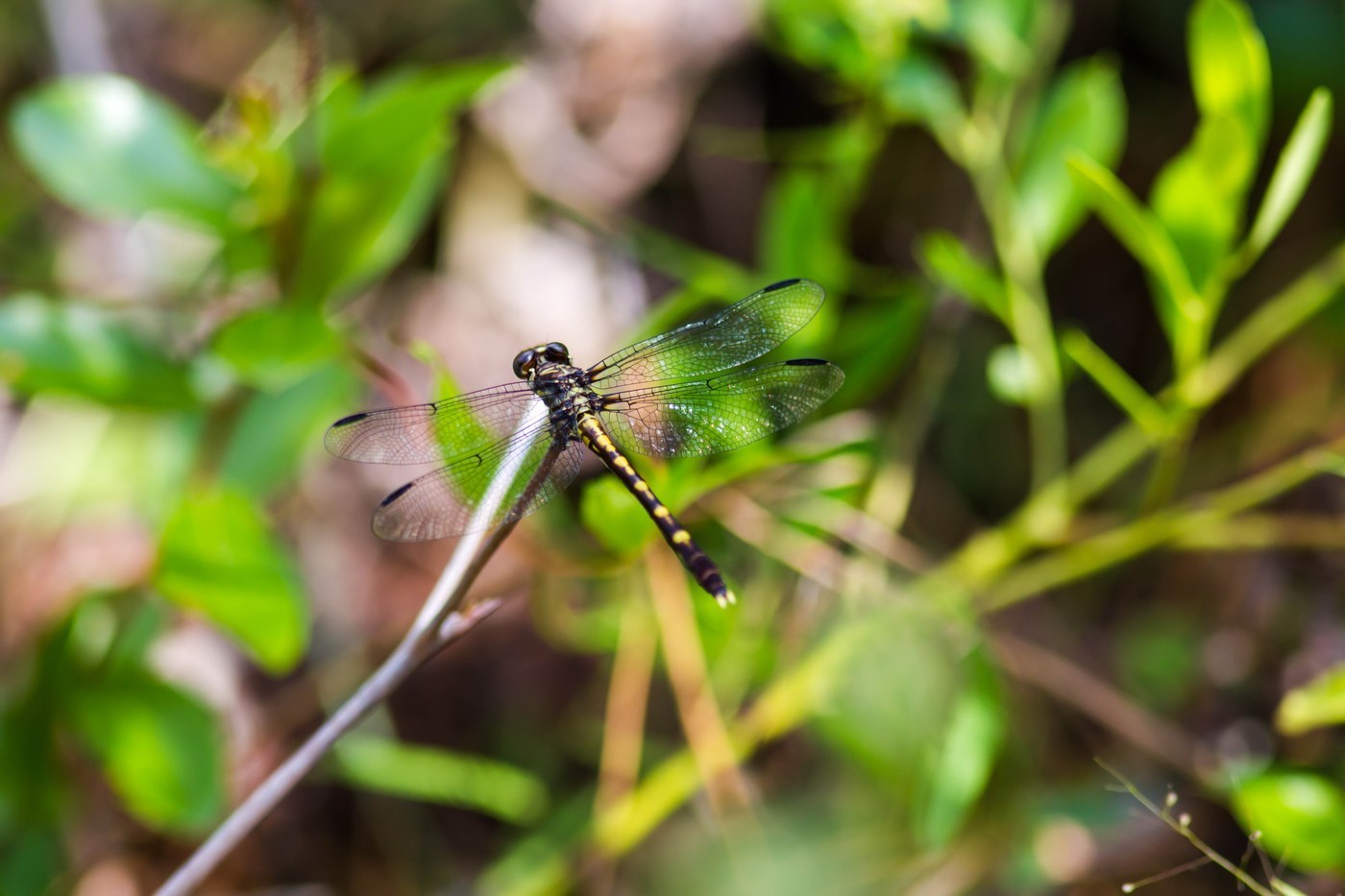
Common Sanddragon
Progomphus obscurus
A sand-colored clubtail dragonfly that perches flat on bare, sunlit riverbank sand, nearly vanishing against the grains around it.
- Size
- Body length about 4.5–5.5 cm (1.8–2.2 in)
- Habitat
- Sandy-bottomed rivers, streams, and lake shores
- Danger
- Harmless
Spotted a bug like this?
Identify any bug or insect from a photo, free.
Overview
The common sanddragon (Progomphus obscurus) is a member of the clubtail family (Gomphidae), so named for the flared, club-like widening at the tip of the abdomen seen in many species of this group, including this one. It is one of the more frequently encountered clubtails in the eastern and southeastern United States, closely tied to rivers and streams with sandy substrates.
Its brownish and yellow coloring provides excellent camouflage against the bare sand and gravel bars where adults commonly perch, often lying flat with wings out to the sides rather than perching upright on vegetation as many other dragonflies do.
Like other gomphids, the common sanddragon has an aquatic larval (nymph) stage that burrows into sandy stream and river bottoms, an adaptation shared broadly within the family and reflected in the sanddragon's common name.
How to Identify
- Medium-sized dragonfly with a brown thorax marked by pale yellow stripes
- Abdomen brown to black with pale yellow markings, widening into a distinct yellow-marked club near the tip
- Eyes are separated (not touching) on top of the head, typical of clubtail dragonflies, unlike the eyes of skimmers and darners which touch or nearly touch
- Often perches flat on open sand or bare ground rather than upright on plant stems
- Wings clear, without heavy patterning
- Lookalikes: other clubtail (Gomphidae) species, distinguished by finer details of abdominal markings and range
Habitat & Range
Found across much of the eastern and southeastern United States, the common sanddragon is closely associated with rivers, streams, and occasionally lake shorelines that have sandy or fine gravel bottoms and open, sunny banks. Nymphs burrow into sandy stream-bottom sediment, while adults are typically seen perched on exposed sand or gravel bars near the water from late spring through summer.
Behavior & Diet
Adult common sanddragons are aerial predators that capture small flying insects such as midges and mosquitoes on the wing, often returning to the same sunny perch on open sand between hunting flights. Males patrol stretches of shoreline to defend territory and locate mates. The burrowing nymphs are ambush predators within the sandy substrate, feeding on small aquatic invertebrates, and both life stages serve as prey for fish, birds, and other predators, linking this species into both aquatic and streamside food webs.
Life Cycle
Females lay eggs by tapping the abdomen tip against the water surface over suitable sandy habitat. Nymphs burrow into the sand or fine sediment of the streambed, where they develop through numerous instars over one to a few years, ambushing small invertebrates from their burrows. When development is complete, mature nymphs crawl out of the water onto the bank, where the adult dragonfly emerges from the nymphal skin, expands its wings, and hardens before taking its first flight. Adults live for several weeks during the warmer months to mate and lay eggs.
Frequently asked questions
Why is it called a sanddragon?
Both its aquatic nymph, which burrows into sandy streambeds, and the adult, which often perches on bare sand, are closely tied to sandy habitats.
How do I recognize a clubtail dragonfly like this one?
Look for widely separated eyes on top of the head and, in many species including this one, a flared, club-like widening near the tip of the abdomen.
Where does the common sanddragon live?
It is found along sandy-bottomed rivers, streams, and some lake shores across the eastern and southeastern United States.
What do common sanddragon nymphs eat?
As burrowing ambush predators in sandy sediment, they feed on small aquatic invertebrates.
Common Sanddragon guides
In-depth guides for identifying, understanding, and living alongside Common Sanddragon.
Common Sanddragon identified by the community
Real finds identified with Bug Identifier.
Other bugs you may enjoy
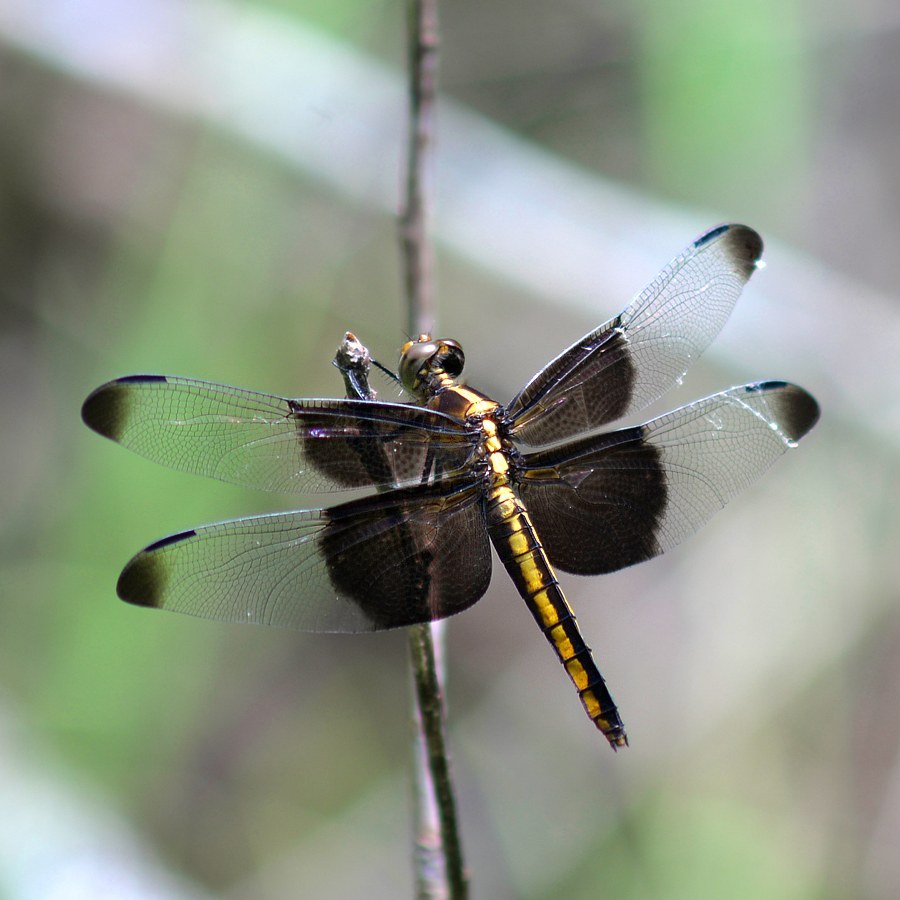
Widow Skimmer
ponds, lakes, and slow-moving streams with open shoreline vegetation across much of the United States
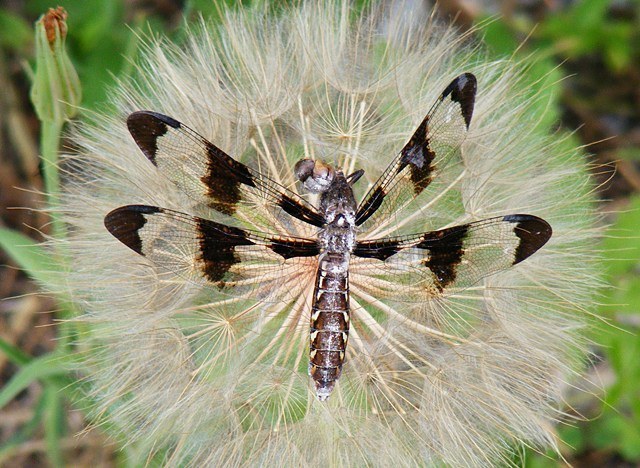
Twelve-spotted Skimmer
Ponds, lakes, and slow streams with open, sunny shorelines
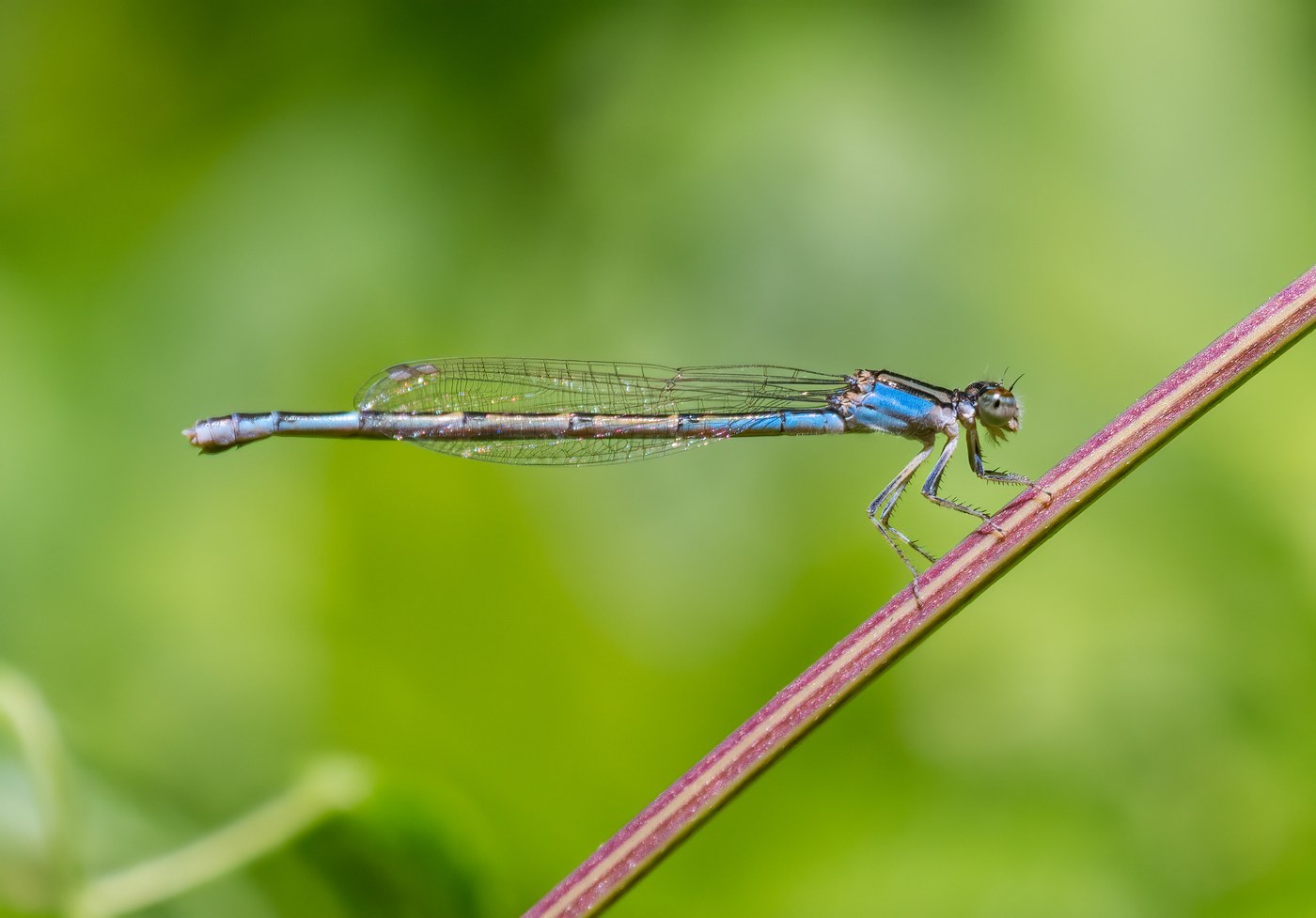
Azure Bluet
ponds, lakes, and slow streams with abundant aquatic vegetation
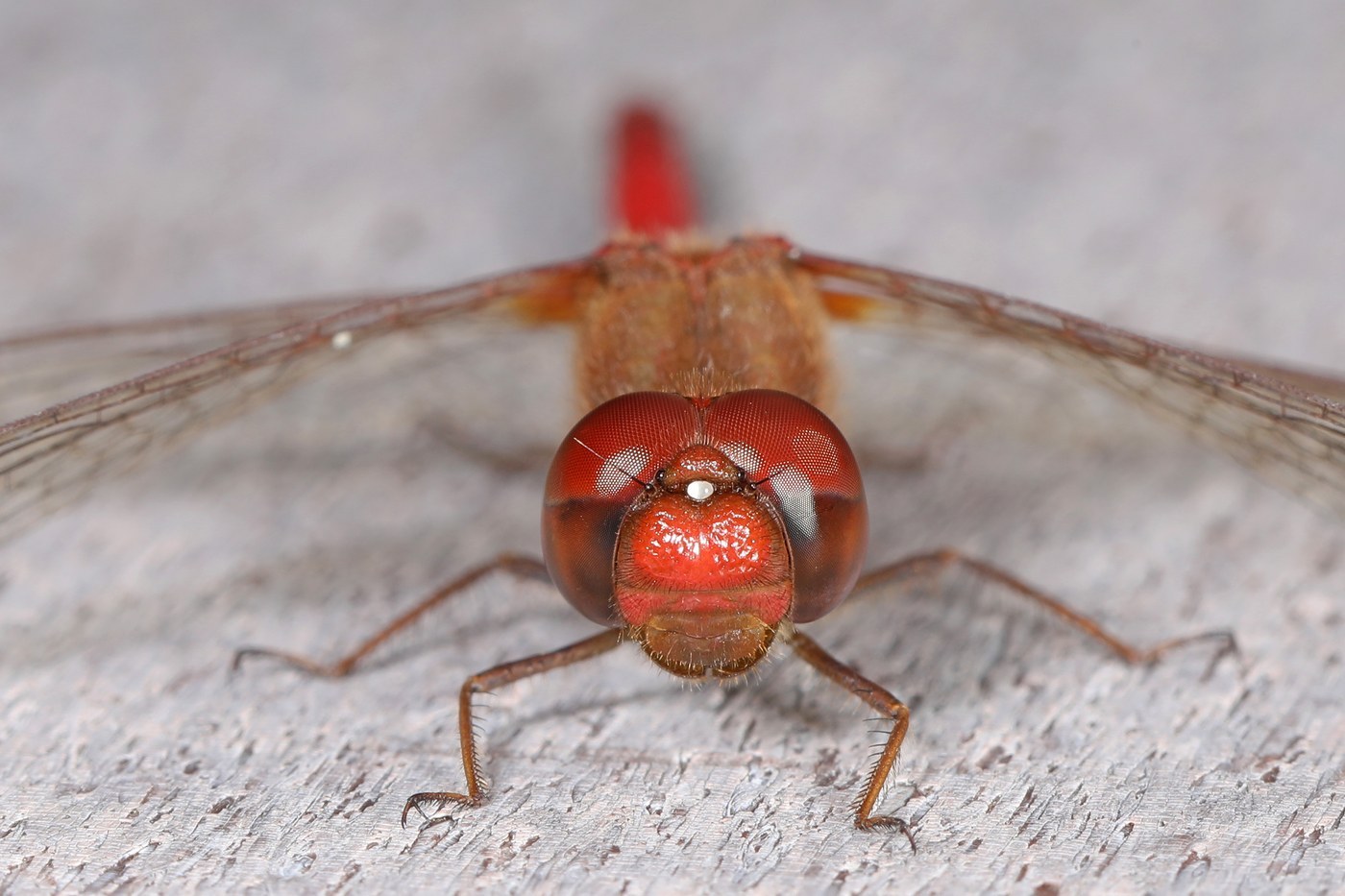
Autumn Meadowhawk
Ponds, marshes, and slow streams, often lingering into late fall
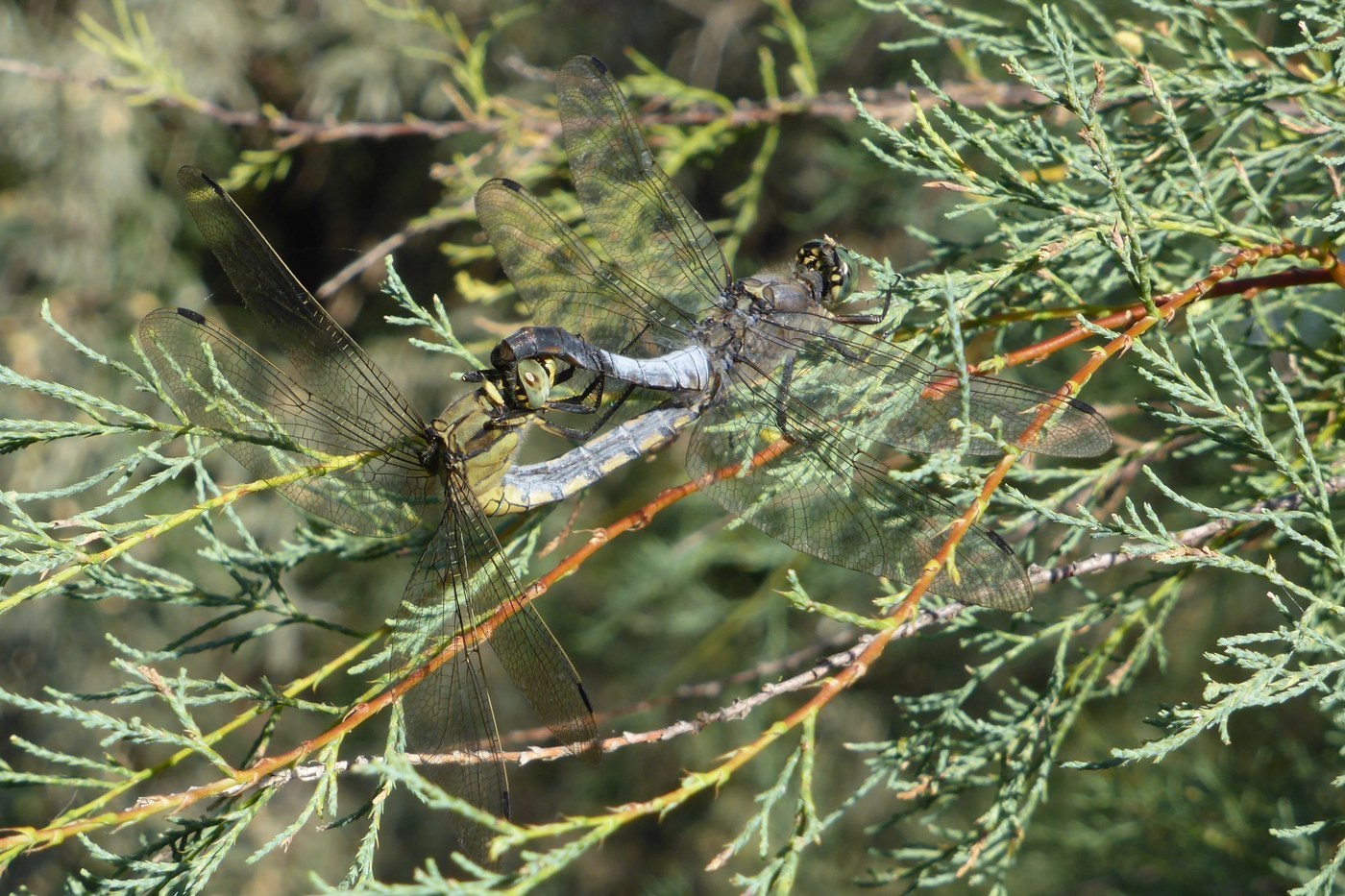
Spangled Skimmer
Ponds, lakes, and marshes with open sunny shorelines
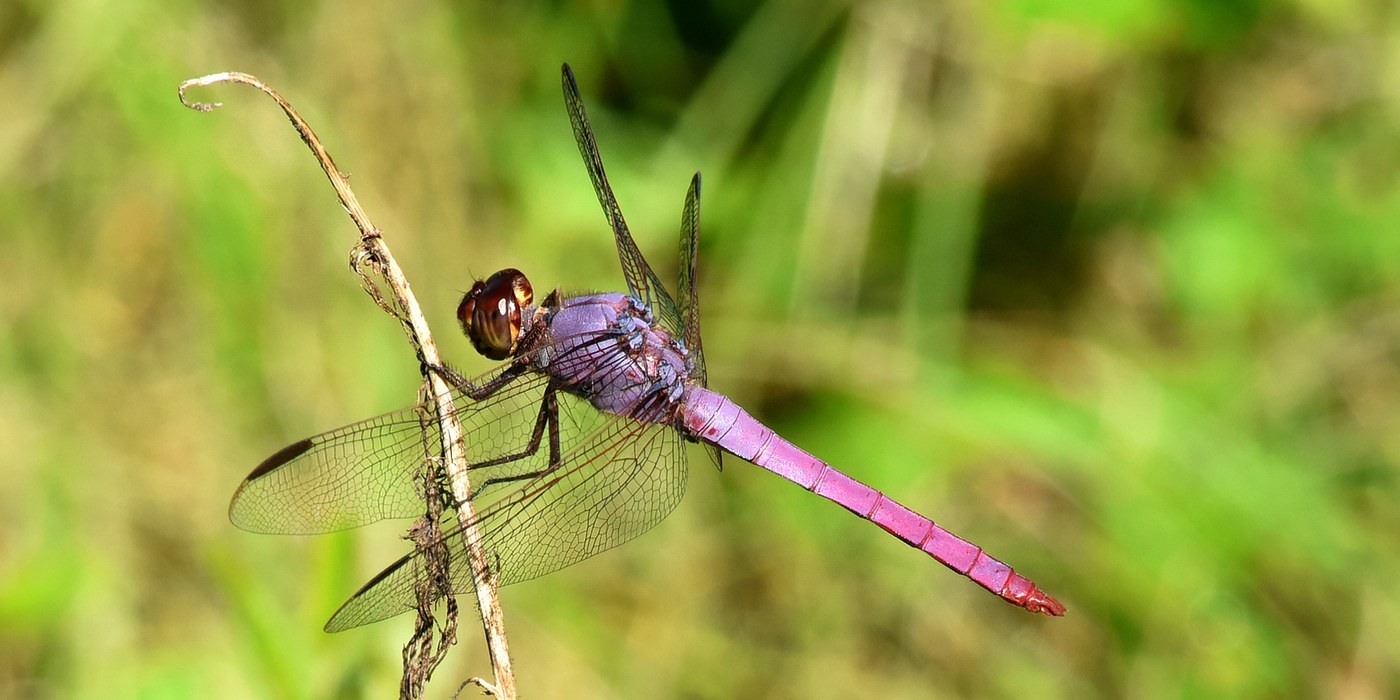
Roseate Skimmer
Ponds, ditches, and canals across the southern United States
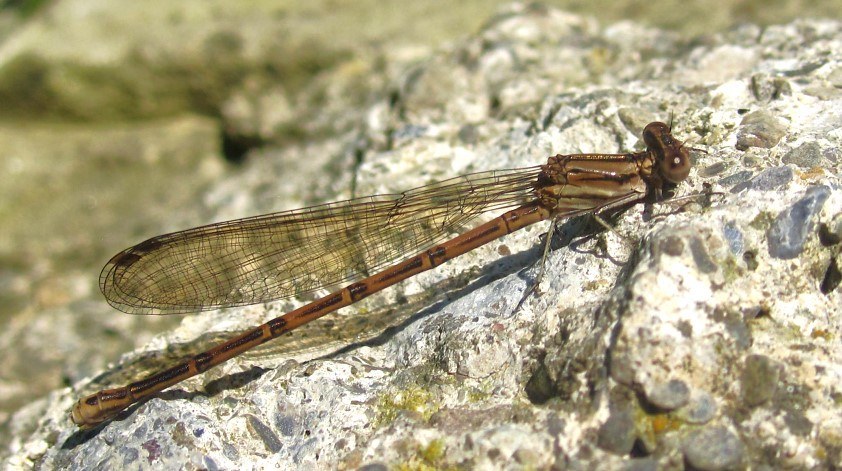
Variable Dancer
streams, rivers, and pond margins, especially in wooded or partly shaded settings
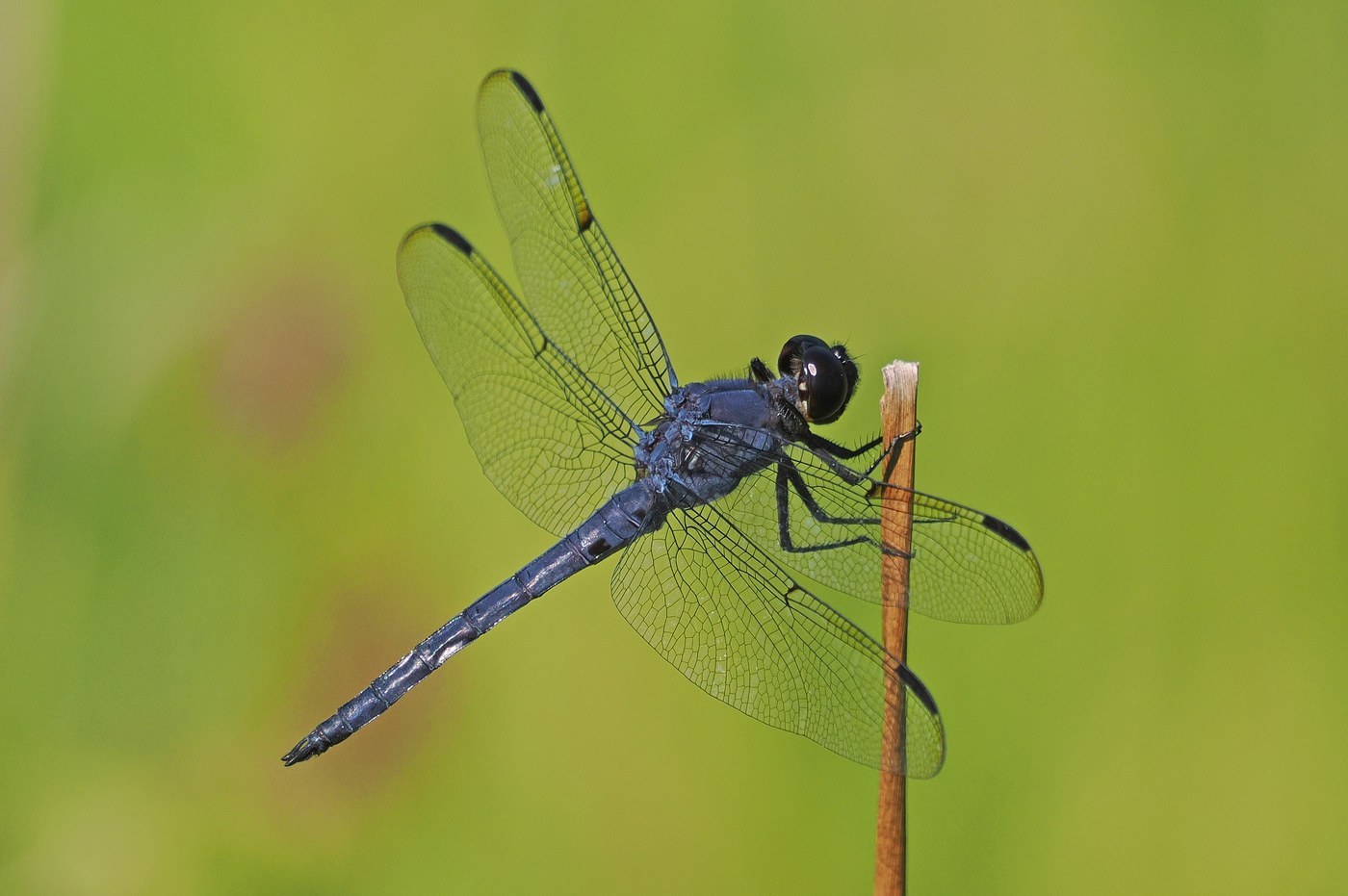
Slaty Skimmer
Still or slow-moving ponds, lakes, and marshes with open shoreline
Wandering Glider
Temporary pools, open fields, and coastlines nearly worldwide
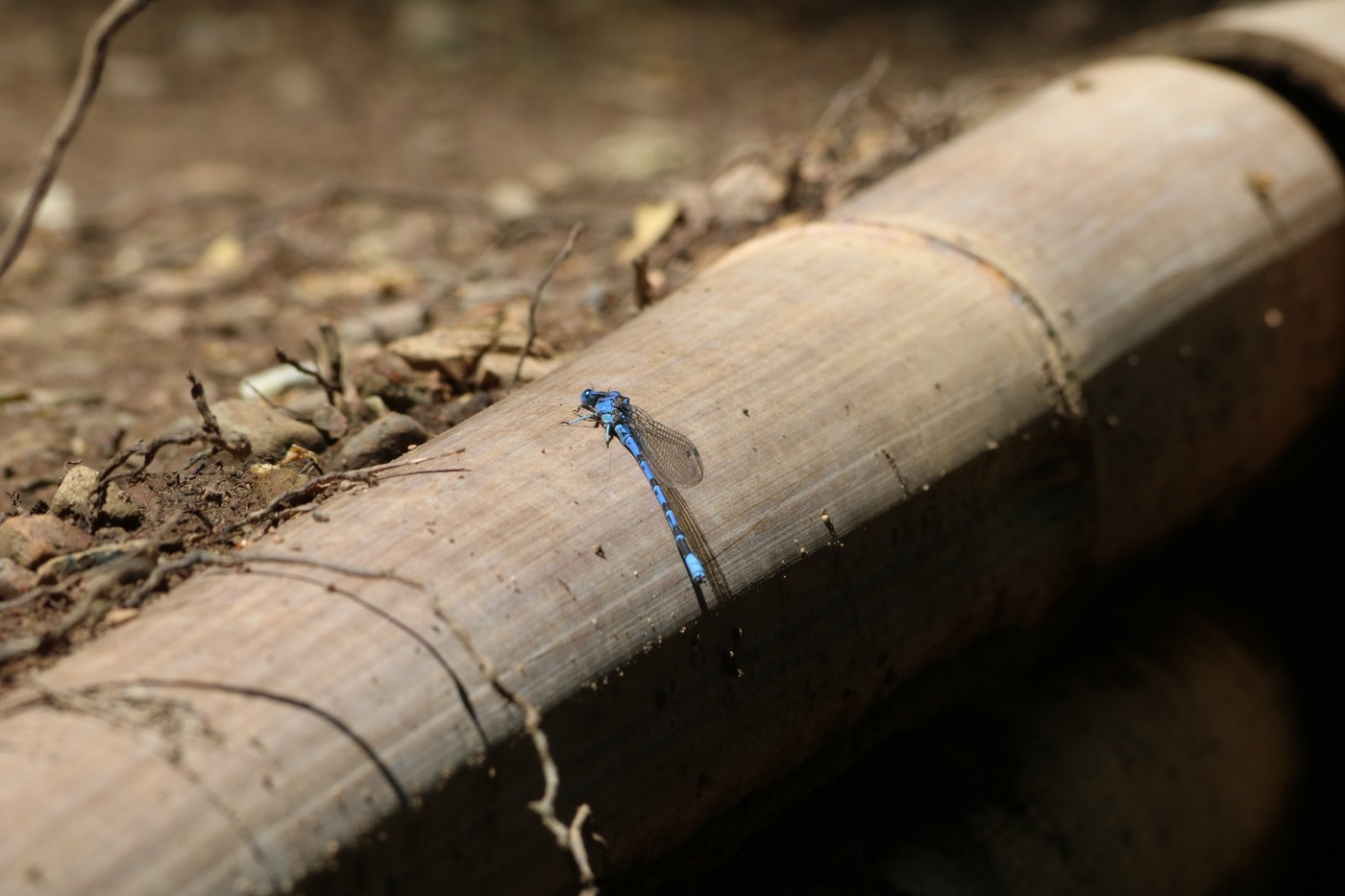
Vivid Dancer
rocky streams, seeps, and spring-fed creeks, often near thermal or warm springs
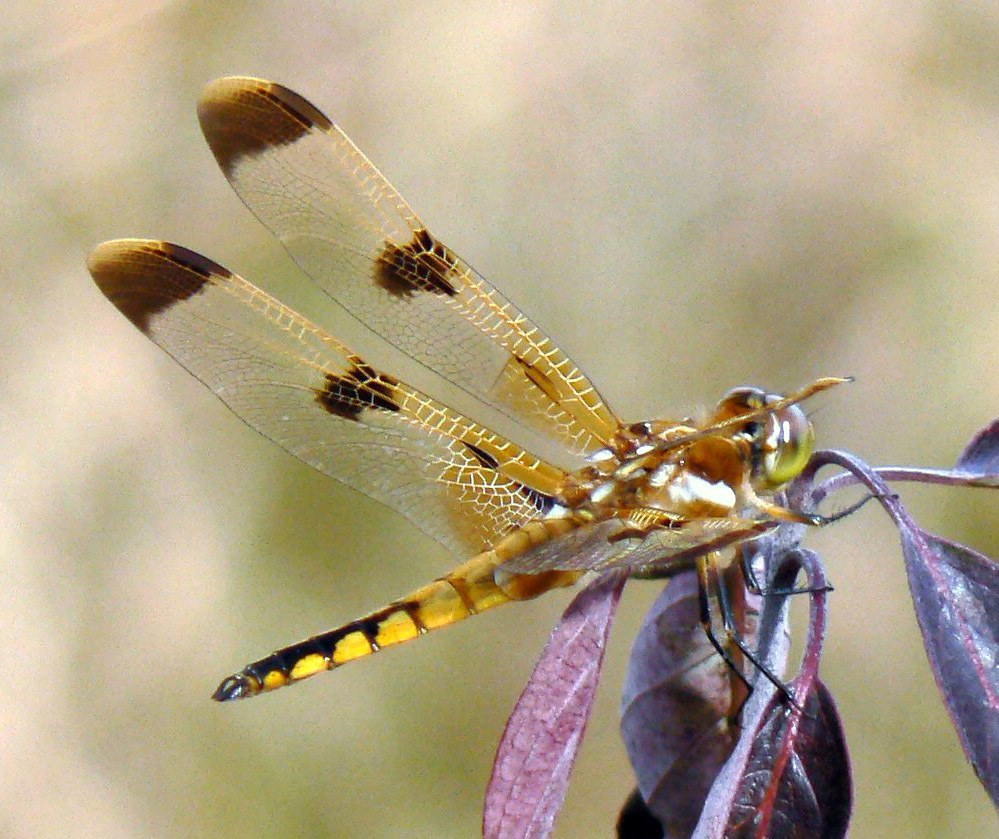
Painted Skimmer
Ponds, marshes, and slow-moving vegetated waters, including temporary pools
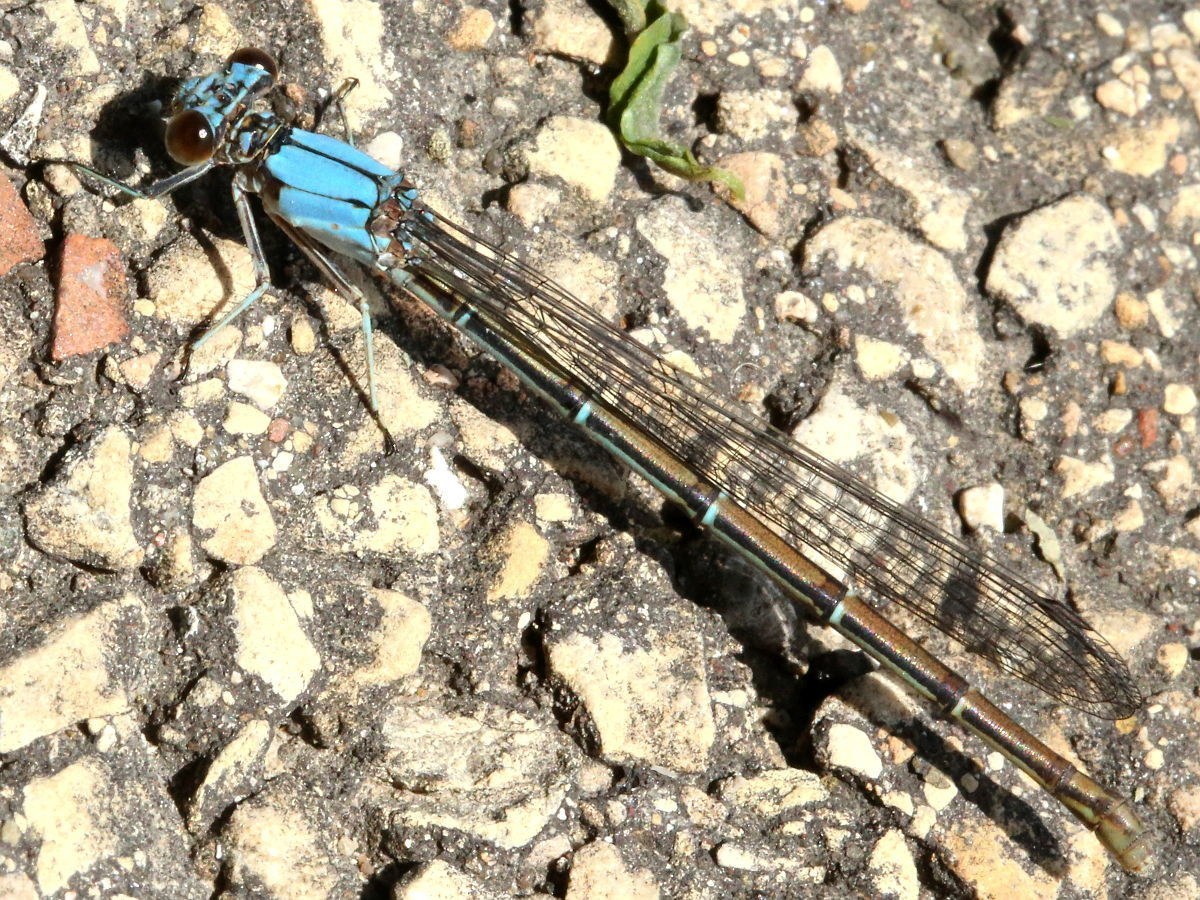
Powdered Dancer
rocky and gravelly rivers, streams, and lake shorelines