
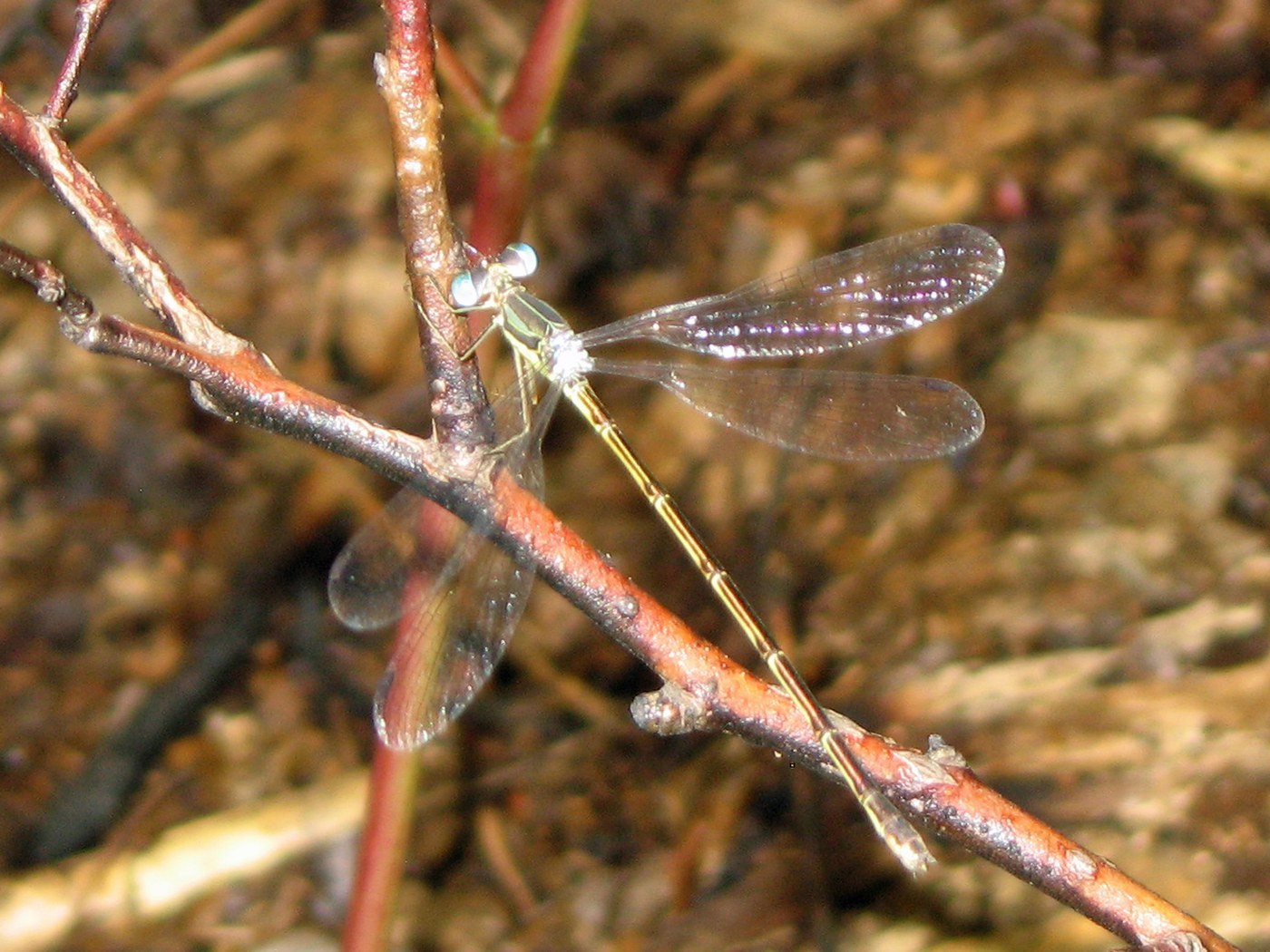
Common Spreadwing
Lestes disjunctus
True to its family name, the Common Spreadwing perches with its wings held out at an angle rather than folded together, setting it apart from most other damselflies.
- Size
- 1.3-1.6 in (33-41 mm) long
- Habitat
- ponds, marshes, and slow wetlands, especially temporary or seasonal waters
- Danger
- Harmless
Spotted a bug like this?
Identify any bug or insect from a photo, free.
Overview
The Common Spreadwing belongs to the spreadwing family (Lestidae), a group of damselflies distinguished from most other damselflies by their habit of resting with wings partially spread rather than closed flat over the back. It is widespread across much of northern and central North America, including large portions of Canada and the northern United States.
Common Spreadwings are slender-bodied and often bronze or metallic green above with pale sides, and mature males can develop a bluish pruinose bloom on parts of the body. They are particularly well adapted to temporary and seasonal wetlands, including vernal ponds and marshes that dry up later in the season, since their eggs can withstand drying conditions and hatch once water returns.
As both nymphs and adults, Common Spreadwings are predators of small insects, and their tolerance for ephemeral wetlands allows them to occupy habitats unavailable to many other damselfly species, making them important early colonizers of seasonal ponds each spring.
How to Identify
- Slender damselfly with metallic bronze to green coloring on the top of the thorax and abdomen
- Pale tan, cream, or light green stripes on the sides of the thorax
- Mature males may show a pale blue-gray pruinose bloom on the thorax and near the abdomen tip
- Wings held open at a distinctive angle when perched, rather than closed together as in most other damselflies
- Eyes relatively large and set apart
- Lookalikes: other spreadwings (Lestes spp.) are very similar; details of the terminal abdominal appendages are often needed for certain identification, though habitat (temporary ponds) and general coloring help narrow the choice
Habitat & Range
Common Spreadwings favor still, often shallow or temporary wetlands, including vernal ponds, marshes, bogs, and the quiet edges of lakes, frequently with sedges, grasses, or shrubby vegetation nearby. They range widely across Canada and the northern half of the United States. Adults are typically seen from late spring through summer, often earlier in the season than many other damselflies since they can exploit temporary waters before they dry.
Behavior & Diet
Adults perch on grasses, sedges, and shrubs near water with wings held open at an angle, a resting posture characteristic of the spreadwing family. They make short sallying flights to capture small flying insects. Nymphs live among submerged vegetation and debris in still water, where they ambush tiny aquatic invertebrates. The species' ability to exploit temporary wetlands, where eggs can survive dry periods before hatching, allows it to occupy habitats with fewer predators and competitors, playing a role as both predator and prey in seasonal wetland food webs.
Life Cycle
The Common Spreadwing develops through incomplete metamorphosis with egg, aquatic nymph, and adult stages. Notably, females often lay eggs into plant stems above or at the waterline in late summer or fall, and the eggs may overwinter in a dormant state, sometimes surviving the pond drying out entirely, before hatching the following spring when water returns. Nymphs then develop rapidly in the temporary pond, feeding on small aquatic invertebrates and molting repeatedly before emerging as adults, often completing development quickly to escape before the water dries again. This adaptation to ephemeral habitats is a hallmark of the spreadwing family and allows the Common Spreadwing to occupy seasonal wetlands unavailable to many other odonates.
Frequently asked questions
Why is it called a spreadwing?
Unlike most damselflies, which close their wings together over the back at rest, spreadwings including this species perch with their wings held open at an angle.
Why does the Common Spreadwing favor temporary ponds?
Its eggs can survive dry periods, allowing nymphs to hatch and develop quickly once seasonal ponds refill with water, giving it access to habitats other damselflies cannot use.
How can I identify a Common Spreadwing?
Look for a slender, bronze-to-green damselfly perched with wings spread at an angle rather than closed, often near temporary or seasonal wetlands.
What do Common Spreadwings eat?
Adults capture small flying insects near the water, while nymphs prey on tiny aquatic invertebrates.
Common Spreadwing guides
In-depth guides for identifying, understanding, and living alongside Common Spreadwing.
Other bugs you may enjoy
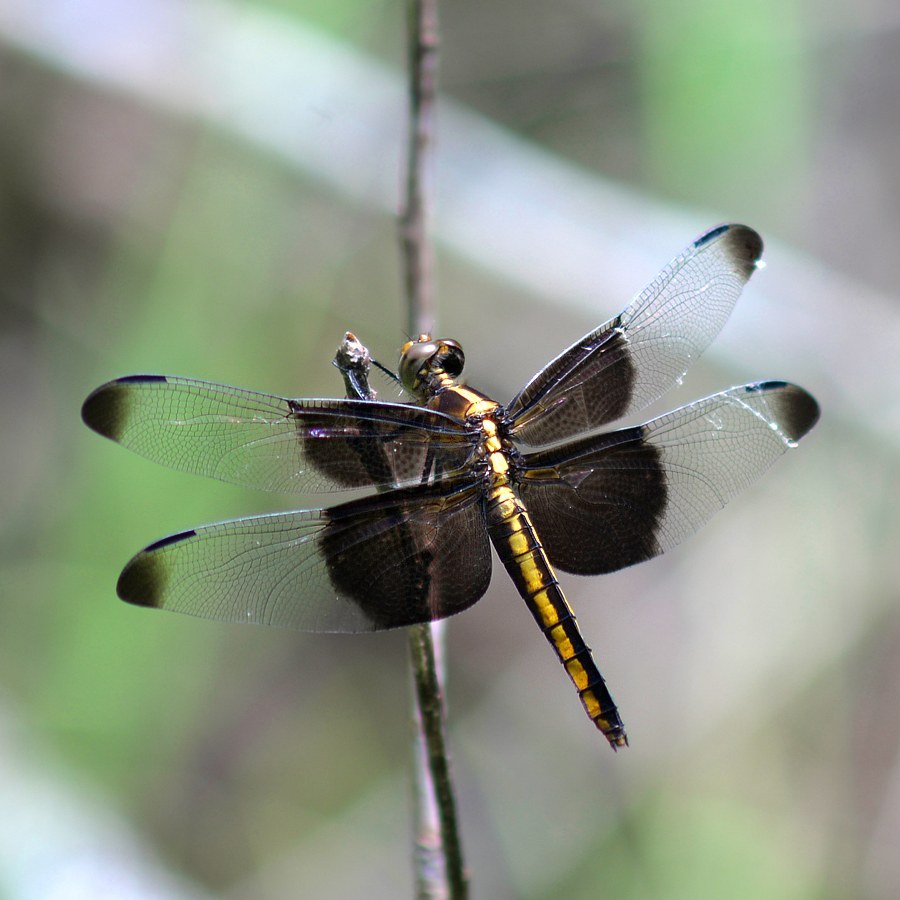
Widow Skimmer
ponds, lakes, and slow-moving streams with open shoreline vegetation across much of the United States
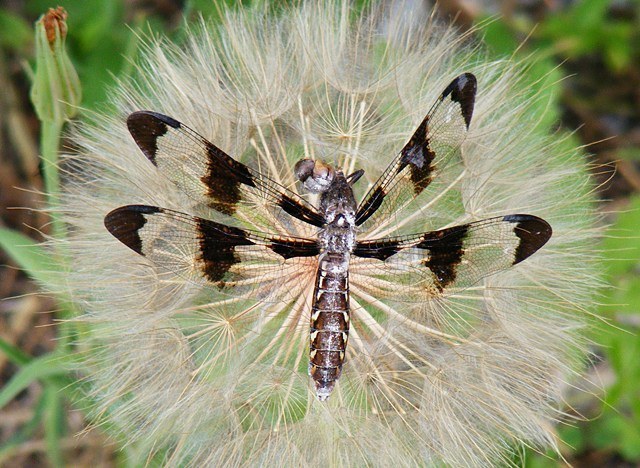
Twelve-spotted Skimmer
Ponds, lakes, and slow streams with open, sunny shorelines
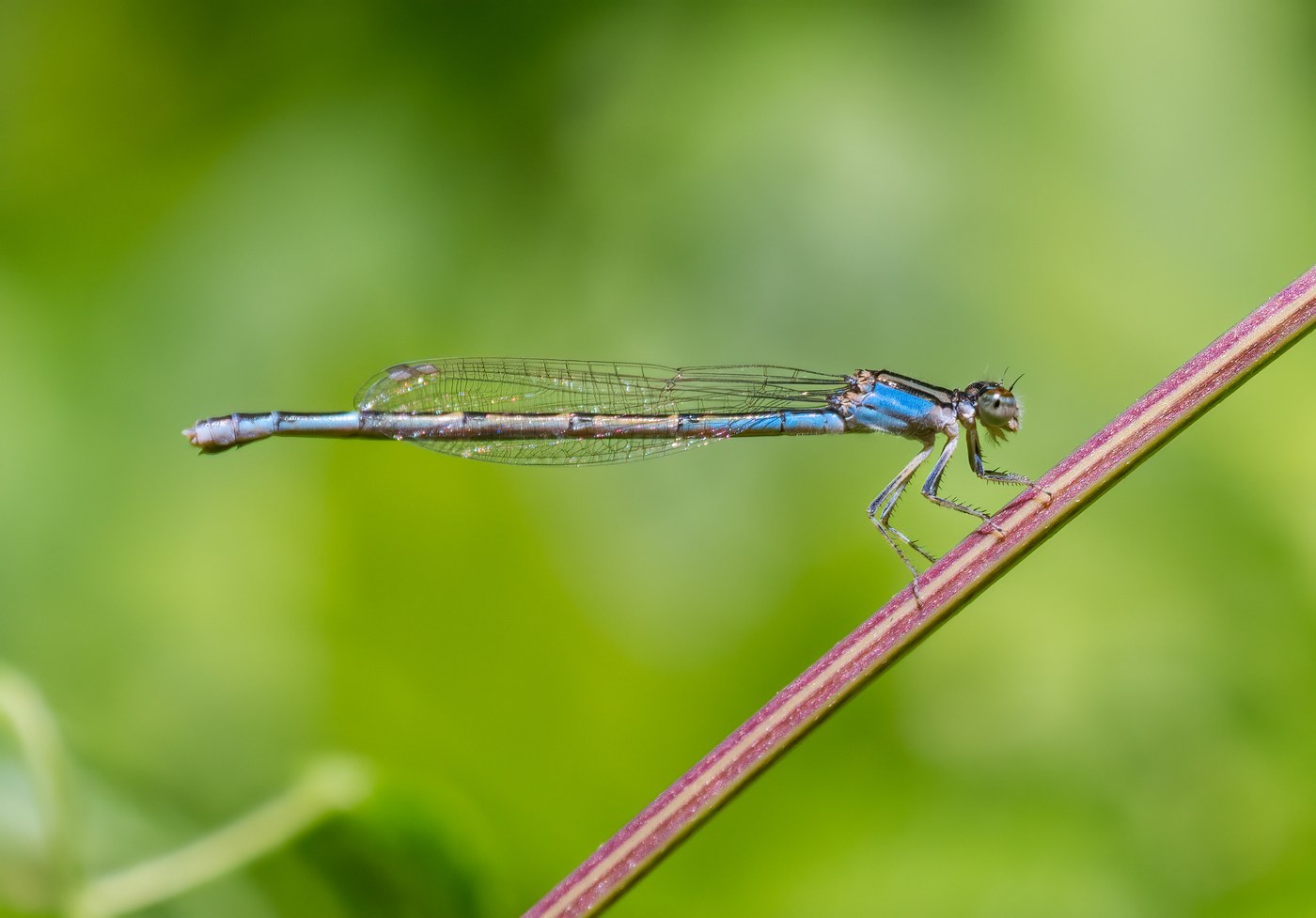
Azure Bluet
ponds, lakes, and slow streams with abundant aquatic vegetation
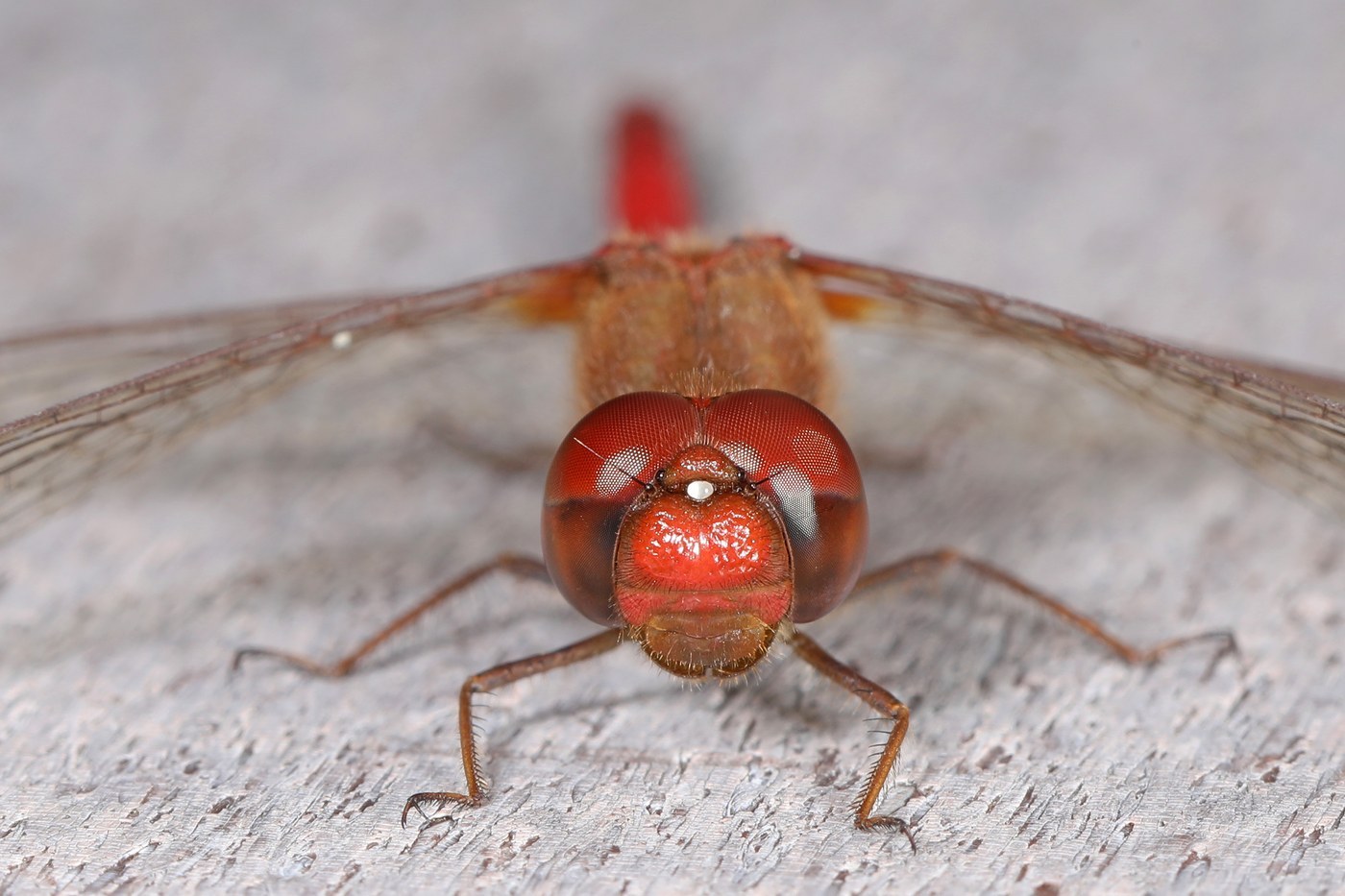
Autumn Meadowhawk
Ponds, marshes, and slow streams, often lingering into late fall
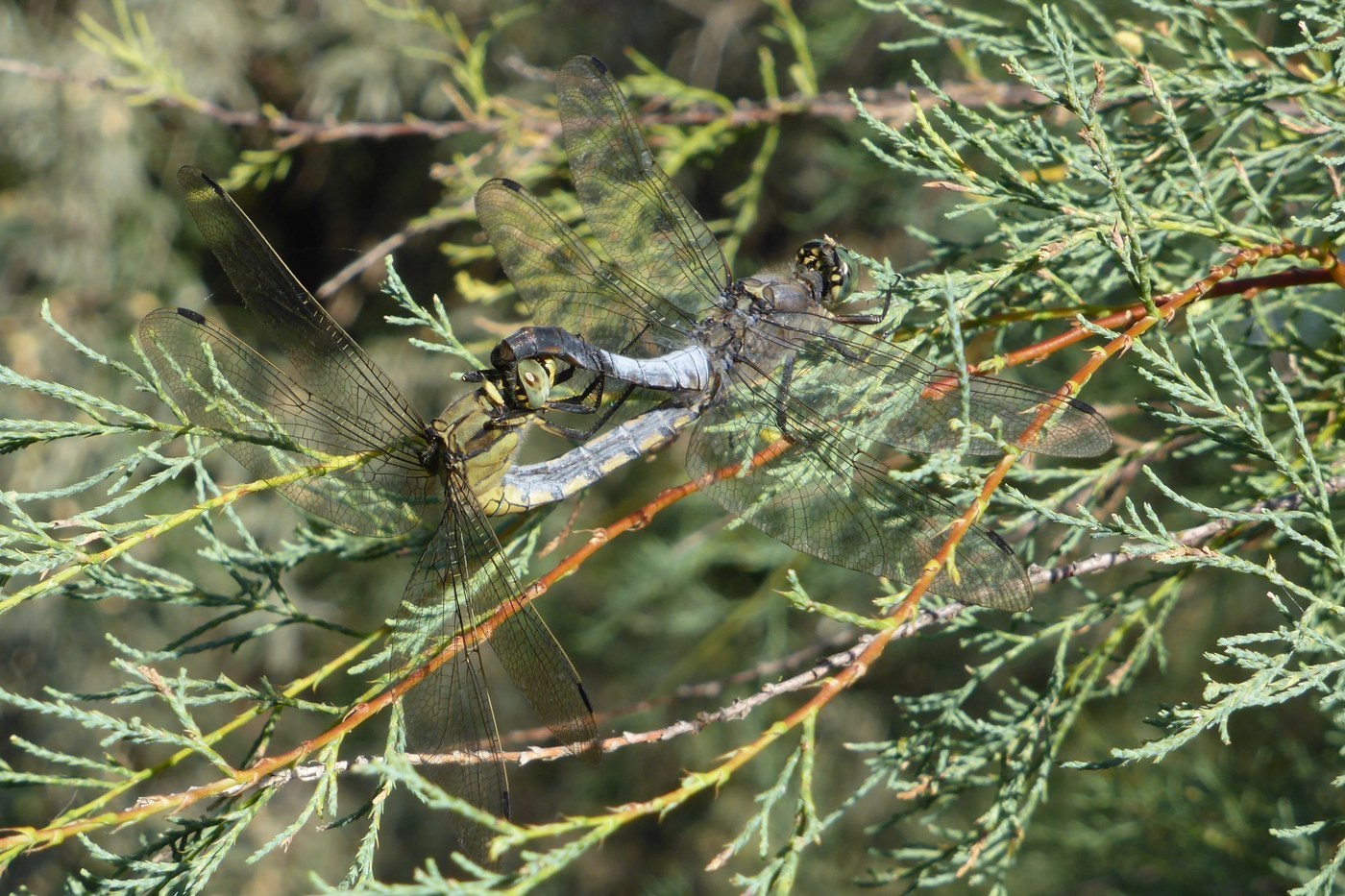
Spangled Skimmer
Ponds, lakes, and marshes with open sunny shorelines
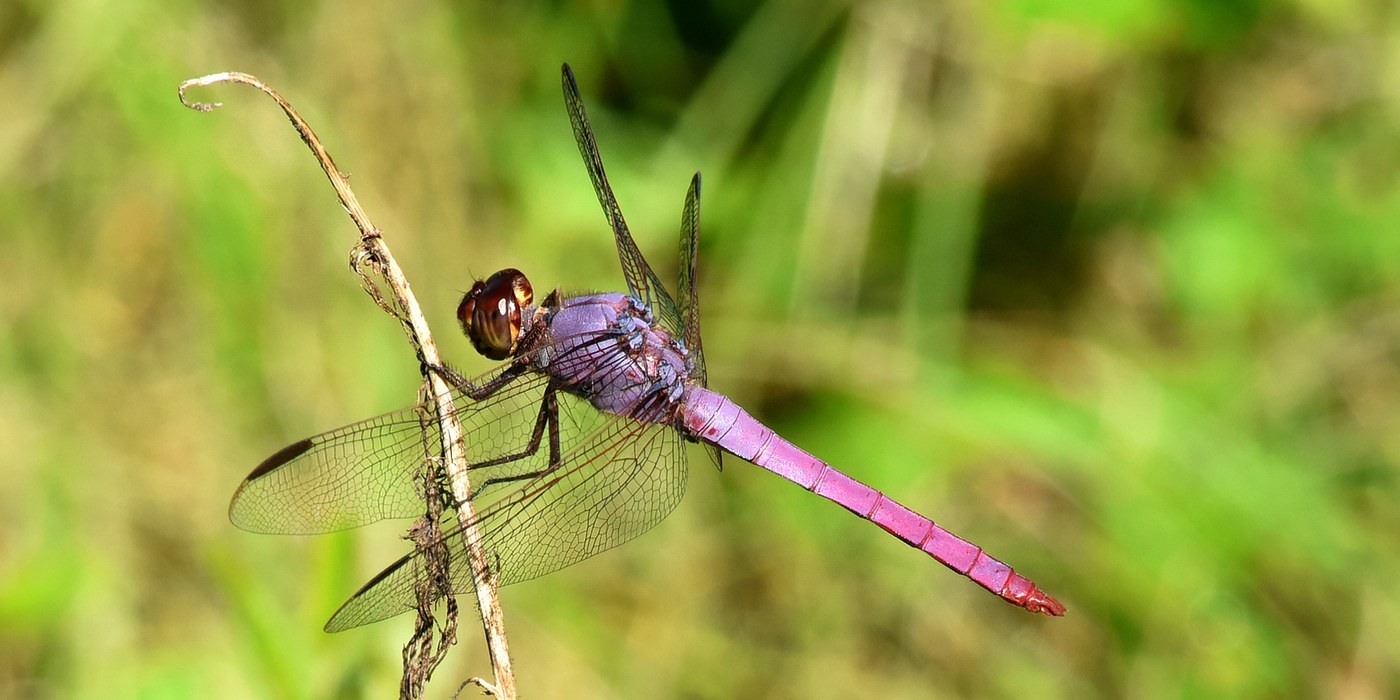
Roseate Skimmer
Ponds, ditches, and canals across the southern United States
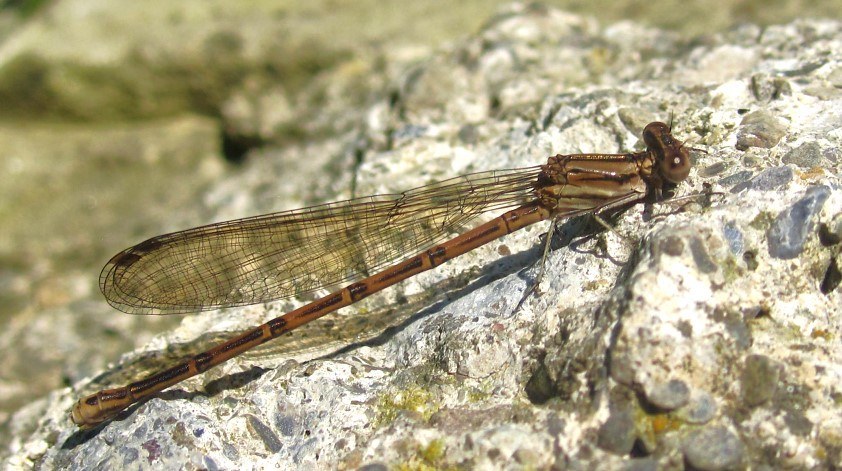
Variable Dancer
streams, rivers, and pond margins, especially in wooded or partly shaded settings
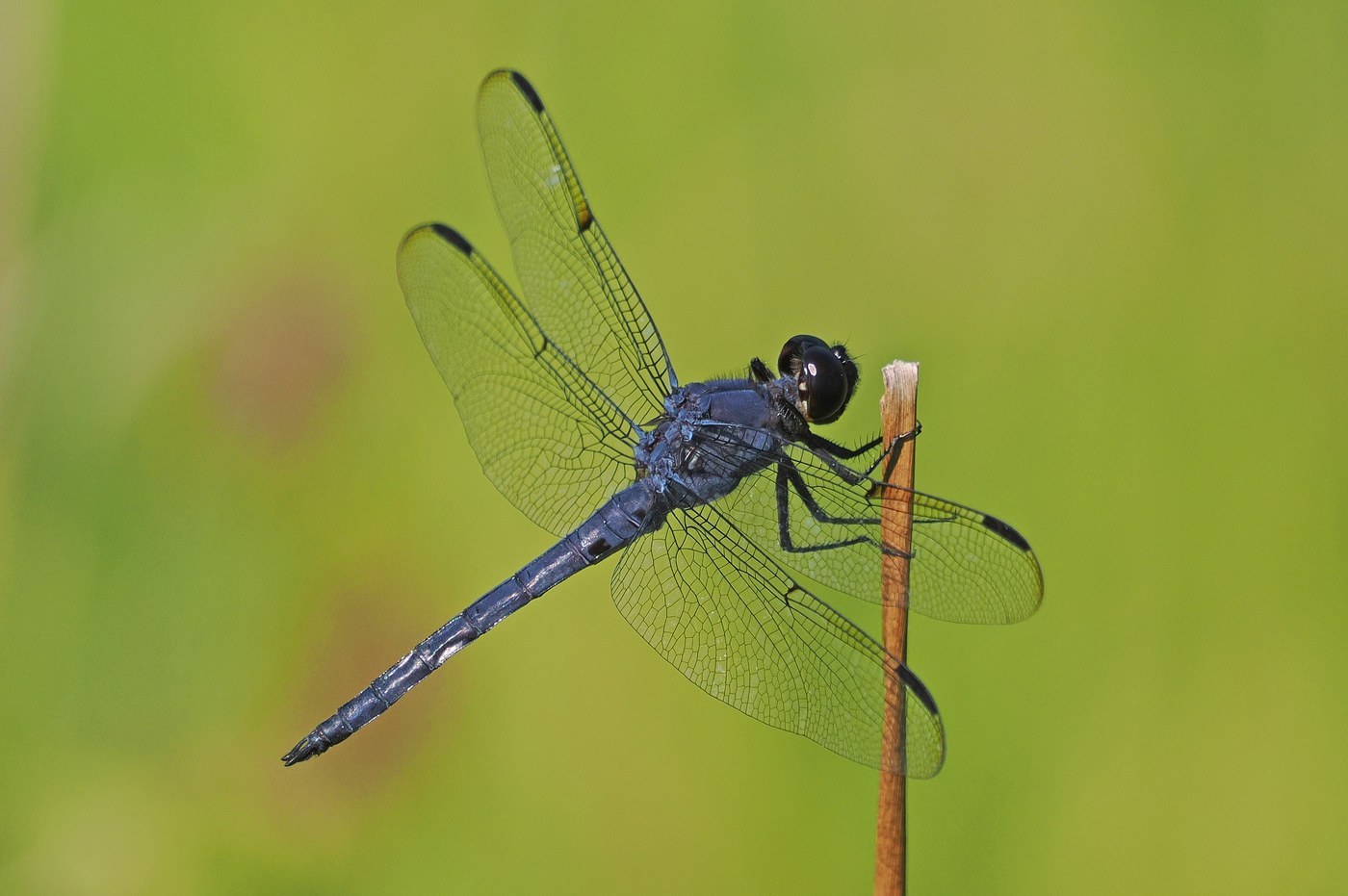
Slaty Skimmer
Still or slow-moving ponds, lakes, and marshes with open shoreline
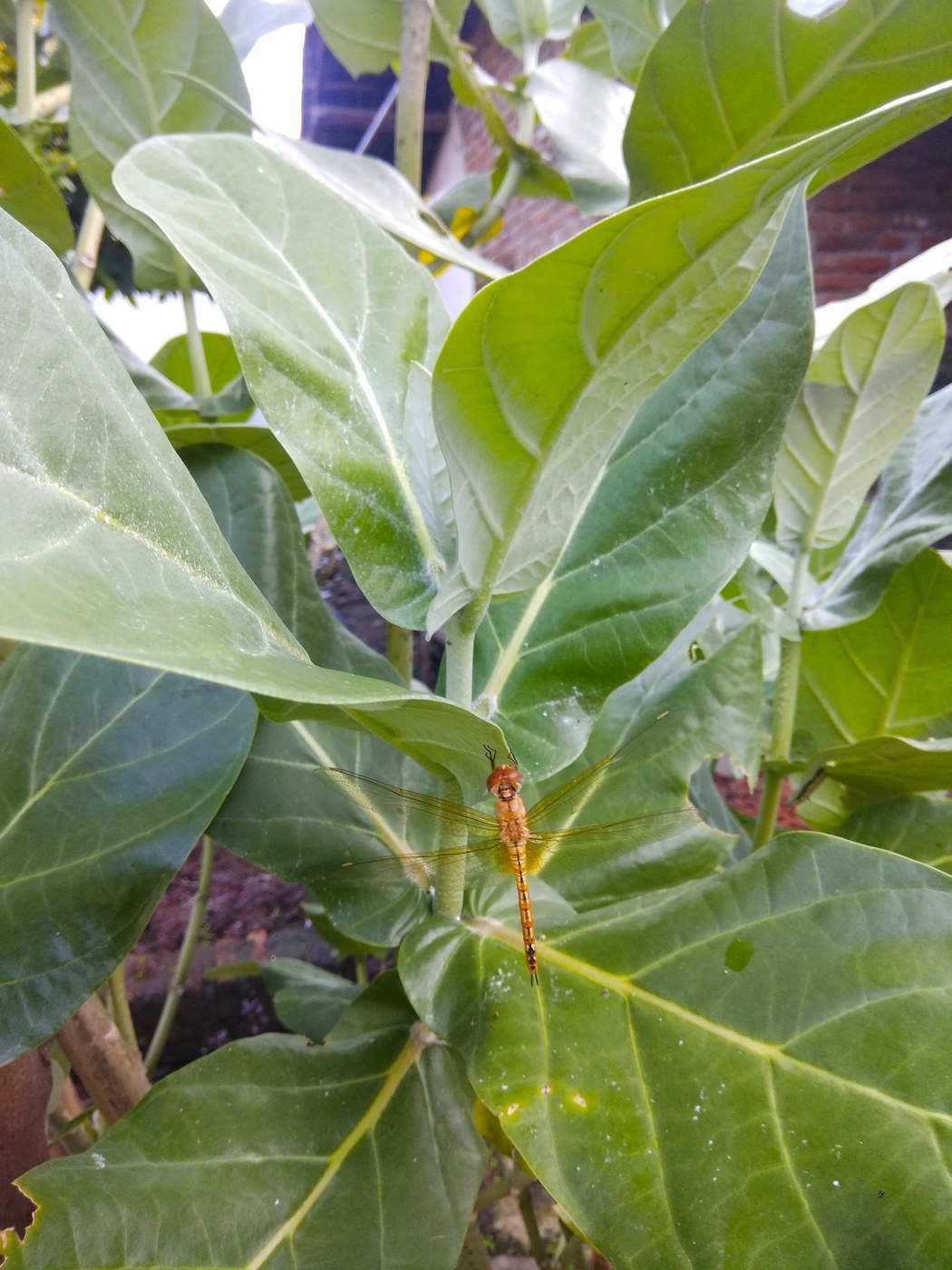
Wandering Glider
Temporary pools, open fields, and coastlines nearly worldwide
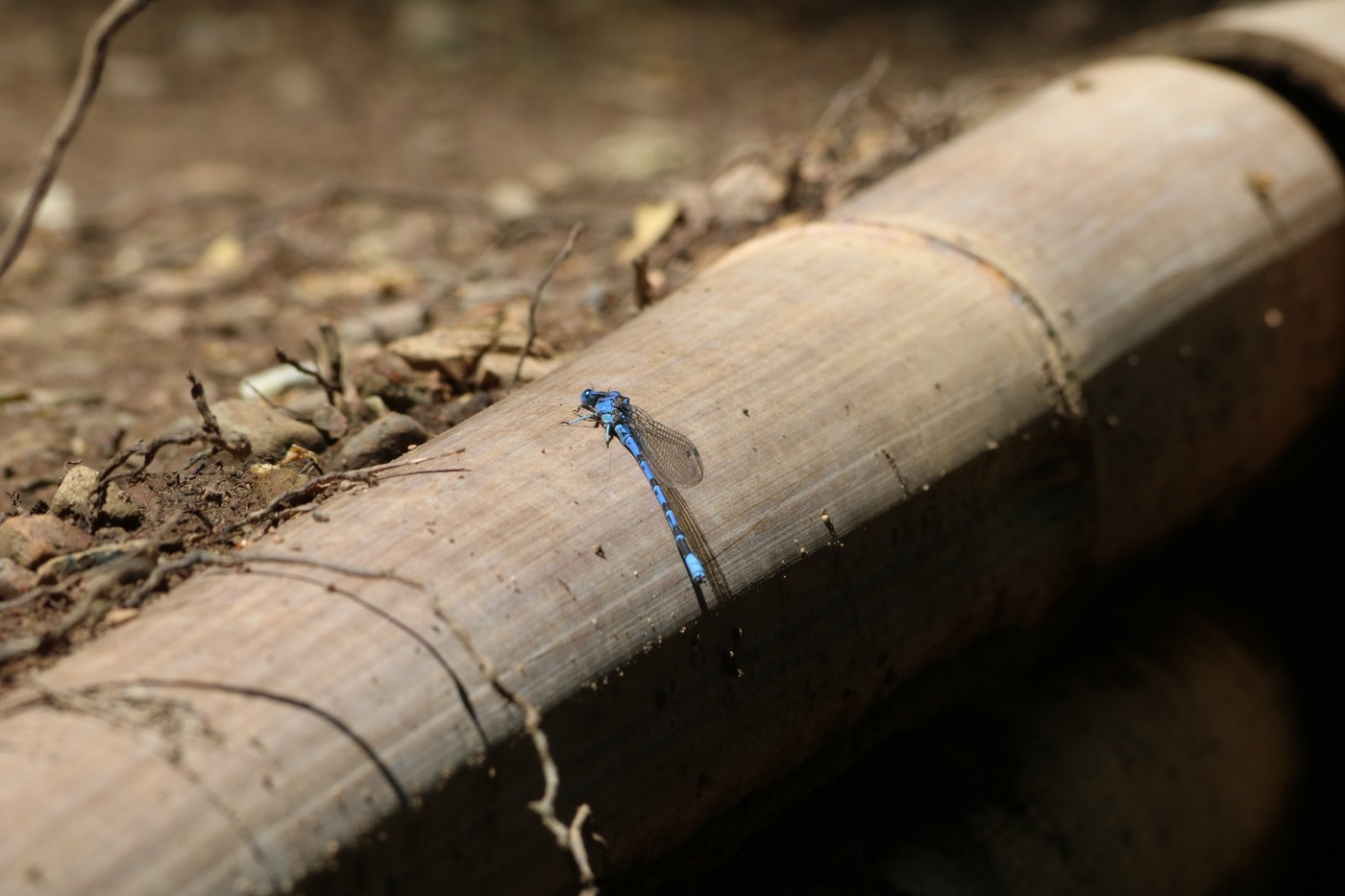
Vivid Dancer
rocky streams, seeps, and spring-fed creeks, often near thermal or warm springs
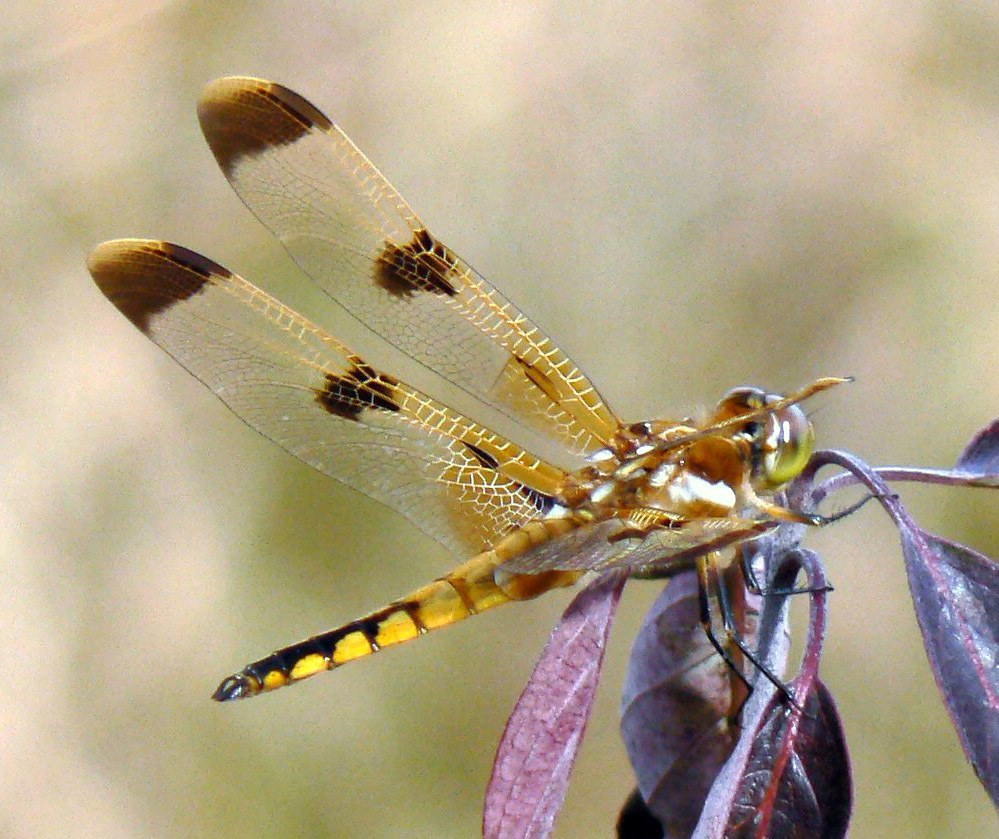
Painted Skimmer
Ponds, marshes, and slow-moving vegetated waters, including temporary pools
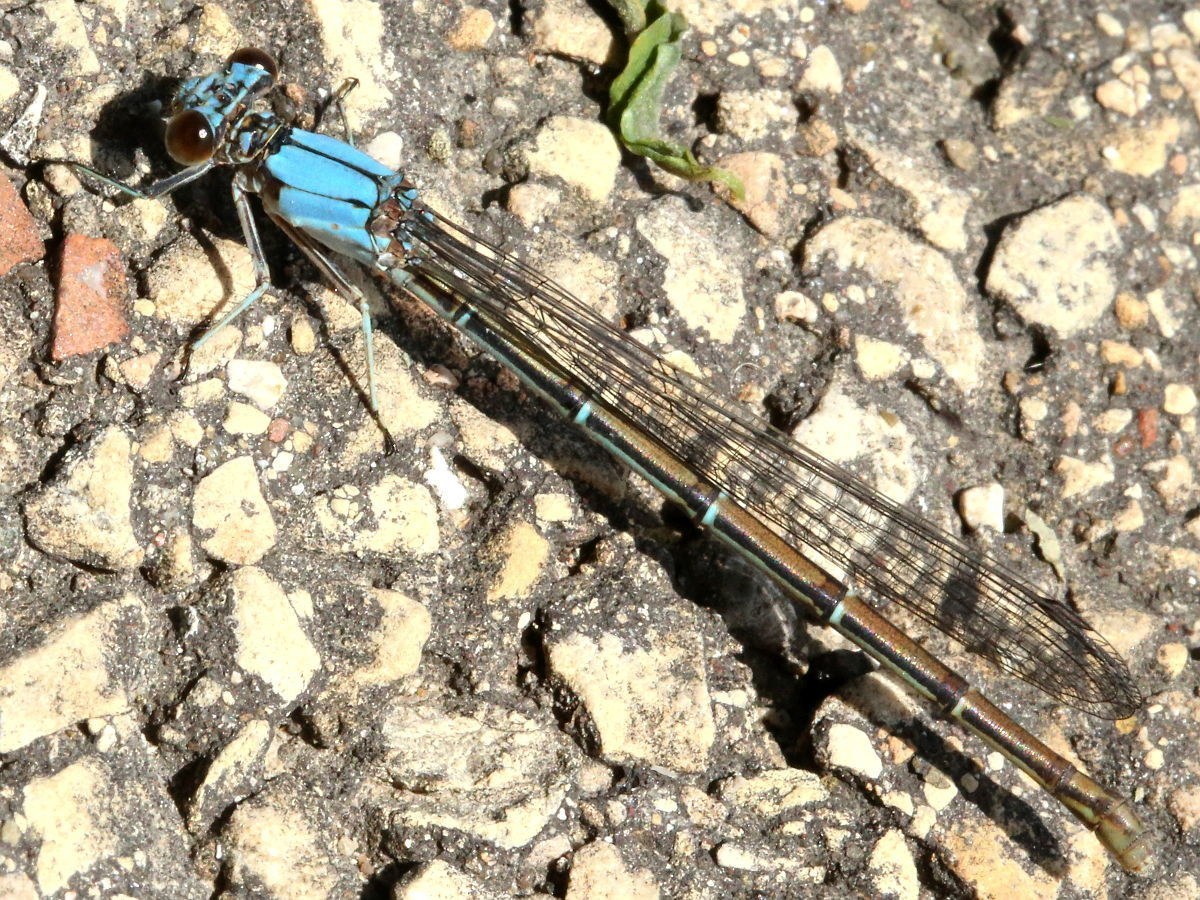
Powdered Dancer
rocky and gravelly rivers, streams, and lake shorelines