
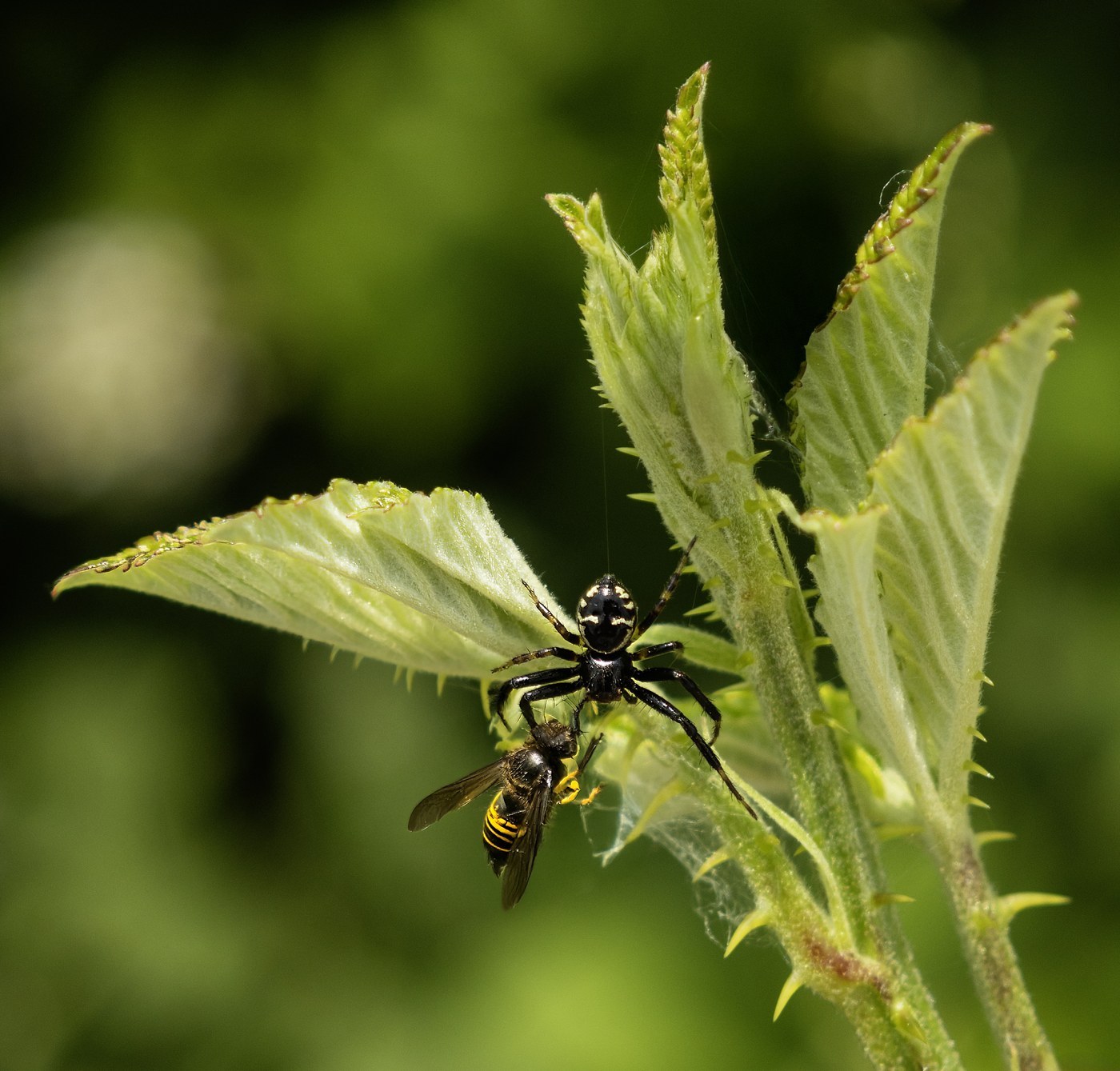
Common Wasp
Vespula vulgaris
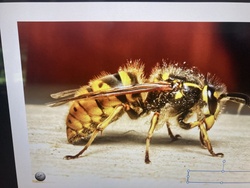
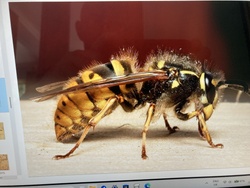
A black-and-yellow social wasp with a distinct anchor-shaped mark on its face, common around gardens and picnics in late summer as its colony reaches peak size and workers seek out sugary food.
- Size
- 12–17 mm
- Habitat
- Gardens, parks, woodlands, and urban areas
- Danger
- Stings
Spotted a bug like this?
Identify any bug or insect from a photo, free.
Overview
The common wasp is a social wasp in the family Vespidae, genus Vespula, native to Europe and parts of Asia and North Africa, and now also established in regions such as Australia and New Zealand where it was introduced. It is one of the most frequently encountered social wasps across much of its range, especially in gardens and populated areas in late summer.
Colonies are founded each spring by a single overwintered queen, who builds a small paper nest and rears the first batch of worker wasps. Through summer, the colony can grow to include several thousand workers, all sterile females that forage, defend, and expand the nest, before producing new queens and males in late summer.
Common wasps are important predators of other insects, particularly caterpillars and flies, which they capture to feed their larvae, making them a natural part of pest regulation in gardens and farmland even though they are themselves often regarded as a nuisance around outdoor food.
How to Identify
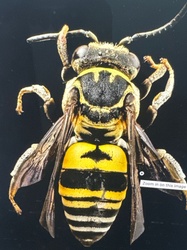
- Black body with bold yellow bands across the abdomen and yellow markings on the thorax.
- Distinctive black anchor- or dagger-shaped mark on the yellow face (clypeus), a key feature separating it from similar yellowjackets.
- Slender waist typical of vespid wasps, with a smooth, non-hairy body distinguishing it from bees.
- Clear wings folded lengthwise along the body at rest.
- Lookalikes: the German yellowjacket is very similar in size and color but usually has three black dots on the face instead of an anchor mark, along with slightly different abdominal spotting.
Habitat & Range
The common wasp is native across Europe, temperate Asia, and North Africa, and has become established in parts of the Southern Hemisphere including Australia, New Zealand, and South America. It nests in a wide variety of sites, including underground cavities, wall voids, tree hollows, and sheltered structures, and is common in gardens, parks, woodlands, and urban environments. Colonies are active from spring through autumn, with worker numbers and food-foraging activity peaking in late summer.
Behavior & Diet
Workers forage for insect prey, particularly caterpillars and flies, which they chew up to feed to the colony's larvae, while also collecting nectar and, in late summer, seeking out sugary substances such as ripe fruit. The colony builds a papery nest from chewed wood fiber, with layers of hexagonal cells housed inside a protective outer envelope. Common wasps communicate and cooperate within the colony and will defend the nest if it is disturbed, though away from the nest they are primarily focused on foraging.
Life Cycle
A mated queen overwinters alone and emerges in spring to found a new colony, laying the first eggs that develop into worker wasps through complete metamorphosis (egg, larva, pupa, adult). Workers then take over foraging and nest-building duties while the queen continues laying eggs, and the colony grows through summer. In late summer, the colony produces new queens and males, which mate before the old colony declines; only newly mated queens survive the winter to start the cycle again the following spring.
Frequently asked questions
How do I tell a common wasp from a German yellowjacket?
Look at the face: the common wasp usually shows a black anchor- or dagger-shaped mark, while the German yellowjacket typically has three separate black dots.
Do common wasps make honey like bees?
No, they do not store honey; they feed primarily on insect prey and nectar to sustain the colony through the season.
Why are common wasps more noticeable in late summer?
Colonies reach peak worker numbers in late summer, and foraging shifts toward sugary foods, making wasps more visible around gardens and outdoor food.
Do common wasp colonies survive the winter?
No, the colony dies off in autumn; only newly mated queens overwinter and start new colonies the following spring.
Common Wasp guides
In-depth guides for identifying, understanding, and living alongside Common Wasp.
Common Wasp identified by the community
Real finds identified with Bug Identifier.
Other bugs you may enjoy
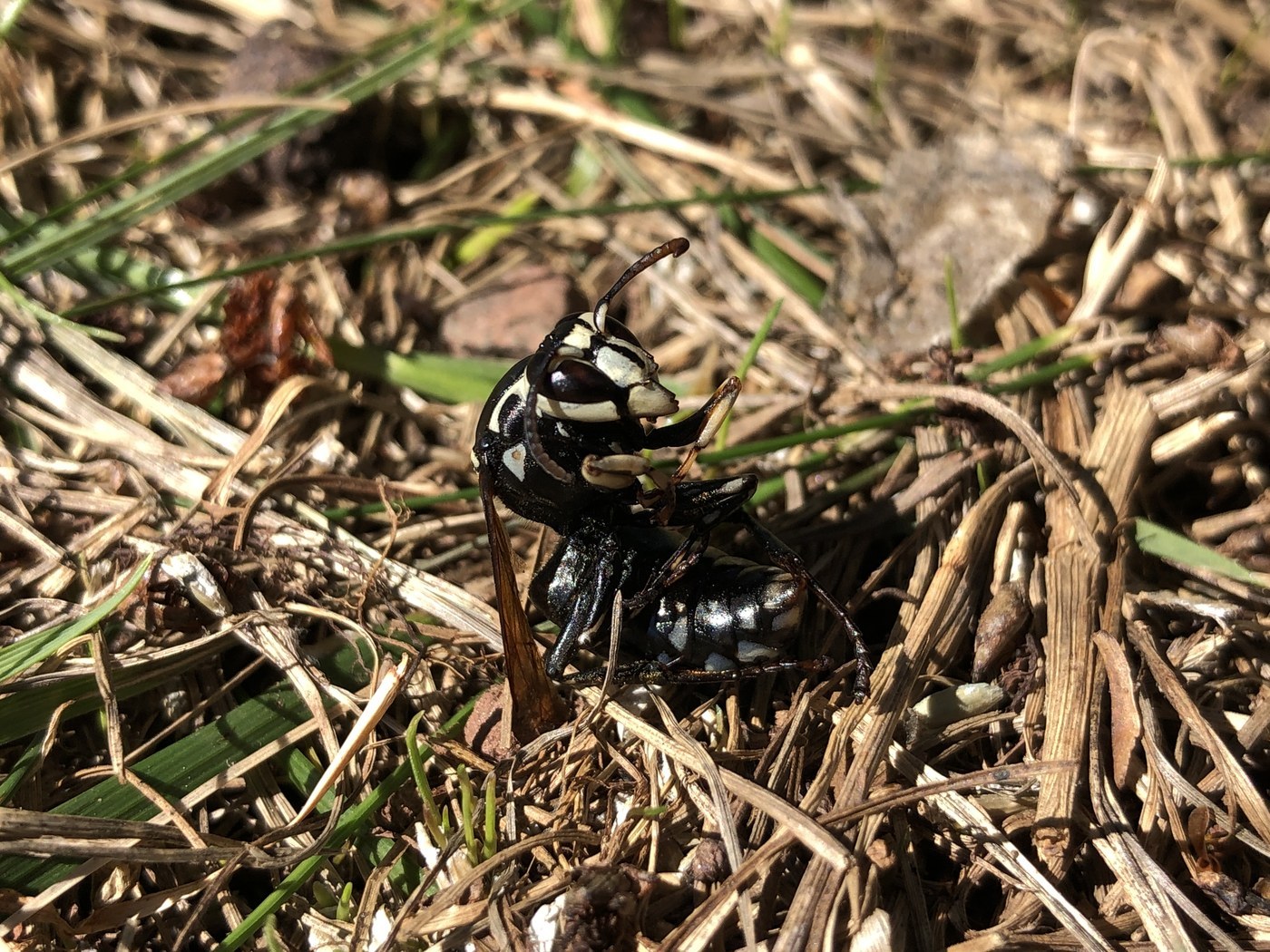
Bald-faced Hornet
Woodland edges, shrubs, and tree branches across North America
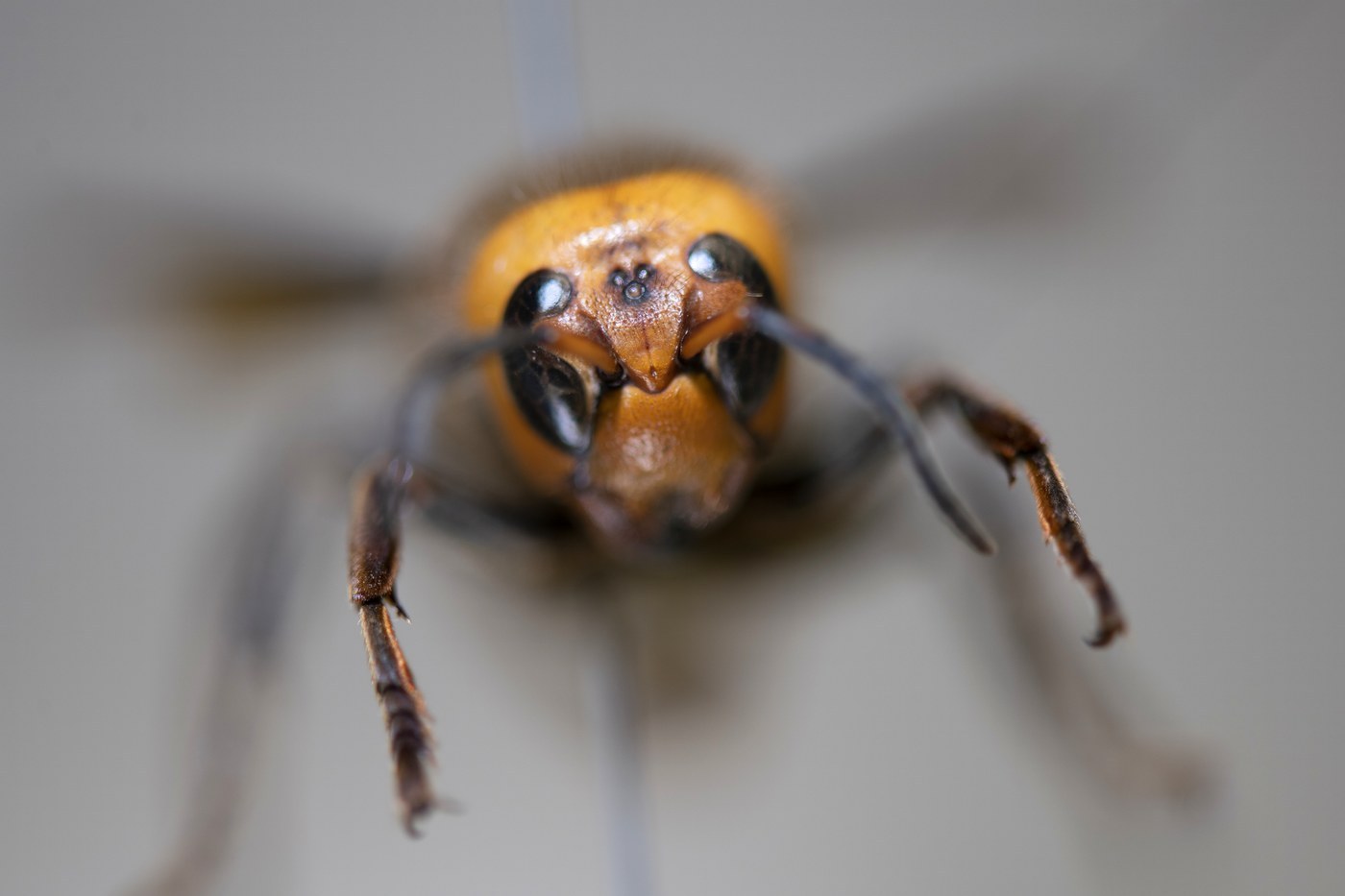
Asian Giant Hornet
Forested lowlands and mountains of East and South Asia; low tree hollows
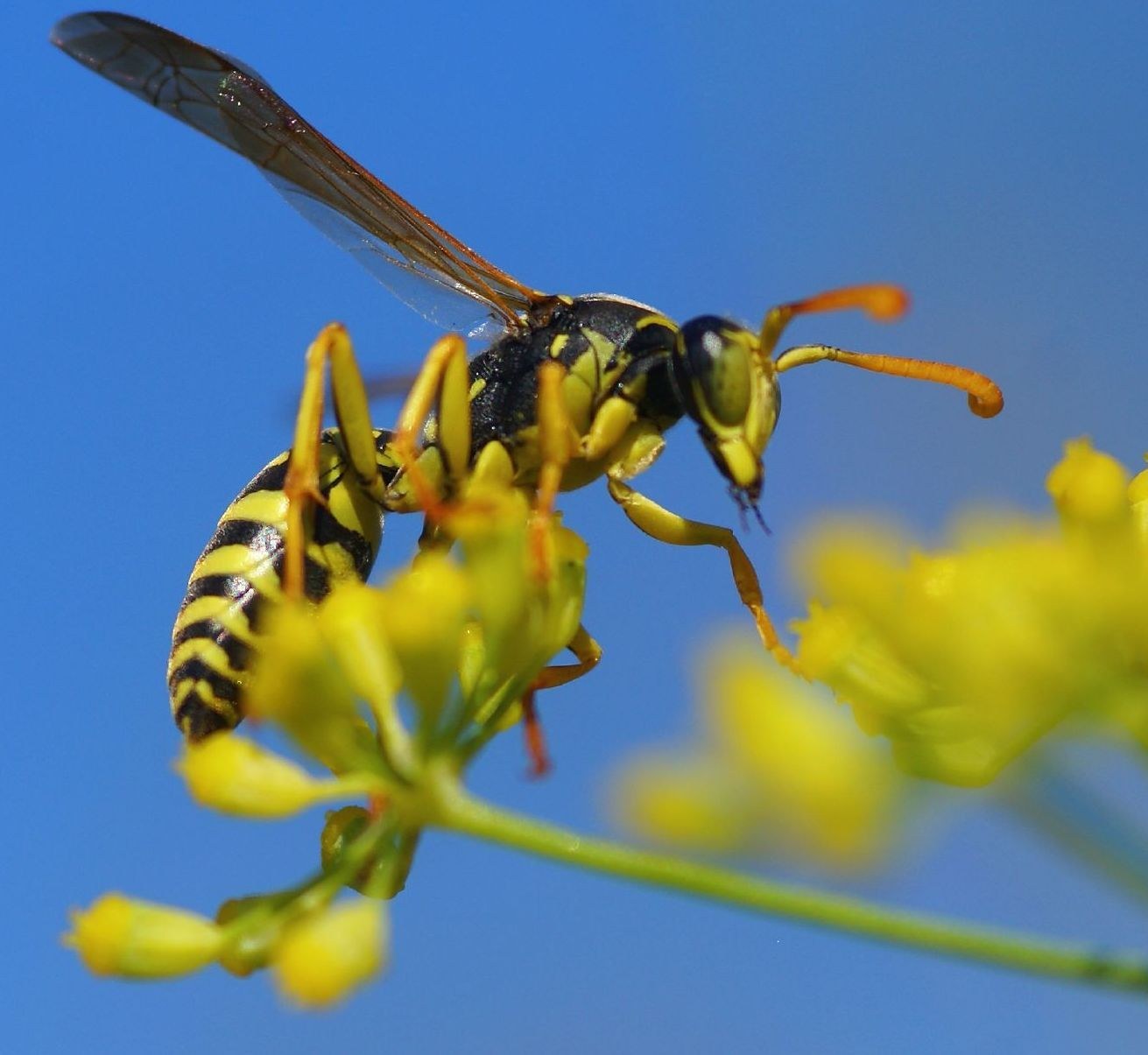
Yellowjacket
Underground nests, wall voids, gardens, picnic areas
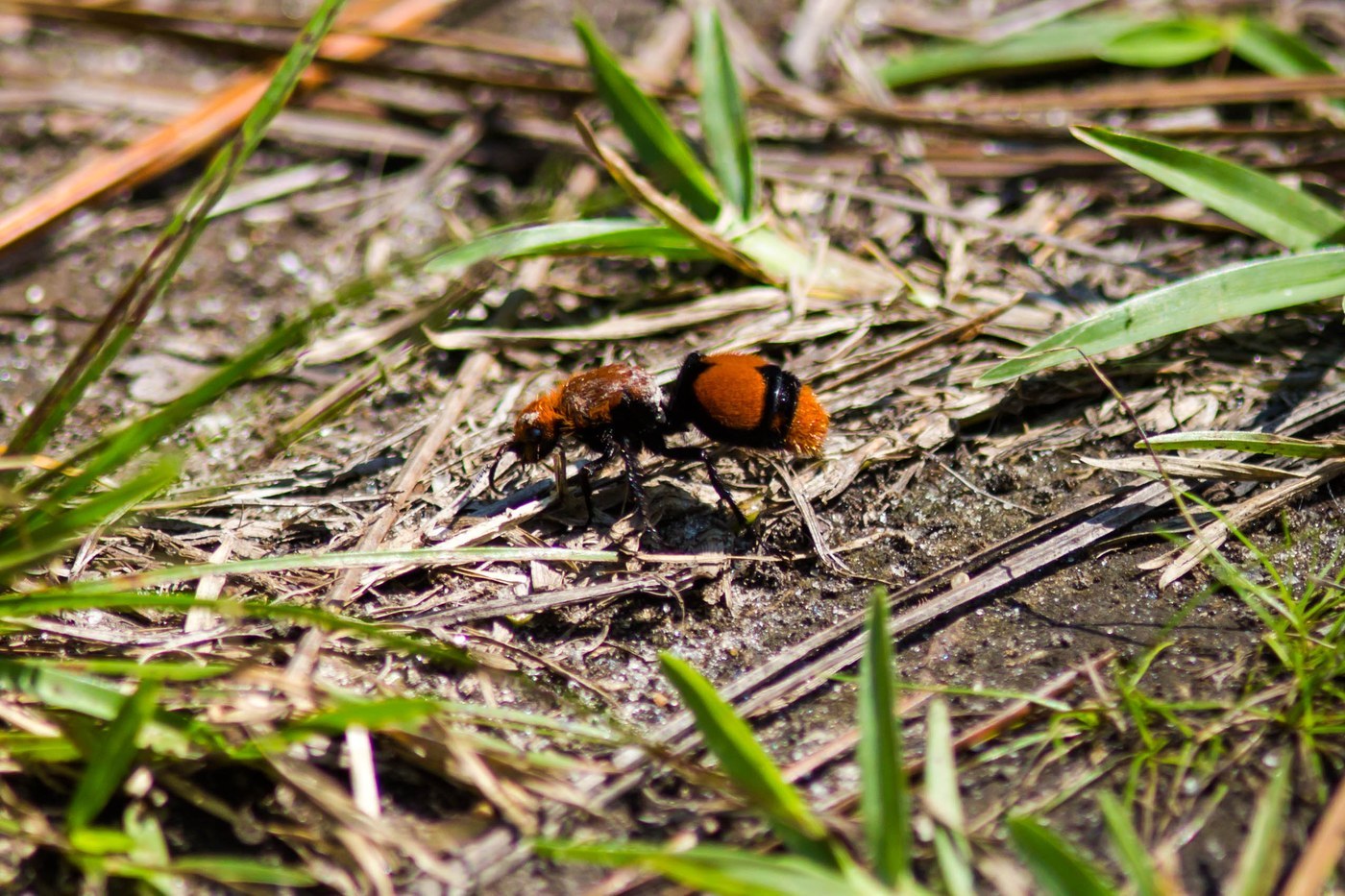
Velvet Ant
Sandy soils, open fields, dunes, roadsides in warm regions
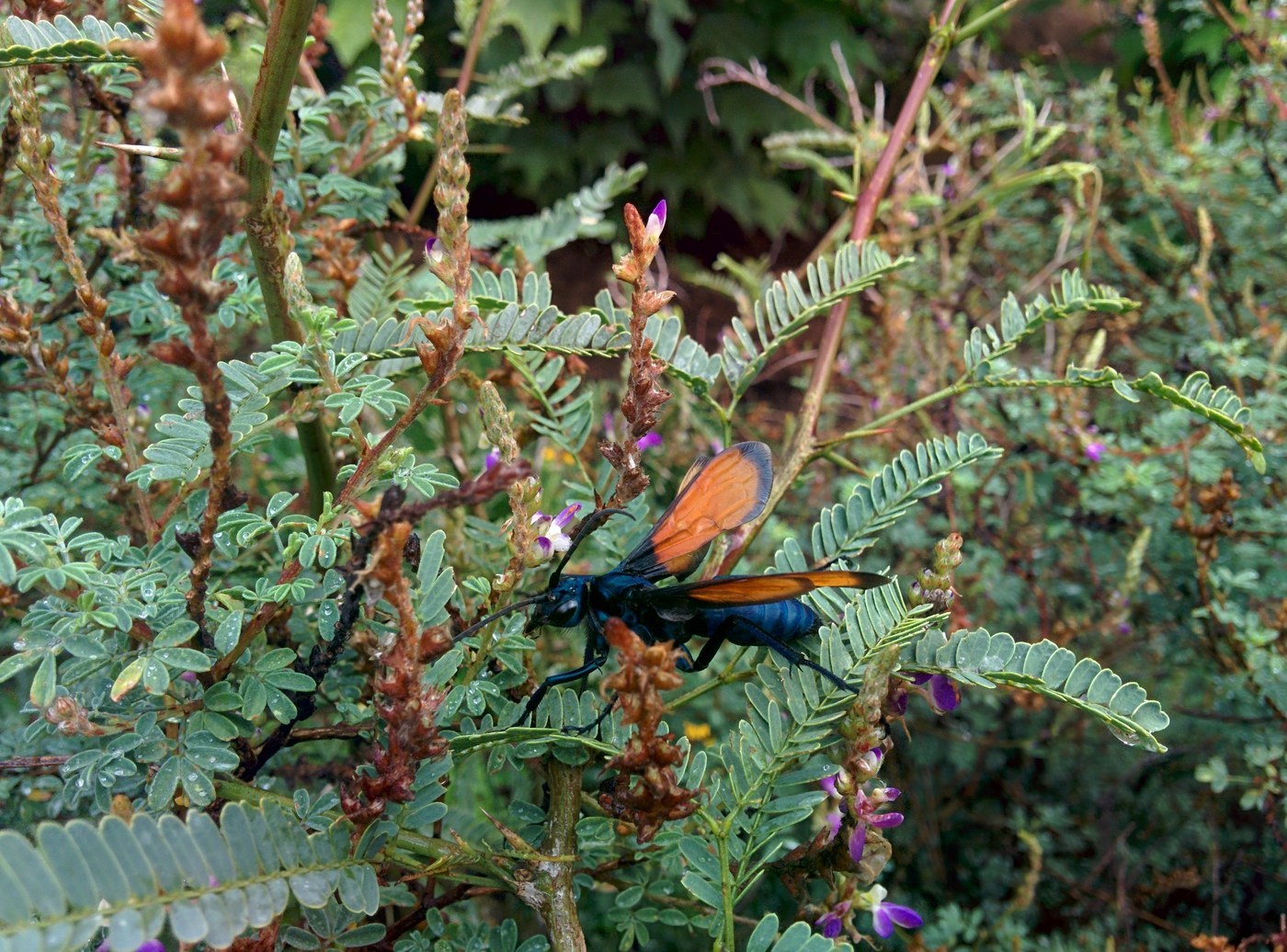
Tarantula Hawk
Deserts, arid scrublands, and dry grasslands
Tarantula Hawk Wasp
Deserts, grasslands, and scrub of the Americas
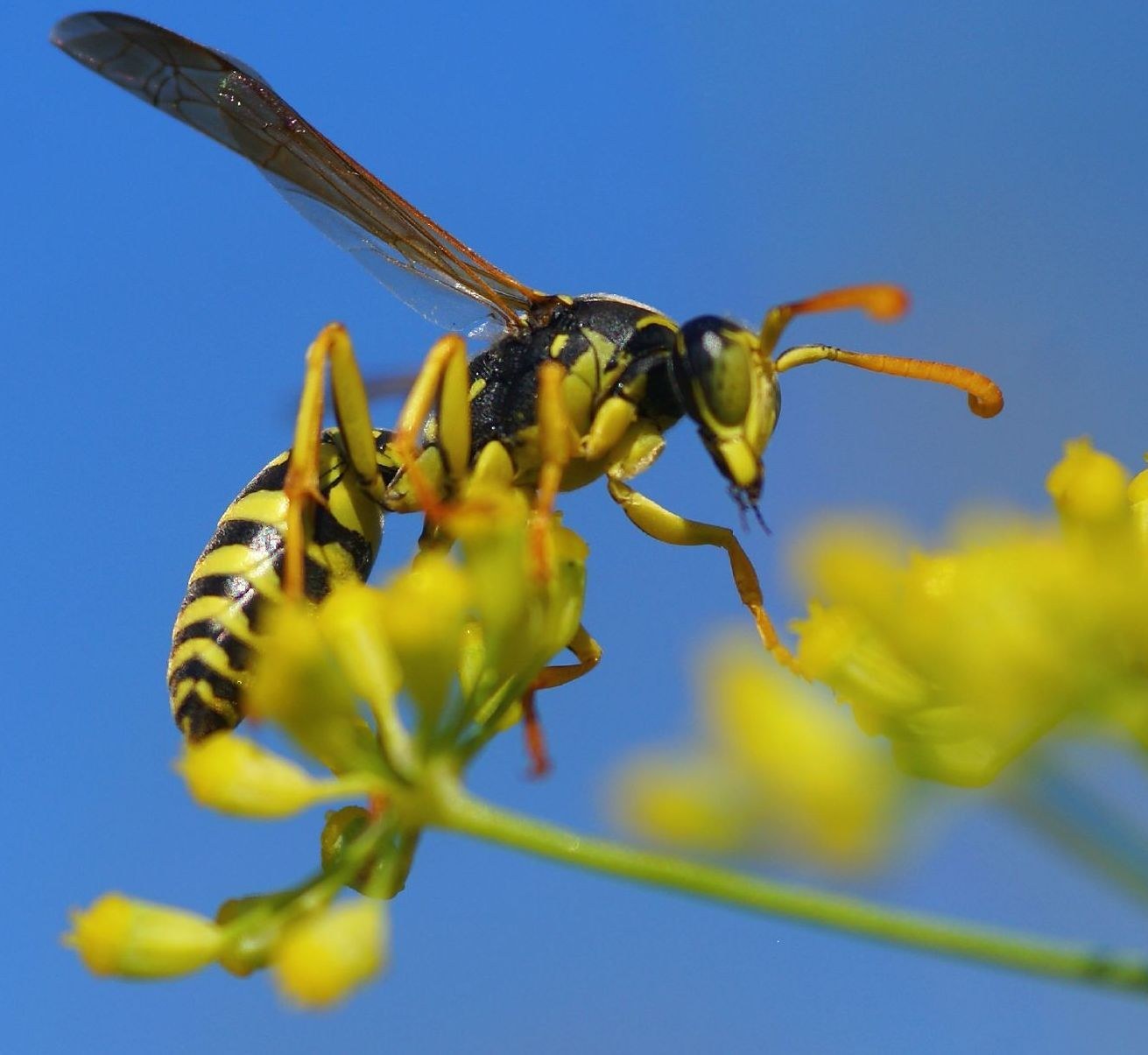
Wasp
Gardens, woodlands, eaves, and urban areas worldwide
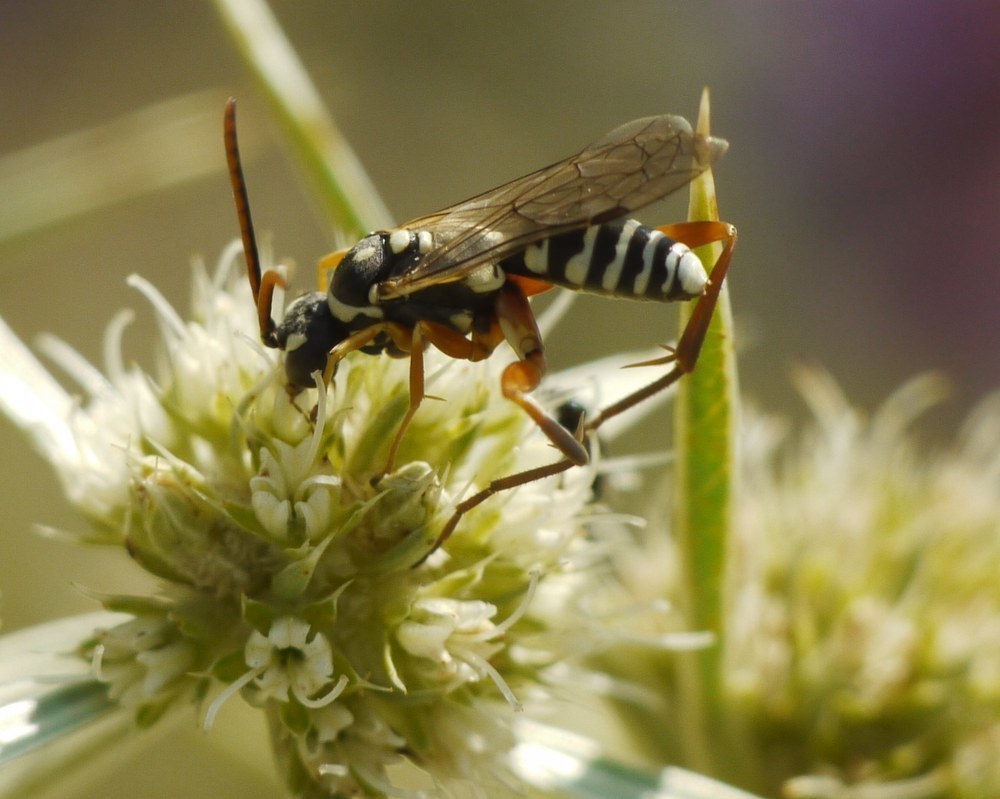
Spider Wasp
Gardens, grasslands, and sandy open areas worldwide
Yellow Jacket
Ground nests, wall voids, parks, and areas near food sources
Sawfly
Gardens, woodlands, and orchards on host foliage
Red Paper Wasp
Eaves, porch ceilings, sheds, open woodland edges, gardens
Trichogramma Wasp
Fields, gardens, and crops worldwide