
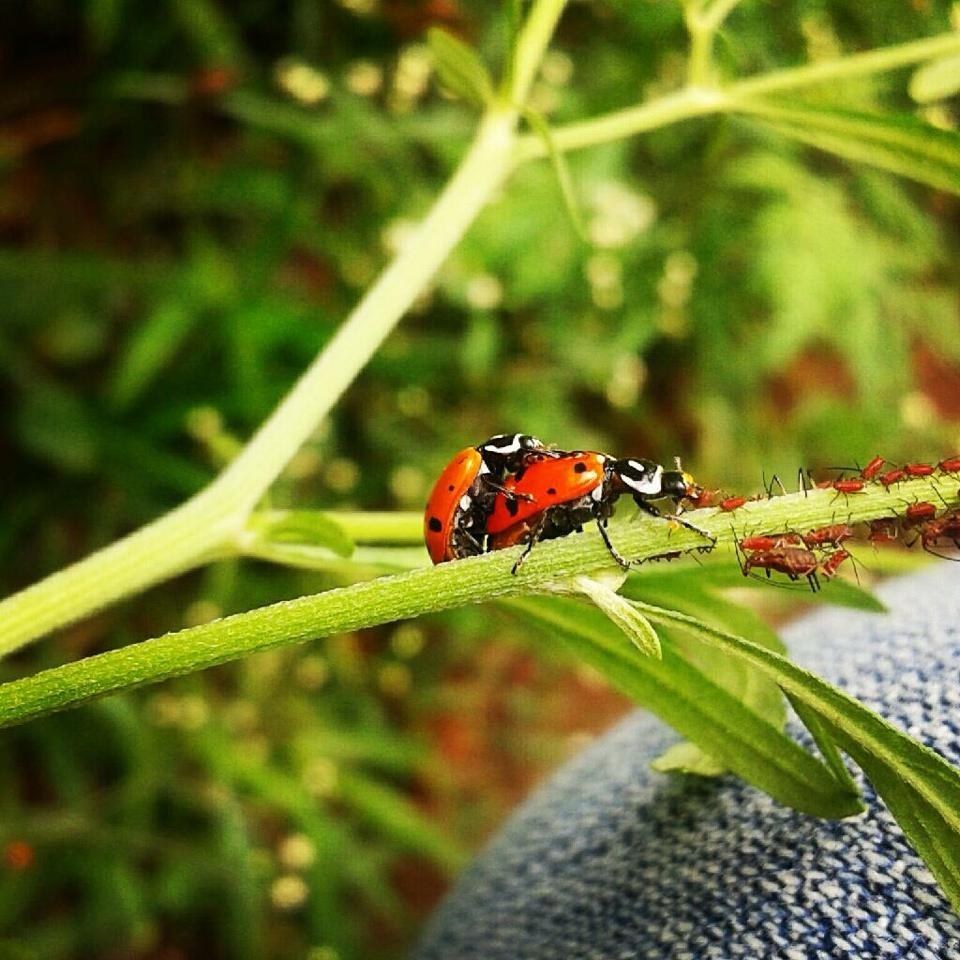
Convergent Ladybird Beetle
Hippodamia convergens
A common orange-red ladybird with black spots and two distinctive converging white lines on its thorax, widely valued as a natural aphid predator.
- Size
- 4–7 mm
- Habitat
- Fields, gardens, meadows across North America
- Danger
- Harmless
Spotted a bug like this?
Identify any bug or insect from a photo, free.
Overview
The convergent ladybird beetle is a member of the ladybird beetle family (Coccinellidae) and one of the most abundant and widely recognized native ladybirds in North America. Its name comes from the two white lines on the pronotum that angle inward toward each other, a diagnostic feature among the many ladybird species sharing a red-and-black color scheme.
This species is notable for its massive seasonal aggregations, particularly in mountainous parts of the western United States, where huge numbers gather at high elevation sites to overwinter before dispersing in spring. These aggregations have historically made it a commercially collected species for release as a biological control agent in agriculture.
Ecologically, it is an important generalist predator of aphids and other small soft-bodied insects, playing a beneficial role in both natural plant communities and cultivated fields.
How to Identify
- Oval, domed body 4–7 mm long, typically orange to red with up to thirteen black spots, though spot number is variable and can be reduced or absent.
- Two short white or pale lines on the black pronotum that converge toward each other, giving the species its common name.
- Underside is mostly black; legs are dark.
- Larvae are elongated, spiny, blue-gray to black grubs with orange-yellow markings, quite different from the rounded adult form.
- Lookalikes include other Hippodamia species and the seven-spotted ladybird, but the converging pronotal lines are a reliable distinguishing mark.
Habitat & Range
Widespread across North America, from lowland fields, gardens, and meadows to high mountain habitats in the western states, where adults form dense overwintering aggregations at elevations often above 8,000 feet. It is active from spring through fall in agricultural and wild plant communities, wherever aphid prey is available, and shifts to sheltered leaf litter or rock crevices in the mountains during winter.
Behavior & Diet
Both larvae and adults are active predators, feeding primarily on aphids but also consuming other soft-bodied insects and eggs when available. They are strong, capable fliers that can travel considerable distances between feeding and overwintering sites, contributing to the species' famous mass migrations to mountain aggregation sites. Like other ladybirds, they can reflex-bleed a bitter, foul-smelling hemolymph when disturbed as a defensive measure. Within ecosystems they serve as an important natural check on aphid populations in both wild and agricultural settings.
Life Cycle
Development is complete metamorphosis: egg, larva, pupa, adult. Eggs are laid in clusters near aphid colonies; larvae pass through four instars while hunting prey before pupating on plant surfaces. Multiple generations occur during the growing season in warmer regions. In much of the western range, adults undertake seasonal migrations to high-elevation sites where they form dense overwintering clusters before returning to lowland habitats in spring to breed.
Frequently asked questions
How is it different from the Asian lady beetle?
The convergent ladybird has two distinctive converging white lines on its dark pronotum and lacks the black M/W marking seen in the Asian lady beetle, and it does not typically invade homes in large numbers.
Why do these beetles gather in huge numbers in the mountains?
Populations, especially in western North America, migrate to high-elevation sites to form dense overwintering aggregations before dispersing again in spring.
Is it beneficial to gardens?
Yes, both the larvae and adults are active predators of aphids and other soft-bodied pests, making them useful for natural pest control.
How many spots does it have?
Typically up to thirteen black spots on the wing covers, though the number can vary and some individuals have very few or none.
Convergent Ladybird Beetle guides
In-depth guides for identifying, understanding, and living alongside Convergent Ladybird Beetle.
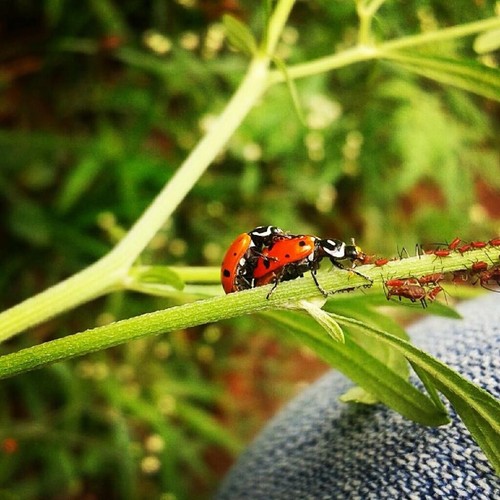
Convergent Ladybird Beetle identified by the community
Real finds identified with Bug Identifier.
Other bugs you may enjoy
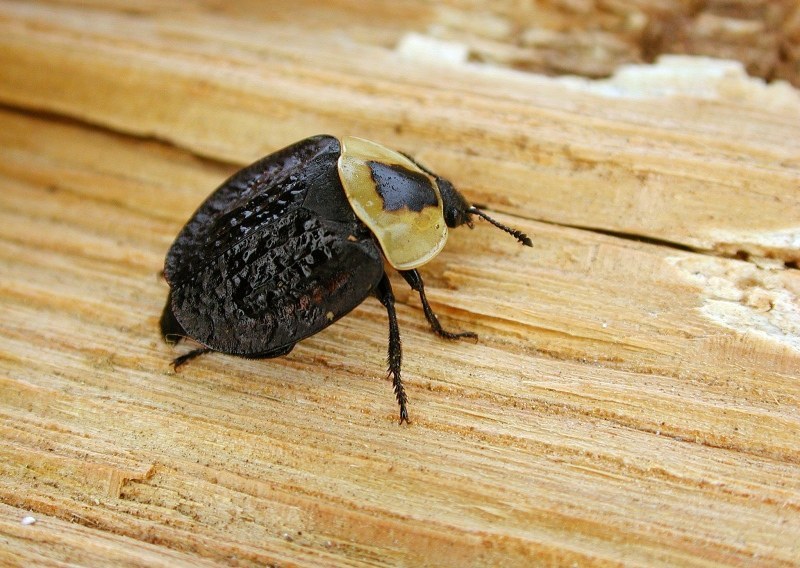
American Carrion Beetle
Forests, fields, and roadsides across North America, near decaying animal carcasses
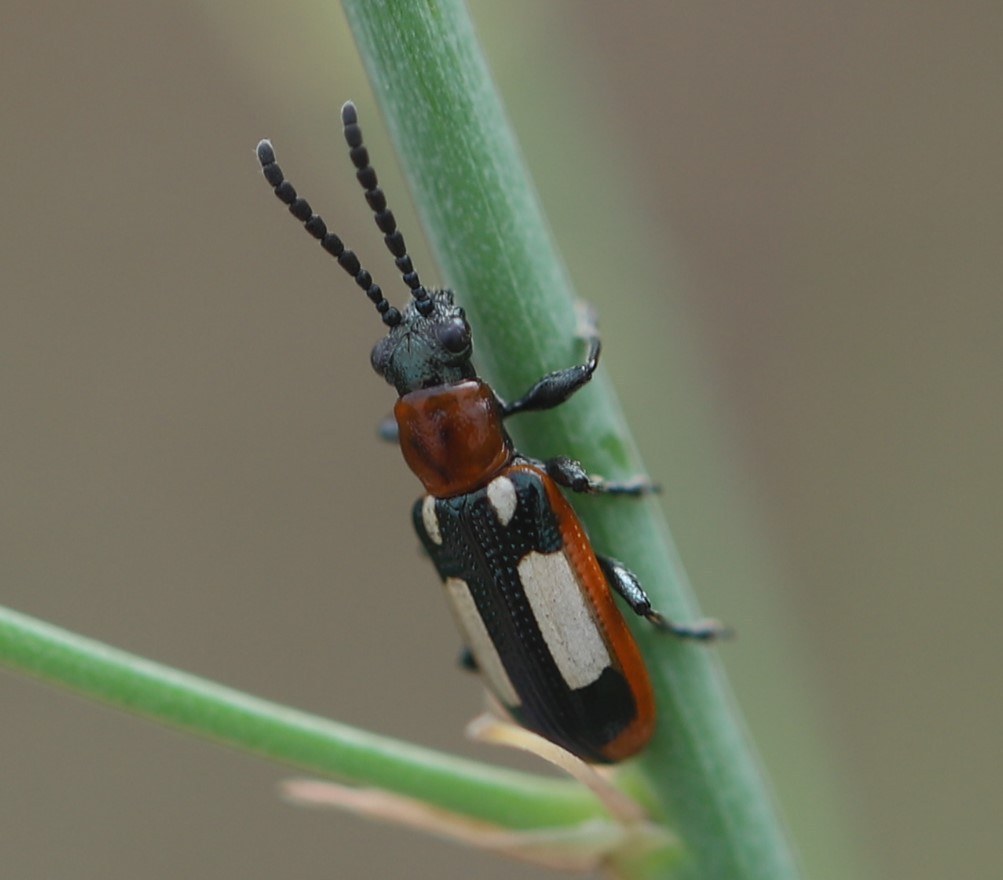
Asparagus Beetle
Asparagus patches, gardens, and farm fields
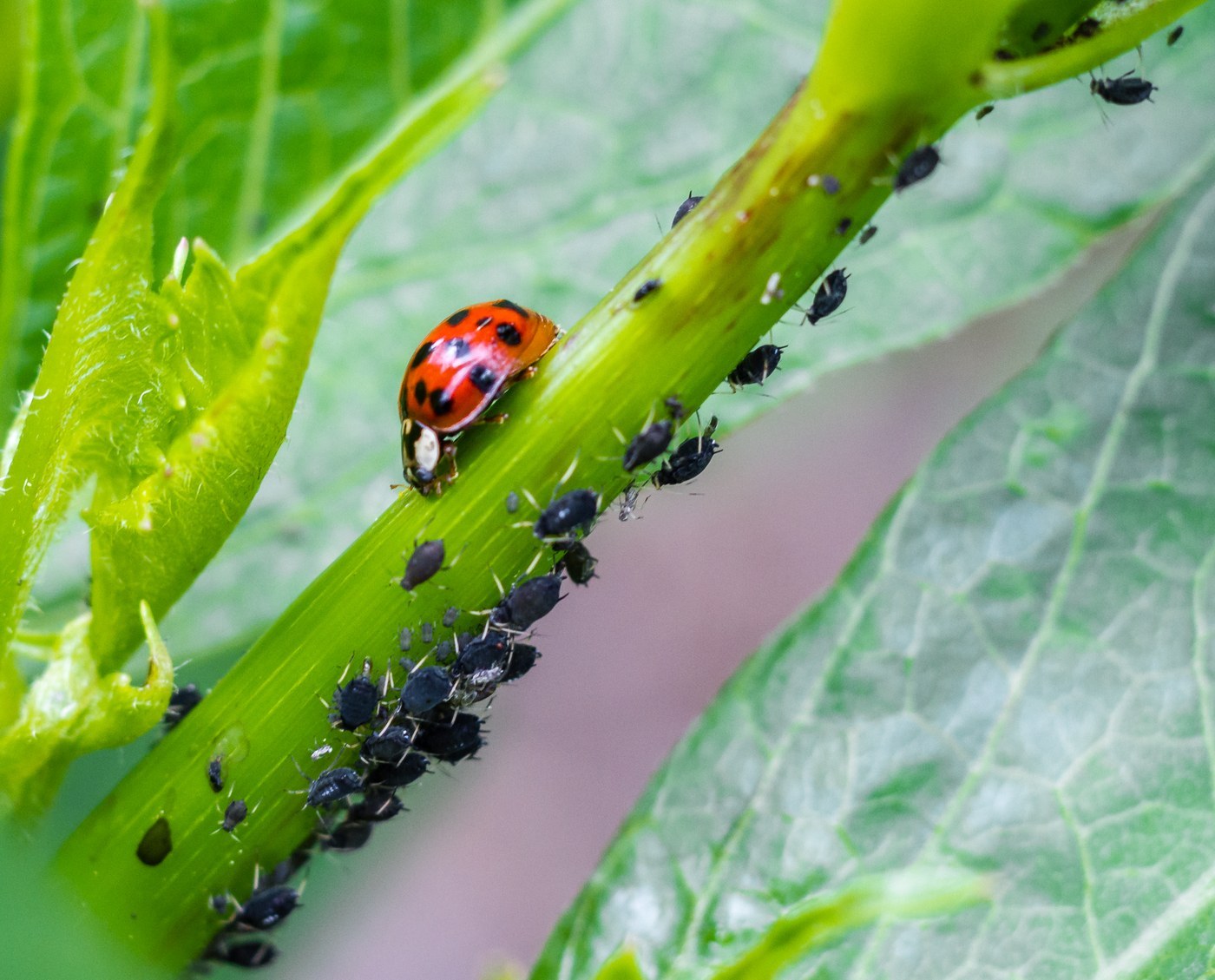
Asian Lady Beetle
Gardens, crop fields, woodlands, buildings
Acorn Weevil
Oak woodlands and forests, on and beneath oak trees
Wireworm
Soil of grasslands, gardens, and cultivated fields worldwide
Whitefringed Beetle
Pastures, row crops, lawns, disturbed soils
Vine Weevil
Gardens, nurseries, greenhouses, and container plantings
Varied Carpet Beetle
Homes, nests of birds and mammals, and flowers outdoors
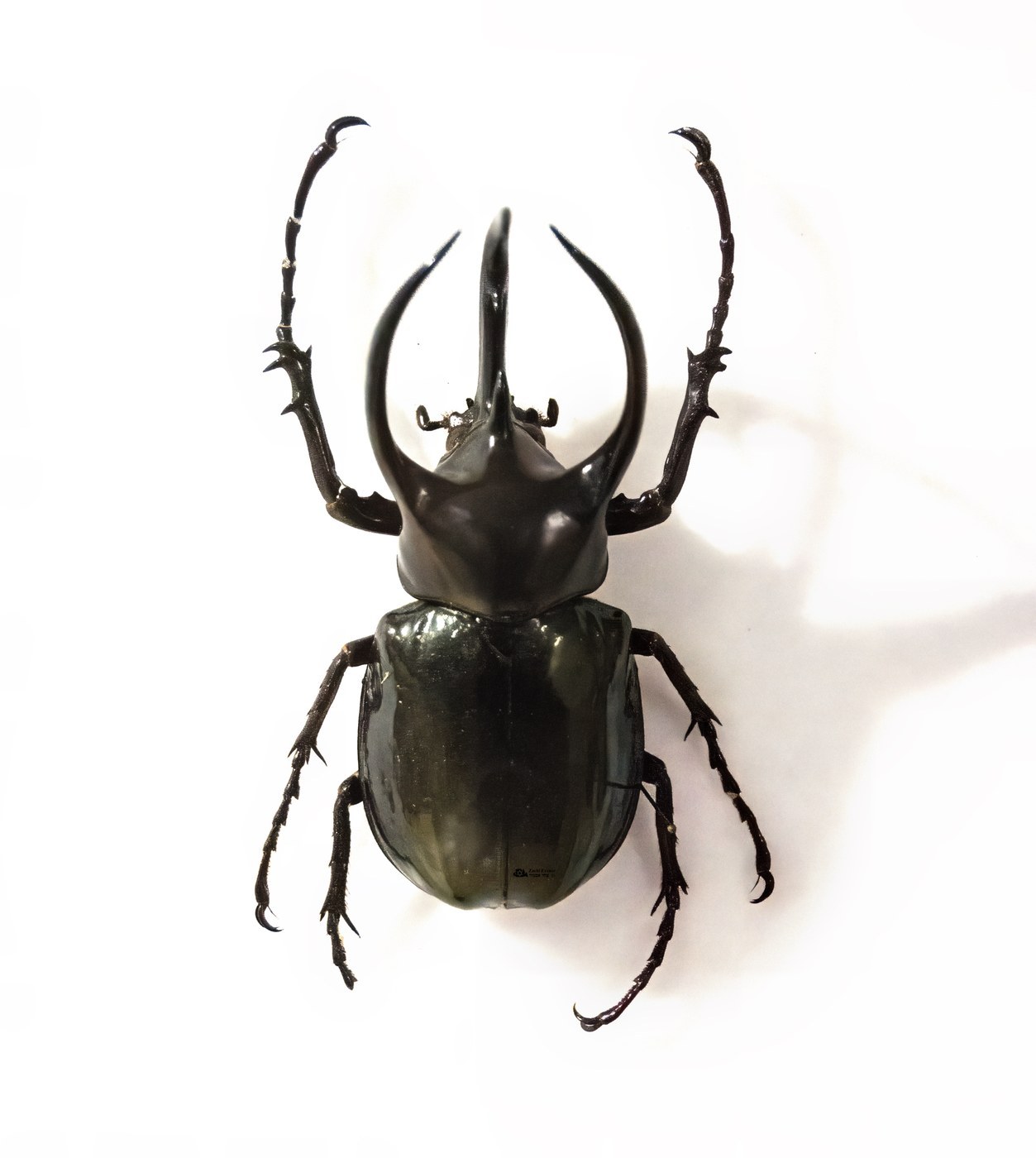
Atlas Beetle
Tropical forests of Southeast Asia
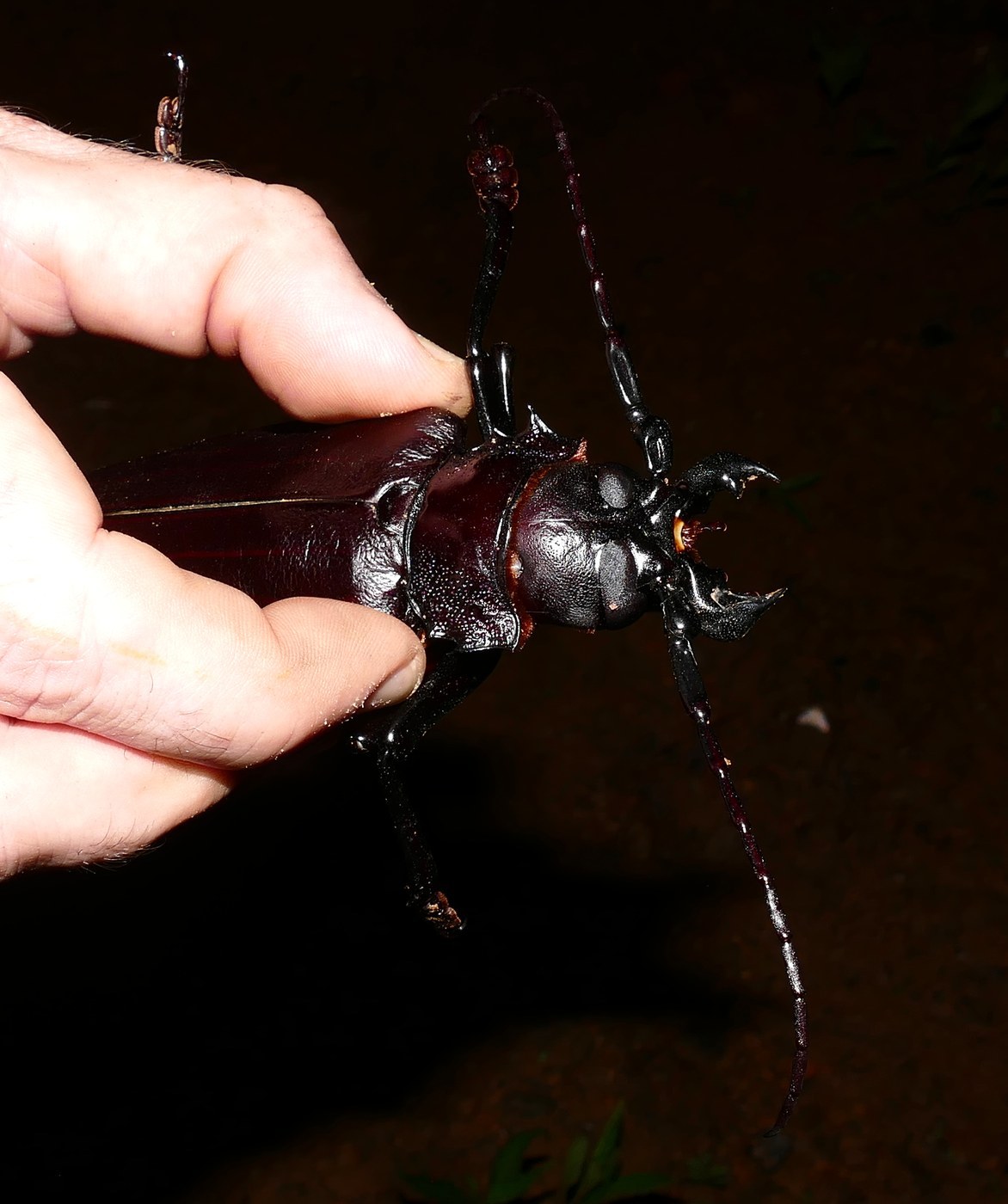
Titan Beetle
Amazon rainforest of South America
Ten-lined June Beetle
Sandy soils, pine forests, and orchards of western North America
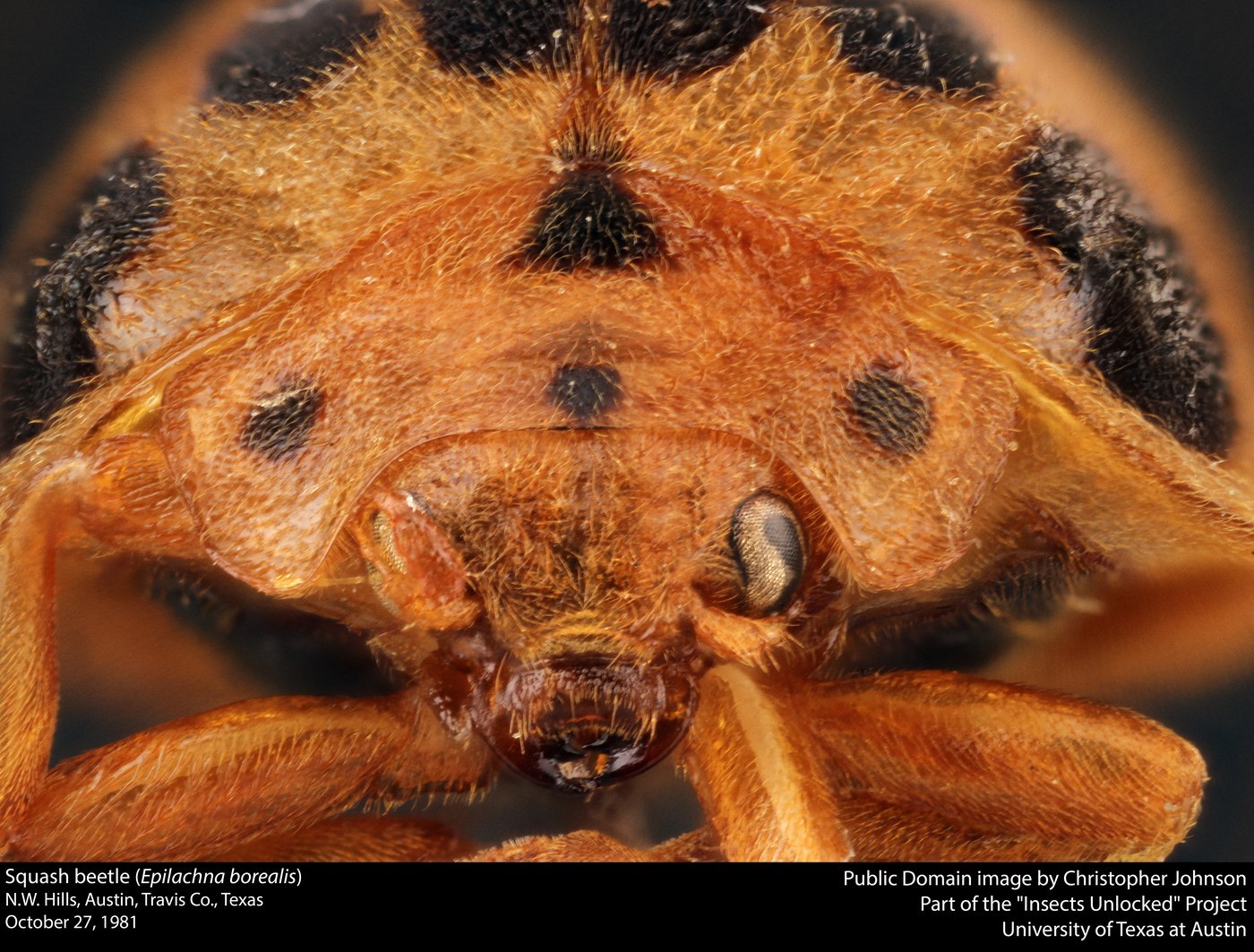
Squash Beetle
Vegetable gardens and fields growing squash, pumpkin, and other cucurbits