
Damsel Bug
Nabis spp.
A slender, tan to brown true bug with a narrow head and elongated front legs adapted for grasping, the damsel bug is a common predator patrolling foliage for soft-bodied insects.
- Size
- 8–11 mm
- Habitat
- Grasslands, gardens, and low vegetation in crop fields
- Danger
- Bites
Spotted a bug like this?
Identify any bug or insect from a photo, free.
Overview
The damsel bug, genus Nabis, belongs to the family Nabidae within the order Hemiptera. Despite its delicate-sounding common name, it is an active predator, using its elongated, slightly thickened front legs to seize small, soft-bodied insects while moving through low vegetation.
Damsel bugs have a slim, elongated body plan and muted coloring of tan, brown, or gray that allows them to blend easily into grasses and foliage. They are agile fliers and walkers, actively searching plant surfaces for prey rather than relying purely on ambush.
Ecologically, damsel bugs are considered beneficial predators in many settings, feeding on aphids, small caterpillars, and other soft-bodied insects found on garden and field vegetation, making them a natural component of biological pest regulation in these habitats.
How to Identify
- Slender, elongated body with a narrow head and long, thread-like antennae.
- Coloration is typically tan, straw-brown, or grayish, providing camouflage among grasses and foliage.
- Front legs are somewhat thickened and adapted for grasping prey, though less exaggerated than in ambush bugs.
- Wings, when present, are held flat and overlapping along the back at rest, giving a streamlined silhouette.
- Lookalikes include assassin bug nymphs and other slender predatory true bugs, but damsel bugs are generally smaller, more uniformly colored, and lack the robust, curved beak typical of larger assassin bugs.
Habitat & Range
Damsel bugs are found throughout grasslands, meadows, gardens, and agricultural fields across temperate regions worldwide, wherever low-growing vegetation supports populations of small insect prey. They are active from spring through fall and often become more numerous in crop fields and gardens as aphid and caterpillar populations build up during the growing season.
Behavior & Diet
Damsel bugs actively hunt by walking across leaves and stems, using their grasping front legs to capture small, soft-bodied insects such as aphids, small caterpillars, and insect eggs, which they consume by piercing with their beak and withdrawing body fluids. Unlike strict ambush predators, they move more freely through vegetation while foraging. They can bite in defense if handled, but are otherwise inconspicuous and blend readily into their surroundings.
Life Cycle
Damsel bugs undergo incomplete metamorphosis (egg, nymph, adult). Females insert eggs into plant stems or leaf tissue using a specialized ovipositor. Nymphs hatch resembling smaller, wingless versions of the adults and begin hunting small prey almost immediately, molting through several instars as they grow and gradually develop wing pads. Multiple generations can occur during a single growing season in warmer climates, with adults or late-stage nymphs overwintering in sheltered vegetation or leaf litter.
Frequently asked questions
Is the damsel bug harmful to garden plants?
No, damsel bugs are predators of other insects rather than plant feeders, and they are generally considered beneficial for feeding on small pest insects.
How can I tell a damsel bug from an assassin bug?
Damsel bugs are typically smaller and more slender with a less curved beak, while many assassin bugs are larger with a more robust, sharply curved rostrum.
What does a damsel bug eat?
It preys on small, soft-bodied insects such as aphids, small caterpillars, and insect eggs found on plant foliage.
Where are damsel bugs commonly found?
They occur in grasslands, gardens, and crop fields, typically moving actively across low vegetation while hunting.
Damsel Bug guides
In-depth guides for identifying, understanding, and living alongside Damsel Bug.
Damsel Bug identified by the community
Real finds identified with Bug Identifier.
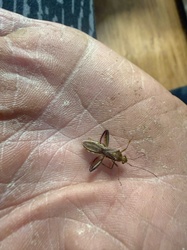
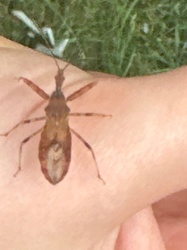
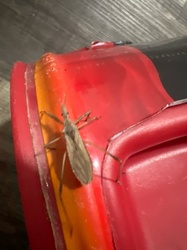
Other bugs you may enjoy
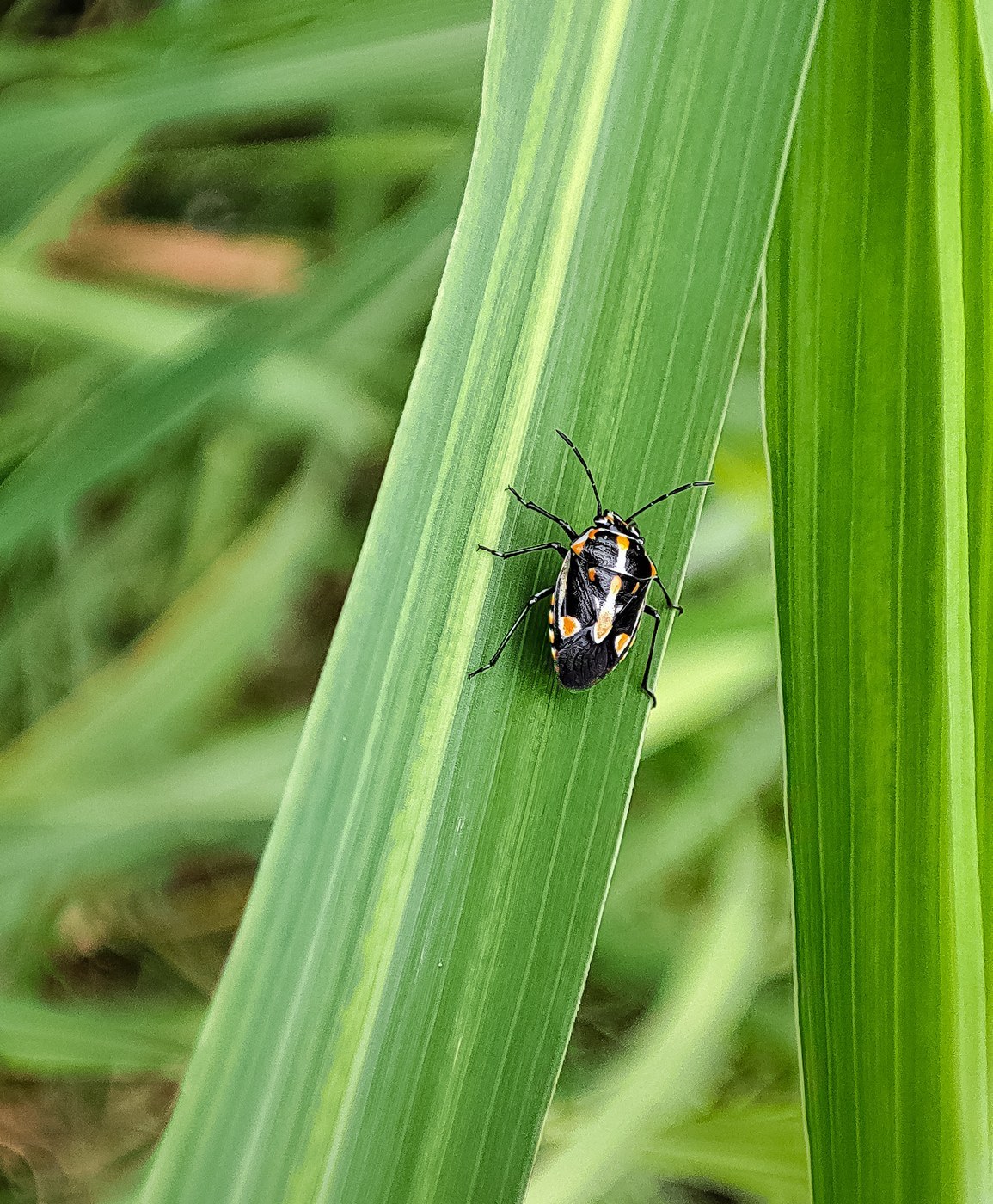
Bagrada Bug
Arid gardens, crucifer fields, desert-adjacent croplands
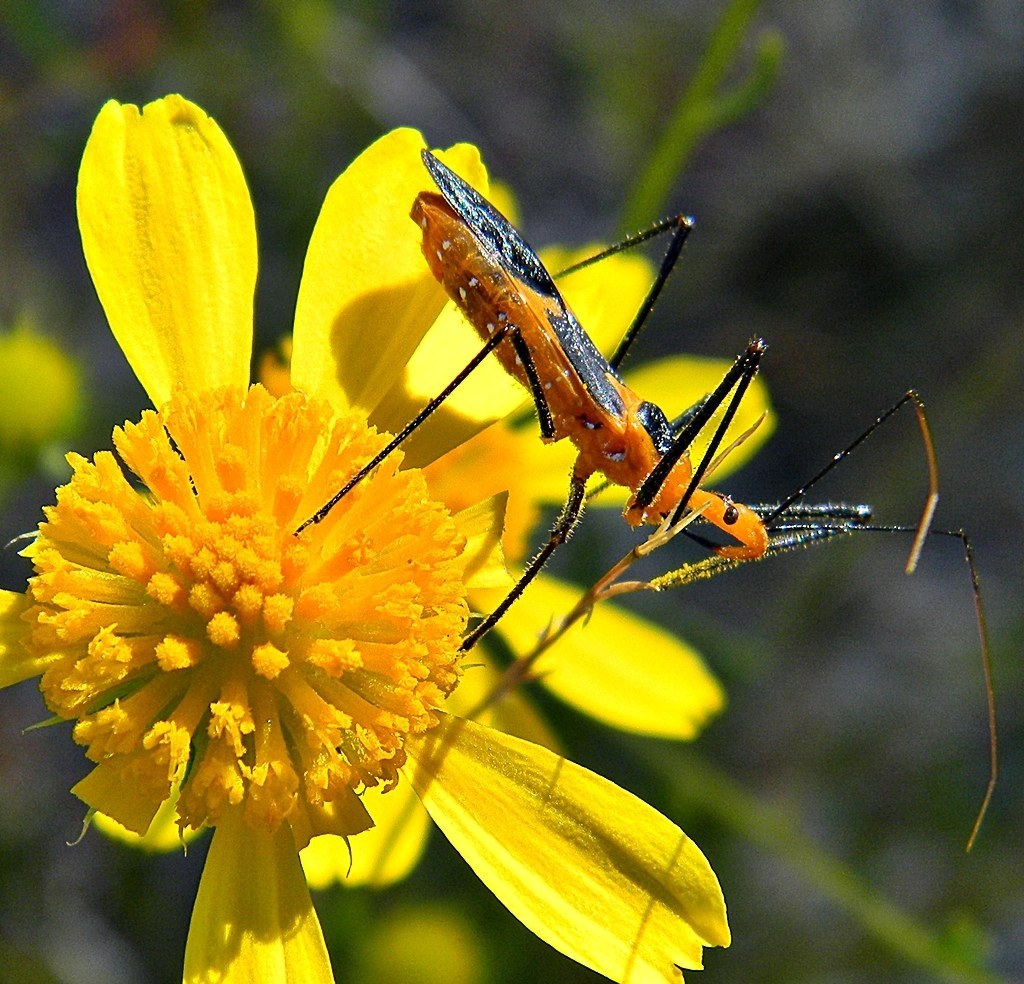
Assassin Bug
Gardens, meadows, and vegetation worldwide
Water Boatman Bug
Ponds, lakes, and slow-moving freshwater
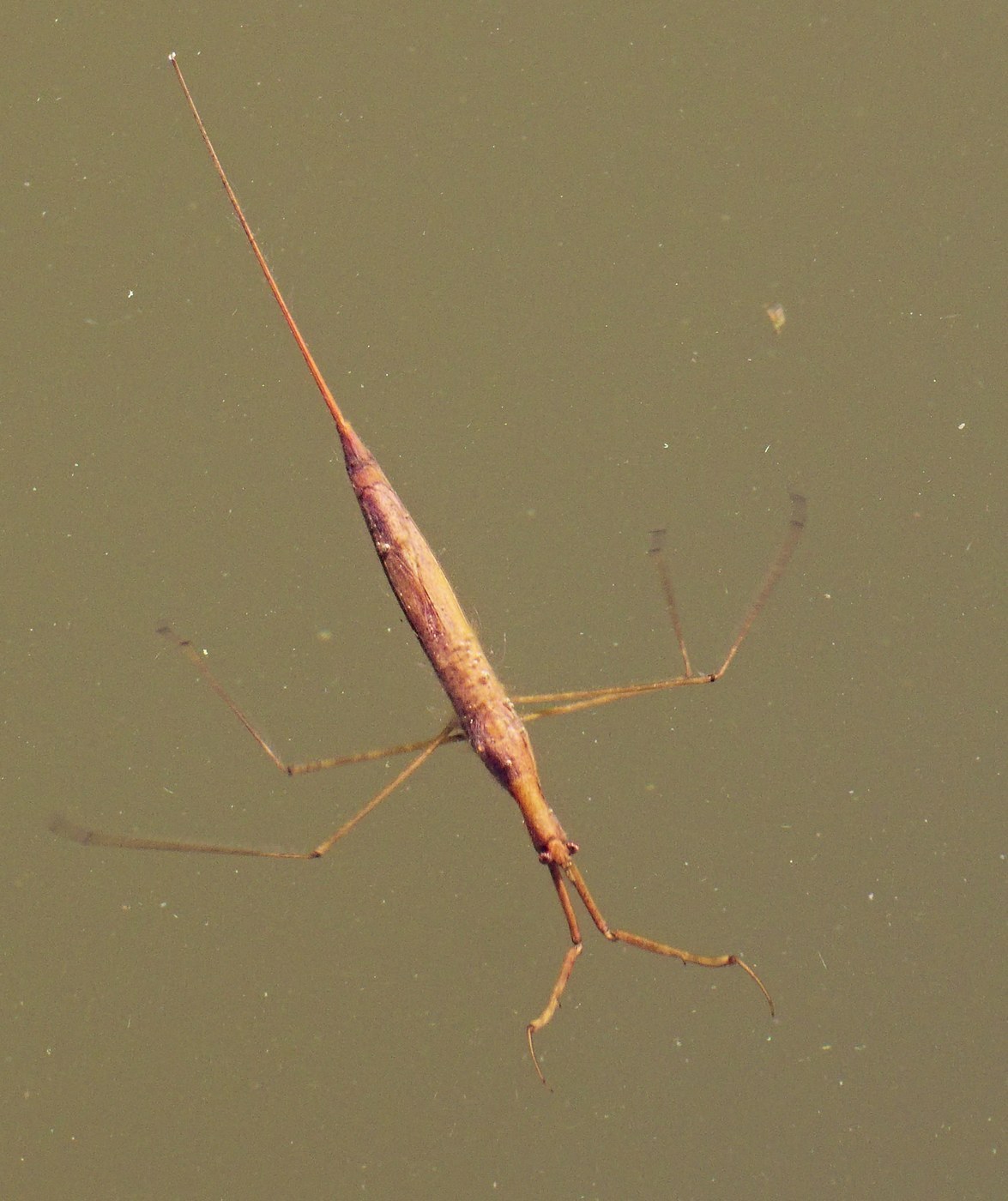
Water Stick Insect
Still and slow-moving water with dense submerged vegetation
Rough Stink Bug
Tree bark, woodlands, orchards, and shrubby vegetation
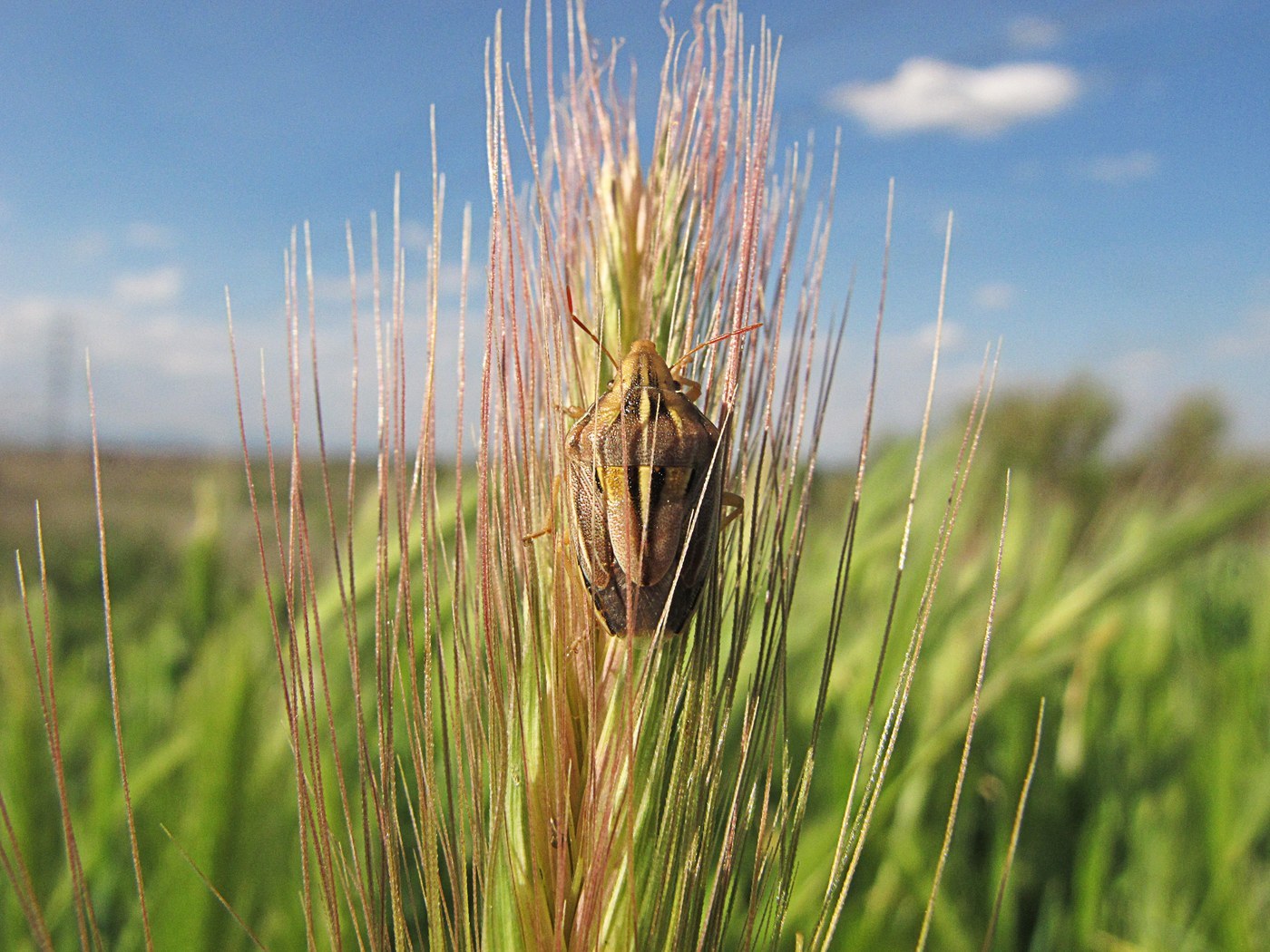
Stink Bug
Gardens, crop fields, and woodlands across temperate and subtropical regions
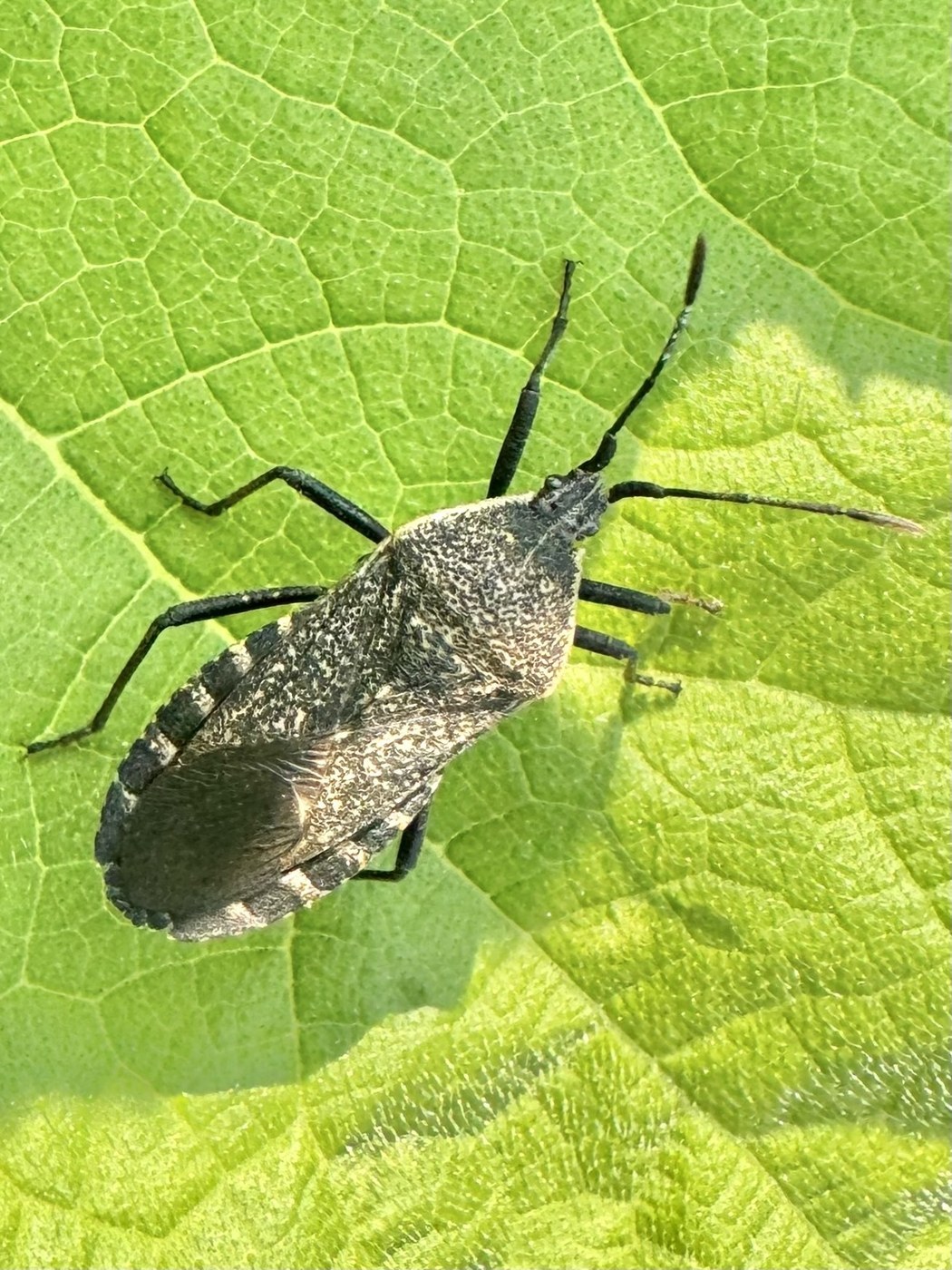
Squash Bug
Vegetable gardens and farm fields growing squash, pumpkin, and other cucurbits
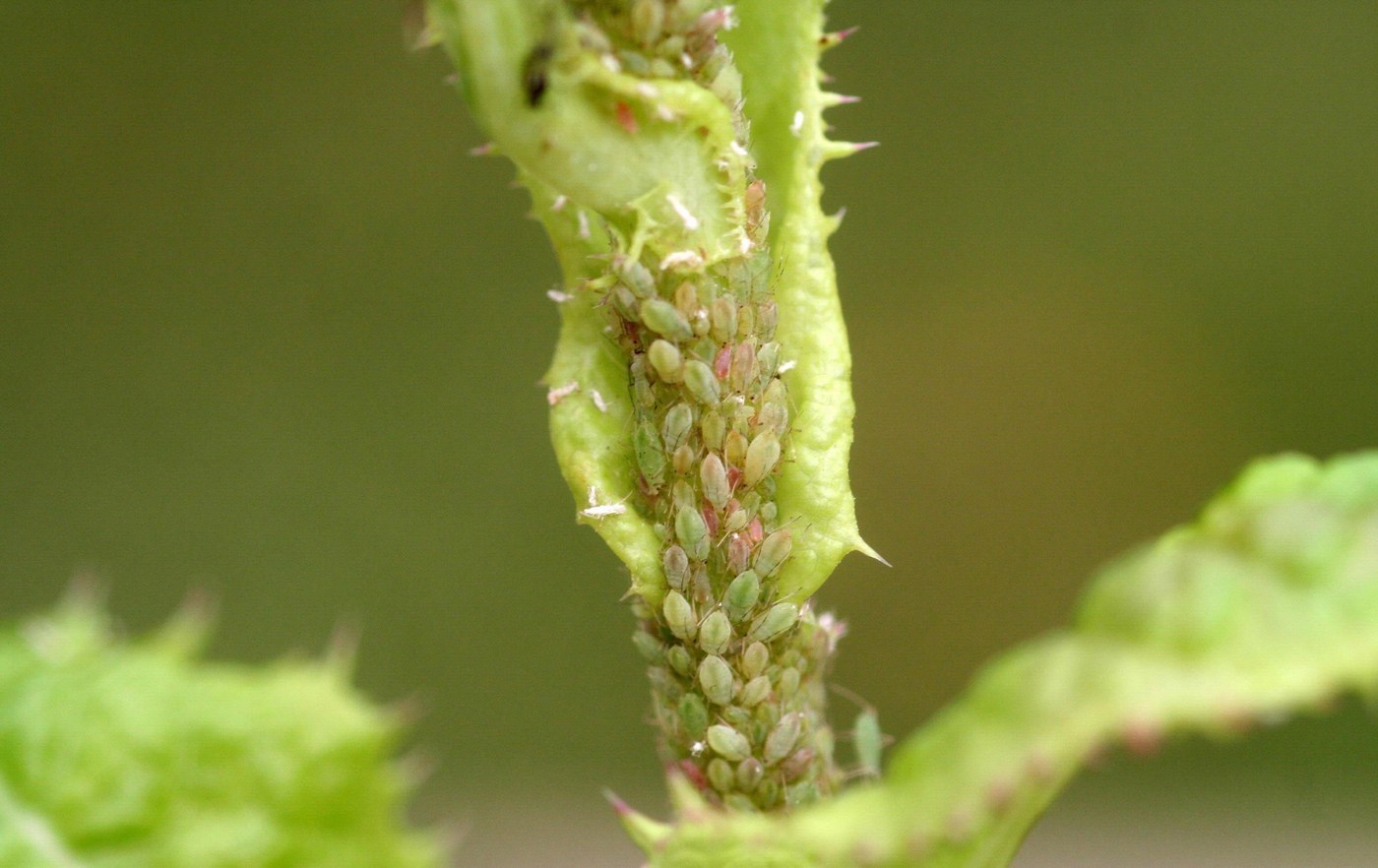
Aphid
On stems, leaves, and buds of a very wide range of host plants
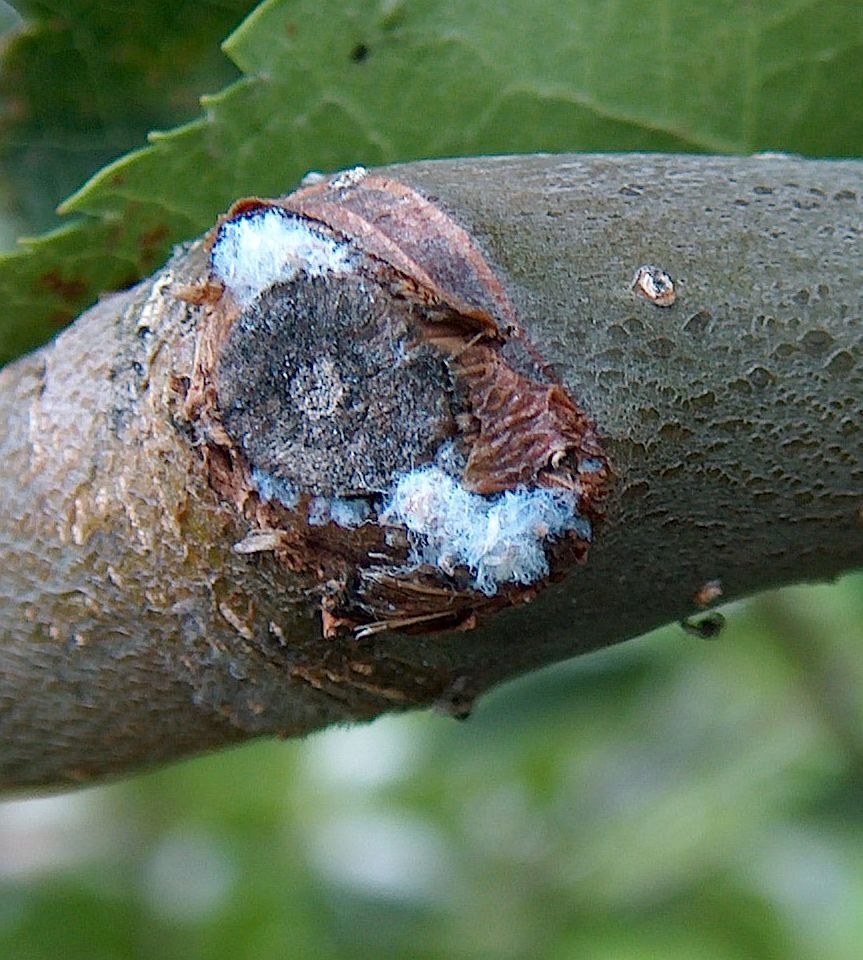
Woolly Aphid
Bark crevices, root collars, and twigs of apple, elm, and alder trees
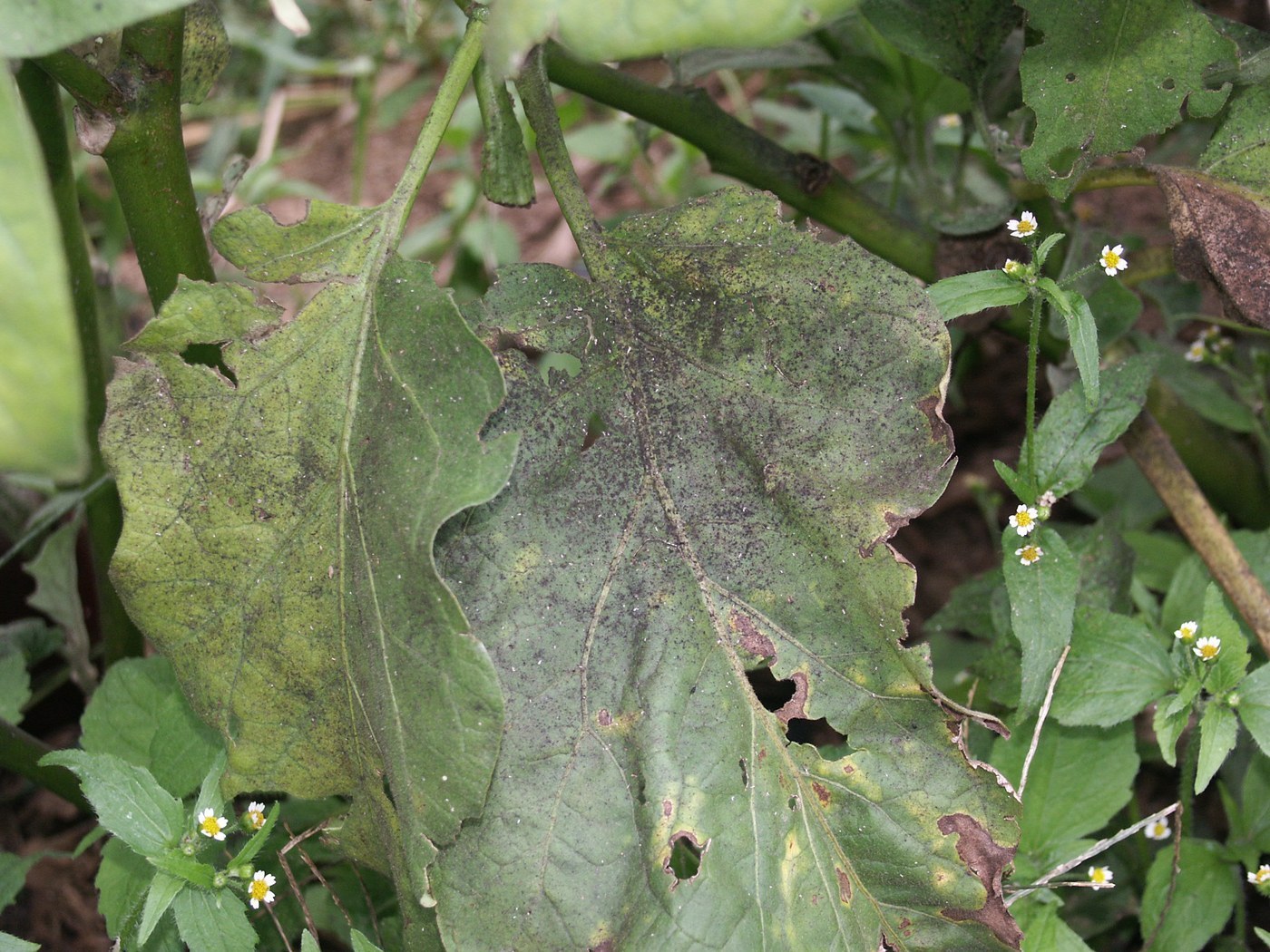
Whitefly
Greenhouses, gardens, and undersides of leaves on host plants
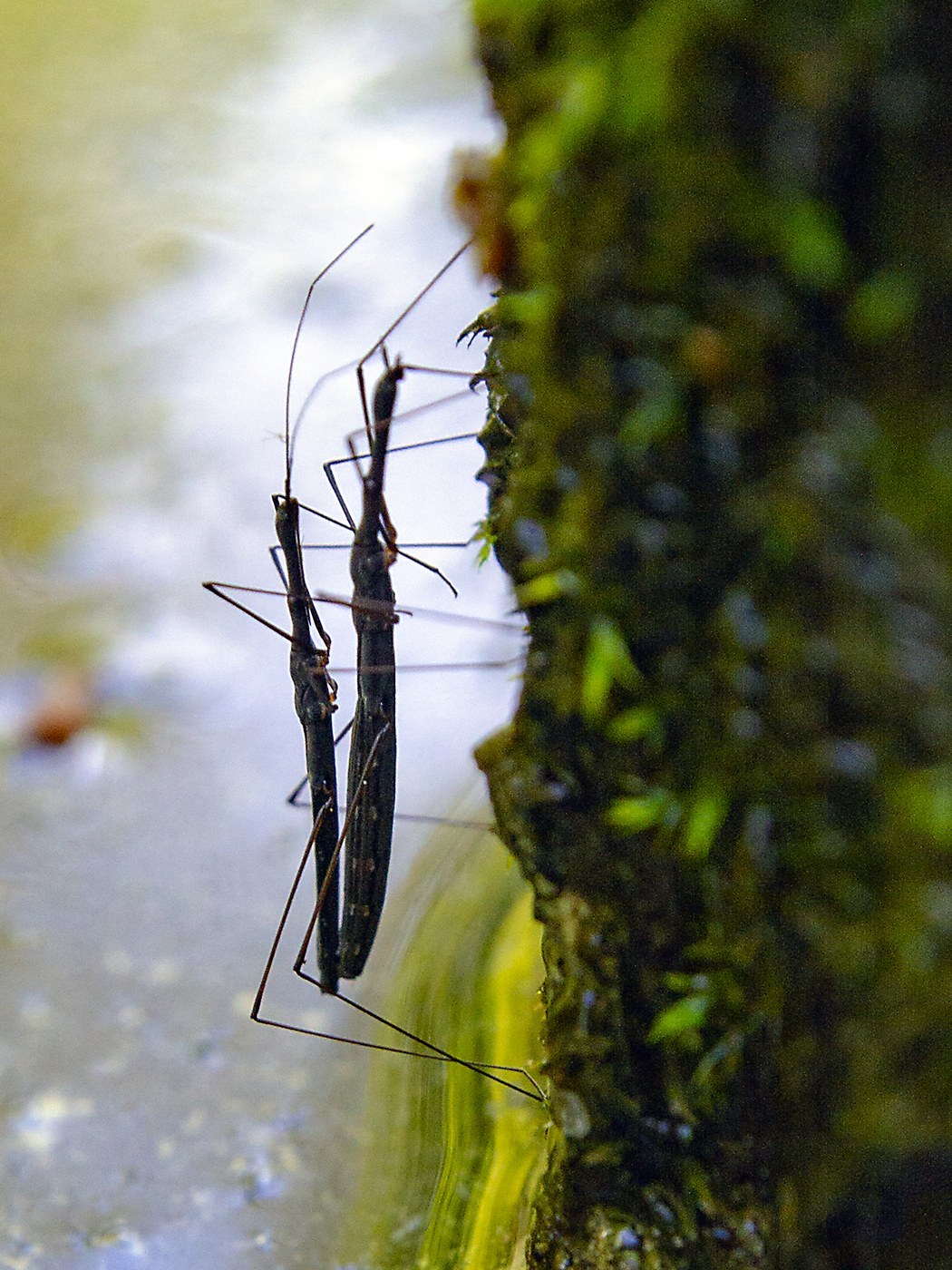
Water Measurer
Quiet edges of ponds, marshes, and slow streams
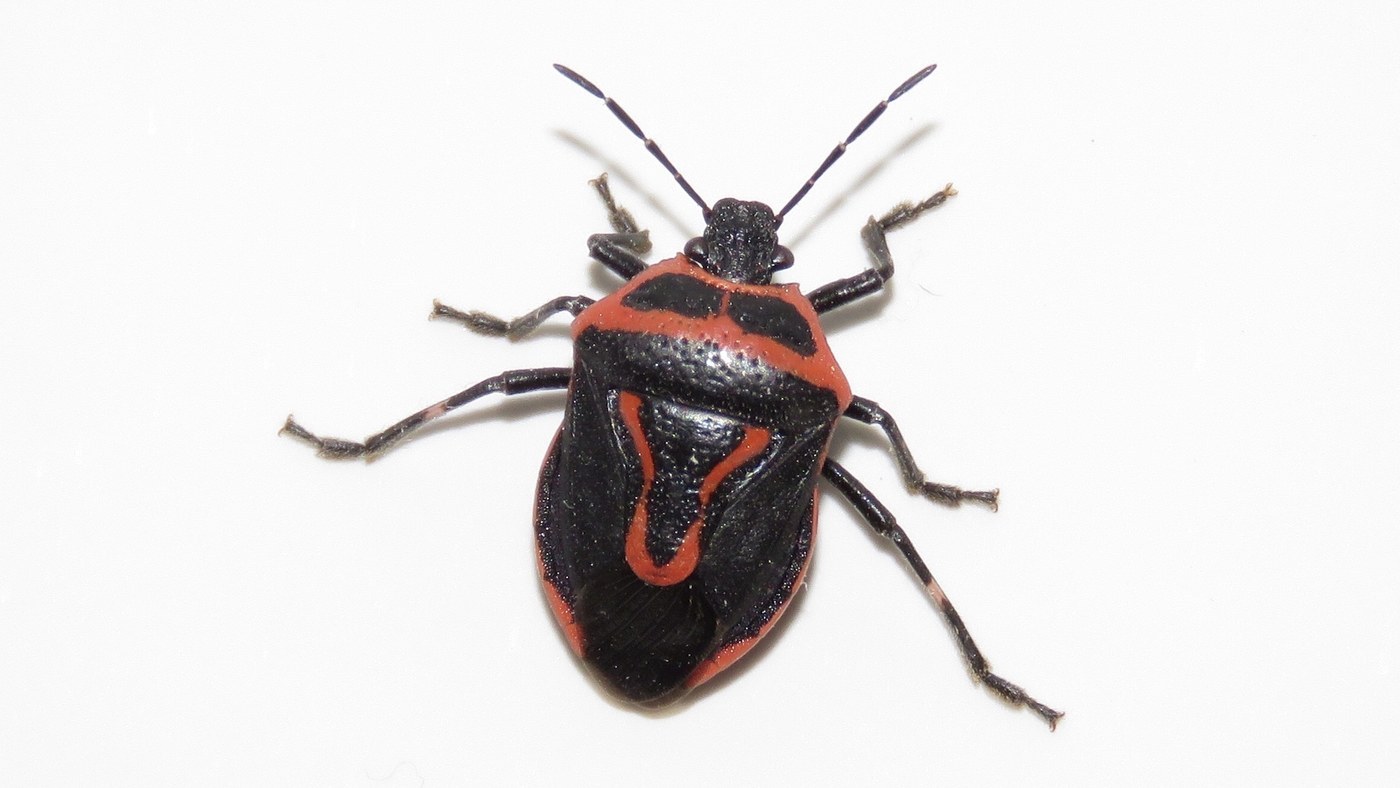
Two-Spotted Stink Bug
Gardens and fields with potato and nightshade-family plants