
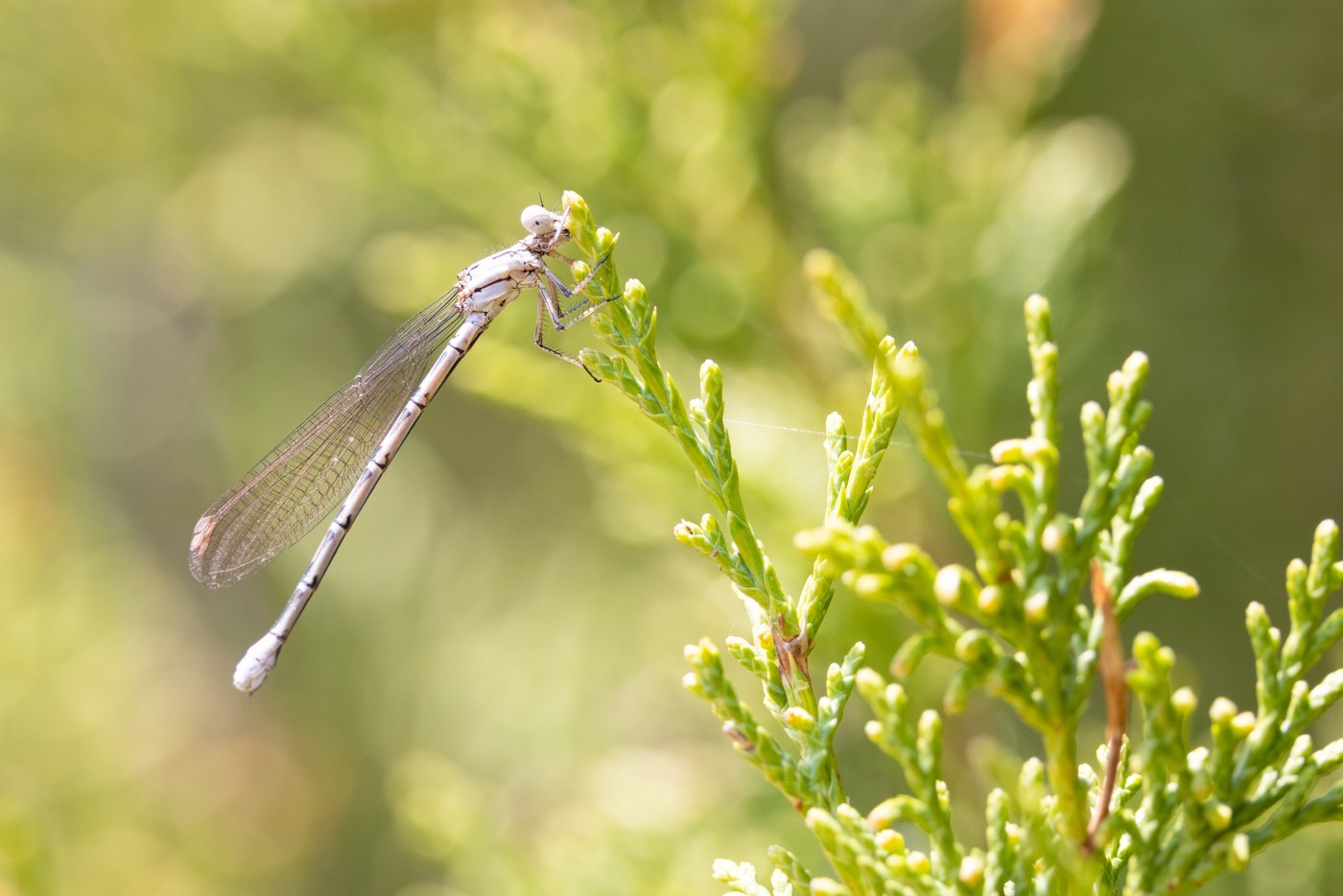
Damselfly
Enallagma spp.
A slender, delicate relative of the dragonfly with widely spaced eyes and slim wings that fold together over its back at rest, often seen fluttering weakly among reeds and grasses at the water's edge.
- Size
- 1–2 in body length
- Habitat
- Ponds, streams, marshes, and vegetation near water
- Danger
- Harmless
Spotted a bug like this?
Identify any bug or insect from a photo, free.
Overview
Damselflies make up the suborder Zygoptera within the order Odonata, closely related to dragonflies but generally smaller and more slender. More than 3,000 species are known worldwide.
The aquatic larval stage plays a significant role in freshwater food webs as both a predator of smaller invertebrates and prey for fish and other animals. Adults are frequently used by ecologists as indicators of freshwater habitat quality due to their sensitivity to water conditions.
Though closely related to dragonflies, damselflies are easily separated by their slimmer build and characteristic folded-wing resting posture.
How to Identify
- Slender, thread-like body, often metallic blue, green, or red
- Two pairs of narrow, roughly equal-sized wings, typically held closed together above the back at rest — unlike dragonflies
- Eyes set well apart on either side of the head, rather than touching
- Weaker, more fluttering flight than dragonflies
- Body length roughly 1–2 in; distinguished from dragonflies by its slimmer body, separated eyes, and folded-wing posture at rest
Habitat & Range
Found worldwide except in polar regions. Closely associated with freshwater habitats such as ponds, slow streams, and marshes with abundant emergent vegetation. Adults typically stay close to water and surrounding plants, and are most active in warm months from spring through fall.
Behavior & Diet
Adults are predators of small, soft-bodied flying insects, caught during short fluttering flights near vegetation. Aquatic larvae (naiads) prey on smaller aquatic invertebrates and mosquito larvae using an extendable, hinged lower lip (labium). Males of many species guard females during and after mating. Both larvae and adults serve as prey for fish, birds, and amphibians within the freshwater ecosystem.
Life Cycle
Incomplete metamorphosis with no pupal stage. Eggs are laid in or on aquatic or emergent plant tissue. Aquatic larvae develop over several months to about a year depending on species and climate. Mature larvae crawl out of the water onto vegetation to molt into winged adults, which generally live for a few weeks.
Frequently asked questions
How do I tell a damselfly from a dragonfly?
Damselflies are slimmer, have eyes set apart on the sides of the head, and fold their wings together over the back at rest, while dragonflies are stockier with touching eyes and outstretched wings at rest.
Where are damselflies usually found?
Near freshwater habitats such as ponds, marshes, and slow streams with plenty of emergent vegetation.
What do damselfly larvae eat?
Other small aquatic invertebrates, including mosquito larvae, captured with an extendable hinged mouthpart.
Are damselflies strong fliers?
No, compared to dragonflies they have a weaker, more fluttering flight and tend to stay close to vegetation.
Damselfly guides
In-depth guides for identifying, understanding, and living alongside Damselfly.
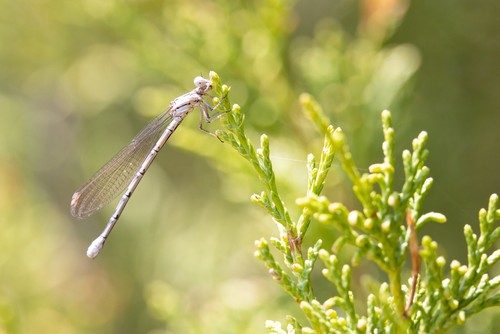
Damselfly identified by the community
Real finds identified with Bug Identifier.
Other bugs you may enjoy
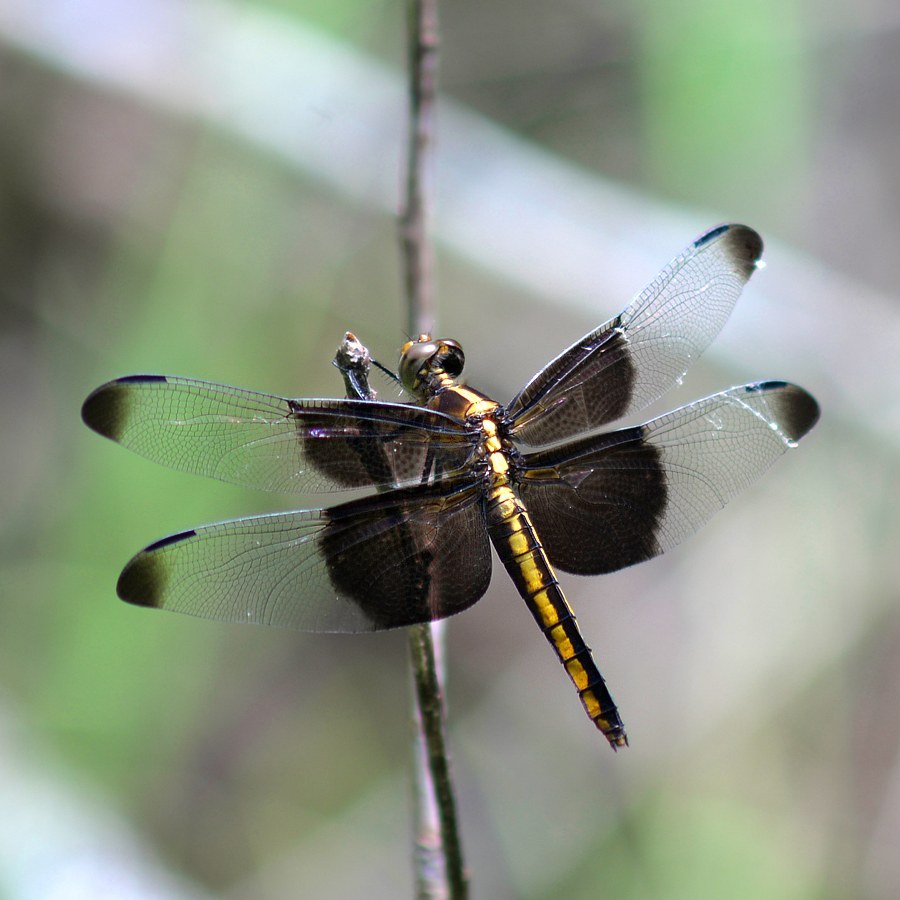
Widow Skimmer
ponds, lakes, and slow-moving streams with open shoreline vegetation across much of the United States
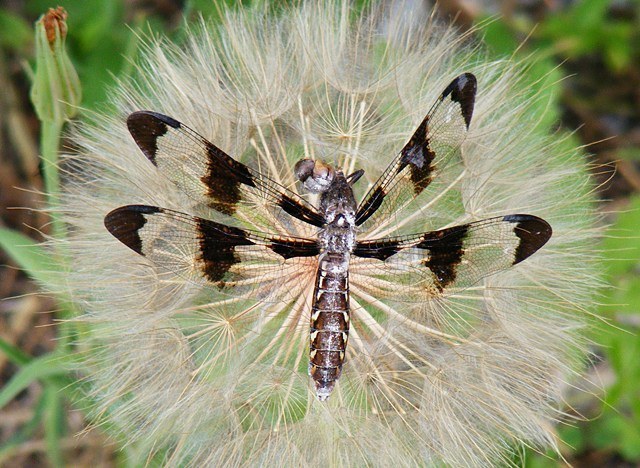
Twelve-spotted Skimmer
Ponds, lakes, and slow streams with open, sunny shorelines
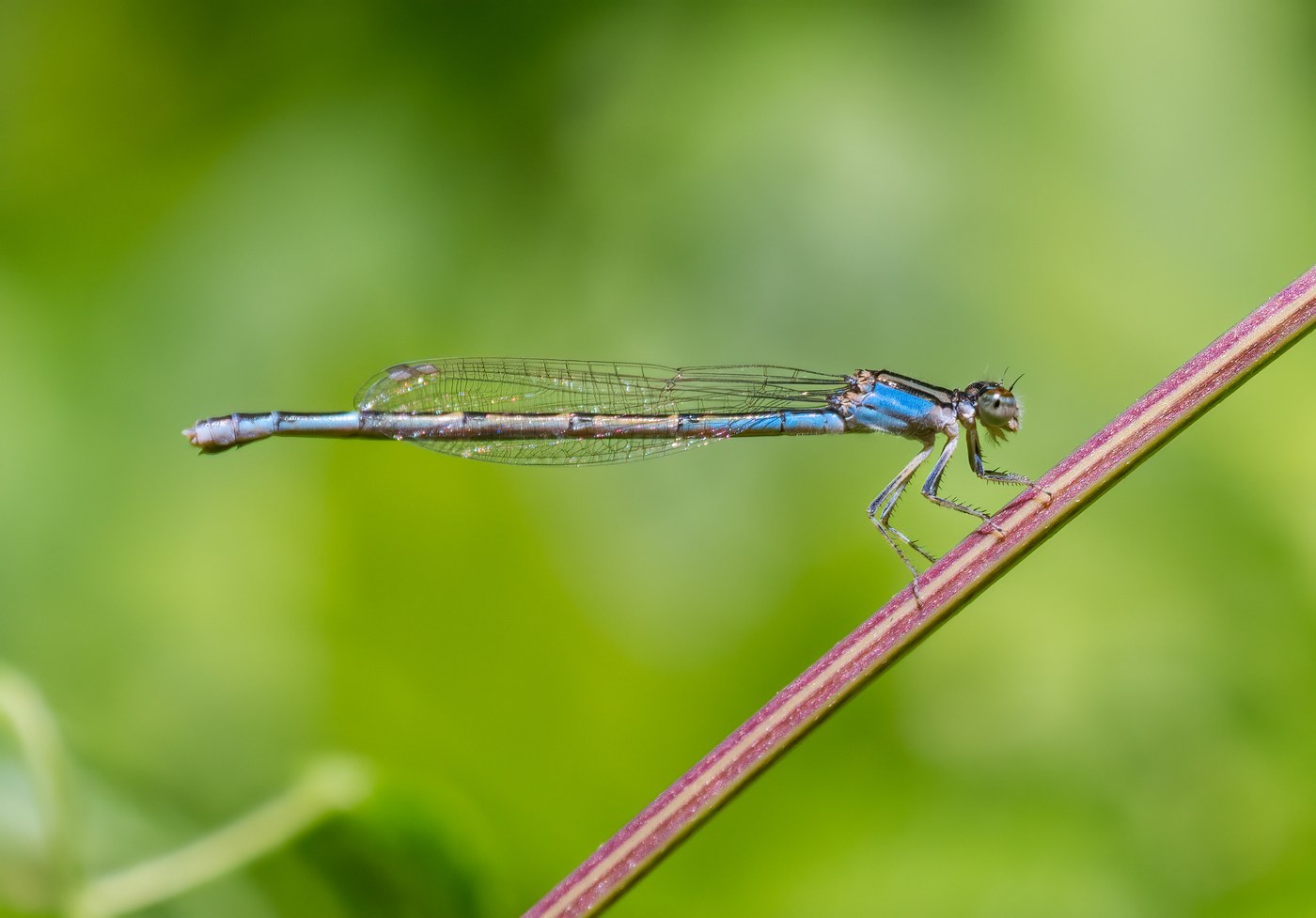
Azure Bluet
ponds, lakes, and slow streams with abundant aquatic vegetation
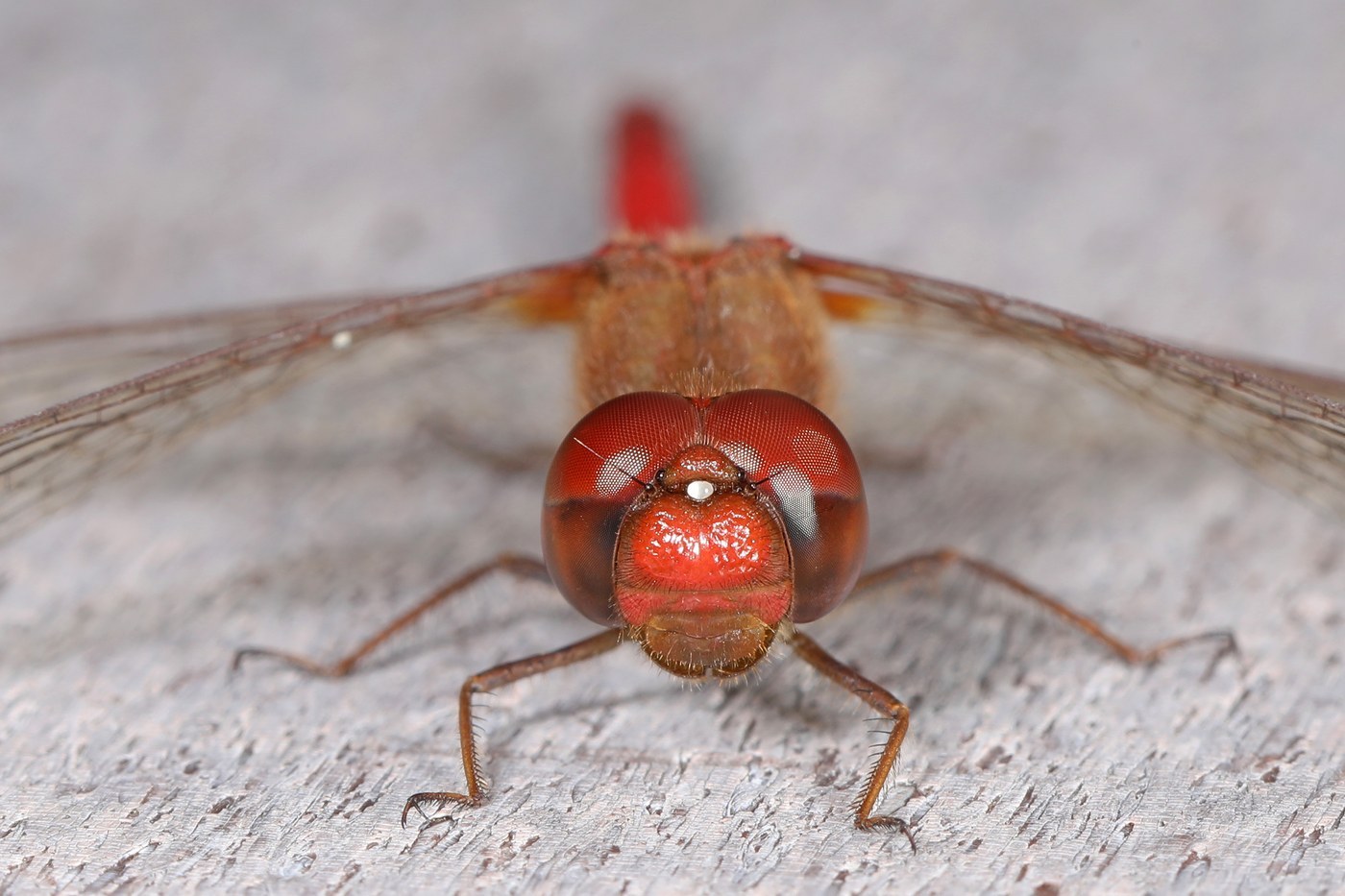
Autumn Meadowhawk
Ponds, marshes, and slow streams, often lingering into late fall
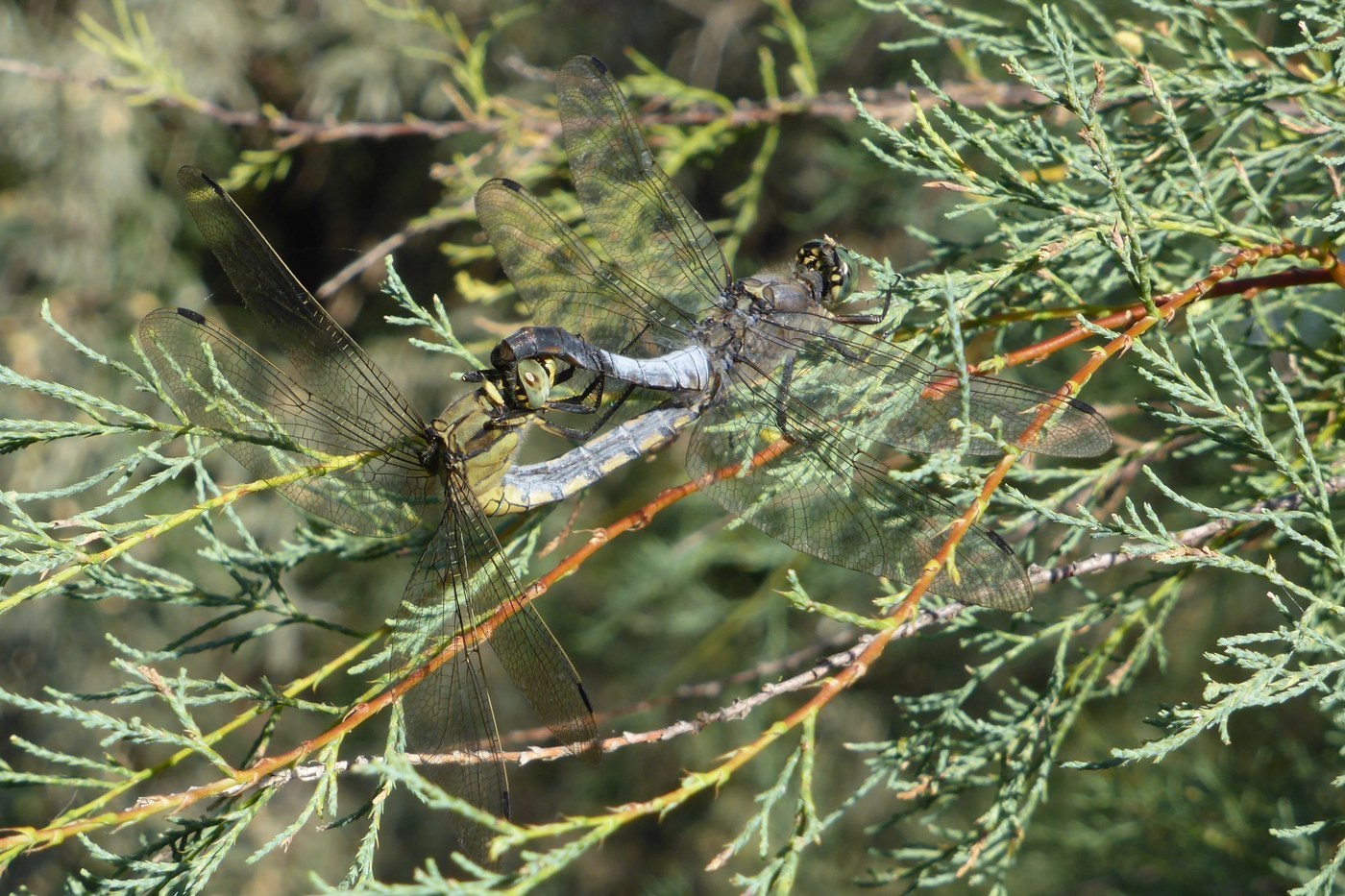
Spangled Skimmer
Ponds, lakes, and marshes with open sunny shorelines
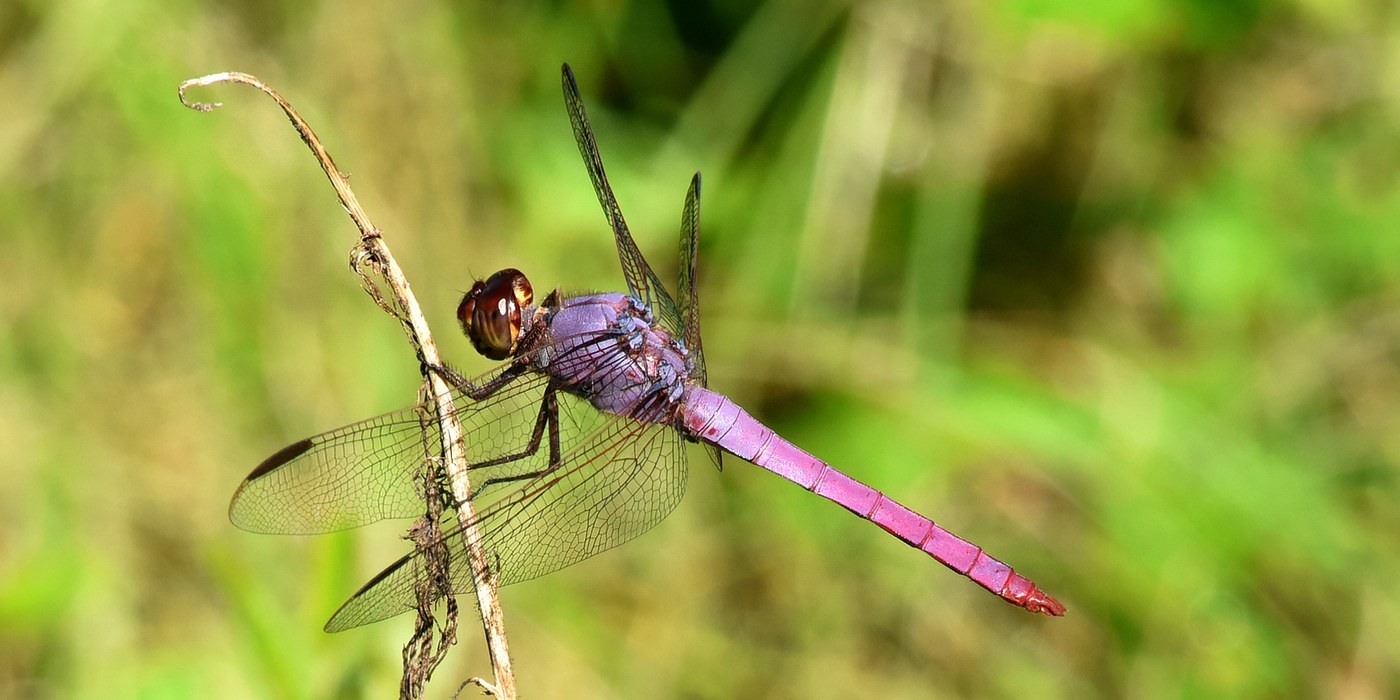
Roseate Skimmer
Ponds, ditches, and canals across the southern United States
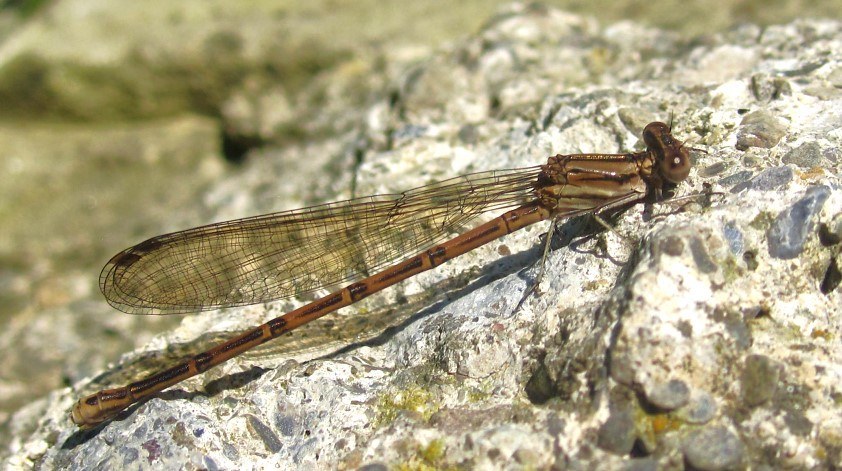
Variable Dancer
streams, rivers, and pond margins, especially in wooded or partly shaded settings
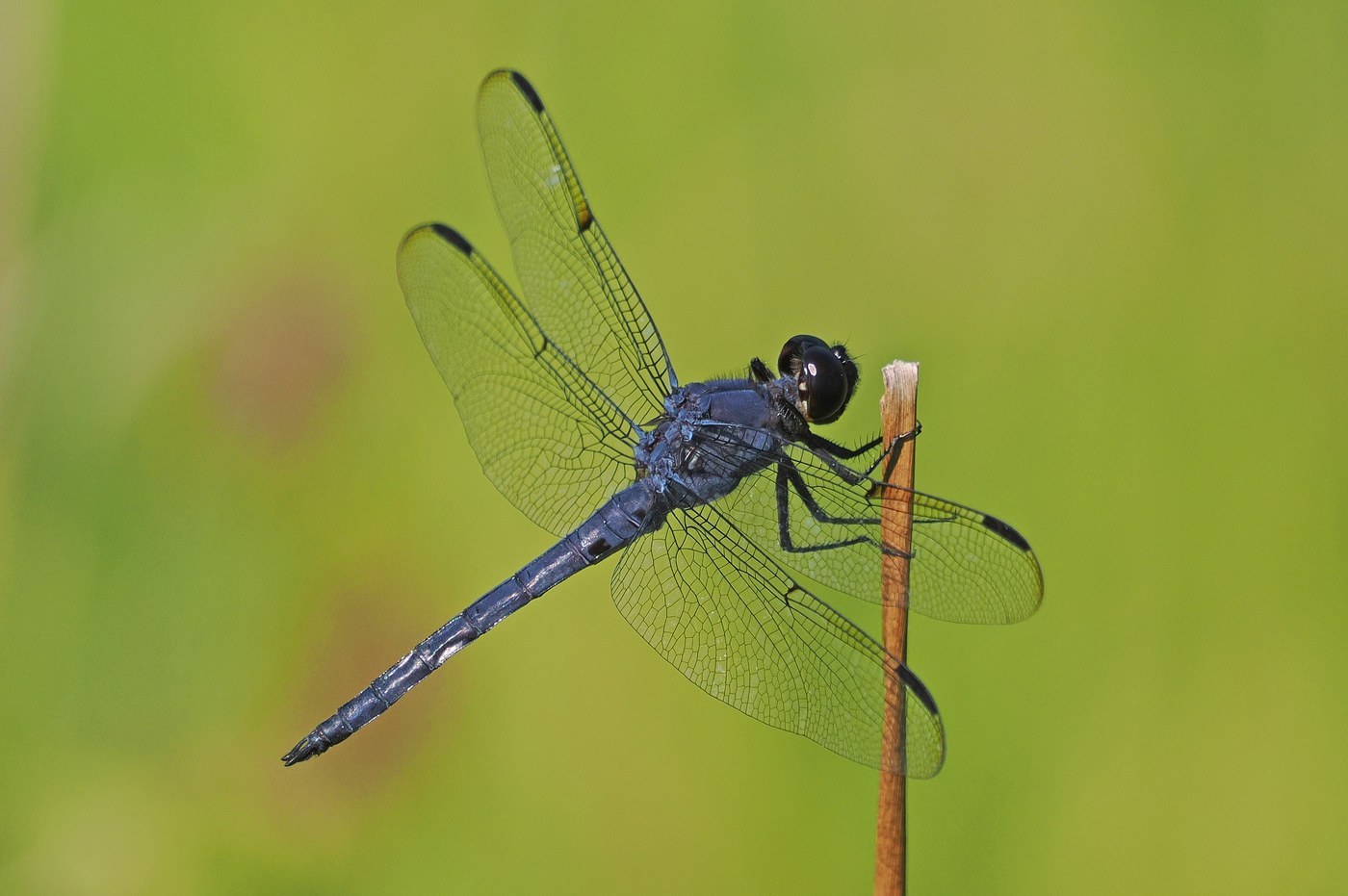
Slaty Skimmer
Still or slow-moving ponds, lakes, and marshes with open shoreline
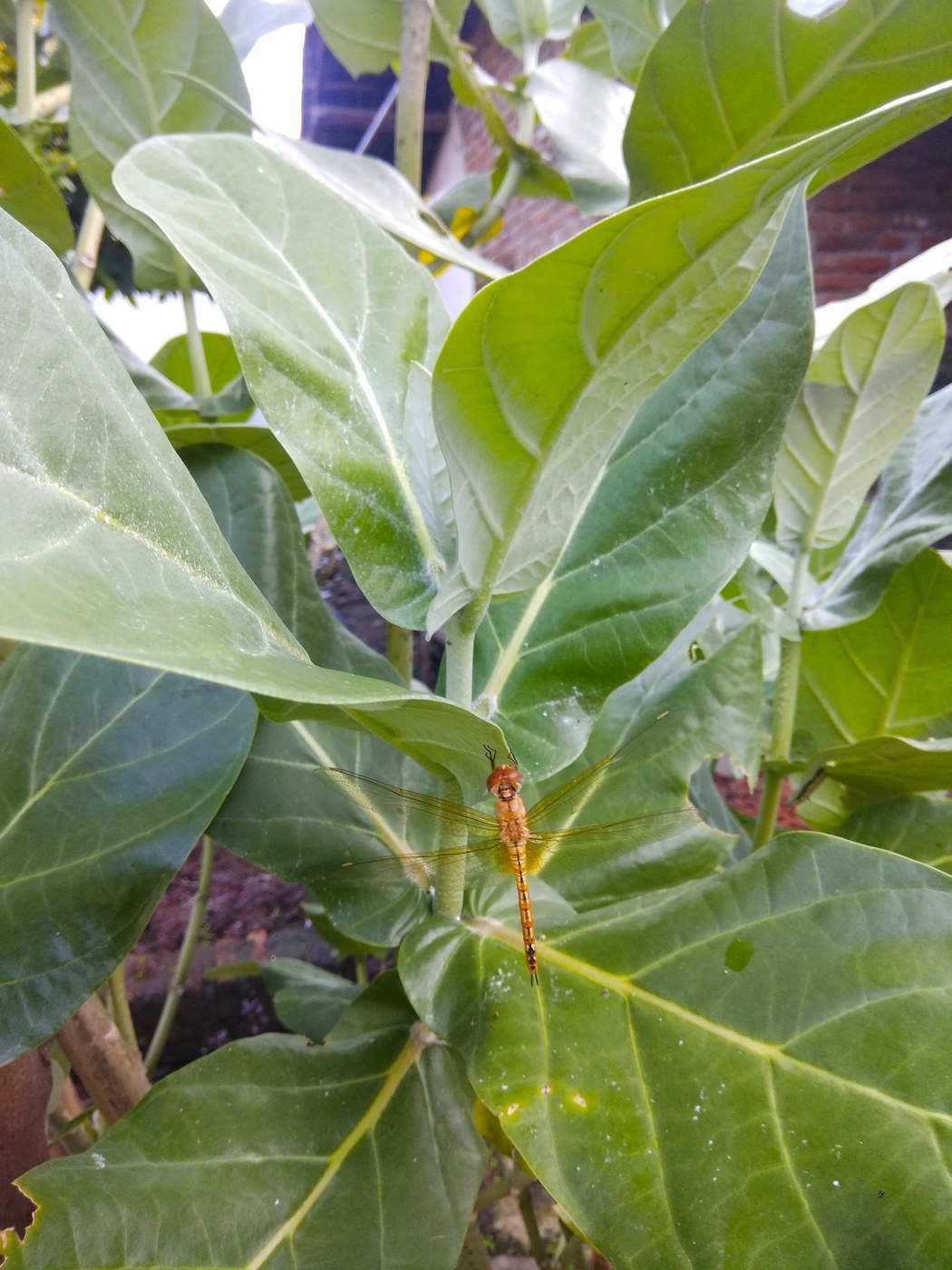
Wandering Glider
Temporary pools, open fields, and coastlines nearly worldwide
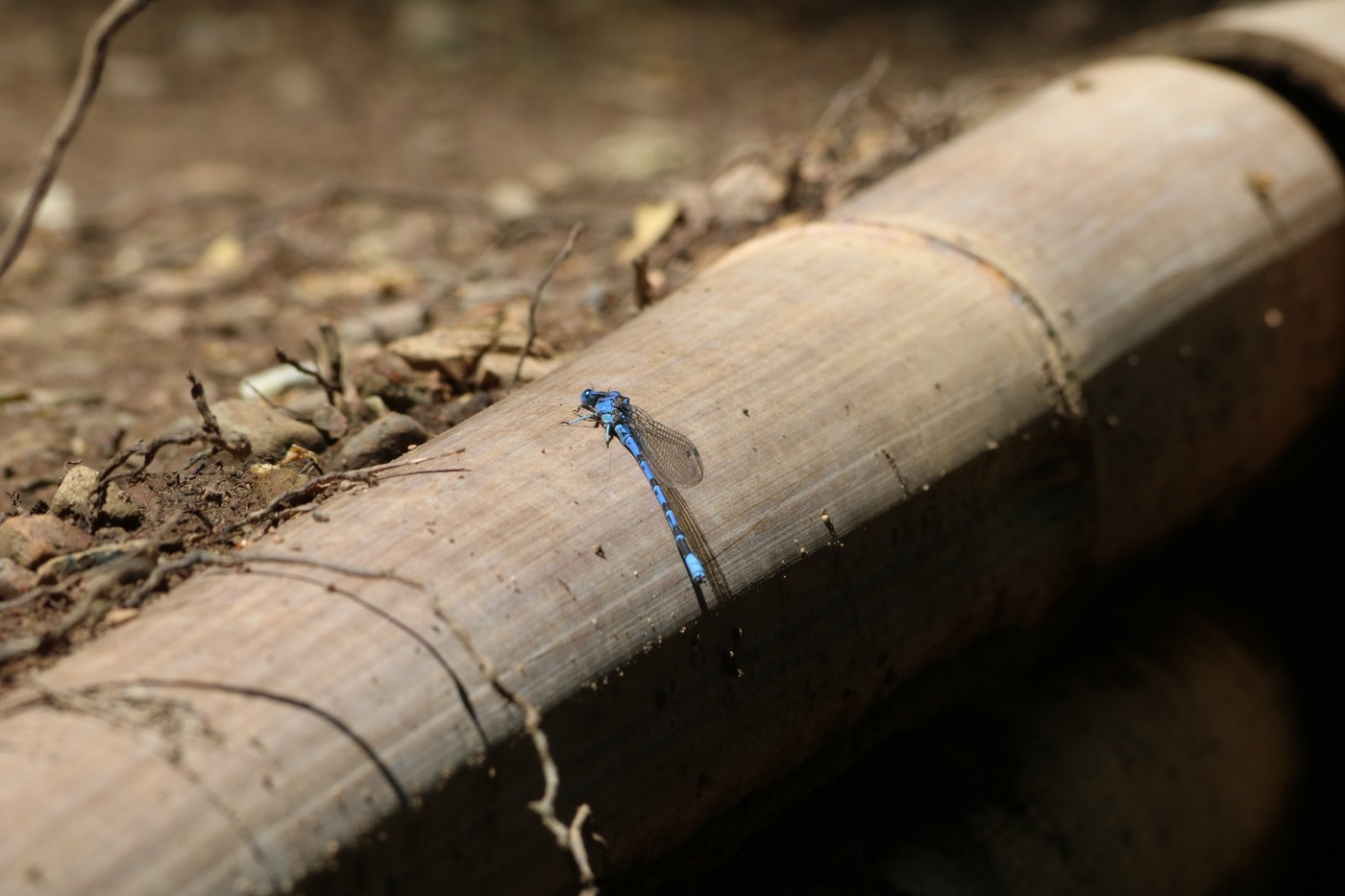
Vivid Dancer
rocky streams, seeps, and spring-fed creeks, often near thermal or warm springs
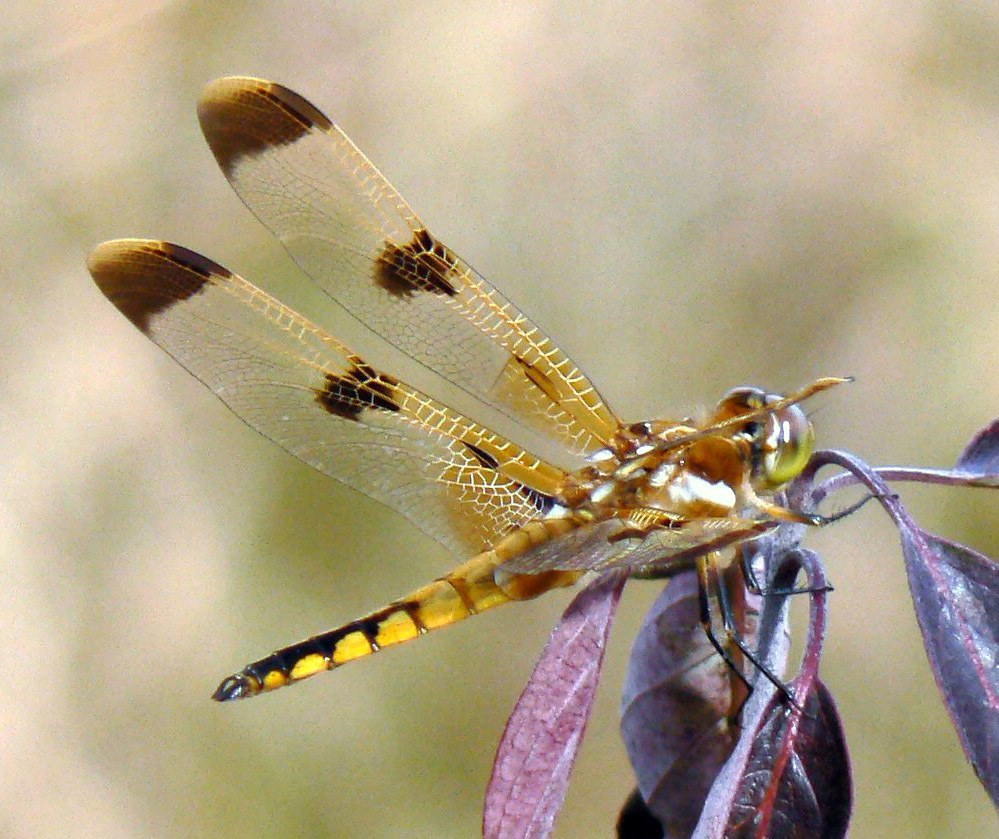
Painted Skimmer
Ponds, marshes, and slow-moving vegetated waters, including temporary pools
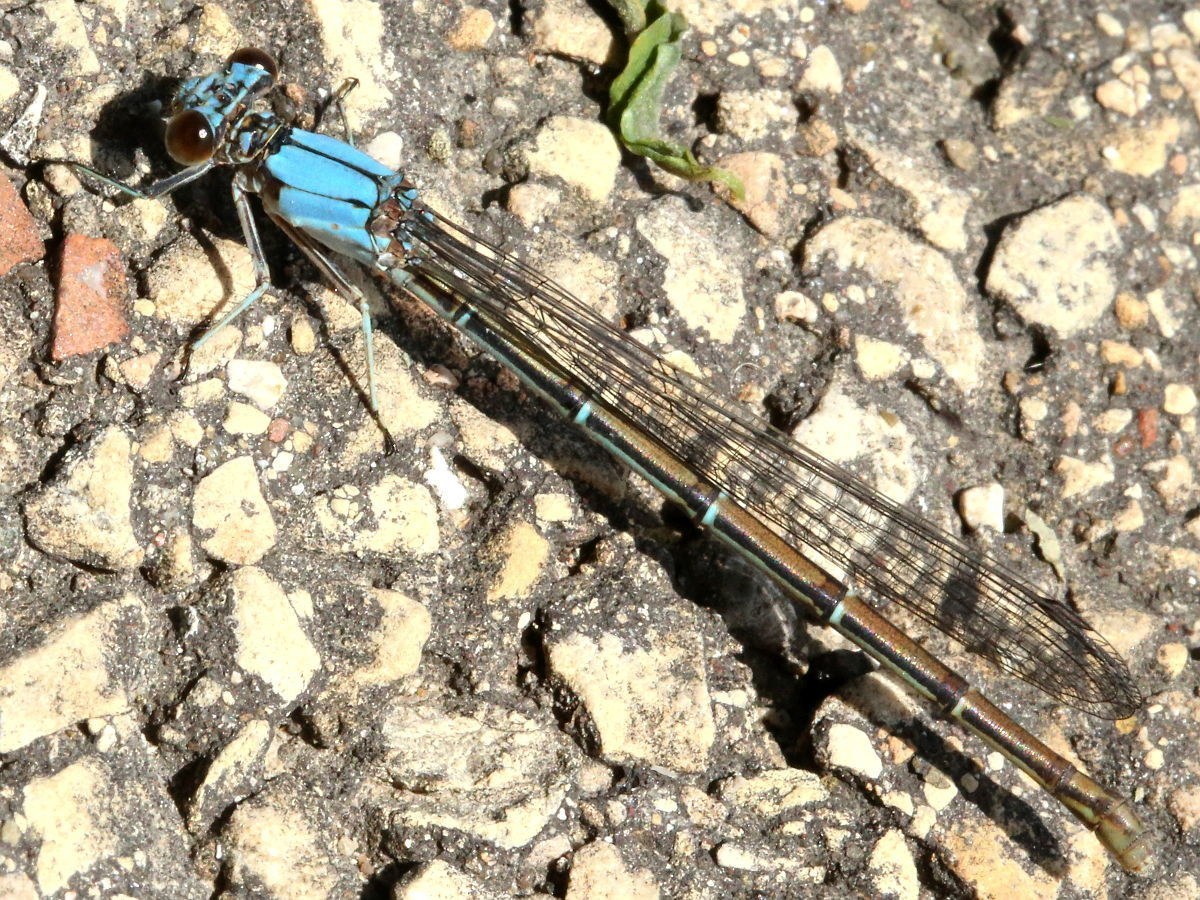
Powdered Dancer
rocky and gravelly rivers, streams, and lake shorelines