
Damselfly Nymph
Zygoptera spp.
A slender aquatic predator with three feathery tail gills, patiently stalking small prey among pond plants before emerging as a delicate flying damselfly.
- Size
- 15-35 mm
- Habitat
- Ponds, lakes, and slow streams with aquatic vegetation
- Danger
- Harmless
Spotted a bug like this?
Identify any bug or insect from a photo, free.
Overview
Damselfly nymphs are the aquatic immature stage of damselflies, insects in the suborder Zygoptera closely related to dragonflies. Like their dragonfly relatives, damselfly nymphs are predators equipped with a specialized extendable labium for capturing prey, but they are generally more slender and delicate in build than the stockier dragonfly nymphs.
A distinguishing feature of most damselfly nymphs is the presence of three flattened, leaf-like or feathery gills projecting from the tip of the abdomen, used both for respiration and, in many species, to aid in swimming. These external gills are absent in dragonfly nymphs, which instead rely on internal rectal gills, making tail structure one of the easiest ways to separate the two groups.
Damselfly nymphs live among submerged vegetation in still or slow-moving water, where their slim bodies and camouflage colors allow them to move through dense plant stems while hunting smaller invertebrates.
How to Identify
- Nymphs are 15-35 mm long, with a slender, elongated body and long, thin legs adapted for climbing through vegetation.
- Three flattened, feathery or leaf-shaped gills extend from the tip of the abdomen, a key identifying feature.
- Coloring is typically pale green, brown, or tan, helping them blend with pond plants.
- Like dragonfly nymphs, they possess a hinged, extendable labium folded beneath the head for capturing prey.
- The body is noticeably narrower and more elongated overall compared to the broader, stockier dragonfly nymph.
- Lookalikes include dragonfly nymphs, which lack tail gills and have a stouter, more compact body shape.
Habitat & Range
Damselfly nymphs inhabit freshwater ponds, lakes, marshes, and slow streams around the world, generally favoring areas with abundant submerged or emergent vegetation. They cling to plant stems and leaves rather than burrowing into sediment, using the dense vegetation for cover while hunting. Nymphs are present year-round in permanent water bodies, with adult emergence concentrated in the warmer months in temperate climates.
Behavior & Diet
Like dragonfly nymphs, damselfly nymphs are ambush predators that use a rapid-striking, extendable labium to capture small aquatic invertebrates such as mosquito larvae, small crustaceans, and other insect nymphs. Their external tail gills serve a dual purpose, extracting oxygen from the water while also functioning as a paddle-like aid to swimming when the nymph needs to move quickly. Nymphs play an important role in freshwater food webs, both as predators controlling smaller invertebrate populations and as prey for fish, larger nymphs, and aquatic birds. Because they are sensitive to water quality, damselfly nymphs are sometimes used as indicators of healthy freshwater habitats.
Life Cycle
Eggs are laid in or near water, often inserted directly into plant stems or floating vegetation by the female using a blade-like ovipositor. Nymphs hatch and grow through a series of instars over a period of a few months to about a year, depending on species and climate, molting repeatedly as they feed and increase in size. When ready to transform, the mature nymph climbs out of the water onto a plant stem or rock, where the final molt reveals the winged adult damselfly, which pumps fluid into its wings to expand them before its first flight. Many temperate species overwinter as nymphs underwater, resuming development and completing metamorphosis the following spring or summer.
Frequently asked questions
What are the feathery structures at the tail end of a damselfly nymph?
They are three external gills used for breathing underwater, and they can also assist the nymph in swimming.
Are damselfly nymphs dangerous to handle?
No, they are harmless small aquatic predators that pose no threat to people.
What do damselfly nymphs eat?
They prey on small aquatic invertebrates such as mosquito larvae and tiny crustaceans, capturing them with a rapid-striking extendable labium.
How is a damselfly nymph different from a dragonfly nymph?
Damselfly nymphs are slimmer with three visible tail gills, while dragonfly nymphs are stockier and lack external tail gills.
Damselfly Nymph guides
In-depth guides for identifying, understanding, and living alongside Damselfly Nymph.
Other bugs you may enjoy
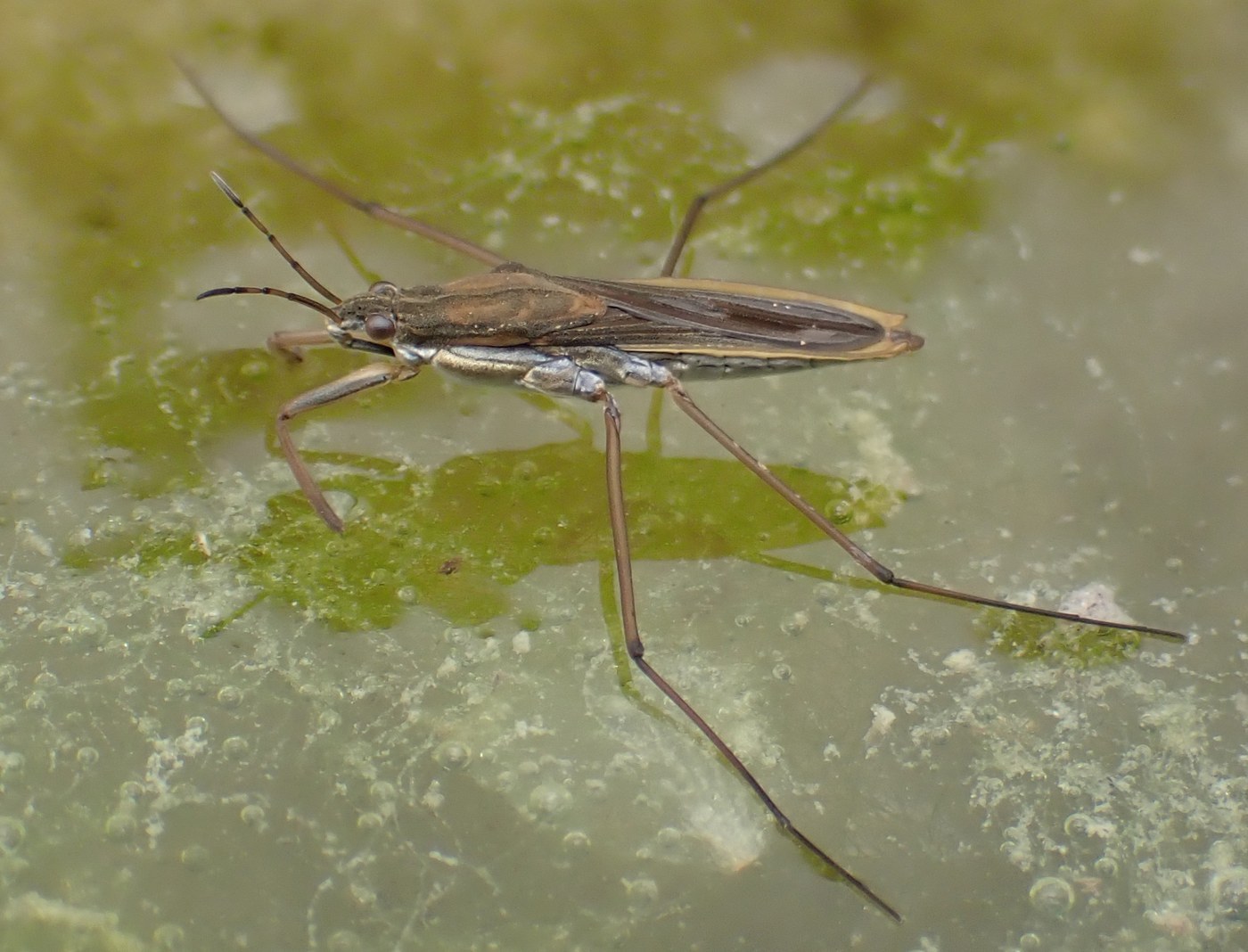
Water Strider
Still or slow-moving fresh water: ponds, lake edges, slow streams, puddles
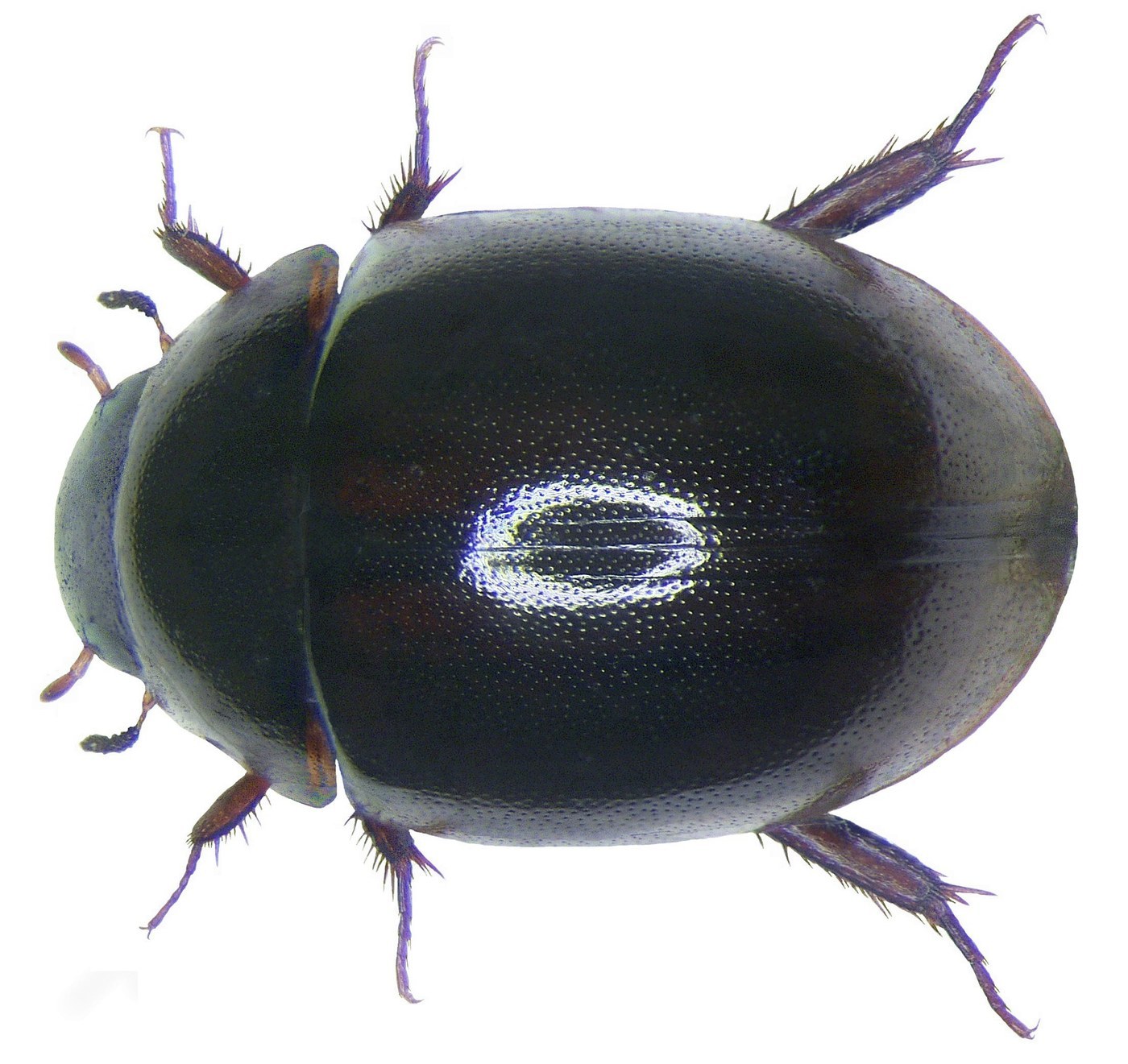
Water Beetle
Ponds, slow streams, marshes, still fresh water
Water Penny Beetle
Fast, rocky, well-oxygenated streams
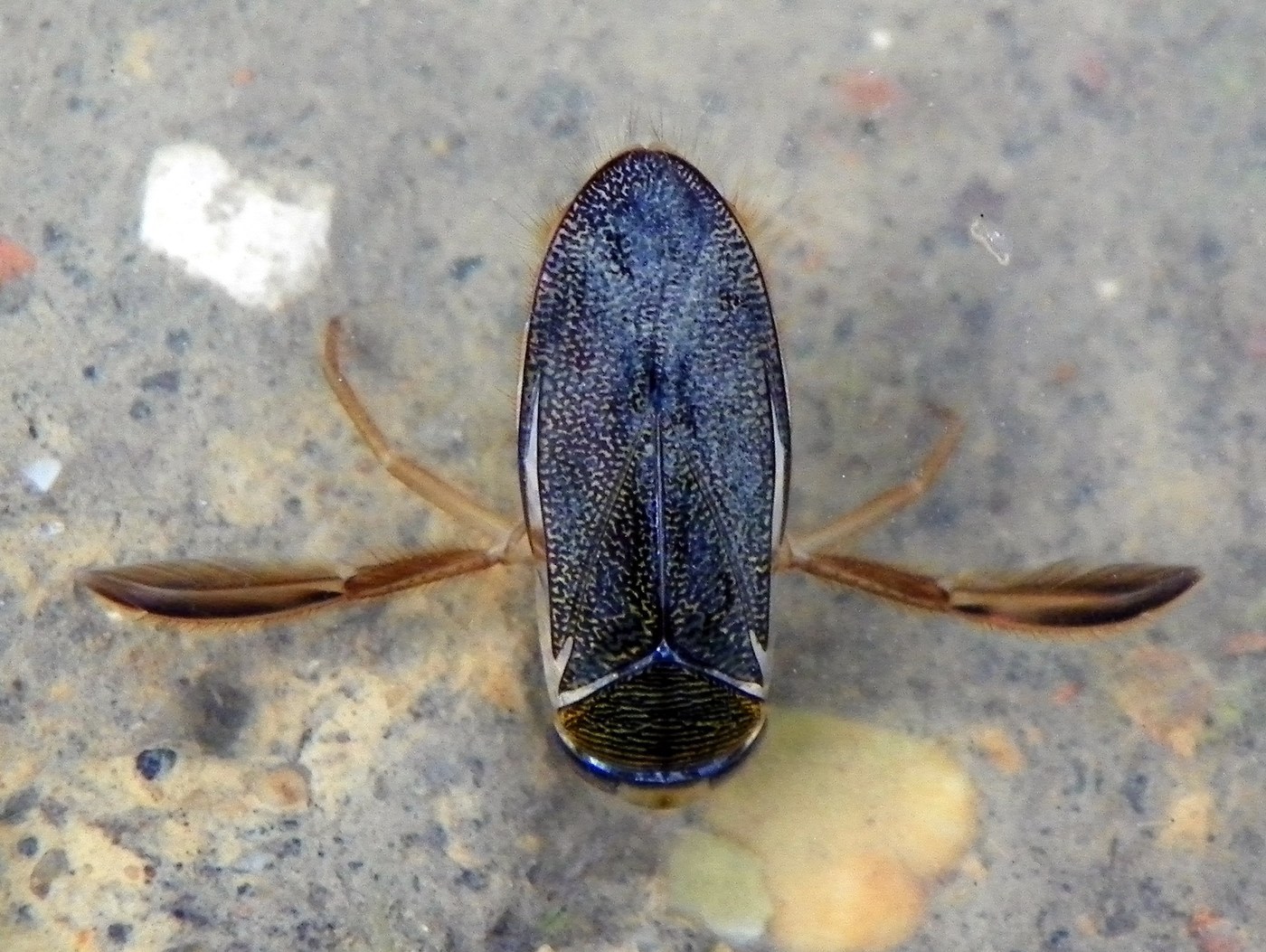
Water Boatman
Ponds, lakes, slow streams, freshwater with vegetation
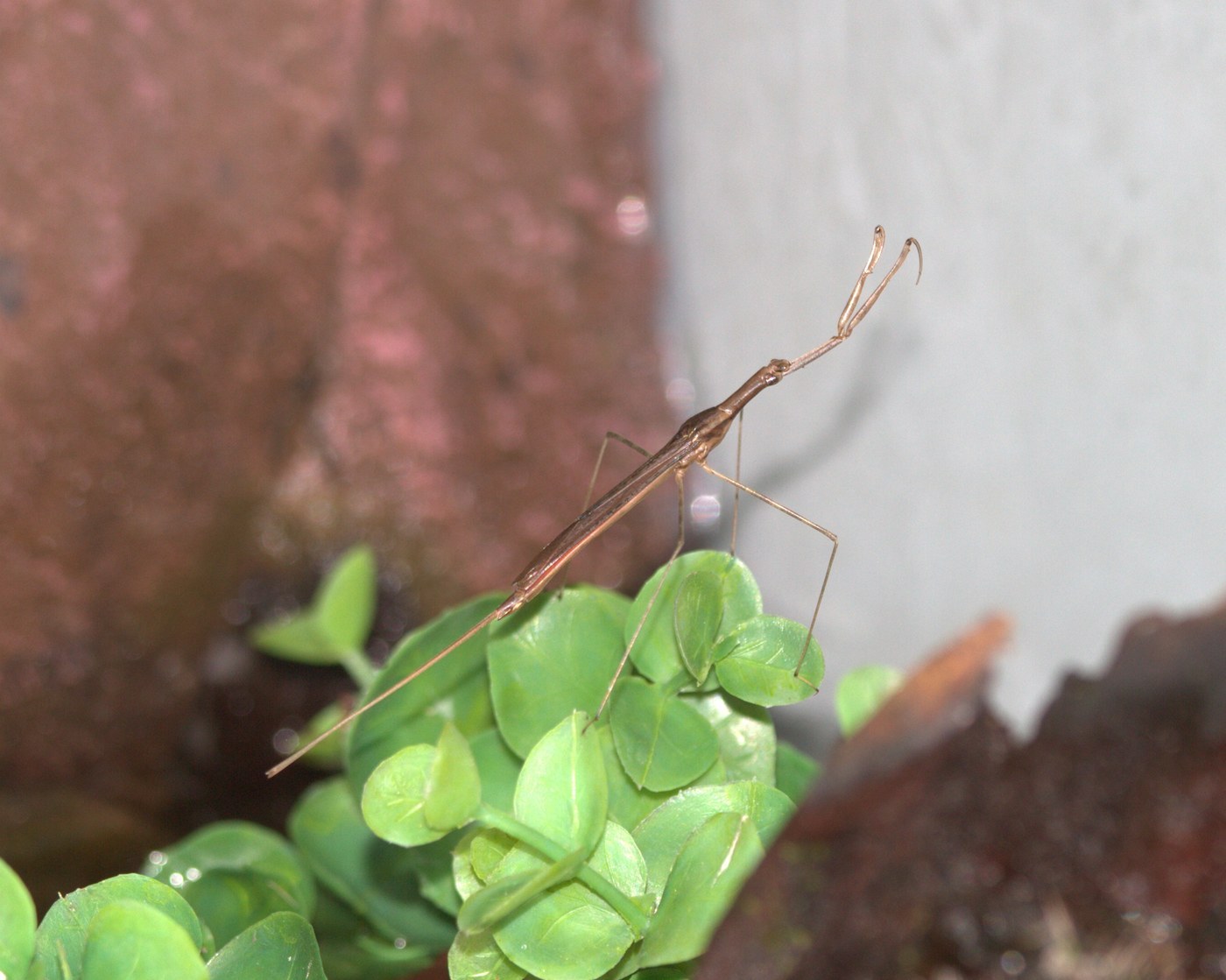
Water Scorpion
Still or slow-moving water with submerged vegetation
Stonefly
Cold, clean, well-oxygenated streams and rivers
Stonefly Nymph
Cold, fast-flowing, well-oxygenated streams
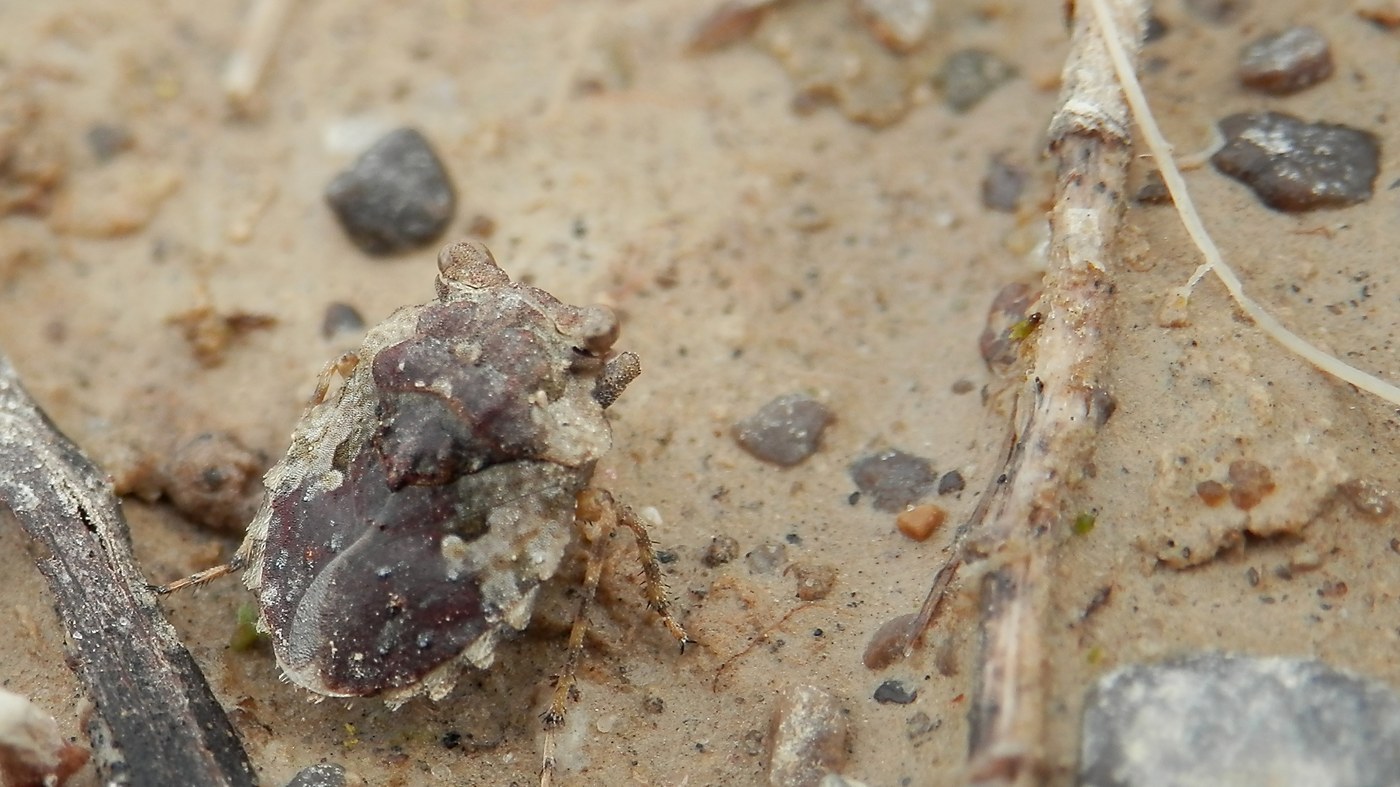
Toad Bug
Muddy or sandy shorelines of ponds, streams, and rivers
Soldier Fly Larva
Ponds, marshes, and slow streams with organic sediment
Mosquito Larva
Standing water in ponds, ditches, containers, and puddles
Whirligig Beetle
Surface of ponds, lakes, and slow streams
Rat-Tailed Maggot
Stagnant, oxygen-poor water such as manure pools, drains, and compost