
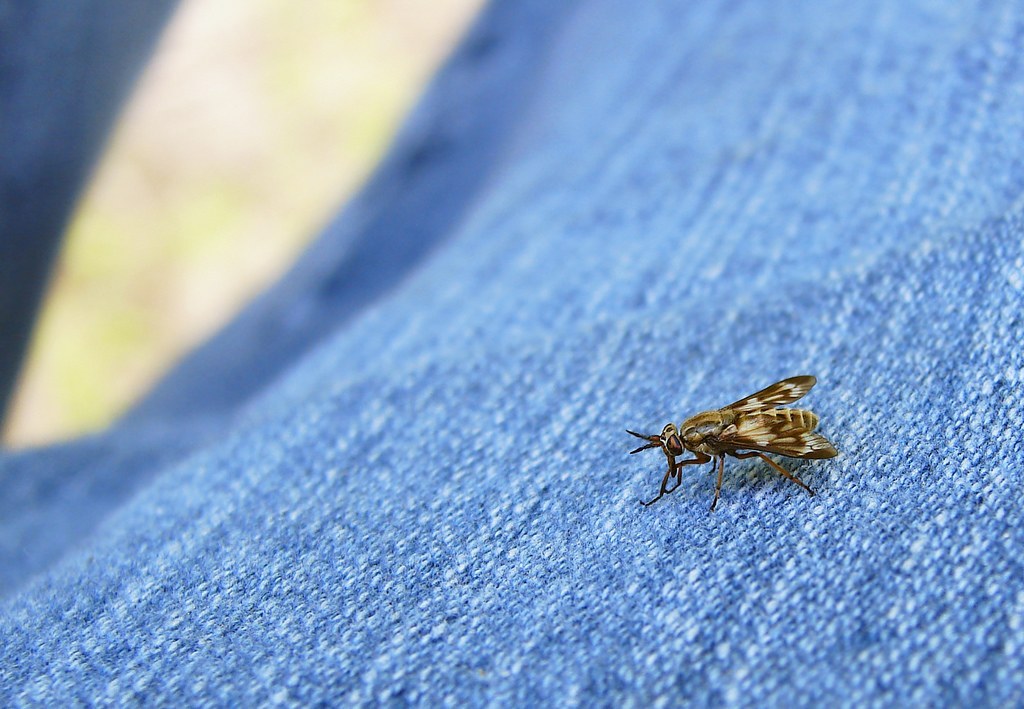
Deer Fly
Chrysops spp.
A small but aggressive fly with strikingly patterned, dark-banded wings and bright green or gold eyes, often circling the head and shoulders while hunting for a blood meal.
- Size
- 6–10 mm
- Habitat
- Woodlands, marshes, near ponds and streams
- Danger
- Bites
Spotted a bug like this?
Identify any bug or insect from a photo, free.
Overview
Deer flies form the genus Chrysops in the family Tabanidae, the same family as horse flies, though they are noticeably smaller and more colorfully marked. They are found across most of the world and are easily distinguished from their larger relatives by the bold dark patterning on their wings.
Like horse flies, only female deer flies seek out blood meals to fuel egg production, while males feed on nectar and pollen. Their larvae develop in wet, muddy habitats where they act as small predators, contributing to the food web of wetland and streamside ecosystems.
How to Identify
- Small, compact fly, 6–10 mm long, smaller and more streamlined than a horse fly.
- Wings marked with bold, dark brown or black bands or patches, a key identifying feature.
- Eyes often bright green or gold with intricate patterning, especially vivid in life.
- Body typically black or dark brown with yellowish markings on the abdomen in some species.
- Lookalike: distinguished from horse flies by its smaller size and patterned wings, and from house flies by its larger eyes and heavier build.
Habitat & Range
Widespread across North America, Europe, and Asia, deer flies favor wooded areas, trails, marshes, and habitats near slow-moving or standing water. They are most active on warm, still days in late spring and summer, often flying low around the head and shoulders of passersby.
Behavior & Diet
Female deer flies locate hosts using vision and body heat, circling persistently before landing to feed on blood, which supports egg development; males instead visit flowers for nectar. Larvae are semi-aquatic predators living in mud and decaying vegetation at pond and stream margins, feeding on small invertebrates. Adults have quick, darting flight and tend to approach from above and behind a moving target.
Life Cycle
Deer flies undergo complete metamorphosis. Eggs are laid in masses on vegetation overhanging water, and larvae drop into mud or shallow water to develop over several months, molting repeatedly while preying on small organisms. Pupation occurs in nearby moist soil, with most species completing one generation per year and overwintering as larvae.
Frequently asked questions
How can I tell a deer fly from a horse fly?
Deer flies are noticeably smaller and have bold dark patterns on their wings, while horse flies are larger and bulkier with mostly clear wings.
Why do deer flies circle around my head?
Female deer flies use vision and heat cues to track potential hosts, often circling before attempting to land and feed.
When are deer flies most active?
They are most commonly encountered on warm, calm days in late spring through summer, especially near wooded trails and wetlands.
Do all deer flies bite?
Only females feed on blood for egg development; males feed exclusively on nectar and pollen.
Deer Fly guides
In-depth guides for identifying, understanding, and living alongside Deer Fly.
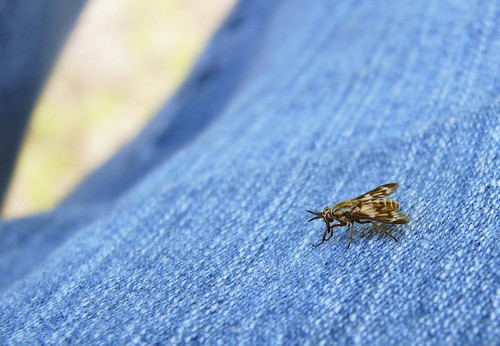
Deer Fly identified by the community
Real finds identified with Bug Identifier.
Other bugs you may enjoy
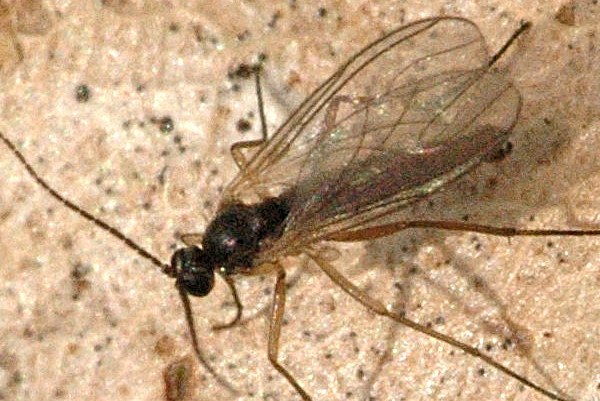
Aphid Midge
Gardens, greenhouses, and crops with aphids
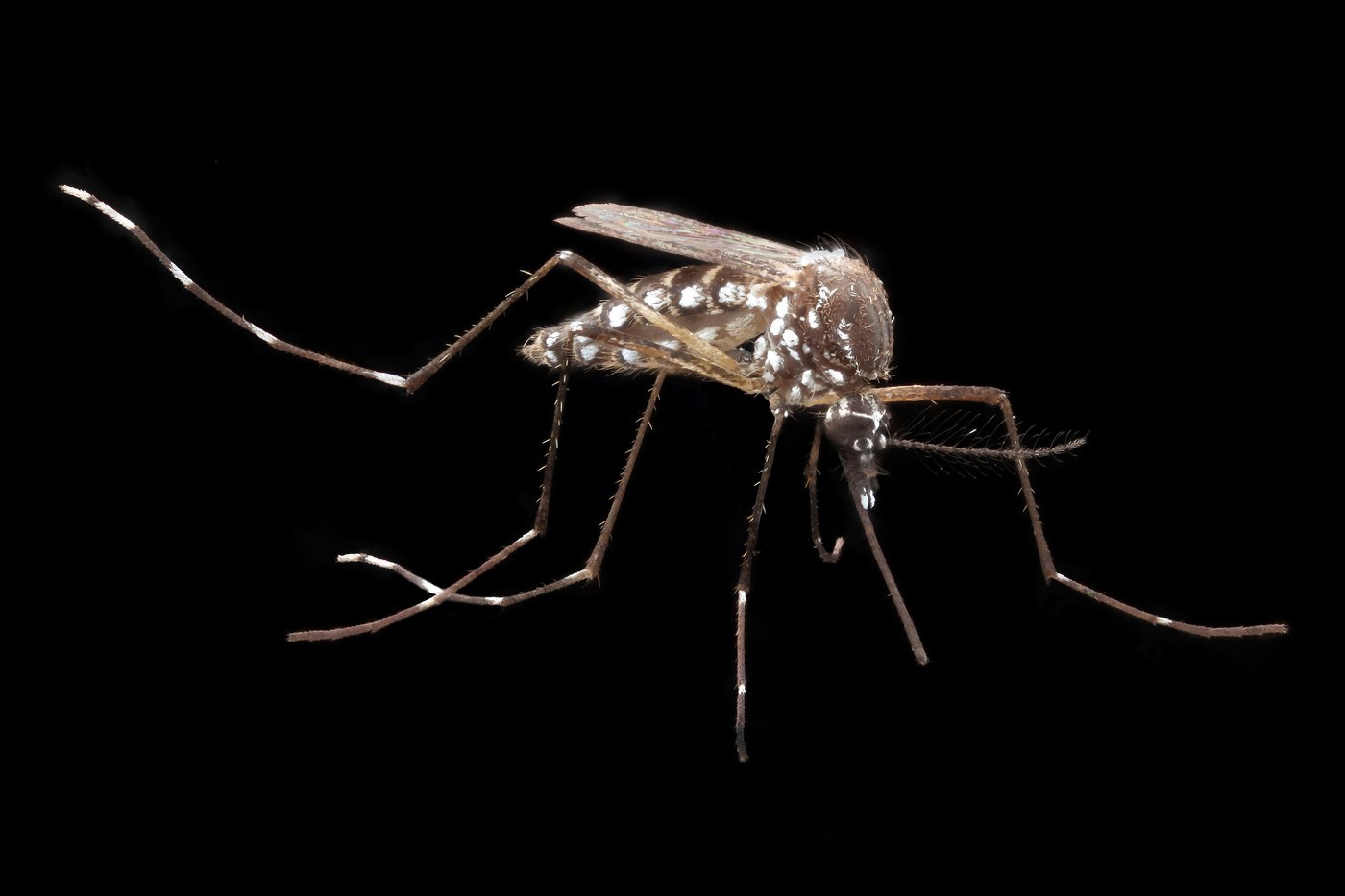
Yellow Fever Mosquito
Urban and peri-urban areas near small artificial water containers in tropical and subtropical regions worldwide
Root Maggot
Garden and field soil around the roots of cole crops and other vegetables
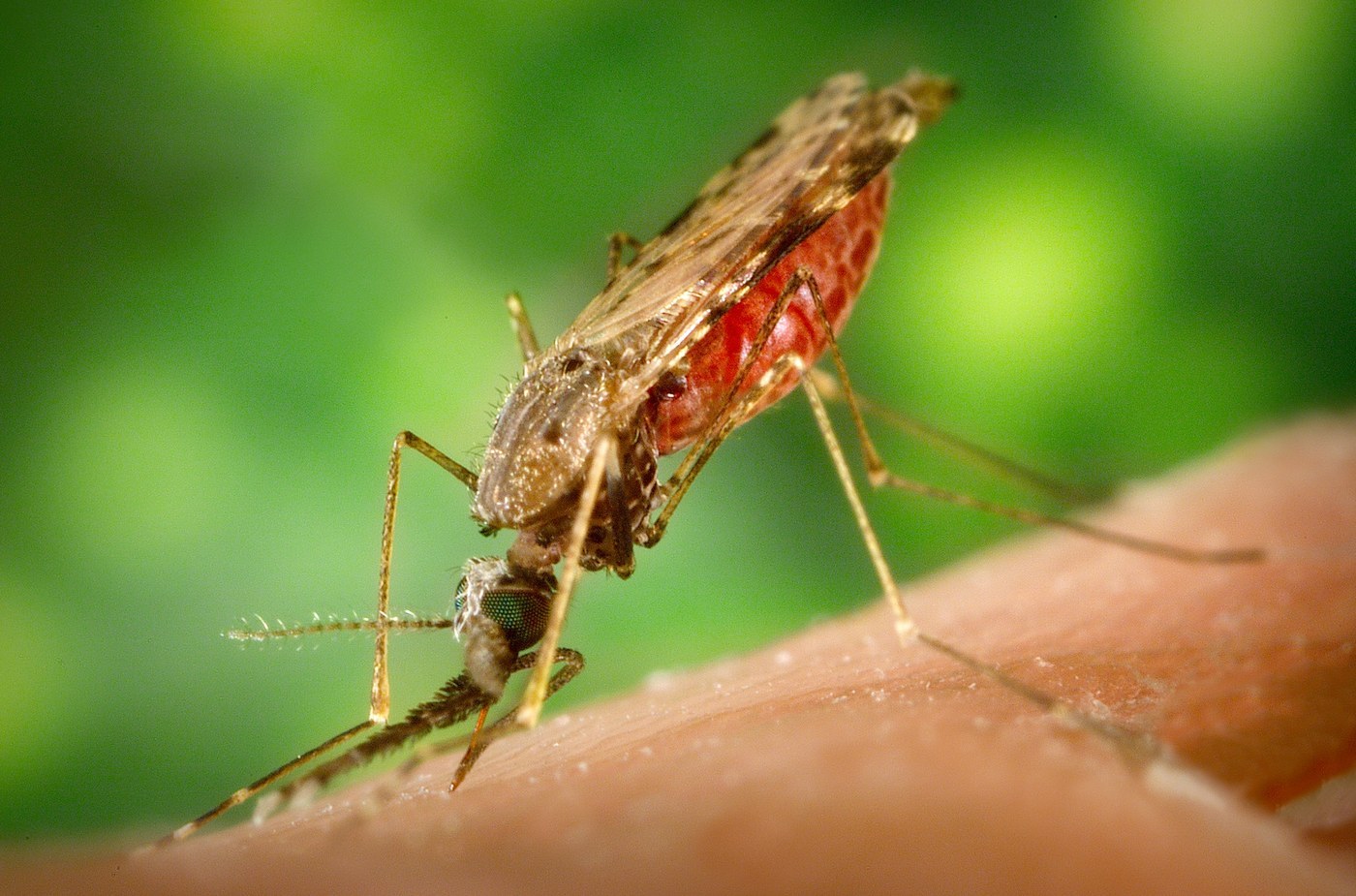
Anopheles Mosquito
Clean, still or slow-moving freshwater habitats such as marshes, ponds, and rice paddies
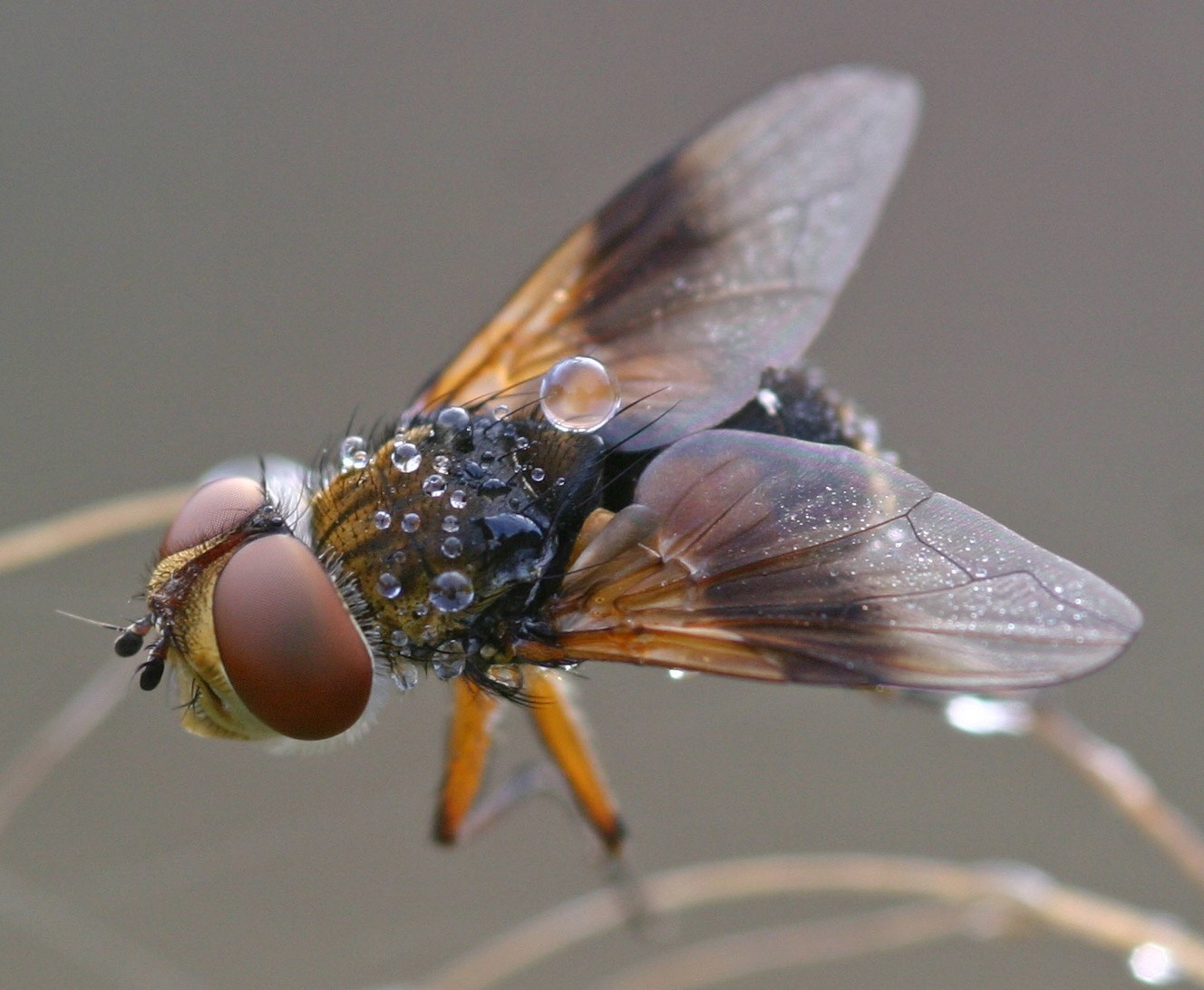
Tachinid Fly
Gardens, meadows, and woodlands wherever host caterpillars and other insects occur
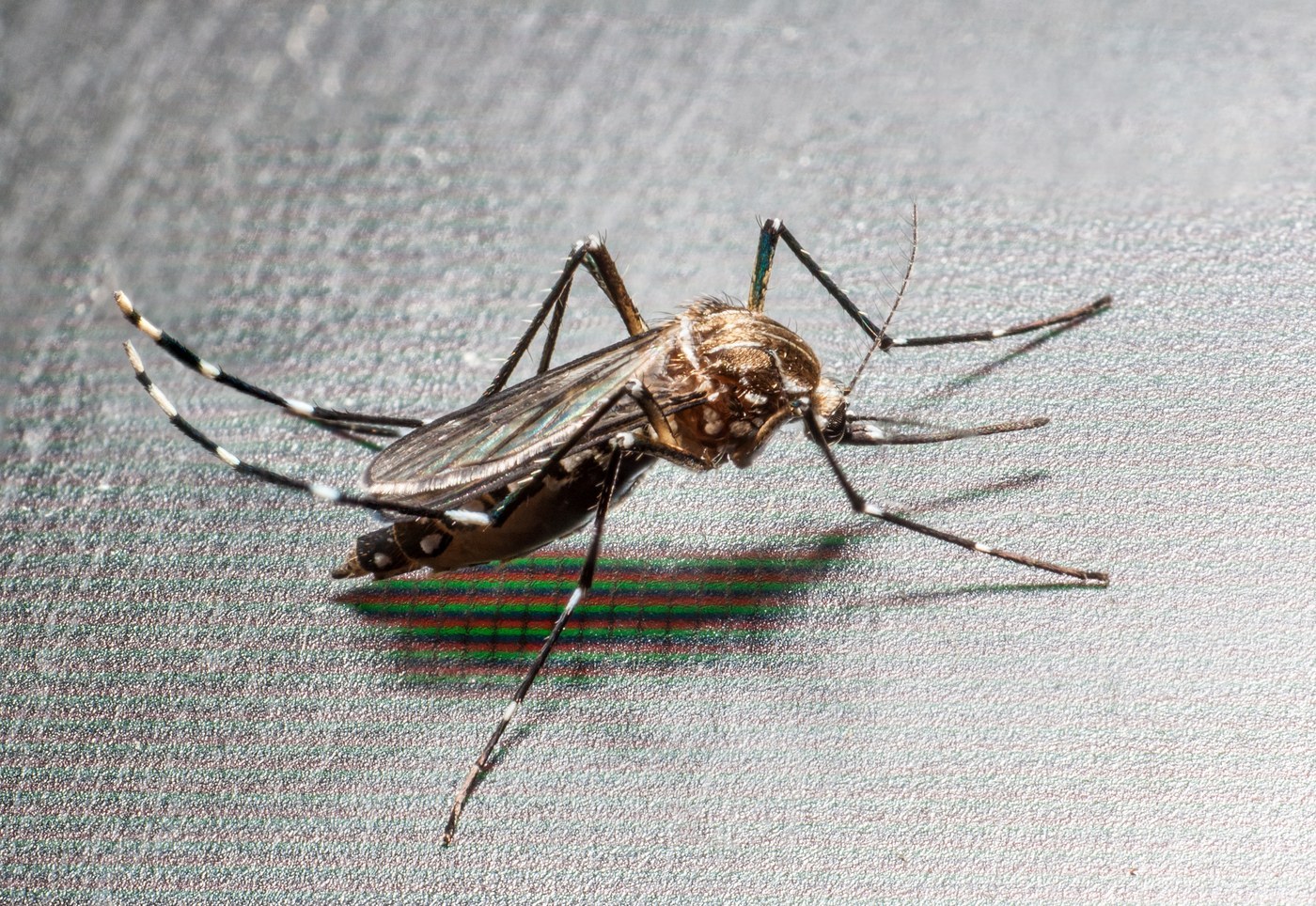
Asian Tiger Mosquito
Shaded urban and suburban areas near small water-holding containers, tires, and tree holes; native to Southeast Asia, now widespread
Tsetse Fly
Wooded savanna, riverine thickets, and forest edges across sub-Saharan Africa
Vinegar Fly
Around overripe fruit, compost, and fermenting materials worldwide
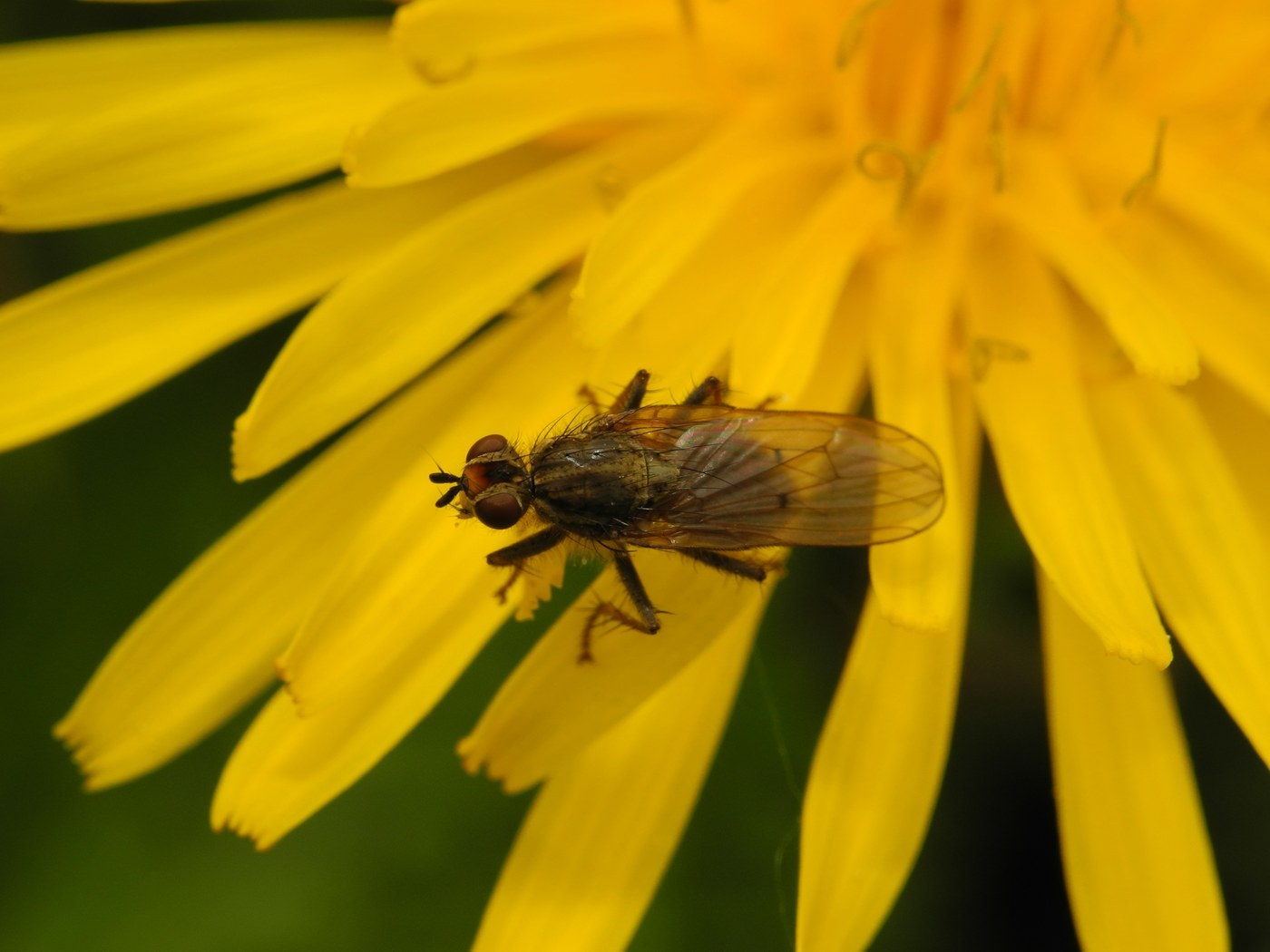
Yellow Dung Fly
Pastures and fields with fresh cattle dung
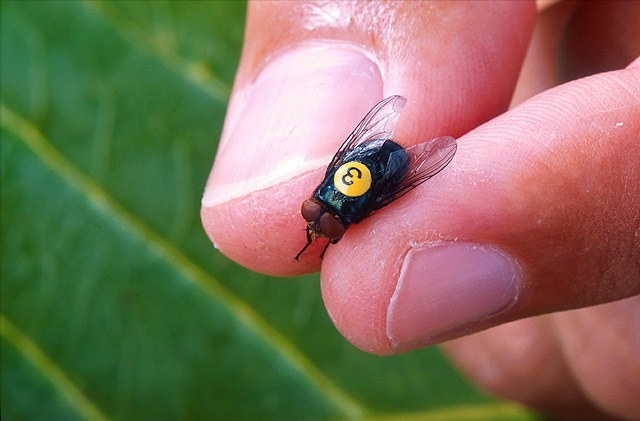
Screwworm Fly
Warm, humid lowlands of the Americas, especially near livestock and wildlife wounds
Soldier Fly
Wetland margins, decaying organic matter, and vegetation near water
Punkie
near marshes, mudflats, ponds, and other standing water