
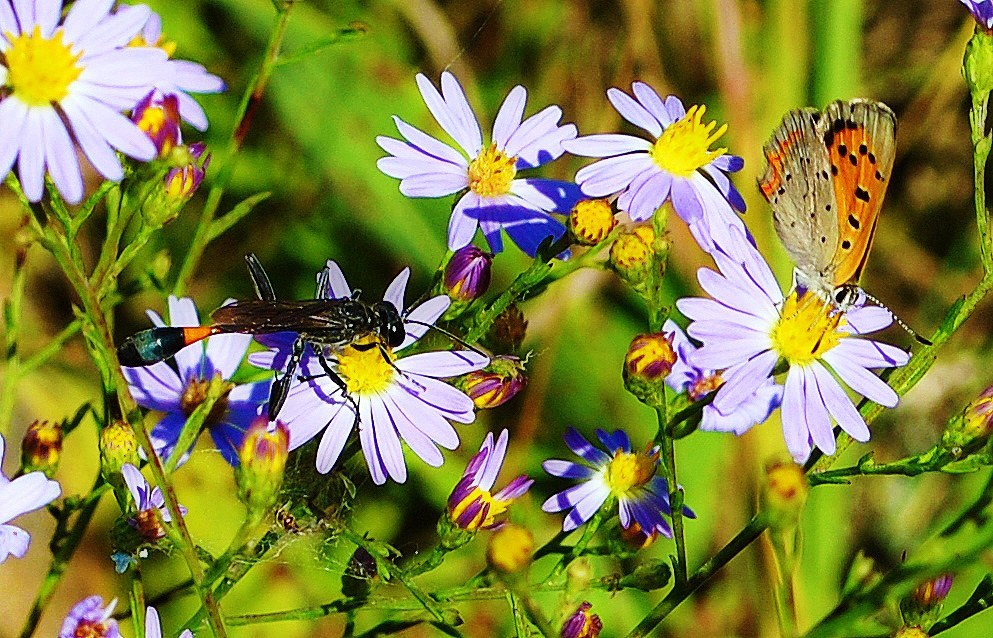
Digger Wasp
Sphecidae spp.
A solitary, ground-nesting wasp that excavates neat burrows in bare soil and provisions them with paralyzed prey for its young.
- Size
- 0.4-2 in (1-5 cm), varies widely by species
- Habitat
- Sandy or bare soil, gardens, sunny banks, and open fields
- Danger
- Stings
Spotted a bug like this?
Identify any bug or insect from a photo, free.
Overview
Digger wasps are a broad group of solitary wasps in the family Sphecidae (and related families), named for their habit of excavating burrows in sandy or bare ground rather than building paper nests. Unlike social wasps such as yellowjackets, each female digger wasp works alone, digging her own tunnel, hunting prey, and provisioning a brood chamber without help from a colony. The group includes well-known members like the large cicada killer as well as many smaller, less conspicuous species that go unnoticed despite being common in lawns and gardens.
These wasps are important predators in garden and field ecosystems, hunting insects and spiders that they paralyze and stockpile as food for their larvae. Because they are solitary and largely focused on prey capture rather than colony defense, digger wasps are generally far less inclined to interact with people than social wasps, and their presence is often a sign of loose, well-drained soil nearby.
Digger wasp activity is most noticeable in mid-to-late summer, when small mounds of excavated soil with a central burrow entrance appear in sandy patches, sparse lawns, or garden beds. Multiple females may nest in loose aggregations in favorable soil, giving the appearance of a colony even though each wasp maintains an independent nest.
How to Identify
- Slender, narrow-waisted wasp body, typically black or dark brown with yellow, orange, or pale markings on the abdomen
- Smooth, shiny exoskeleton with long legs adapted for digging
- Size varies greatly by species, from small (under half an inch) to large cicada killers exceeding two inches
- Clear to smoky wings folded flat over the back at rest
- Females often seen carrying a paralyzed insect or spider while flying low to the ground toward a burrow
- Lookalikes include yellowjackets and hornets, but digger wasps are solitary and lack the compact, banded look of social wasp workers; they also differ from bees by having a slimmer, less hairy body
Habitat & Range
Digger wasps favor open, sunny areas with sandy, sparsely vegetated, or well-drained soil, including garden beds, lawns with thin turf, sand dunes, road cuts, and agricultural field margins. They are found on every continent except Antarctica, with the greatest diversity in warm temperate and tropical regions. Nesting sites are chosen for ease of digging, and the same patch of ground may host generation after generation of wasps if conditions remain favorable.
Adults are most active from late spring through early autumn, with peak burrowing and hunting activity in the warmest summer months. Many species prefer to nest in loose aggregations, with dozens of individual burrows clustered in a small area of bare ground, though each nest remains a separate, independently provisioned unit.
Behavior & Diet
Female digger wasps spend much of their adult life excavating a burrow, then hunting for suitable prey, which varies by species and can include caterpillars, crickets, cicadas, flies, or spiders. Once located, the prey is stung and paralyzed rather than killed, then carried or dragged back to the burrow and sealed inside a brood cell with a single wasp egg. This behavior provides the developing larva with a fresh, immobilized food source that lasts through its growth. Males typically do not dig or hunt; their role is limited to mating, and they are often seen patrolling nesting areas or resting on nearby vegetation.
Adult digger wasps also feed on nectar and are frequently seen visiting flowers, making them minor pollinators in addition to their predatory role. As predators of caterpillars, crickets, and other insects, digger wasps help regulate populations of common garden and agricultural pests, giving them a beneficial ecological role. They are generally non-aggressive toward people, focusing their energy on nest maintenance and prey capture rather than colony defense, since there is no shared nest or brood to protect collectively.
Life Cycle
A female digger wasp lays a single egg on or near each paralyzed prey item sealed within an individual brood cell at the end of her burrow. The egg hatches into a legless, grub-like larva that feeds on the provisioned prey, consuming it over several days to weeks depending on the species and temperature. After completing larval growth, the larva spins a cocoon or forms a pupal chamber within the soil and undergoes complete metamorphosis, transforming into an adult wasp.
Most temperate digger wasp species overwinter as a pre-pupa or pupa underground, emerging as adults the following spring or summer, while species in warmer climates may produce multiple generations per year. Adults live for only a few weeks to a couple of months, during which females focus almost entirely on digging new burrows and provisioning them before dying at the end of the season, leaving the next generation to develop unseen in the soil.
Frequently asked questions
Are digger wasps aggressive?
No, digger wasps are solitary and generally not aggressive toward people; they focus on digging burrows and hunting prey rather than defending a shared colony.
What do digger wasps eat?
Adults feed on nectar, while the larvae eat prey such as caterpillars, crickets, cicadas, or spiders that the female paralyzes and stores in the burrow.
Why are there small mounds of dirt in my lawn?
Small mounds with a central hole in bare or sandy soil are often the entrance to a digger wasp burrow, especially common in loose or sparsely vegetated ground during summer.
Do digger wasps live in colonies?
Not truly. Many species nest in loose aggregations where numerous females dig burrows close together, but each wasp provisions and maintains her own separate nest independently.
Digger Wasp guides
In-depth guides for identifying, understanding, and living alongside Digger Wasp.
Other bugs you may enjoy
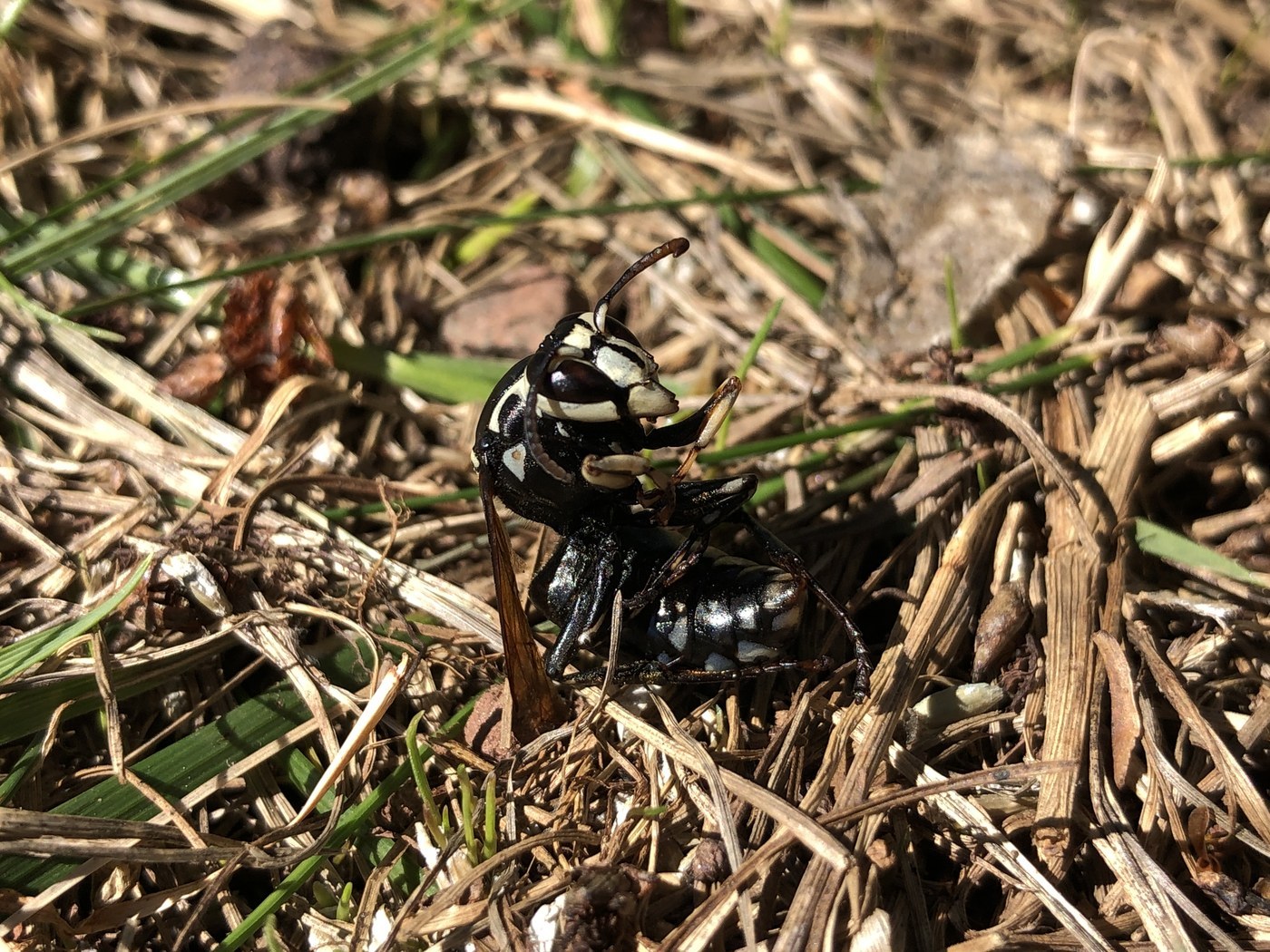
Bald-faced Hornet
Woodland edges, shrubs, and tree branches across North America
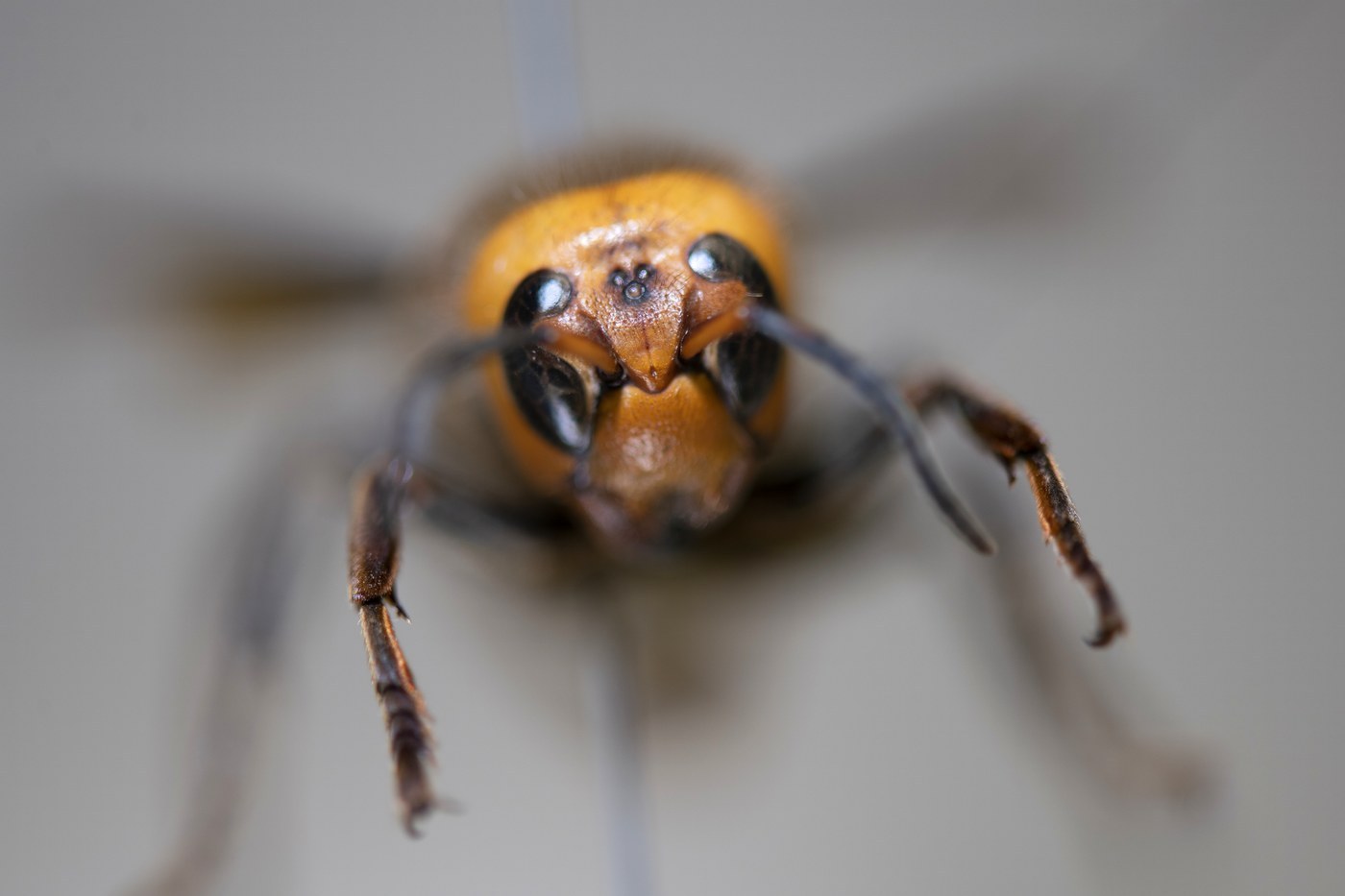
Asian Giant Hornet
Forested lowlands and mountains of East and South Asia; low tree hollows
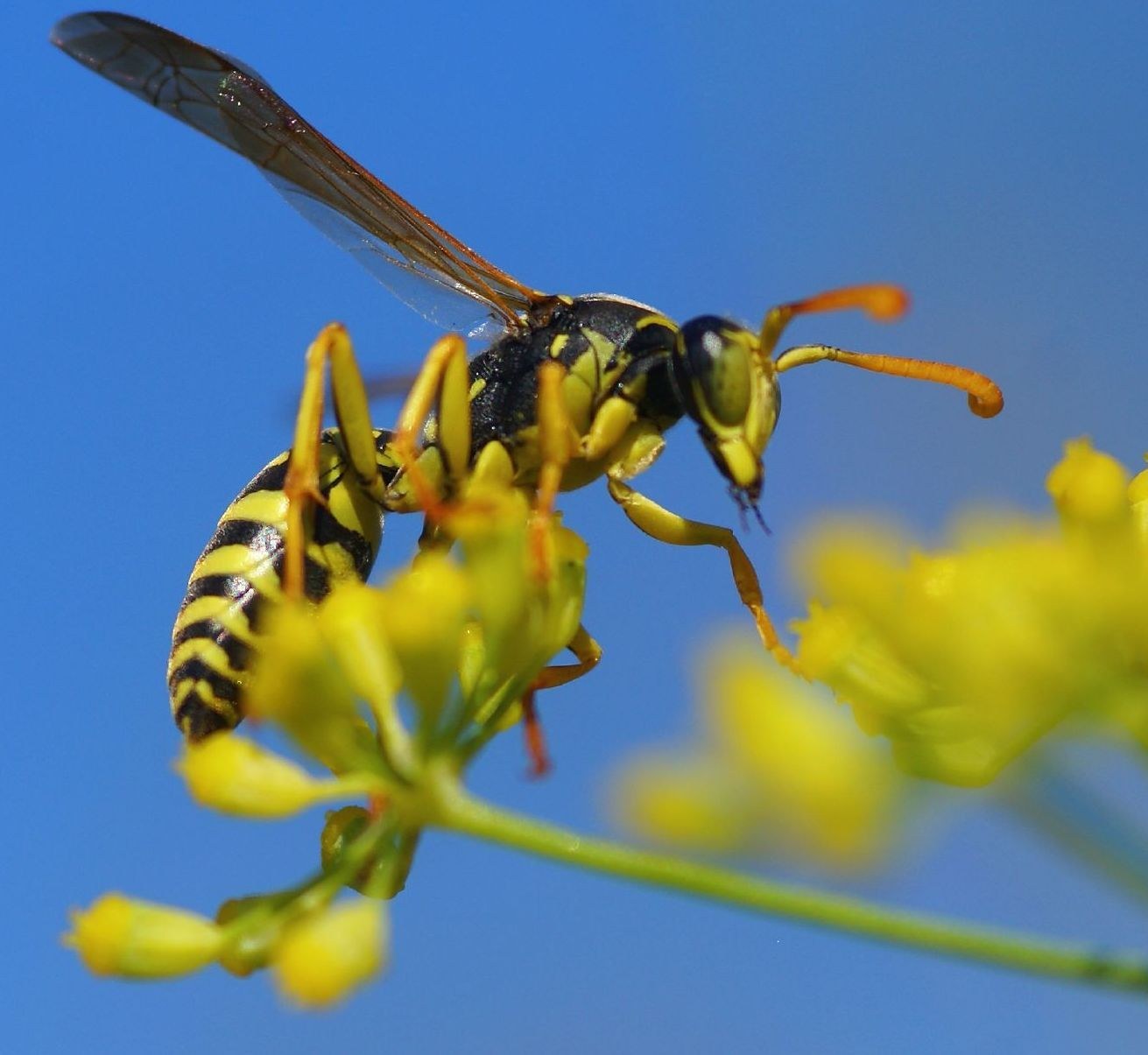
Yellowjacket
Underground nests, wall voids, gardens, picnic areas
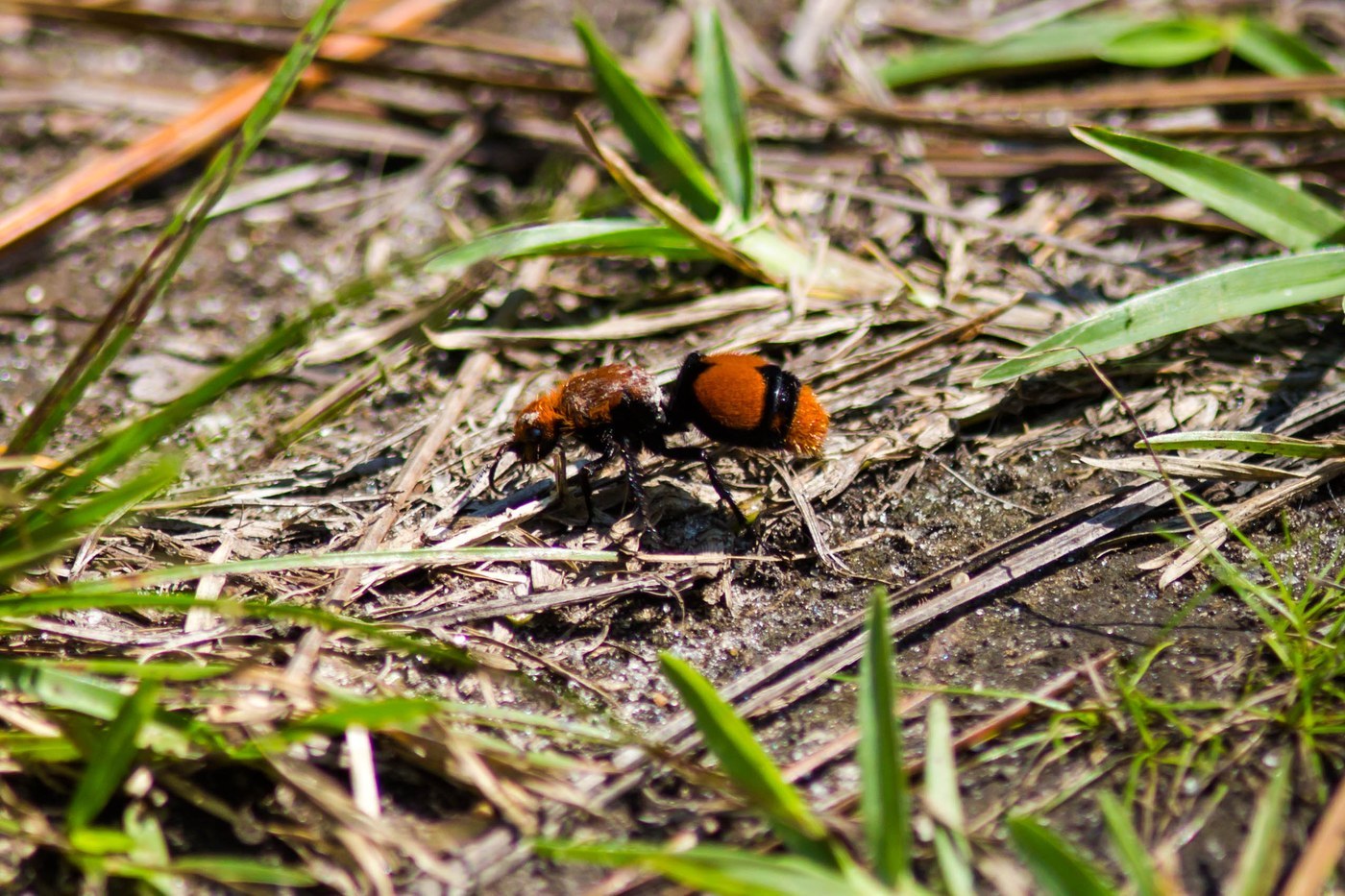
Velvet Ant
Sandy soils, open fields, dunes, roadsides in warm regions
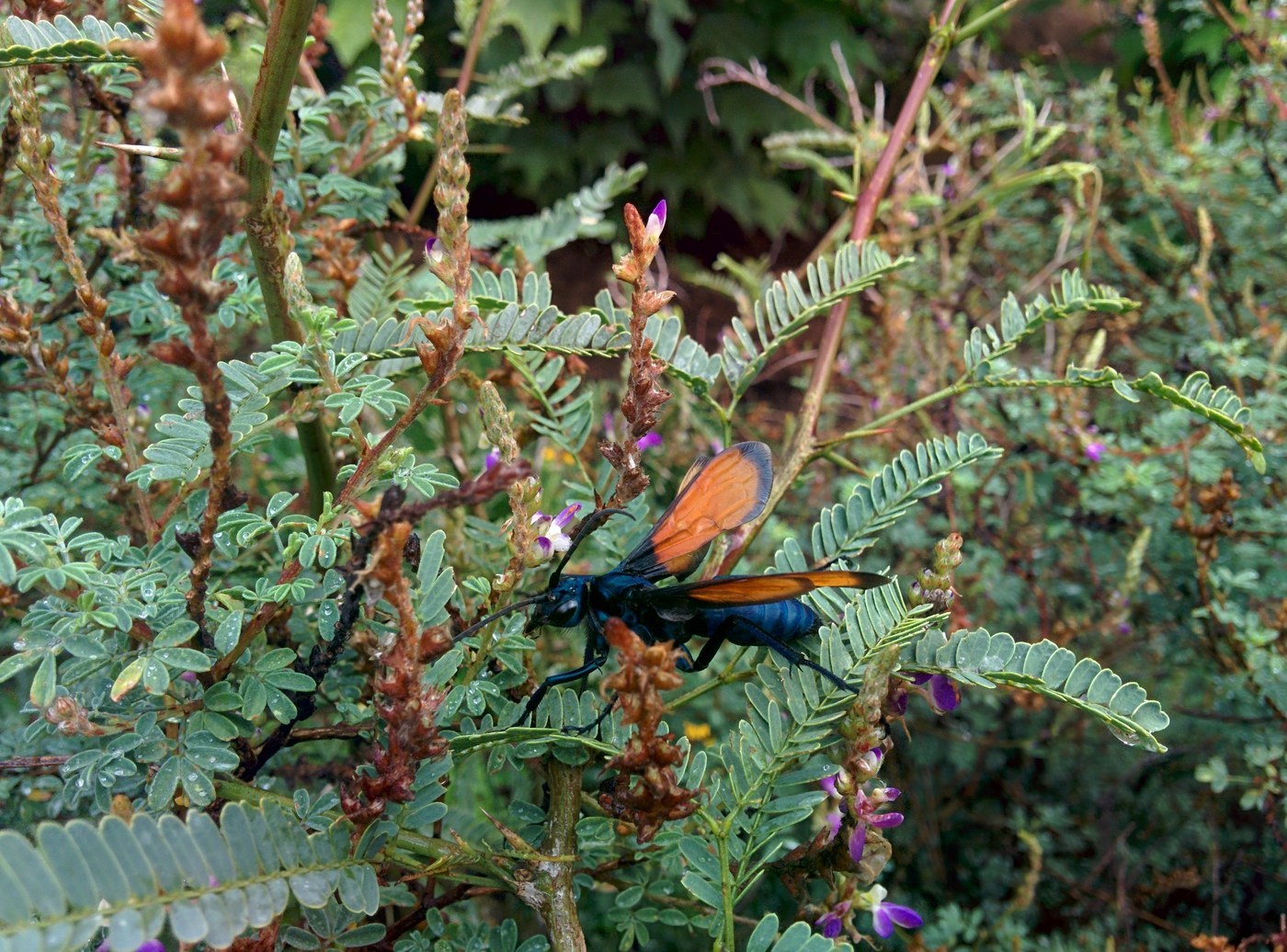
Tarantula Hawk
Deserts, arid scrublands, and dry grasslands
Tarantula Hawk Wasp
Deserts, grasslands, and scrub of the Americas
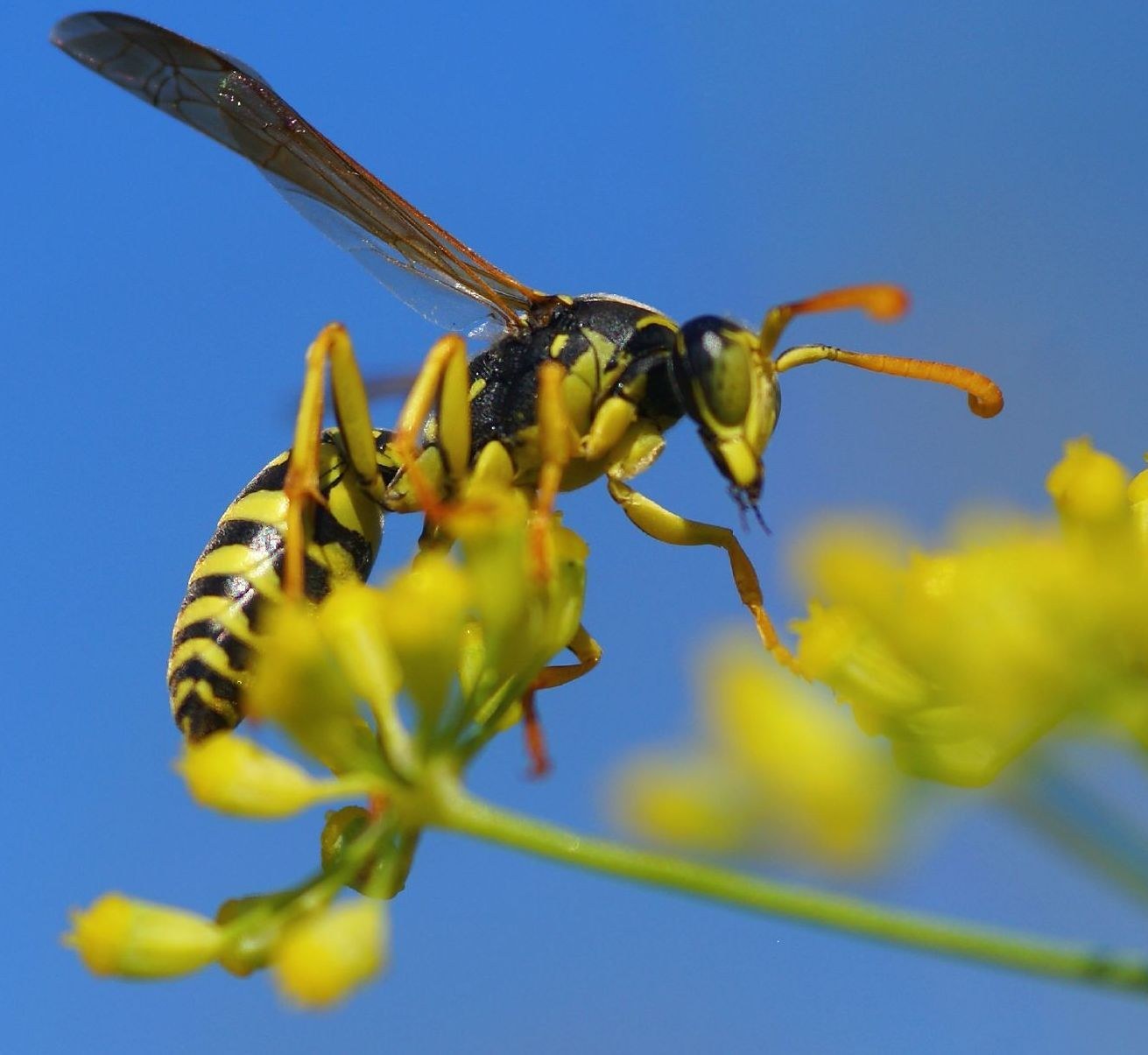
Wasp
Gardens, woodlands, eaves, and urban areas worldwide
Spider Wasp
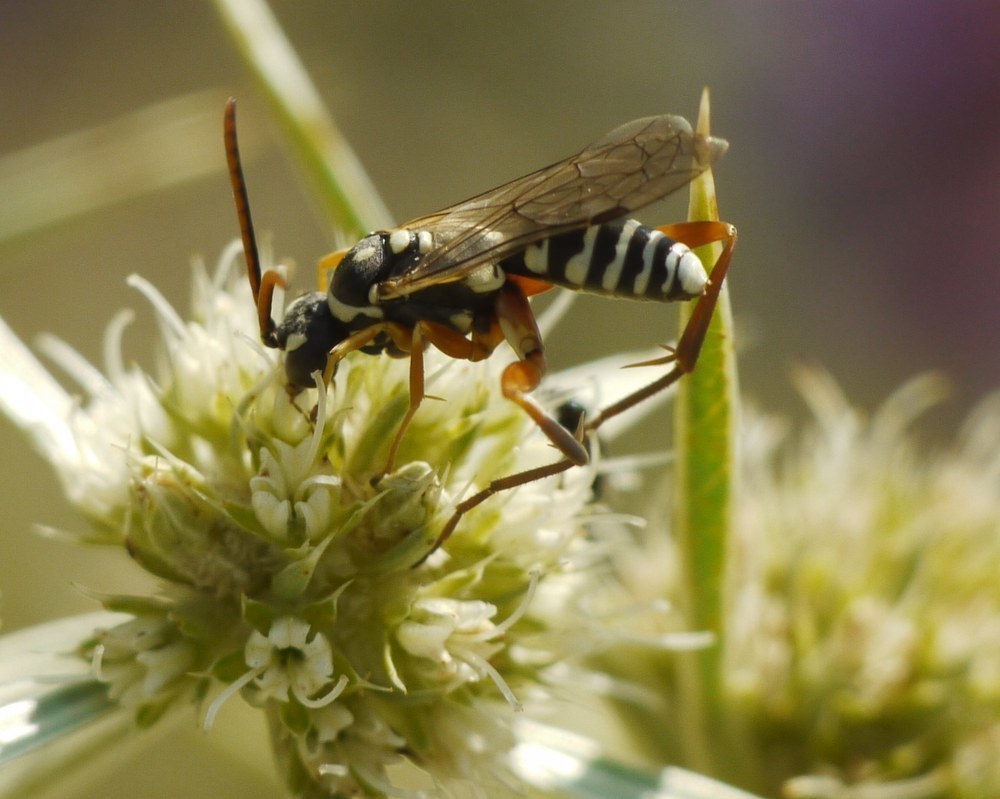
Gardens, grasslands, and sandy open areas worldwide
Yellow Jacket
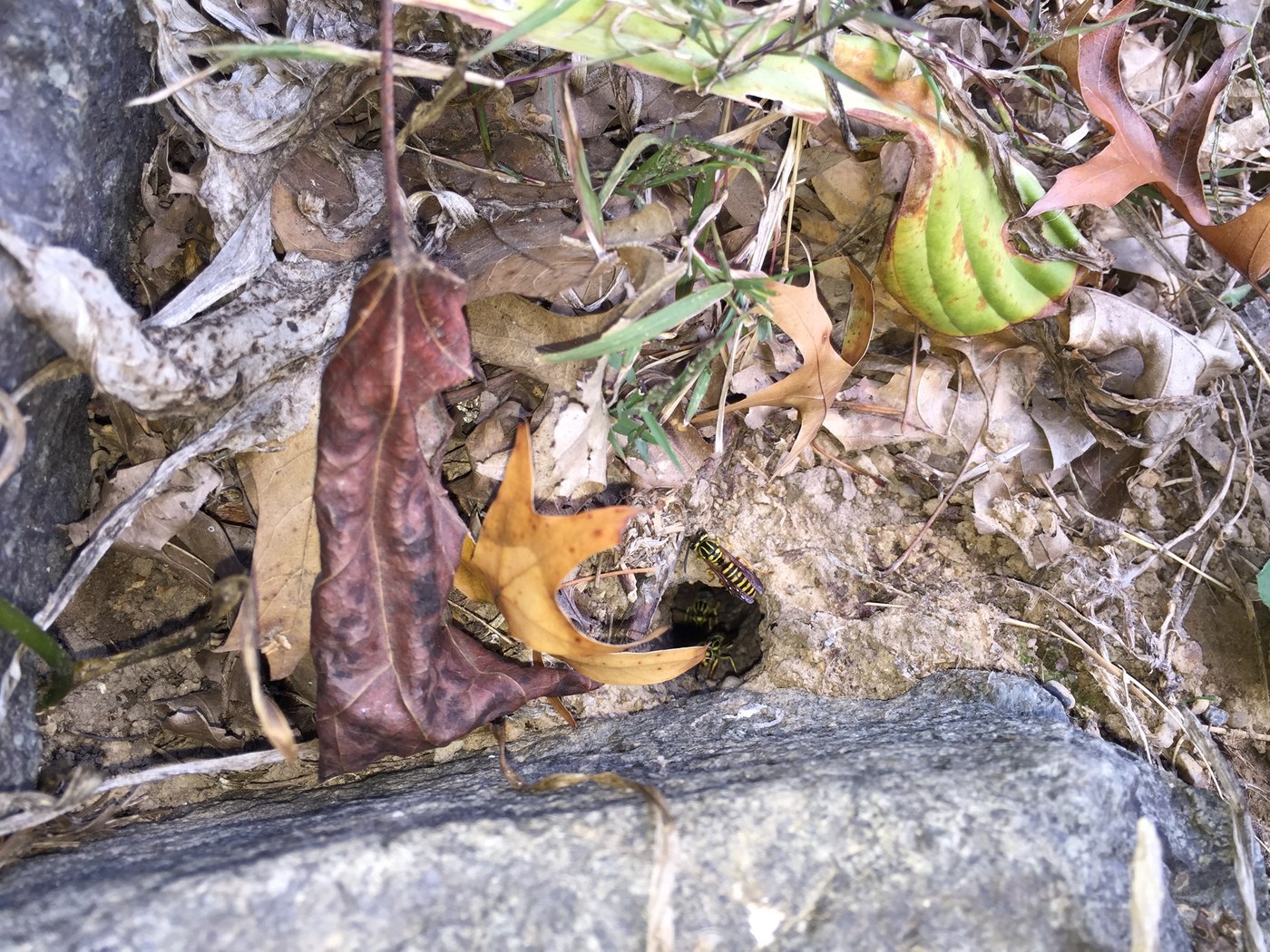
Ground nests, wall voids, parks, and areas near food sources
Sawfly
Gardens, woodlands, and orchards on host foliage
Red Paper Wasp
Eaves, porch ceilings, sheds, open woodland edges, gardens
Trichogramma Wasp
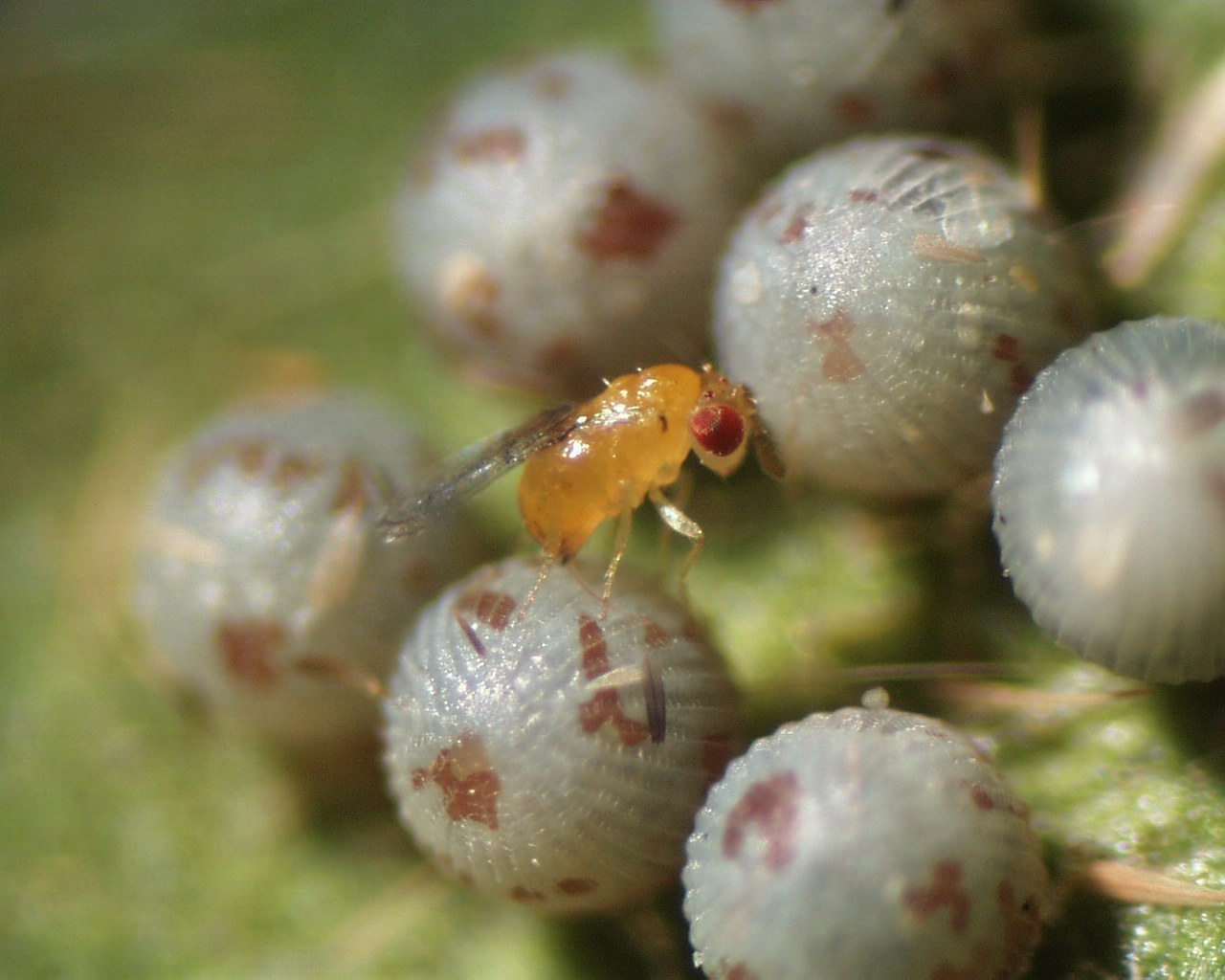
Fields, gardens, and crops worldwide