
Eastern Black Swallowtail Caterpillar
Papilio polyxenes
A striking green-and-black banded caterpillar dotted with yellow spots that flashes a bright orange forked horn when disturbed.
- Size
- Up to 2 in (5 cm) long
- Habitat
- Gardens, meadows, and roadsides with plants in the carrot family
- Danger
- Harmless
Spotted a bug like this?
Identify any bug or insect from a photo, free.
Overview
The Eastern black swallowtail caterpillar is the larval stage of one of the most familiar swallowtail butterflies in eastern North America, frequently found munching on garden herbs like parsley and dill. Gardeners often encounter this species directly since its host plants are common culinary and ornamental herbs from the carrot family.
As it matures through its instars, the caterpillar's appearance changes dramatically, starting as a small dark larva resembling a bird dropping and developing into the bold, banded pattern for which it is best known.
How to Identify
- Mature larvae are bright green with black bands encircling each segment
- Black bands are studded with rows of yellow-orange spots
- Smooth, plump, cylindrical body without spines or dense hair
- Younger instars are mostly black and white, mimicking bird droppings
- When threatened, it everts a fleshy orange forked organ called an osmeterium from just behind the head, releasing a strong odor
- Similar in general shape to other swallowtail larvae but distinguished by the yellow-spotted black banding
Habitat & Range
This species ranges across most of the eastern and central United States into southern Canada, extending westward through much of North America. Caterpillars are found wherever host plants in the carrot family grow, including cultivated gardens, meadows, prairies, and roadside patches of wild carrot or Queen Anne's lace, typically from late spring through early fall.
Behavior & Diet
The caterpillar feeds exclusively on plants in the Apiaceae family, such as parsley, dill, fennel, carrot tops, and Queen Anne's lace, making it a familiar and sometimes unwelcome visitor to herb gardens. Its main defense is the osmeterium, a bright orange gland that it thrusts out and waves toward an attacker while releasing a pungent scent to deter predators. In the wider ecosystem it is preyed upon by birds, wasps, and other predatory insects, and it serves as an important pollinator in its adult butterfly stage.
Life Cycle
Females lay small round pale yellow eggs singly on host plant leaves and flower heads. The larva passes through five instars, changing from a bird-dropping mimic to the familiar green-and-black banded form, over roughly three to four weeks. The mature caterpillar forms a mottled brown or green chrysalis attached to a stem by a silk girdle. The species overwinters as a chrysalis in northern parts of its range and can produce two to three generations per year further south.
Frequently asked questions
What plants does the black swallowtail caterpillar eat?
It feeds on plants in the carrot family, including parsley, dill, fennel, and Queen Anne's lace.
Why does the caterpillar stick out an orange forked horn?
That structure is called an osmeterium, a defensive organ it displays and releases odor from when threatened.
Does the black swallowtail caterpillar look the same its whole life?
No, young caterpillars resemble bird droppings, and only later instars develop the bold green-and-black banded pattern.
How long does it take to become a butterfly?
After several weeks of feeding and molting, it forms a chrysalis and later emerges as an adult butterfly, with timing varying by generation and climate.
Eastern Black Swallowtail Caterpillar guides
In-depth guides for identifying, understanding, and living alongside Eastern Black Swallowtail Caterpillar.
Other bugs you may enjoy
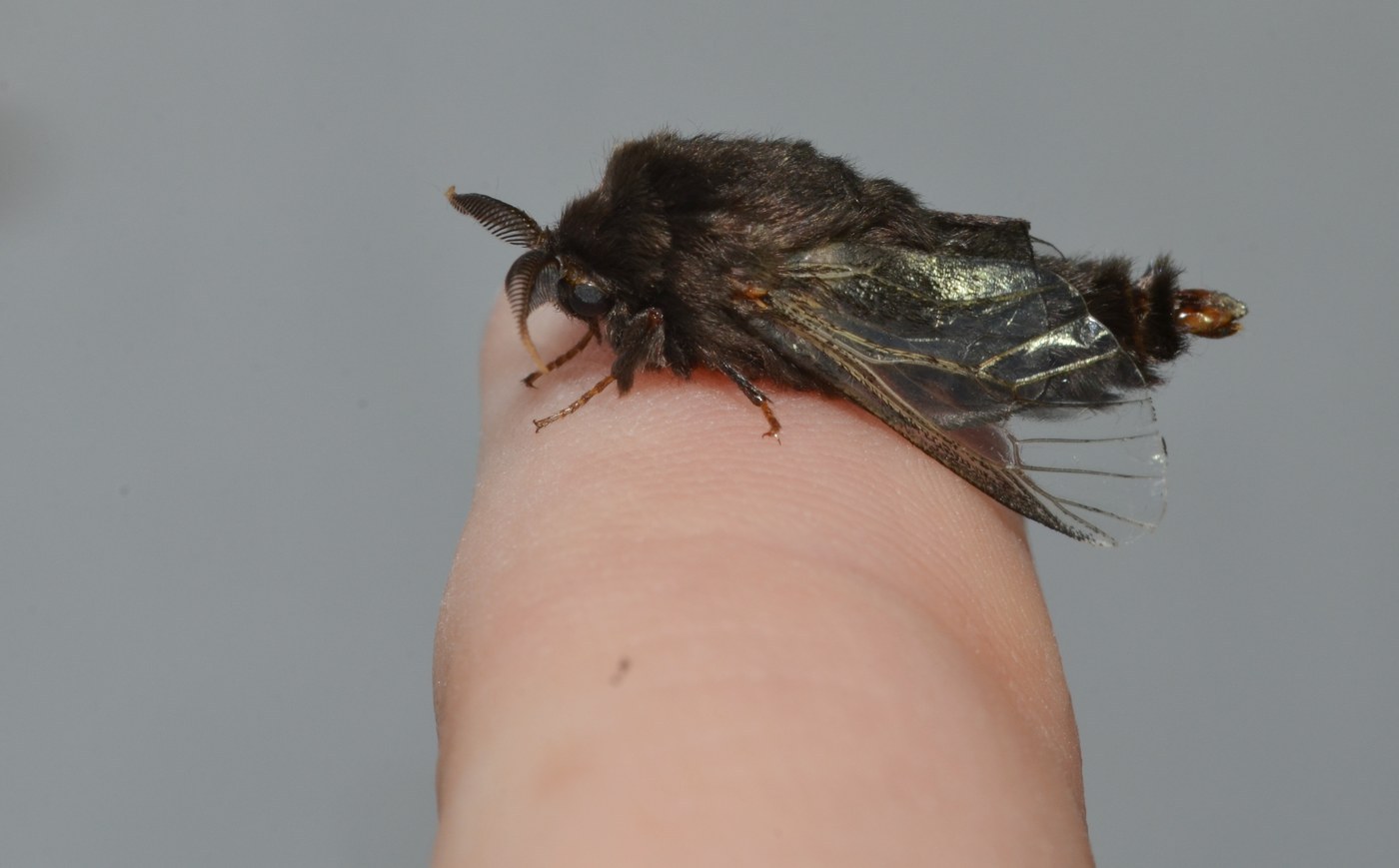
Bagworm
Trees and shrubs, especially conifers and ornamental landscaping
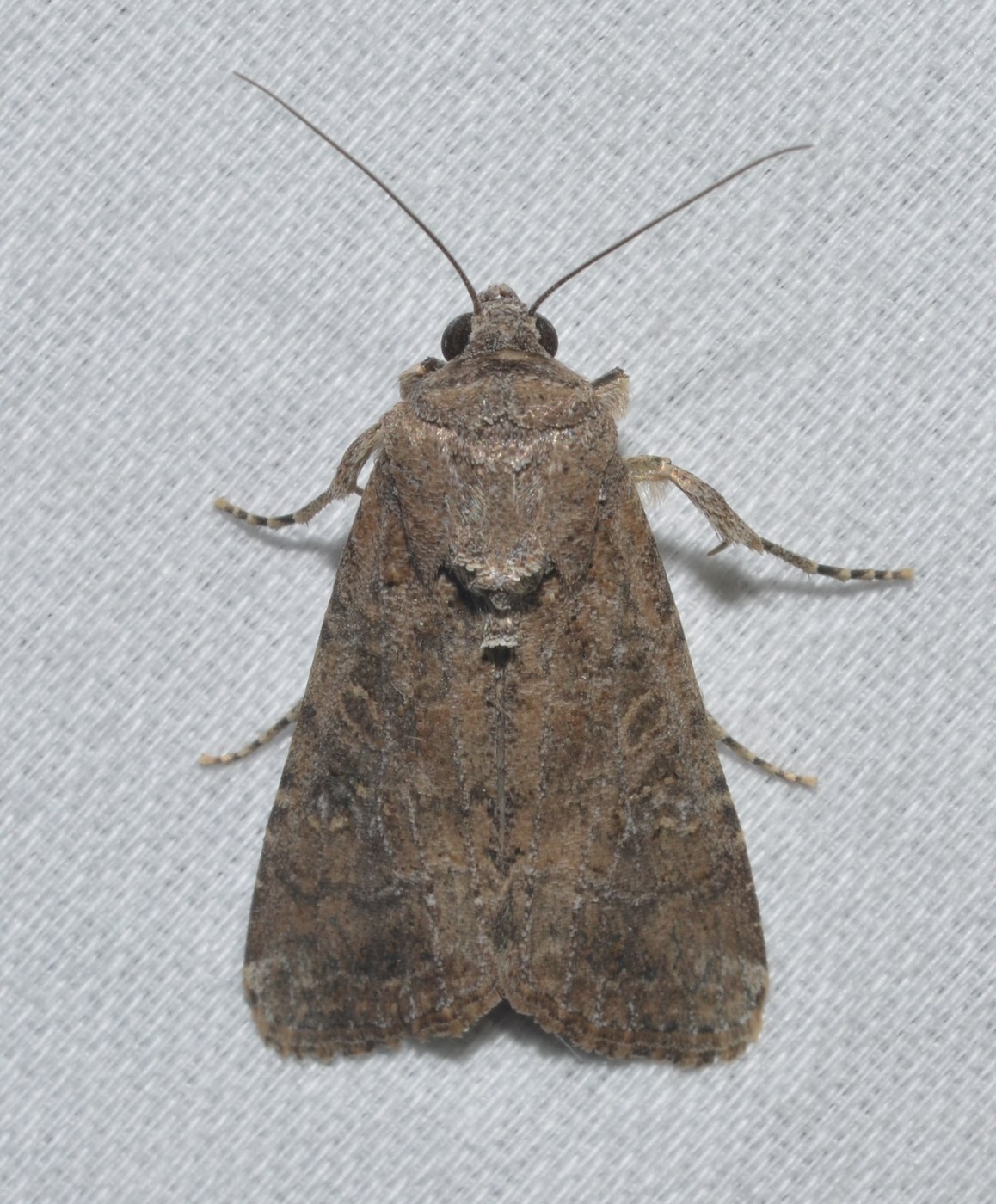
Armyworm
grasslands, pastures, and cereal crop fields
Zebra Longwing Caterpillar
Tropical and subtropical hammocks with passionflower vines
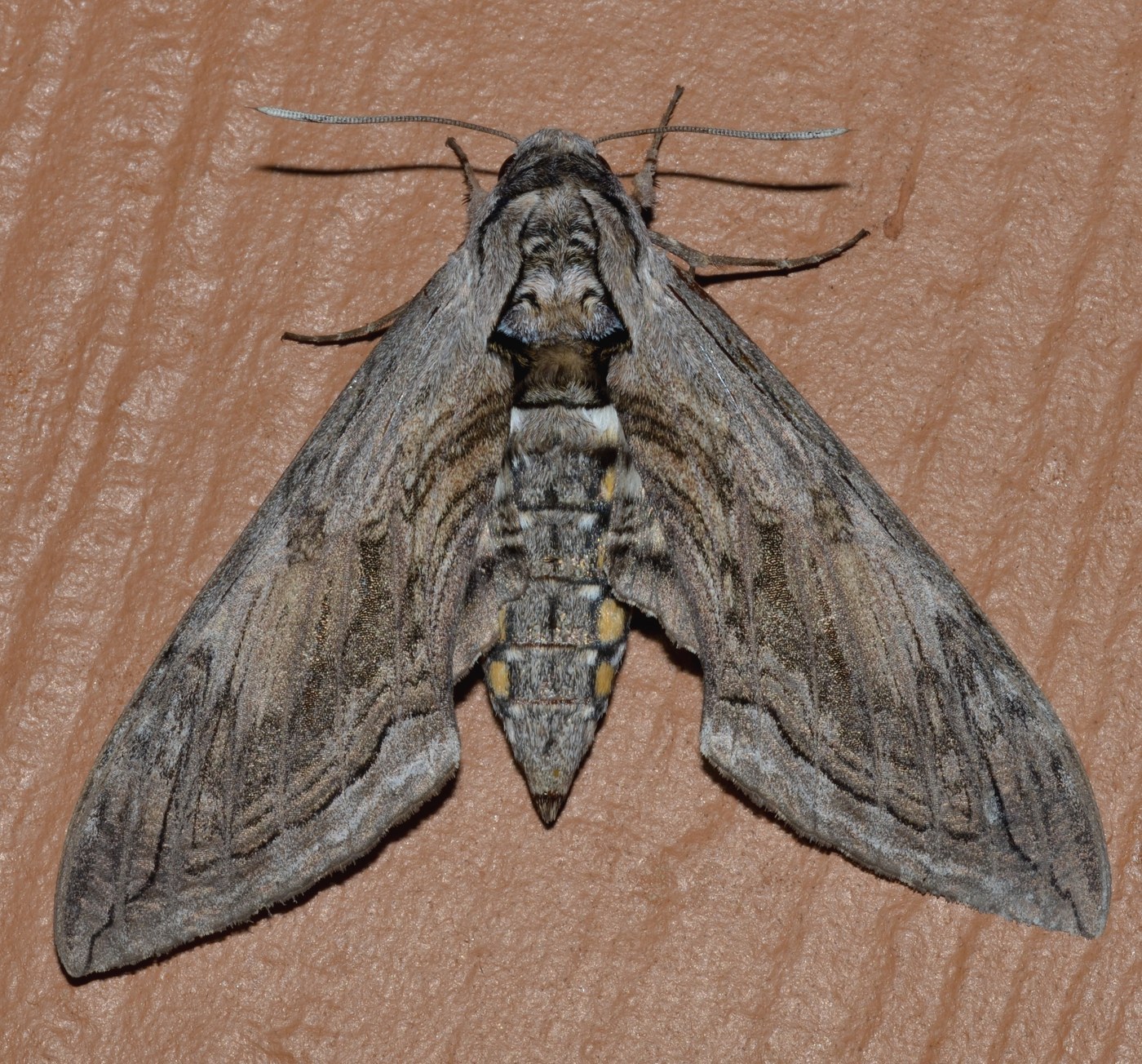
Tomato Hornworm
Gardens and fields with tomato, pepper, and other nightshade plants
Tent Caterpillar
Deciduous trees such as cherry, apple, and other rosaceous species
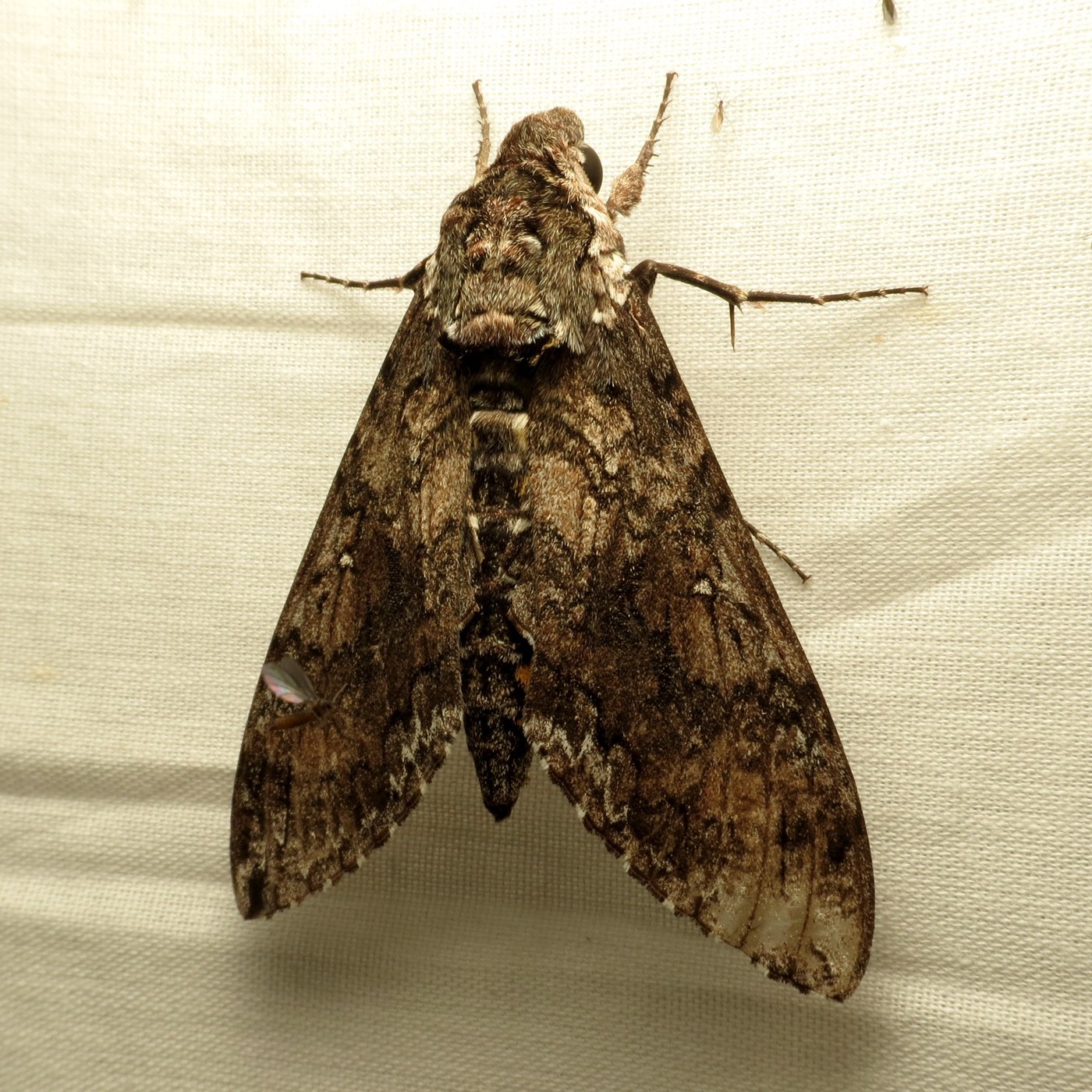
Tobacco Hornworm
tobacco, tomato, and pepper plants in gardens and fields
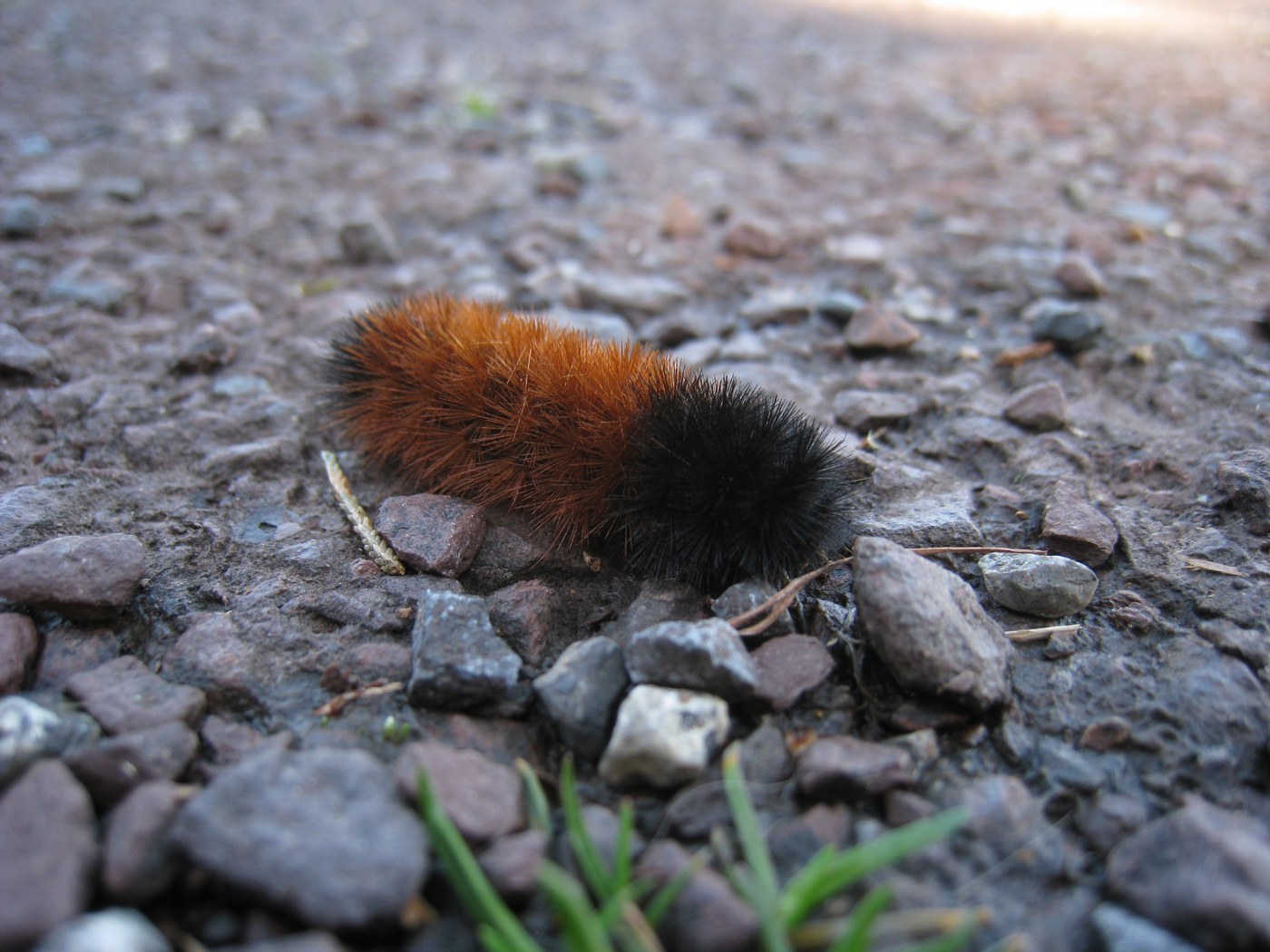
Woolly Bear Caterpillar
Gardens, meadows, roadsides, and woodland edges across North America
Sod Webworm
Turfgrass lawns, golf courses, pastures
Spiny Oak-slug Caterpillar
Deciduous forests and woodland edges with oak and other hardwoods
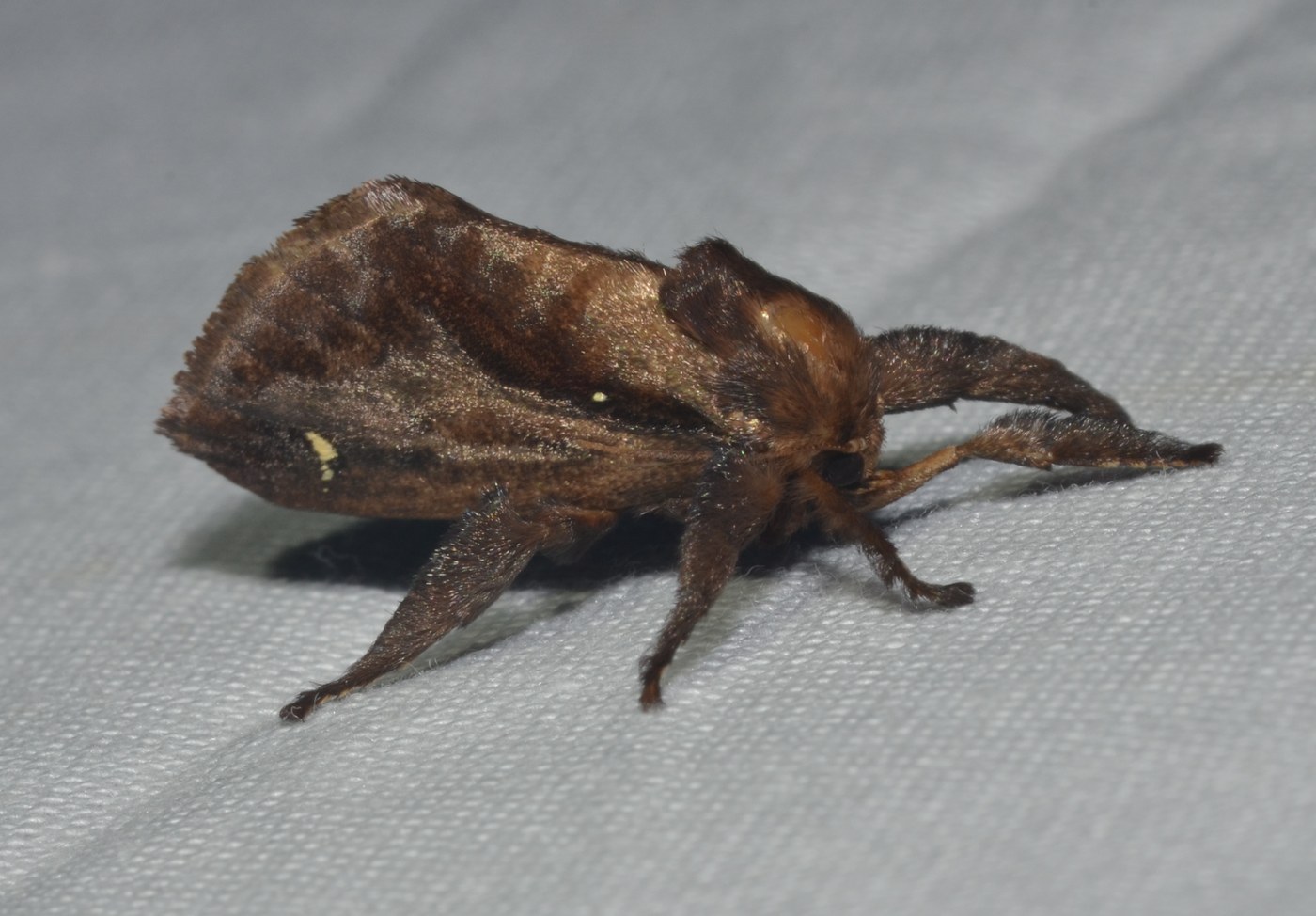
Saddleback Caterpillar
Deciduous trees and shrubs in eastern and southern North America
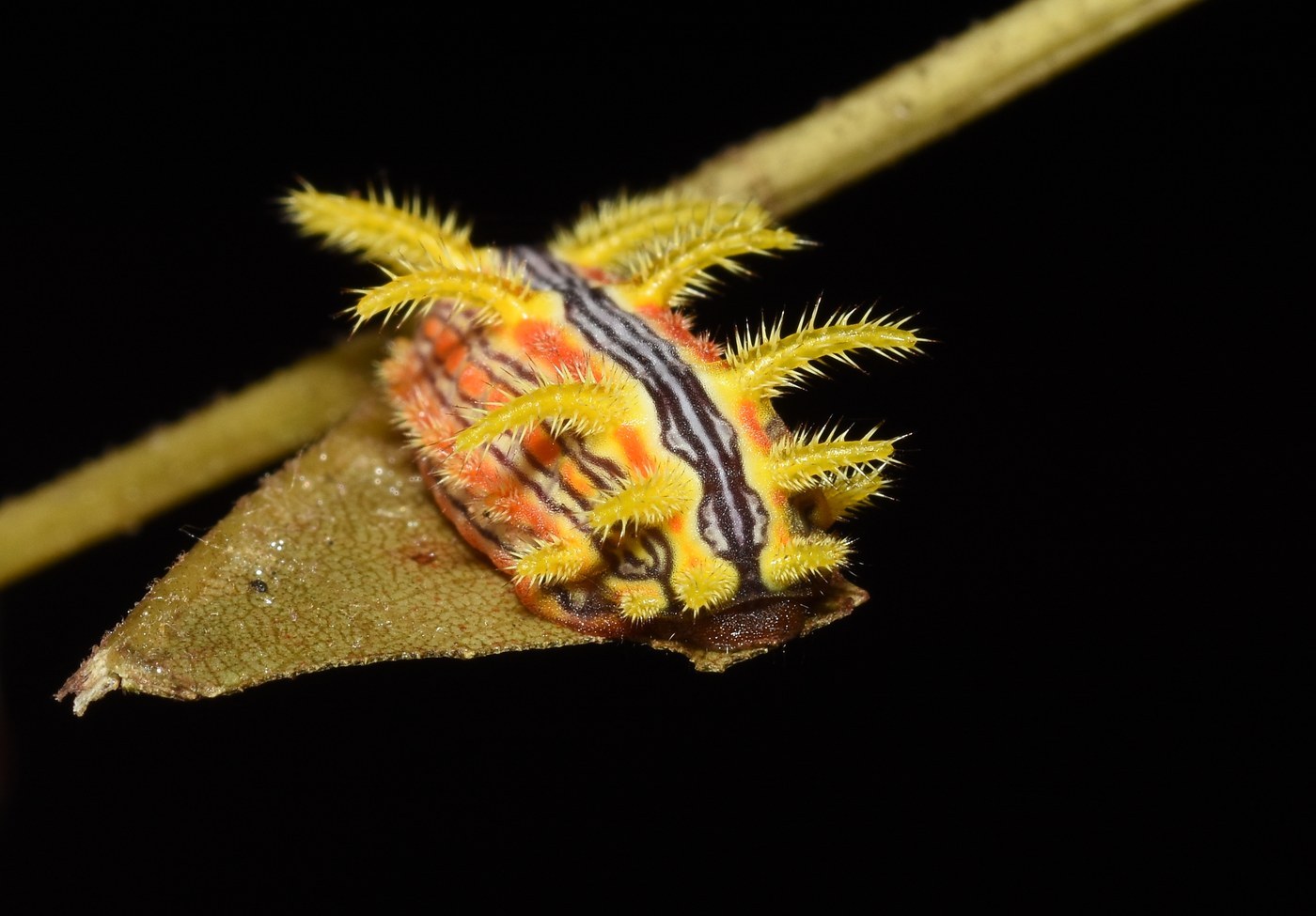
Stinging Rose Caterpillar
Gardens and woodlands with rose, dogwood, or oak
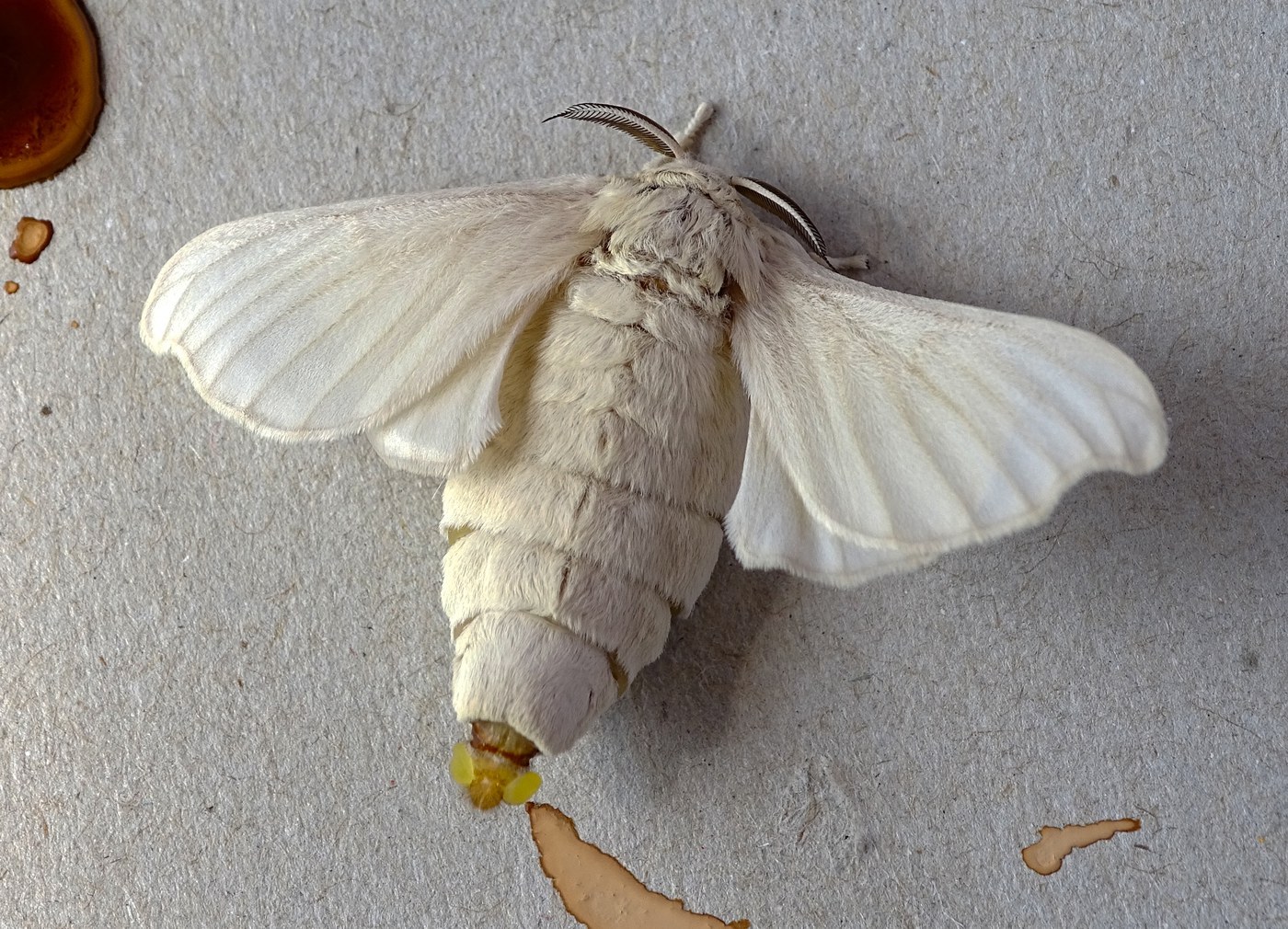
Silkworm
Reared exclusively in captivity on mulberry leaves; no independent wild population