
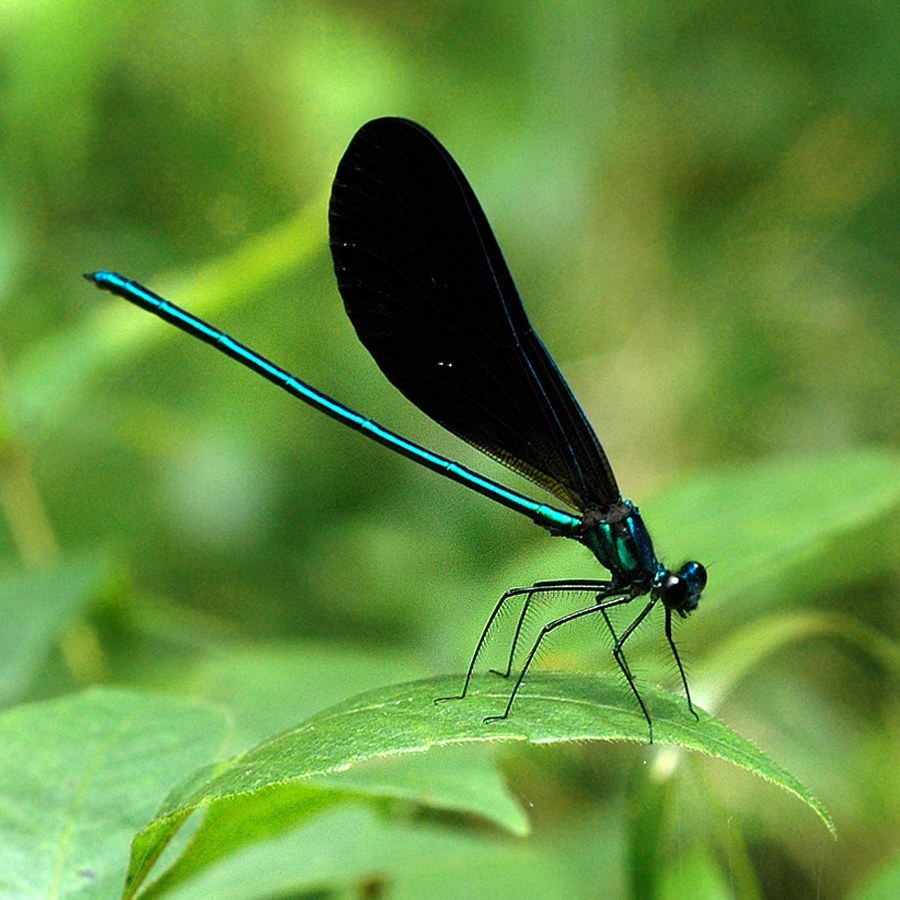
Ebony Jewelwing
Calopteryx maculata
With entirely jet-black wings and a metallic emerald-green body, the Ebony Jewelwing flutters through streamside shade like a living jewel, its wings flashing in filtered sunlight.
- Size
- Body length about 1.5-2 in (38-51 mm)
- Habitat
- Shaded streams and creeks with clean, flowing water
- Danger
- Harmless
Spotted a bug like this?
Identify any bug or insect from a photo, free.
Overview
The Ebony Jewelwing is a striking damselfly in the broad-winged damselfly family (Calopterygidae), widespread across the eastern United States and southeastern Canada. Its entirely black wings, unusual among damselflies, combine with a brilliant metallic green to blue-green body to make it one of the most visually distinctive damselflies in its range.
Unlike the narrow, clear-winged bodies of many pond damselflies, jewelwings have broad, rounded wings and a fluttery, butterfly-like flight, and they are almost always found near flowing woodland streams rather than open ponds.
How to Identify
- Entirely black (or very dark smoky) wings in both sexes, without clear patches
- Metallic emerald-green to blue-green body with an iridescent sheen
- Females have a small white spot (stigma) near the wingtip; males lack this spot
- Broad, rounded wing shape distinct from the narrow wings of pond damselflies
- Similar River Jewelwing has partly clear wing bases, distinguishing it from the all-dark-winged Ebony Jewelwing
Habitat & Range
Ebony Jewelwings are closely tied to shaded, clean, flowing streams and creeks, often within wooded settings where dappled sunlight filters through the canopy. The species is widespread across the eastern United States and southeastern Canada. Adults are typically seen from late spring through summer along streamside vegetation.
Behavior & Diet
Adults have a slow, fluttering flight reminiscent of a butterfly, often perching on streamside leaves with wings held together above the body and periodically flicking them open and closed, a display used in courtship and territorial signaling. They feed on small flying insects captured near the stream, including gnats and other tiny insects. Because the nymphs require clean, well-oxygenated flowing water, Ebony Jewelwings are considered a good indicator of healthy stream habitat, and both nymphs and adults serve as prey for fish, birds, and other predators.
Life Cycle
Females lay eggs by inserting them into plant tissue at or below the water surface using a blade-like ovipositor, sometimes submerging partially to do so. Eggs hatch into slender aquatic nymphs that live among submerged vegetation and debris in the stream, developing over roughly one year while preying on small invertebrates. After several molts, the mature nymph climbs out of the water onto streamside vegetation to complete its final molt into a winged adult. Adults live for a few weeks, during which courtship displays, mating, and egg-laying take place along the home stream.
Frequently asked questions
How can you tell a male from a female Ebony Jewelwing?
Females have a small white spot near the tip of each wing, called a stigma, while males have entirely black wings without this mark.
Why does the Ebony Jewelwing fly so differently from other damselflies?
Its broad, rounded wings produce a slow, fluttering, butterfly-like flight instead of the fast, darting flight typical of narrow-winged pond damselflies.
What kind of water does the Ebony Jewelwing need?
It requires clean, flowing streams and creeks, and its presence is often taken as a sign of good water quality.
What is the wing-flicking behavior about?
Perched adults periodically open and close their wings, a display associated with courtship and signaling to rivals or potential mates.
Ebony Jewelwing guides
In-depth guides for identifying, understanding, and living alongside Ebony Jewelwing.
Other bugs you may enjoy
American Cockroach
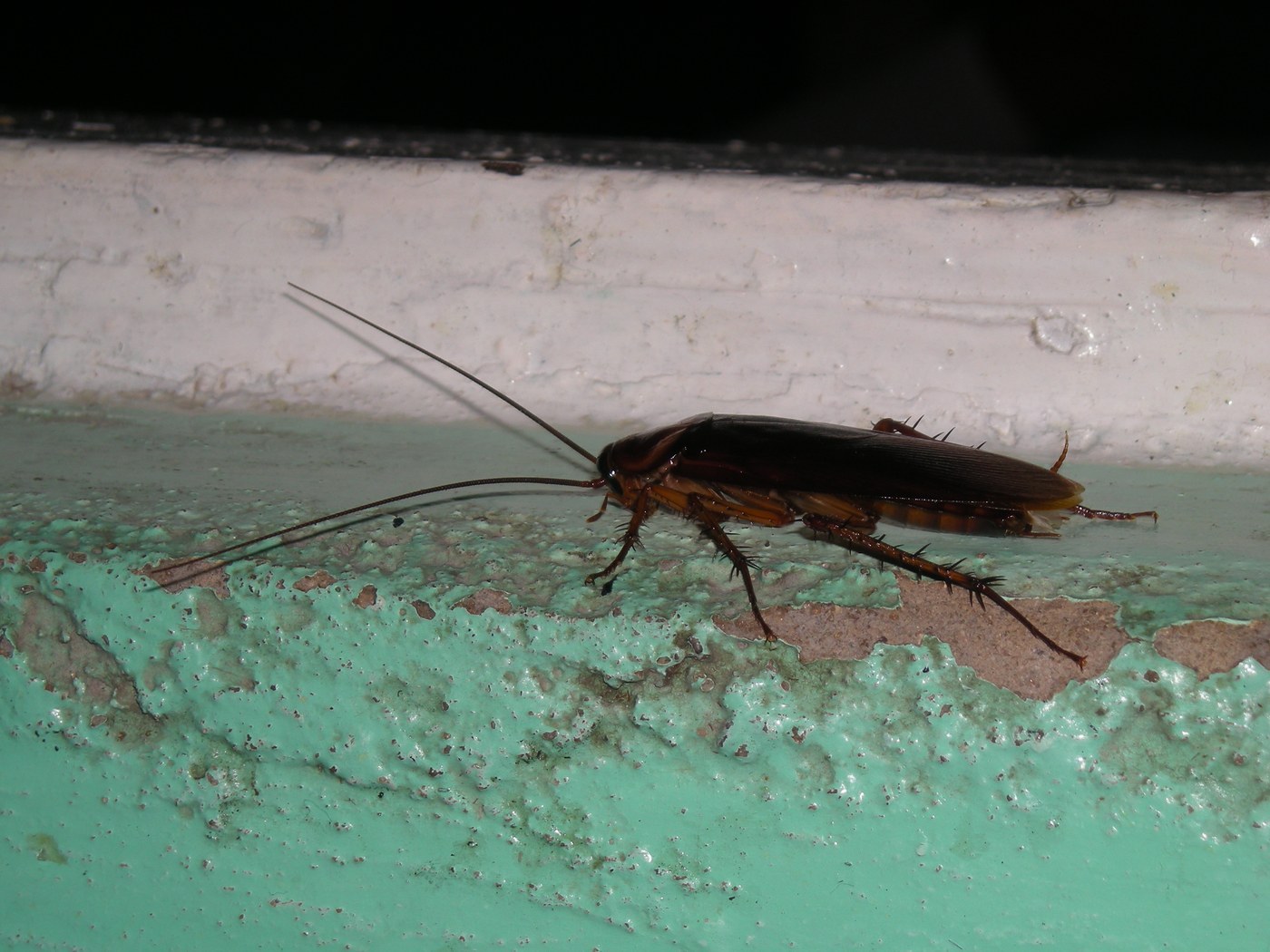
Warm, humid environments such as basements, sewers, drains, and tropical outdoor settings
Thrips
Flowers, foliage, gardens, greenhouses, crop fields
American Rubyspot
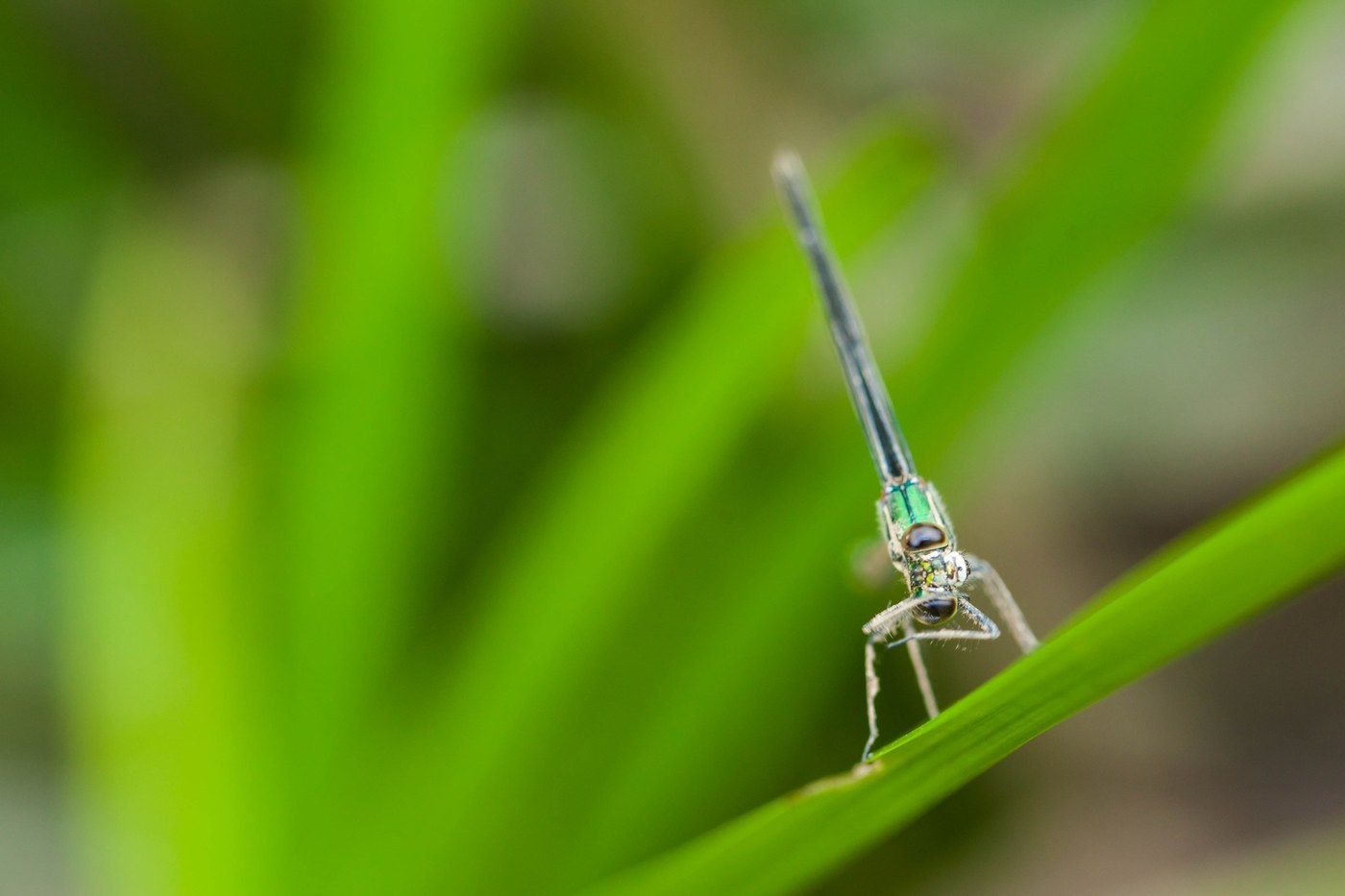
Sunny rivers and streams with moderate current
Springtail
Moist soil, leaf litter, decaying organic matter, and damp indoor areas
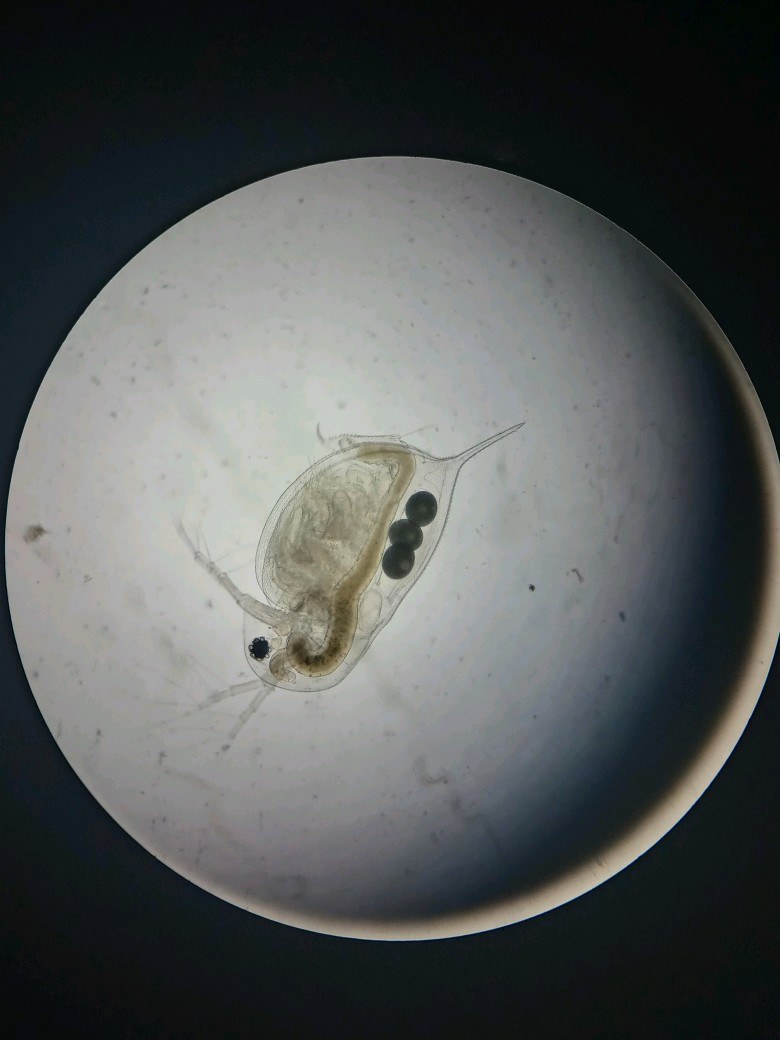
Water Flea
Ponds, lakes, and slow streams as free-floating plankton
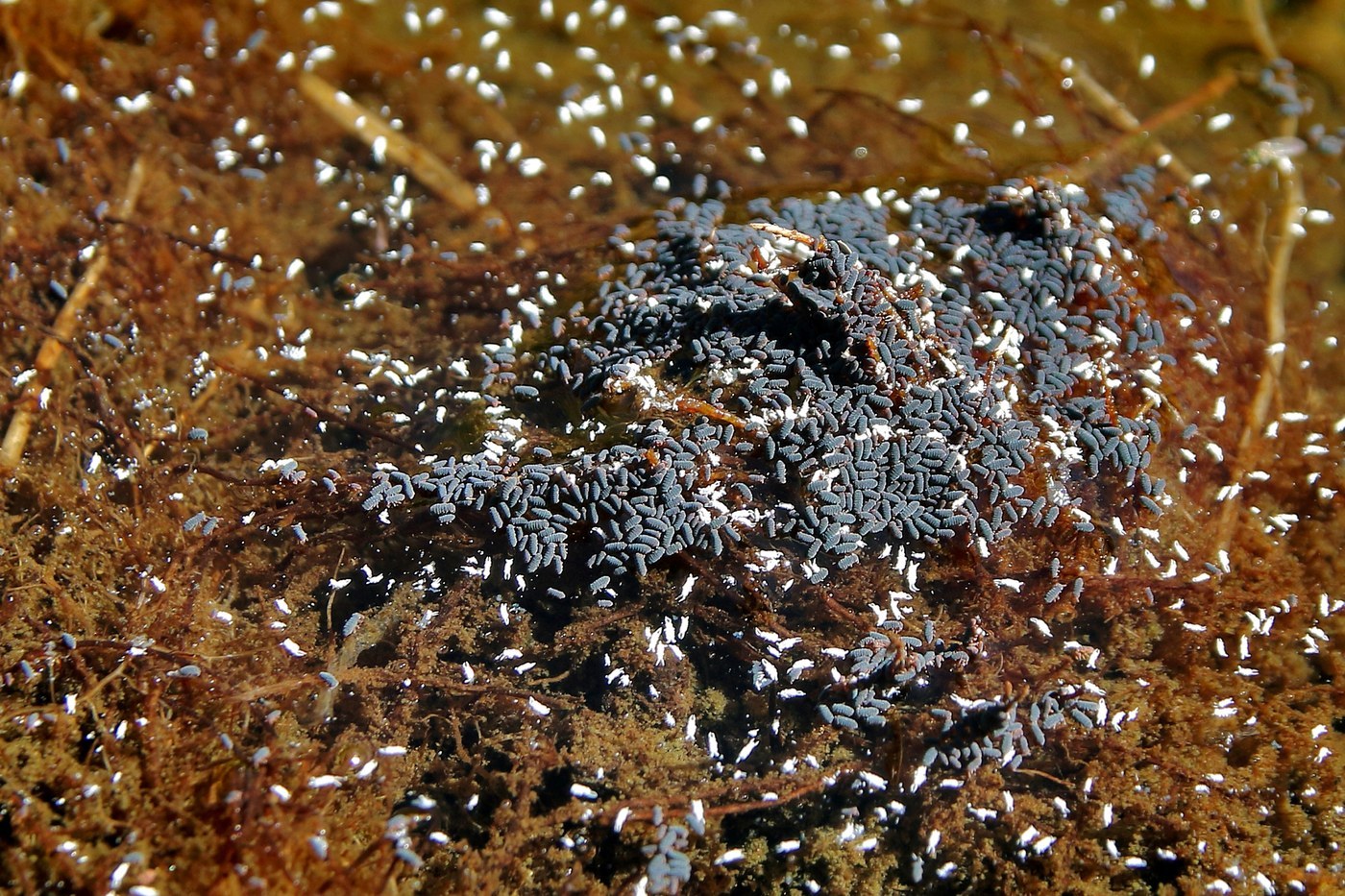
Water Springtail
Surface film of ponds, puddles, and slow ditches
Slug
Gardens, damp soil, leaf litter, greenhouses
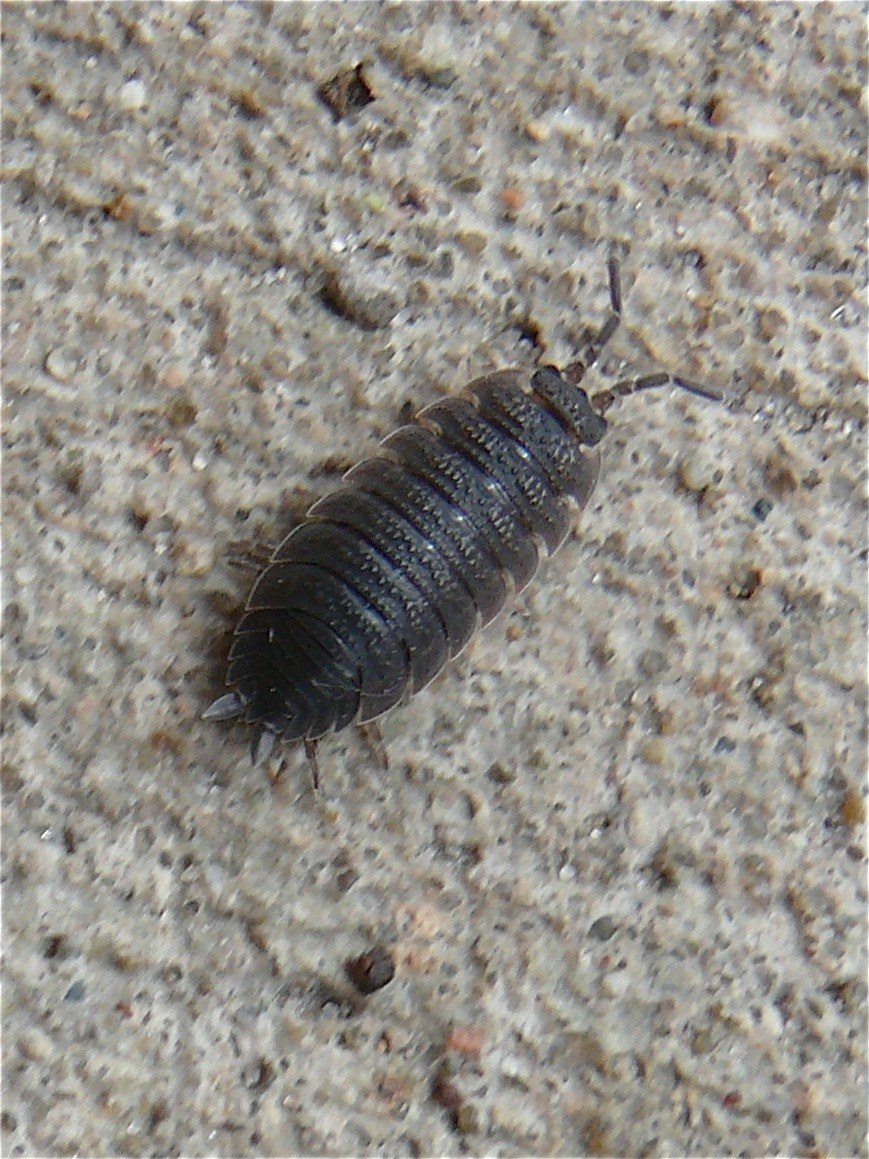
Sowbug
Leaf litter, under rocks/logs, damp garden soil, basements
Pill Bug
Damp soil, leaf litter, under rocks and logs, garden beds
Termite
Soil, decaying wood, tree stumps, and wooden structures
Termite Swarmer
Emerges from underground or wood-nesting colonies, often near structures and moist soil
Silverfish
Damp basements, bathrooms, closets, and dark indoor crevices