
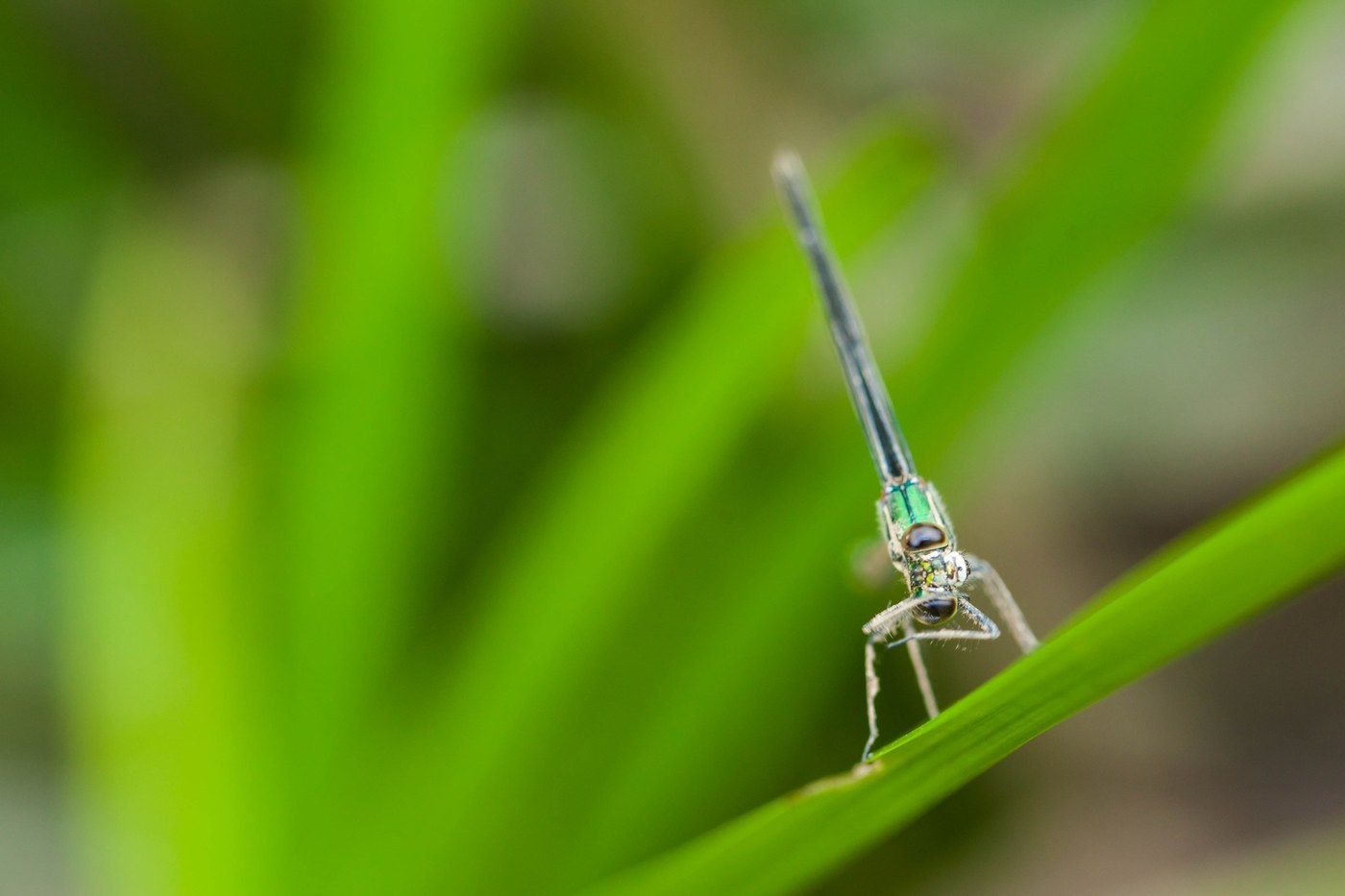
American Rubyspot
Hetaerina americana
A brilliant ruby-red patch at the base of each wing gives this sun-loving damselfly its name, flashing like a spark of color as it perches along fast-flowing rivers.
- Size
- Body length about 1.5-1.8 in (38-46 mm)
- Habitat
- Sunny rivers and streams with moderate current
- Danger
- Harmless
Spotted a bug like this?
Identify any bug or insect from a photo, free.
Overview
The American Rubyspot is a broad-winged damselfly recognized by the vivid red patch at the base of its otherwise clear wings, most vibrant in mature males. It is widespread across much of the United States, southern Canada, and into Mexico, typically found along sunlit stretches of rivers and streams.
The body is metallic coppery-red to bronze-green, and combined with the ruby wing spots, mature males in good light are among the more colorful damselflies found along flowing water. Females and immatures show duller coloration and smaller or more amber-toned wing spots.
How to Identify
- Bright ruby-red patch at the base of each wing in mature males, fading to amber or dull red in females
- Metallic bronze to coppery-red body coloration
- Broad-winged damselfly body shape, larger and more robust than typical pond damselflies
- Clear wingtips beyond the colored basal patch
- Similar Smoky Rubyspot has smokier, more extensively dark wingtips compared to the mostly clear wingtips of the American Rubyspot
Habitat & Range
American Rubyspots favor sunny stretches of rivers and streams with moderate current and rocky or sandy substrate. The species is found across much of the continental United States, southern Canada, and into Mexico. Adults are active from late spring through summer and into early fall in warmer parts of the range.
Behavior & Diet
Males often perch on exposed rocks, twigs, or streamside vegetation in sunny spots, displaying the ruby wing patches during courtship and territorial disputes with rival males. Adults feed on small flying insects captured near the water. The nymphs, which require flowing, well-oxygenated water, are predators on other small aquatic invertebrates among submerged rocks and vegetation, and the species serves as an indicator of relatively clean stream conditions as well as a food source for fish and other predators.
Life Cycle
Females lay eggs by inserting them into submerged plant material or algae using a specialized ovipositor, often while guarded by the male nearby. The eggs hatch into nymphs that live among rocks and vegetation in flowing water, developing over roughly one year while feeding on small invertebrates. Mature nymphs climb out of the stream onto rocks or vegetation to complete metamorphosis into winged adults. Adults live for several weeks, during which courtship, mating, and egg-laying occur along sunny stream habitat.
Frequently asked questions
Why is it called the American Rubyspot?
Mature individuals, especially males, show a bright ruby-red patch at the base of each wing that resembles a jewel-like spot.
Where is the best place to find American Rubyspots?
Look along sunny stretches of rivers and streams with moderate current, where males often perch on rocks or overhanging vegetation.
How does this species differ from the Smoky Rubyspot?
The American Rubyspot has mostly clear wingtips beyond the red basal patch, while the Smoky Rubyspot shows more extensive dark smoky shading toward the wingtips.
What do American Rubyspot nymphs need to survive?
They require flowing, well-oxygenated water and live among submerged rocks and vegetation in rivers and streams.
American Rubyspot guides
In-depth guides for identifying, understanding, and living alongside American Rubyspot.
Other bugs you may enjoy
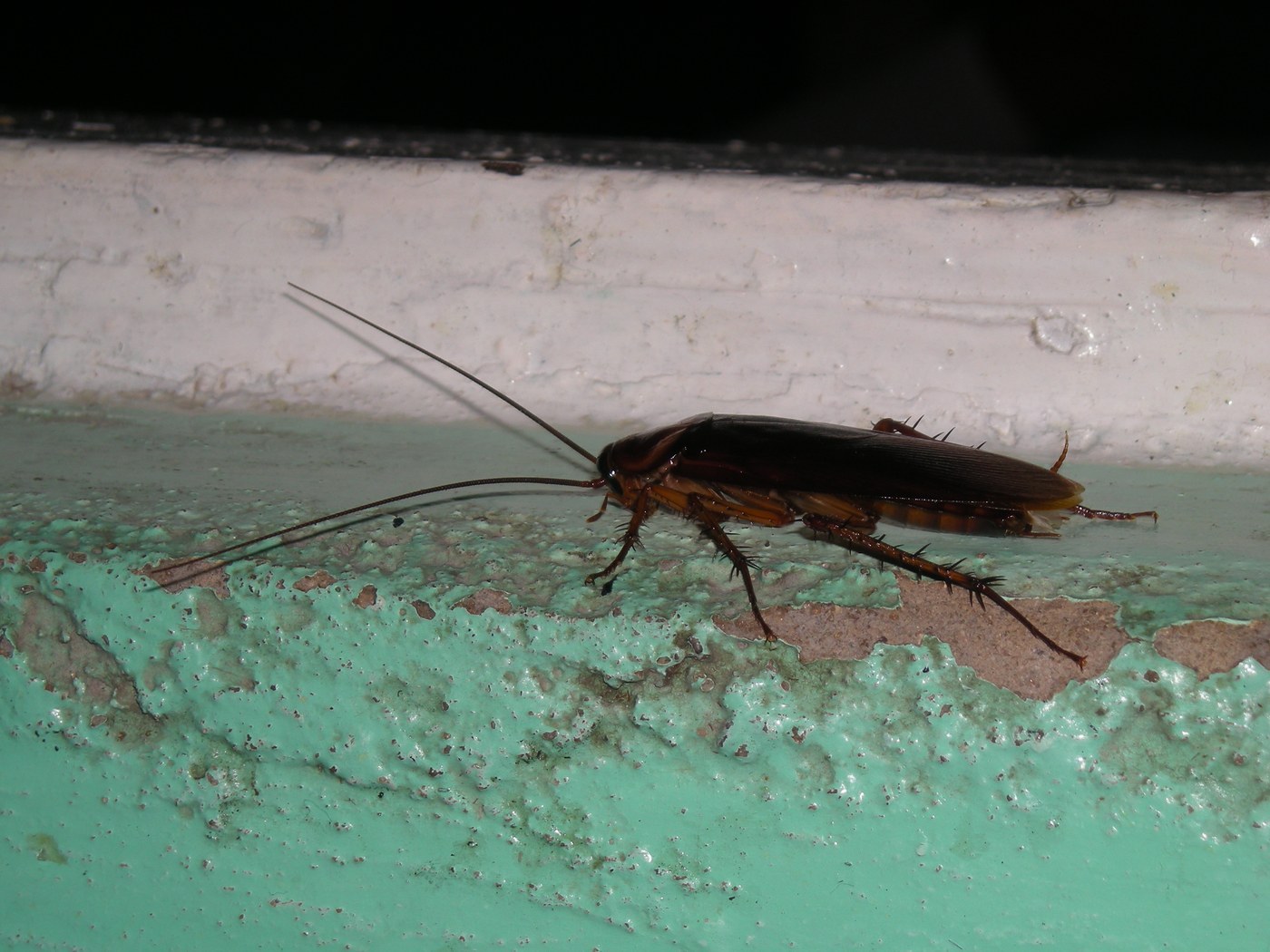
American Cockroach
Warm, humid environments such as basements, sewers, drains, and tropical outdoor settings
Thrips
Flowers, foliage, gardens, greenhouses, crop fields
Springtail
Moist soil, leaf litter, decaying organic matter, and damp indoor areas
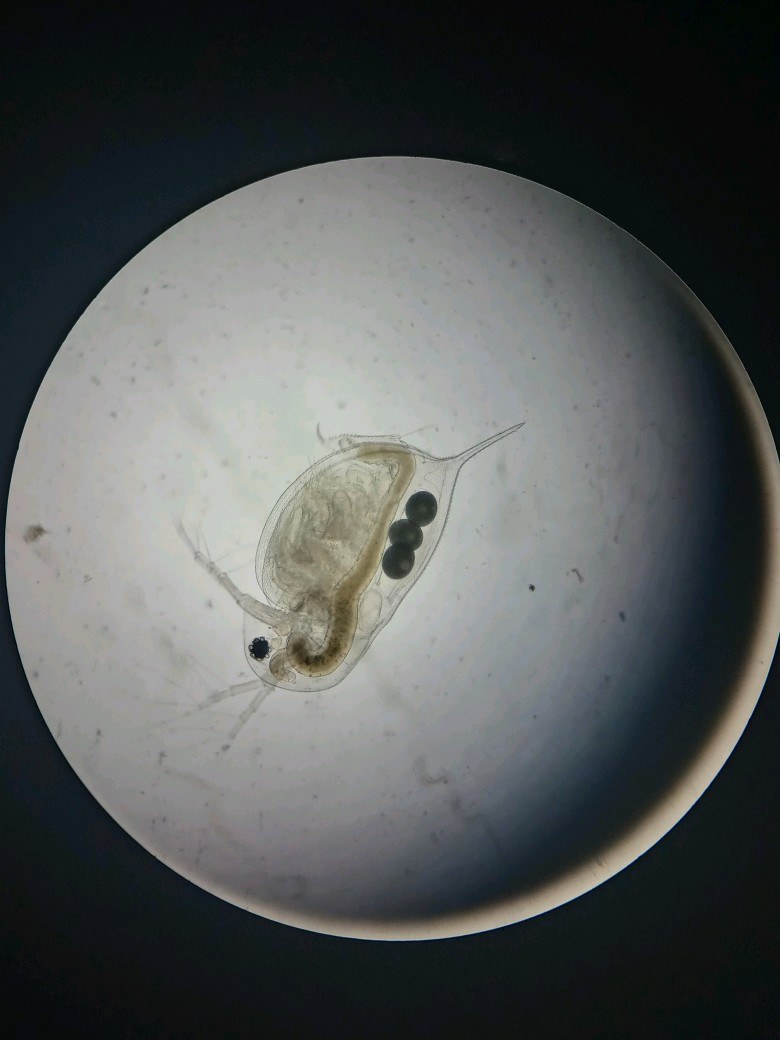
Water Flea
Ponds, lakes, and slow streams as free-floating plankton
Water Springtail
Surface film of ponds, puddles, and slow ditches
Slug
Gardens, damp soil, leaf litter, greenhouses
Sowbug
Leaf litter, under rocks/logs, damp garden soil, basements
Pill Bug
Damp soil, leaf litter, under rocks and logs, garden beds
Termite
Soil, decaying wood, tree stumps, and wooden structures
Termite Swarmer
Emerges from underground or wood-nesting colonies, often near structures and moist soil
Silverfish
Damp basements, bathrooms, closets, and dark indoor crevices
Scorpionfly
Moist woodlands, hedgerows, and shaded undergrowth