
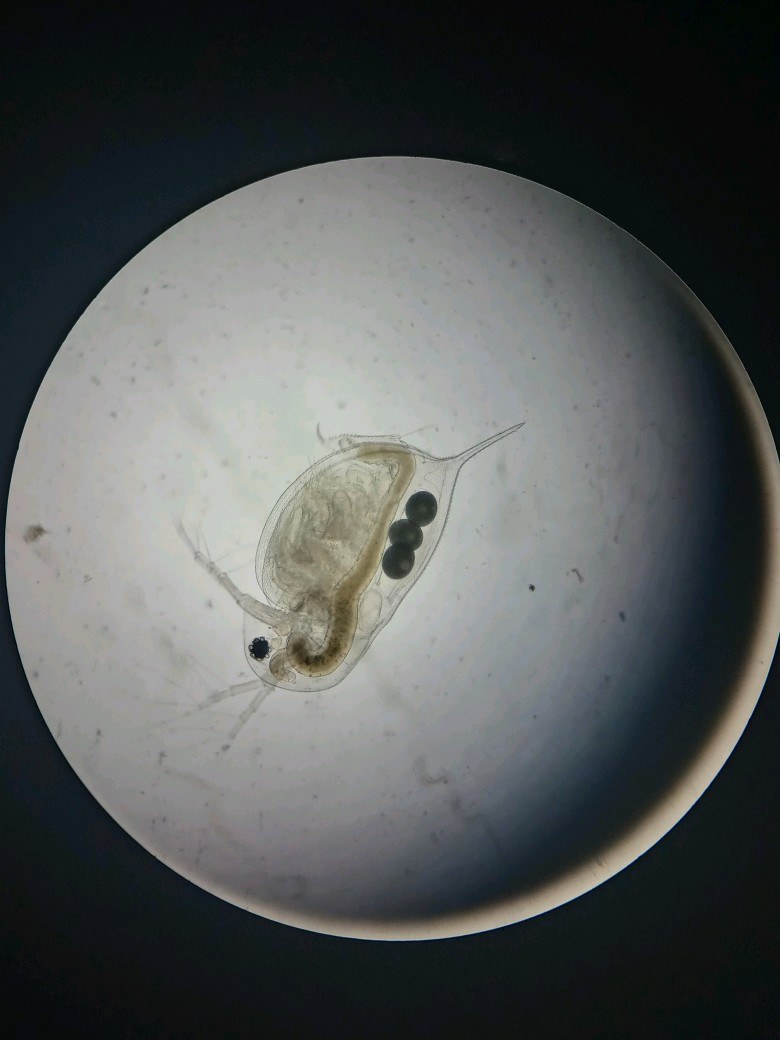
Water Flea
Daphnia spp.
Despite the name, the water flea is not an insect at all but a tiny, jerky-swimming crustacean whose transparent body and single dark eye make it one of the most recognizable members of freshwater plankton.
- Size
- 0.2-5 mm (0.01-0.2 in), mostly under 3 mm
- Habitat
- Ponds, lakes, and slow streams as free-floating plankton
- Danger
- Harmless
Spotted a bug like this?
Identify any bug or insect from a photo, free.
Overview
Water fleas are small planktonic crustaceans in the genus Daphnia, belonging to the class Branchiopoda rather than the insects. Despite their common name and flea-like jerky swimming motion, they are more closely related to shrimp and other crustaceans than to any true insect. Their bodies are enclosed in a transparent, often faintly greenish or yellowish shell-like carapace, through which internal organs, developing eggs, and a single large compound eye can often be seen with a hand lens or microscope.
Water fleas propel themselves through the water in short, hopping bursts using their large, branched second antennae, which give the characteristic flea-like movement. As filter feeders that strain algae, bacteria, and fine organic particles from the water, they form a critical link in freshwater food webs, converting microscopic plant material into food for larger invertebrates, fish fry, and other predators.
How to Identify
- Tiny, translucent to pale gray or greenish body enclosed in a rounded, shell-like carapace
- A single large, dark compound eye visible near the front of the head
- Long, branched second antennae used for swimming in short hopping bursts
- Visible internal structures, including a curved gut and, in females, a brood pouch that may contain developing eggs or young
- Best observed with a hand lens or microscope, though large swarms can appear as a cloudy haze in still water
Habitat & Range
Water fleas are found as free-floating plankton in ponds, lakes, slow streams, and other standing freshwater bodies nearly worldwide, often most abundant in nutrient-rich water with plentiful algae. Populations can fluctuate seasonally, often peaking in spring and again in autumn when algae is abundant and water temperatures are moderate.
Behavior & Diet
Water fleas are filter feeders, using specialized limbs inside the carapace to create a current that draws in water and strains out algae, bacteria, and fine organic particles for food. They are a foundational food source for many aquatic predators, including small fish, aquatic insect larvae, and other invertebrates, making them a key component of freshwater food webs. Some species can shift their body shape or produce defensive spines in response to chemical cues from predators, a phenomenon well studied by ecologists.
Life Cycle
Under favorable conditions, female water fleas reproduce asexually, carrying unfertilized eggs in a brood pouch that develop directly into miniature copies of the adult without a distinct larval stage, allowing populations to grow rapidly. When conditions worsen, such as when food becomes scarce or temperatures change, some individuals switch to sexual reproduction, producing hardy resting eggs that can survive drying, freezing, or other harsh conditions until favorable conditions return. This flexible reproductive strategy allows water fleas to rapidly colonize new or fluctuating water bodies.
Frequently asked questions
Is the water flea actually an insect?
No, it is a small crustacean in the genus Daphnia, related to shrimp and other crustaceans rather than to insects, despite its common name.
Why does the water flea move in jerky hops?
It swims using large, branched antennae that propel it forward in short bursts, producing the flea-like hopping motion that gives the animal its name.
What do water fleas eat?
They are filter feeders that strain algae, bacteria, and fine organic particles from the surrounding water.
Why are water fleas important in ponds and lakes?
They form a key link in the food web, converting microscopic algae into food for small fish, aquatic insect larvae, and other predators.
Water Flea guides
In-depth guides for identifying, understanding, and living alongside Water Flea.
Other bugs you may enjoy
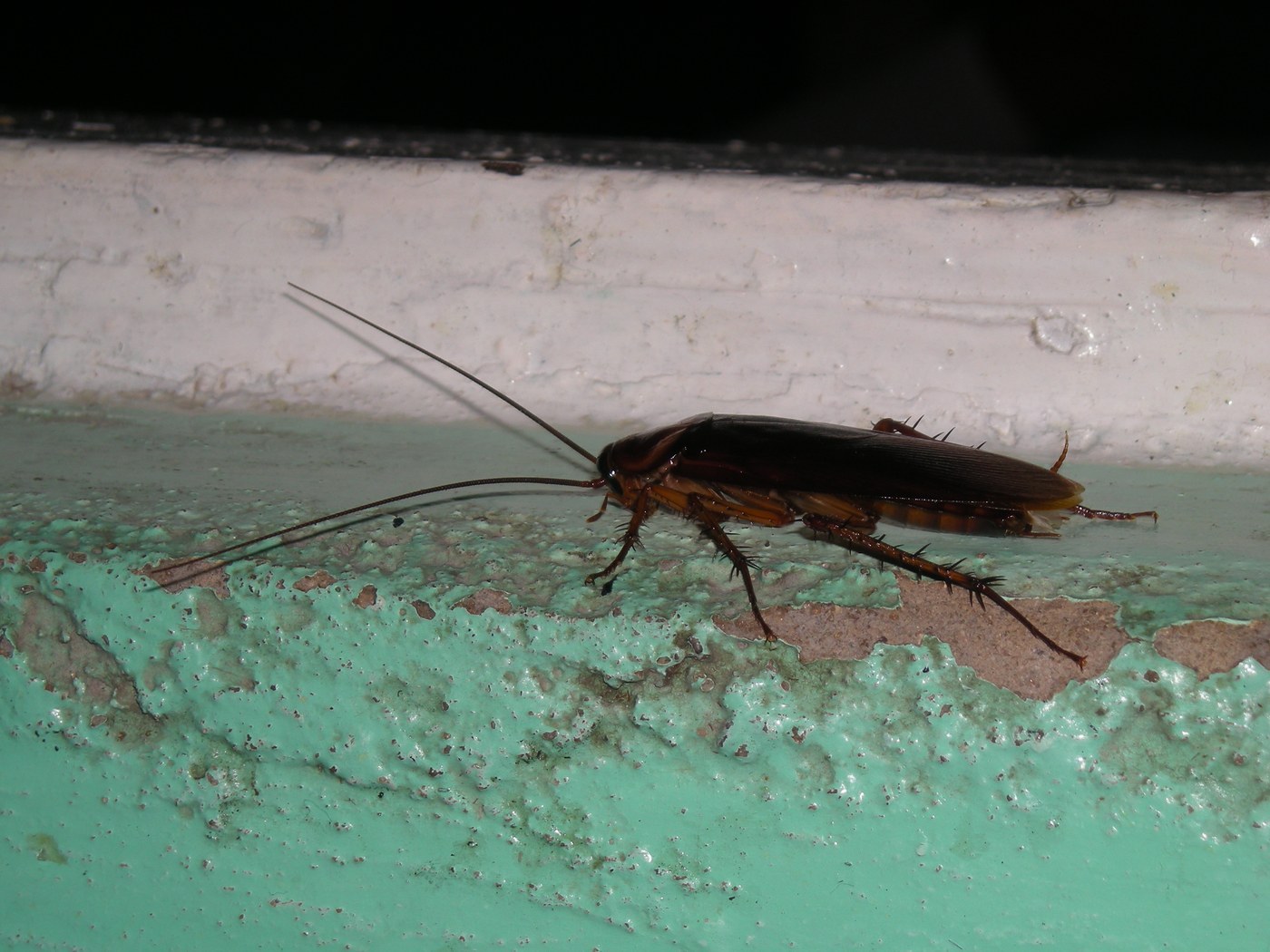
American Cockroach
Warm, humid environments such as basements, sewers, drains, and tropical outdoor settings
Thrips
Flowers, foliage, gardens, greenhouses, crop fields
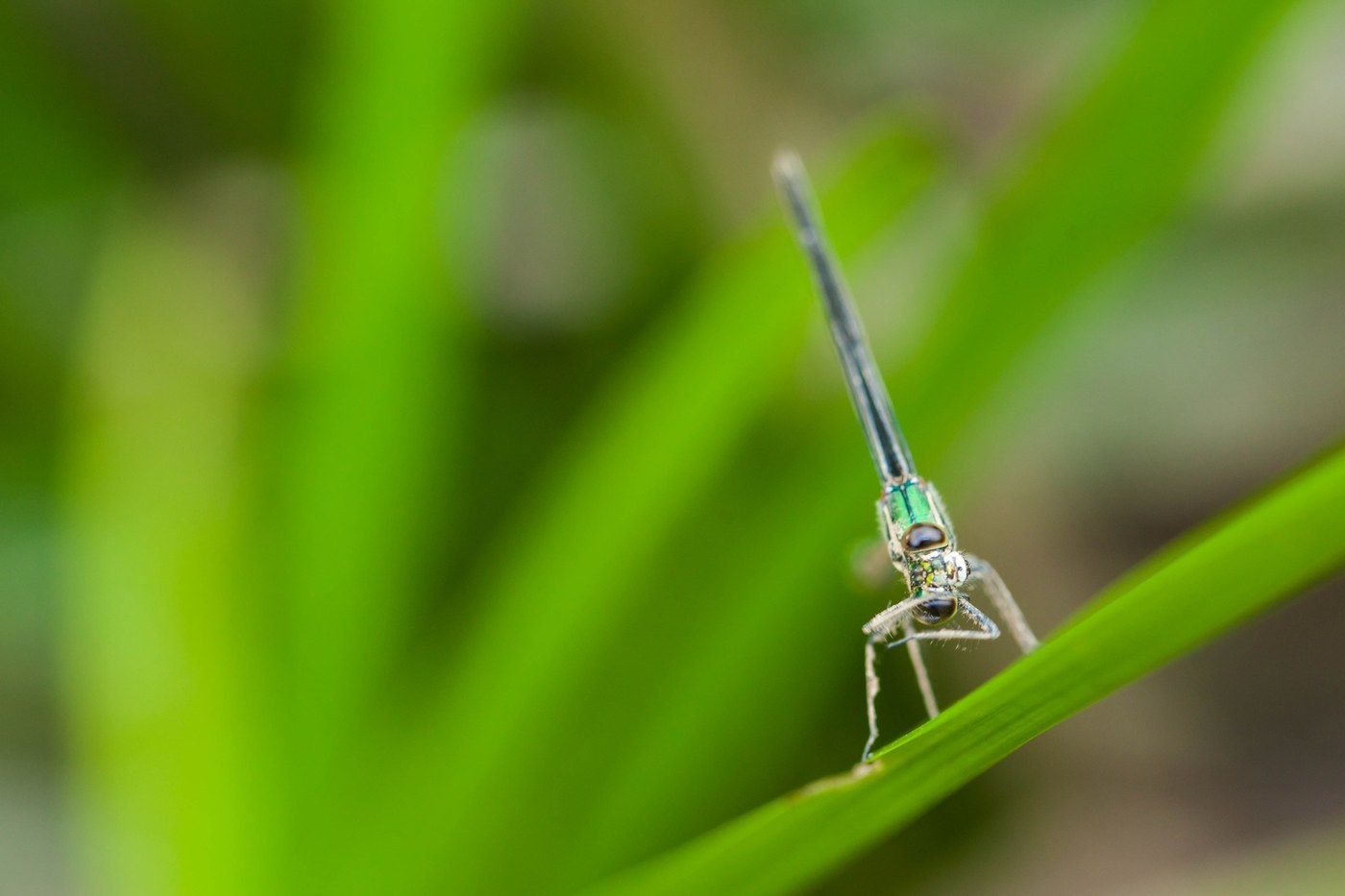
American Rubyspot
Sunny rivers and streams with moderate current
Springtail
Moist soil, leaf litter, decaying organic matter, and damp indoor areas
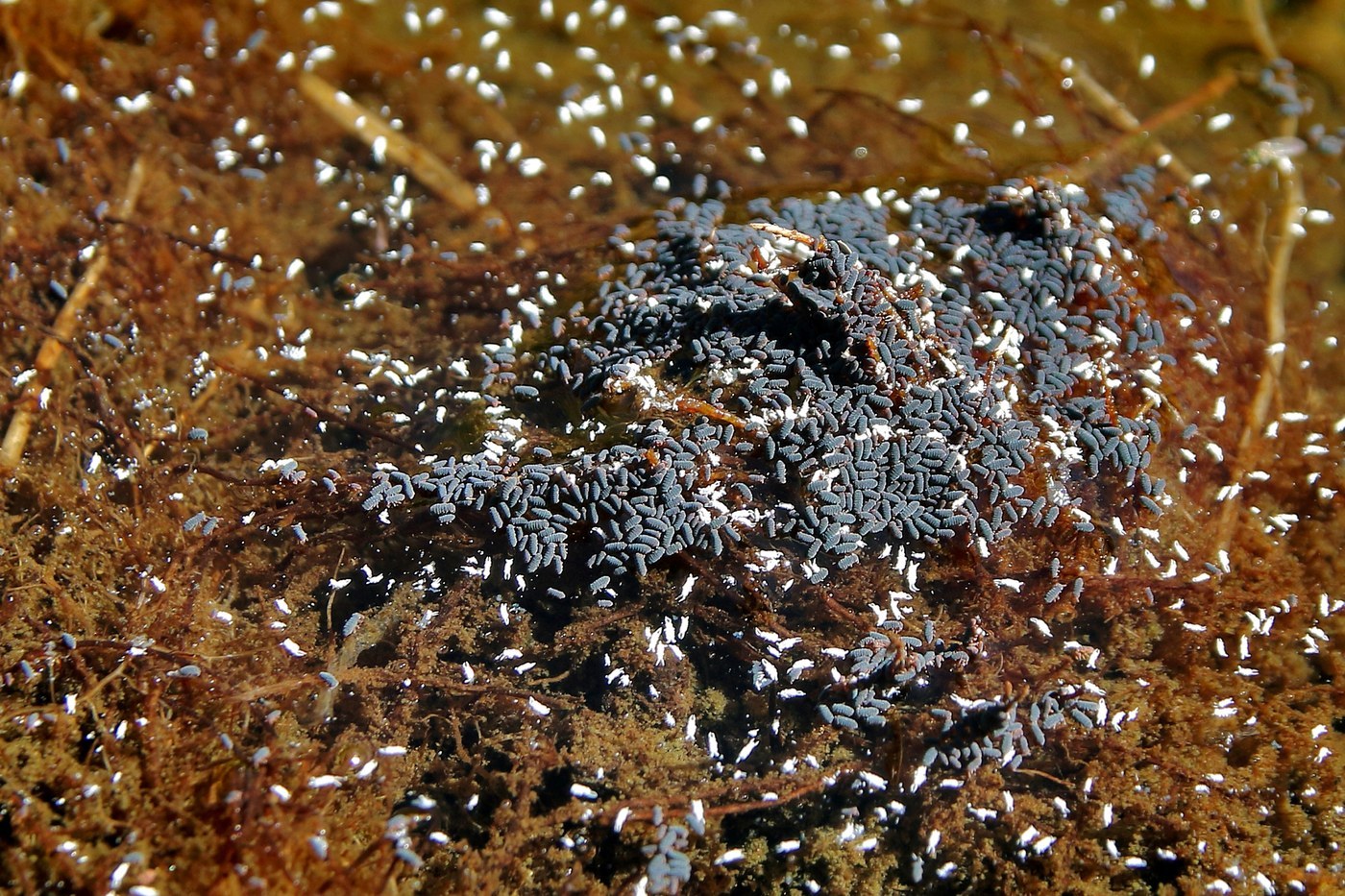
Water Springtail
Surface film of ponds, puddles, and slow ditches
Slug
Gardens, damp soil, leaf litter, greenhouses
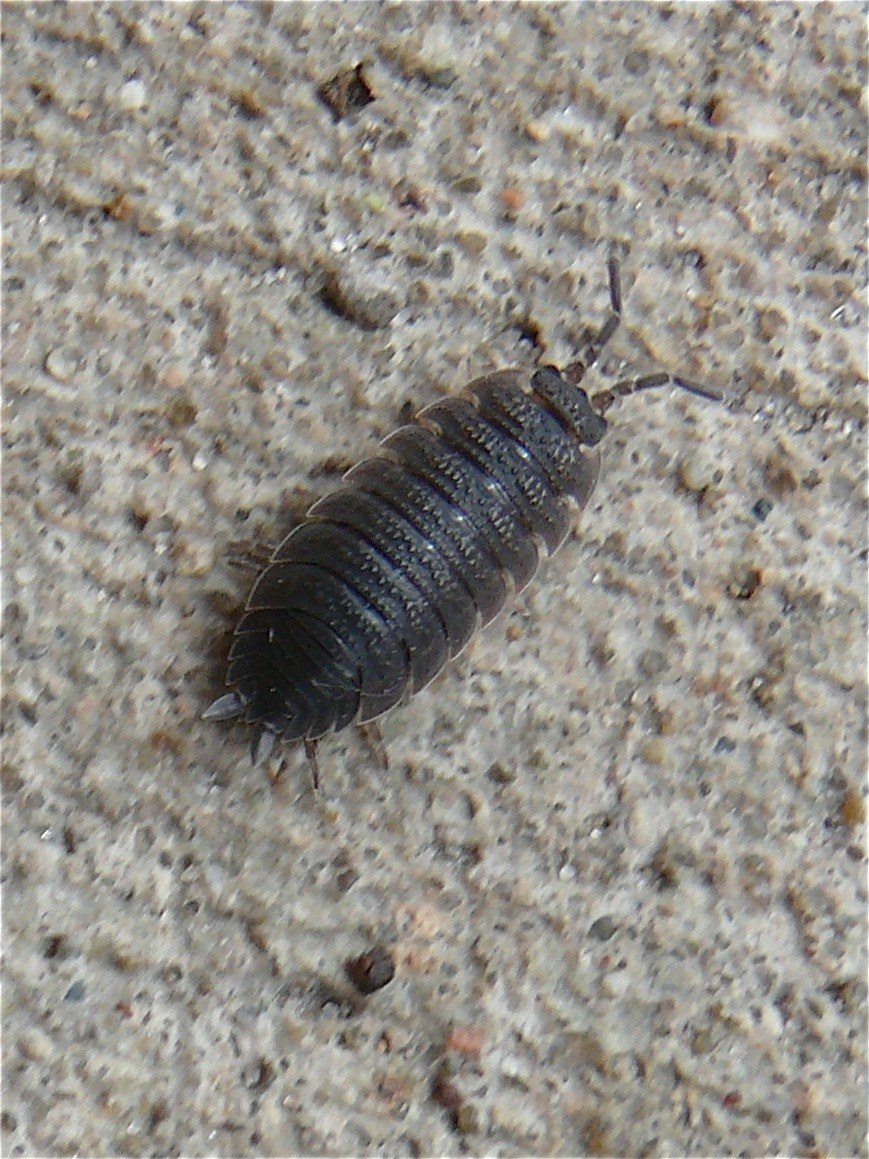
Sowbug
Leaf litter, under rocks/logs, damp garden soil, basements
Pill Bug
Damp soil, leaf litter, under rocks and logs, garden beds
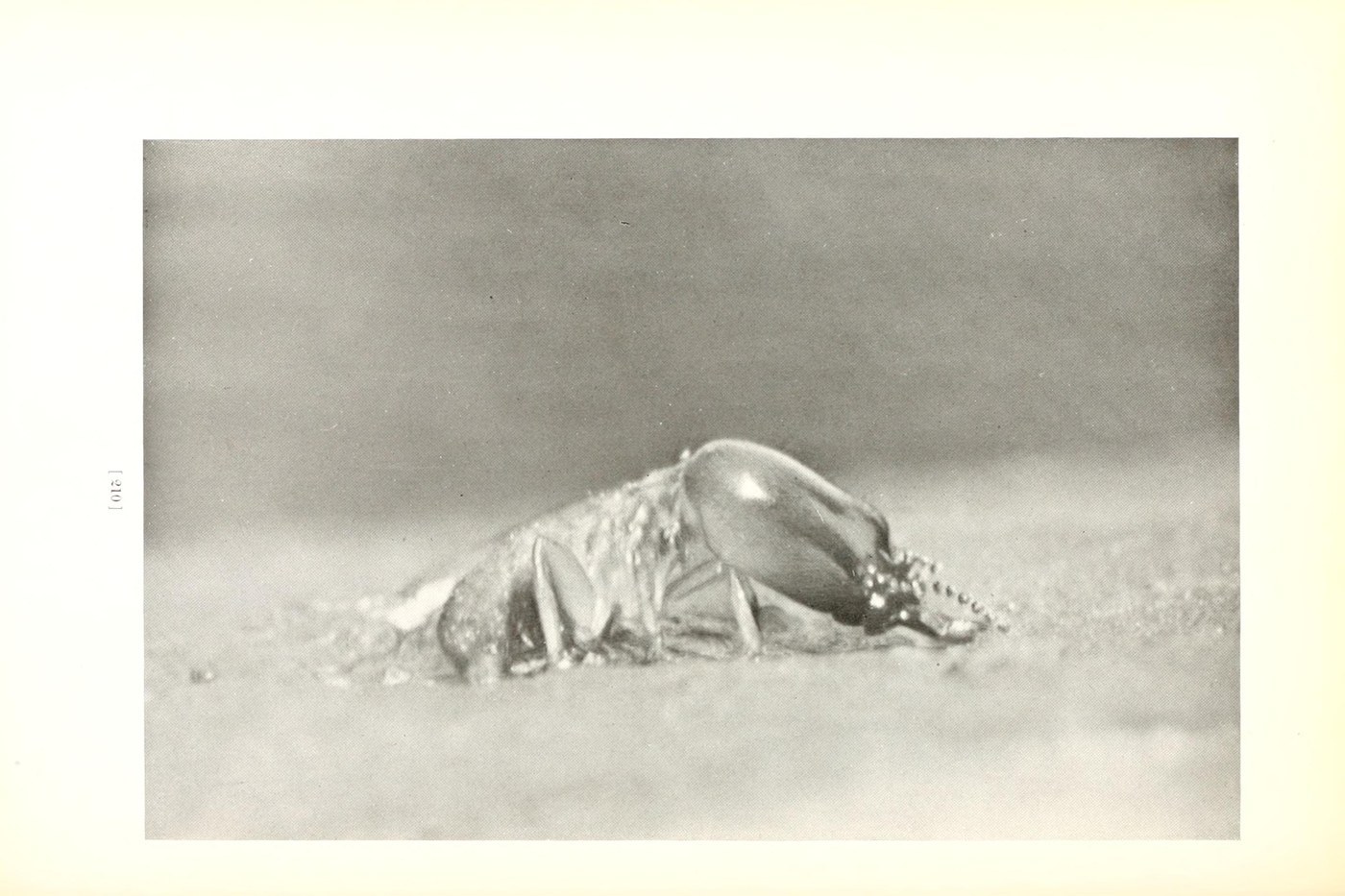
Termite
Soil, decaying wood, tree stumps, and wooden structures
Termite Swarmer
Emerges from underground or wood-nesting colonies, often near structures and moist soil
Silverfish
Damp basements, bathrooms, closets, and dark indoor crevices
Scorpionfly
Moist woodlands, hedgerows, and shaded undergrowth