
Thrips
Frankliniella occidentalis
A minuscule, slender insect with fringed, feather-like wings, often noticed only as a fast-moving dark speck darting across a flower petal or windowsill.
- Size
- 1–2 mm
- Habitat
- Flowers, foliage, gardens, greenhouses, crop fields
- Danger
- Nuisance pest
Spotted a bug like this?
Identify any bug or insect from a photo, free.
Overview
Thrips are tiny insects belonging to their own order, Thysanoptera, whose name refers to the distinctive fringe of fine hairs lining the edges of their narrow wings. Despite their minute size, thrips are found on nearly every continent and occupy an enormous range of habitats, most commonly in and around flowers, where they feed and sometimes assist in pollen movement between blossoms.
The word "thrips" is both singular and plural, a quirk of the group's Greek-derived name, so a single individual is correctly called "a thrips," not "a thrip." Their bodies are extremely slender and elongated, built for slipping into the tight folds of flower petals and leaf buds where they feed and shelter.
Thrips have unusual, asymmetrical mouthparts used to punch and rasp at plant cells before sucking up the released fluid, a feeding style unlike the piercing-sucking method used by true bugs. Some species also feed on fungal spores or act as predators of other minute arthropods.
How to Identify
- Extremely small, slender, cigar-shaped body, typically dark brown, black, or pale yellow depending on species.
- Two pairs of very narrow wings fringed with fine hairs, held flat along the back at rest — visible only under magnification.
- Short antennae and unique, asymmetrical rasping-sucking mouthparts adapted for puncturing individual plant cells.
- Movement is quick and erratic; thrips often go unnoticed until disturbed, when they dart rapidly across a surface.
- Lookalikes include tiny aphids or fungus gnats, but thrips are distinguished by their slender cigar shape and characteristic fringed wings under magnification.
Habitat & Range
Thrips are found worldwide, especially in temperate and tropical regions, inhabiting flowers, foliage, grasses, and crop fields, as well as greenhouses and indoor plants. They are most abundant during warm, dry weather in spring and summer, when populations can build up quickly, and many species shelter deep within flower blooms or unopened buds during the heat of the day.
Behavior & Diet
Thrips feed by rasping the surface of plant cells with specialized mouthparts and drawing up the released cell contents, often leaving fine silvery or stippled scarring on leaves and petals as a result. Movement combines short, weak flight with quick crawling, and thrips are frequently swept into the air by wind currents, which accounts for their sudden mass appearances noticed by people outdoors, sometimes called "thunderflies" for their association with humid, stormy weather. While some thrips species are recognized as plant pests due to their feeding habits, others are predatory, feeding on mites and other minute arthropods, or contribute to pollen transfer as they move between flowers.
Life Cycle
Females insert tiny eggs into plant tissue using a small saw-like ovipositor, and the nymphs that hatch resemble miniature, wingless versions of the adult, feeding actively on plant tissue through several nymphal stages. Uniquely among many insects, thrips pass through a resting, non-feeding stage or two, sometimes described as a simplified pupa, before molting into the winged adult form, a pattern intermediate between incomplete and complete metamorphosis. Multiple generations can occur per year in warm climates or greenhouses, with development from egg to adult sometimes taking just two to three weeks under favorable conditions.
Frequently asked questions
Is 'thrips' singular or plural?
Both — the word thrips is used for a single individual as well as many, without a separate singular form like 'thrip.'
How can I recognize thrips versus other tiny flying insects?
Under magnification, thrips have a slender, cigar-shaped body and distinctive wings fringed with fine hairs, unlike the broader wings of gnats or aphids.
What do thrips feed on?
Most feed by rasping plant cell surfaces and drawing up the released fluid, though some species feed on fungal spores or prey on other tiny arthropods.
Why do thrips sometimes appear in large numbers after storms?
They are weak fliers easily carried on wind currents, so warm, humid, unsettled weather can sweep large numbers into the air at once, giving rise to the nickname 'thunderflies.'
Thrips guides
In-depth guides for identifying, understanding, and living alongside Thrips.
Thrips identified by the community
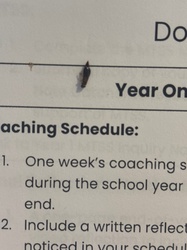
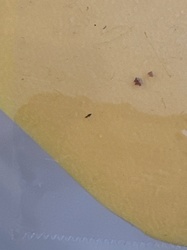
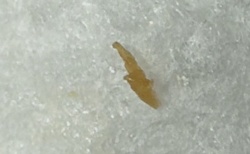
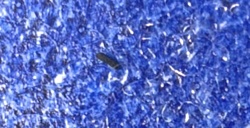
Real finds identified with Bug Identifier.
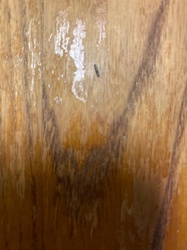
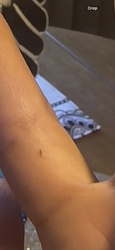
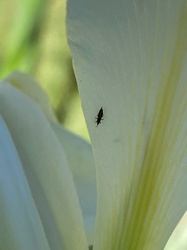
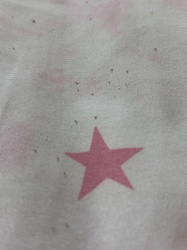
Other bugs you may enjoy
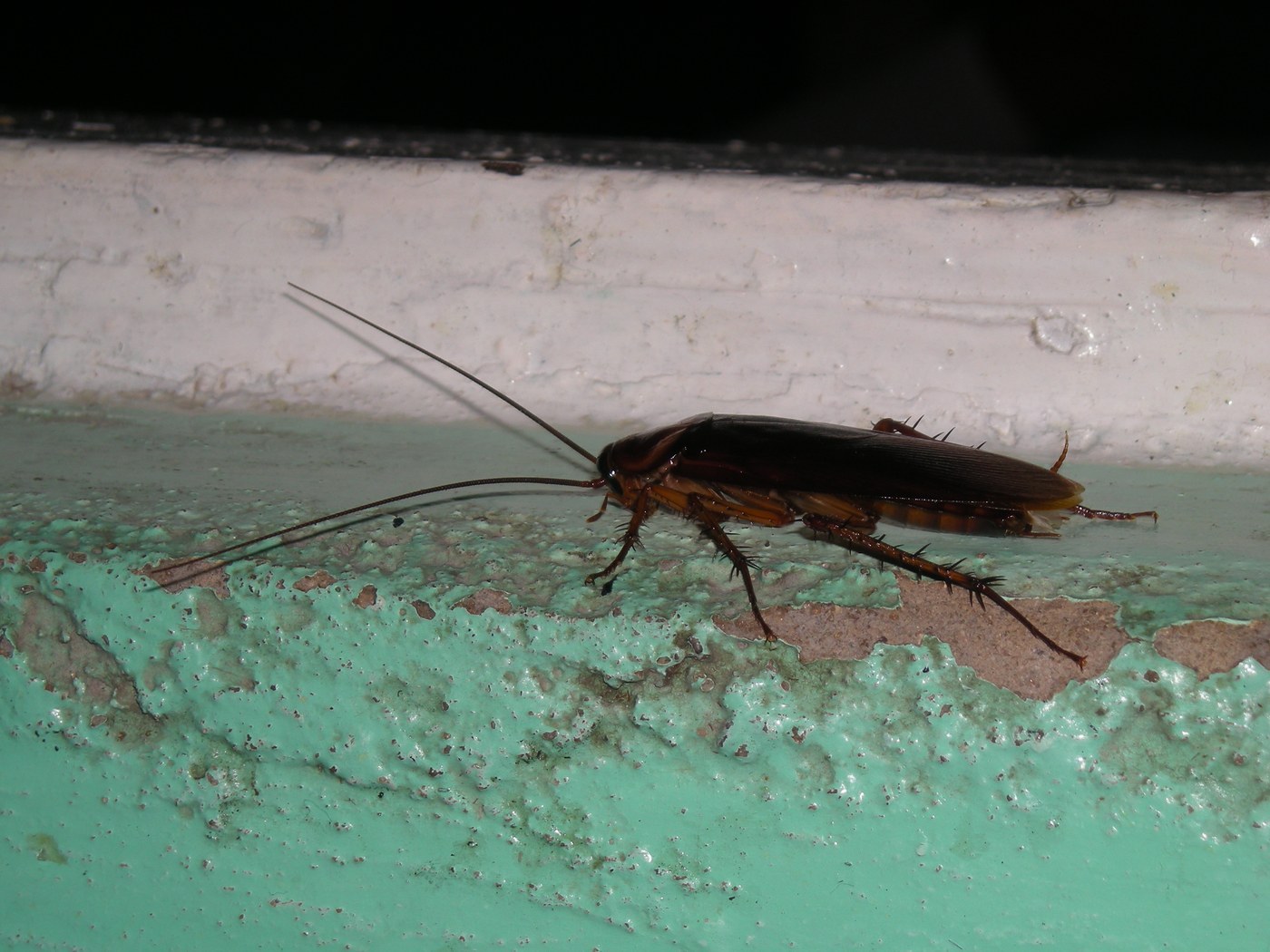
American Cockroach
Warm, humid environments such as basements, sewers, drains, and tropical outdoor settings
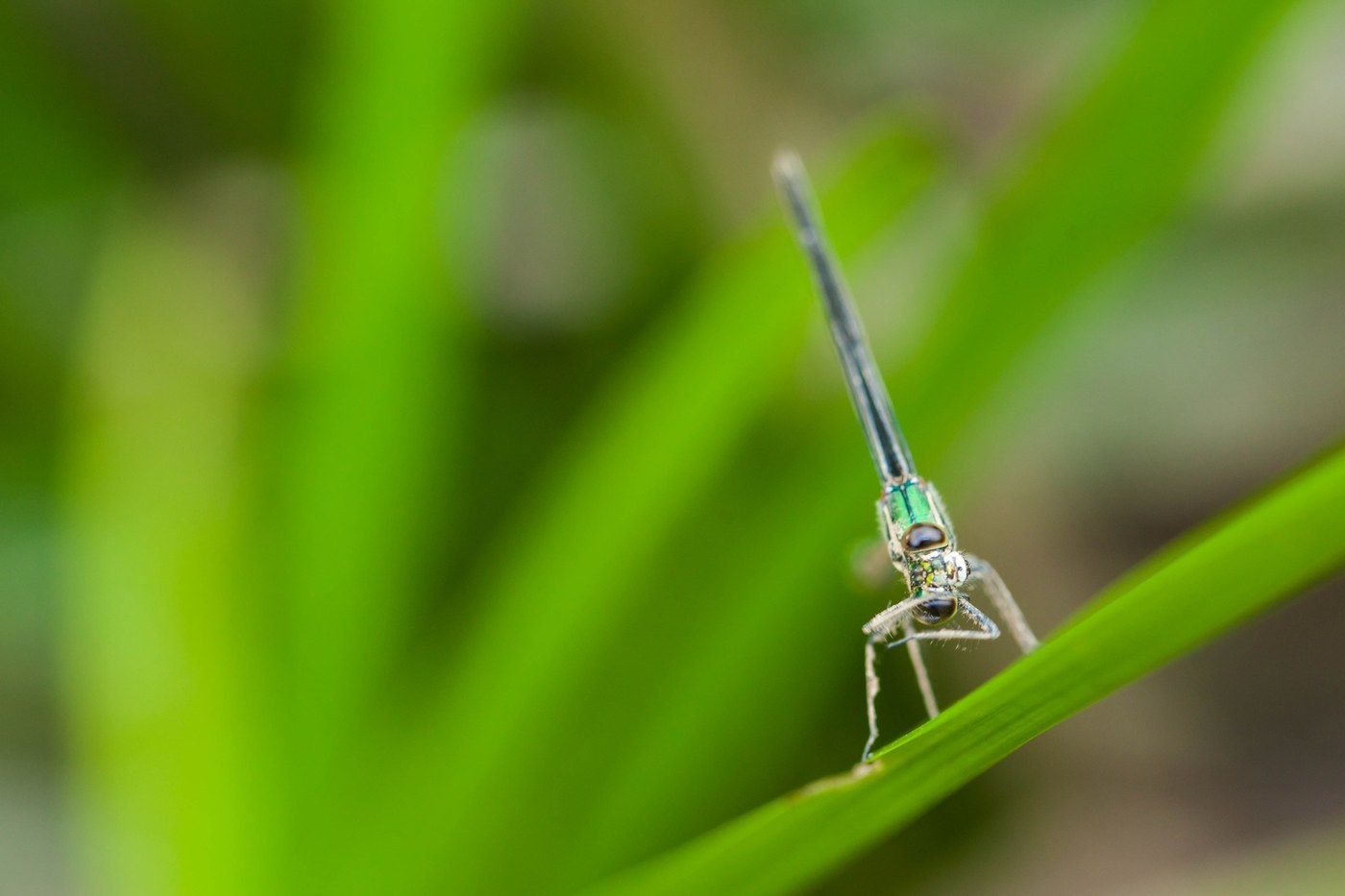
American Rubyspot
Sunny rivers and streams with moderate current
Springtail
Moist soil, leaf litter, decaying organic matter, and damp indoor areas
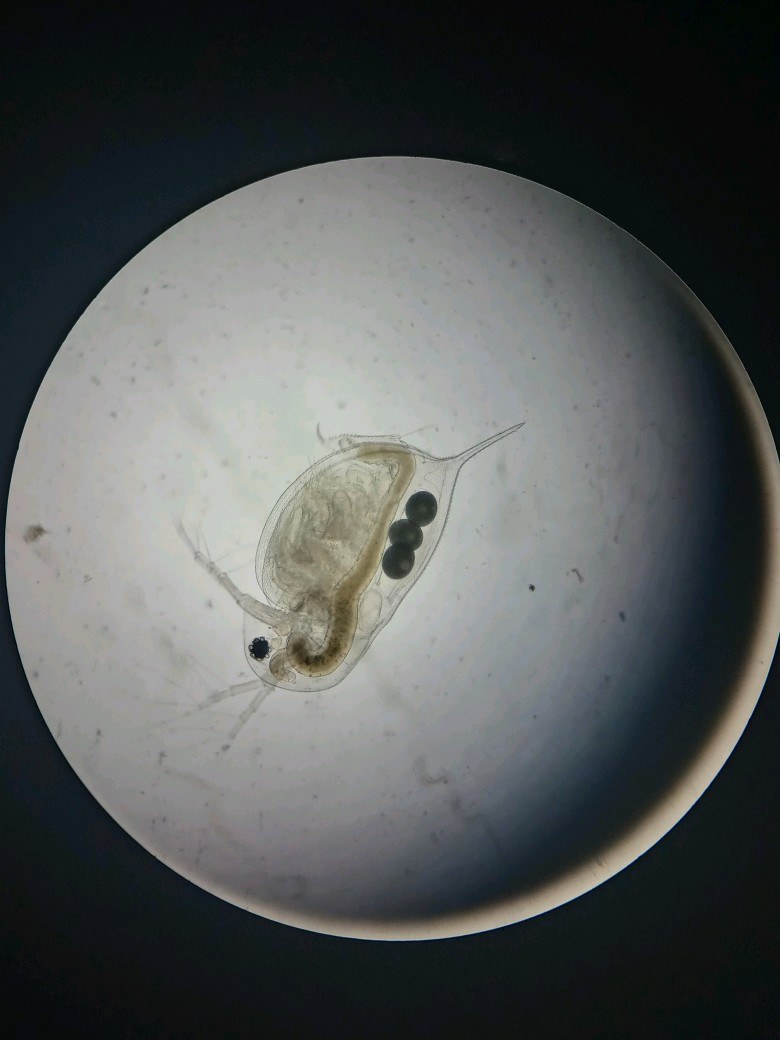
Water Flea
Ponds, lakes, and slow streams as free-floating plankton
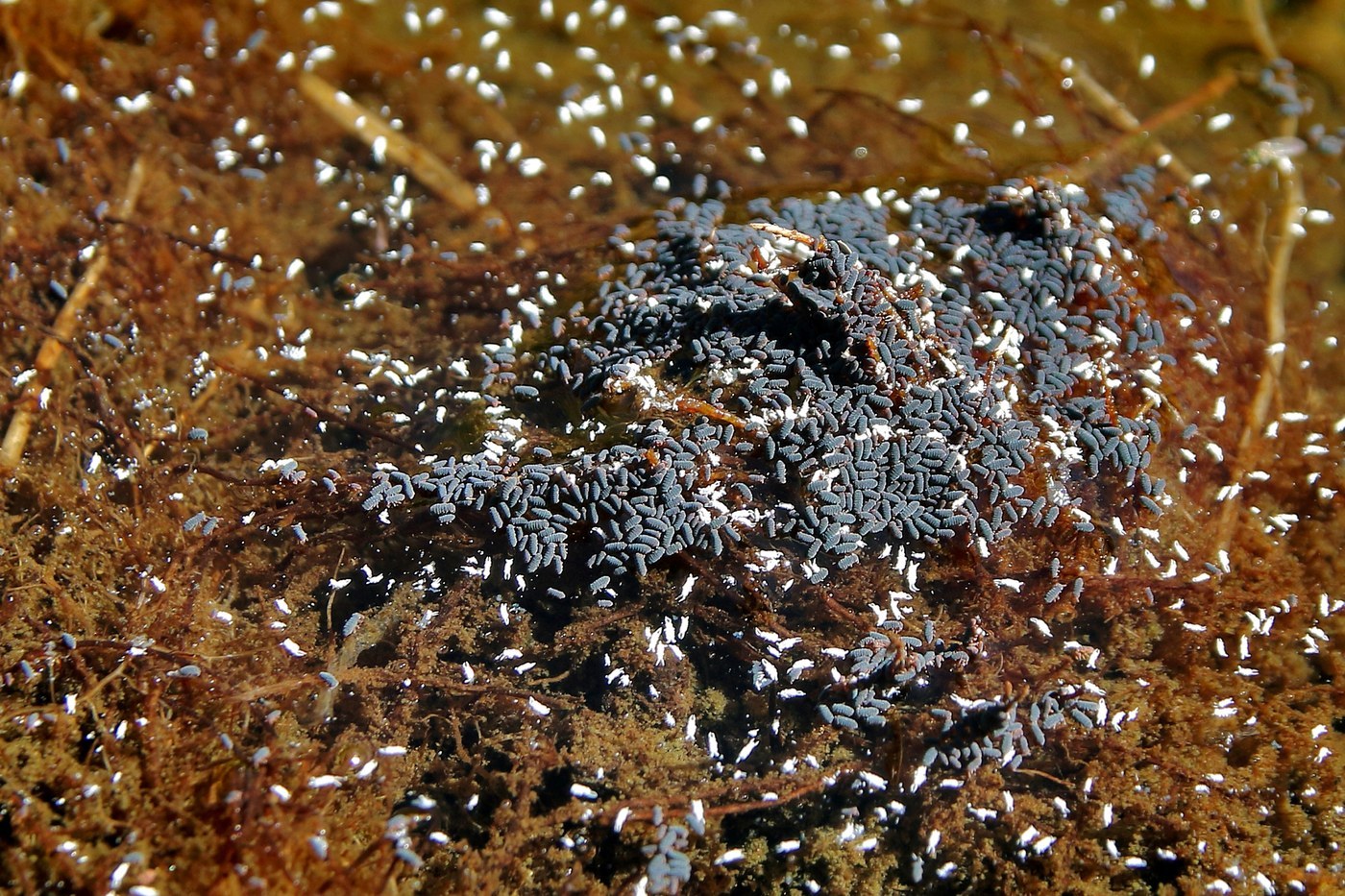
Water Springtail
Surface film of ponds, puddles, and slow ditches
Slug
Gardens, damp soil, leaf litter, greenhouses
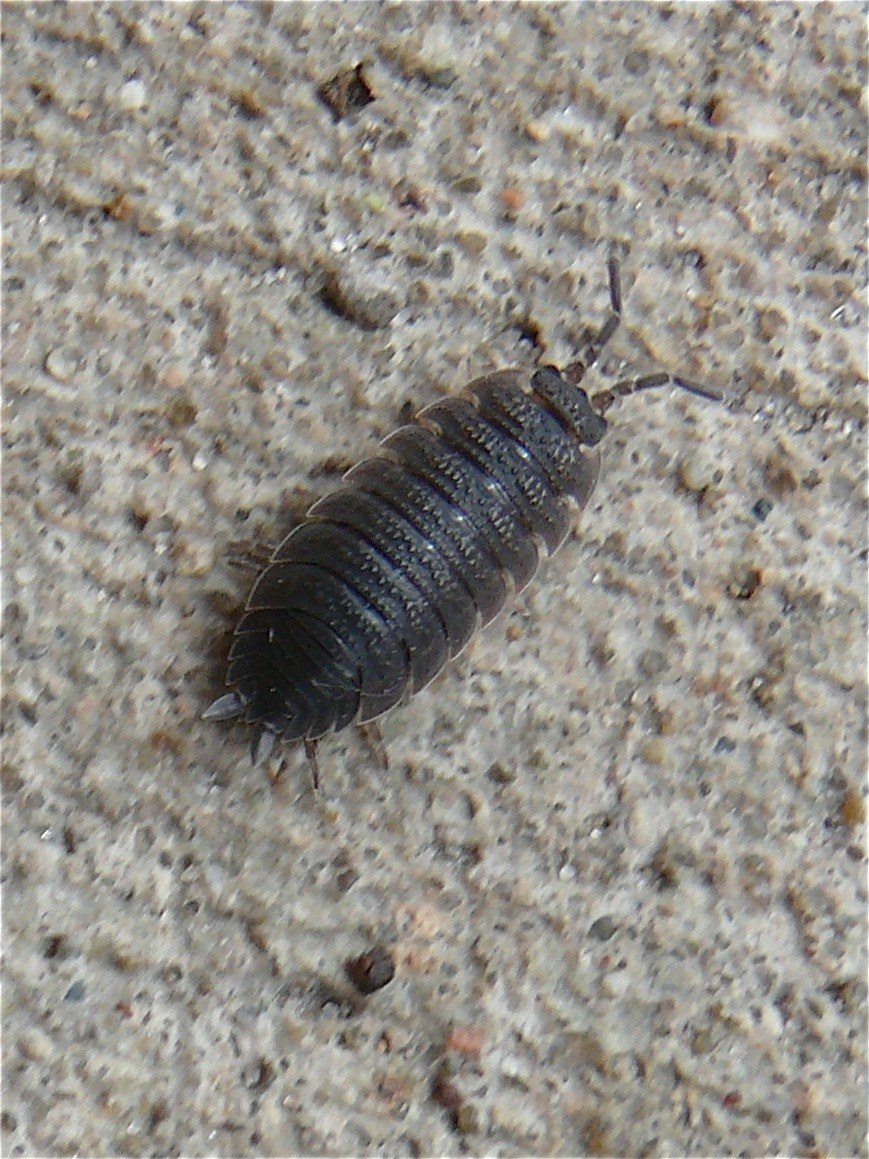
Sowbug
Leaf litter, under rocks/logs, damp garden soil, basements
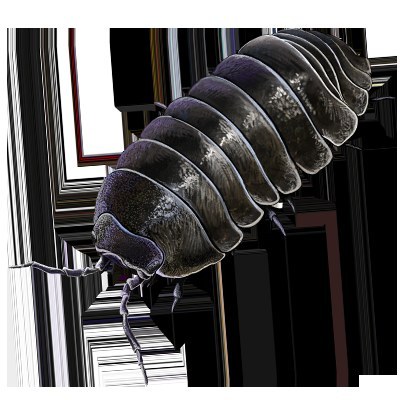
Pill Bug
Damp soil, leaf litter, under rocks and logs, garden beds
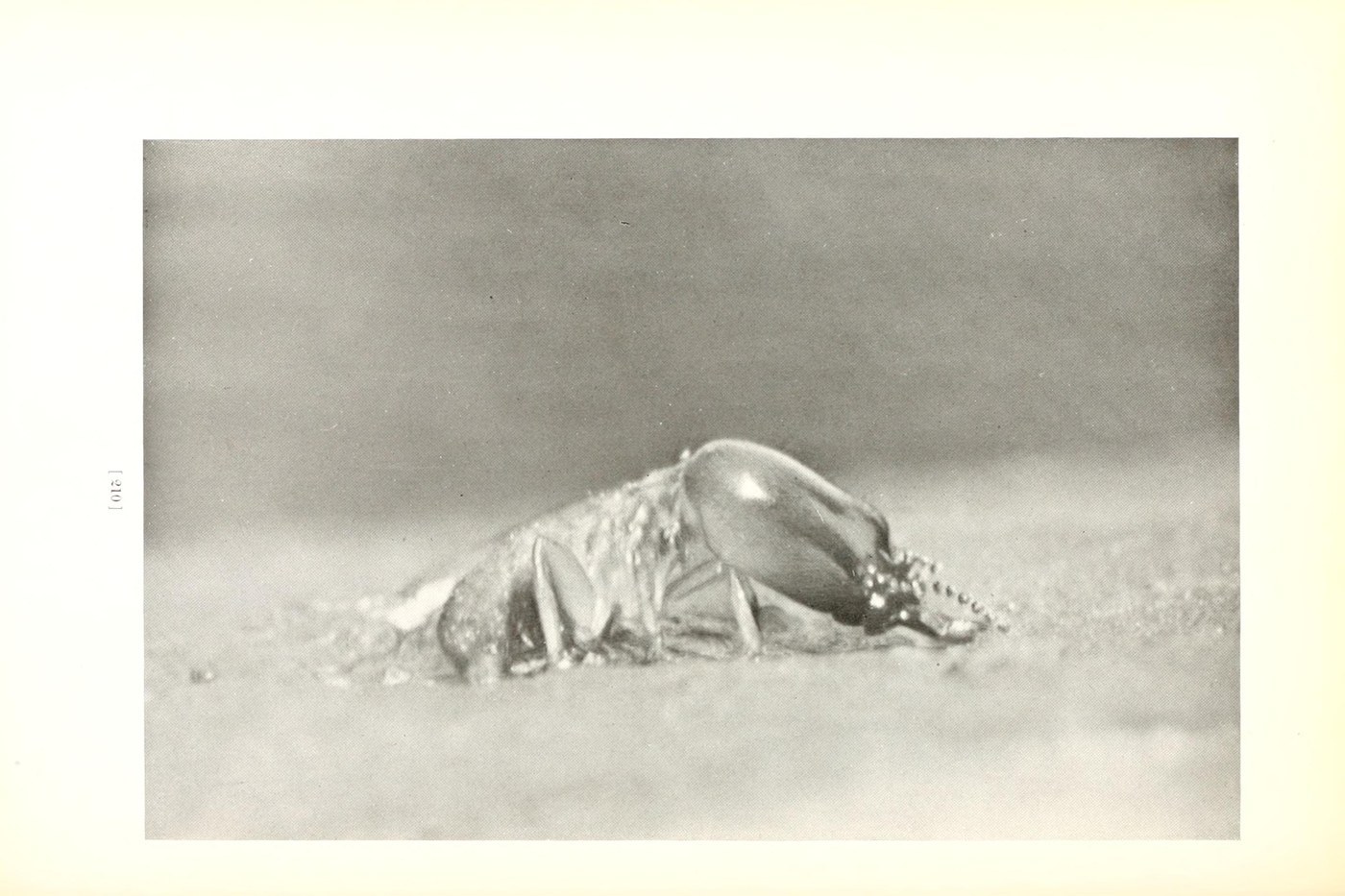
Termite
Soil, decaying wood, tree stumps, and wooden structures
Termite Swarmer
Emerges from underground or wood-nesting colonies, often near structures and moist soil
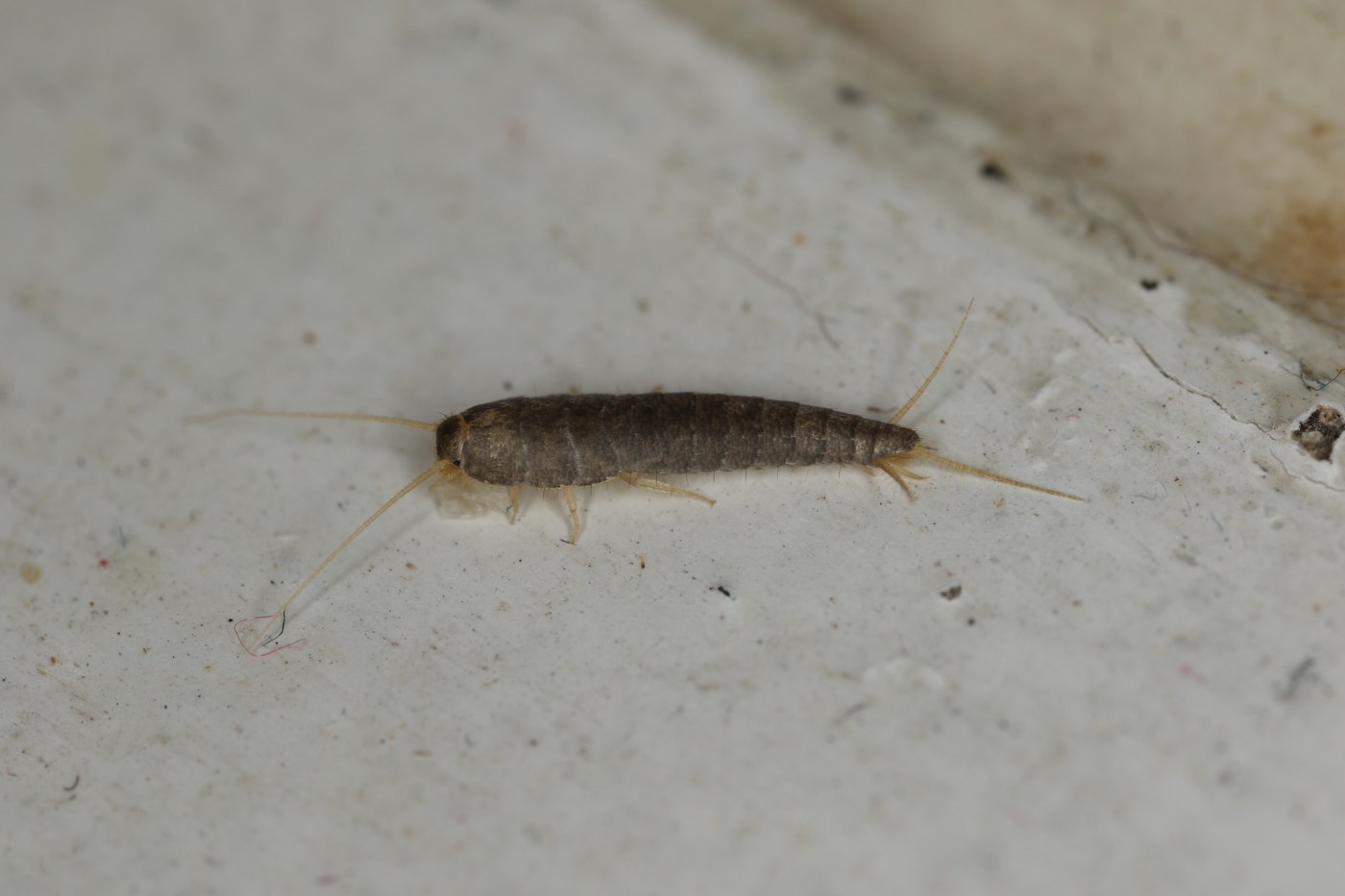
Silverfish
Damp basements, bathrooms, closets, and dark indoor crevices
Scorpionfly
Moist woodlands, hedgerows, and shaded undergrowth