
Owlfly
Ululodes spp.
An acrobatic, dragonfly-mimicking predator instantly given away by its long, clubbed antennae, a feature no true dragonfly ever has.
- Size
- Body length 3–5 cm (1.2–2 in); wingspan up to about 10 cm (4 in)
- Habitat
- Open woodlands, fields, and shrubby areas, usually near sunny clearings
- Danger
- Harmless
Spotted a bug like this?
Identify any bug or insect from a photo, free.
Overview
Owlflies are net-winged insects in the family Ascalaphidae, related to antlions and lacewings rather than to dragonflies, despite a superficial resemblance in body shape and aerial hunting style. Their large eyes and swift, agile flight allow them to snatch flying insects out of the air much as dragonflies do, which is why the two groups are so often confused.
The simplest way to tell them apart is the antennae: owlflies have long, thread-like antennae ending in a distinct club, resembling those of a butterfly, while true dragonflies have very short, bristle-like antennae that are easy to overlook.
Owlfly larvae are terrestrial ambush predators that resemble small, flattened, spiny crabs and lie camouflaged on bark, leaf litter, or soil, waiting to seize passing insects with sickle-shaped jaws, unlike the pit-digging habit of their antlion relatives.
How to Identify
- Large eyes and a dragonfly-like slender body with two pairs of long, clear or lightly patterned, net-veined wings
- Long, clubbed antennae (like a butterfly's) that are the single best distinguishing feature from true dragonflies
- Wings held together above the body at rest in many species, unlike the outstretched wings of a resting dragonfly
- Body often brown, gray, or mottled for camouflage
- Larvae are flattened, oval, spiny, and often bear debris or camouflage on their backs
- Lookalikes: dragonflies and damselflies (both lack clubbed antennae) and antlion adults (similar but usually smaller with different wing venation)
Habitat & Range
Owlflies are found on most continents in warm temperate to tropical regions, favoring open woodlands, brushy fields, and sunny clearings rather than open water. Larvae hide in leaf litter, on tree bark, or among low vegetation and soil rather than near ponds or streams. Adults are most active at dusk and dawn or on overcast days, perching motionless on twigs and grass stems between hunting flights.
Behavior & Diet
Adult owlflies are strong, darting fliers that hawk small flying insects such as flies, moths, and other insects on the wing, using their large eyes to track prey much as dragonflies do. By day many species rest motionless on twigs held at an angle to minimize their shadow, a form of camouflage. Larvae are patient ambush predators that remain still on bark or ground litter, using their spiny, camouflaged bodies and sickle-like jaws to seize small arthropods that wander close, playing a role as both predator and, at times, prey for birds and other insectivores.
Life Cycle
Females lay eggs in rows on twigs or plant stems, sometimes with a barrier of hairs to deter ants. Hatchling larvae drop or crawl to the ground and begin an ambush-predator lifestyle among leaf litter or on bark, developing through several instars over one or more seasons. Mature larvae spin a small silken cocoon in soil or debris in which to pupate, later emerging as winged adults that mate and lay eggs to continue the generation.
Frequently asked questions
How can I tell an owlfly from a dragonfly?
Look at the antennae: owlflies have long, clubbed antennae like a butterfly's, while true dragonflies have very short, inconspicuous ones.
Are owlflies related to dragonflies?
No, they are net-winged insects related to antlions and lacewings, not to true dragonflies, despite their similar hunting style.
What do owlfly larvae look like?
They are flattened, spiny, crab-like larvae that camouflage themselves on bark or in leaf litter while ambushing prey.
When are owlflies most active?
Many species are most active at dusk, dawn, or on overcast days, resting motionless on vegetation the rest of the time.
Owlfly guides
In-depth guides for identifying, understanding, and living alongside Owlfly.
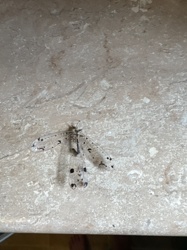
Owlfly identified by the community
Real finds identified with Bug Identifier.
Other bugs you may enjoy
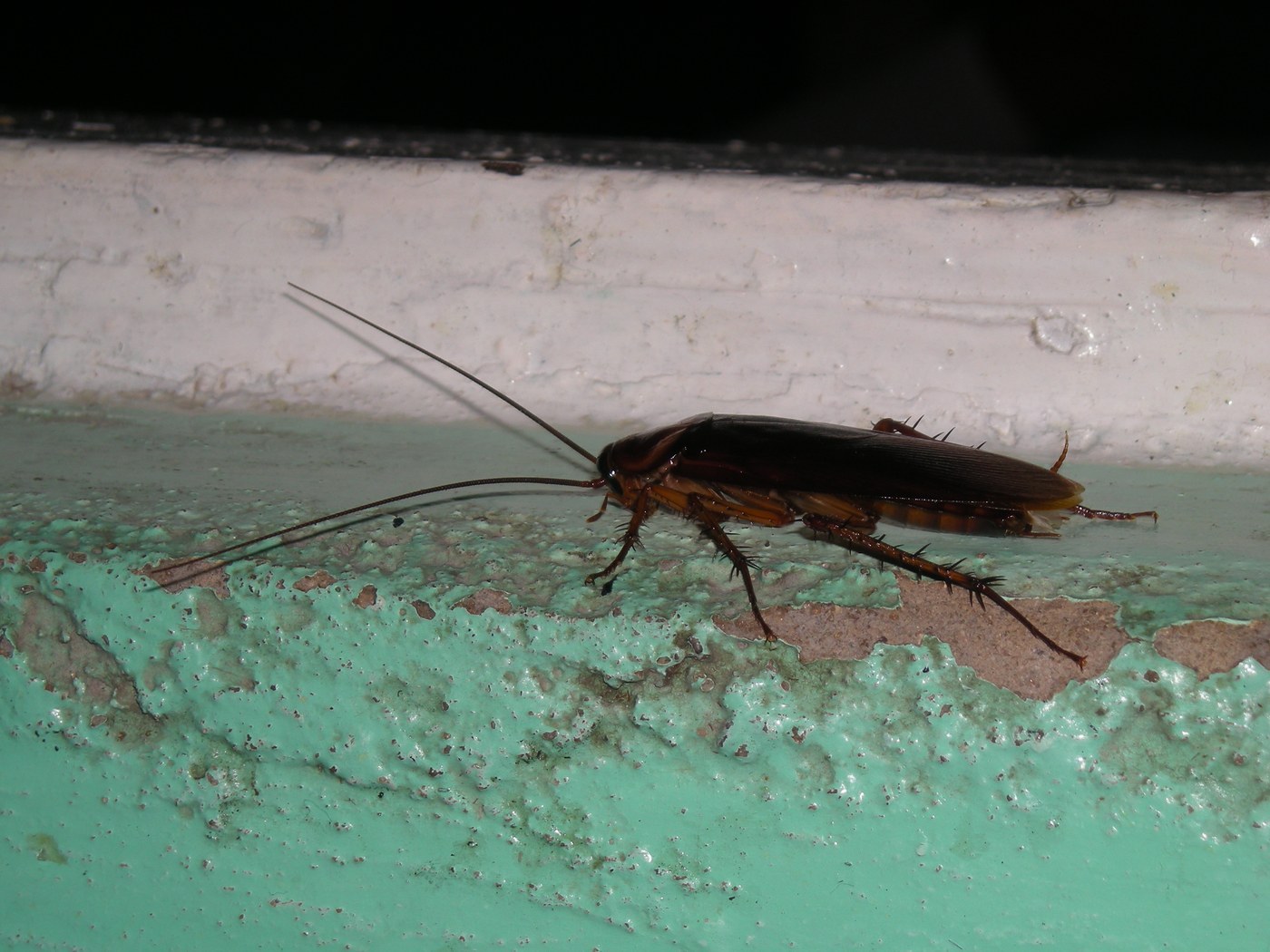
American Cockroach
Warm, humid environments such as basements, sewers, drains, and tropical outdoor settings
Thrips
Flowers, foliage, gardens, greenhouses, crop fields
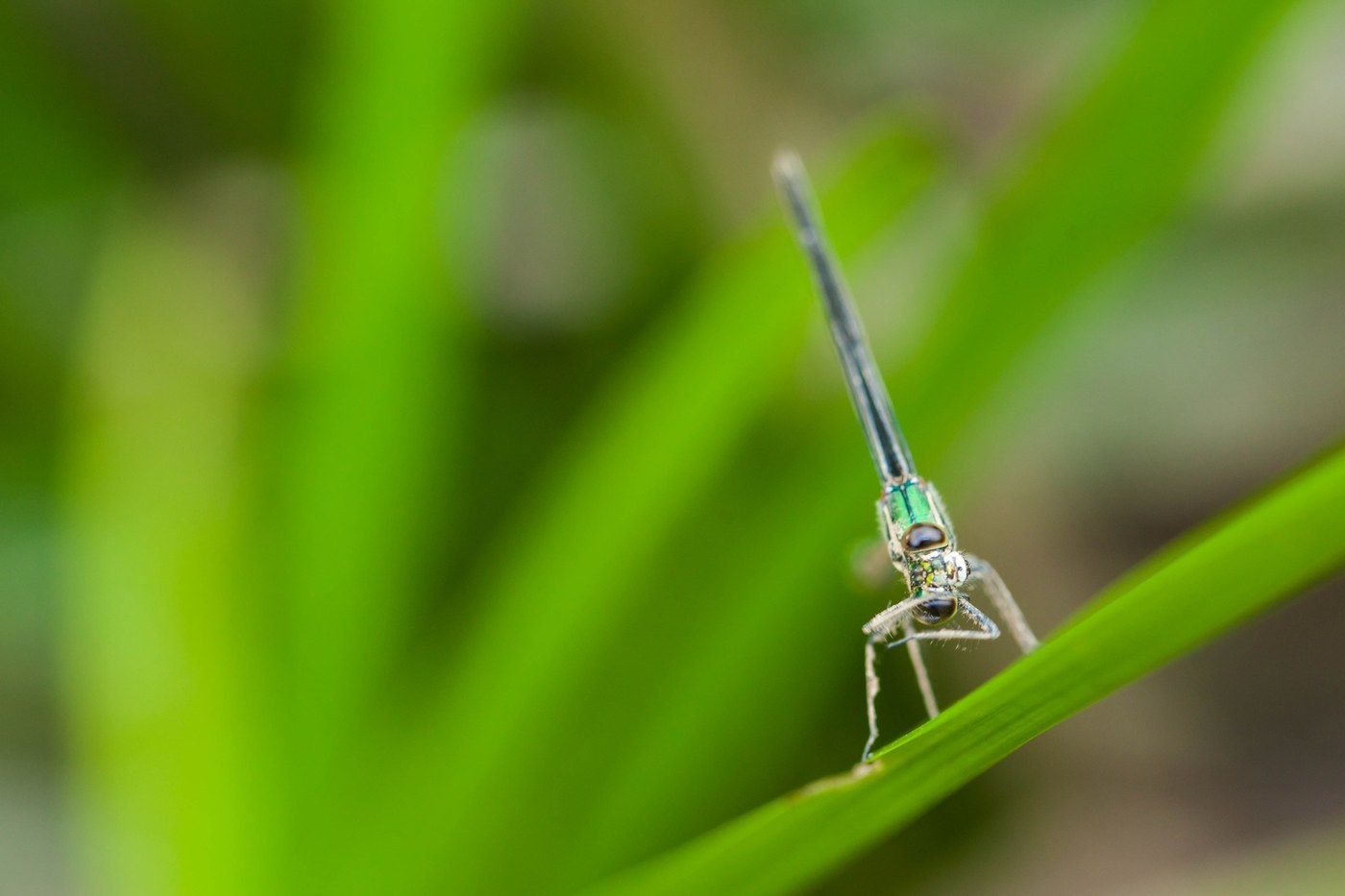
American Rubyspot
Sunny rivers and streams with moderate current
Springtail
Moist soil, leaf litter, decaying organic matter, and damp indoor areas
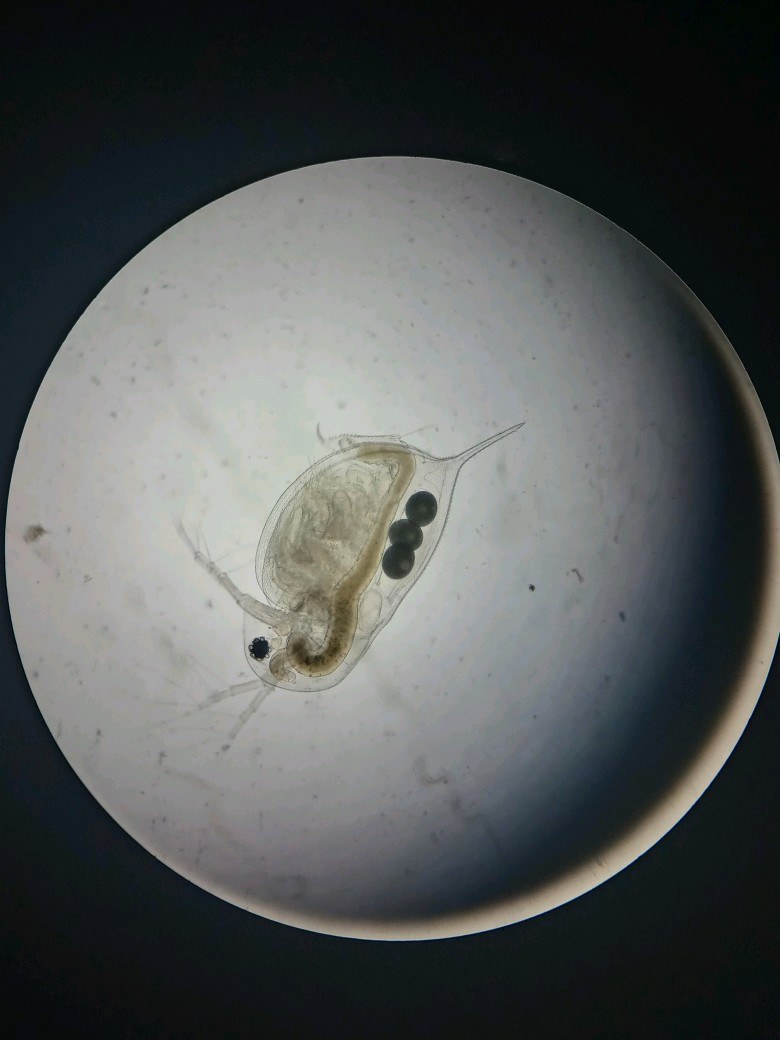
Water Flea
Ponds, lakes, and slow streams as free-floating plankton
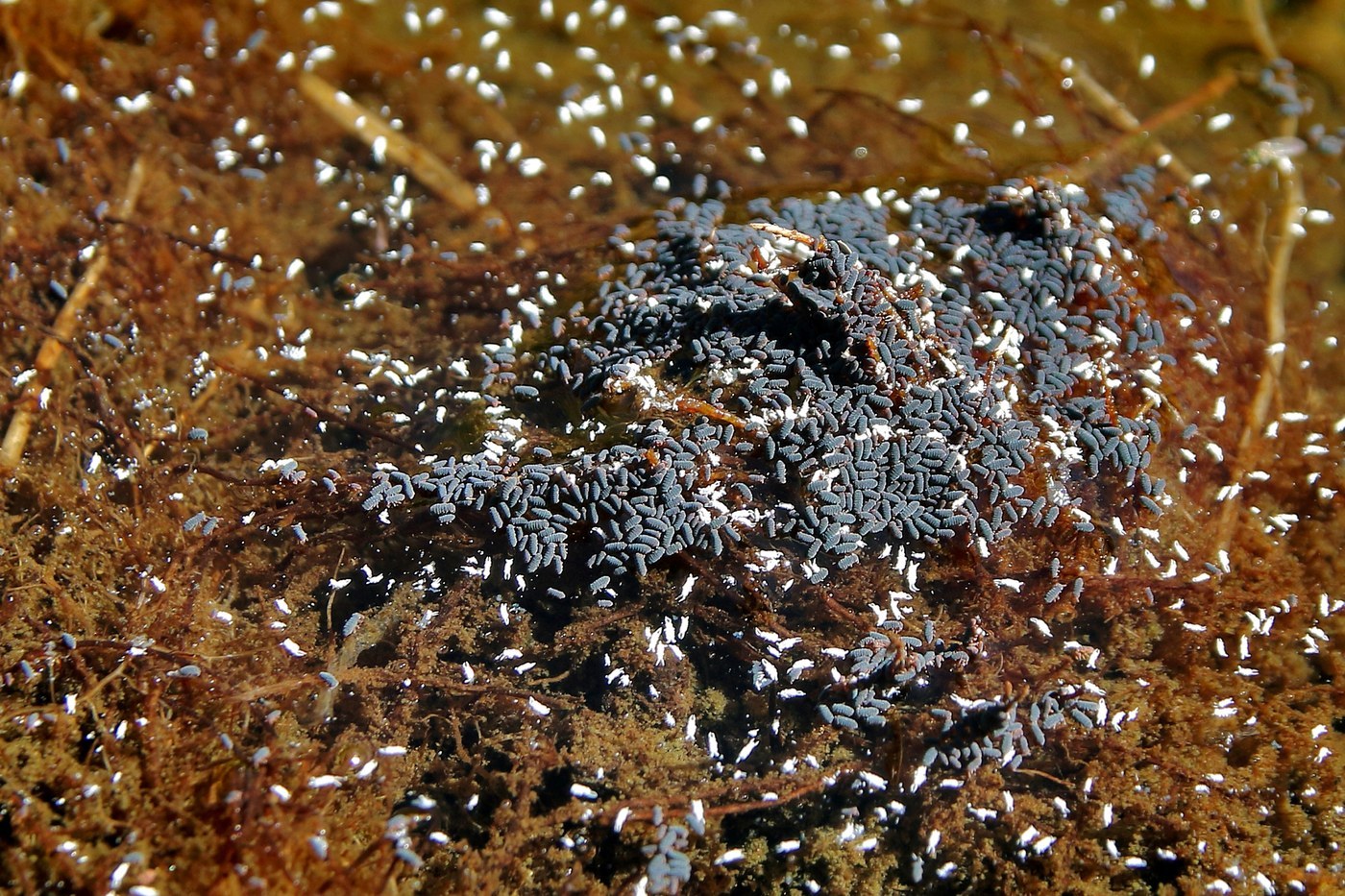
Water Springtail
Surface film of ponds, puddles, and slow ditches
Slug
Gardens, damp soil, leaf litter, greenhouses
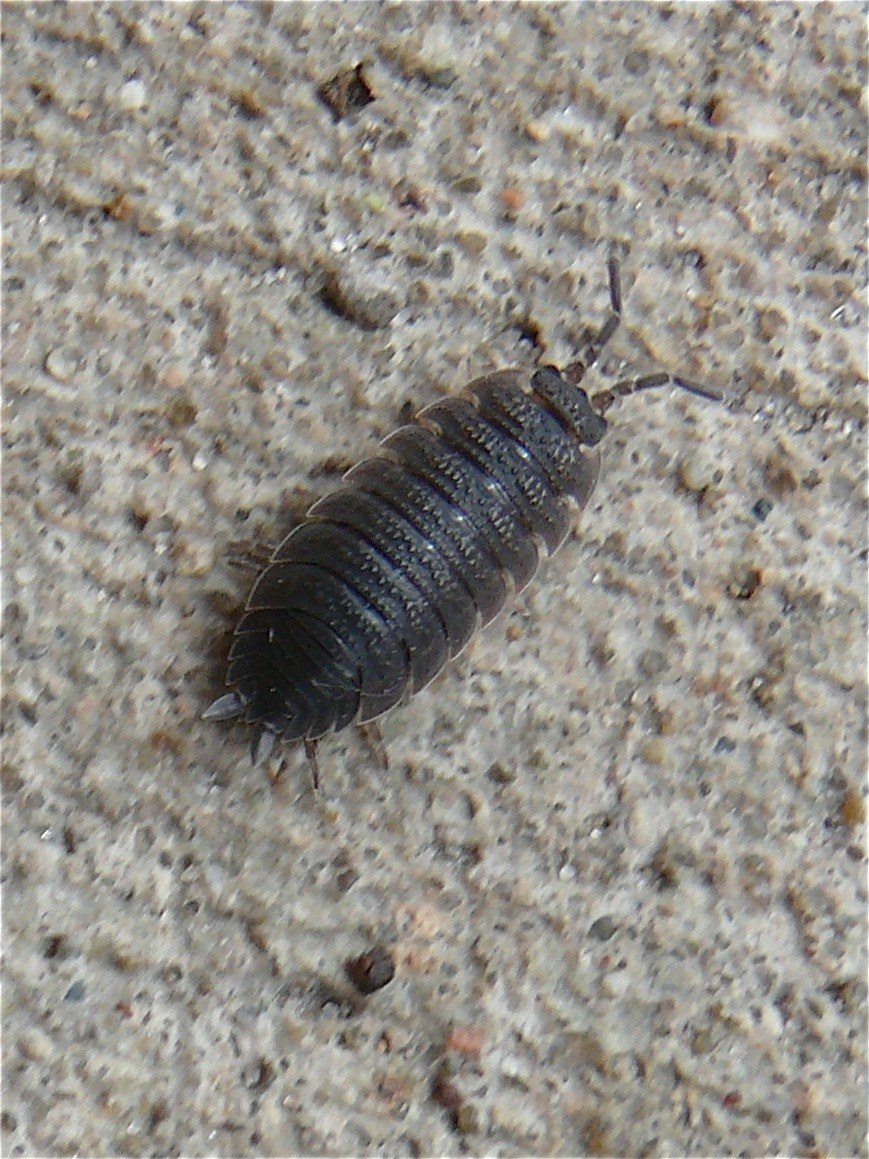
Sowbug
Leaf litter, under rocks/logs, damp garden soil, basements
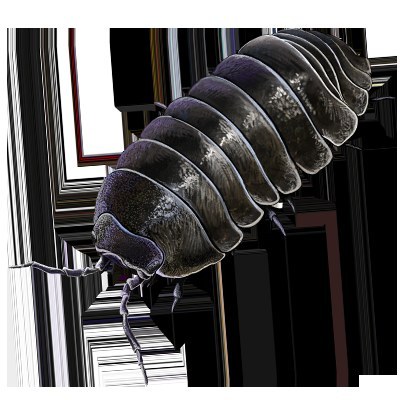
Pill Bug
Damp soil, leaf litter, under rocks and logs, garden beds
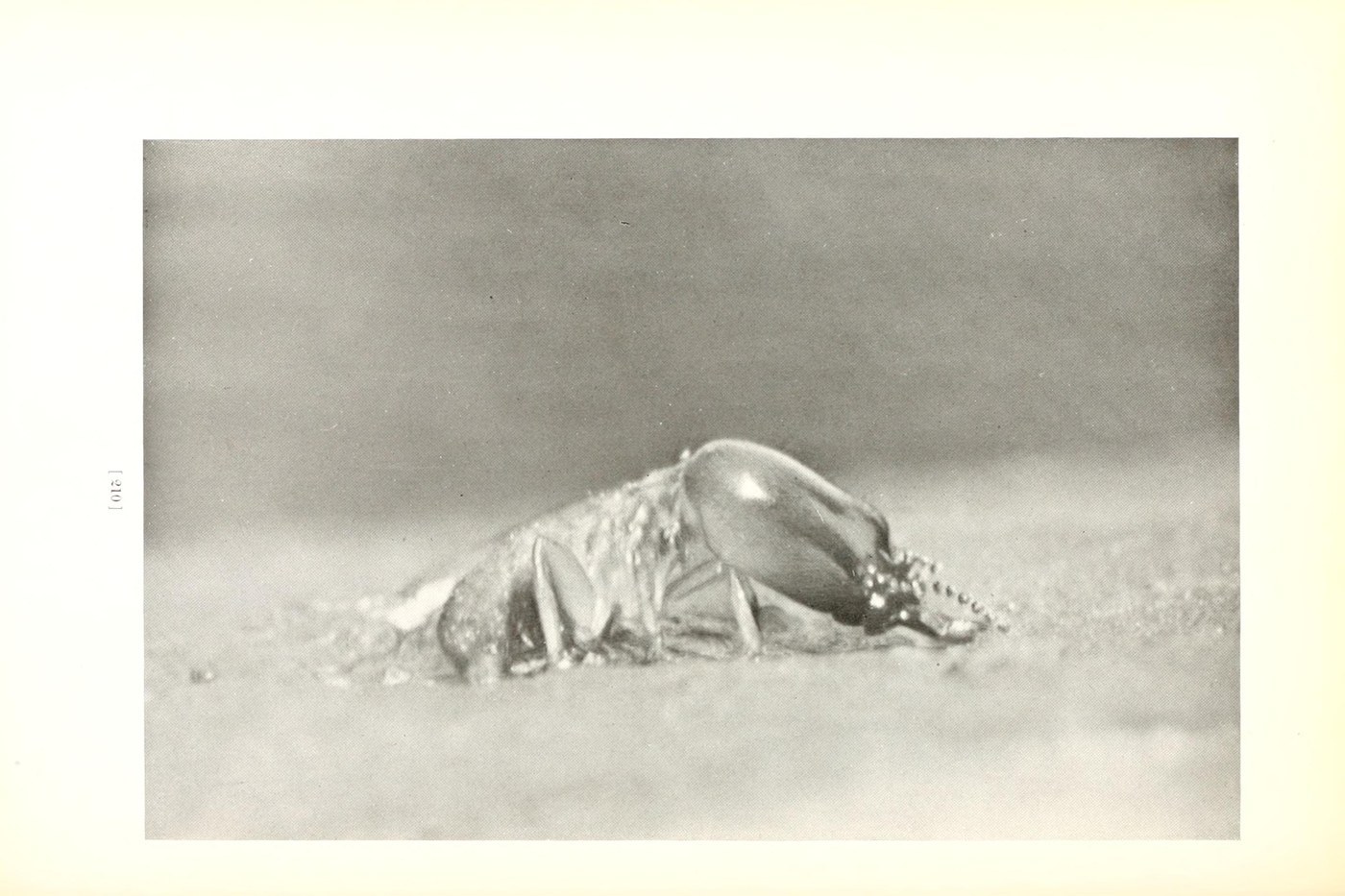
Termite
Soil, decaying wood, tree stumps, and wooden structures
Termite Swarmer
Emerges from underground or wood-nesting colonies, often near structures and moist soil
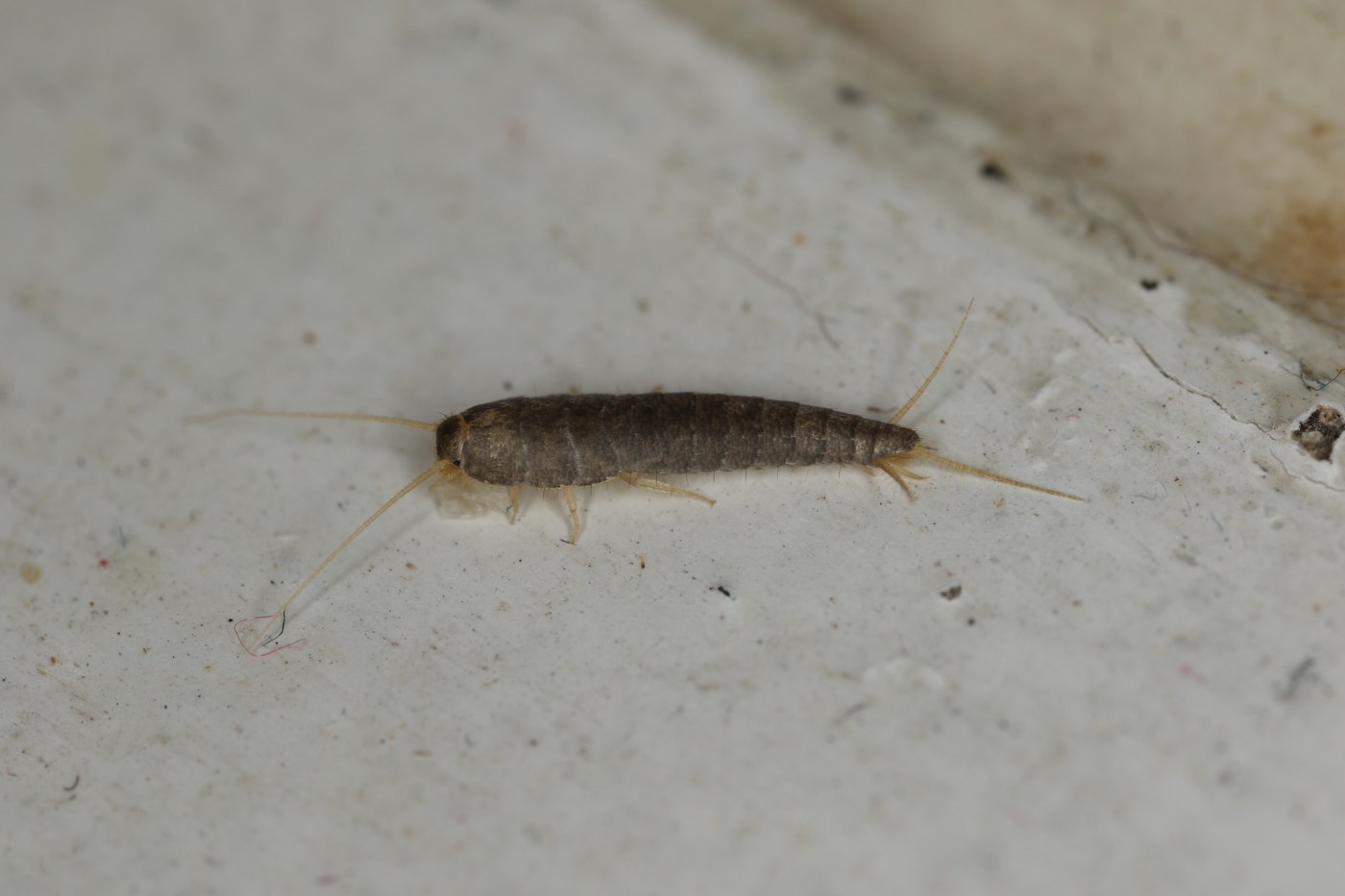
Silverfish
Damp basements, bathrooms, closets, and dark indoor crevices