
Termite Swarmer
Reticulitermes spp.
A dense, short-lived cloud of dark, equal-winged insects pouring from a crack in soil or wood, each one a would-be founder of a brand-new termite colony.
- Size
- 3/8–1/2 in (10–13 mm) including wings
- Habitat
- Emerges from underground or wood-nesting colonies, often near structures and moist soil
- Danger
- Nuisance pest
Spotted a bug like this?
Identify any bug or insect from a photo, free.
Overview
Termite swarmers, or alates, are the winged reproductive caste produced by a mature termite colony once it has grown large enough to spare individuals for dispersal. Triggered by warm, humid conditions—classically a mild day following rain in spring or early summer—hundreds to thousands of swarmers erupt simultaneously from a single colony in a brief, synchronized flight.
The swarm itself lasts only minutes to an hour. Swarmers are weak fliers and are quickly scattered by wind, which is why homeowners often notice them clustered at windows, porch lights, or other bright surfaces rather than in open flight. Most swarmers are eaten by birds, spiders, ants, and other predators within a short time of taking flight, and only a small fraction survive to found new colonies.
Because swarmers are the visible sign of a termite colony's reproductive cycle, their appearance indoors or near a foundation is often used as a general indicator of termite activity in the surrounding area, though the swarmer itself does not cause structural damage.
How to Identify
- Body dark brown to black, soft, roughly 1/4–3/8 in (6–10 mm) long excluding wings
- Two pairs of long, milky to smoky-gray wings of equal length and shape, extending well past the tip of the abdomen
- Straight, bead-like (moniliform) antennae
- Thick waist with no constriction between thorax and abdomen
- Lookalike: winged ants, which have two pairs of unequal-length wings, elbowed antennae, and a narrow pinched waist
- Discarded, shed wings littering a windowsill are a classic sign a termite swarm has occurred nearby
Habitat & Range
Swarmers emerge from subterranean, drywood, or dampwood termite colonies located in soil, tree stumps, buried wood, or structural lumber. Timing varies by species and region: many subterranean species swarm on warm, still, humid afternoons in spring, while some drywood species swarm in late summer or fall, often at dusk and attracted to light. Termites and their swarms occur worldwide in temperate and tropical regions wherever suitable wood or cellulose material and moisture are present.
Behavior & Diet
After a brief flight, swarmers land, break off their wings along a pre-formed suture, and pair up with a partner in a behavior called tandem running. A successful pair digs into soil or wood together to excavate a small chamber, mate, and found a new colony as king and queen. Within the parent colony, the vast majority of termites are sterile worker and soldier castes that feed on wood, leaf litter, and other cellulose material, playing an important ecological role in breaking down dead plant matter and recycling nutrients.
Life Cycle
Termites undergo gradual (incomplete) metamorphosis: eggs hatch into nymphs that resemble small versions of the adults and molt repeatedly, developing into workers, soldiers, or, in a mature colony, winged reproductive alates. A colony must reach a certain size and maturity, often several years, before it begins producing swarmers annually. A founding pair that survives dispersal becomes the king and queen of a new colony, which may persist and grow for many years.
Frequently asked questions
How can I tell a termite swarmer from a flying ant?
Look at the wings, antennae, and waist: termites have two pairs of equal-length wings, straight antennae, and a thick waist, while flying ants have unequal wing pairs, elbowed antennae, and a narrow pinched waist.
Why do termite swarmers appear all at once?
A mature colony releases its winged reproductives in a synchronized flight, usually cued by warm temperatures and humidity, so that large numbers disperse together and improve the odds that some pairs will survive to found new colonies.
What happens to a swarmer's wings?
After landing, a swarmer breaks its four wings off at a built-in weak point near the base, since retained wings are no longer needed once the insect begins searching for a mate and nesting site.
Are termite swarmers a separate species from the colony workers?
No, swarmers are simply the winged reproductive caste of the same termite species; the same colony also produces sterile worker and soldier castes that never develop wings.
Termite Swarmer guides
In-depth guides for identifying, understanding, and living alongside Termite Swarmer.
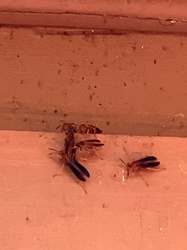
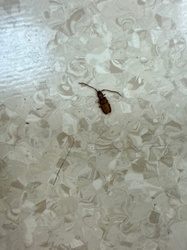
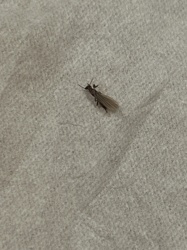
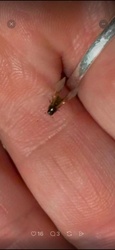
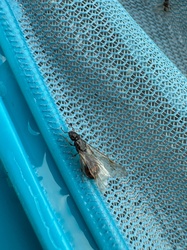
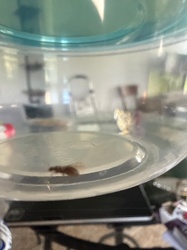
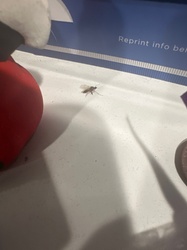
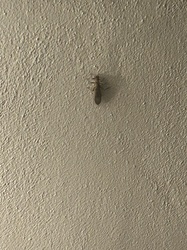
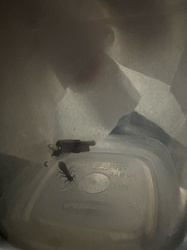
Termite Swarmer identified by the community
Real finds identified with Bug Identifier.
Other bugs you may enjoy
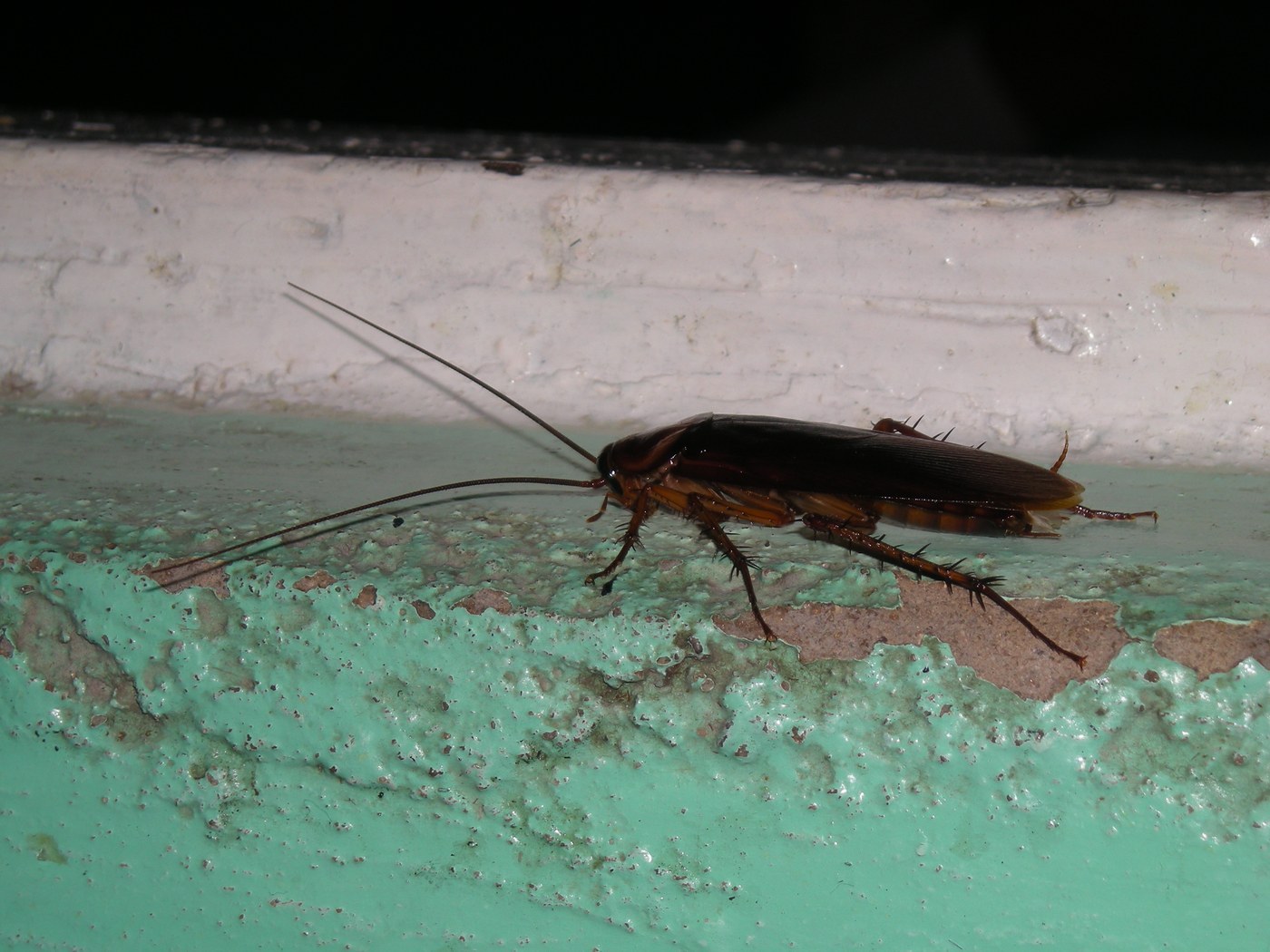
American Cockroach
Warm, humid environments such as basements, sewers, drains, and tropical outdoor settings
Thrips
Flowers, foliage, gardens, greenhouses, crop fields
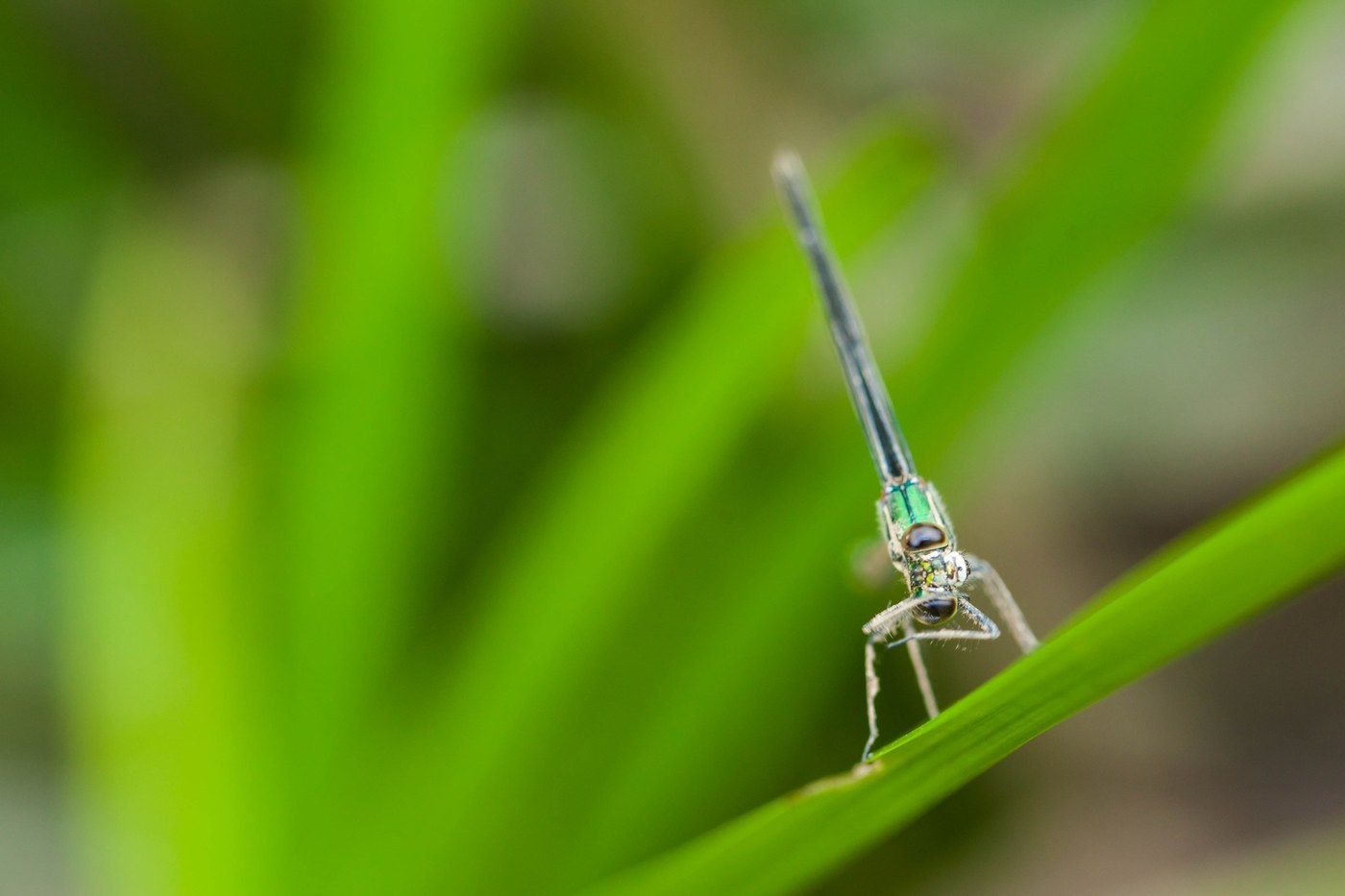
American Rubyspot
Sunny rivers and streams with moderate current
Springtail
Moist soil, leaf litter, decaying organic matter, and damp indoor areas
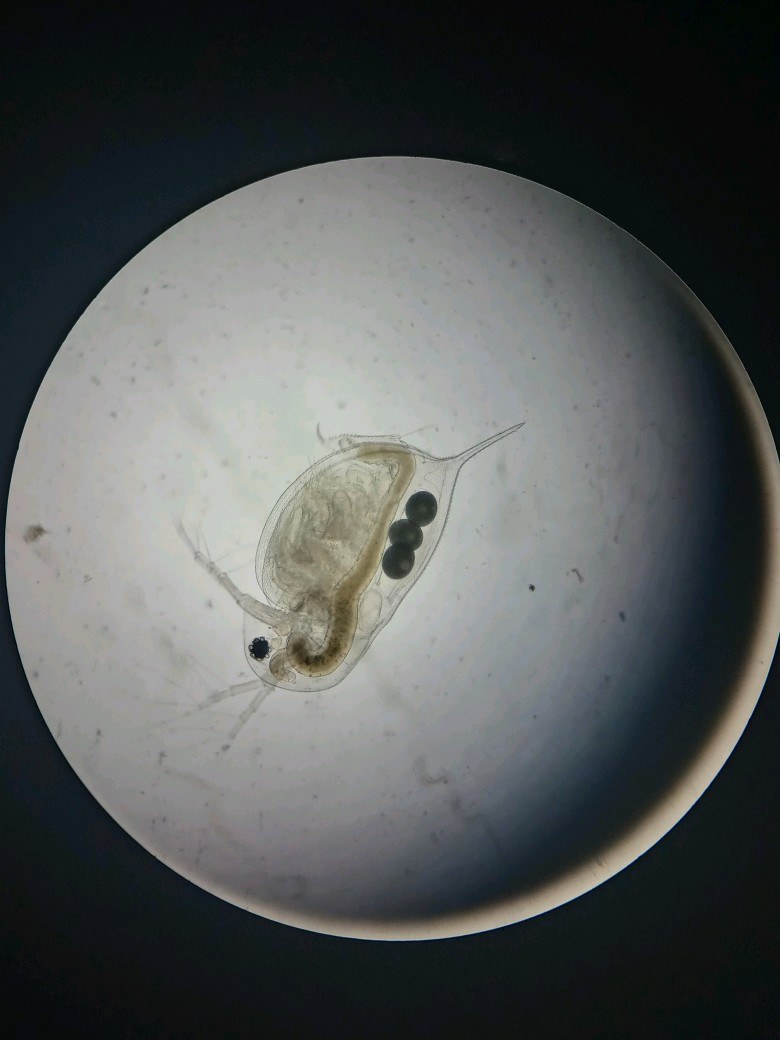
Water Flea
Ponds, lakes, and slow streams as free-floating plankton
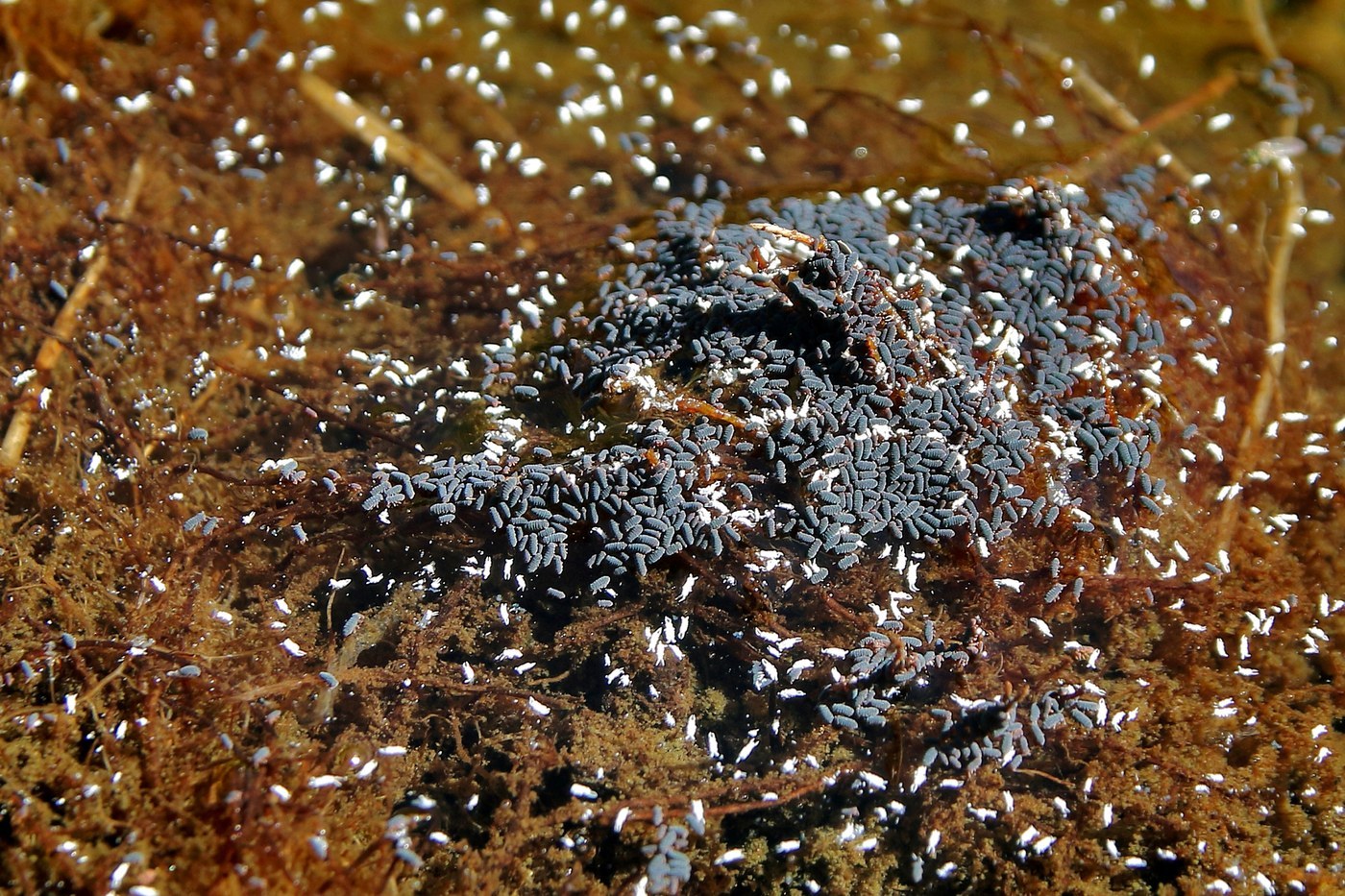
Water Springtail
Surface film of ponds, puddles, and slow ditches
Slug
Gardens, damp soil, leaf litter, greenhouses
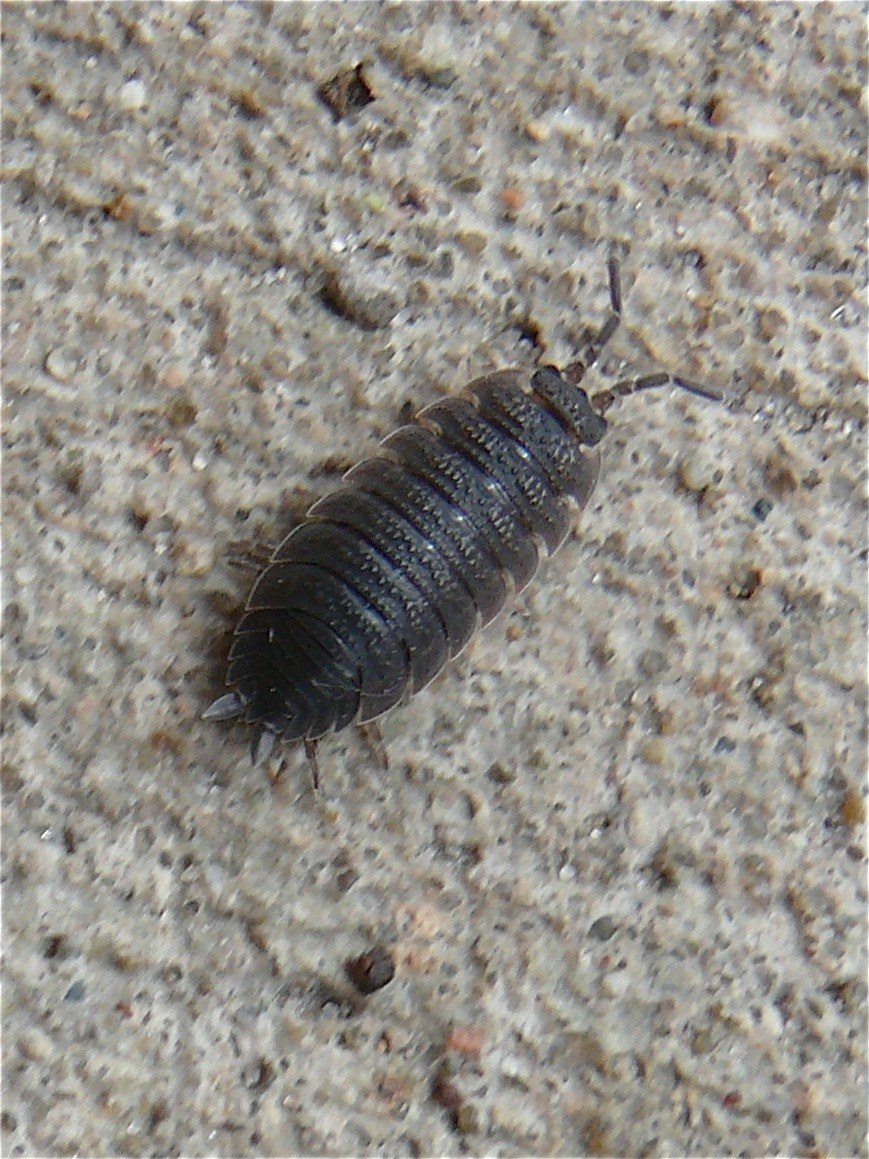
Sowbug
Leaf litter, under rocks/logs, damp garden soil, basements
Pill Bug
Damp soil, leaf litter, under rocks and logs, garden beds
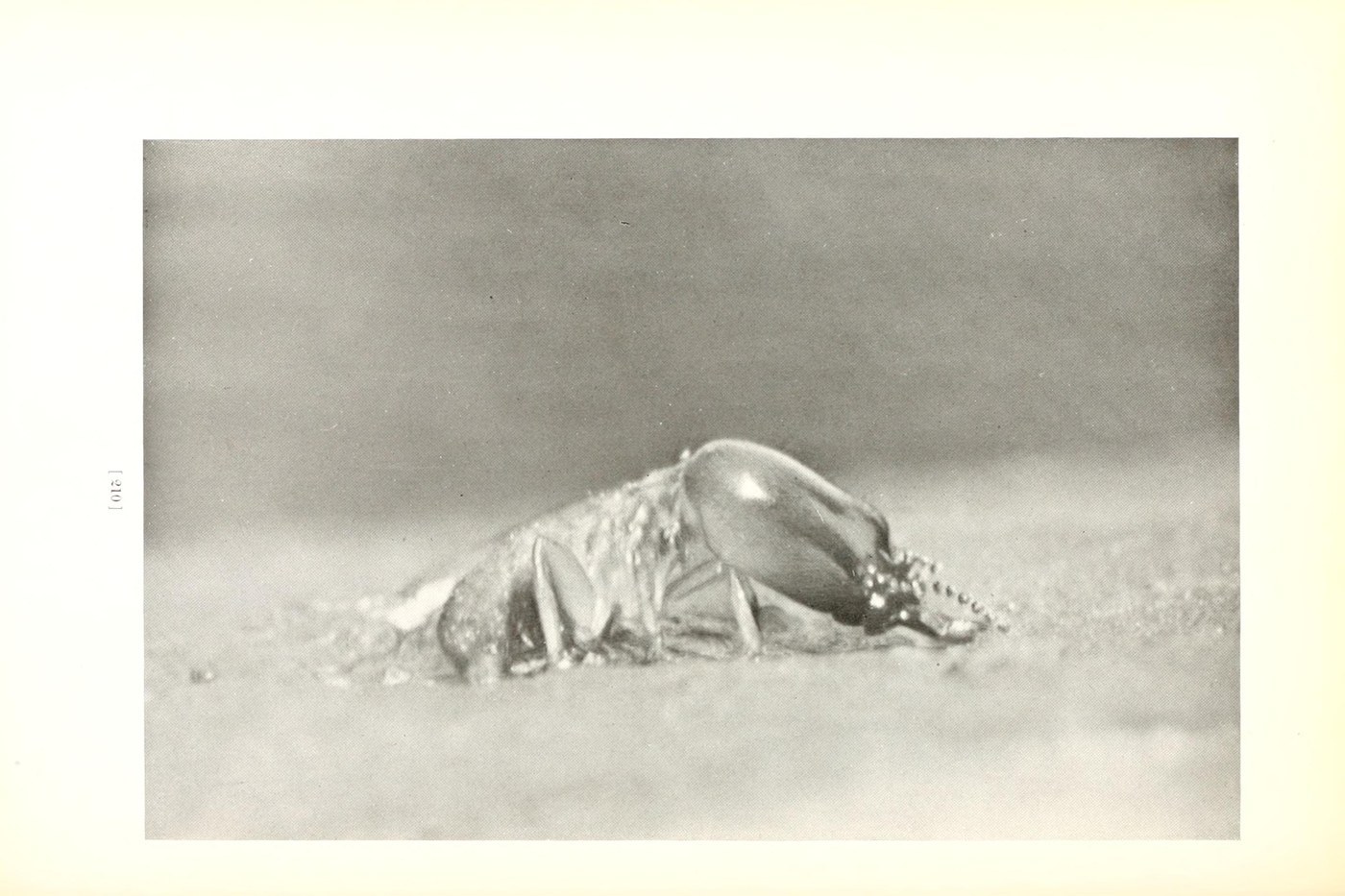
Termite
Soil, decaying wood, tree stumps, and wooden structures
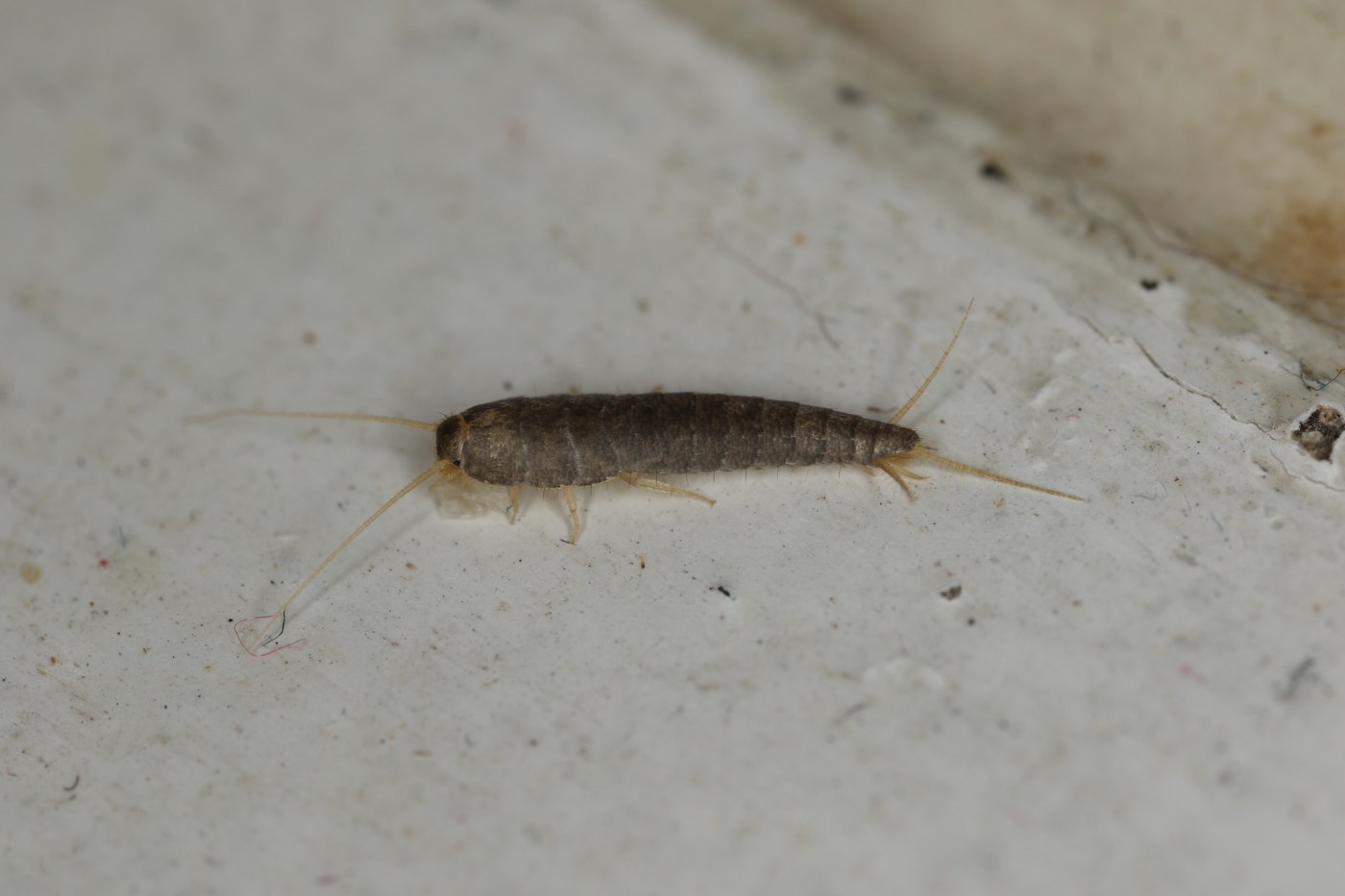
Silverfish
Damp basements, bathrooms, closets, and dark indoor crevices
Scorpionfly
Moist woodlands, hedgerows, and shaded undergrowth