
Water Springtail
Podura aquatica
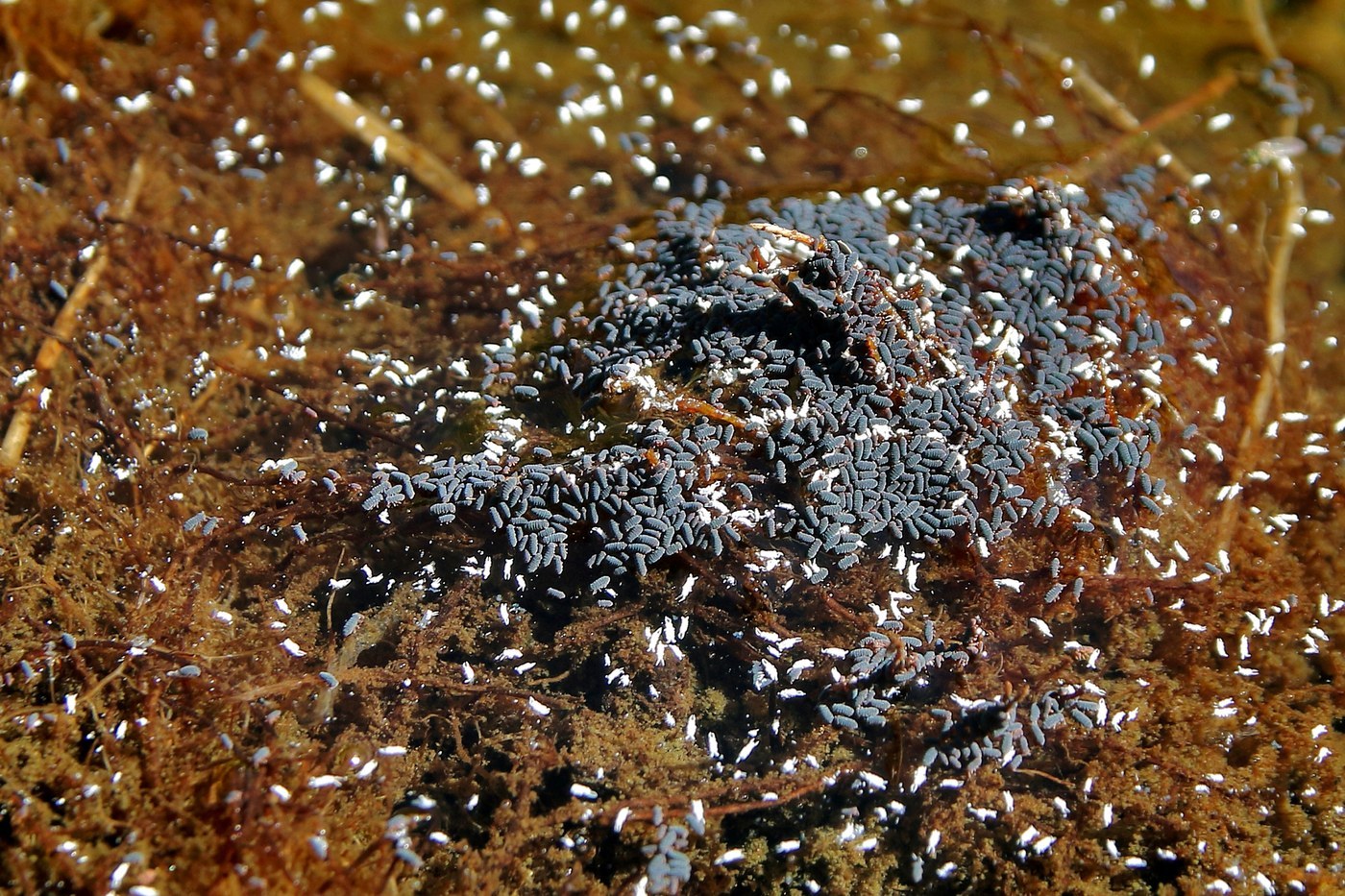
Barely visible to the naked eye, the water springtail skates across the surface film of still water in dense dark clusters, flicking itself into the air with a spring-loaded tail whenever danger approaches.
- Size
- 1-1.5 mm (0.04-0.06 in), very tiny
- Habitat
- Surface film of ponds, puddles, and slow ditches
- Danger
- Harmless
Spotted a bug like this?
Identify any bug or insect from a photo, free.
Overview
The water springtail is a minute hexapod in the class Collembola, a group closely related to but distinct from true insects. It lives directly on the surface tension of still or slow-moving freshwater, appearing as tiny dark specks that can gather by the hundreds or thousands along the edges of ponds, ditches, and puddles, especially where fallen leaves or organic debris collect.
Like other springtails, it possesses a forked, spring-loaded appendage called a furcula folded beneath the abdomen, which can be released explosively to catapult the animal several centimeters across the water surface to escape predators. This remarkable jumping ability, combined with water-repellent body hairs that keep it from breaking through the surface film, allows the water springtail to live in a habitat few other small arthropods can exploit.
How to Identify
- Extremely small, elongated body, usually dark gray, blue-black, or purplish, often appearing as tiny moving dots on the water surface
- Six short legs and a pair of short antennae, lacking wings entirely
- A forked jumping organ (furcula) folded under the abdomen, used to spring away from threats
- Often seen in dense aggregations or rafts on the still surface film near shorelines and debris
- Distinguished from tiny flies or midges by its wingless body and characteristic jumping, rather than flying, escape response
Habitat & Range
Water springtails live on the surface film of still or gently moving freshwater such as ponds, ditches, puddles, and slow backwaters, often concentrated near shorelines, floating leaves, or other organic debris. They occur widely across temperate regions of the Northern Hemisphere and can be active for much of the year, including cooler months.
Behavior & Diet
Water springtails feed on algae, fungal spores, decaying plant material, and other organic debris found on or near the water surface, contributing to the breakdown of organic matter in still-water habitats. When disturbed, they release their furcula to spring rapidly across the water, a defense that helps them evade small predators. They often occur in large, temporary aggregations that can look like a dark scum on the water surface.
Life Cycle
Water springtails undergo simple, gradual development without a distinct larval or pupal stage; young hatch from eggs resembling small versions of the adult and grow through a series of molts. Unlike true insects, springtails continue to molt periodically even after reaching sexual maturity. Populations can build up quickly under favorable conditions, with several generations possible during a single warm season.
Frequently asked questions
Are water springtails insects?
No, springtails belong to the class Collembola, a group of hexapods closely related to insects but classified separately due to differences such as internal mouthparts and lack of wings.
How does the water springtail avoid sinking?
Its body is covered in water-repellent hairs and it is light enough that surface tension supports it, allowing it to walk and rest directly on the water film.
Why do water springtails jump so suddenly?
They have a forked, spring-loaded structure called a furcula folded under the abdomen that releases explosively to catapult them away from potential predators.
What do water springtails eat?
They feed on algae, fungal spores, and decaying organic matter found on or near the water surface.
Water Springtail guides
In-depth guides for identifying, understanding, and living alongside Water Springtail.
Other bugs you may enjoy
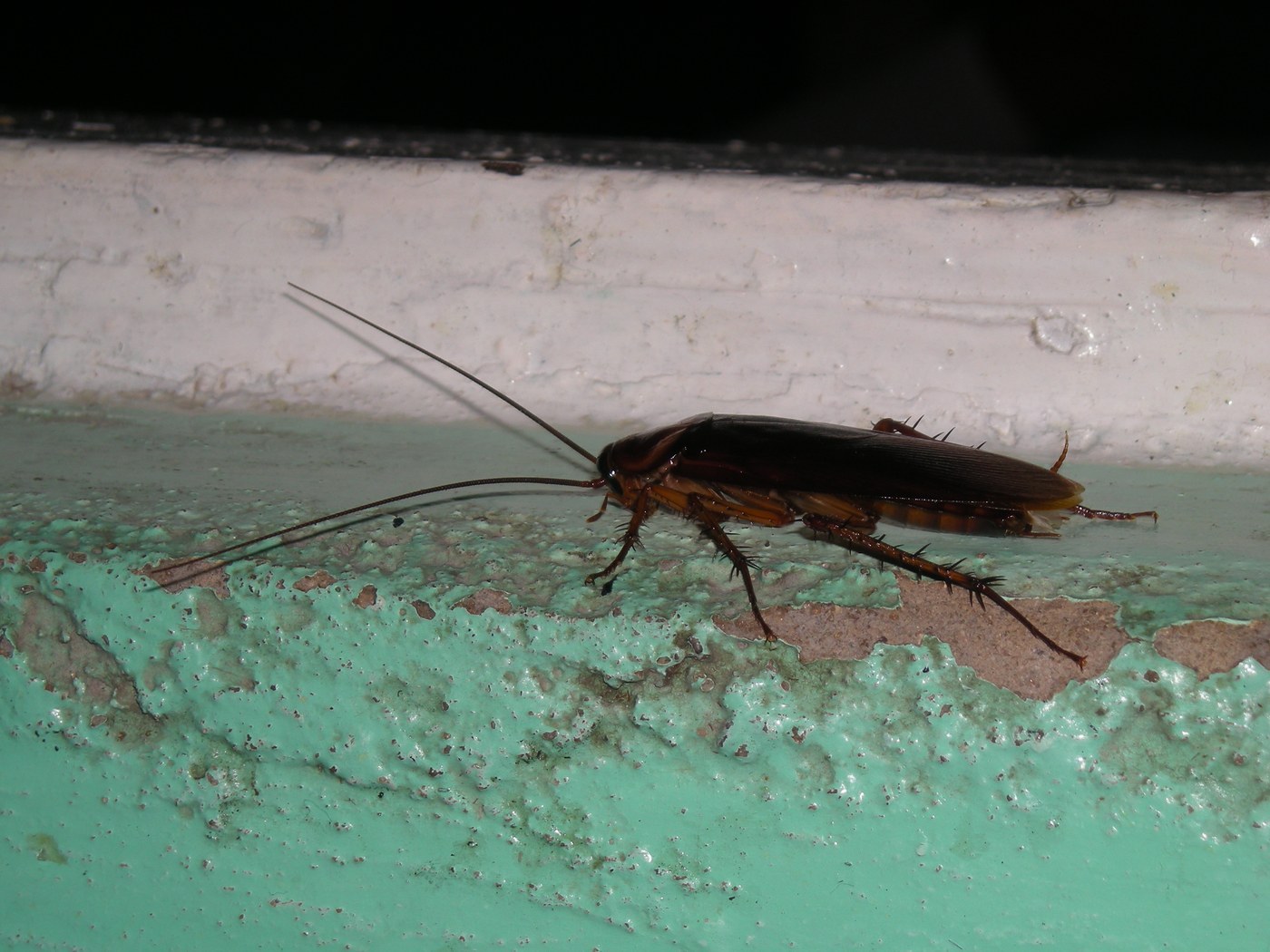
American Cockroach
Warm, humid environments such as basements, sewers, drains, and tropical outdoor settings
Thrips
Flowers, foliage, gardens, greenhouses, crop fields
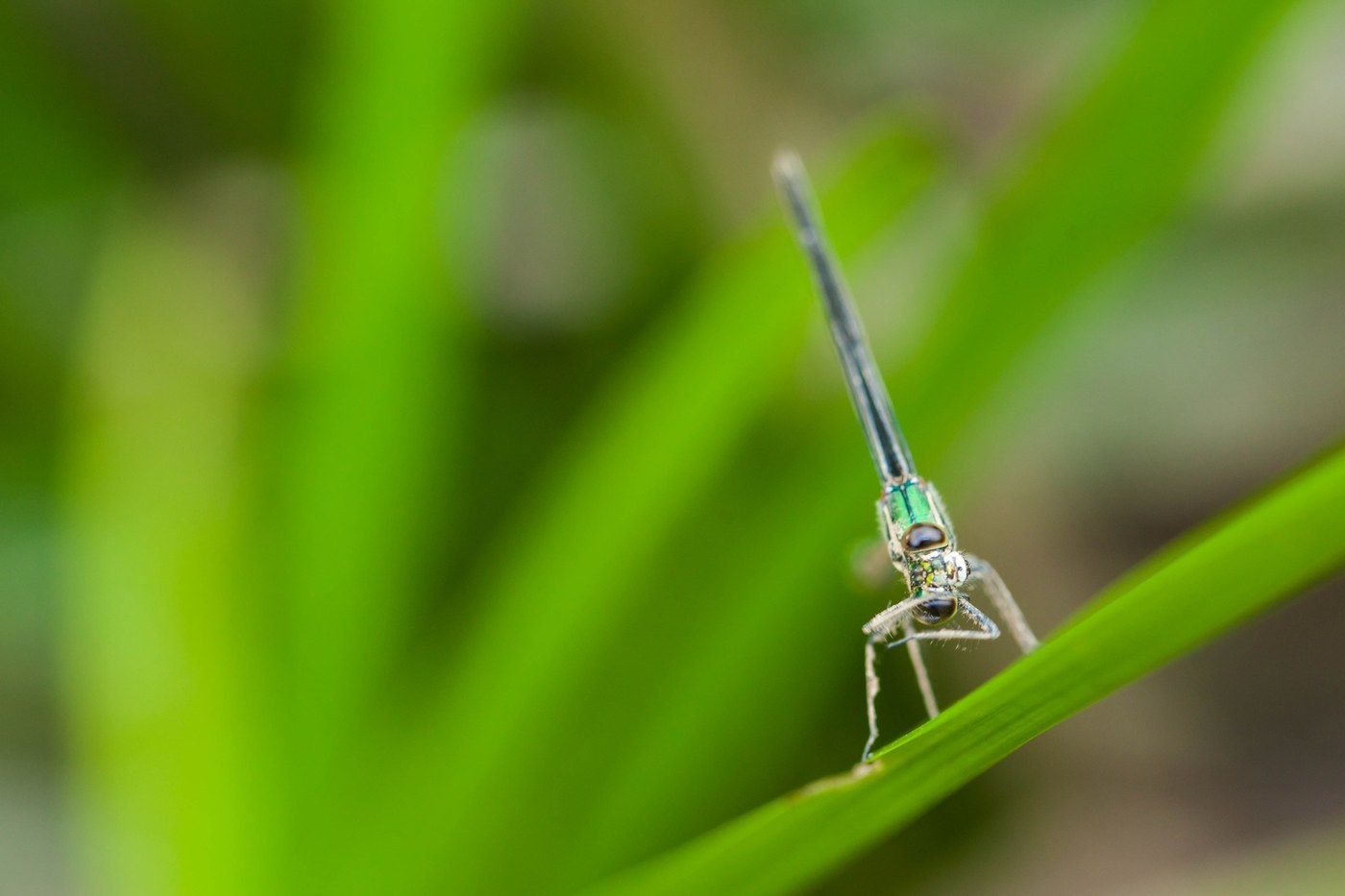
American Rubyspot
Sunny rivers and streams with moderate current
Springtail
Moist soil, leaf litter, decaying organic matter, and damp indoor areas
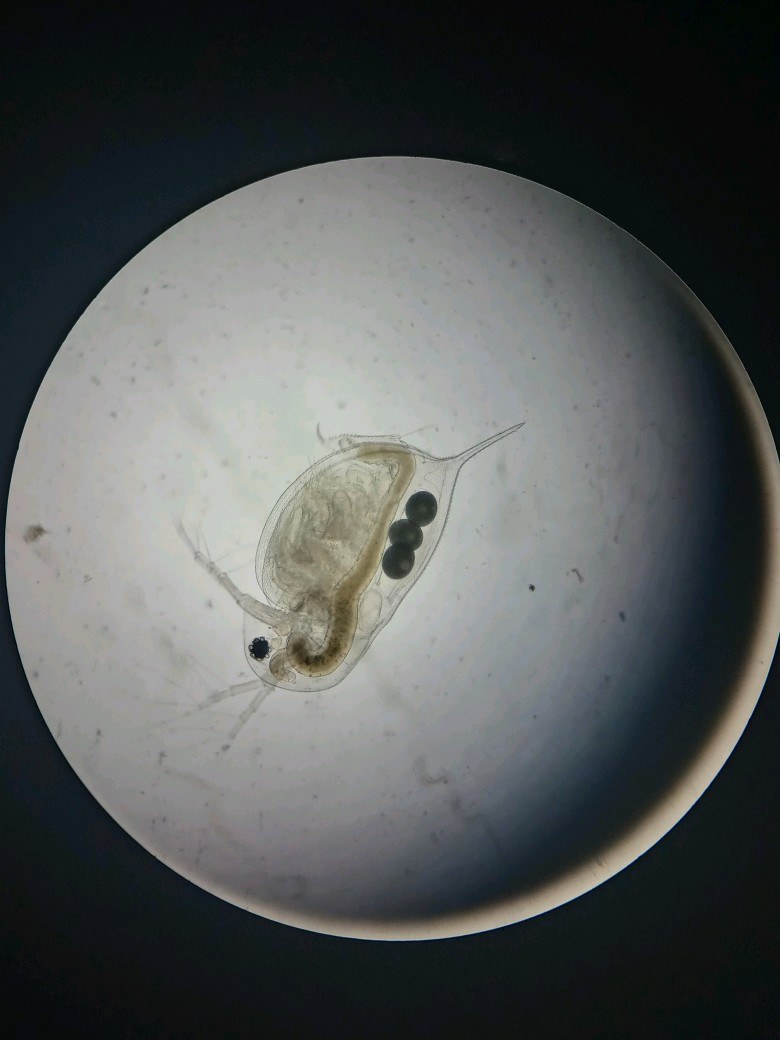
Water Flea
Ponds, lakes, and slow streams as free-floating plankton
Slug
Gardens, damp soil, leaf litter, greenhouses
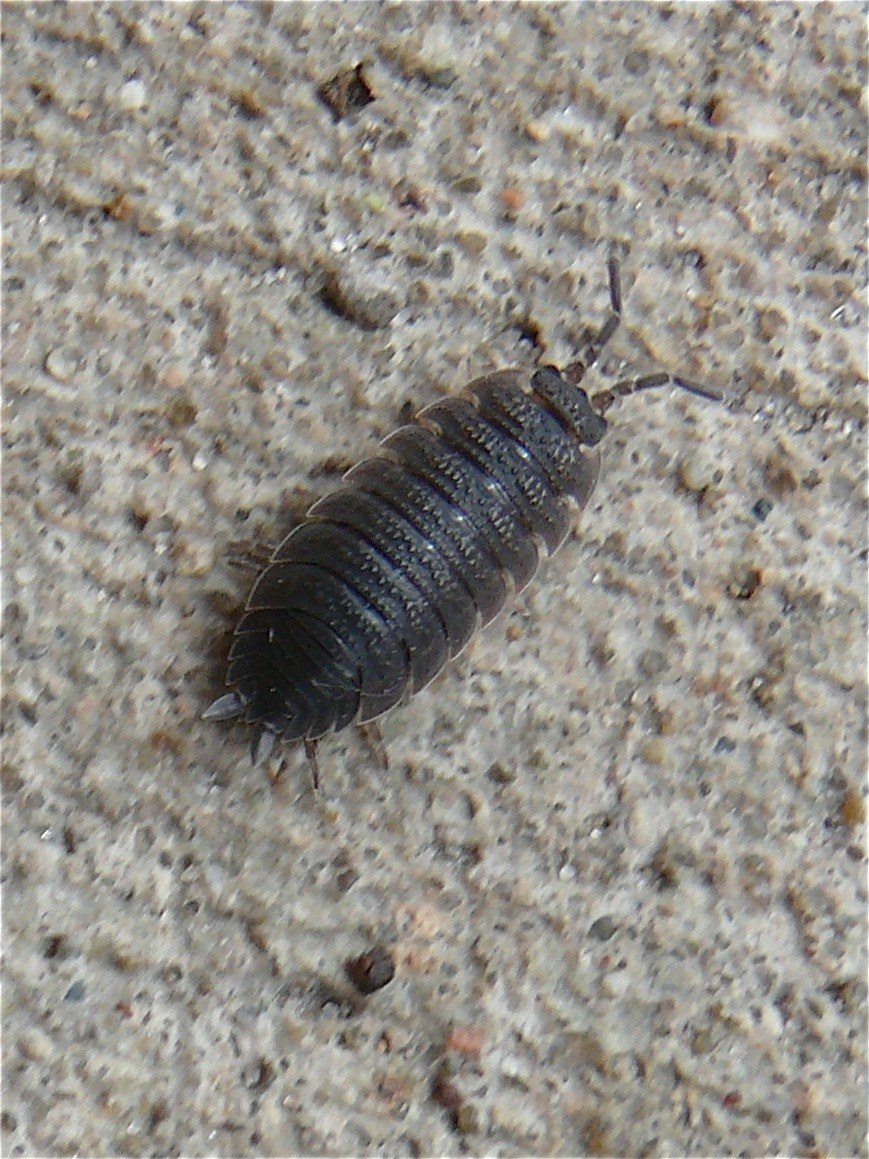
Sowbug
Leaf litter, under rocks/logs, damp garden soil, basements
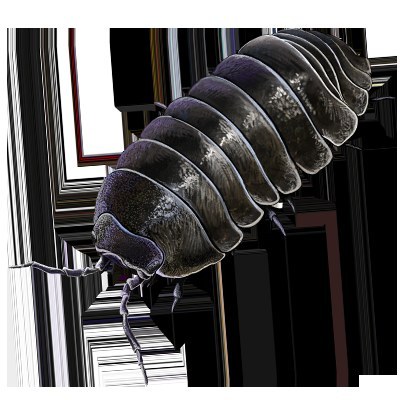
Pill Bug
Damp soil, leaf litter, under rocks and logs, garden beds
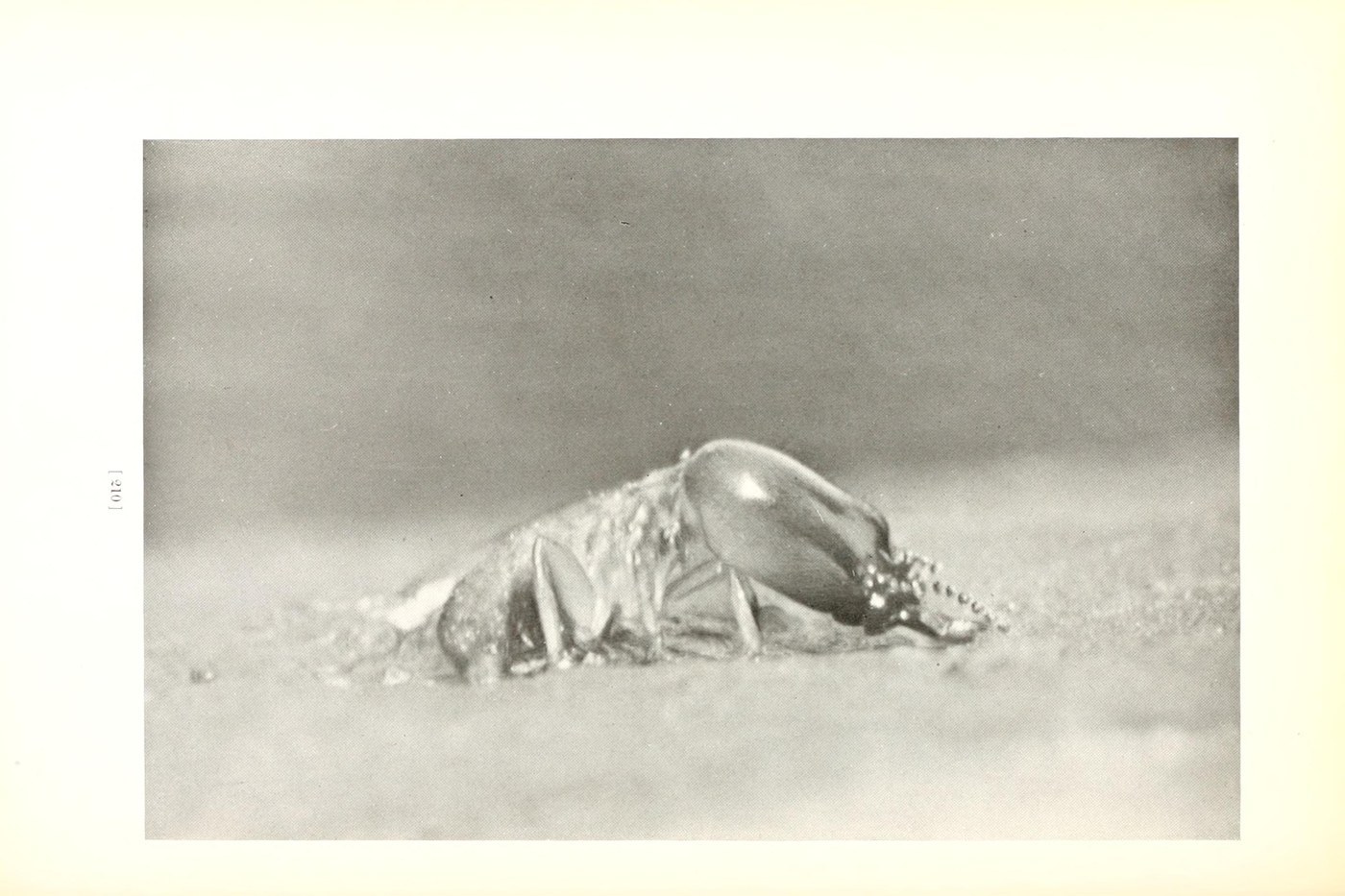
Termite
Soil, decaying wood, tree stumps, and wooden structures
Termite Swarmer
Emerges from underground or wood-nesting colonies, often near structures and moist soil
Silverfish
Damp basements, bathrooms, closets, and dark indoor crevices
Scorpionfly
Moist woodlands, hedgerows, and shaded undergrowth