
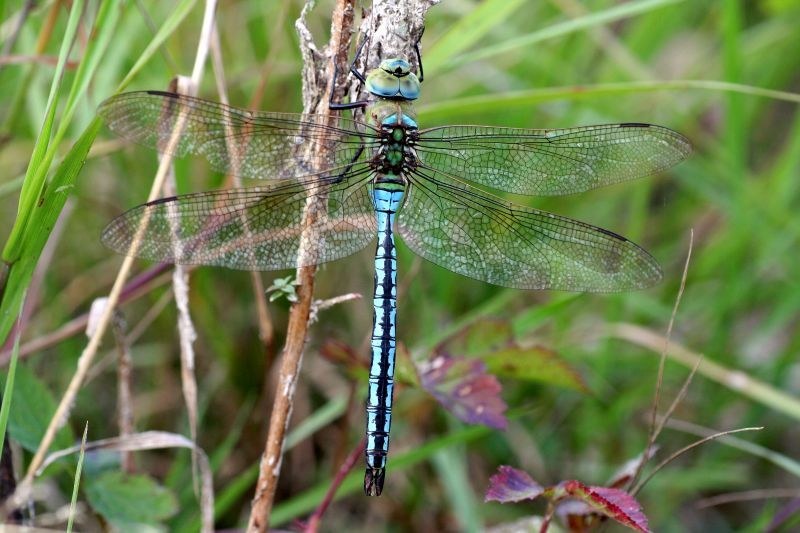
Emperor Dragonfly
Anax imperator
One of Europe's largest and most powerful dragonflies, a fast, high-flying hunter with a bright sky-blue abdomen in males and a commanding, tireless patrol over open water.
- Size
- Body length 66-84 mm; wingspan up to 110 mm
- Habitat
- Large ponds, lakes and slow rivers with open water
- Danger
- Bites
Spotted a bug like this?
Identify any bug or insect from a photo, free.
Overview
The emperor dragonfly is among the largest dragonfly species found in Europe, North Africa and parts of the Middle East, and it is easily recognised by its size, powerful flight and vivid colouring. It belongs to the hawker family (Aeshnidae), a group known for large eyes that meet at the top of the head, long slender abdomens, and near-constant flight while hunting.
Males are famous for their bright, almost electric blue abdomen topped with a black dorsal stripe and an apple-green thorax, making them one of the most conspicuous dragonflies over garden ponds and lakes in summer. Females and immature males are typically green or brownish rather than blue. As adults, both sexes are formidable aerial predators, snatching other flying insects directly out of the air.
Emperor dragonflies play an important ecological role both as predators that help control populations of flies, midges and other flying insects, and as aquatic predators in their nymphal stage, where they hunt small aquatic animals in ponds and lakes.
How to Identify
- Very large dragonfly with a long, slender abdomen and a wingspan approaching 11 cm
- Males: bright sky-blue abdomen with a black stripe running down the centre, apple-green thorax
- Females and immatures: green or olive-brown abdomen, sometimes with a blue tint near the tip
- Large compound eyes that meet broadly along the top of the head, typical of hawker dragonflies
- Clear, unmarked wings held out flat at rest (dragonflies do not fold their wings)
- Powerful, continuous flight with the ability to hover, dart and fly backwards
- Distinguished from similar hawkers by its size and the unbroken black stripe on the male's blue abdomen
Habitat & Range
Emperor dragonflies favour large, well-vegetated ponds, lakes, canals and slow-flowing rivers with plenty of open water for patrolling flight and submerged or emergent plants for egg-laying. They are widespread across southern and central Europe, North Africa, and the Middle East, and their range has expanded northward in recent decades. Adults are on the wing from late spring through late summer, with males frequently seen defending stretches of open water over ponds and lake margins on warm, sunny days.
Behavior & Diet
Adult males are strongly territorial, patrolling a chosen stretch of water in fast, sustained flight and chasing off rival males, while pausing occasionally to hover in place. Both sexes hunt on the wing, catching flies, midges, butterflies, and other flying insects in a basket formed by their spiny legs, then often consuming prey while still in flight. Mating takes place in flight or perched near water, after which females lay eggs alone, inserting them into the stems of submerged or floating plants while hovering low over the surface. The aquatic nymphs are voracious predators that ambush tadpoles, small fish, and other aquatic invertebrates using an extendable hinged mouthpart, making the species a significant predator both above and below the water's surface throughout its life.
Life Cycle
Eggs are inserted into plant tissue in or near water and hatch into aquatic nymphs that live and hunt underwater for one to three years depending on climate, passing through numerous instars in an incomplete metamorphosis with no pupal stage. Mature nymphs climb out of the water onto emergent vegetation, where the adult dragonfly emerges from the nymphal skin (exuvia) in a process that can take several hours, followed by a period of hardening and colour development before the first flight. Adults typically live for several weeks during the warmer months, with one generation completing over one to three years due to the extended aquatic nymph stage, and the species overwinters as a nymph in the water.
Frequently asked questions
Why are male and female emperor dragonflies different colours?
Males develop a bright blue abdomen used partly in territorial and courtship display, while females and young males remain green or brown, which may help them stay less conspicuous while egg-laying or maturing.
Can an emperor dragonfly bite?
It has strong biting mouthparts adapted for catching insect prey and can give a nip in self-defence if handled, though it does not seek out people.
What do emperor dragonfly nymphs eat?
Aquatic nymphs are active predators that feed on tadpoles, small fish, and other aquatic invertebrates using an extendable hooked mouthpart.
How long do emperor dragonflies live?
Most of their life is spent underwater as a nymph, which can last one to three years, while the adult flying stage typically lasts only a few weeks.
Emperor Dragonfly guides
In-depth guides for identifying, understanding, and living alongside Emperor Dragonfly.
Other bugs you may enjoy
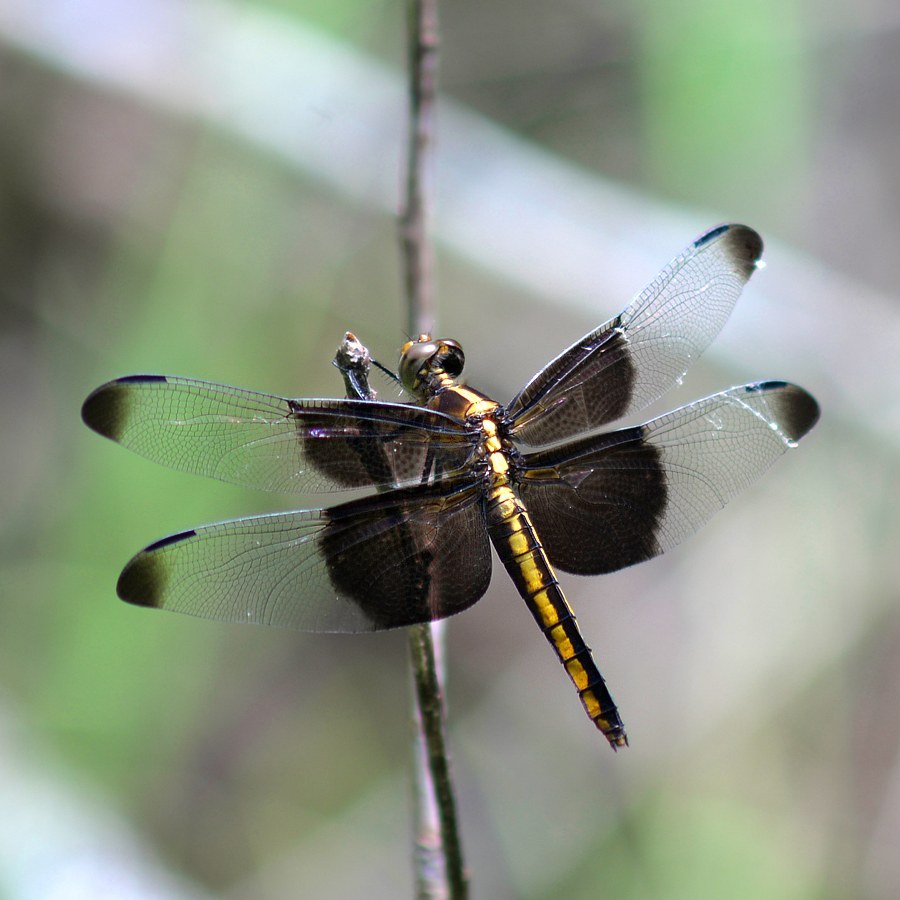
Widow Skimmer
ponds, lakes, and slow-moving streams with open shoreline vegetation across much of the United States
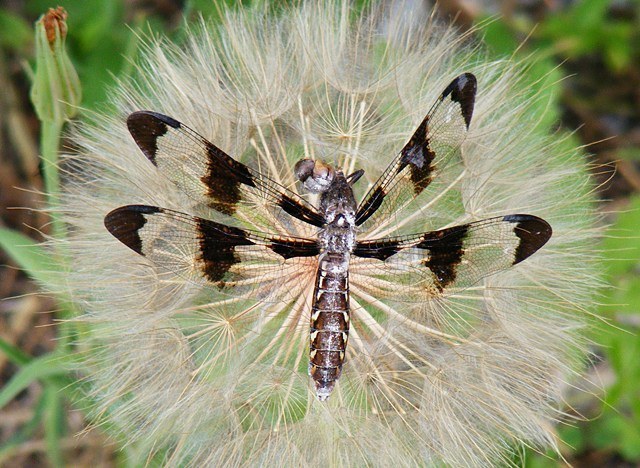
Twelve-spotted Skimmer
Ponds, lakes, and slow streams with open, sunny shorelines
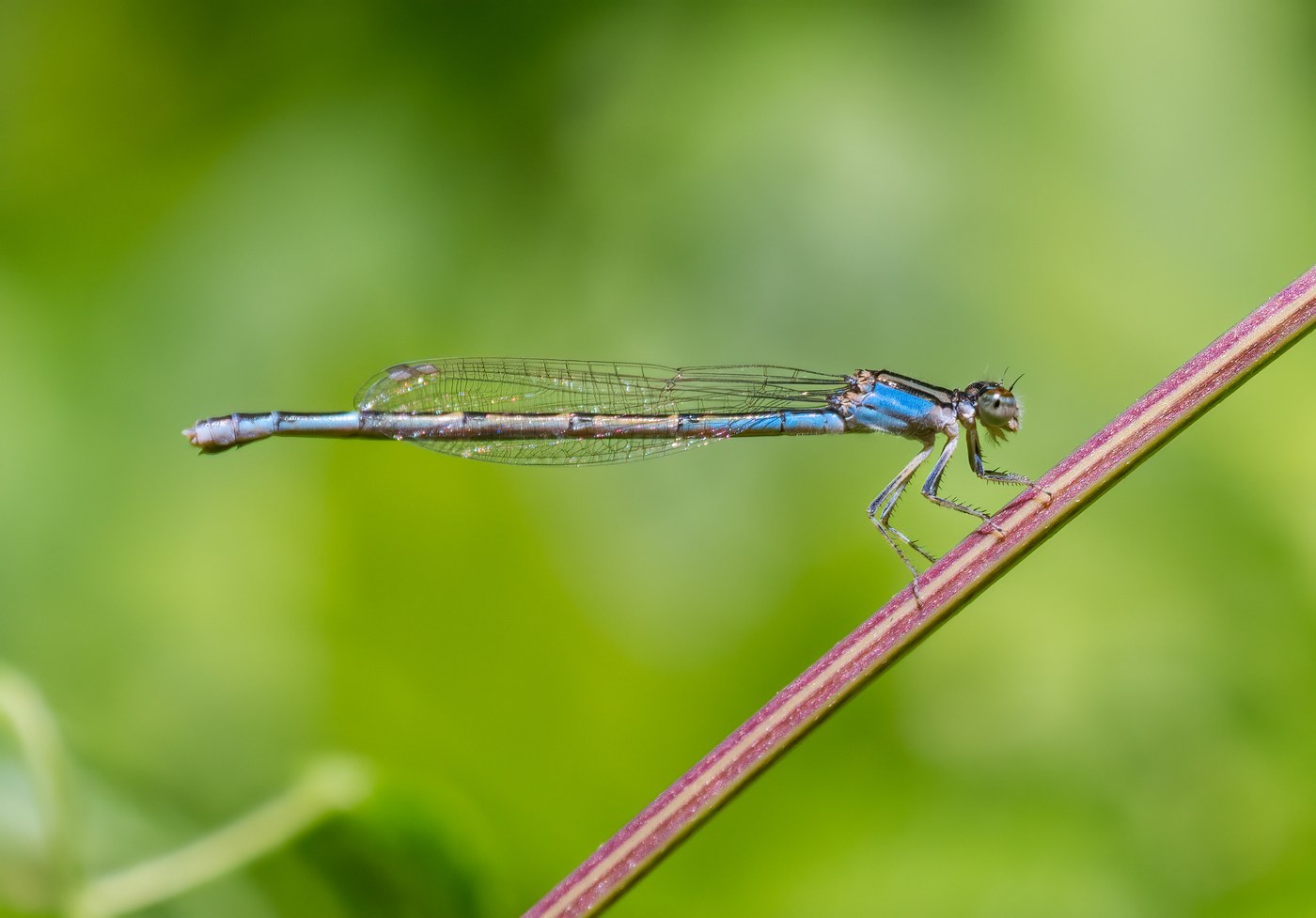
Azure Bluet
ponds, lakes, and slow streams with abundant aquatic vegetation
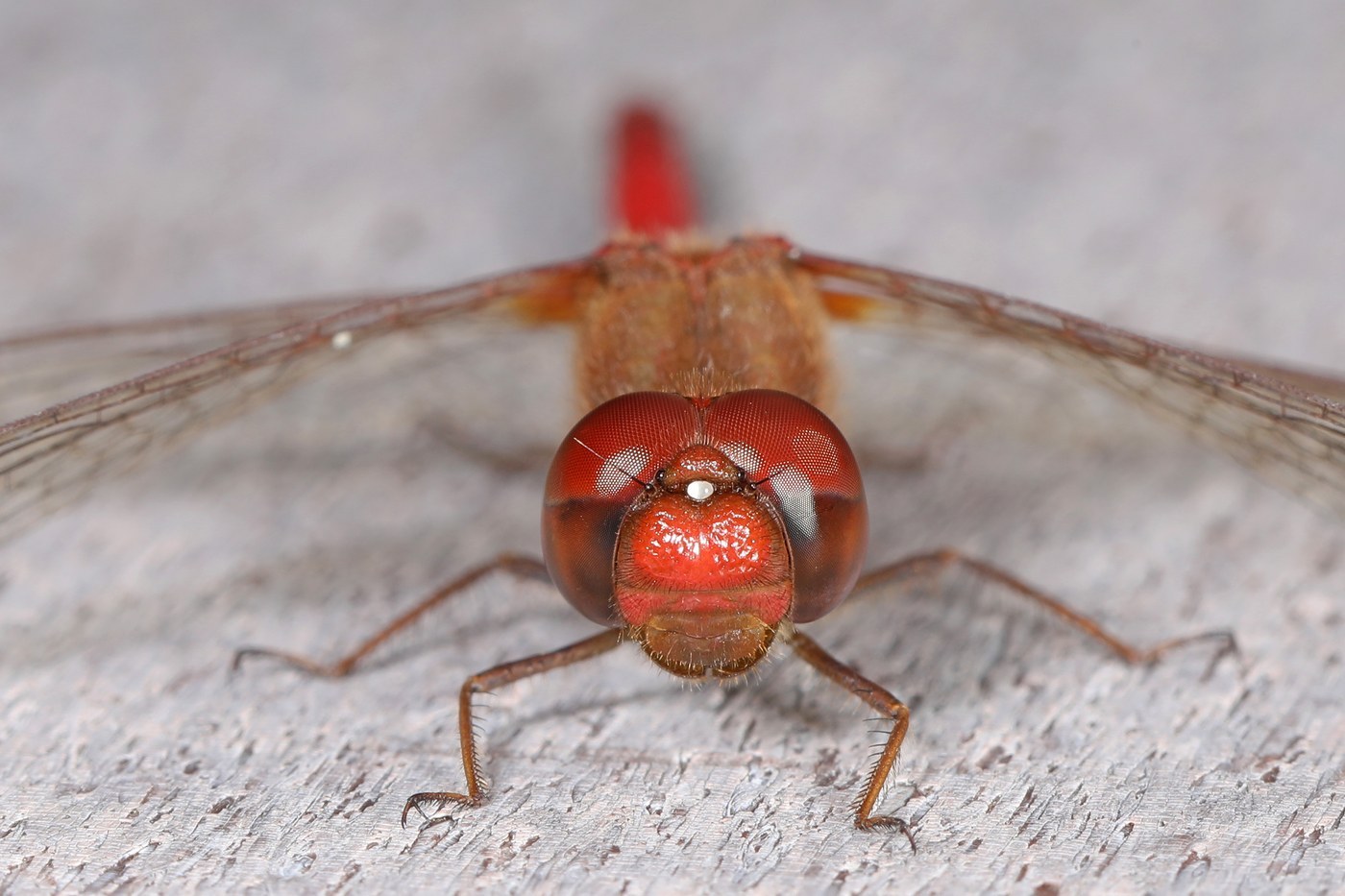
Autumn Meadowhawk
Ponds, marshes, and slow streams, often lingering into late fall
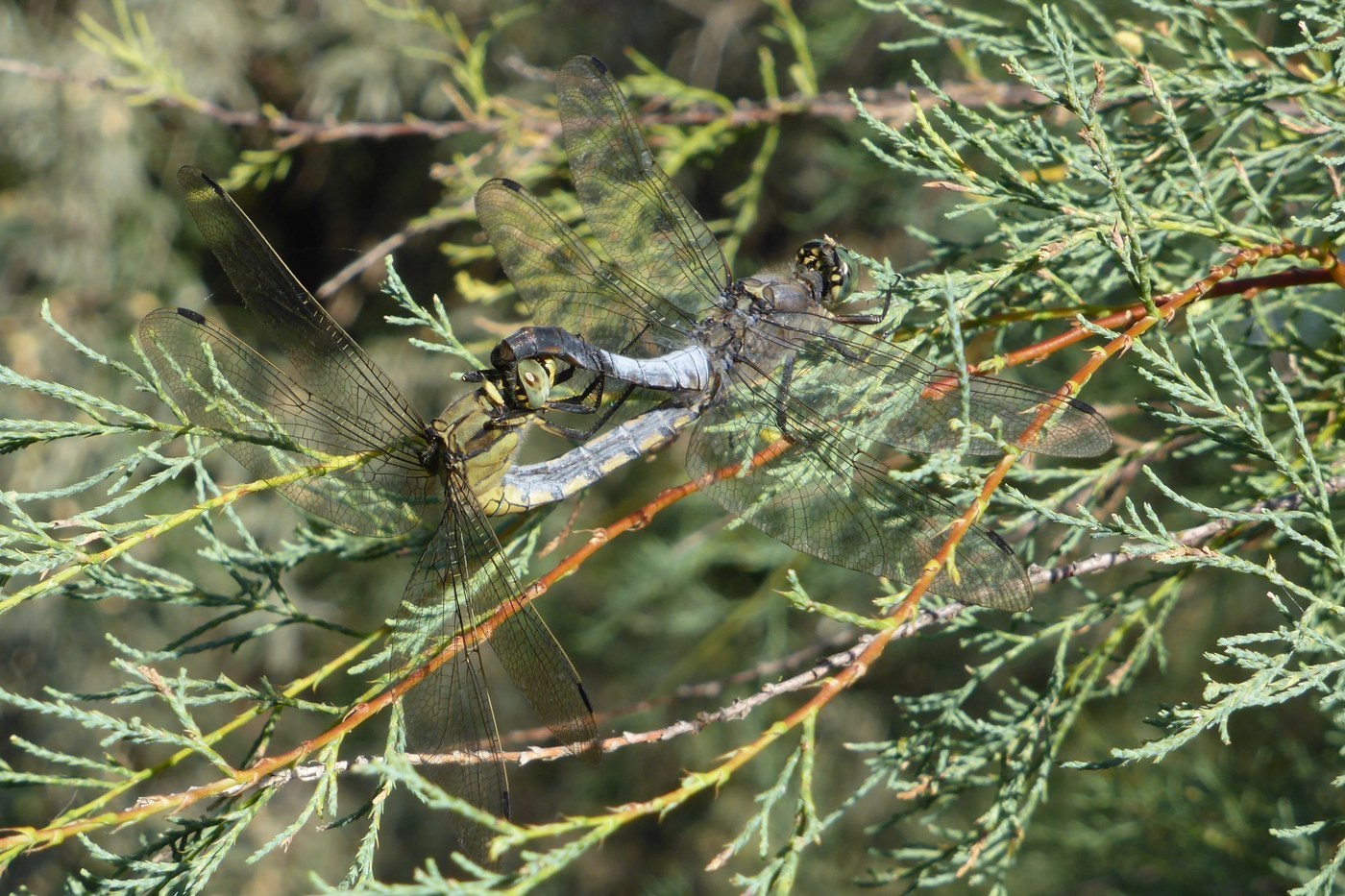
Spangled Skimmer
Ponds, lakes, and marshes with open sunny shorelines
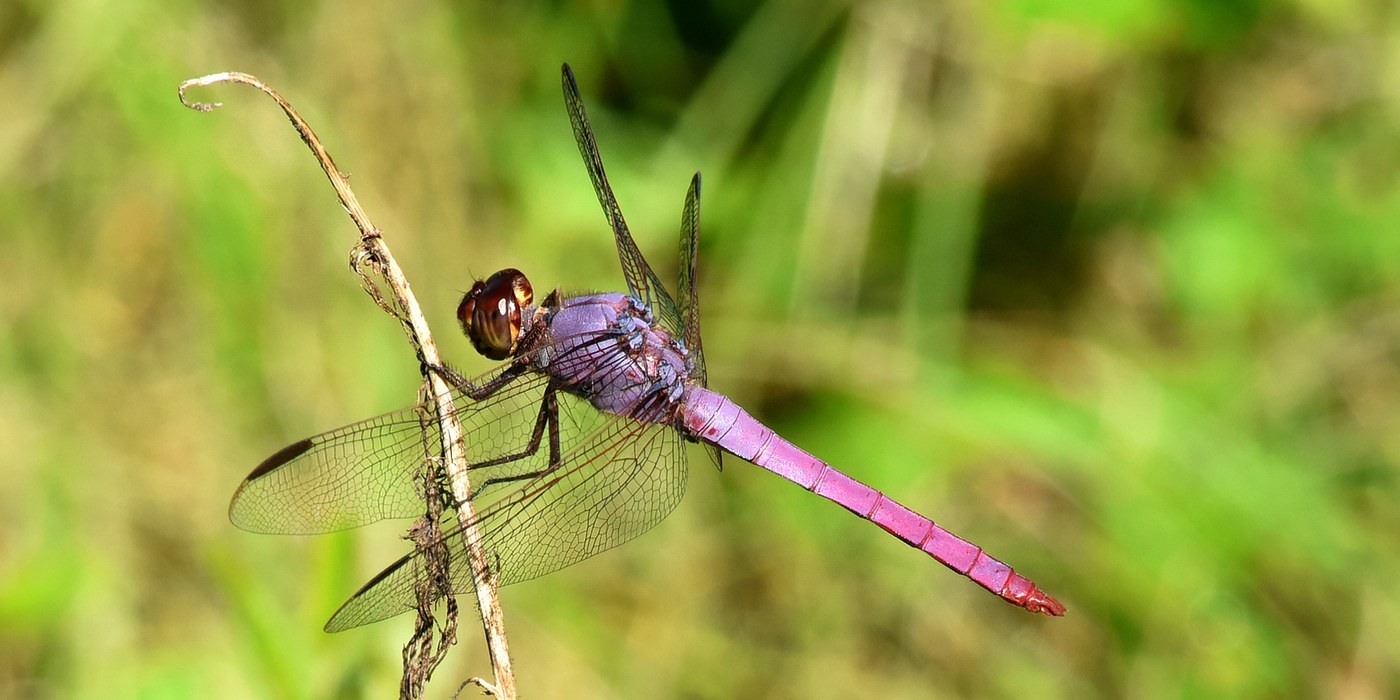
Roseate Skimmer
Ponds, ditches, and canals across the southern United States
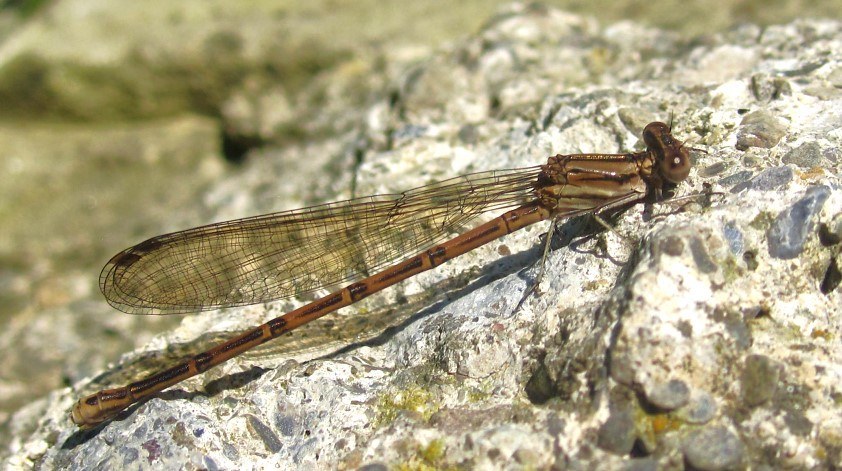
Variable Dancer
streams, rivers, and pond margins, especially in wooded or partly shaded settings
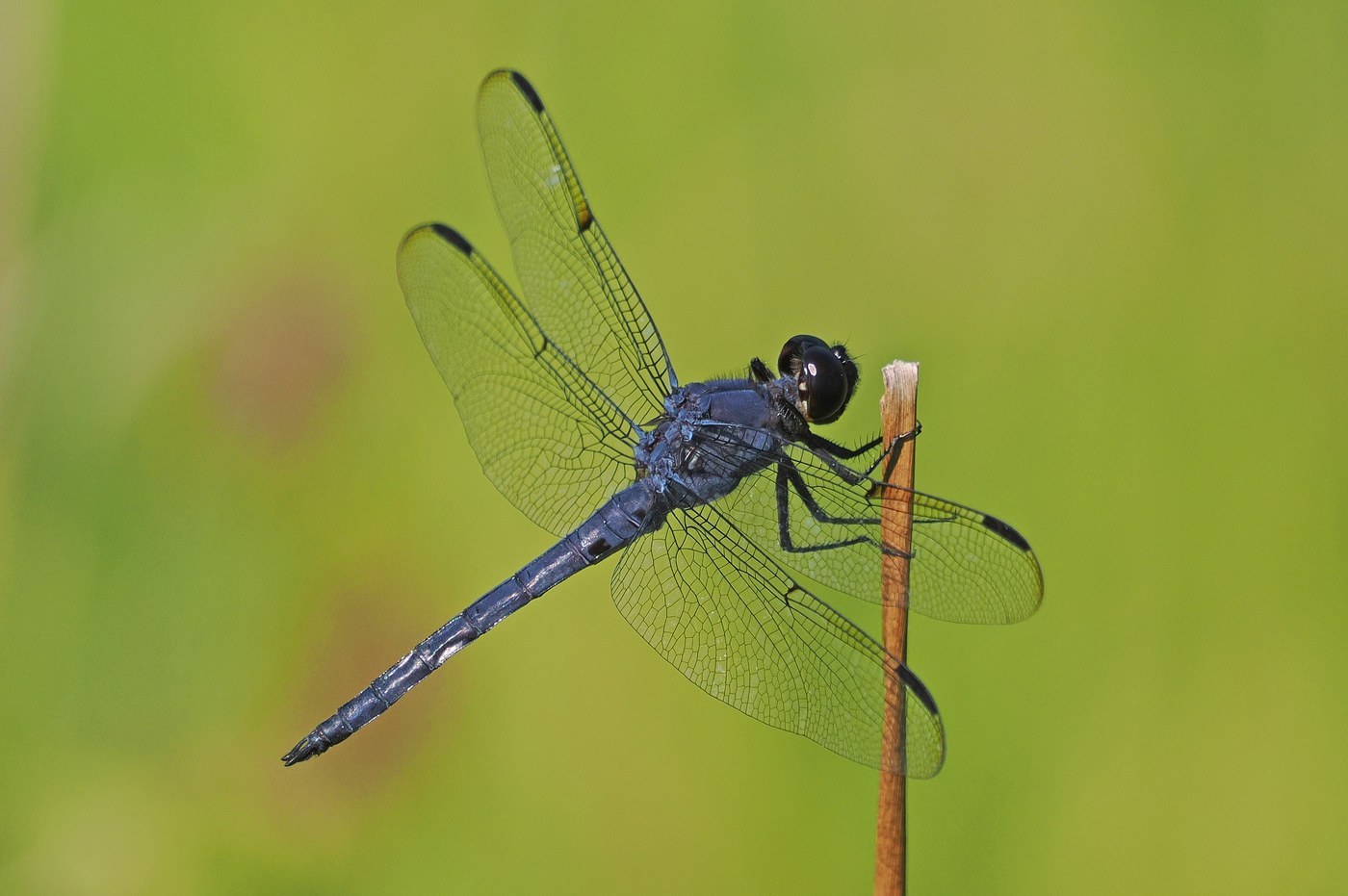
Slaty Skimmer
Still or slow-moving ponds, lakes, and marshes with open shoreline
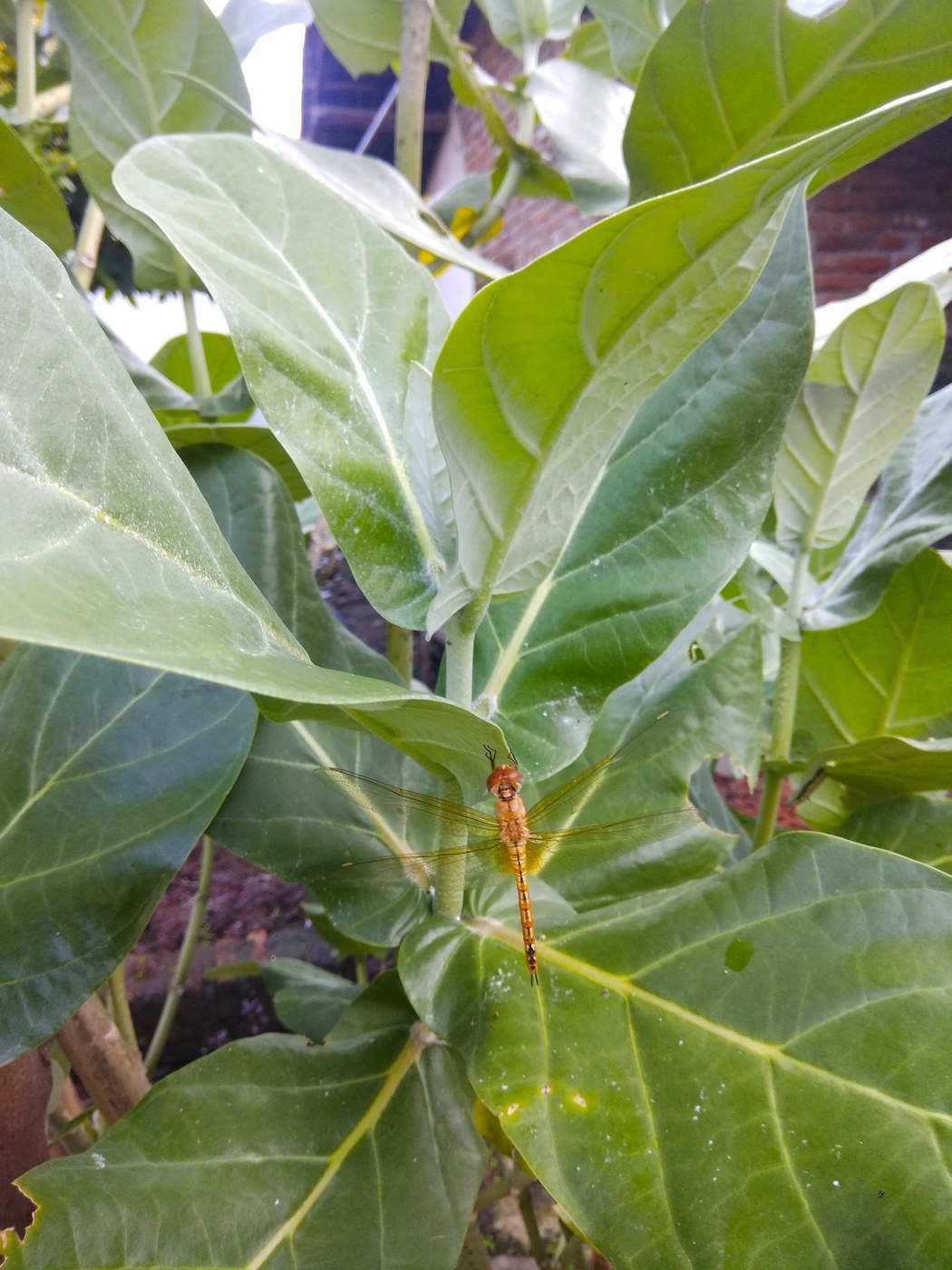
Wandering Glider
Temporary pools, open fields, and coastlines nearly worldwide
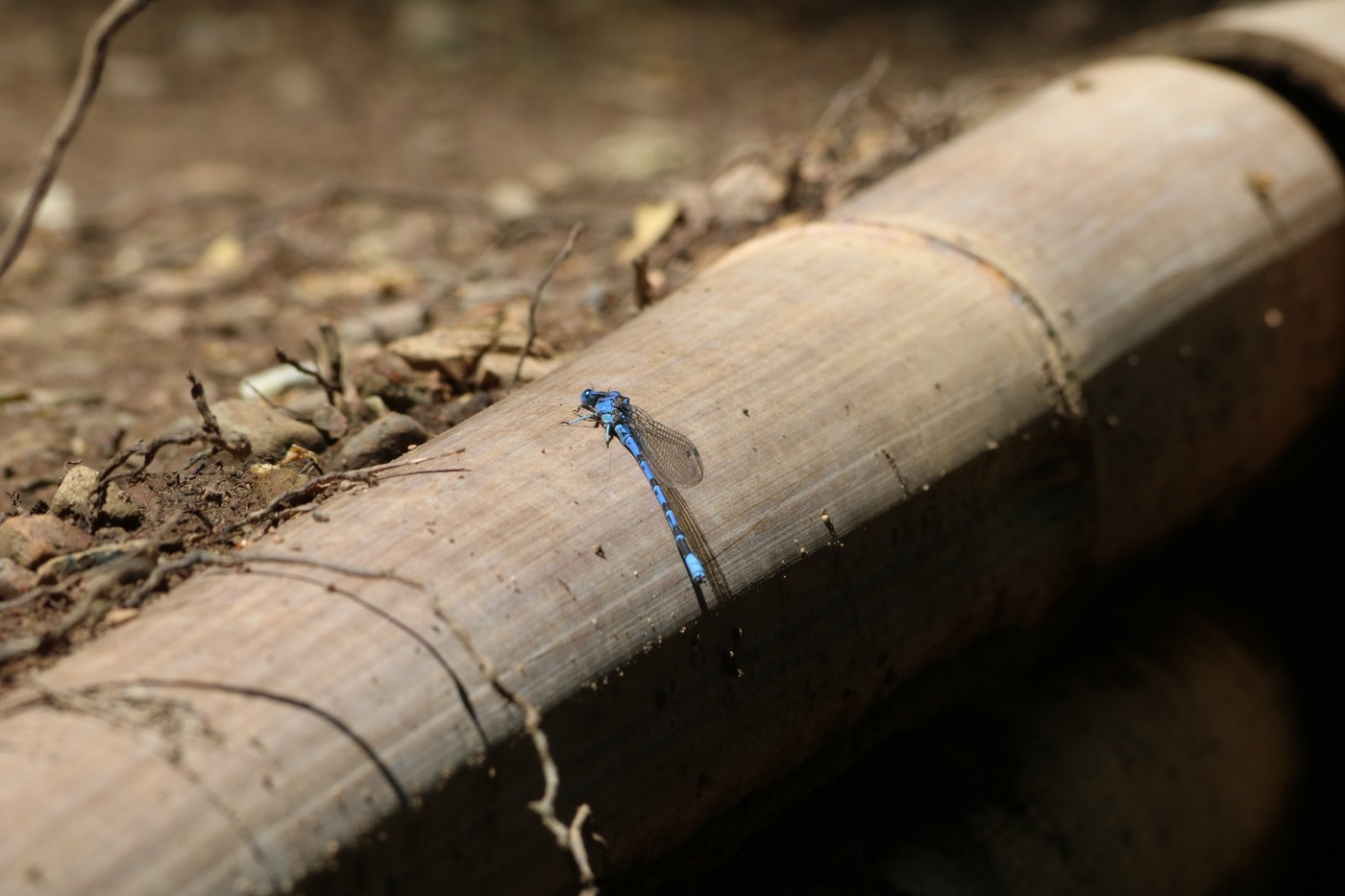
Vivid Dancer
rocky streams, seeps, and spring-fed creeks, often near thermal or warm springs
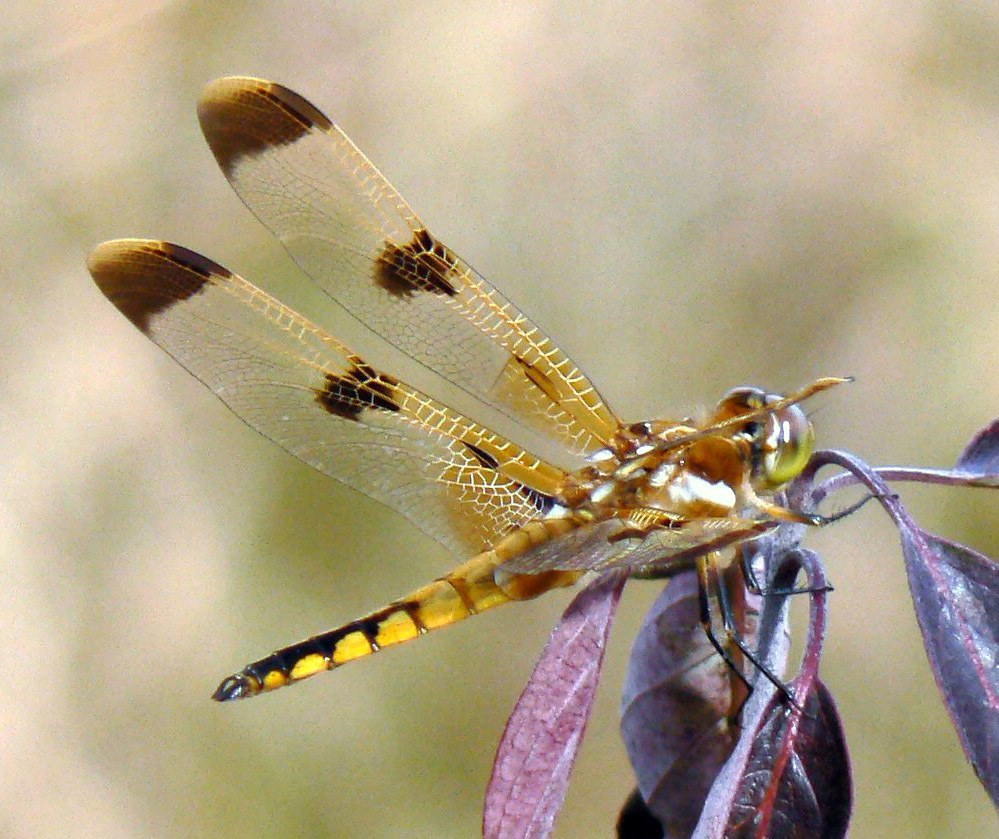
Painted Skimmer
Ponds, marshes, and slow-moving vegetated waters, including temporary pools
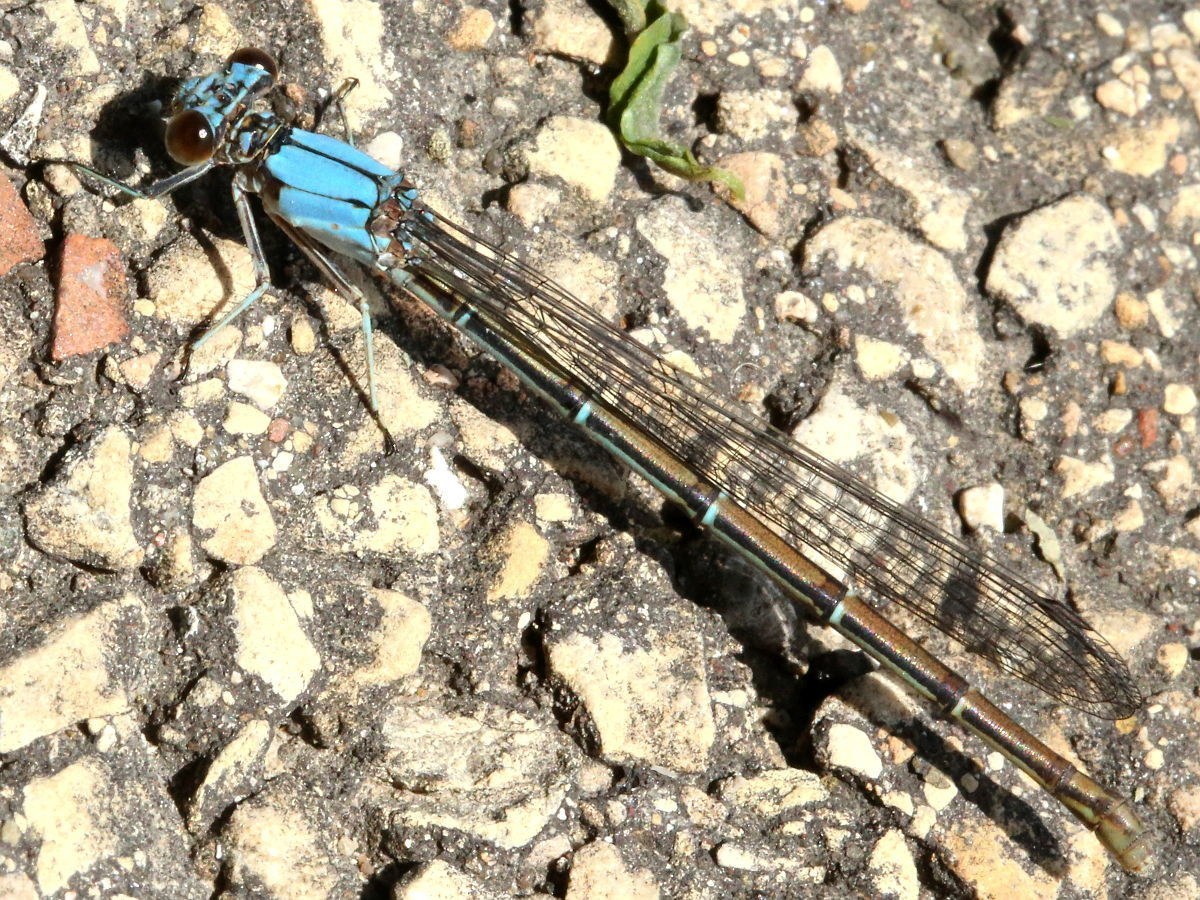
Powdered Dancer
rocky and gravelly rivers, streams, and lake shorelines