
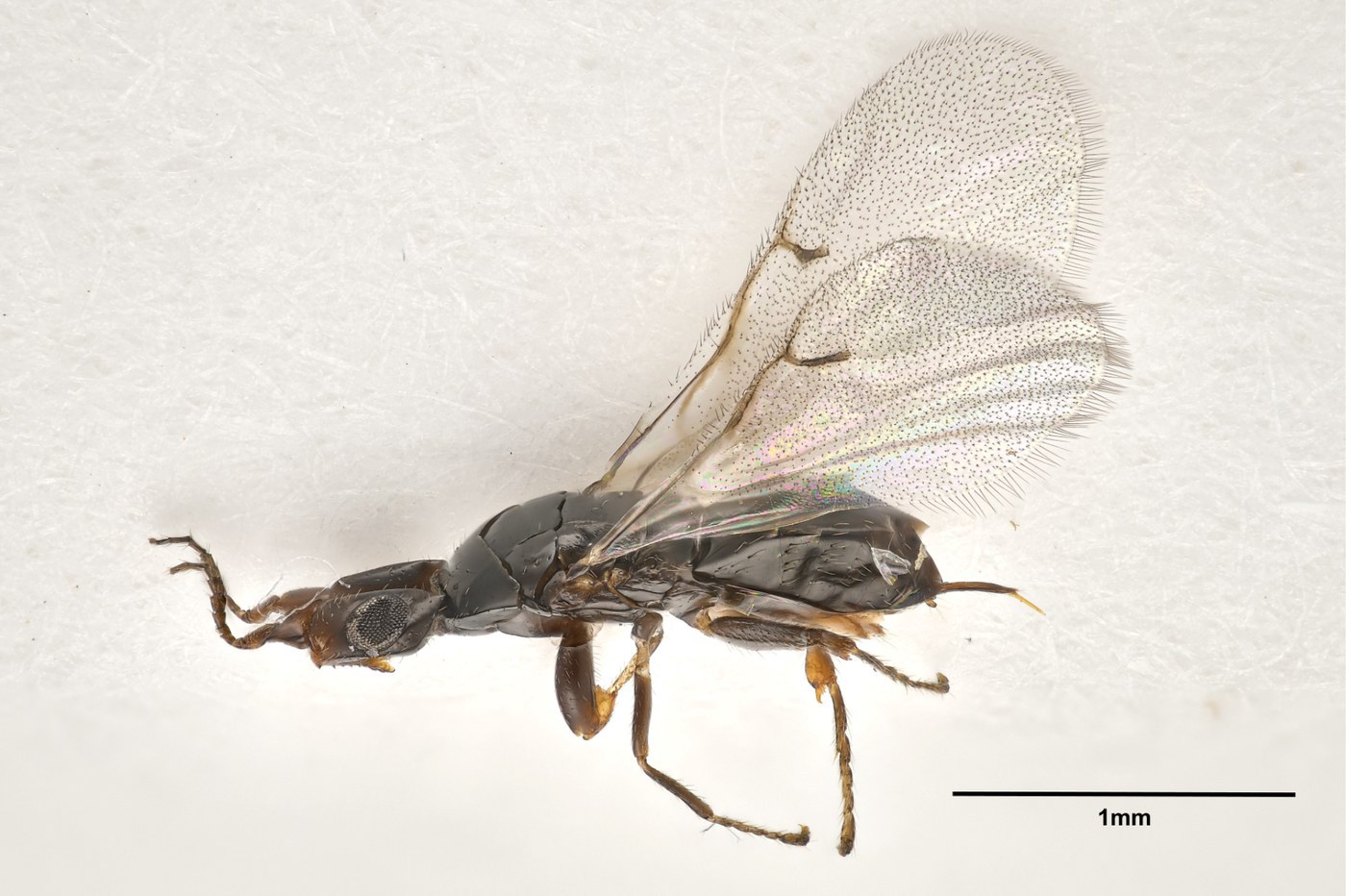
Fig Wasp
Blastophaga psenes
A pinhead-sized wasp that spends nearly its entire life inside a fig, forming one of the most tightly co-evolved partnerships in nature as it pollinates the tree in exchange for a place to lay its eggs.
- Size
- 1.5–2.5 mm
- Habitat
- Inside the enclosed flower structures (syconia) of fig trees
- Danger
- Harmless
Spotted a bug like this?
Identify any bug or insect from a photo, free.
Overview
Fig wasps belong to the family Agaonidae and are famous for their extraordinarily specific mutualism with fig trees of the genus Ficus. Each fig species typically depends on its own particular fig wasp species for pollination, and in turn the wasp can only reproduce inside that same fig species, making this one of the most specialized plant-insect partnerships known.
The fig itself is not a simple fruit but an enclosed inflorescence called a syconium, containing many tiny flowers on its interior surface. A female fig wasp squeezes through a narrow opening to enter, pollinating flowers and laying eggs in some of them, often losing her wings and antennae in the tight passage.
Because of this deeply intertwined relationship, fig wasps play an outsized ecological role: the fig trees they pollinate are considered keystone species in many tropical and subtropical ecosystems, producing fruit relied upon by a huge range of birds and mammals.
How to Identify
- Extremely tiny, among the smallest wasps, with females typically under 2 to 3 millimeters long.
- Females are winged with a slender dark body adapted for squeezing through the narrow opening of a fig; males are wingless, pale, and never leave the fig in which they develop.
- Reduced or simplified body features compared to free-living wasps, reflecting their specialized life inside fig flowers.
- Rarely seen outside a fig, since nearly the entire life cycle occurs within the enclosed syconium.
- Lookalikes: other tiny parasitic wasps sometimes also develop inside figs without pollinating them, but true fig pollinator wasps are distinguished by their close association with a single fig species and pollen-carrying structures.
Habitat & Range
Fig wasps occur wherever their host fig trees grow, primarily in tropical and subtropical regions worldwide, since most Ficus species are native to warm climates. Their entire habitat is essentially the interior of the fig syconium, with adult females briefly flying between fig trees to find a receptive fig to enter. Activity is tied to fig fruiting cycles, which can occur asynchronously across a population year-round in tropical climates.
Behavior & Diet
A female fig wasp, carrying pollen from the fig where she developed, enters a new fig through a tiny natural opening, pollinating some flowers and laying eggs in others as she moves inside the syconium. After mating occurs inside the fig, wingless males chew exit tunnels for the winged females before dying without ever leaving the fig, while fertilized females depart to find a new fig to pollinate. This behavior makes fig wasps essential pollinators rather than simple herbivores or predators.
Life Cycle
Eggs laid inside fig flowers develop into larvae that feed within individual galled flowers, then pupate inside the fig, undergoing complete metamorphosis. Males typically emerge first, mate with females while still inside the fig, and then bore exit tunnels through the fig wall before dying. Fertilized females collect pollen, exit through the tunnel, and fly off to find a receptive fig of the same host species to begin the cycle again, often within days.
Frequently asked questions
Do fig wasps live inside every fig?
Female fig wasps enter figs to pollinate and lay eggs, and their offspring develop inside those figs as part of the tree's normal reproductive cycle.
Why is the fig wasp relationship considered special?
Most fig species depend on one specific fig wasp species for pollination, and that wasp can typically reproduce only in that same fig species, making it a highly specialized mutualism.
Can you normally see fig wasps?
Rarely; they are extremely small and spend nearly their whole life cycle inside the enclosed fig structure, only briefly flying between trees as adults.
Do fig wasps sting or bite?
They are not known to sting or bite people; their body is adapted for entering figs and laying eggs in flower tissue, not defense.
Fig Wasp guides
In-depth guides for identifying, understanding, and living alongside Fig Wasp.
Other bugs you may enjoy
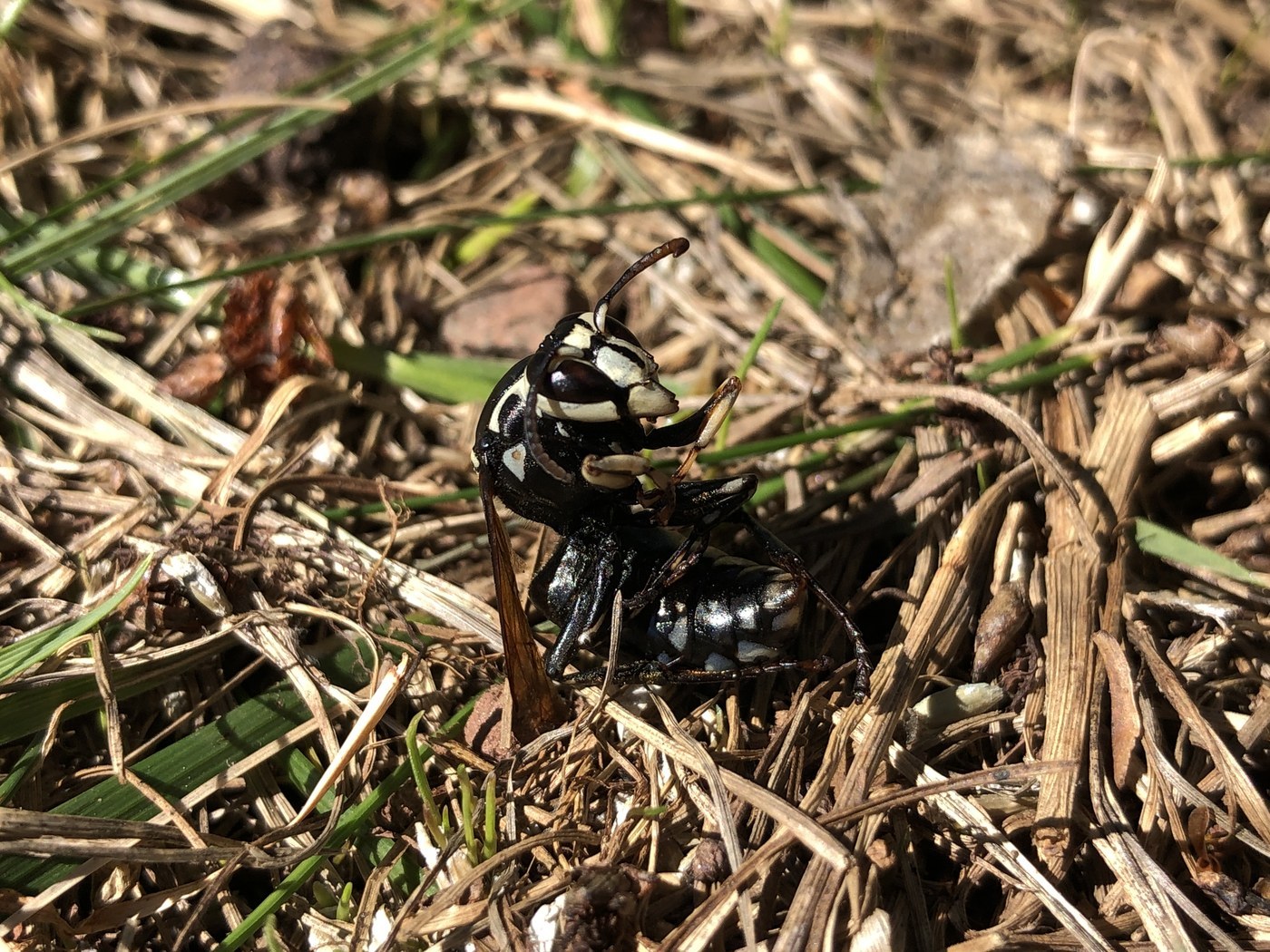
Bald-faced Hornet
Woodland edges, shrubs, and tree branches across North America
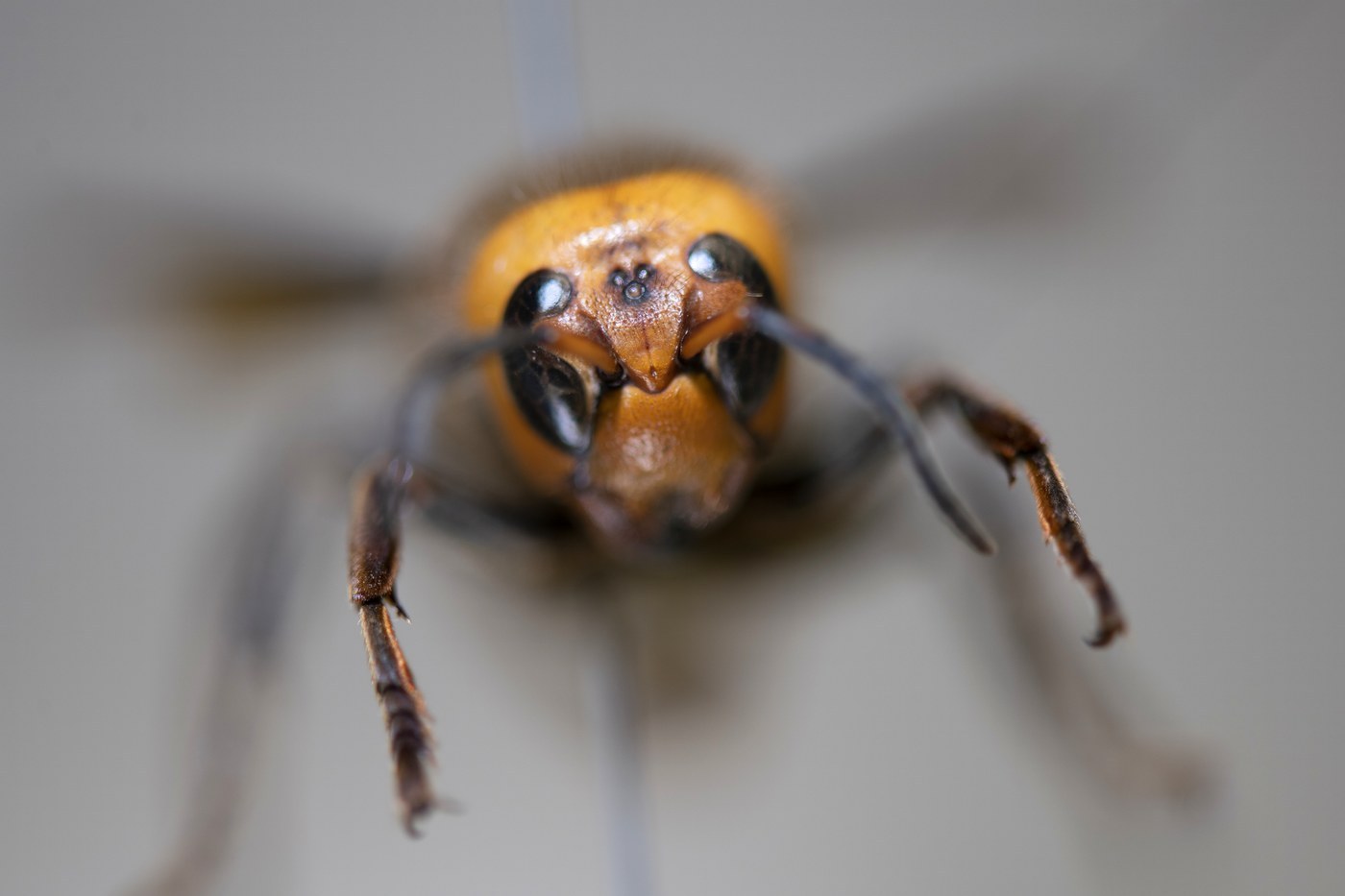
Asian Giant Hornet
Forested lowlands and mountains of East and South Asia; low tree hollows
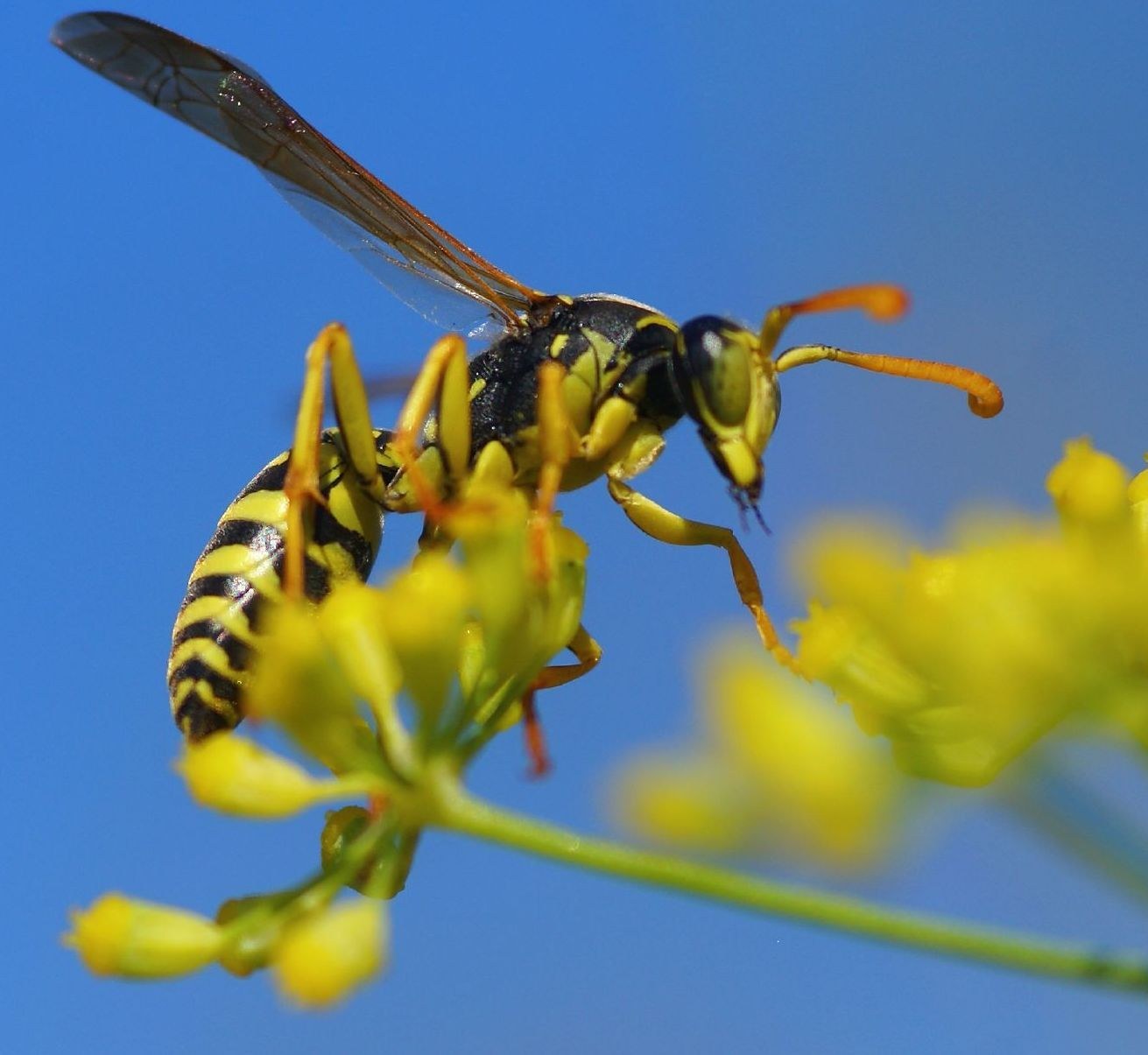
Yellowjacket
Underground nests, wall voids, gardens, picnic areas
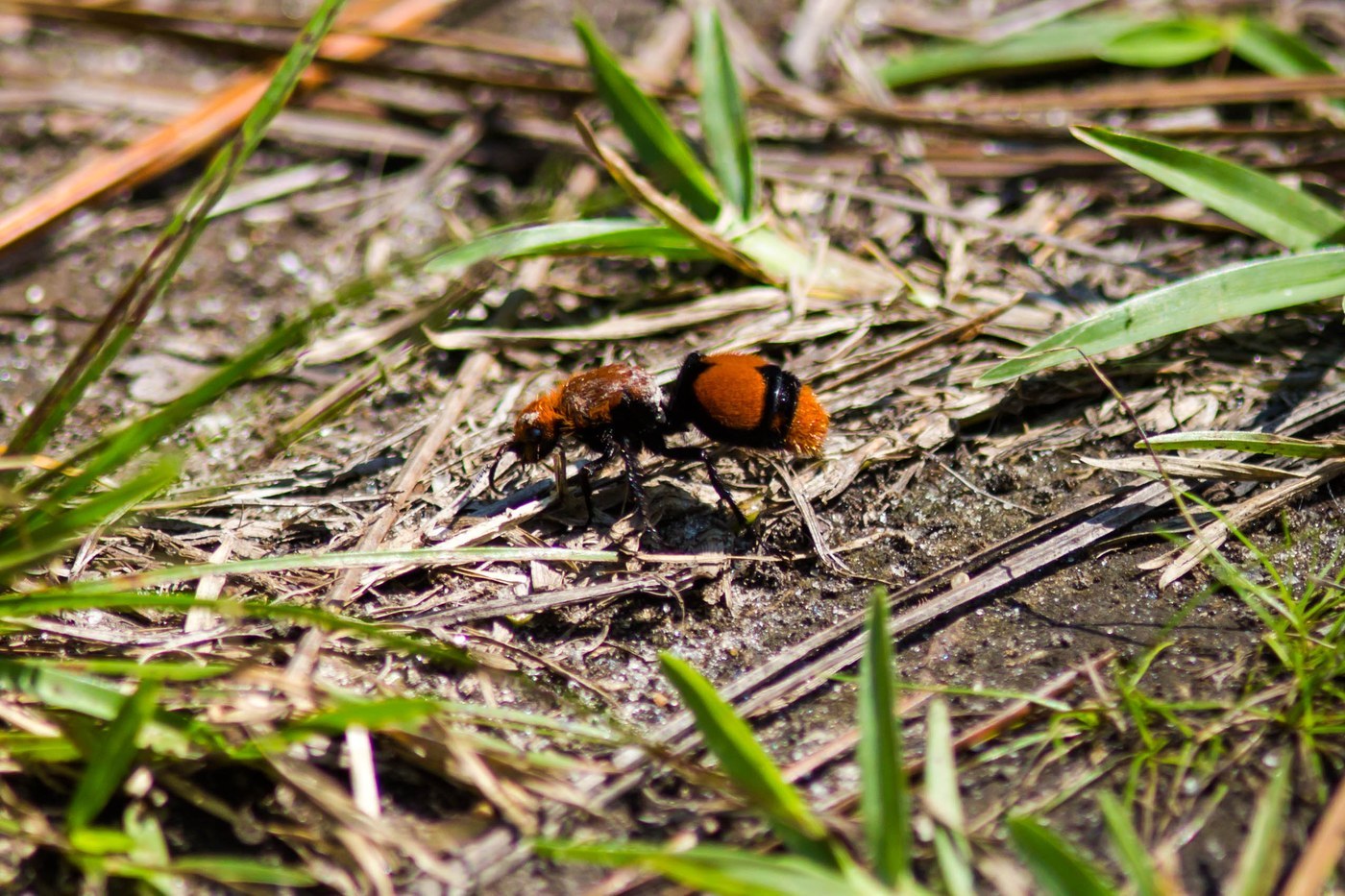
Velvet Ant
Sandy soils, open fields, dunes, roadsides in warm regions
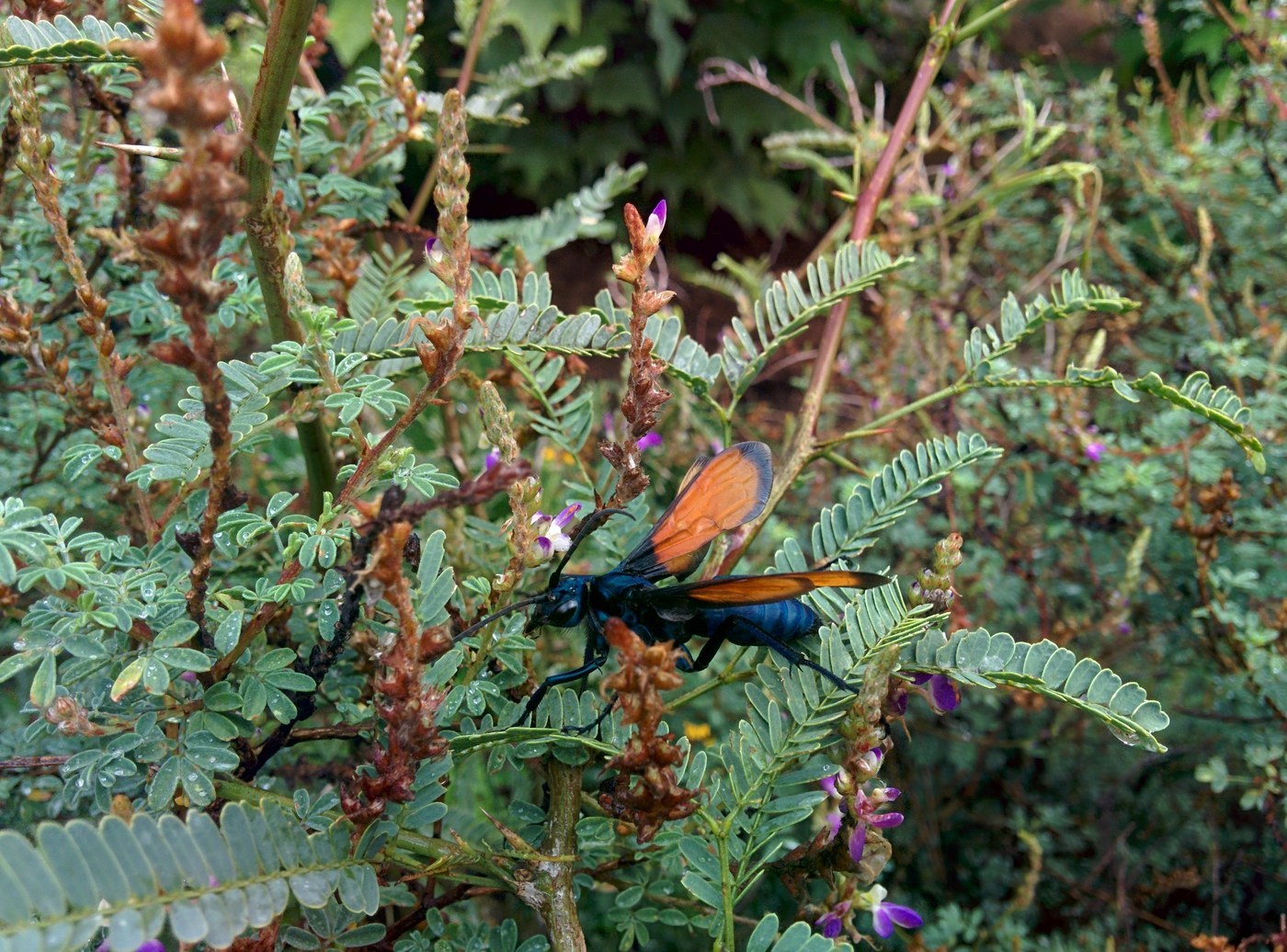
Tarantula Hawk
Deserts, arid scrublands, and dry grasslands
Tarantula Hawk Wasp
Deserts, grasslands, and scrub of the Americas
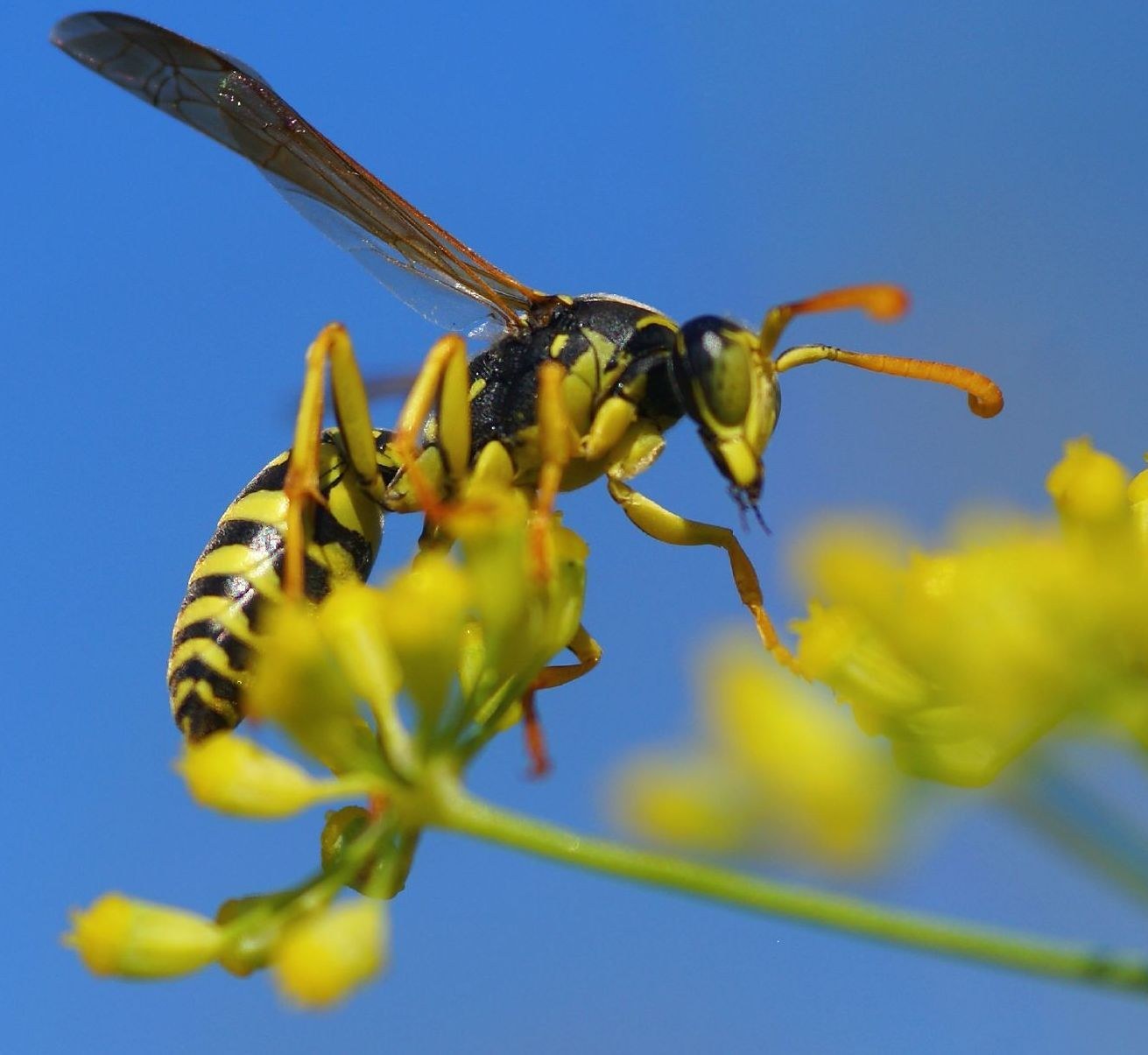
Wasp
Gardens, woodlands, eaves, and urban areas worldwide
Spider Wasp
Gardens, grasslands, and sandy open areas worldwide
Yellow Jacket
Ground nests, wall voids, parks, and areas near food sources
Sawfly
Gardens, woodlands, and orchards on host foliage
Red Paper Wasp
Eaves, porch ceilings, sheds, open woodland edges, gardens
Trichogramma Wasp
Fields, gardens, and crops worldwide