
Great Golden Digger Wasp
Sphex ichneumoneus
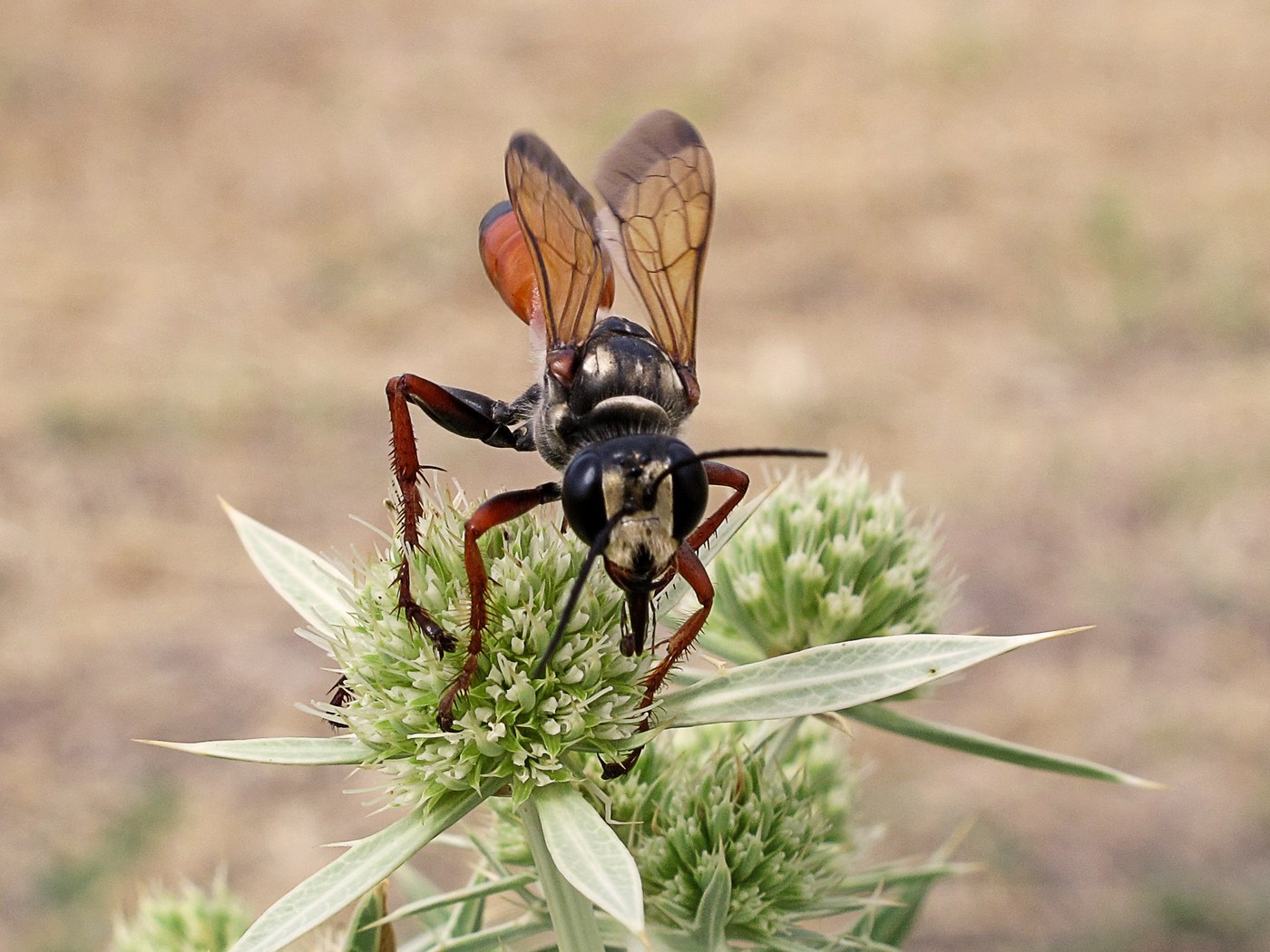
A large, strikingly two-toned solitary wasp with a golden-haired thorax, reddish-orange midsection, and black-tipped abdomen, often seen digging burrows in bare soil to stock with paralyzed katydids and crickets.
- Size
- 18–28 mm
- Habitat
- Sunny fields, gardens, roadsides, and sandy open ground
- Danger
- Stings
Spotted a bug like this?
Identify any bug or insect from a photo, free.
Overview
The great golden digger wasp is one of the largest and most conspicuous members of the thread-waisted wasp group, family Sphecidae. Its common name reflects both its habit of excavating burrows in open, sunny ground and the dense golden pubescence covering its head and thorax, which gleams in direct sunlight.
Like other digger wasps, it is entirely solitary: each female excavates and provisions her own burrow without help from other wasps, in contrast to the cooperative colonies of yellowjackets and hornets. It is a beneficial predator, helping keep populations of katydids and related insects in check.
Despite its imposing size, the great golden digger wasp is considered a docile species that spends most of its active life digging, hunting, and visiting flowers rather than defending territory.
How to Identify
- Robust, elongated body reaching close to an inch in length, among the larger solitary wasps in its range.
- Reddish-orange thorax and basal abdominal segments contrast with a shiny black abdomen tip.
- Dense golden-yellow hairs cover the head and top of the thorax, giving the wasp its "golden" name.
- Long, spiny legs used for digging; smoky-amber wings held flat over the back at rest.
- Lookalikes: cicada killers are larger with black-and-yellow banded abdomens rather than solid black tips; other Sphex species lack the vivid golden pubescence.
Habitat & Range
This species ranges across much of North and Central America and into parts of South America, favoring open, sunny habitats with sandy or loose well-drained soil for burrowing—meadows, gardens, roadsides, and prairie edges. Adults are most active from mid to late summer, when both nesting activity and flower visitation peak.
Behavior & Diet
Females dig short vertical burrows with several side chambers, then hunt katydids, crickets, or grasshoppers, stinging and paralyzing prey before dragging it back to a chamber. One egg is laid per chamber before it is sealed with soil. Adults feed on nectar from flowers such as goldenrod and mountain mint, making them useful incidental pollinators. Their sting is reserved for subduing prey rather than colony defense.
Life Cycle
After hatching from an egg laid on the paralyzed prey, the larva consumes its provisions within about a week, then spins a cocoon and pupates underground. In most of its range there is one generation per year, with the wasp overwintering as a mature larva or pupa in the soil and emerging as an adult the following summer. Development follows complete metamorphosis.
Frequently asked questions
Is the great golden digger wasp aggressive?
No, it is generally docile and focused on digging and hunting rather than defending its burrow.
What does it hunt for its young?
Primarily katydids, along with some crickets and grasshoppers, which it paralyzes and stores in underground chambers.
How is it different from a cicada killer?
Cicada killers are larger with bold black-and-yellow banded abdomens, while the golden digger wasp has a solid black abdomen tip and golden-haired thorax.
Where would I see one?
In sunny gardens, meadows, or bare sandy patches during mid to late summer, often seen digging or visiting flowers.
Great Golden Digger Wasp guides
In-depth guides for identifying, understanding, and living alongside Great Golden Digger Wasp.
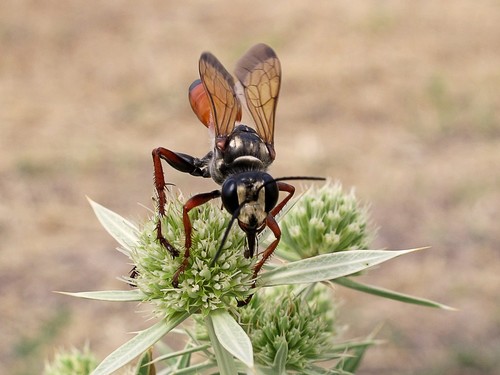
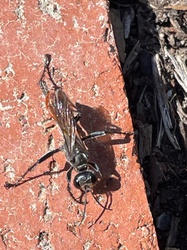
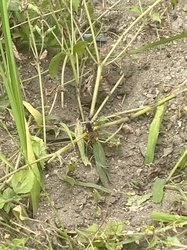
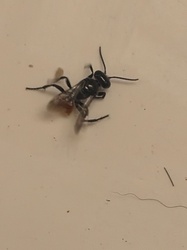
Great Golden Digger Wasp identified by the community
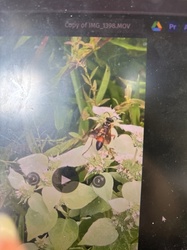
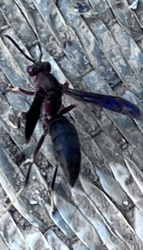
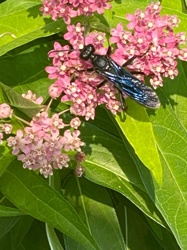
Real finds identified with Bug Identifier.

Other bugs you may enjoy
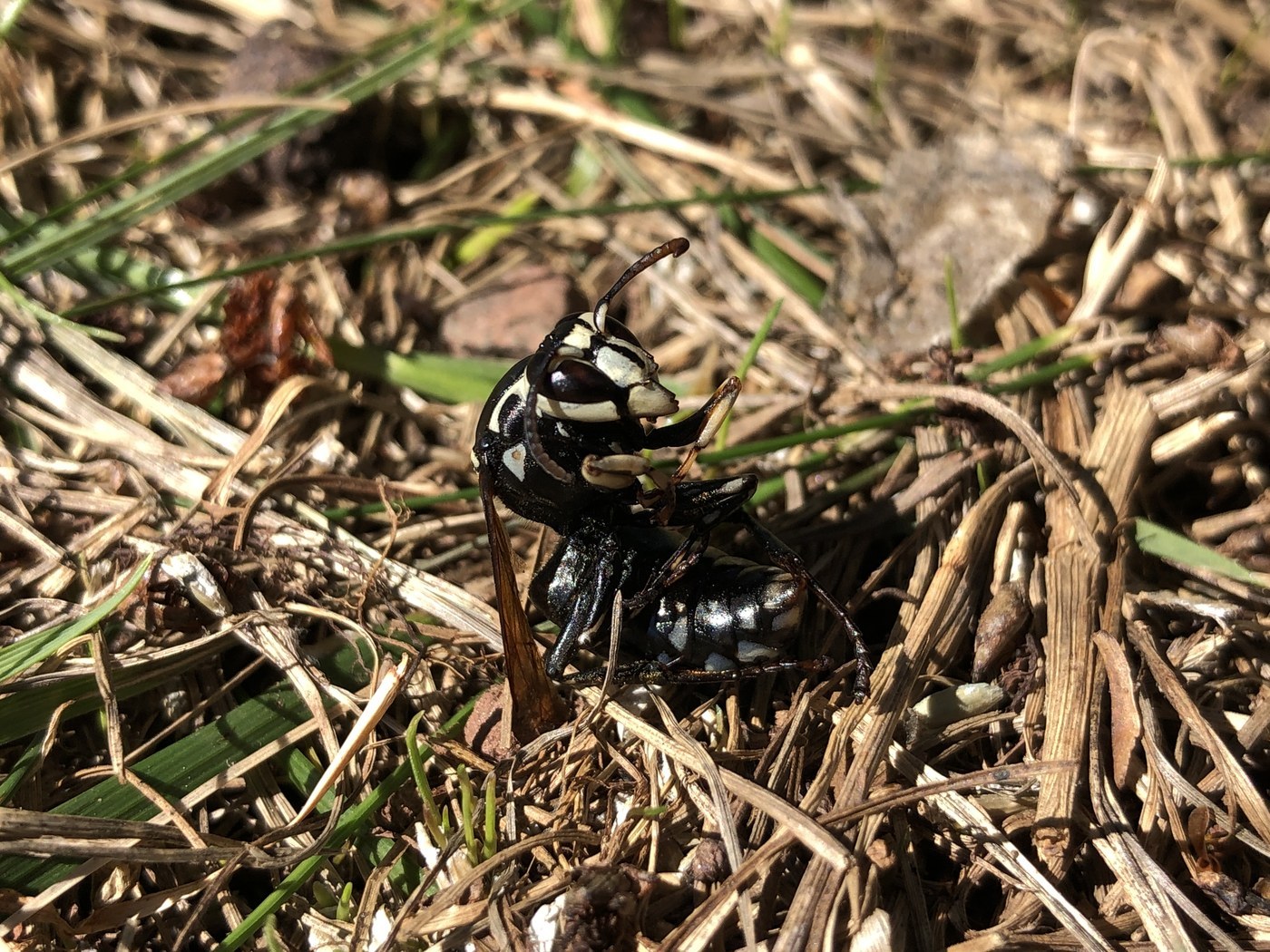
Bald-faced Hornet
Woodland edges, shrubs, and tree branches across North America
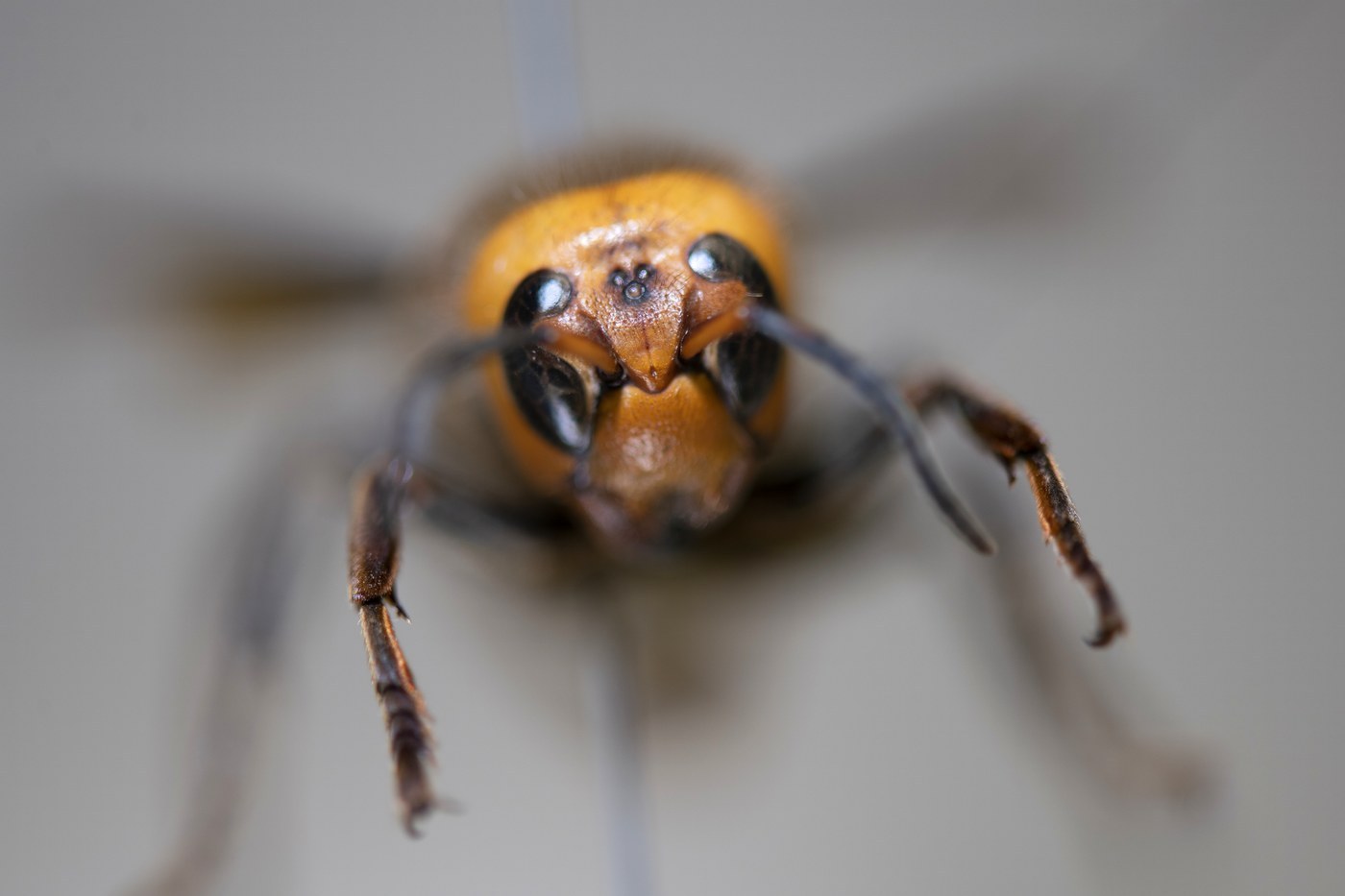
Asian Giant Hornet
Forested lowlands and mountains of East and South Asia; low tree hollows
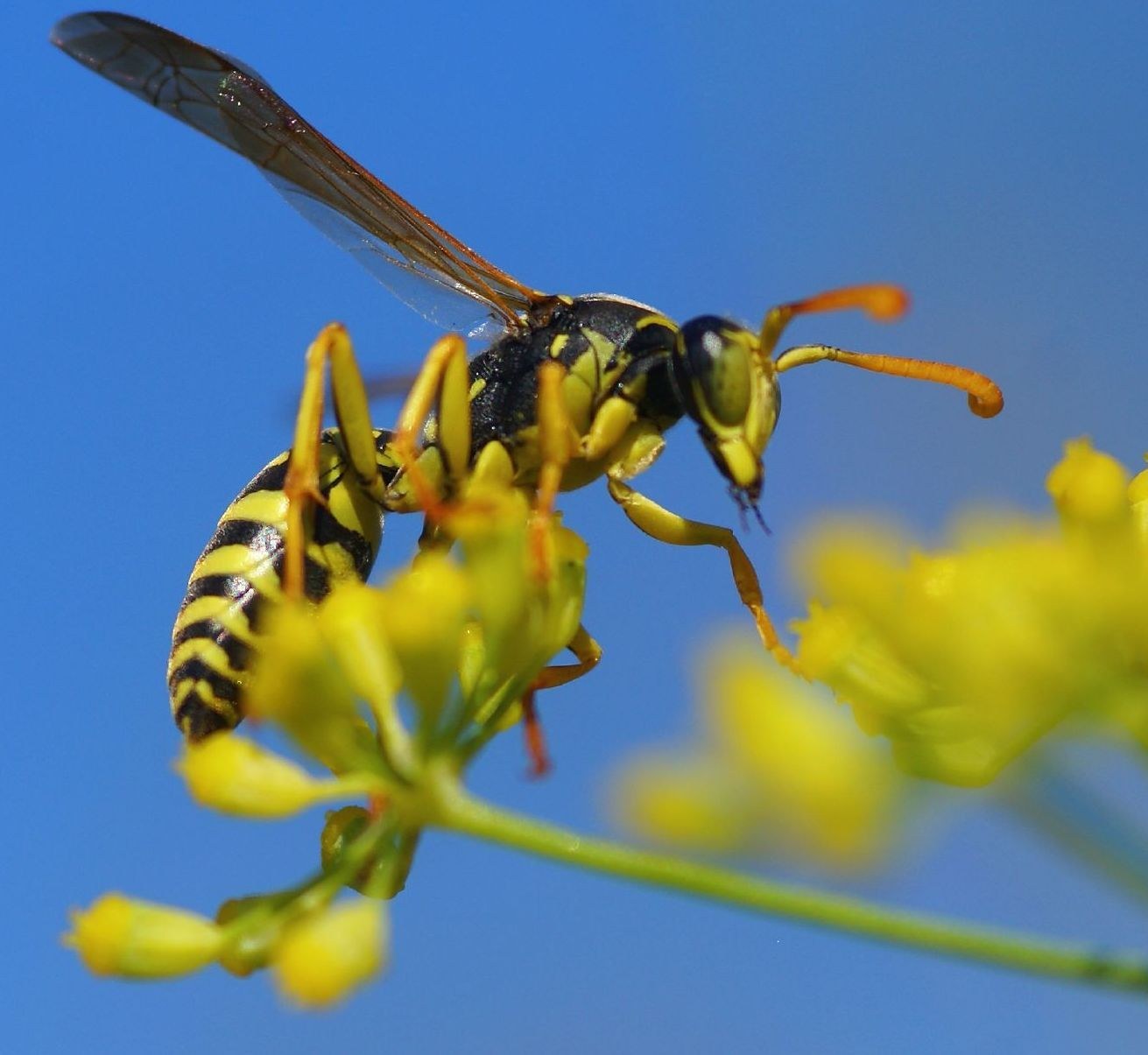
Yellowjacket
Underground nests, wall voids, gardens, picnic areas
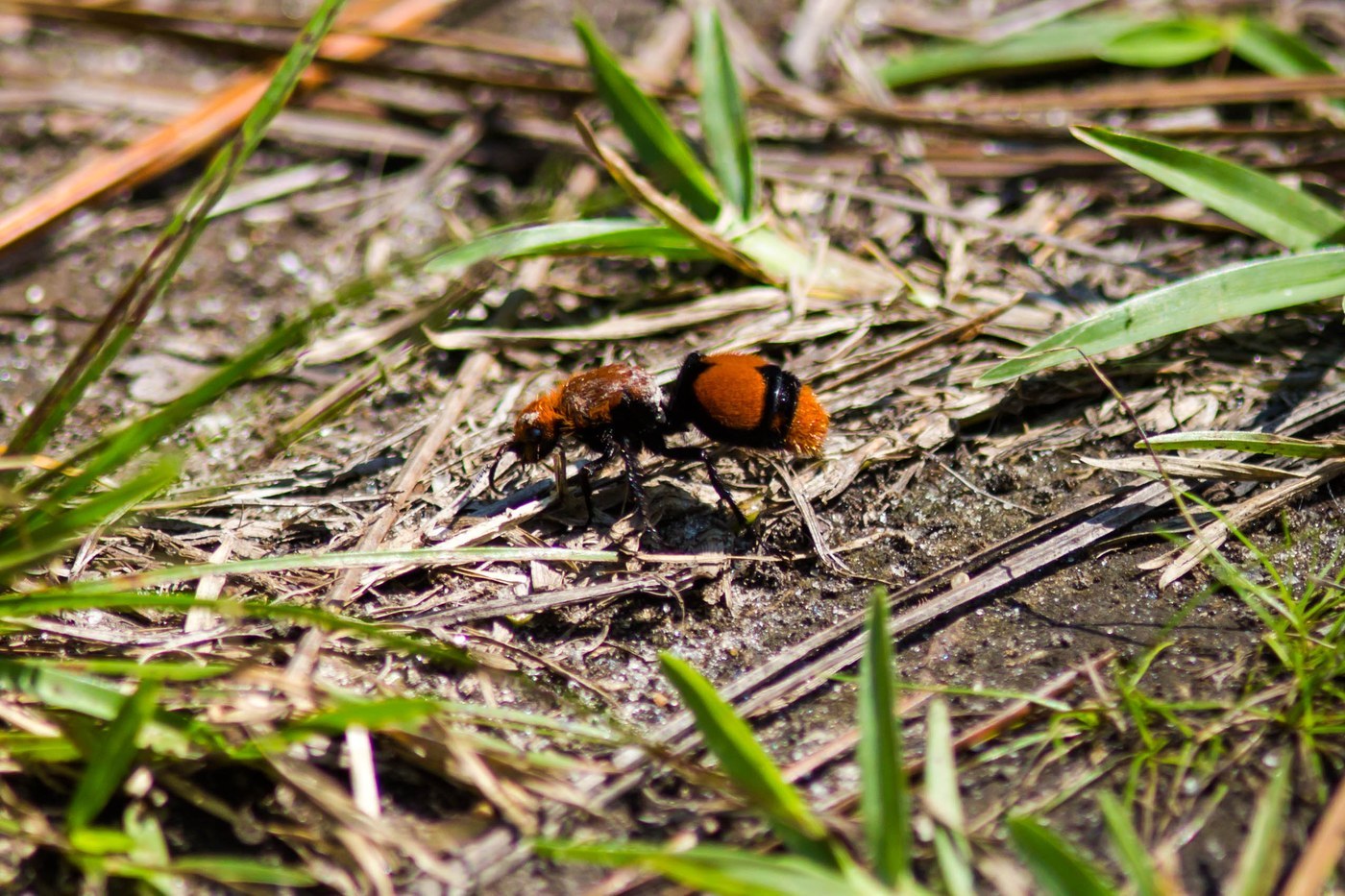
Velvet Ant
Sandy soils, open fields, dunes, roadsides in warm regions
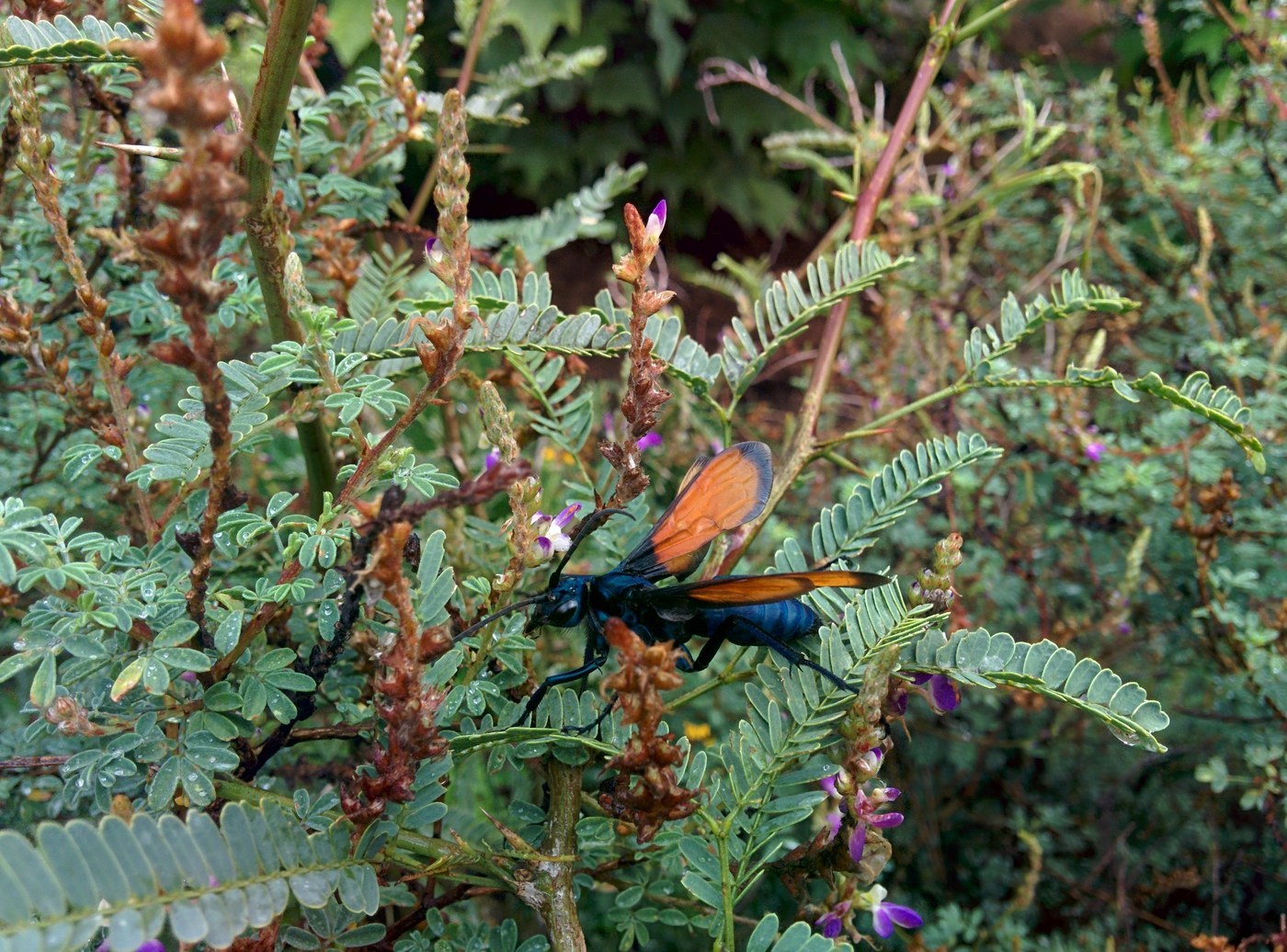
Tarantula Hawk
Deserts, arid scrublands, and dry grasslands
Tarantula Hawk Wasp
Deserts, grasslands, and scrub of the Americas
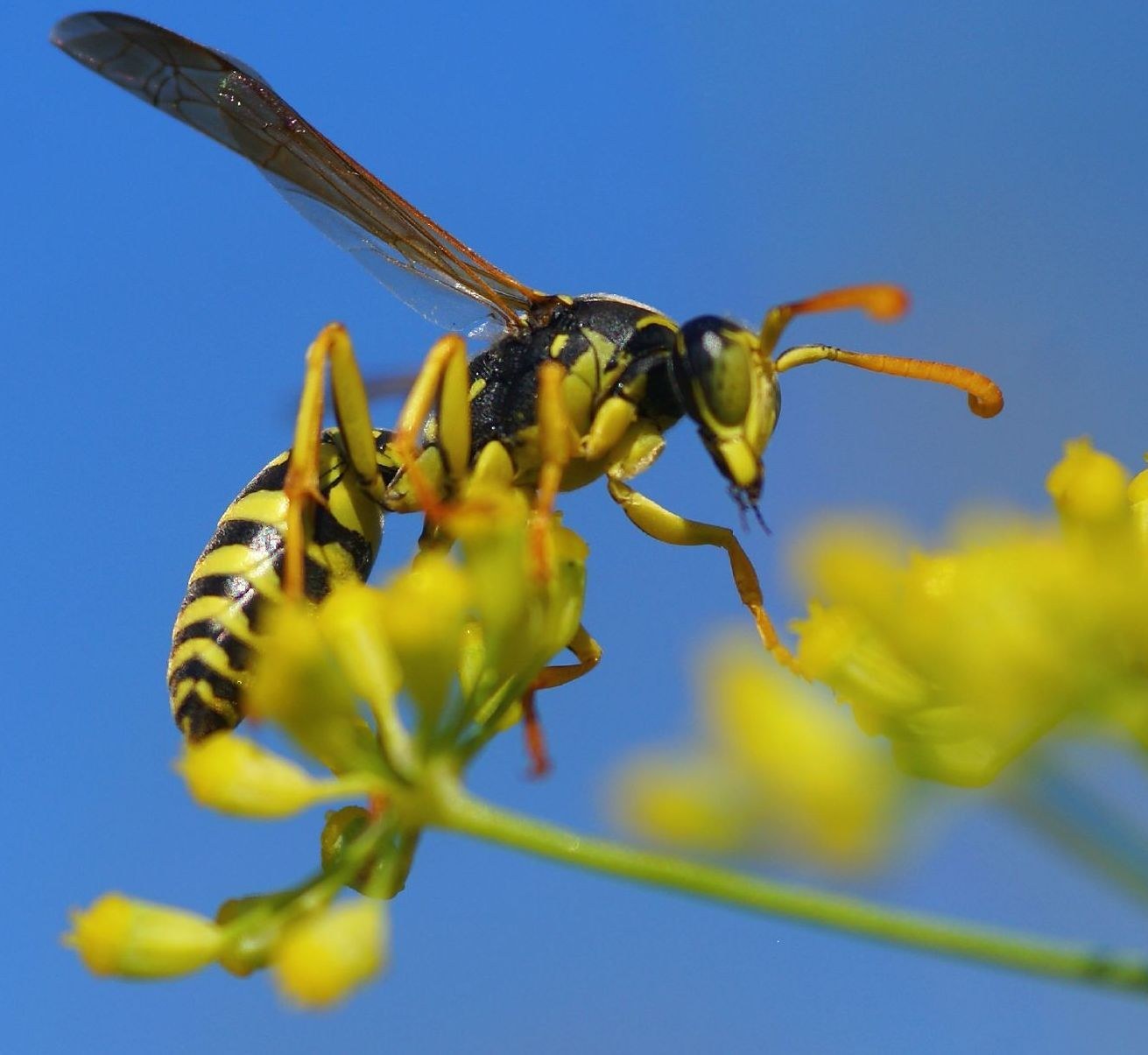
Wasp
Gardens, woodlands, eaves, and urban areas worldwide
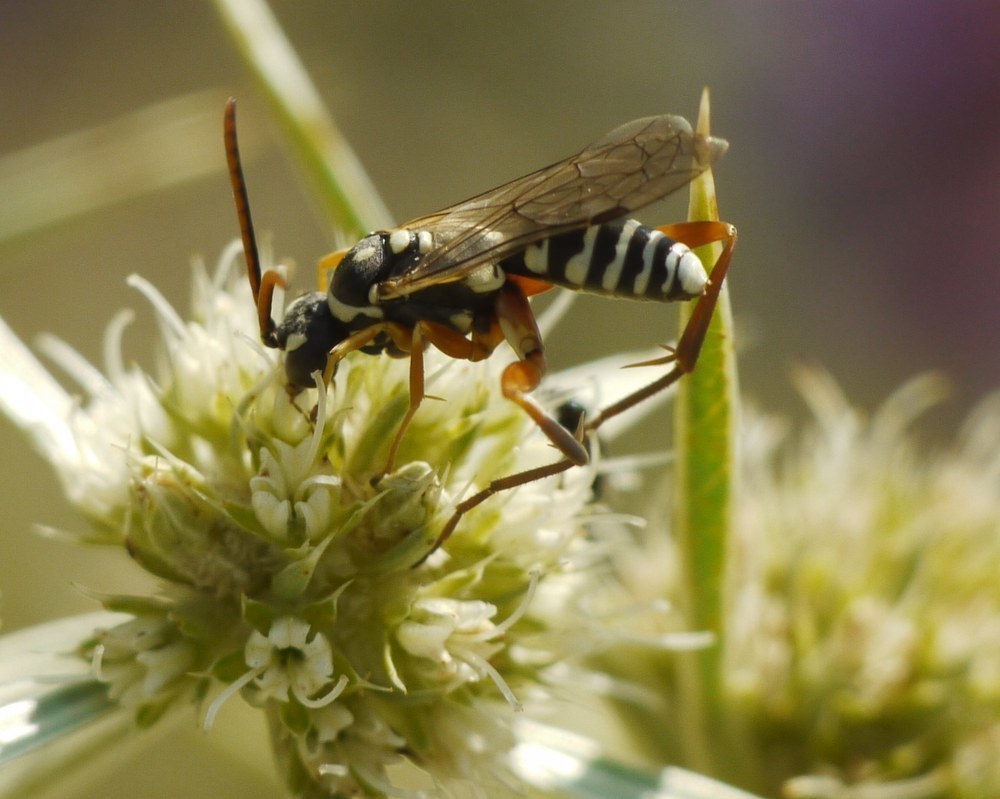
Spider Wasp
Gardens, grasslands, and sandy open areas worldwide
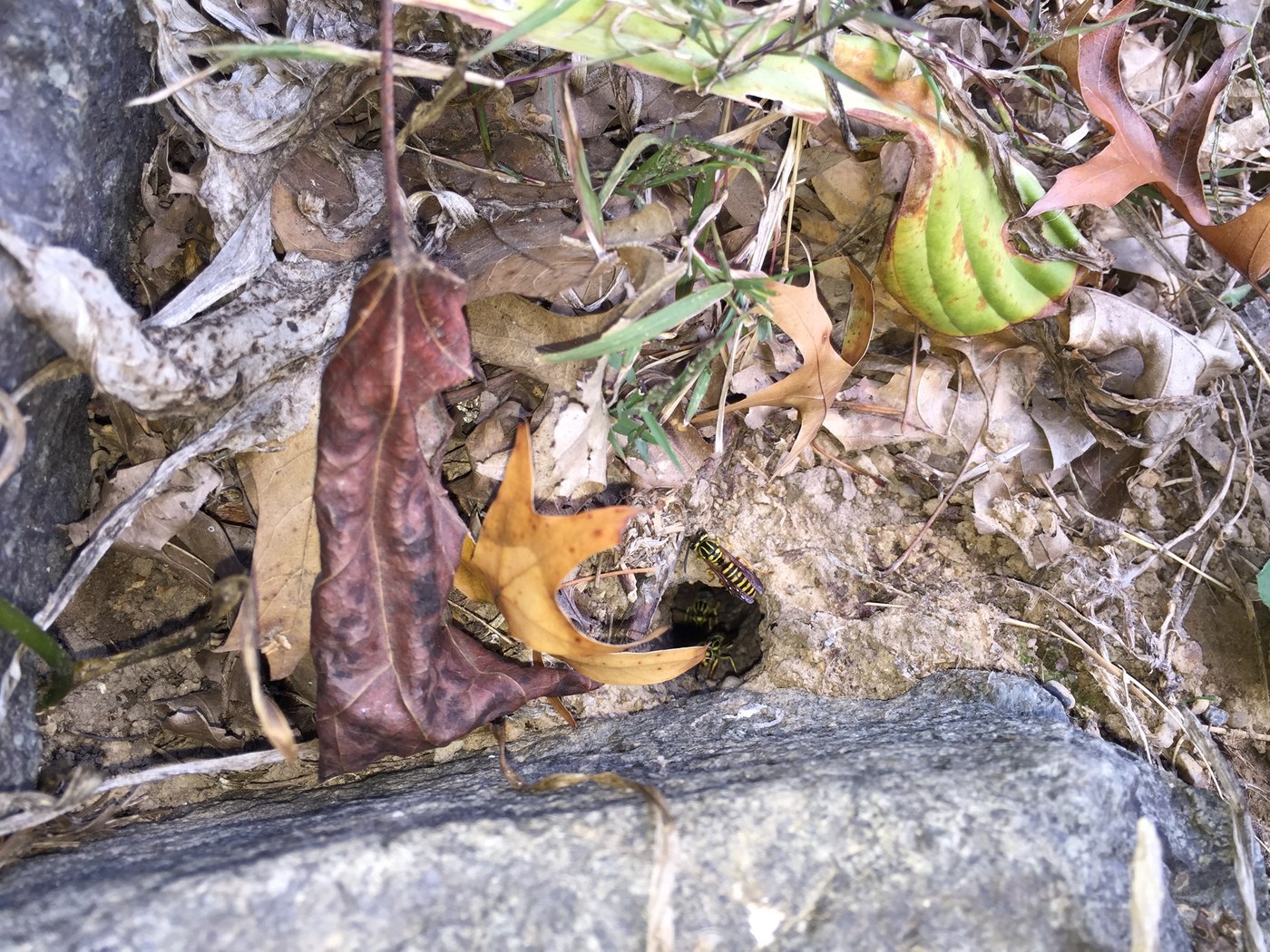
Yellow Jacket
Ground nests, wall voids, parks, and areas near food sources
Sawfly
Gardens, woodlands, and orchards on host foliage
Red Paper Wasp
Eaves, porch ceilings, sheds, open woodland edges, gardens
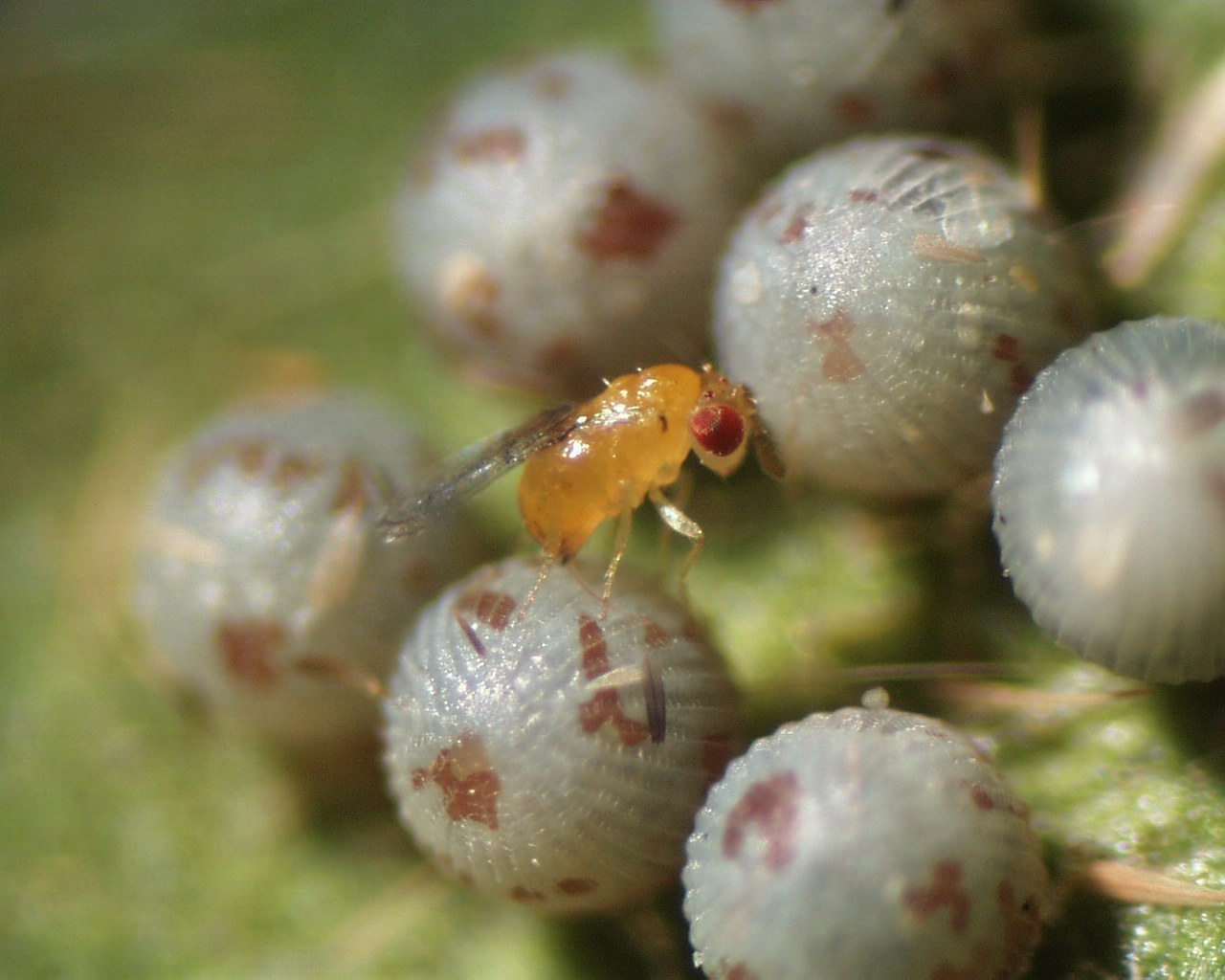
Trichogramma Wasp
Fields, gardens, and crops worldwide