
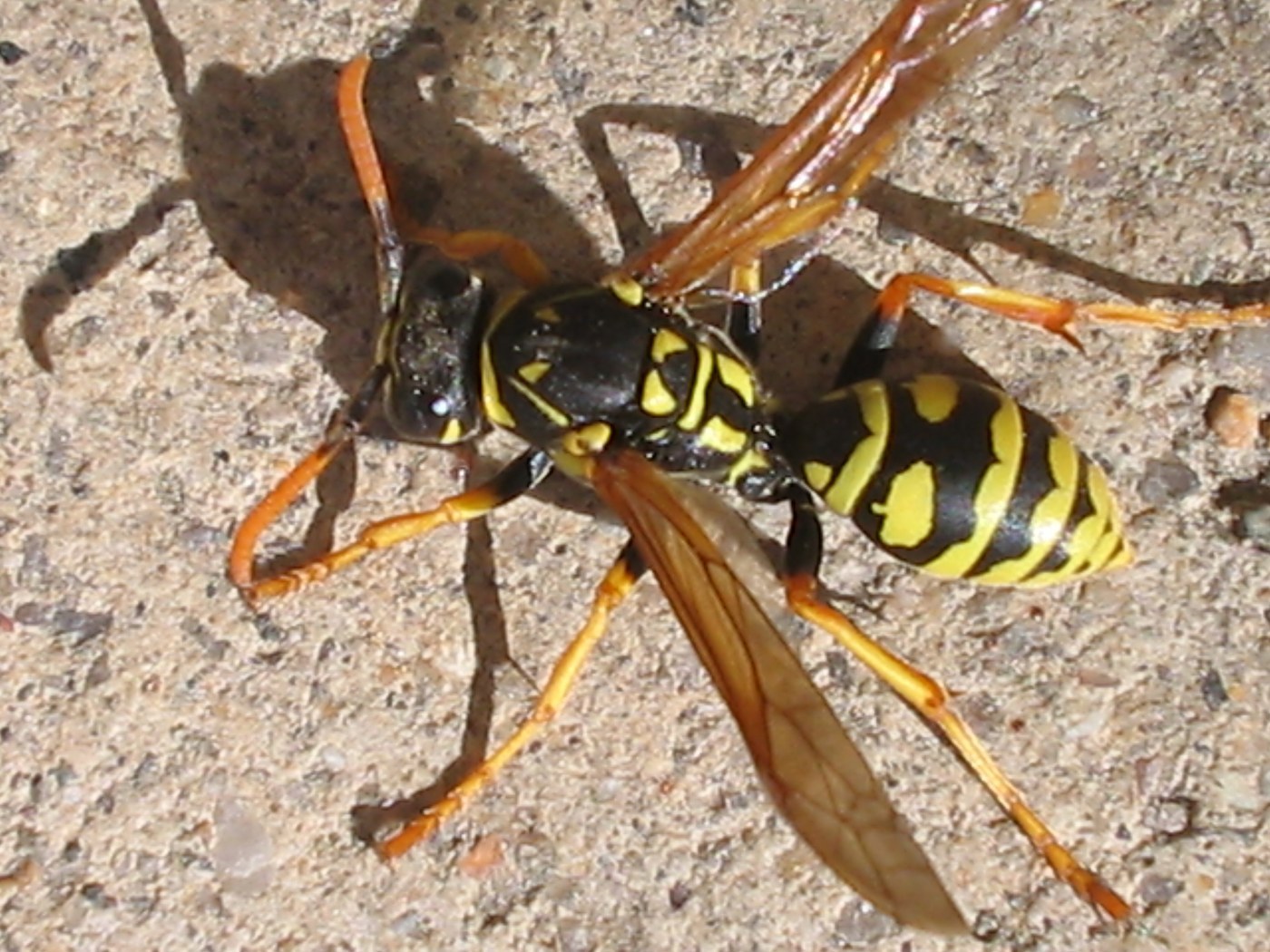
European Paper Wasp
Polistes dominula
A slender, orange-antennaed social wasp that builds small, open umbrella-shaped paper combs under eaves and ledges, now common well beyond its native European range.
- Size
- 13–18 mm
- Habitat
- Eaves, sunny walls, sheds, and garden structures
- Danger
- Stings
Spotted a bug like this?
Identify any bug or insect from a photo, free.
Overview
The European paper wasp is a social wasp in the family Vespidae, genus Polistes, native to southern Europe, North Africa, and parts of temperate Asia. It has since been introduced to numerous other regions, including North America and Australia, where it has become widely established, sometimes at higher densities than native paper wasp species.
Like other Polistes wasps, it builds a distinctive open-celled paper nest resembling an inverted umbrella, with no outer protective envelope covering the comb, unlike the enclosed nests of yellowjackets and hornets. Colonies are relatively small compared to those of Vespula wasps, typically housing a few dozen to a couple hundred individuals.
As a social predator, the European paper wasp captures caterpillars and other soft-bodied insects to feed its brood, contributing to natural insect population regulation in the gardens, farmland, and urban areas where it now commonly occurs.
How to Identify
- Slender body with a narrow waist, black to dark brown base color overlaid with bright yellow-orange bands and markings.
- Bright orange antennae are a particularly useful identification feature, distinguishing it from many native paper wasp species with darker antennae.
- Long legs that dangle noticeably in flight, a trait shared with other Polistes wasps.
- Open, exposed umbrella-shaped paper nest with visible hexagonal cells and no outer covering.
- Lookalikes: native Polistes species in North America are similar in shape but often duller or more reddish-brown, generally lacking the vivid orange antennae of the European paper wasp.
Habitat & Range
Native to southern Europe, North Africa, and parts of temperate Asia, the European paper wasp has become widely established as an introduced species in North America, Australia, and other temperate regions. It favors sunny, sheltered nest sites such as eaves, window frames, sheds, and other structures, as well as natural sites like rock crevices and dense vegetation. Colonies are active from spring through late summer or early autumn.
Behavior & Diet
Workers forage for caterpillars and other soft-bodied insect prey, chewing them into a pulp to feed developing larvae, while also visiting flowers for nectar. The open paper nest allows direct observation of the wasps tending individual cells, a behavior distinct from the enclosed nests of yellowjackets. Colonies are founded by one or several cooperating queens, and workers will defend the nest if it is disturbed, though the species is generally considered less defensive than some yellowjacket species.
Life Cycle
A mated queen, sometimes joined by other queens in a cooperative founding group, begins a small paper nest in spring and lays the first eggs, which develop into workers through complete metamorphosis. Workers then take over foraging and nest-building as the colony grows through summer. In late summer, new queens and males are produced and disperse to mate, after which the colony declines with colder weather, leaving only newly mated queens to overwinter in sheltered spots and found new colonies the following spring.
Frequently asked questions
What makes the European paper wasp's nest different from a yellowjacket nest?
Its nest is an open, umbrella-shaped paper comb with no outer covering, exposing the individual cells, unlike the fully enclosed nests built by yellowjackets.
Is the European paper wasp native to North America?
No, it is native to Europe, North Africa, and parts of Asia, but has become widely established as an introduced species in North America and elsewhere.
How can I recognize this species specifically?
Bright orange antennae combined with a slender black-and-yellow banded body and an open umbrella-shaped nest are the most distinctive identification features.
What do European paper wasps feed their young?
Workers capture and chew up caterpillars and other soft-bodied insects to feed the colony's developing larvae.
European Paper Wasp guides
In-depth guides for identifying, understanding, and living alongside European Paper Wasp.
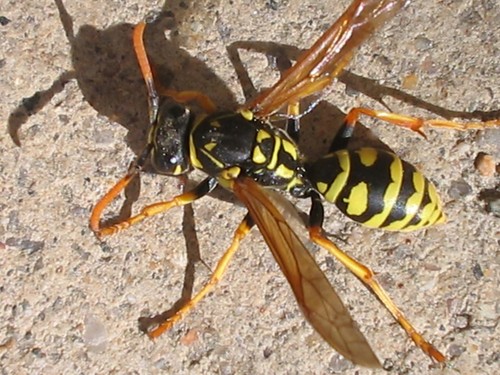
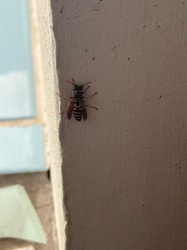
European Paper Wasp identified by the community
Real finds identified with Bug Identifier.
Other bugs you may enjoy
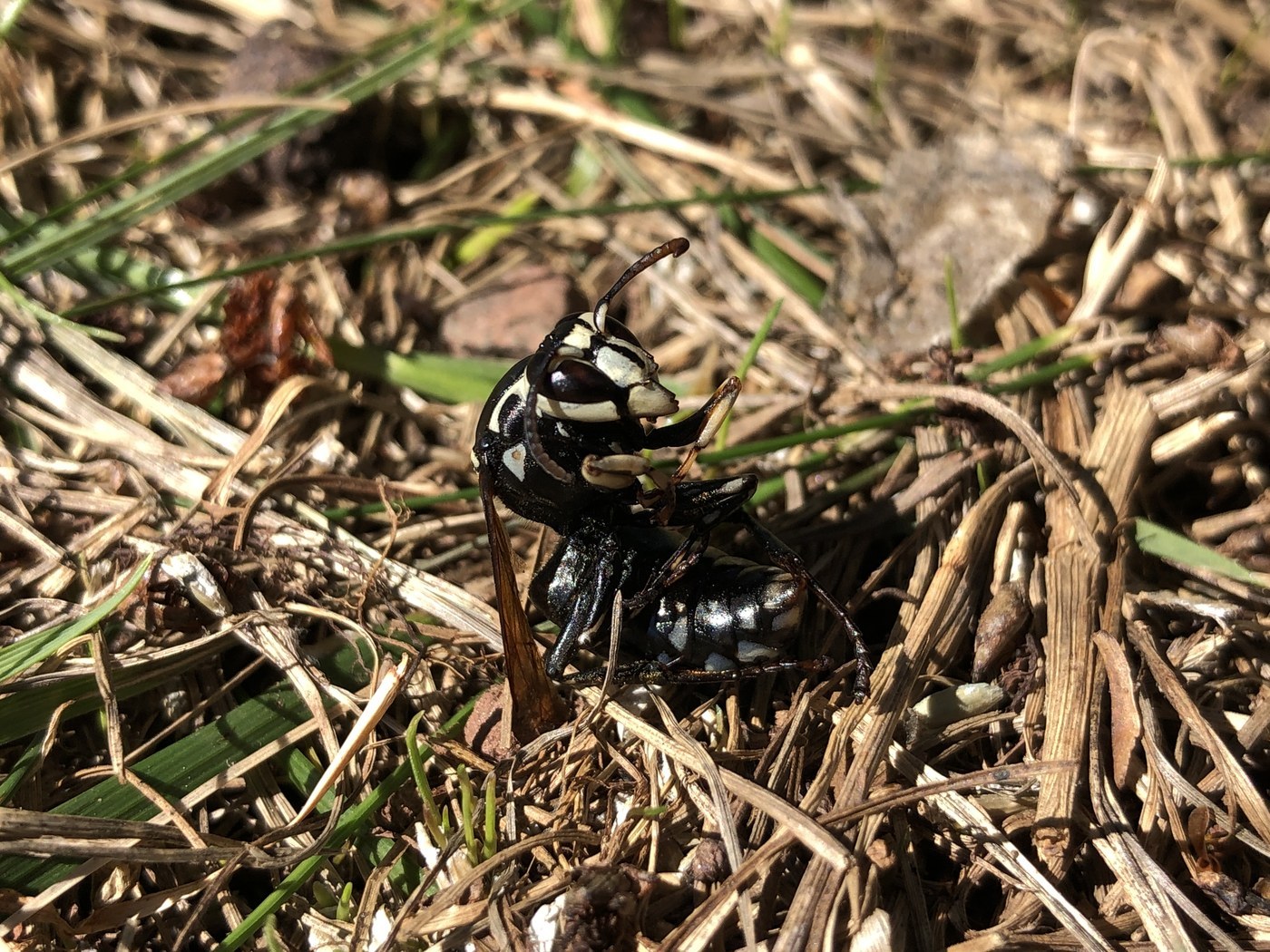
Bald-faced Hornet
Woodland edges, shrubs, and tree branches across North America
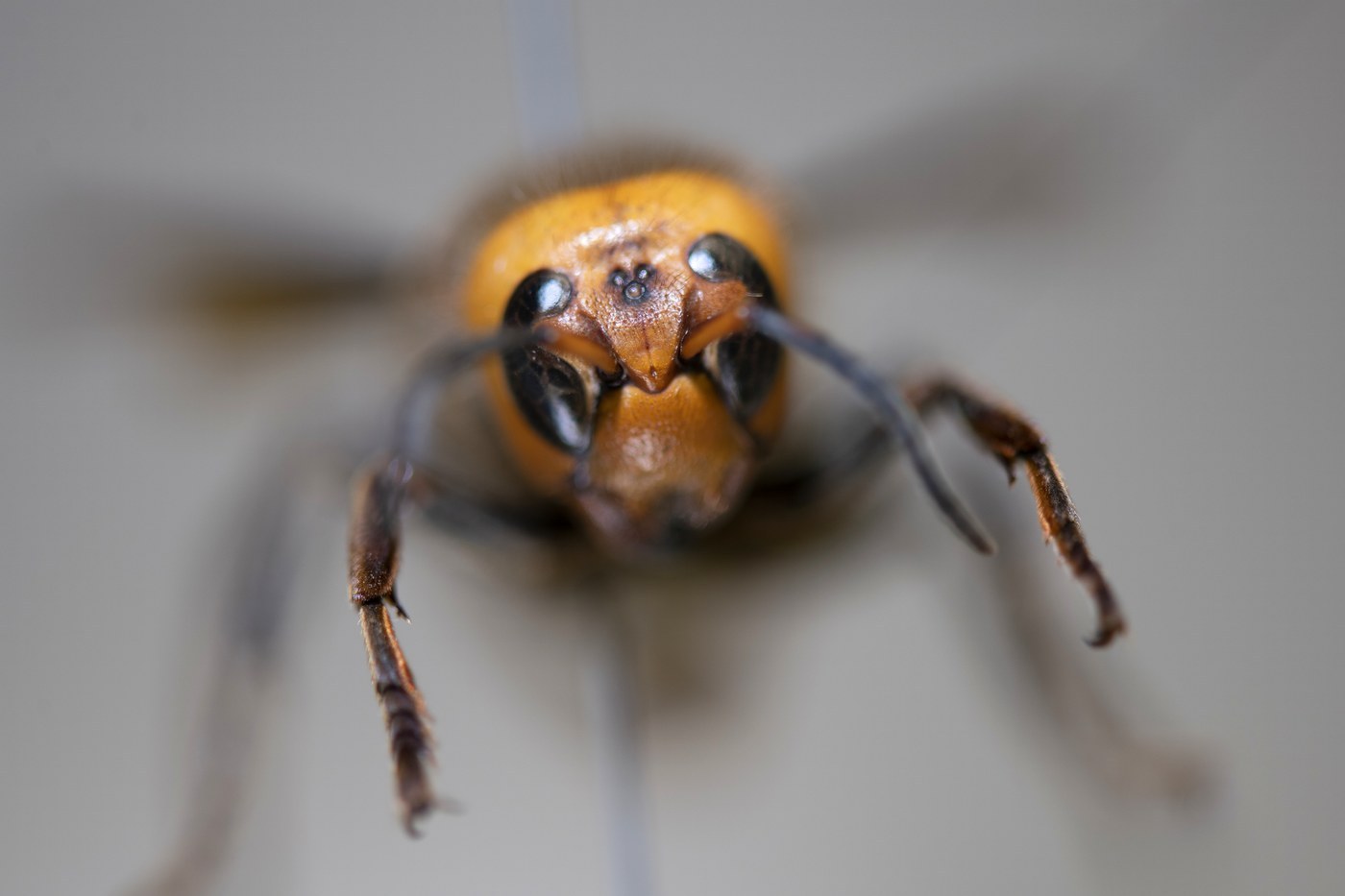
Asian Giant Hornet
Forested lowlands and mountains of East and South Asia; low tree hollows
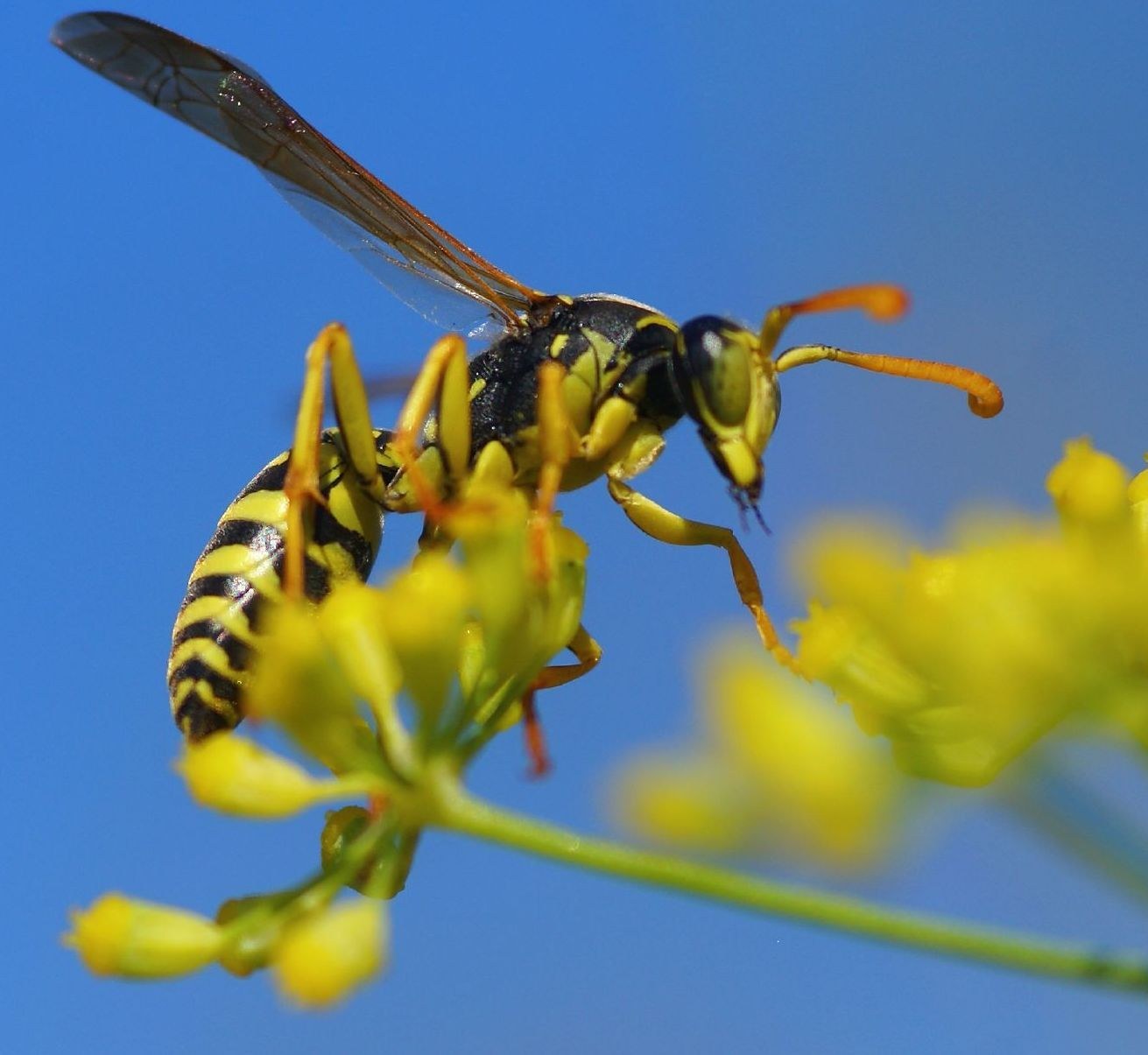
Yellowjacket
Underground nests, wall voids, gardens, picnic areas
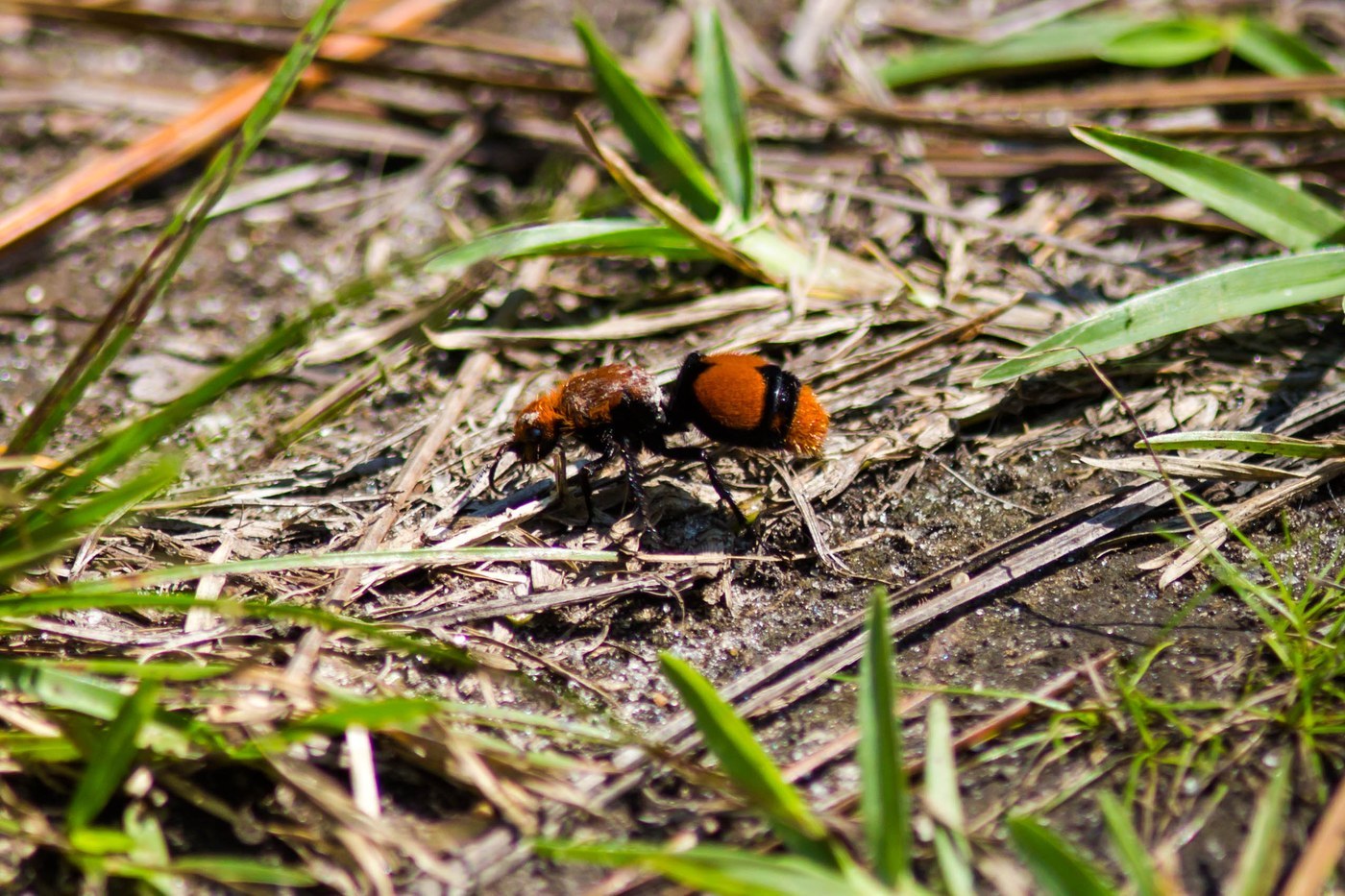
Velvet Ant
Sandy soils, open fields, dunes, roadsides in warm regions
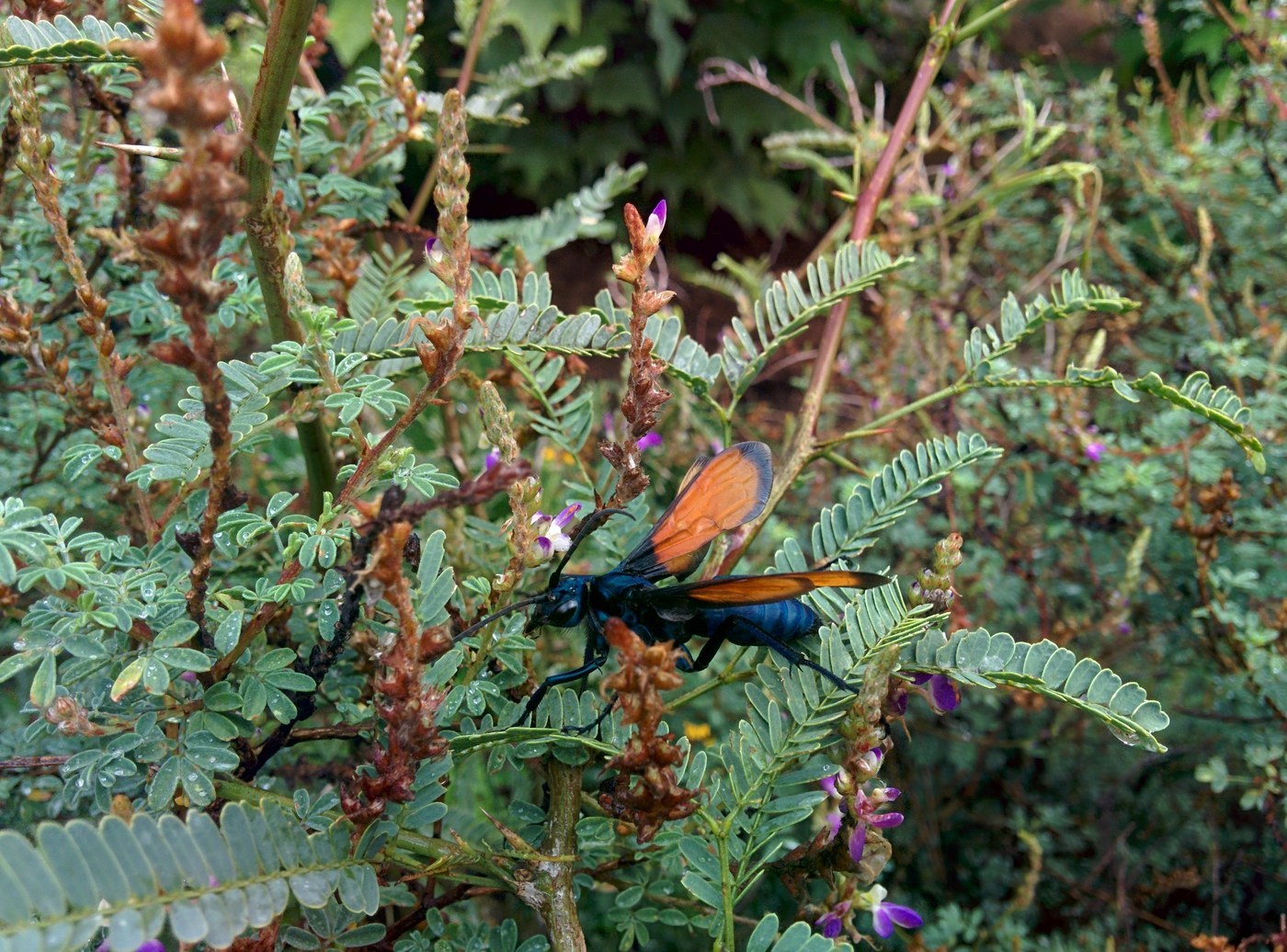
Tarantula Hawk
Deserts, arid scrublands, and dry grasslands
Tarantula Hawk Wasp
Deserts, grasslands, and scrub of the Americas
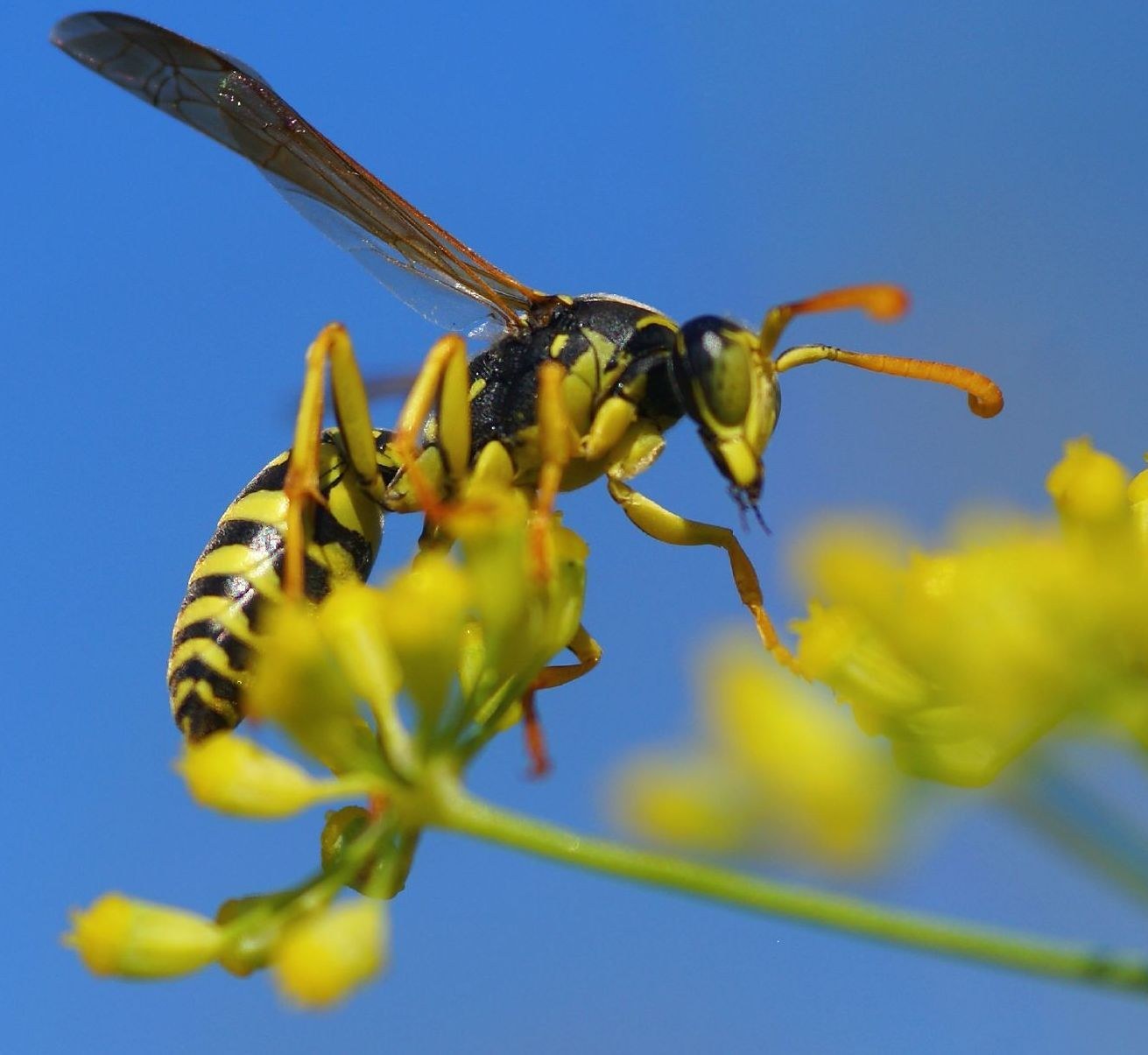
Wasp
Gardens, woodlands, eaves, and urban areas worldwide
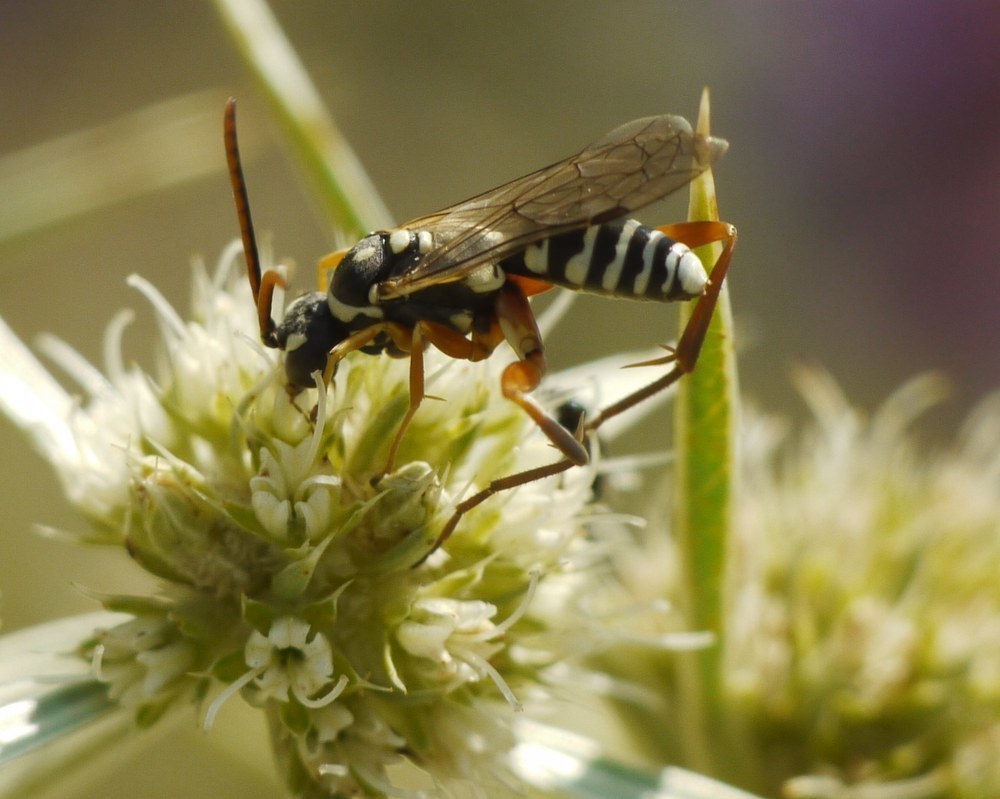
Spider Wasp
Gardens, grasslands, and sandy open areas worldwide
Yellow Jacket
Ground nests, wall voids, parks, and areas near food sources
Sawfly
Gardens, woodlands, and orchards on host foliage
Red Paper Wasp
Eaves, porch ceilings, sheds, open woodland edges, gardens
Trichogramma Wasp
Fields, gardens, and crops worldwide