
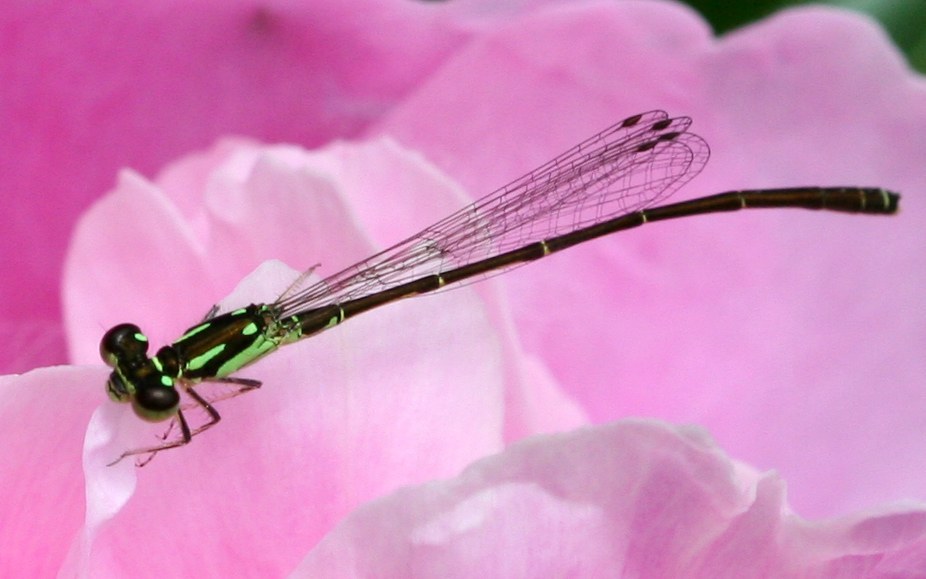
Fragile Forktail
Ischnura posita
One of North America's smallest and most delicate damselflies, the Fragile Forktail is best known for the pale green exclamation-point mark on top of its thorax.
- Size
- 0.8-1.1 in (20-29 mm) long
- Habitat
- still or slow-moving ponds, marshes, ditches, and pools with dense vegetation
- Danger
- Harmless
Spotted a bug like this?
Identify any bug or insect from a photo, free.
Overview
The Fragile Forktail is a tiny, slender damselfly in the pond damsel family (Coenagrionidae), widespread across much of the eastern and central United States and southern Canada. Its common name reflects both its diminutive, thin-bodied build and the fragile appearance of its flight, which is weak and fluttery compared to the more powerful darters and skimmers it shares habitat with.
This species is one of the easiest forktails to identify thanks to a distinctive pale green or yellowish mark shaped like an exclamation point on the top of the thorax, formed by a short vertical line and a dot beneath it. Fragile Forktails are often the first damselflies to appear at a pond in spring and are tolerant of small, disturbed, or even temporary bodies of water, making them one of the most commonly encountered damselflies in gardens, parks, and roadside ditches.
Because it thrives in small and marginal wetlands that many other odonates avoid, the Fragile Forktail plays an important role as a generalist predator of tiny flying insects in urban and suburban water features, and its larvae help control mosquito and midge populations in still water.
How to Identify
- Very small and slender body, among the smallest damselflies in its range
- Black thorax marked with a pale green or yellow-green exclamation point (a short line above a dot) on top
- Sides of thorax pale green to bluish-green with black shoulder stripes
- Abdomen mostly black above with pale rings at the segment joints; tip of abdomen (segments 8-9) pale blue to blue-green in males
- Females are typically duller, often gray-green or tan, sometimes with an orange tint when immature
- Clear wings held closed together over the back at rest, as in all damselflies
- Lookalikes: other forktail species (Ischnura spp.) lack the clean exclamation-point mark; Citrine Forktail is smaller with an orange thorax
Habitat & Range
Fragile Forktails favor still or gently flowing freshwater with abundant emergent and floating vegetation, including ponds, marshes, bogs, ditches, and slow backwaters. They are notably tolerant of small, weedy, or partially shaded water bodies, including garden ponds and drainage ditches, which lets them colonize habitats too marginal for larger dragonflies and damselflies. The species ranges across most of the eastern two-thirds of the United States and adjacent Canada, with flight seasons extending from early spring through fall in warmer parts of its range.
Behavior & Diet
Adults fly low and weakly through waterside grasses and sedges, often perching on vegetation just above the water rather than making the strong, direct flights typical of larger damselflies. Both adults and aquatic nymphs are predators: nymphs stalk and ambush small aquatic invertebrates such as mosquito larvae and tiny crustaceans, while adults hawk small soft-bodied insects like gnats, aphids, and tiny flies from perches near the water's edge. As prey themselves, Fragile Forktails and their nymphs are an important food source for fish, larger dragonflies, birds, and amphibians, linking aquatic and terrestrial food webs.
Life Cycle
Like all damselflies, the Fragile Forktail undergoes incomplete (hemimetabolous) metamorphosis with three stages: egg, aquatic nymph, and winged adult. Females insert eggs into plant tissue at or just below the water surface using a blade-like ovipositor, sometimes submerging partially to do so. Nymphs live underwater for weeks to months, breathing through three feathery caudal gills and molting repeatedly as they grow and hunt small aquatic prey. When mature, the nymph climbs out of the water on emergent vegetation and undergoes its final molt into a winged adult. In warmer parts of its range multiple generations can occur each year, while northern populations typically produce one generation and overwinter as nymphs.
Frequently asked questions
How can I tell a Fragile Forktail from other small damselflies?
Look for the pale green exclamation-point mark on top of the thorax, formed by a short line above a dot, which is unique among common forktails.
Where are Fragile Forktails usually found?
They favor still, vegetated water such as ponds, marshes, and ditches, and are tolerant of small or disturbed water bodies including garden ponds.
What do Fragile Forktails eat?
Adults catch tiny soft-bodied insects like gnats and small flies, while the aquatic nymphs prey on mosquito larvae and other small invertebrates.
When are Fragile Forktails active?
They are often among the earliest damselflies seen in spring and remain active through summer into fall in warmer regions.
Fragile Forktail guides
In-depth guides for identifying, understanding, and living alongside Fragile Forktail.
Other bugs you may enjoy
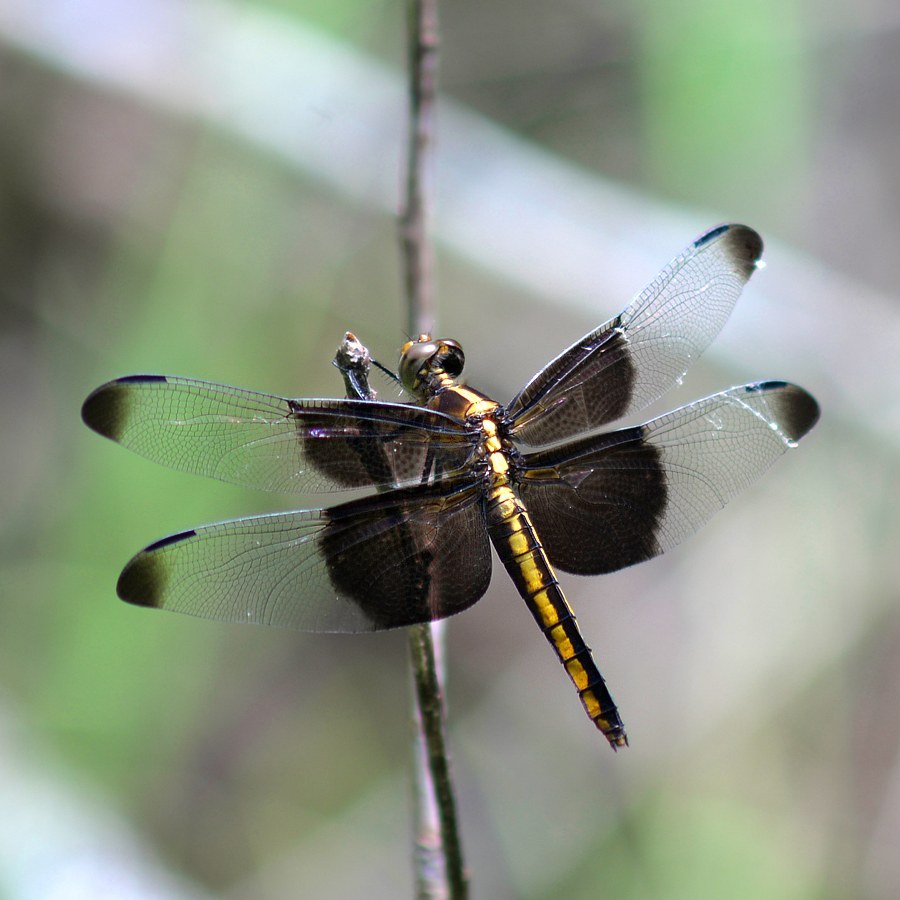
Widow Skimmer
ponds, lakes, and slow-moving streams with open shoreline vegetation across much of the United States
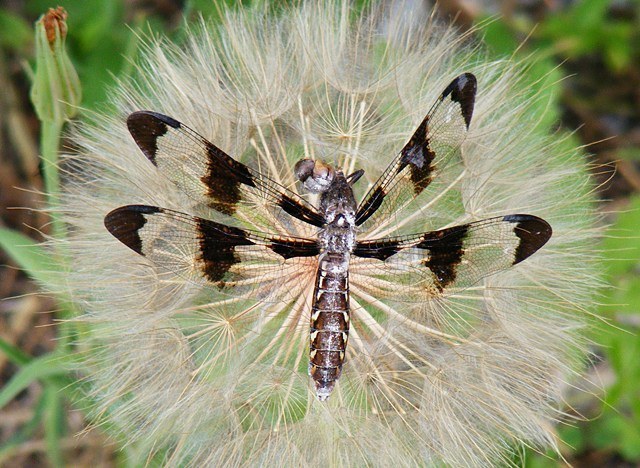
Twelve-spotted Skimmer
Ponds, lakes, and slow streams with open, sunny shorelines
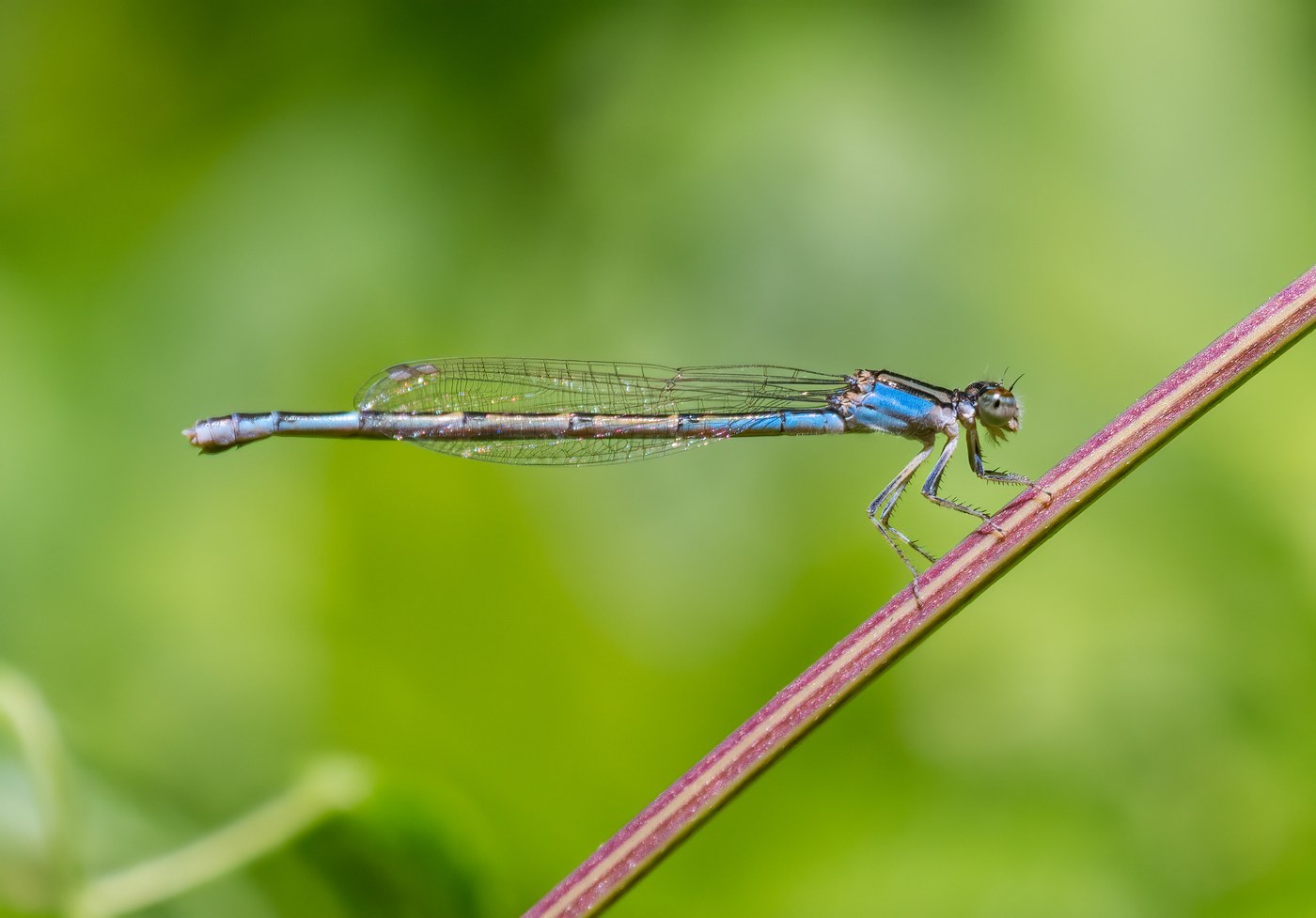
Azure Bluet
ponds, lakes, and slow streams with abundant aquatic vegetation
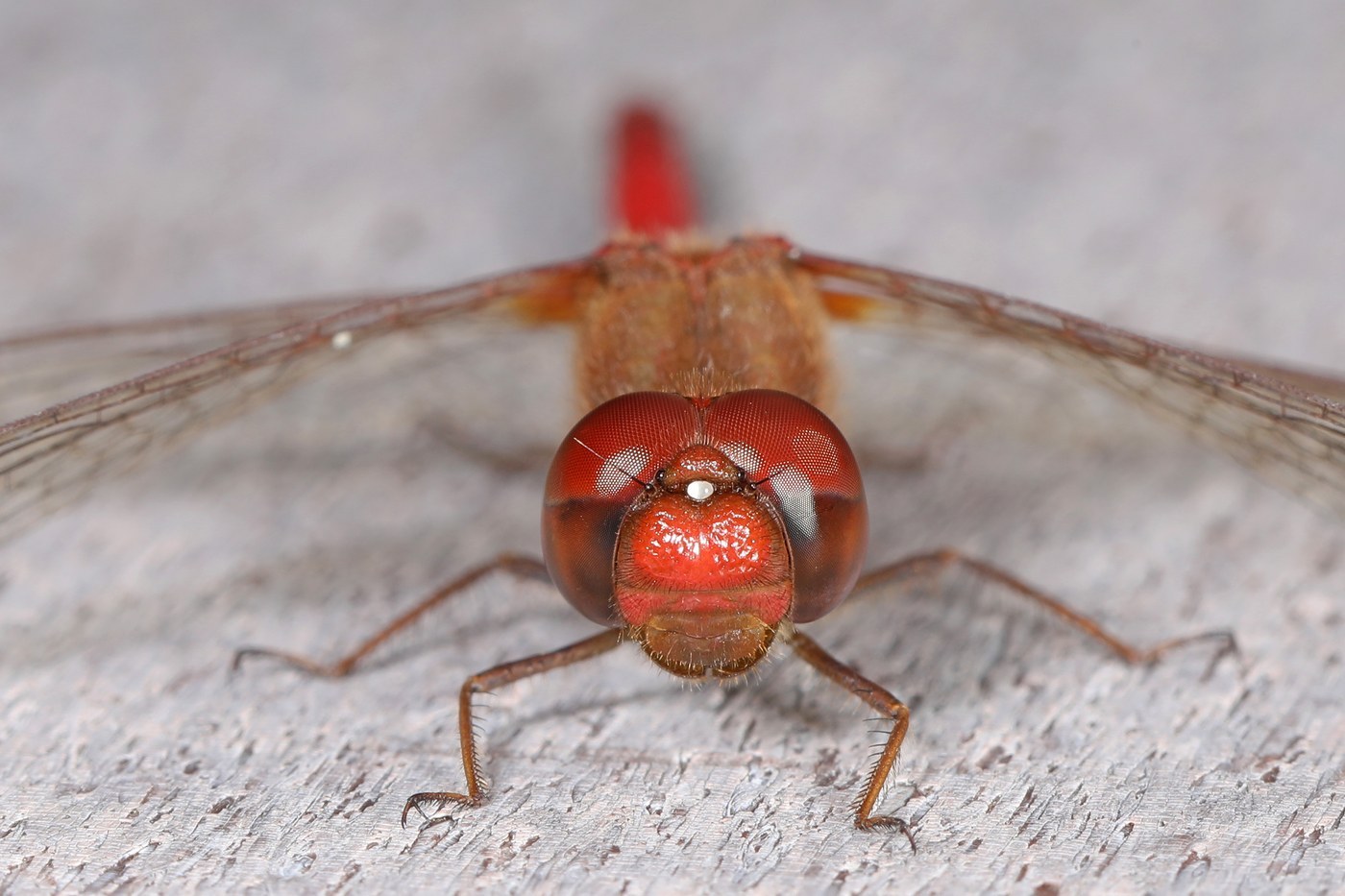
Autumn Meadowhawk
Ponds, marshes, and slow streams, often lingering into late fall
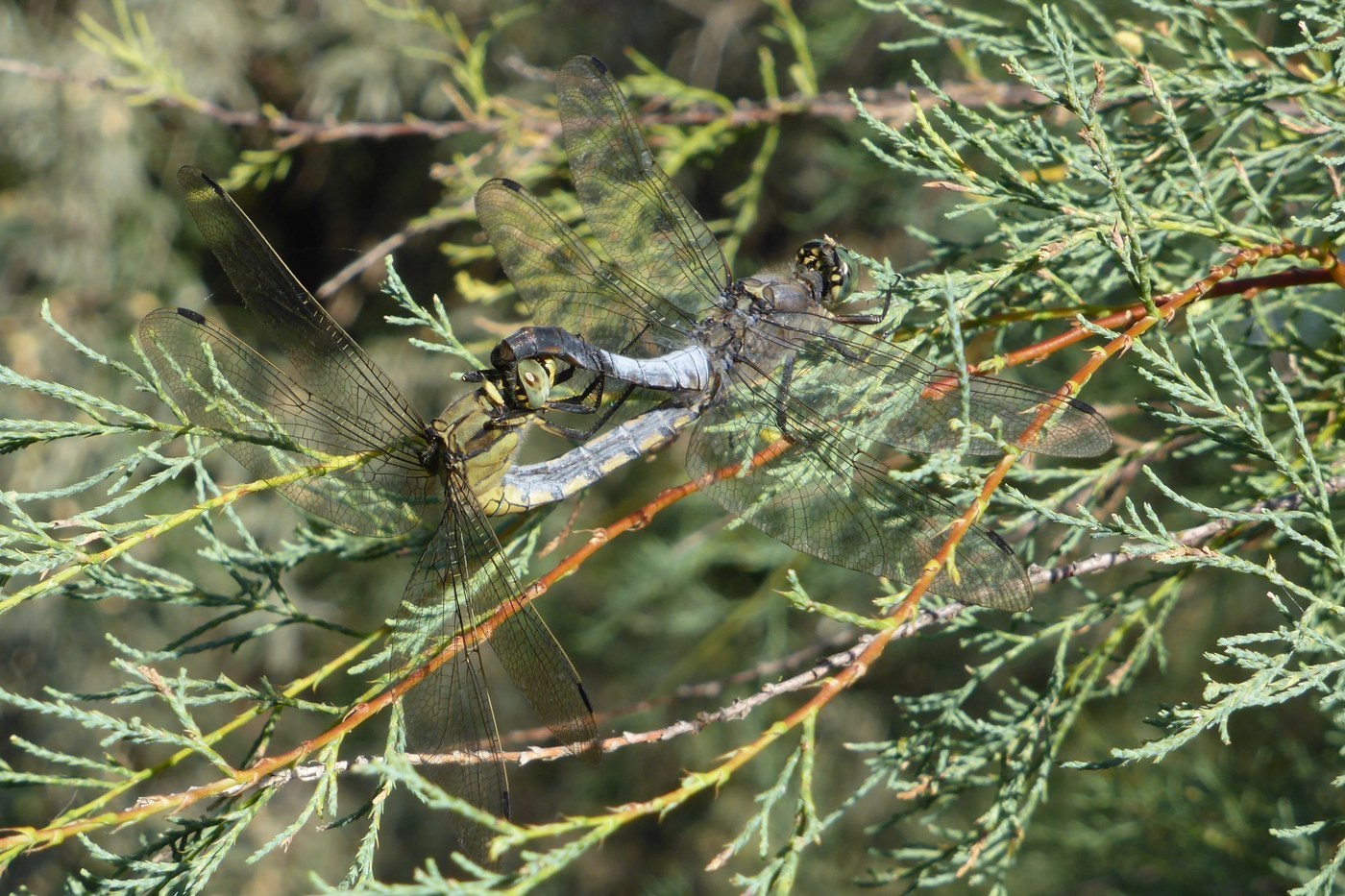
Spangled Skimmer
Ponds, lakes, and marshes with open sunny shorelines
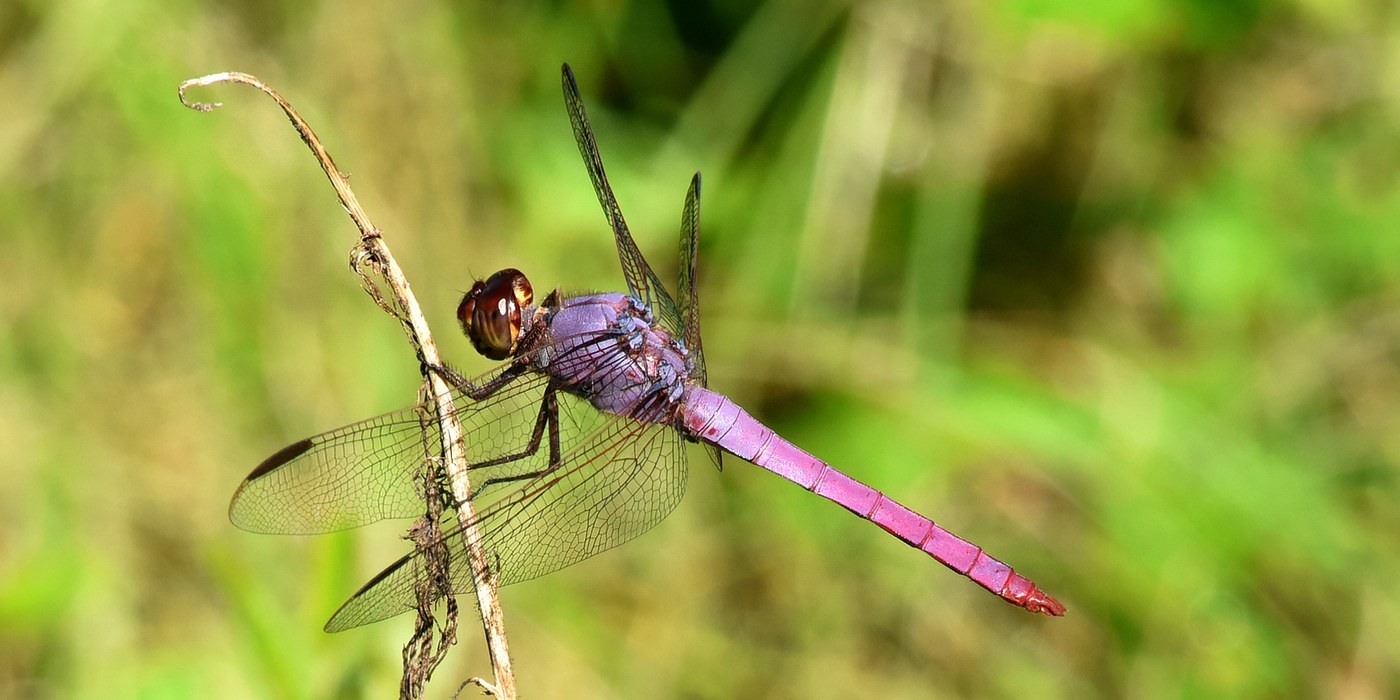
Roseate Skimmer
Ponds, ditches, and canals across the southern United States
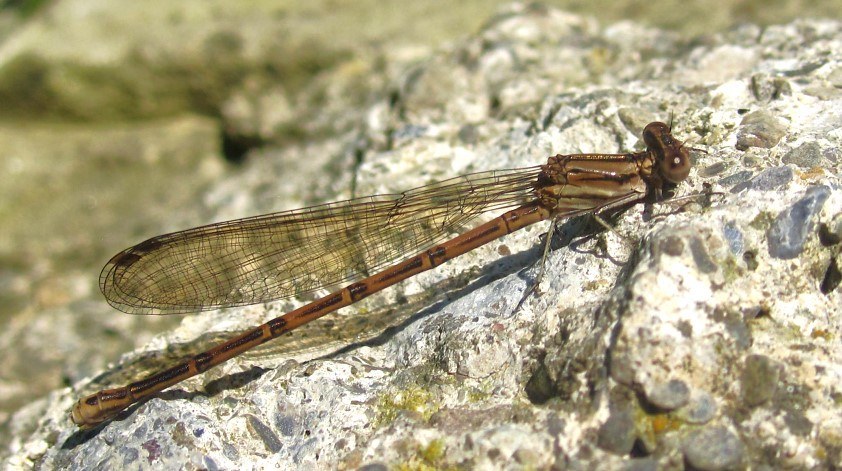
Variable Dancer
streams, rivers, and pond margins, especially in wooded or partly shaded settings
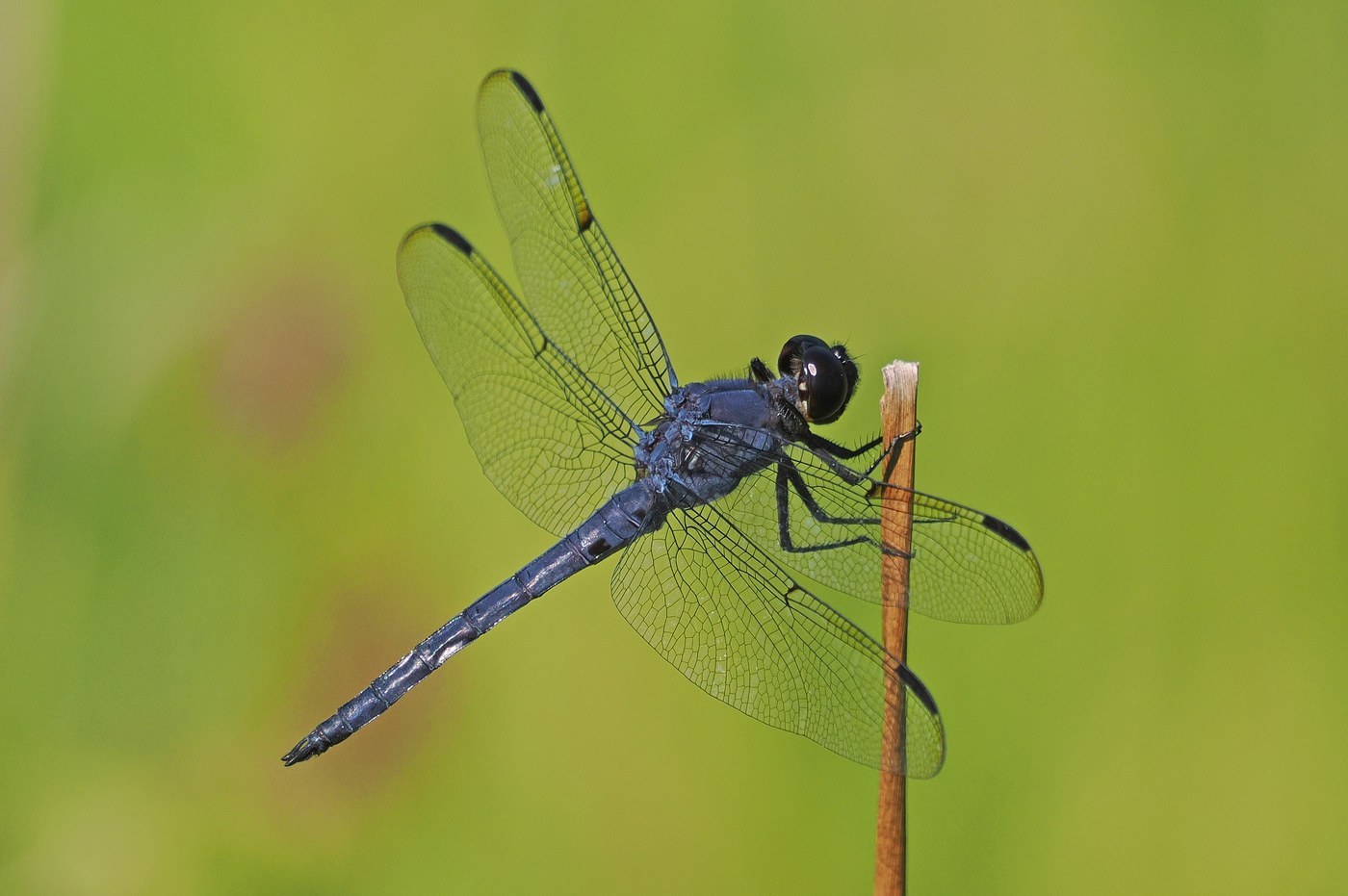
Slaty Skimmer
Still or slow-moving ponds, lakes, and marshes with open shoreline
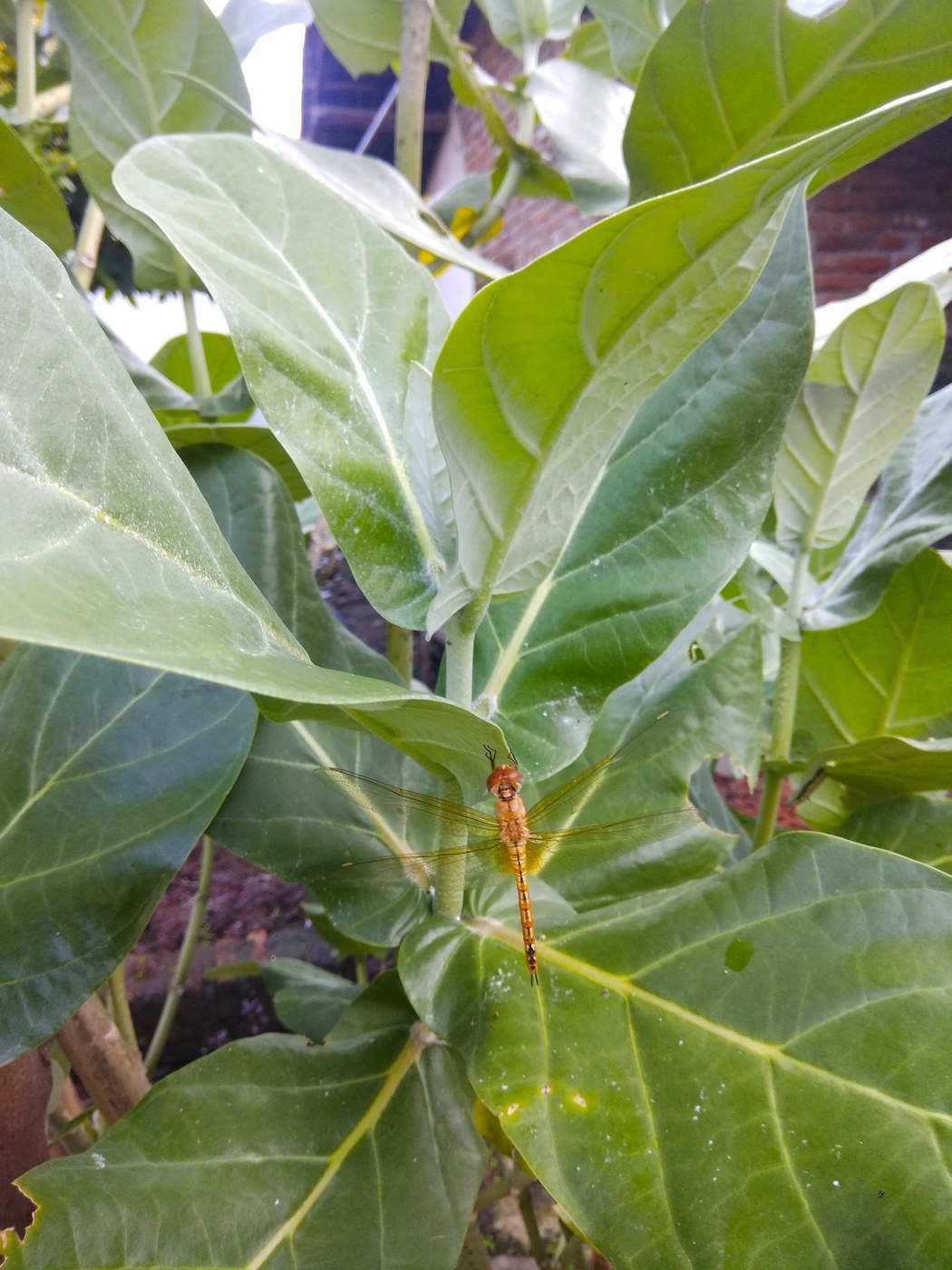
Wandering Glider
Temporary pools, open fields, and coastlines nearly worldwide
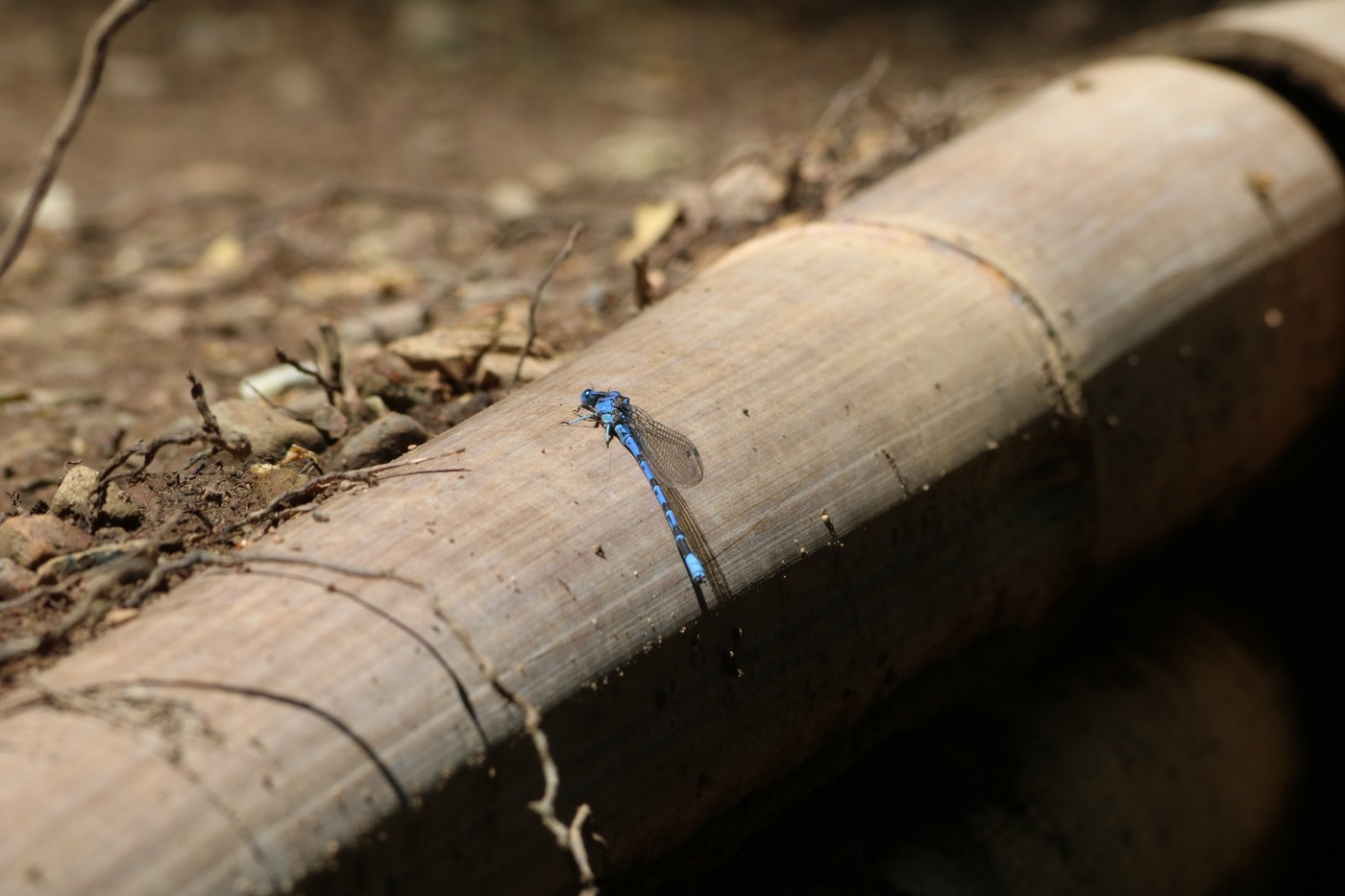
Vivid Dancer
rocky streams, seeps, and spring-fed creeks, often near thermal or warm springs
Painted Skimmer
Ponds, marshes, and slow-moving vegetated waters, including temporary pools
Powdered Dancer
rocky and gravelly rivers, streams, and lake shorelines