
Giant Centipede
Scolopendra spp.
A long, fast-moving, many-legged predator with a hardened segmented body and a pair of venom-injecting claws behind the head that it uses to overpower prey far larger than itself.
- Size
- 15-30 cm (6-12 in) depending on species
- Habitat
- Tropical, subtropical, and warm temperate forests, deserts, and grasslands worldwide
- Danger
- Bites
Spotted a bug like this?
Identify any bug or insect from a photo, free.
Overview
Giant centipedes are large, powerful predatory myriapods belonging to the genus Scolopendra, found across warm regions of the world. They are among the largest centipedes on Earth, with elongated, segmented bodies and a pair of modified front legs called forcipules that deliver a venomous bite used to immobilize prey.
These centipedes are fast, agile hunters that move with a distinctive rippling gait across many pairs of legs, one pair per body segment. Their tough, flattened exoskeleton allows them to squeeze into tight crevices while still providing protection, and their long antennae help detect prey and navigate in the dark.
As top invertebrate predators in their leaf litter and soil ecosystems, giant centipedes help regulate populations of insects and other small animals, occupying an important niche as nocturnal hunters within tropical and warm temperate food webs.
How to Identify
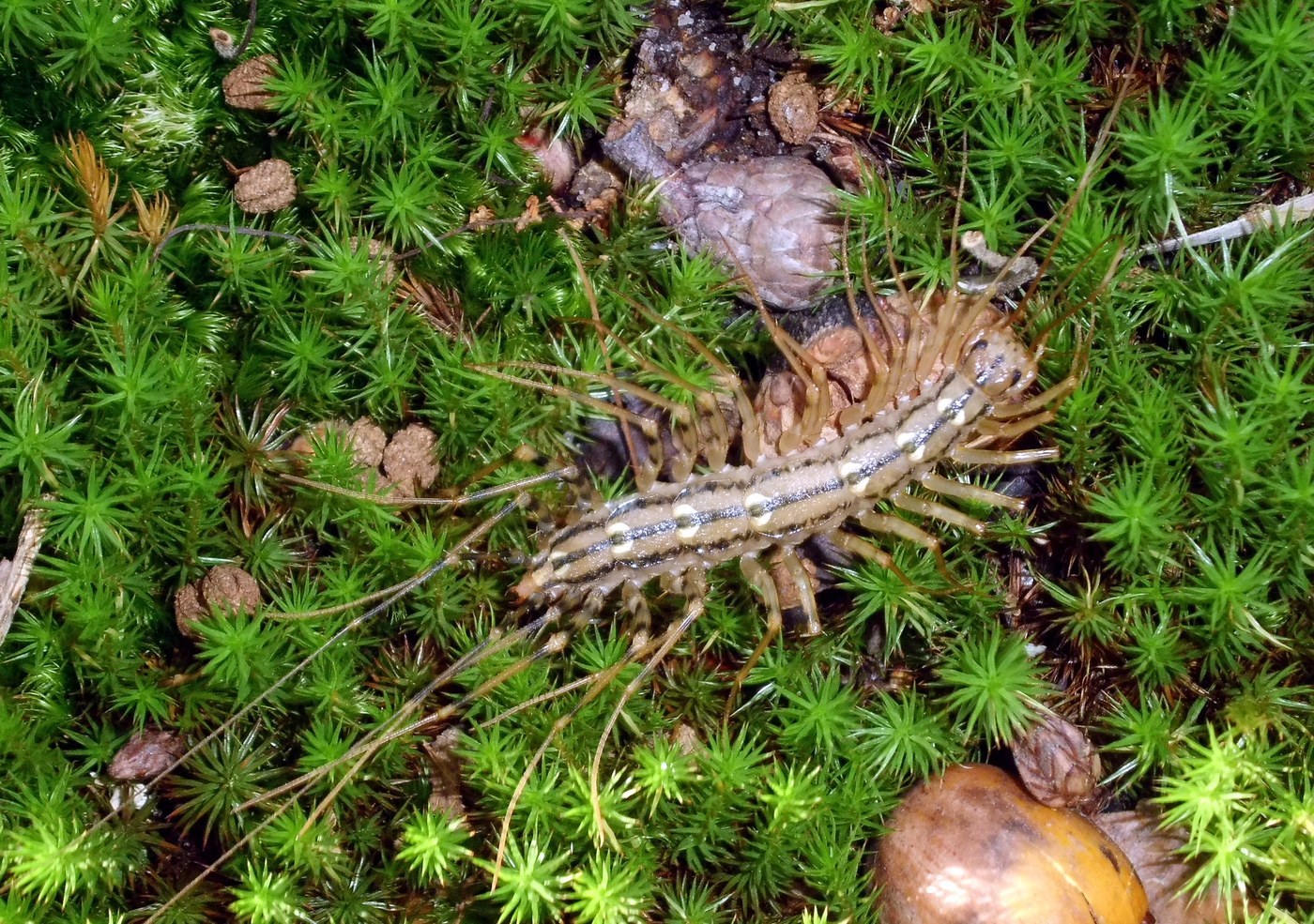
- Long, segmented body typically 15 to 30 cm depending on species, often colored in banded patterns of reddish-brown, orange, olive, or black
- One pair of legs per body segment, with legs often tipped in a contrasting color such as yellow or blue
- A single pair of long, whip-like antennae at the head
- Forcipules (fang-like modified front legs) located just behind the head, used for injecting venom into prey
- Flattened, somewhat leathery body allowing movement through tight spaces
- Distinguished from millipedes by having only one pair of legs per segment (millipedes have two) and by their faster, more aggressive movement
Habitat & Range
Giant centipedes are found throughout tropical, subtropical, and warm temperate regions worldwide, including parts of the southern United States, Central and South America, Africa, and Asia. They favor moist, sheltered microhabitats such as leaf litter, under logs and rocks, and within loose soil or burrows.
They are primarily nocturnal, remaining hidden during the day in humid retreats to avoid desiccation, and emerging at night to hunt when humidity rises and temperatures cool. Some species also tolerate drier, semi-arid habitats where they burrow to escape extreme heat.
Behavior & Diet
These centipedes are active nocturnal predators that hunt a wide range of prey, including insects, spiders, worms, and in the case of the largest species, occasionally small vertebrates such as lizards, frogs, or rodents. They use their sensitive antennae to detect prey movement before rushing forward and gripping it with their forcipules to inject venom and subdue it.
Giant centipedes are solitary and territorial, generally avoiding one another outside of mating, and can be cannibalistic if individuals encounter each other. Within their ecosystems they serve as important mid-to-top level invertebrate predators, helping control populations of insects and other small animals in the soil and leaf litter layers.
Life Cycle
Female giant centipedes lay clutches of eggs in a sheltered burrow or crevice and, in many species, coil around the eggs to guard and clean them until hatching, an unusual degree of maternal care among arthropods. Newly hatched young resemble small versions of the adults and gradually add body segments and legs through successive molts.
Juveniles continue to molt periodically as they grow toward adult size over a period of one to several years depending on species. Giant centipedes can be relatively long-lived for invertebrates, with some species surviving several years to a decade or more in the wild.
Frequently asked questions
How many legs does a giant centipede have?
The number varies by species, but they always have exactly one pair of legs per body segment, with total leg counts commonly ranging from about 21 to 23 pairs.
How is a giant centipede different from a millipede?
Centipedes have one pair of legs per segment and move quickly as active predators, while millipedes have two pairs per segment, move more slowly, and mainly feed on decaying plant matter.
What do giant centipedes eat?
They prey on insects, spiders, worms, and other small invertebrates, with the largest species occasionally taking small vertebrates like lizards or frogs.
Do female giant centipedes care for their eggs?
Yes, many species coil protectively around their egg clutches and newly hatched young, guarding and cleaning them until the offspring are ready to disperse.
Giant Centipede guides
In-depth guides for identifying, understanding, and living alongside Giant Centipede.
Other bugs you may enjoy
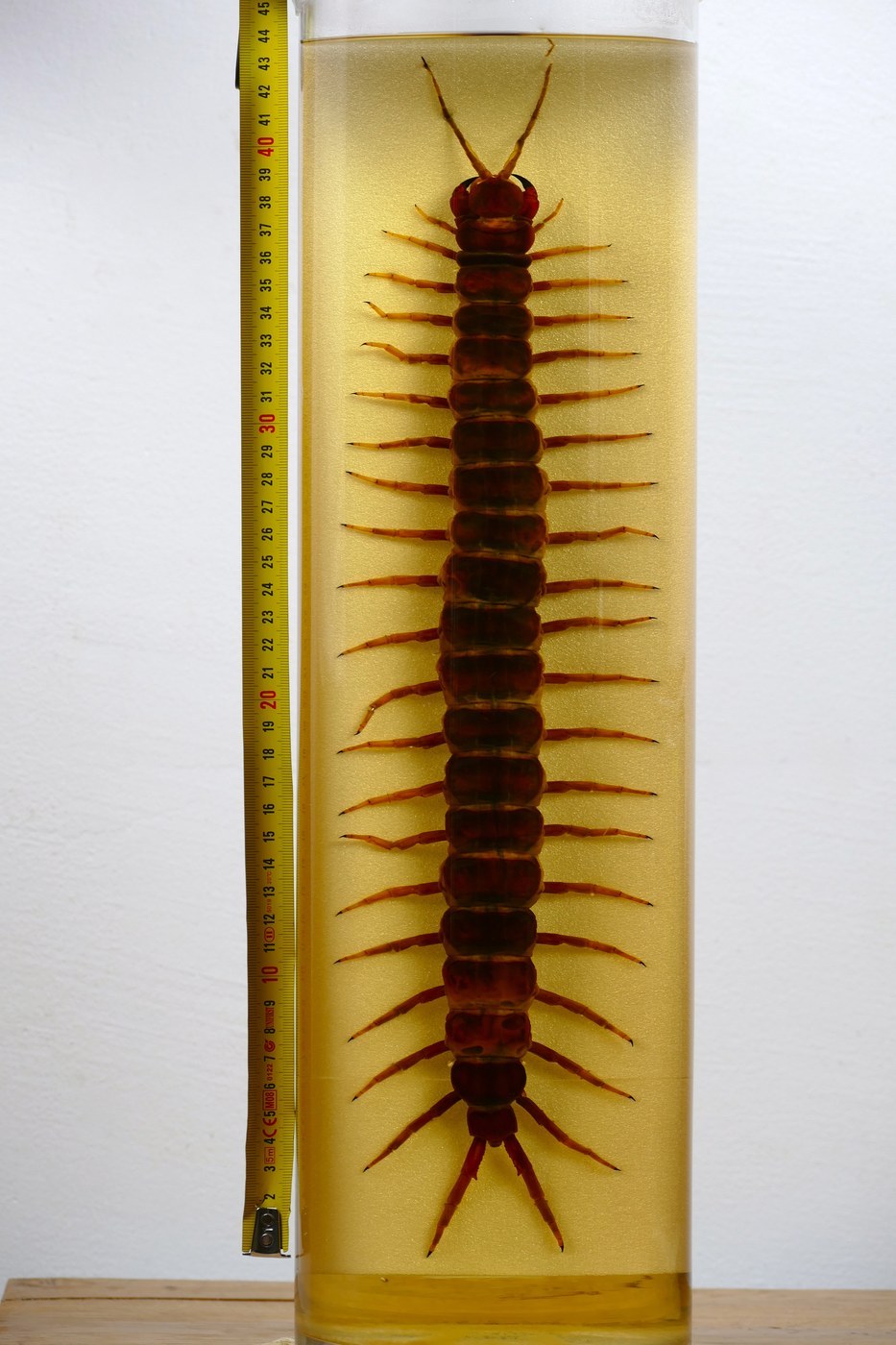
Amazonian Giant Centipede
Tropical rainforests and caves of northern South America and nearby Caribbean islands
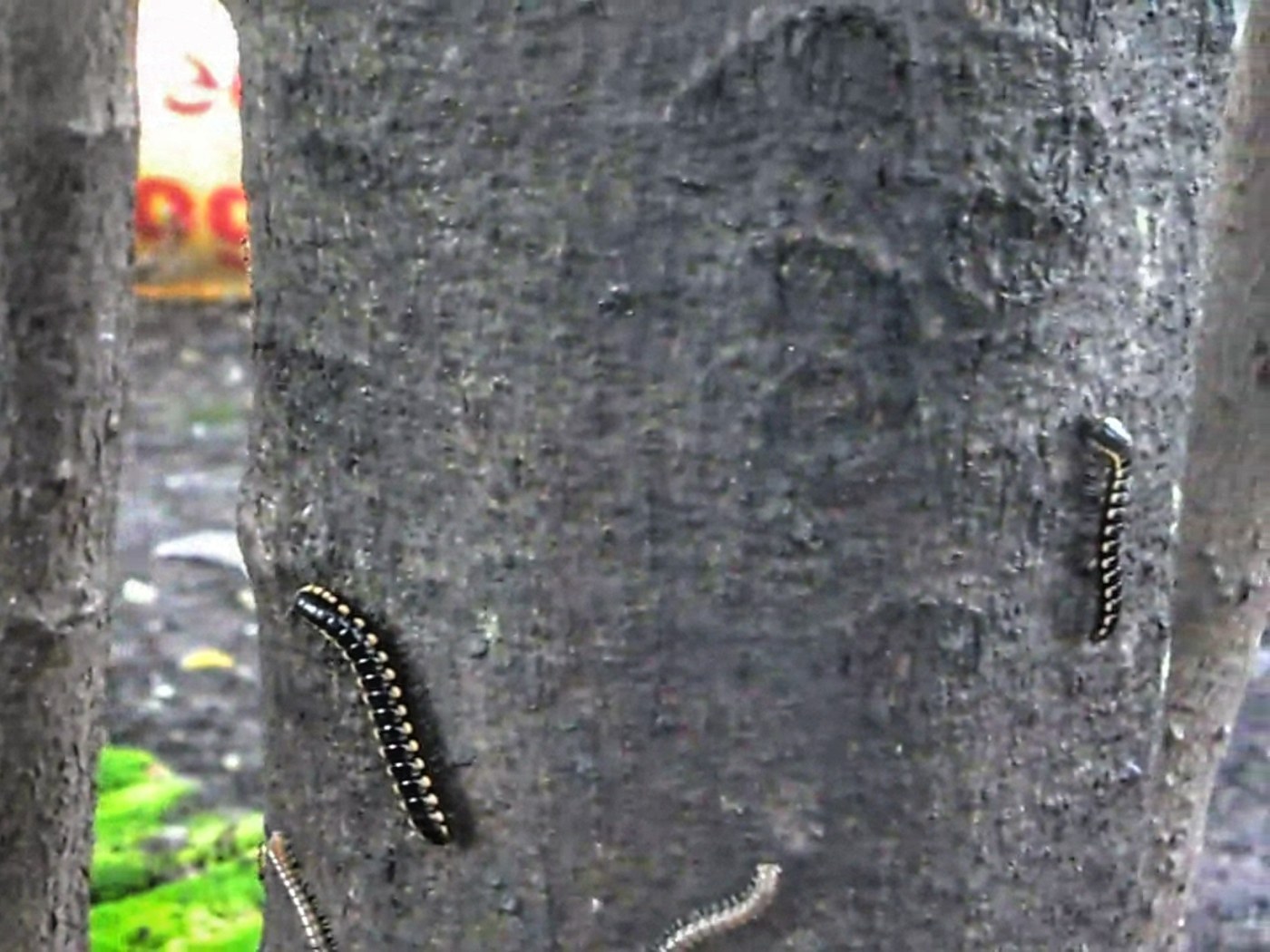
Yellow-spotted Millipede
Moist coniferous and mixed forests of the Pacific Northwest
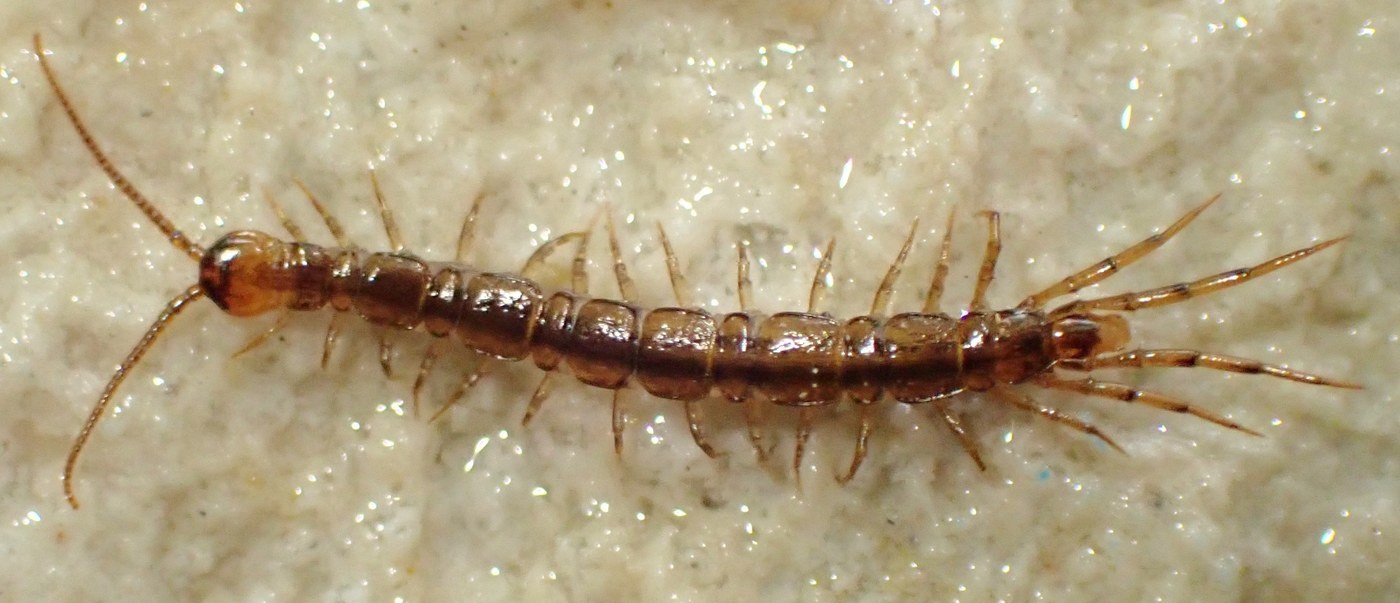
Stone Centipede
Under stones, bark, and soil in gardens and woodlands
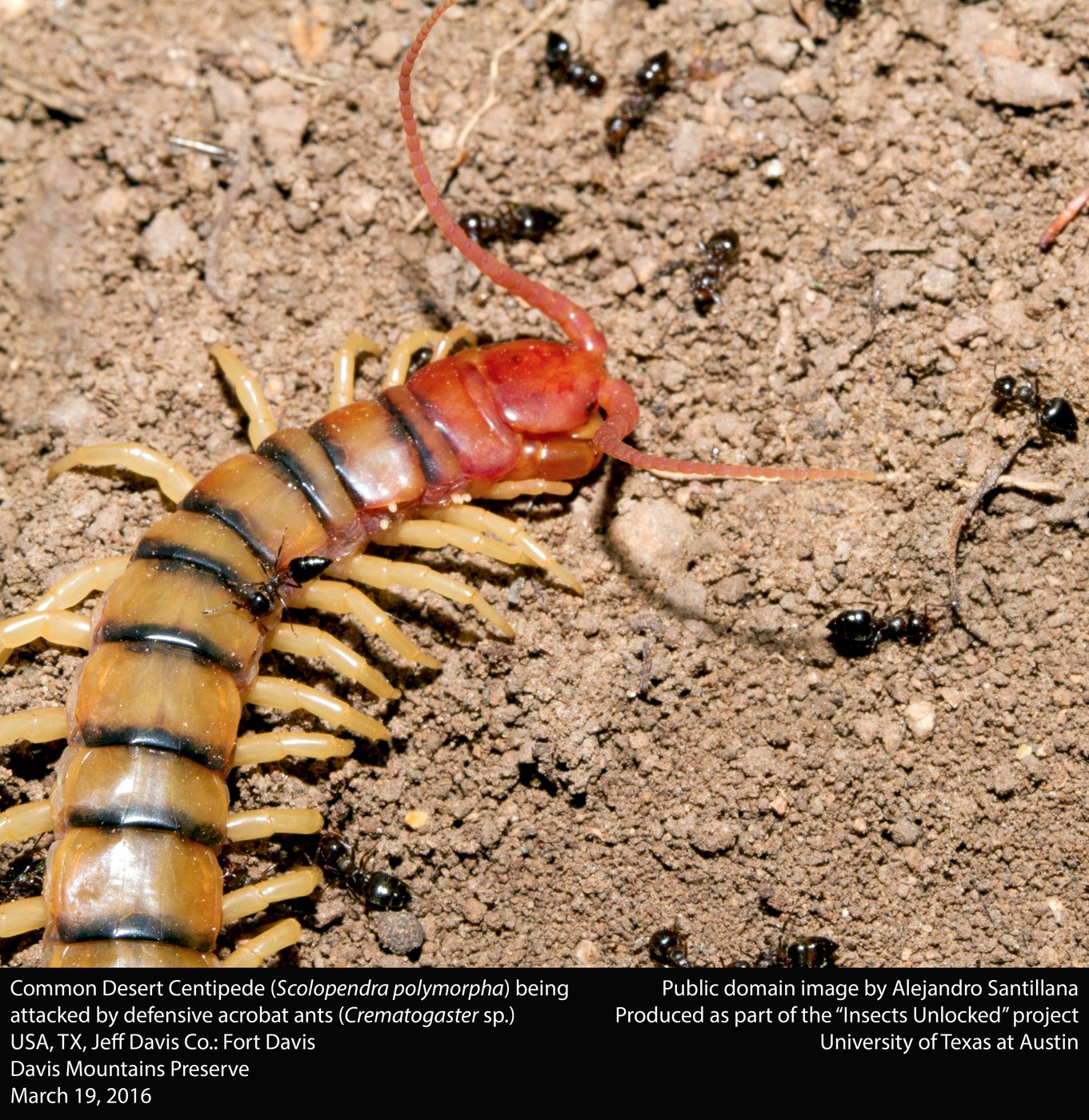
Tiger Centipede
Arid deserts, scrubland, and rocky terrain of the southwestern US and Mexico
Pill Millipede
Leaf litter, forest floors, and moist soil in temperate and tropical regions
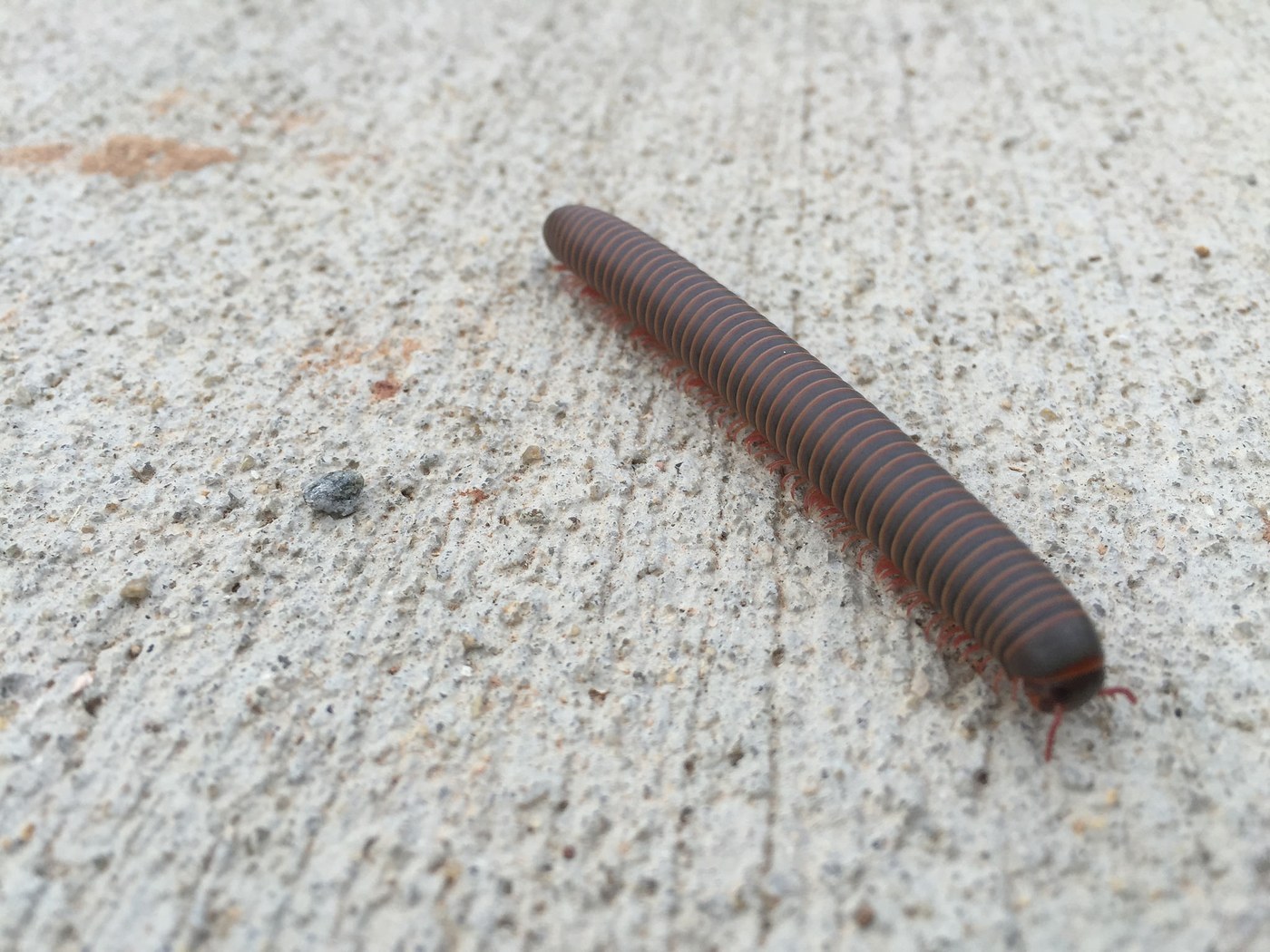
Millipede
Leaf litter, mulch, damp soil, and under logs, bark, and stones
Soil Centipede
Deep soil, leaf litter, and decaying wood
Snake Millipede
Moist soil, leaf litter, and decaying plant material
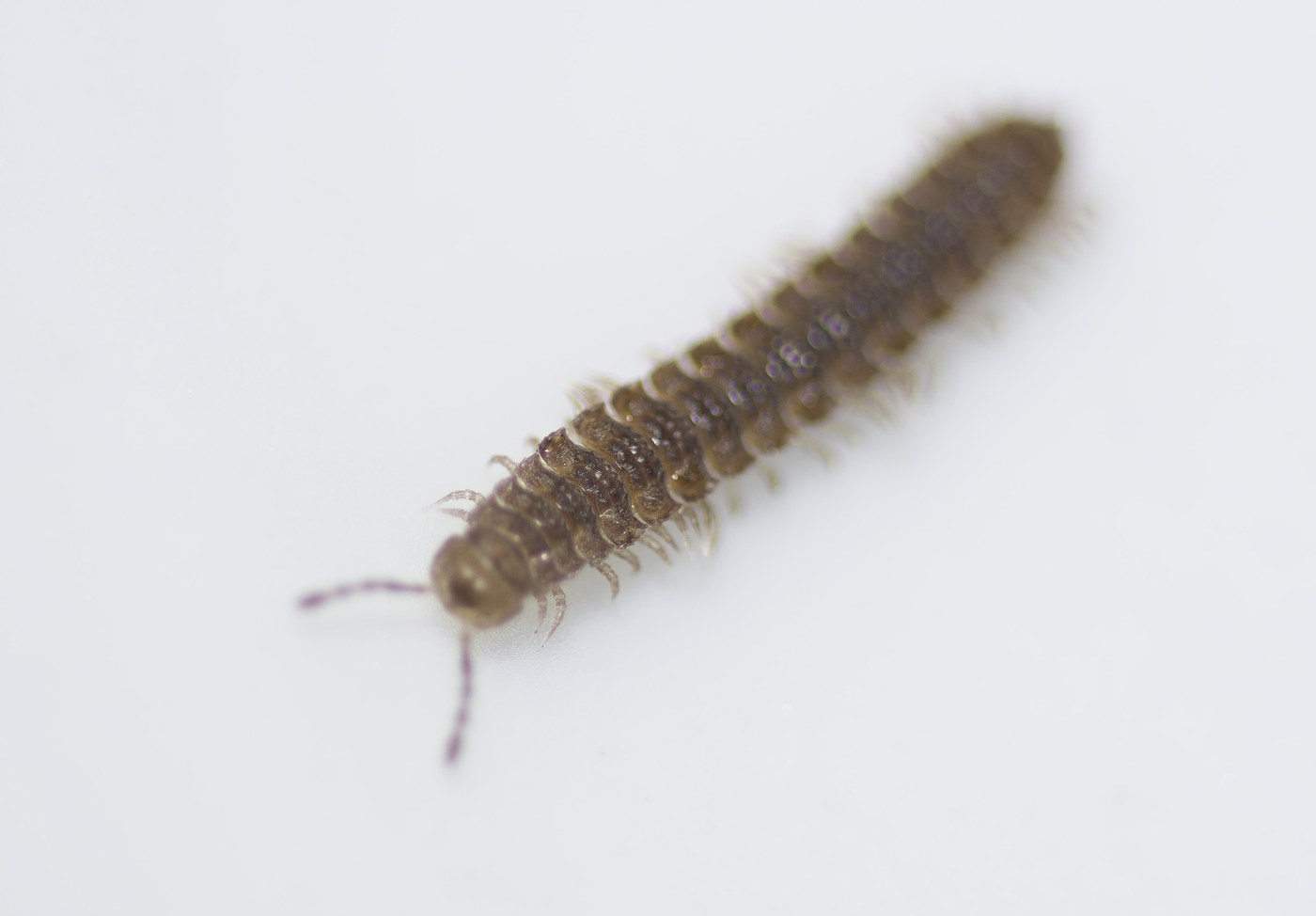
Flat-backed Millipede
Leaf litter, mulch, and damp soil in gardens and woodlands
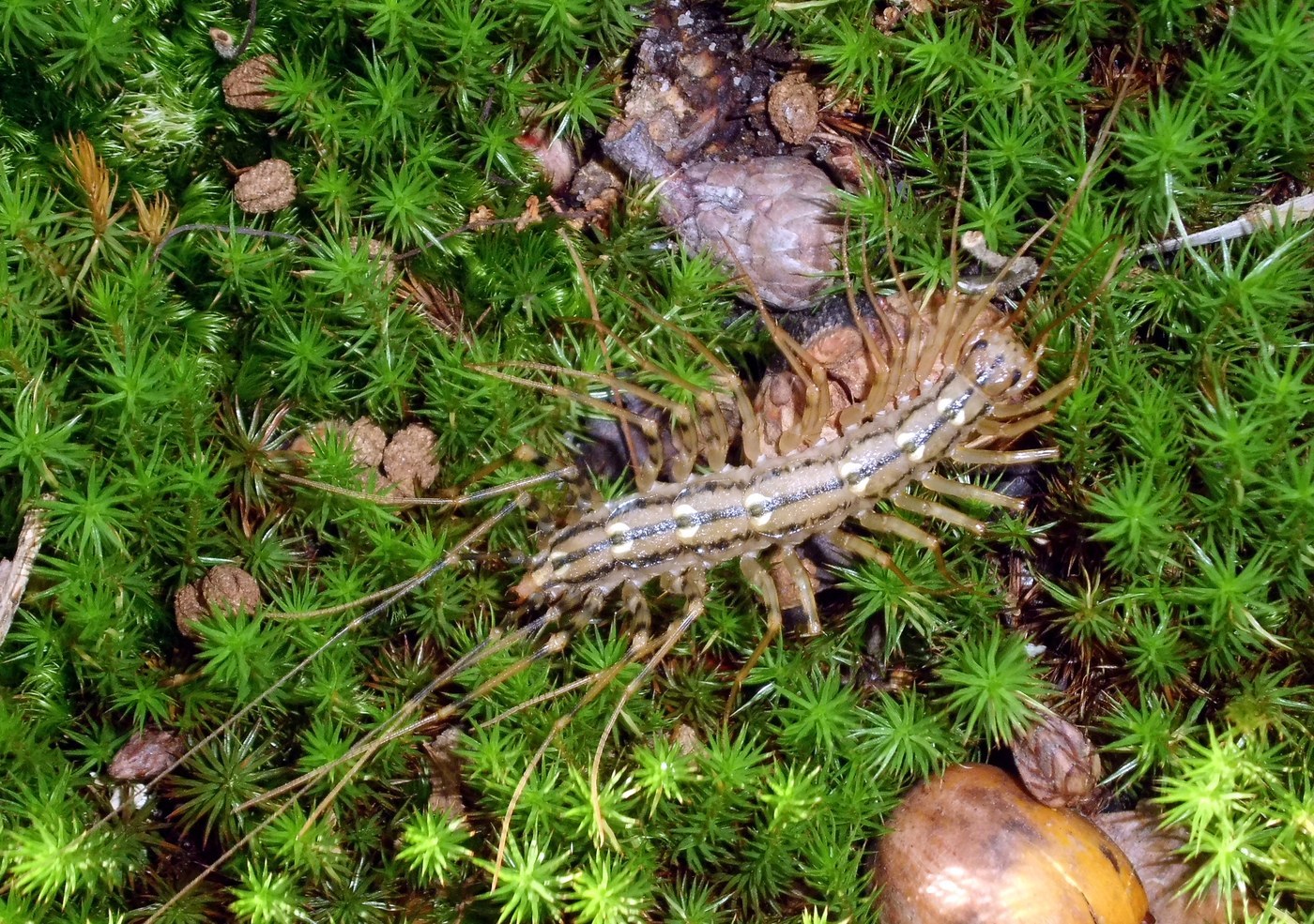
House Centipede
Damp basements, bathrooms, leaf litter
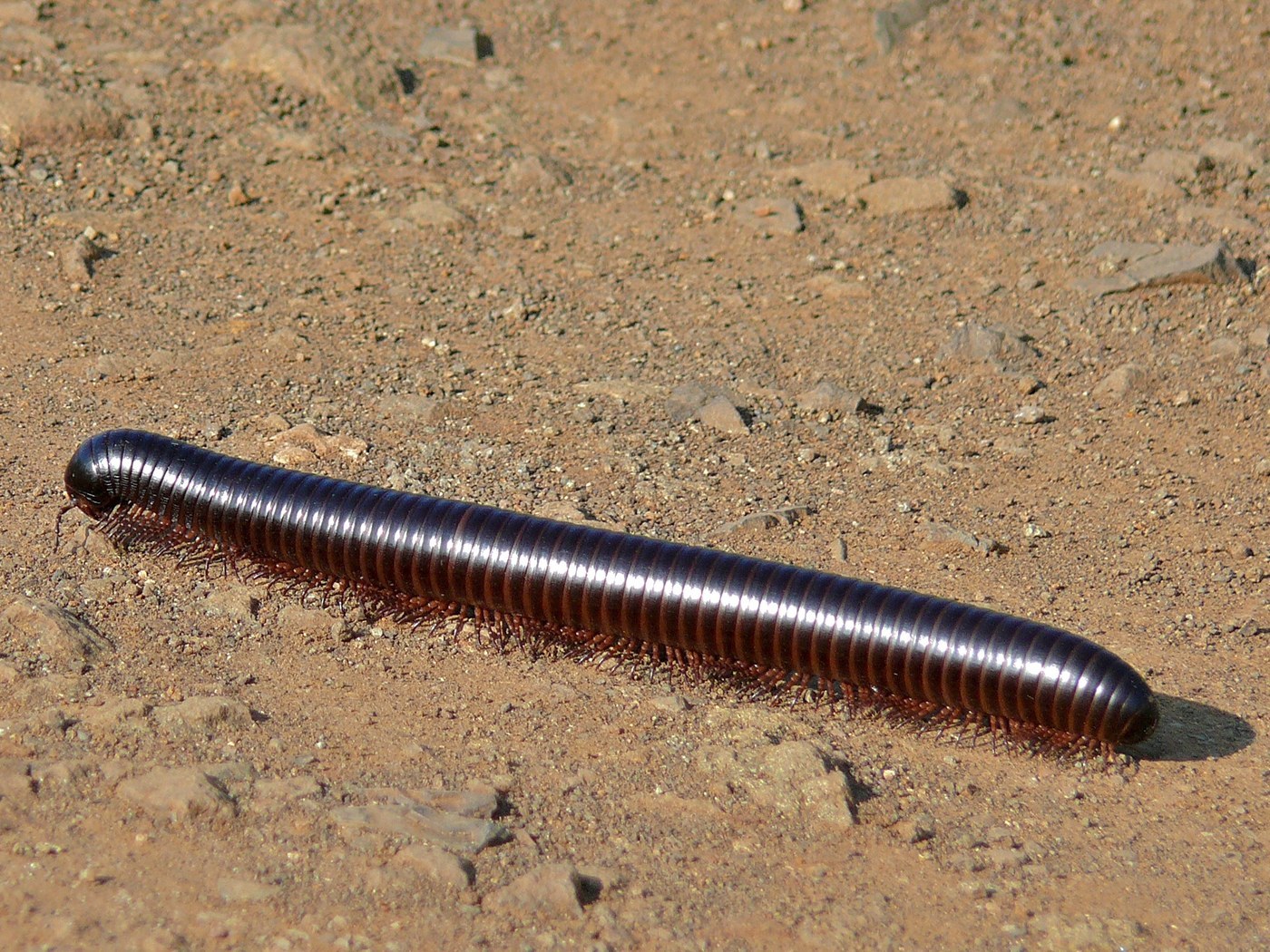
Giant African Millipede
Tropical forests and moist lowlands of East Africa
Centipede
Damp, dark places such as basements, bathrooms, leaf litter, and under rocks and logs