
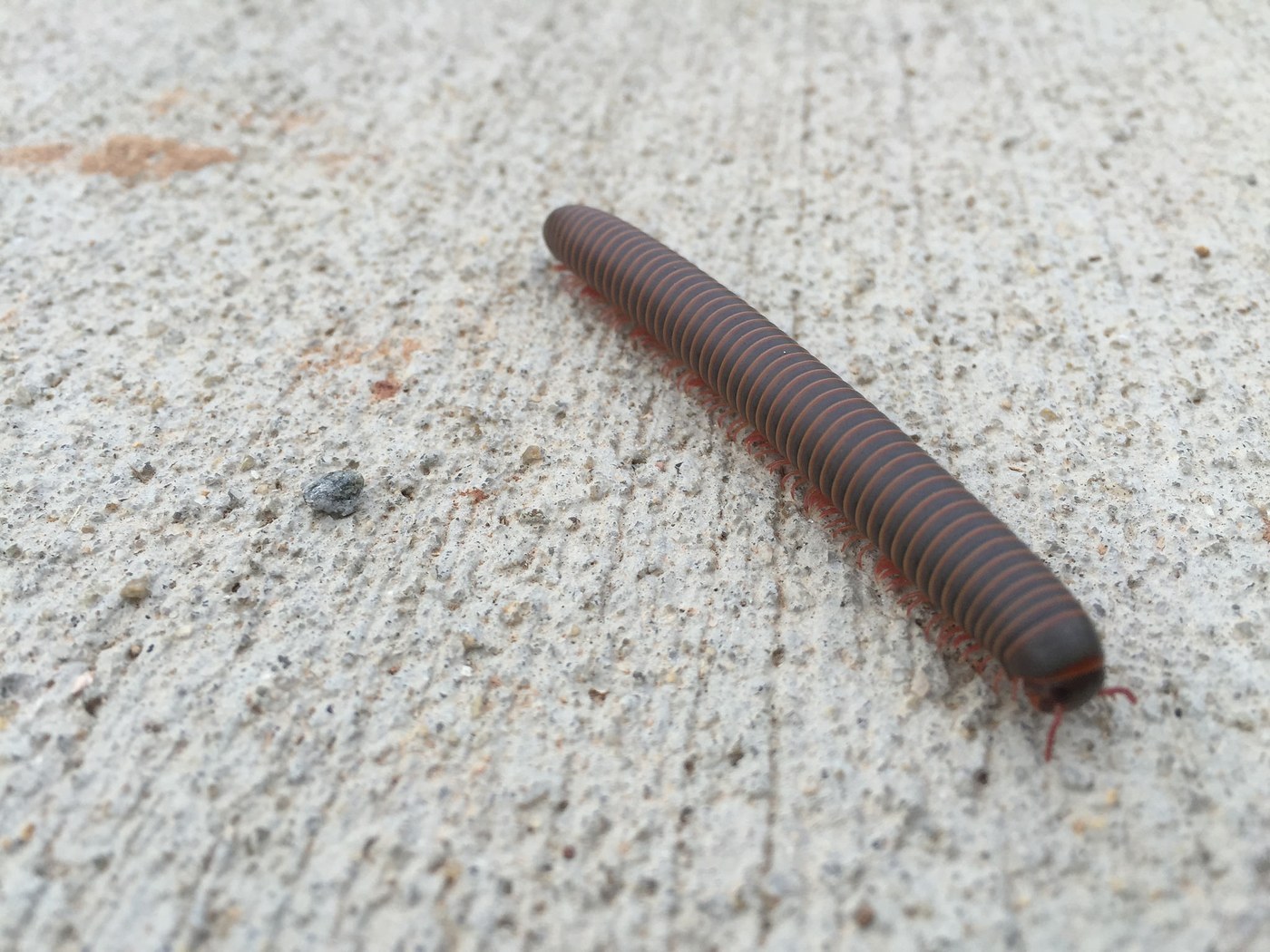
Millipede
Narceus americanus
A slow-moving, cylindrical, many-legged detritivore with two pairs of legs per body segment, often seen curling into a tight spiral when disturbed.
- Size
- 20–100+ mm depending on species
- Habitat
- Leaf litter, mulch, damp soil, and under logs, bark, and stones
- Danger
- Harmless
Spotted a bug like this?
Identify any bug or insect from a photo, free.
Overview
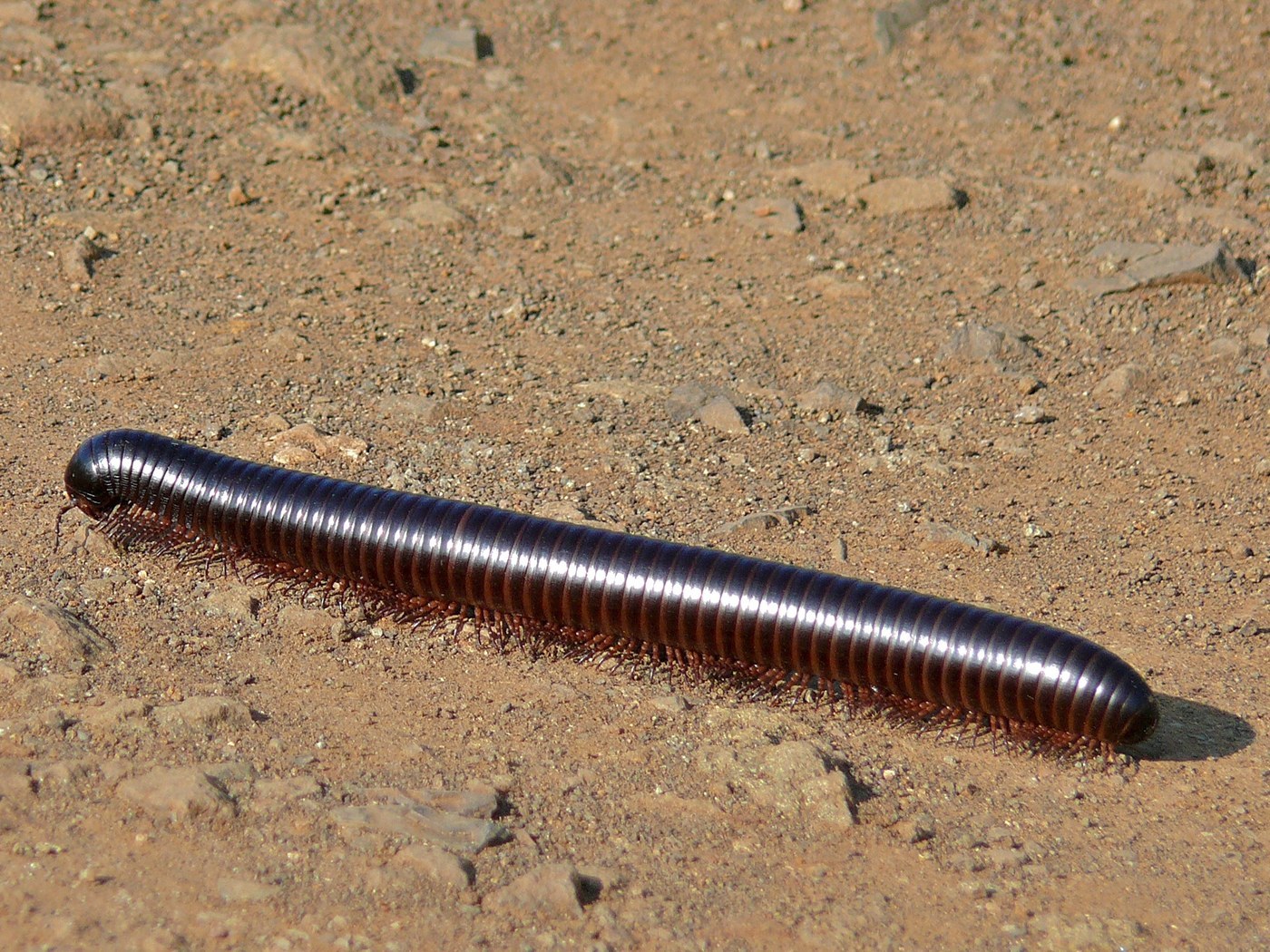
Millipedes are myriapods in the class Diplopoda, distinct from insects and closely related to centipedes, characterized by long, cylindrical (or sometimes flattened) bodies divided into numerous segments, most of which bear two pairs of legs each—a hallmark that distinguishes them from centipedes, which have only one pair per segment. Species like the large North American millipede exemplify the group's slow, methodical, ground-dwelling lifestyle.
Millipedes are primarily detritivores, feeding on decaying plant material, and are considered important decomposers in forest and garden ecosystems, helping break down leaf litter and dead wood and returning nutrients to the soil. Their gentle, plant-material diet contrasts with the predatory habits of centipedes, despite the two groups' superficially similar many-legged appearance.
Globally there are many thousands of described millipede species, ranging from a few millimeters to many centimeters long, occupying leaf litter and soil habitats on every continent except Antarctica.
How to Identify
- Long, cylindrical (in most common species), segmented body, ranging from about 20 mm to over 100 mm in larger species.
- Two pairs of legs on most body segments, giving a dense, rippling row of legs along each side—more legs per segment than centipedes.
- Slow, deliberate crawling movement in a straight line, in contrast to the fast, darting movement of centipedes.
- Short antennae and no visible pincers or fangs at the head.
- Common defensive behavior: coiling into a tight flat or cylindrical spiral when disturbed, protecting the softer underside and legs.
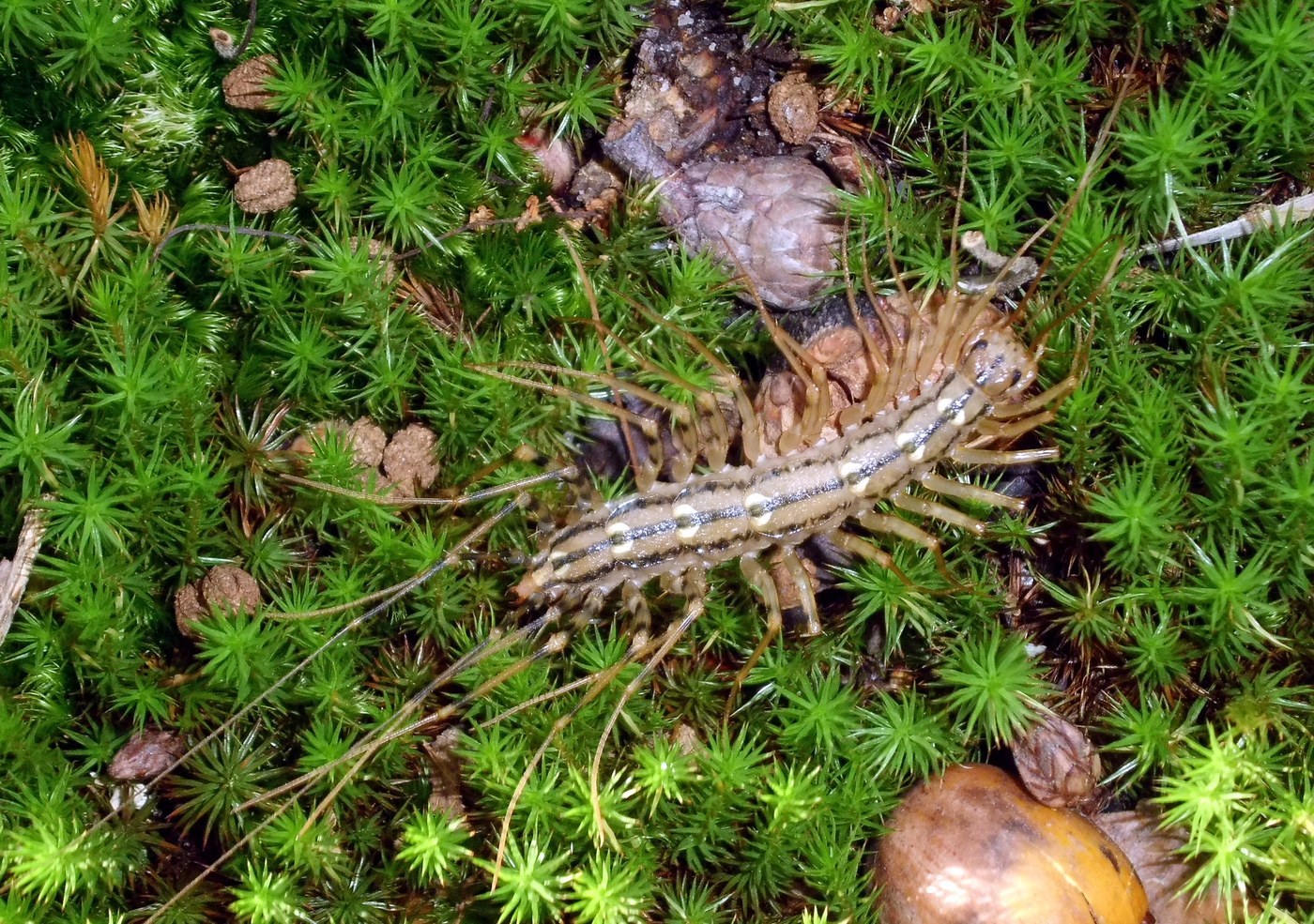
- Lookalikes: centipedes (flattened body, one pair of legs per segment, fast movement, and pincer-like front appendages, versus the millipede's rounded body, two leg pairs per segment, and slow gait).
Habitat & Range
Millipedes are found worldwide in a wide range of climates, favoring consistently moist microhabitats such as leaf litter, mulch, rotting logs, compost, and damp soil. They are most active during warm, humid conditions, often emerging after rain, and are typically found under bark, stones, or organic debris during dry or cold periods.
They generally avoid direct sunlight and dry conditions, remaining in sheltered, humid spots close to the ground where decaying organic material is abundant.
Behavior & Diet
Millipedes feed primarily on decaying plant matter, including leaf litter, rotting wood, and other organic debris, making them significant decomposers that recycle nutrients into the soil. They move slowly and deliberately, using their many legs in a coordinated wave-like motion to push through soil, litter, and tight spaces.
When disturbed, many species curl into a tight coil, a passive defensive posture that protects the more vulnerable underside and legs. Some species can also produce defensive secretions from glands along the body as an additional deterrent. They are generally not aggressive and are considered beneficial decomposers within their ecosystems.
Life Cycle
Females lay eggs, often in small clusters in soil or moist debris, sometimes within a simple nest or chamber constructed from soil and secretions. Hatchlings emerge with fewer body segments and legs than an adult and gain additional segments and leg pairs with each successive molt, a growth pattern distinctive to millipedes.
Development to full adult size can take from several months to a few years depending on species and environmental conditions, and some larger species may live for several years. Millipedes typically overwinter as juveniles or adults in sheltered soil or leaf litter, becoming active again as temperatures and moisture levels rise.
Frequently asked questions
How many legs does a millipede actually have?
The number varies by species, from several dozen up to several hundred, but true thousand-leg counts are rare; the name reflects the impression of very many legs rather than a literal count.
How can I tell a millipede from a centipede?
Millipedes have a rounded body with two pairs of legs per segment and move slowly, while centipedes are flattened, have only one pair of legs per segment, and move quickly.
Why does it curl into a spiral when I touch it?
Coiling is a passive defensive behavior that shields the softer underside and legs from potential threats.
What do millipedes eat?
They primarily feed on decaying leaves, wood, and other organic plant debris, making them important decomposers in soil ecosystems.
Millipede guides
In-depth guides for identifying, understanding, and living alongside Millipede.
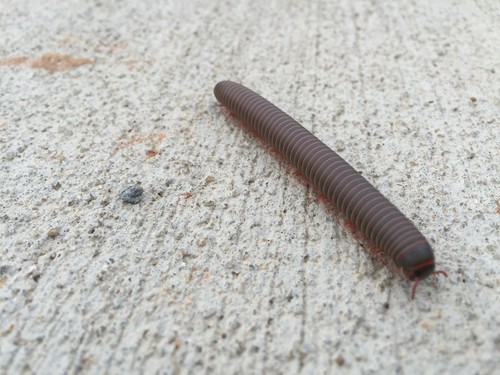
Millipede identified by the community
Real finds identified with Bug Identifier.
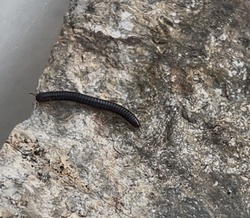
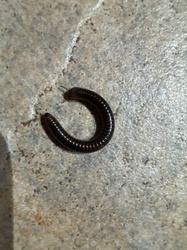

Other bugs you may enjoy
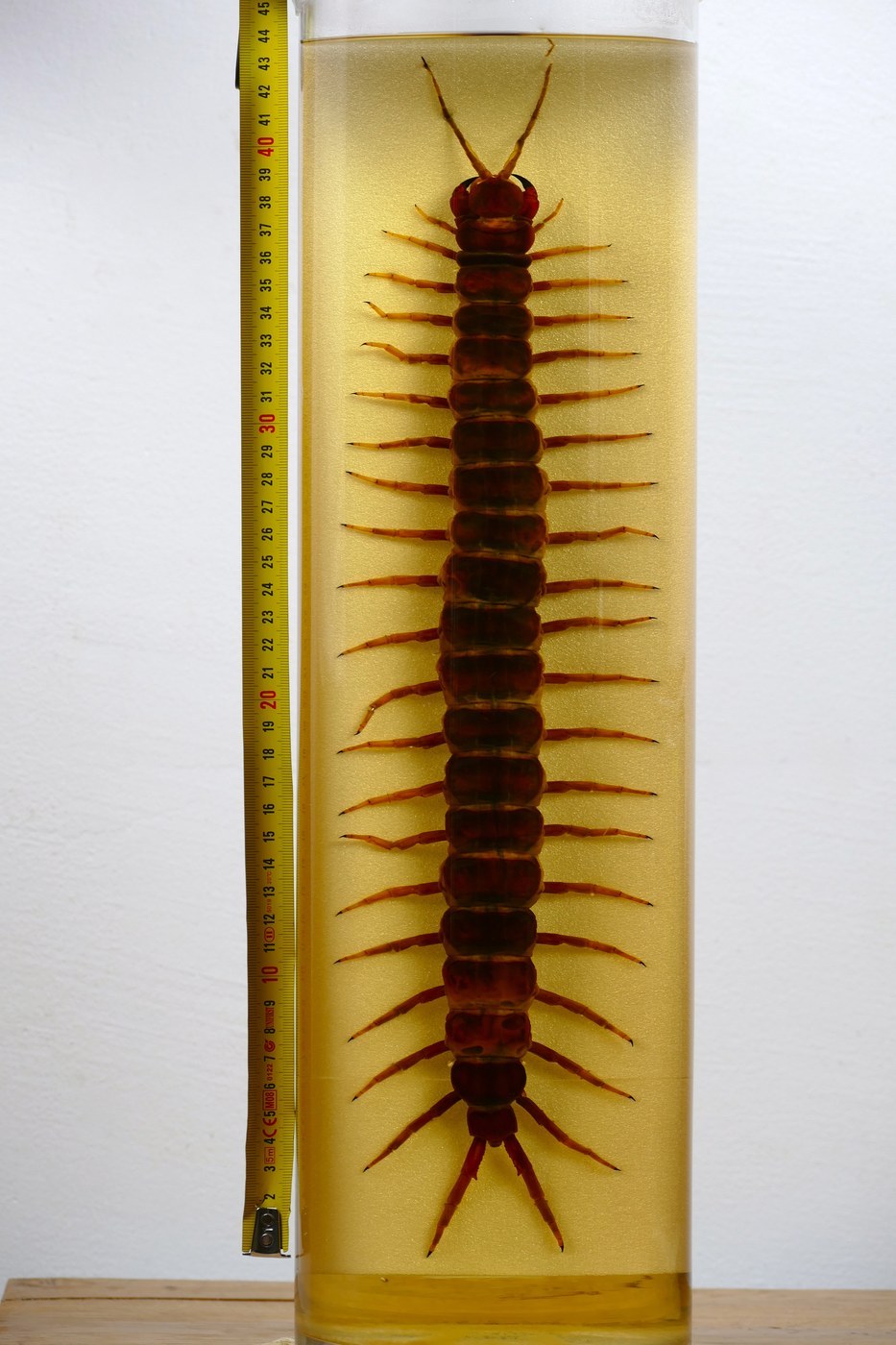
Amazonian Giant Centipede
Tropical rainforests and caves of northern South America and nearby Caribbean islands
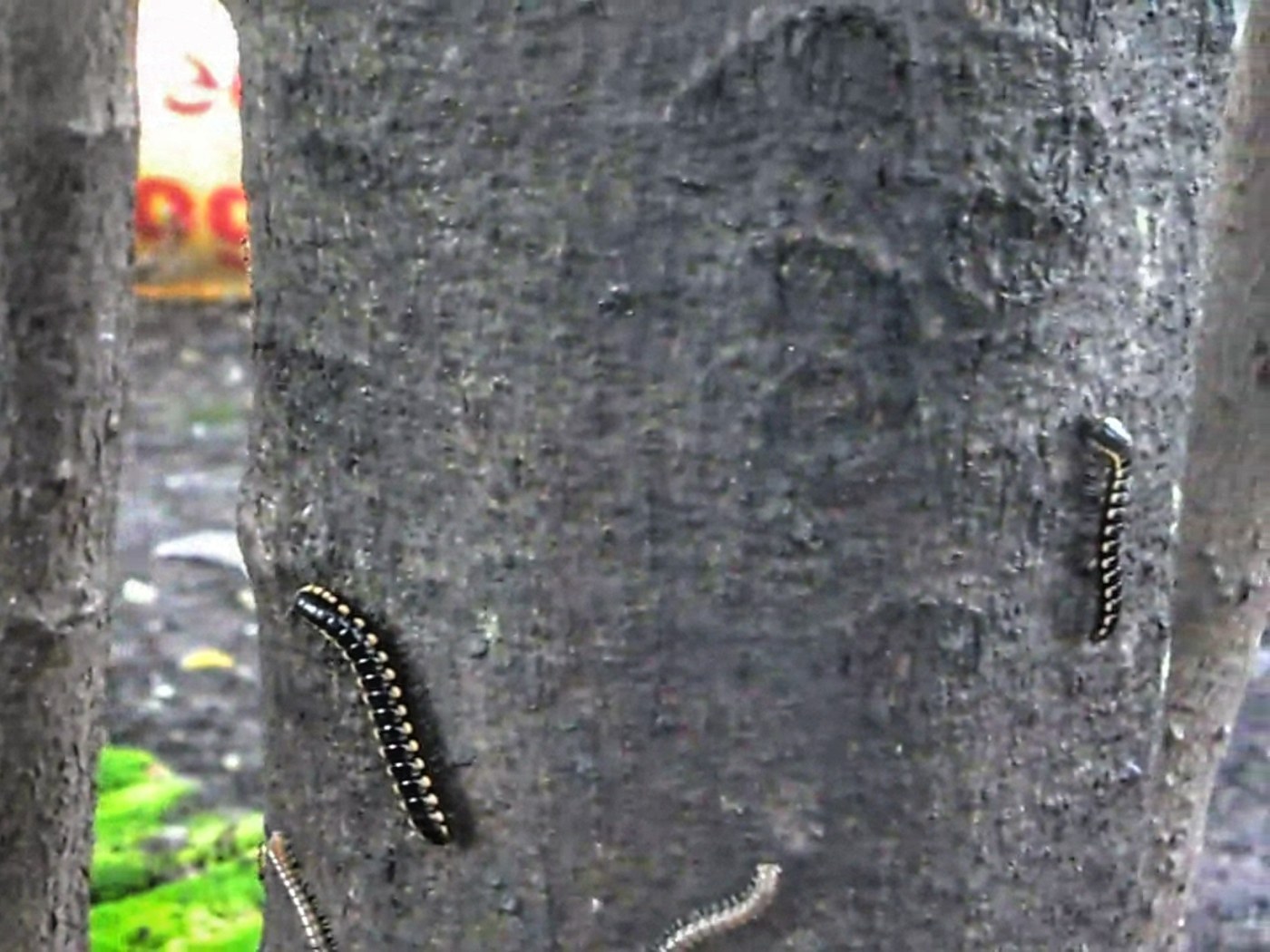
Yellow-spotted Millipede
Moist coniferous and mixed forests of the Pacific Northwest
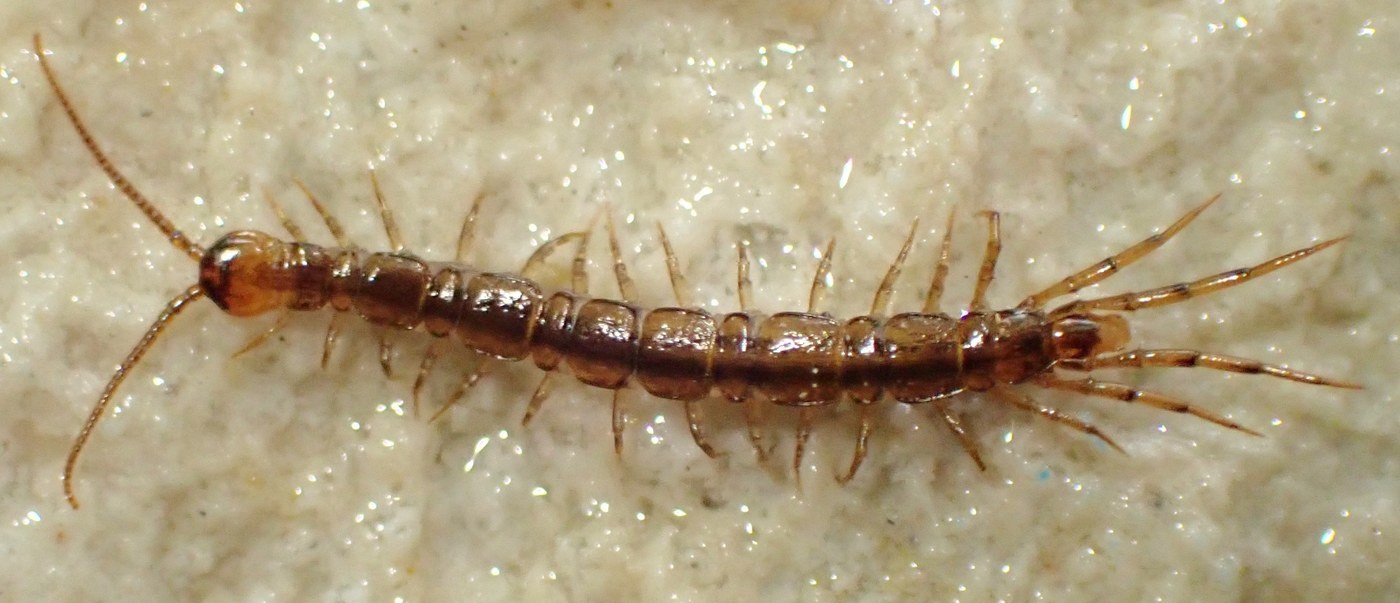
Stone Centipede
Under stones, bark, and soil in gardens and woodlands
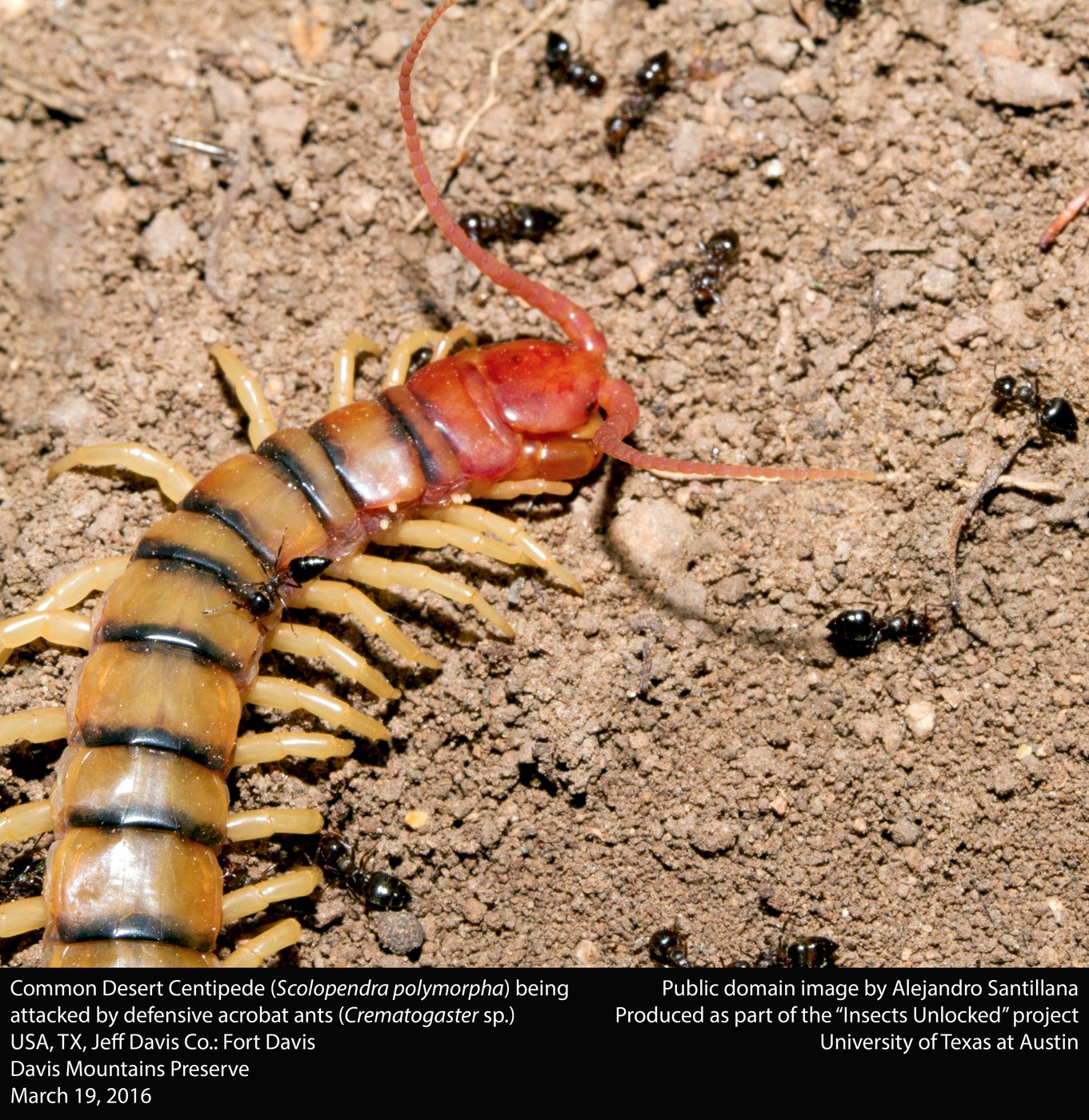
Tiger Centipede
Arid deserts, scrubland, and rocky terrain of the southwestern US and Mexico
Pill Millipede
Leaf litter, forest floors, and moist soil in temperate and tropical regions
Soil Centipede
Deep soil, leaf litter, and decaying wood
Snake Millipede
Moist soil, leaf litter, and decaying plant material
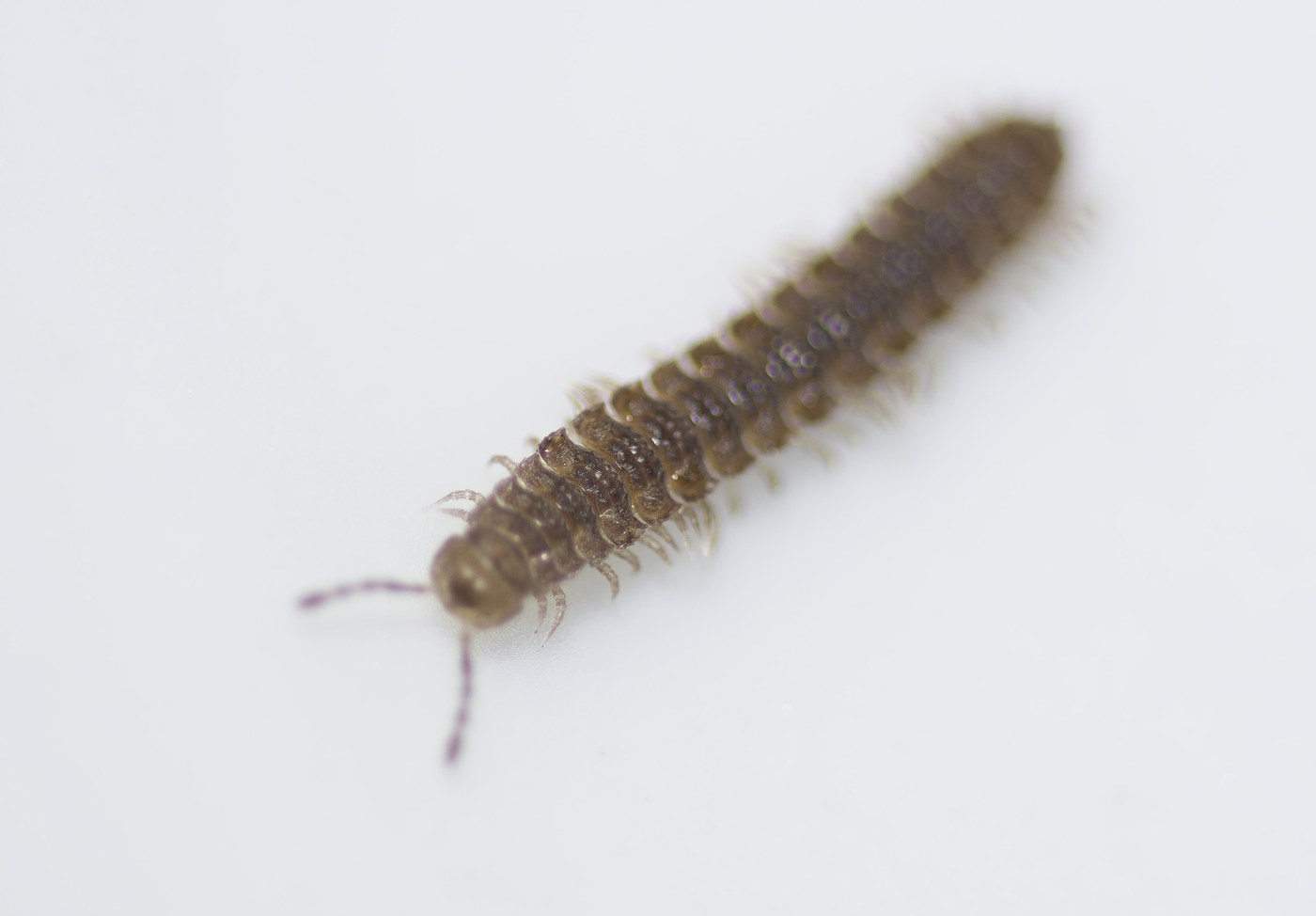
Flat-backed Millipede
Leaf litter, mulch, and damp soil in gardens and woodlands
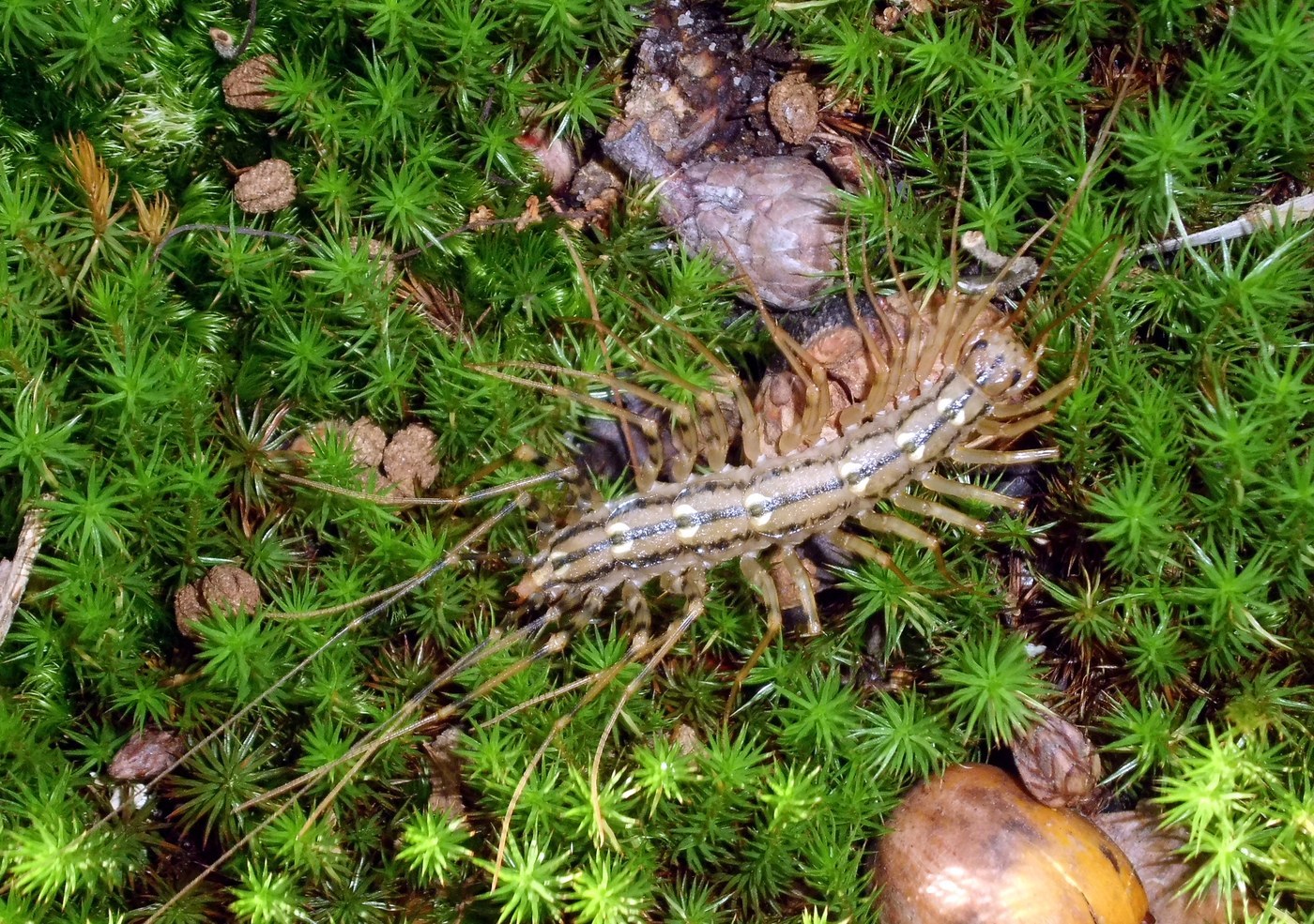
House Centipede
Damp basements, bathrooms, leaf litter
Giant Centipede
Tropical, subtropical, and warm temperate forests, deserts, and grasslands worldwide
Giant African Millipede
Tropical forests and moist lowlands of East Africa
Centipede
Damp, dark places such as basements, bathrooms, leaf litter, and under rocks and logs