
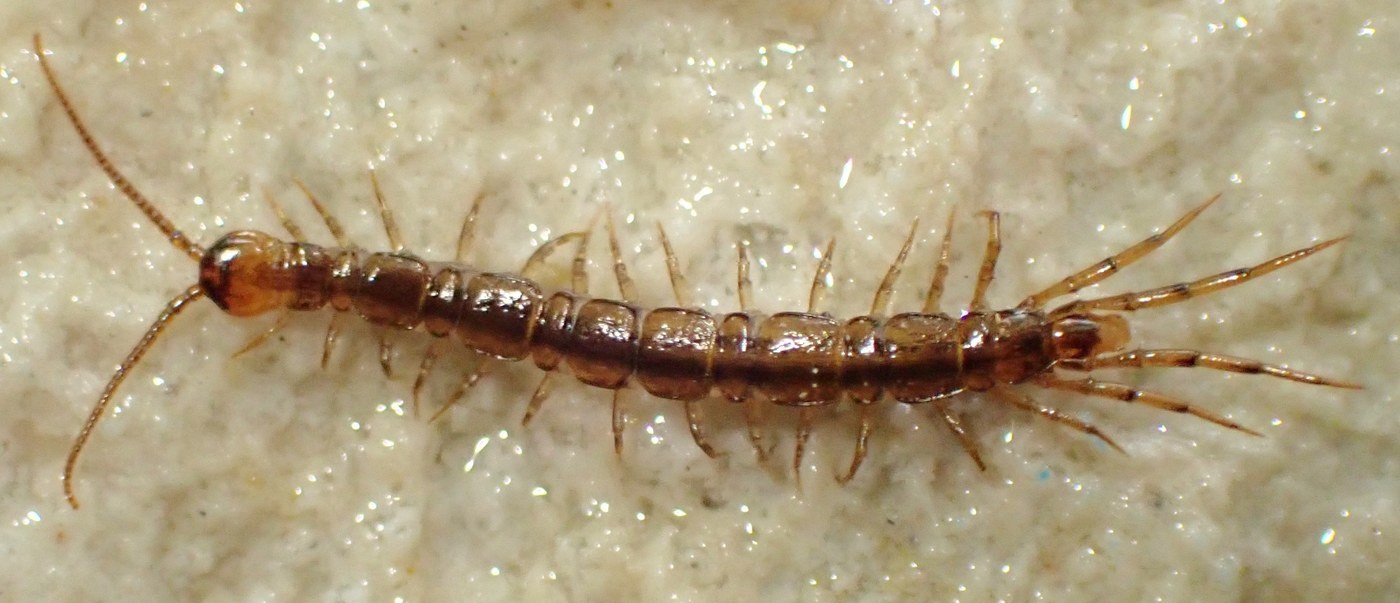
Stone Centipede
Lithobius spp.
A quick, flattened, reddish-brown centipede that darts for cover the instant its stone or log shelter is lifted, one of the most commonly seen centipedes in temperate gardens.
- Size
- 1-3 cm (0.4-1.2 in) long
- Habitat
- Under stones, bark, and soil in gardens and woodlands
- Danger
- Bites
Spotted a bug like this?
Identify any bug or insect from a photo, free.
Overview
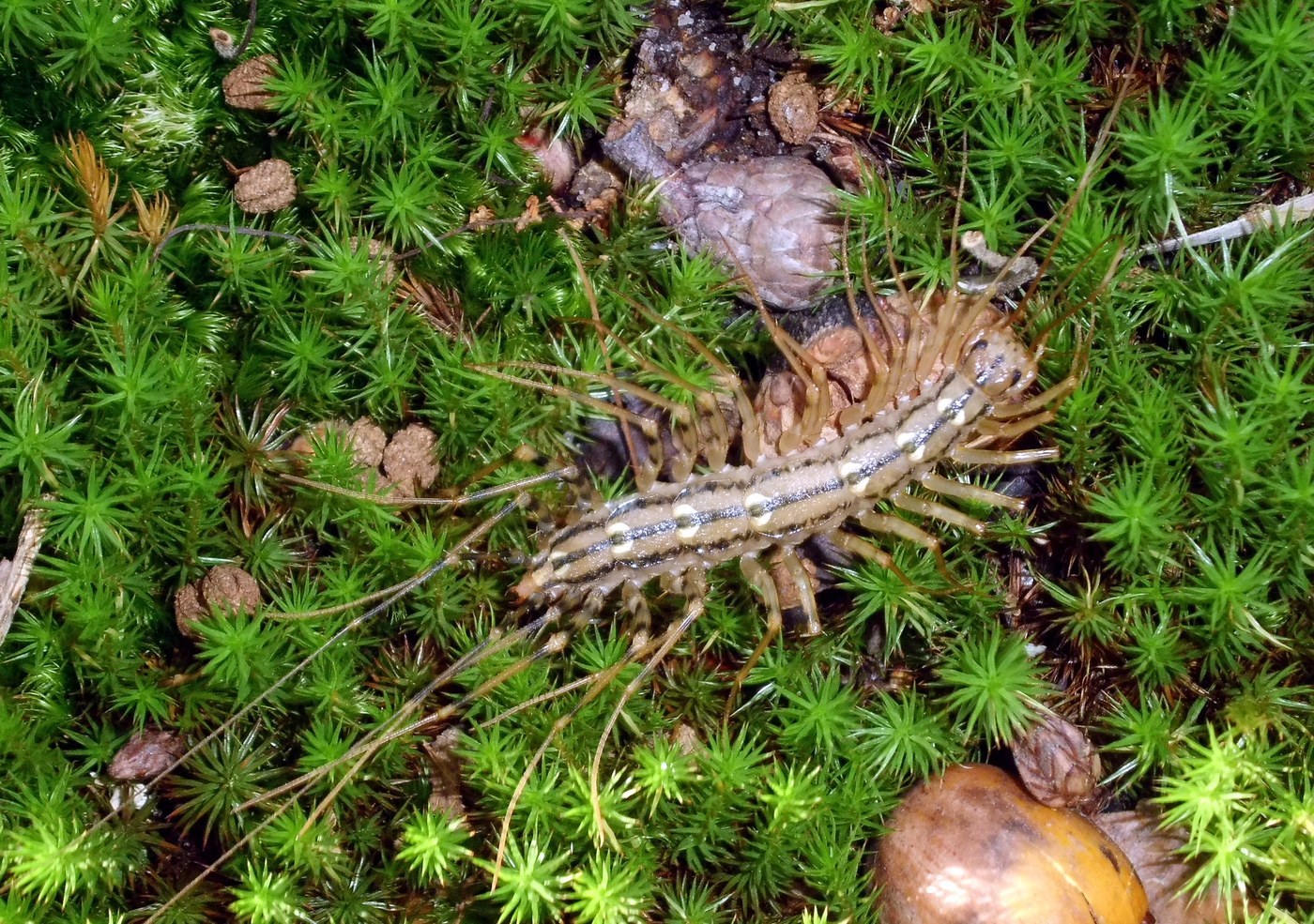
Stone centipedes belong to the order Lithobiomorpha, a widespread group recognized by their flattened bodies, 15 pairs of legs, and rapid, scurrying movement. The genus Lithobius is especially common across Europe and North America, often turned up by gardeners lifting rocks, logs, or mulch.
These centipedes are active nighttime predators that help regulate populations of small invertebrates in soil and leaf litter. Unlike the much longer soil centipedes, stone centipedes have a short, robust body and relatively long legs that let them move quickly across uneven surfaces when exposed.
How to Identify
- Flattened, reddish-brown to yellowish-brown body with 15 pairs of legs as an adult
- Legs increase in length toward the rear of the body, aiding rapid movement
- Long, thread-like antennae used to sense surroundings in the dark
- Distinct head with a pair of forcipules (venom claws) tucked beneath it
- Adults typically 1-3 cm long, much shorter and more robust than soil centipedes
- Lacks the extremely long legs of house centipedes and the vivid banding of larger tropical centipedes
Habitat & Range
Common throughout temperate regions of Europe, North America, and beyond, stone centipedes live under stones, logs, loose bark, and in soil and leaf litter in gardens, parks, and woodlands. They favor cool, moist, dark microhabitats and are most active at night, seeking shelter from light and desiccation during the day.
Behavior & Diet
Stone centipedes are active nocturnal predators that hunt springtails, small insects, mites, and other soft-bodied invertebrates using speed and a venom-injecting pair of modified front legs (forcipules) to subdue prey. They avoid light and dry conditions, fleeing rapidly for cover when uncovered. As predators, they help keep populations of small soil-dwelling invertebrates in check and are themselves preyed upon by birds, shrews, and larger arthropods.
Life Cycle
Females lay eggs singly in soil, often coating each egg with soil particles for protection. Juveniles hatch with fewer legs and segments than adults and add both through a series of molts over one to several years, a pattern called anamorphic development. Adults can live for two or more years, sheltering through winter in deep soil, under bark, or beneath stones.
Frequently asked questions
How many legs does a stone centipede have?
Adults have 15 pairs of legs, one pair per body segment, which is a defining feature of the order Lithobiomorpha.
Can a stone centipede bite?
Yes, like other centipedes it can bite in defense using its front pair of modified legs, though it will normally flee rather than confront anything large.
What do stone centipedes eat?
They prey on small invertebrates such as springtails, insect larvae, and mites found in soil and leaf litter.
Why do stone centipedes run so fast when uncovered?
They avoid light and dry air, so they sprint for the nearest dark, moist shelter as soon as their cover is disturbed.
Stone Centipede guides
In-depth guides for identifying, understanding, and living alongside Stone Centipede.
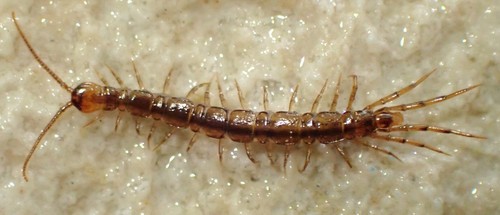
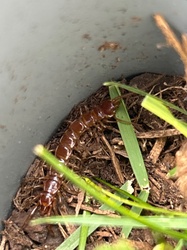
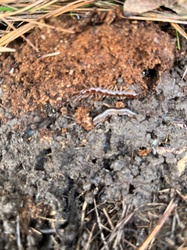
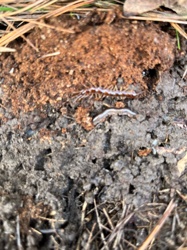
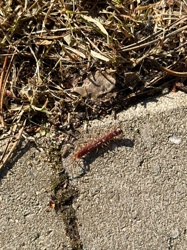
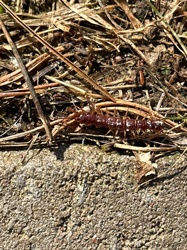
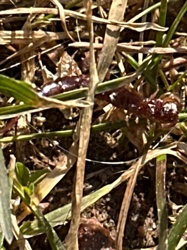
Stone Centipede identified by the community
Real finds identified with Bug Identifier.
Other bugs you may enjoy
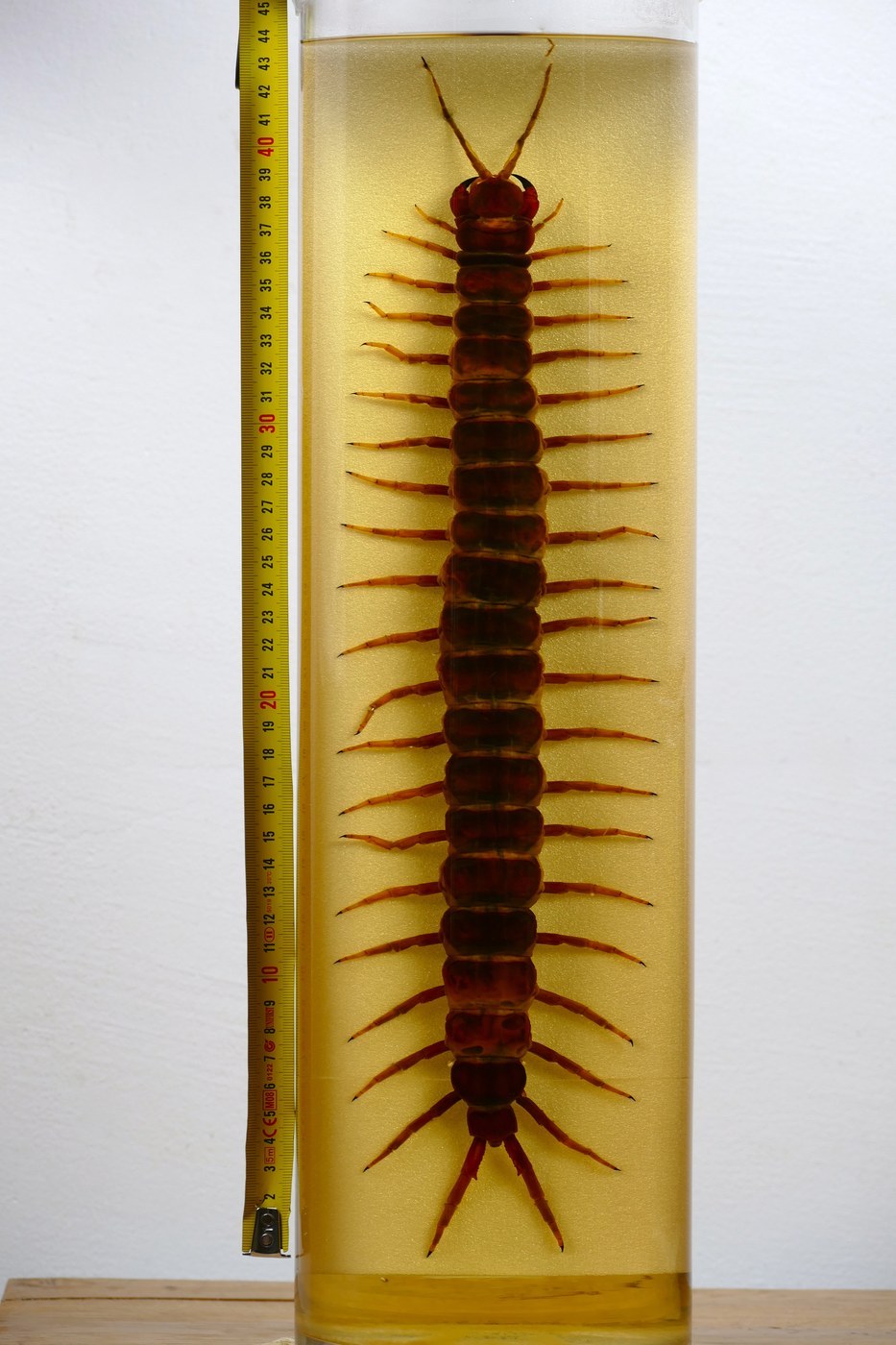
Amazonian Giant Centipede
Tropical rainforests and caves of northern South America and nearby Caribbean islands
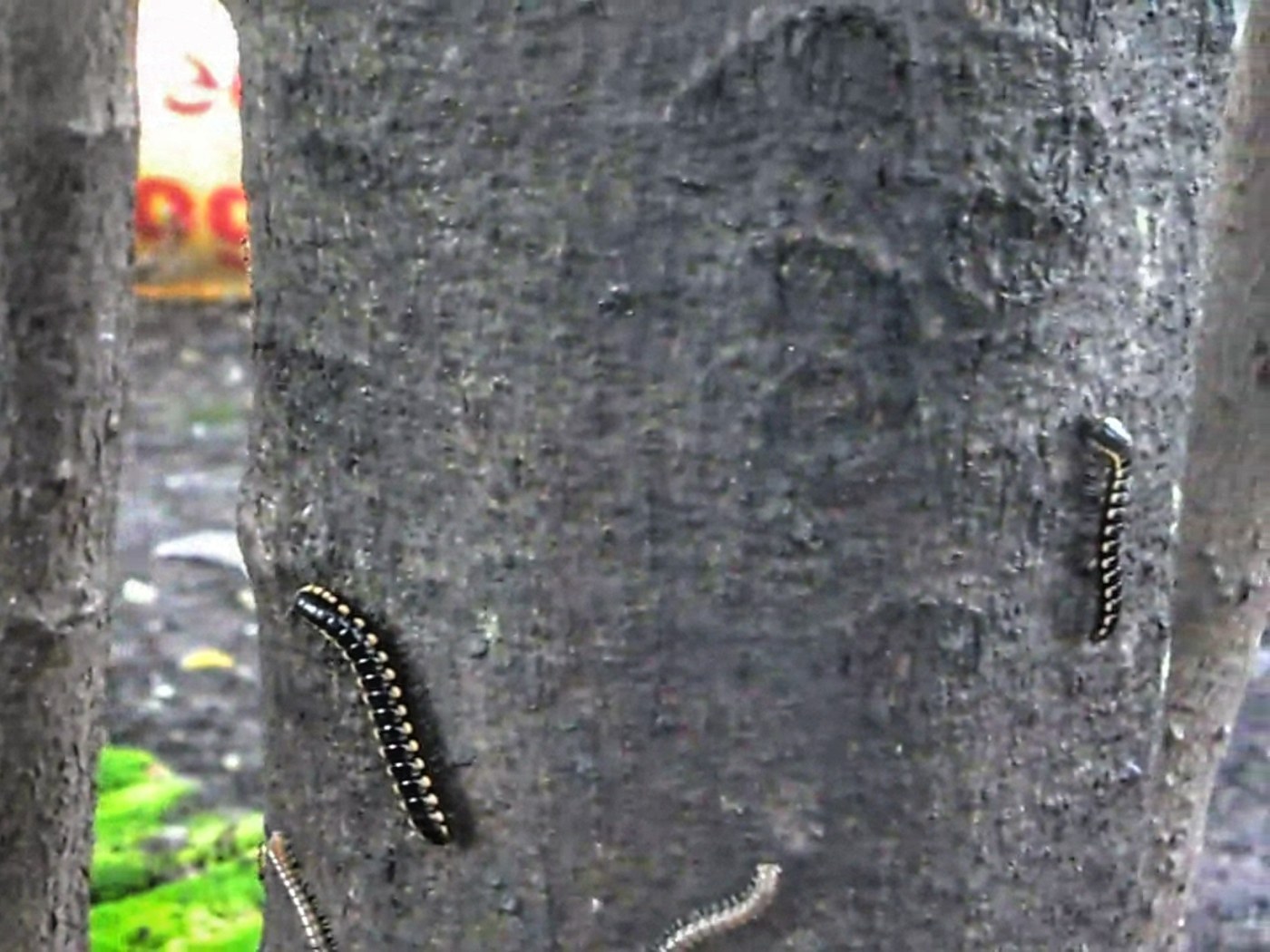
Yellow-spotted Millipede
Moist coniferous and mixed forests of the Pacific Northwest
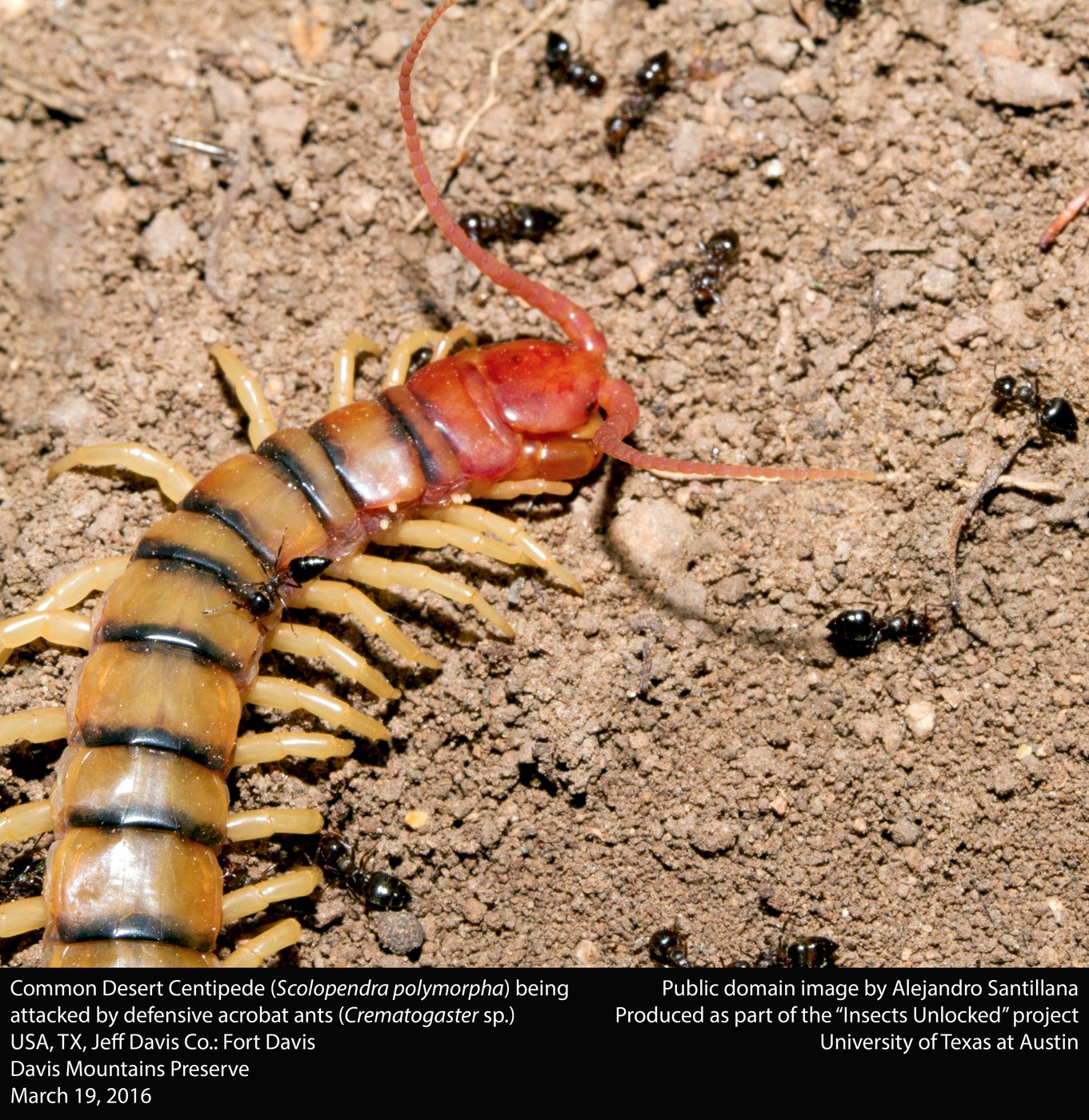
Tiger Centipede
Arid deserts, scrubland, and rocky terrain of the southwestern US and Mexico
Pill Millipede
Leaf litter, forest floors, and moist soil in temperate and tropical regions
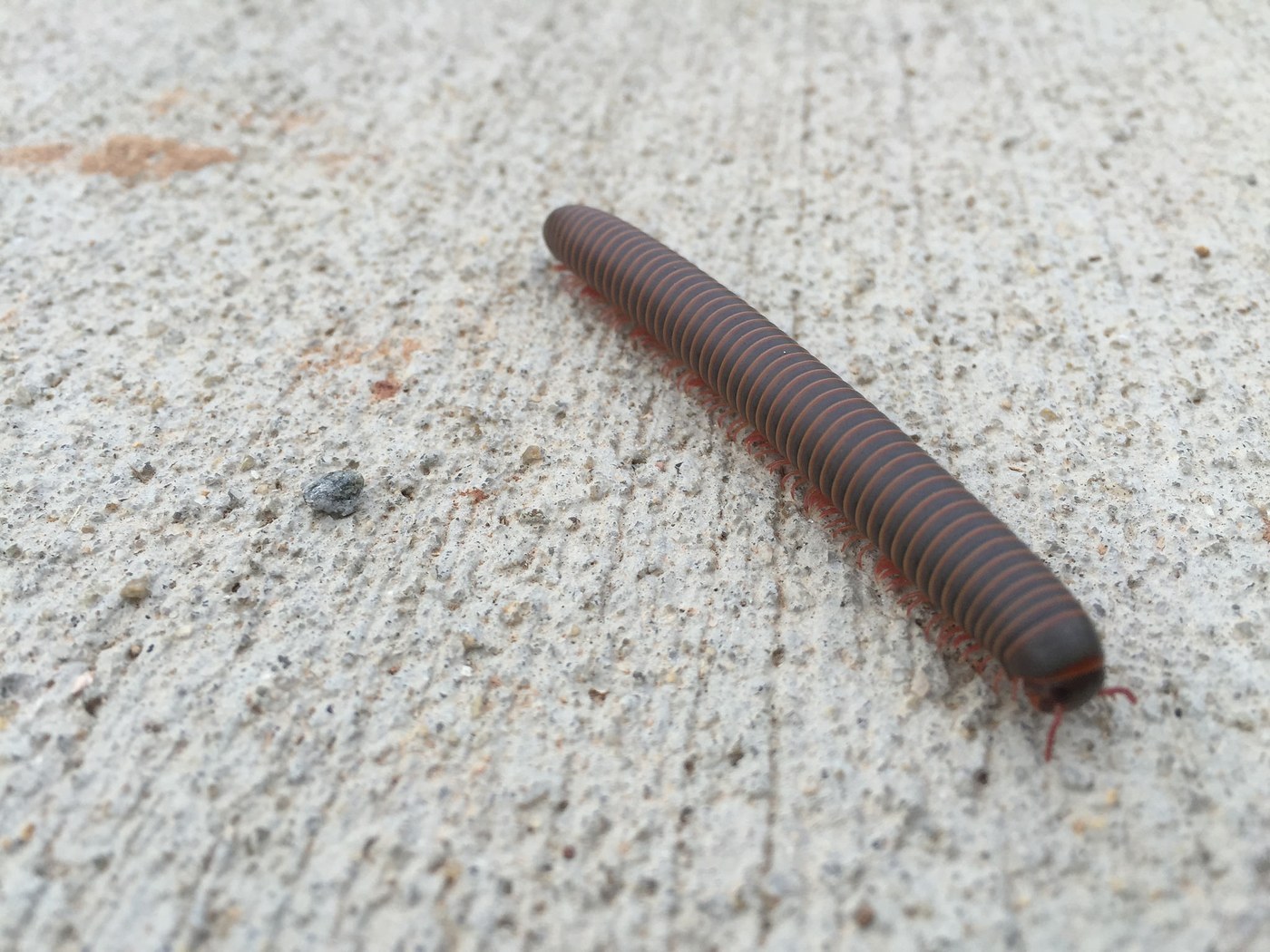
Millipede
Leaf litter, mulch, damp soil, and under logs, bark, and stones
Soil Centipede
Deep soil, leaf litter, and decaying wood
Snake Millipede
Moist soil, leaf litter, and decaying plant material
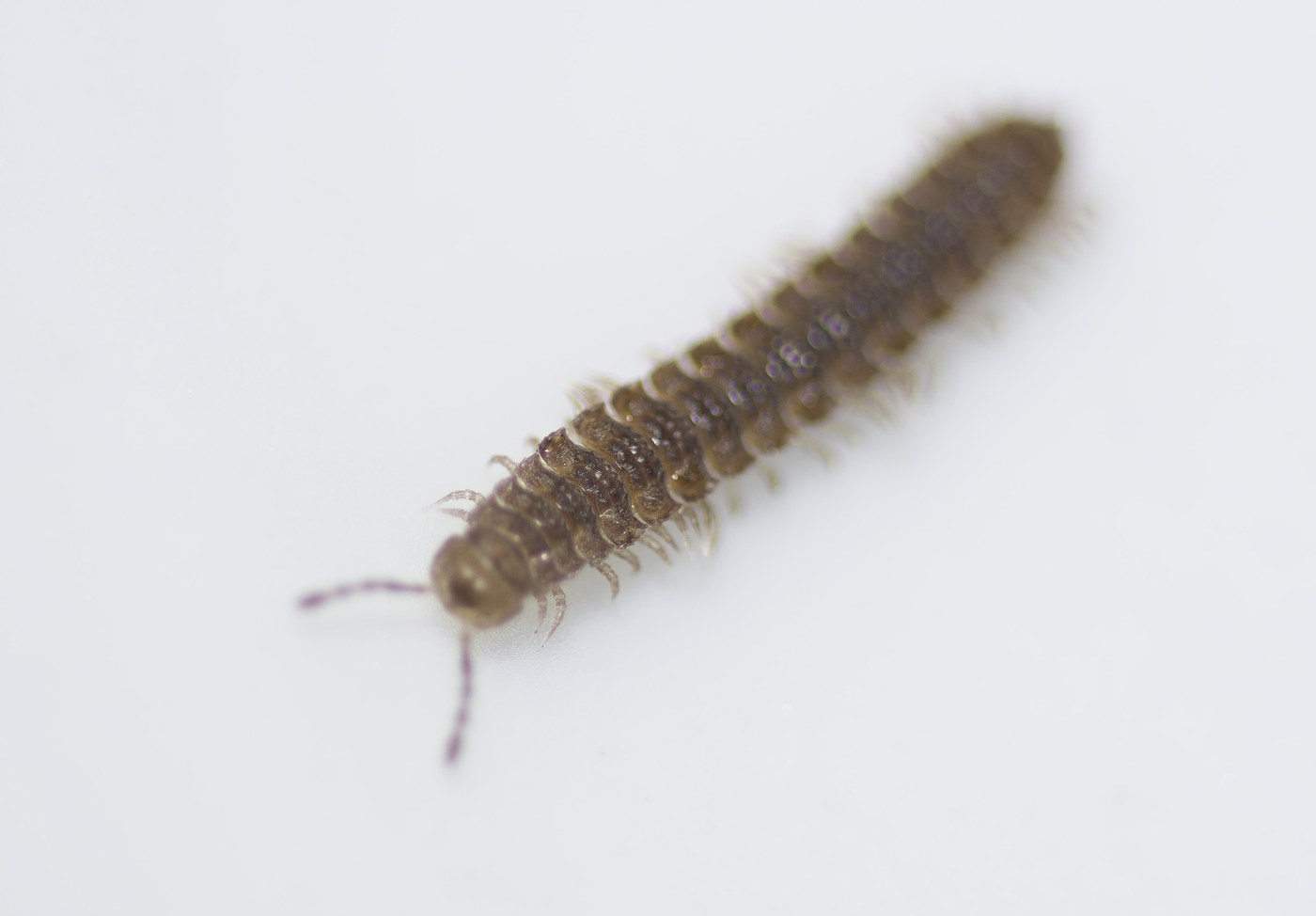
Flat-backed Millipede
Leaf litter, mulch, and damp soil in gardens and woodlands
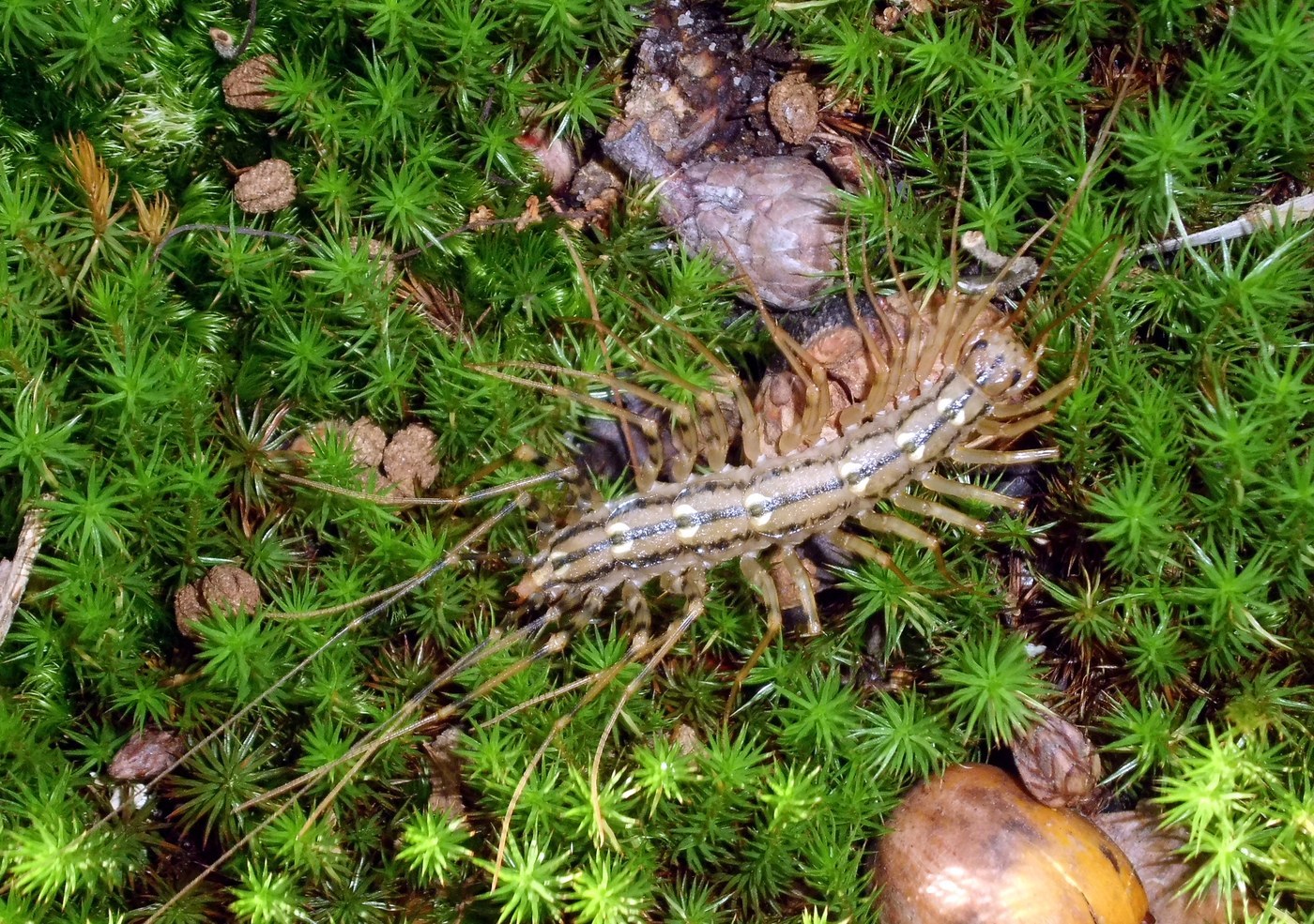
House Centipede
Damp basements, bathrooms, leaf litter
Giant Centipede
Tropical, subtropical, and warm temperate forests, deserts, and grasslands worldwide
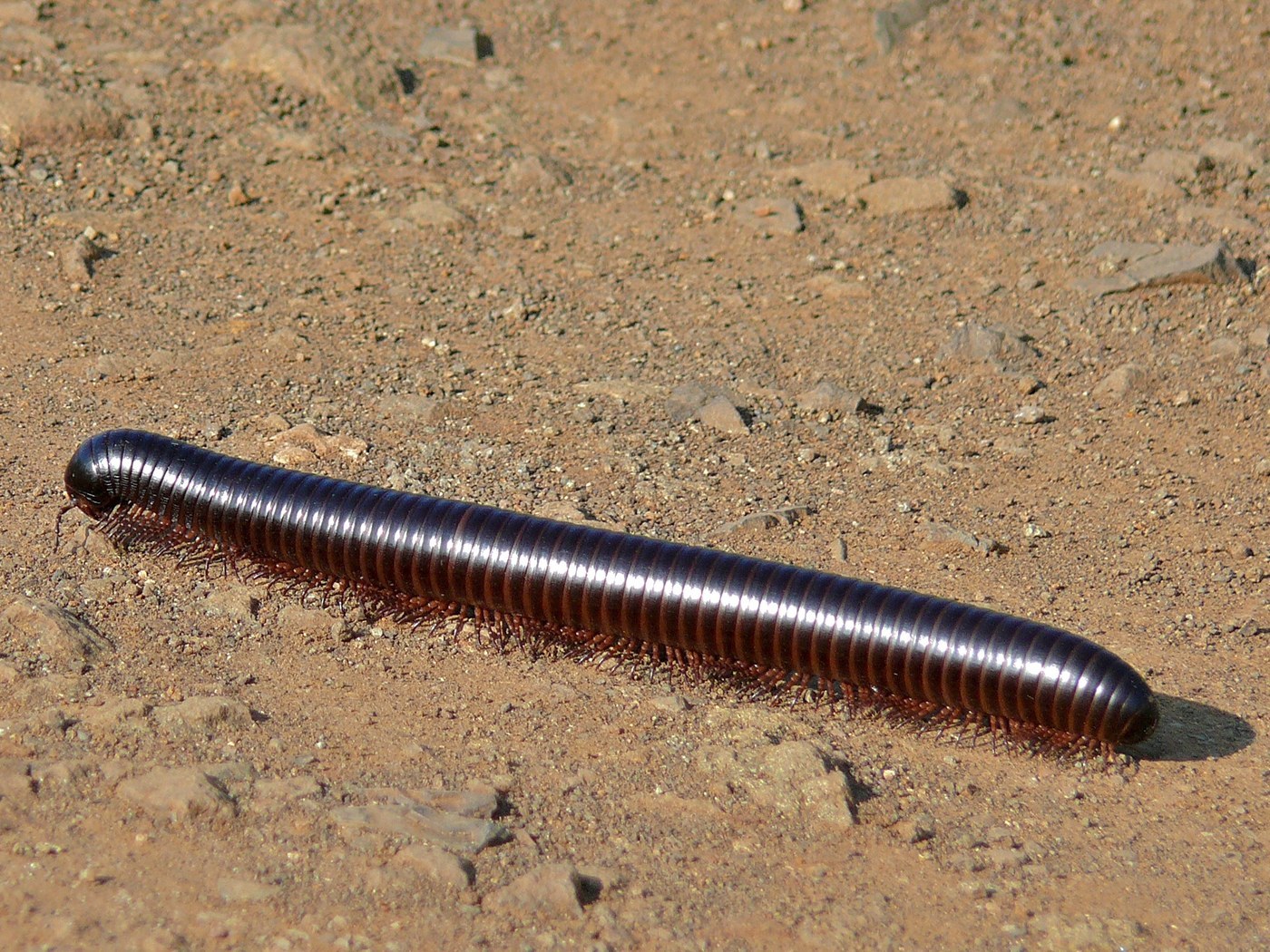
Giant African Millipede
Tropical forests and moist lowlands of East Africa
Centipede
Damp, dark places such as basements, bathrooms, leaf litter, and under rocks and logs