
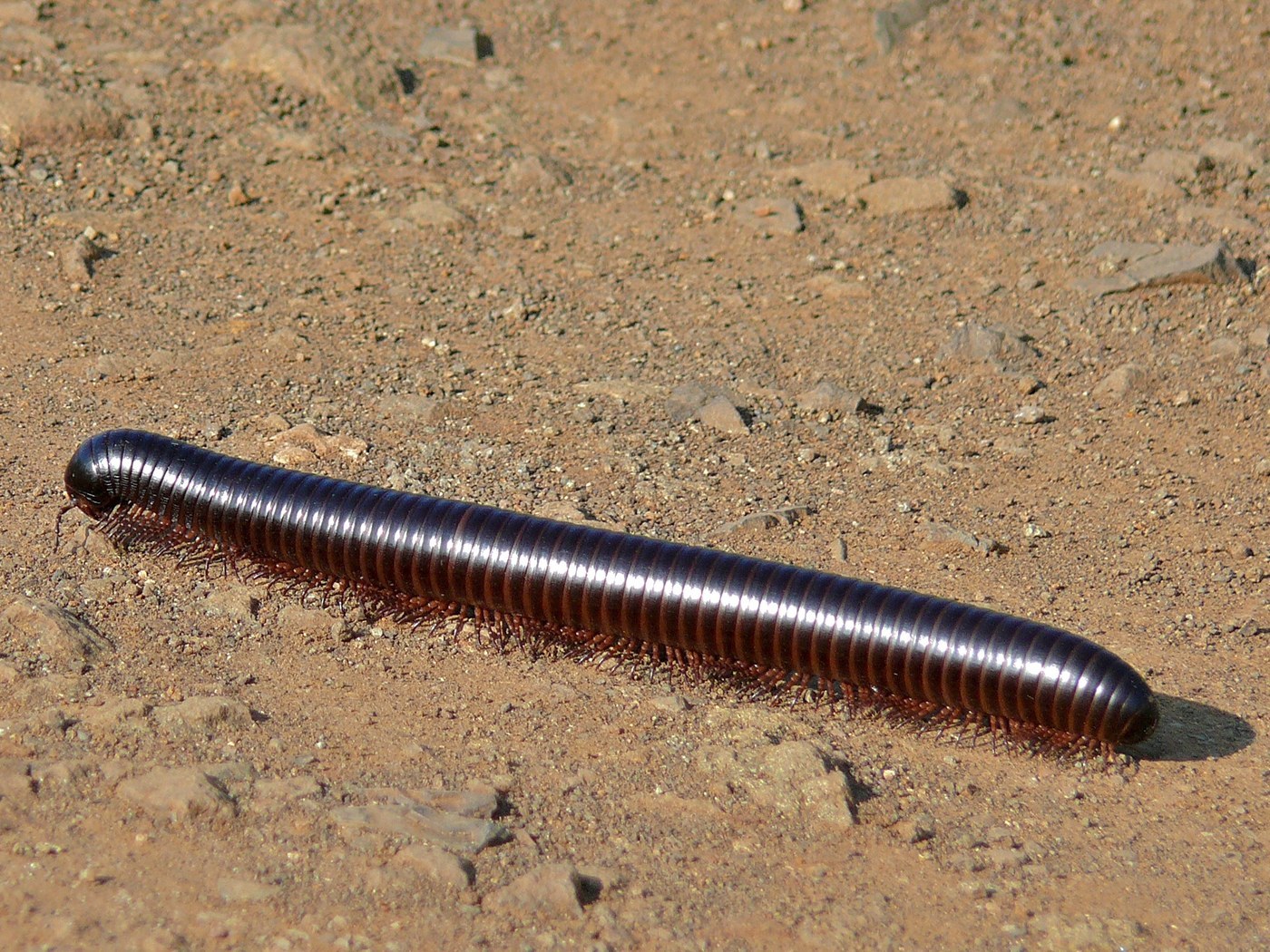
Giant African Millipede
Archispirostreptus gigas
One of the largest millipedes in the world, a slow-moving, cylindrical detritivore covered in hundreds of tiny legs that curls into a tight defensive coil when disturbed.
- Size
- 15-38 cm (up to 15 in), among the largest millipede species
- Habitat
- Tropical forests and moist lowlands of East Africa
- Danger
- Harmless
Spotted a bug like this?
Identify any bug or insect from a photo, free.
Overview
The giant African millipede is one of the largest millipede species on Earth, native to the humid tropical forests and lowlands of East Africa. Its long, thick, cylindrical body and slow, deliberate movements make it easily recognizable, and it is one of the most commonly kept millipede species in the exotic pet and educational display trade due to its impressive size and calm demeanor.
Unlike centipedes, giant African millipedes are gentle detritivores rather than predators, feeding on decomposing plant material as they move across the forest floor. They possess two pairs of legs per body segment, a defining feature of true millipedes, giving them a strikingly high leg count that ripples in a wave-like pattern as they walk.
As decomposers, giant African millipedes play a valuable ecological role in breaking down leaf litter and organic debris, helping recycle nutrients back into tropical forest soils.
How to Identify
- Long, thick, cylindrical body reaching up to 38 cm in exceptional individuals, though most are somewhat smaller
- Uniformly dark brown to black coloration, sometimes with reddish or orange leg segments depending on the population
- Two pairs of legs per body segment, distinguishing it from centipedes, which have only one pair per segment
- Hundreds of short legs that move in a smooth, wave-like rippling motion
- Hard, segmented exoskeleton forming rounded, armor-like rings around the body
- Curls into a tight spiral when threatened, protecting its softer underside
Habitat & Range
This species is native to the tropical forests, woodlands, and moist lowland habitats of East Africa, including regions of Kenya, Tanzania, and neighboring countries. It favors humid environments with abundant leaf litter and decaying organic matter, sheltering in soil, under logs, and among forest debris.
Giant African millipedes are most active during warm, humid conditions and tend to retreat into moist soil or leaf litter during dry periods to avoid desiccation, as their exoskeleton is prone to water loss compared to more heavily armored arthropods.
Behavior & Diet
Giant African millipedes are slow-moving detritivores, feeding primarily on decaying leaves, rotting wood, and other decomposing plant material, which they break down using specialized mouthparts. Their steady grazing on forest floor debris contributes significantly to nutrient cycling and soil enrichment in their native habitat.
When threatened, this species relies on passive defenses rather than aggression, typically curling into a tight coil to protect its vulnerable underside and can secrete a defensive fluid from pores along its body as an additional deterrent to predators. It is generally docile and non-aggressive, moving away from disturbances rather than confronting them.
Life Cycle
Female giant African millipedes lay eggs in moist soil or within a specially constructed nest chamber, sometimes coating the eggs with soil or fecal matter for protection. Hatchlings emerge with only a few body segments and legs, gradually adding more of both through a series of molts.
Juveniles take one to several years to reach full adult size, molting periodically as they grow. Giant African millipedes are relatively long-lived invertebrates, with adults capable of surviving five to ten years or more under favorable conditions.
Frequently asked questions
How can you tell a millipede from a centipede?
Millipedes have two pairs of legs per body segment and move slowly as decomposers, while centipedes have only one pair per segment and move quickly as active predators.
What does the giant African millipede eat?
It feeds on decaying leaves, rotting wood, and other decomposing plant matter found on the forest floor, playing an important role in nutrient recycling.
How does this millipede defend itself?
When disturbed, it typically curls into a tight protective coil and may release a defensive fluid from pores along its body rather than attempting to bite or flee quickly.
How big can a giant African millipede grow?
It is among the largest millipede species in the world, with some individuals reaching lengths of up to 38 centimeters, though most are somewhat shorter.
Giant African Millipede guides
In-depth guides for identifying, understanding, and living alongside Giant African Millipede.
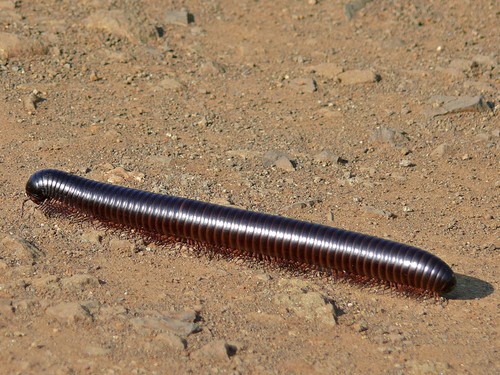
Giant African Millipede identified by the community
Real finds identified with Bug Identifier.
Other bugs you may enjoy
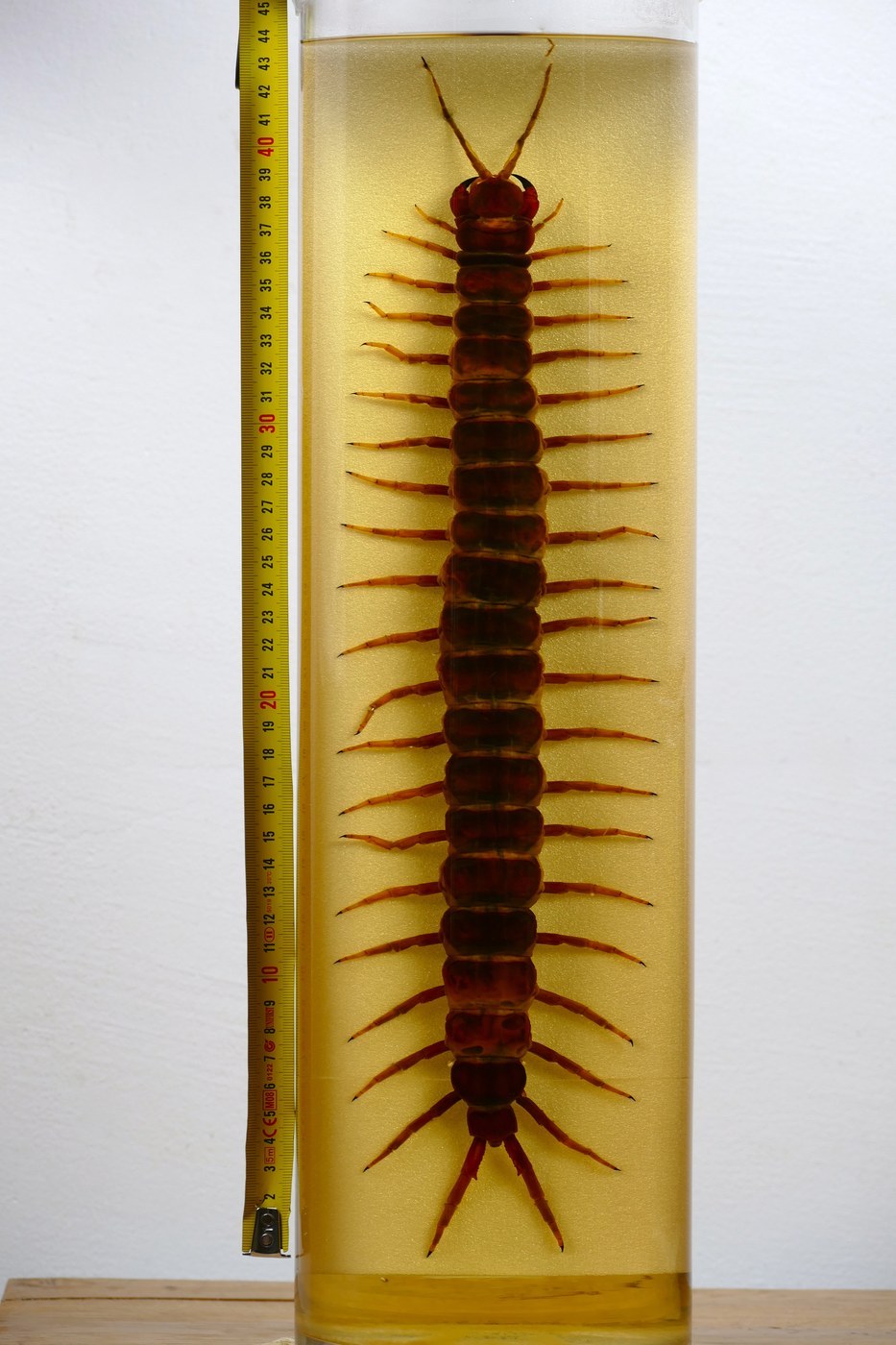
Amazonian Giant Centipede
Tropical rainforests and caves of northern South America and nearby Caribbean islands
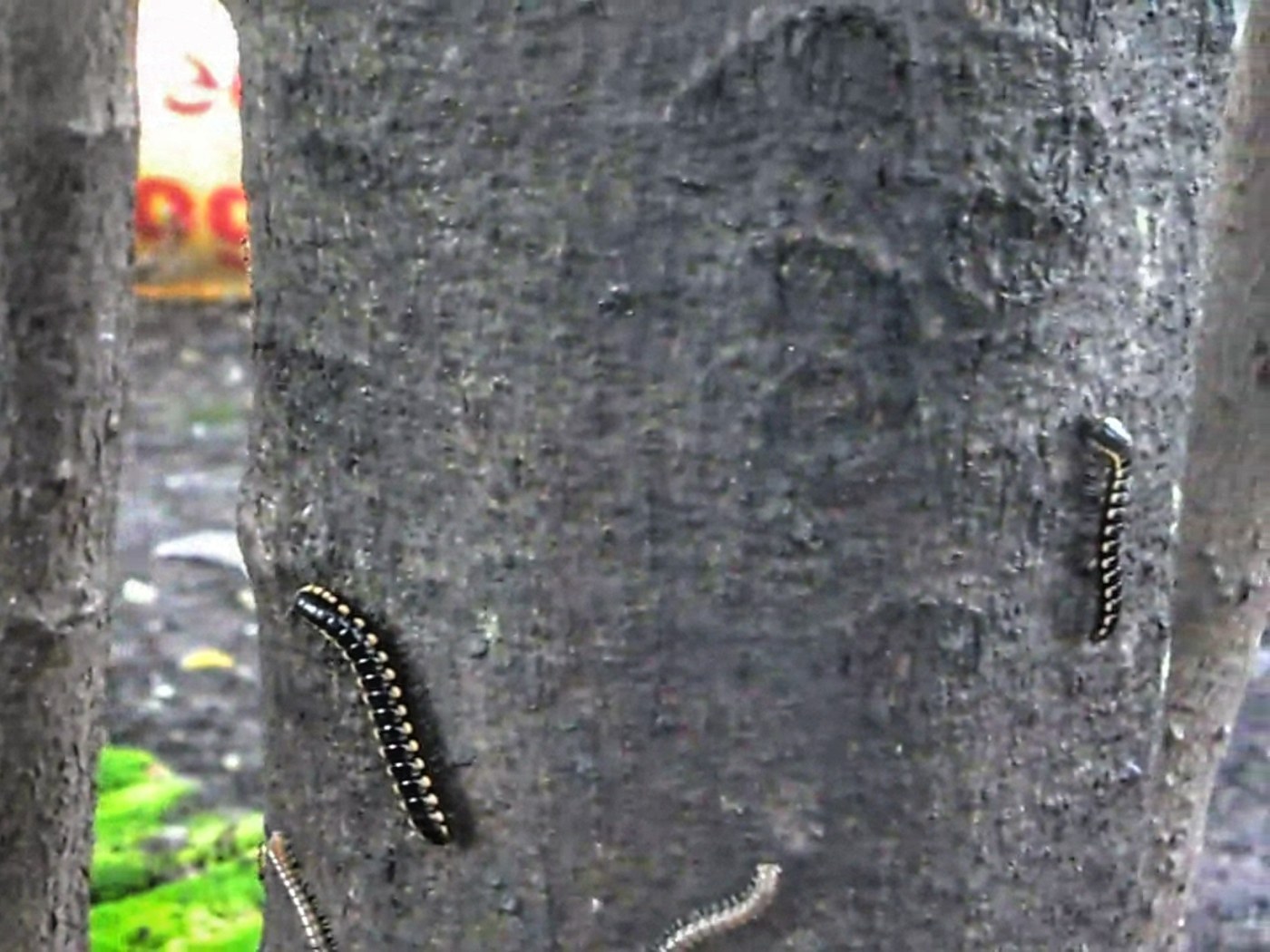
Yellow-spotted Millipede
Moist coniferous and mixed forests of the Pacific Northwest
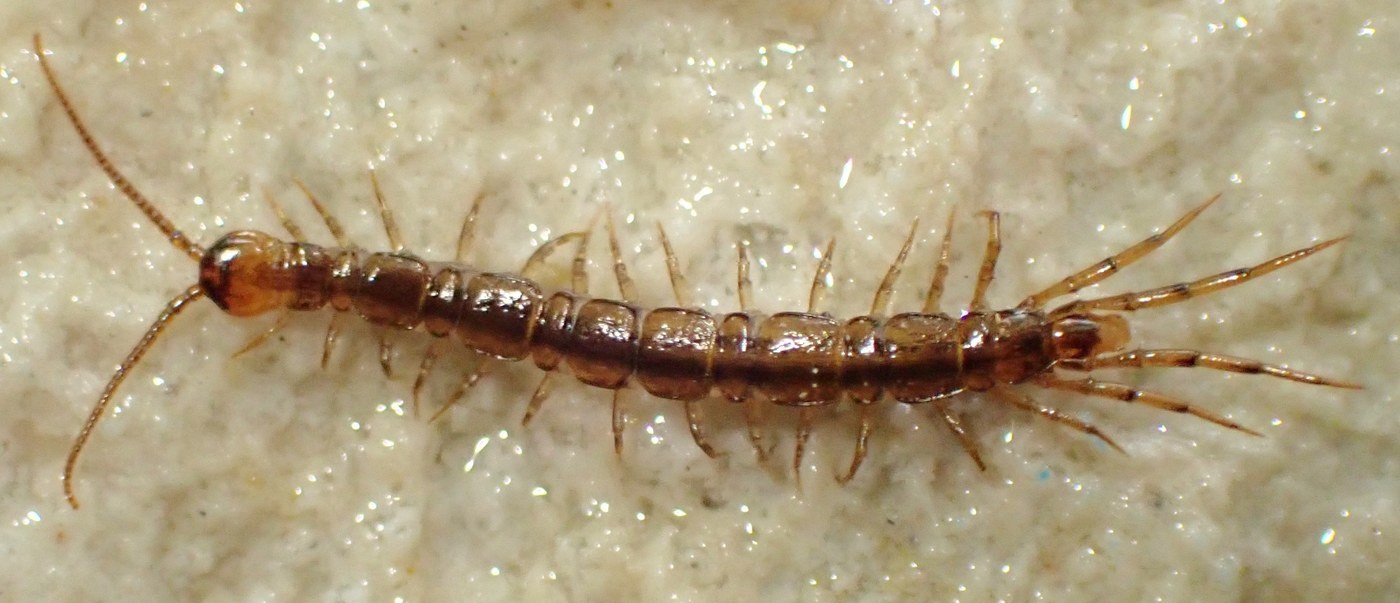
Stone Centipede
Under stones, bark, and soil in gardens and woodlands
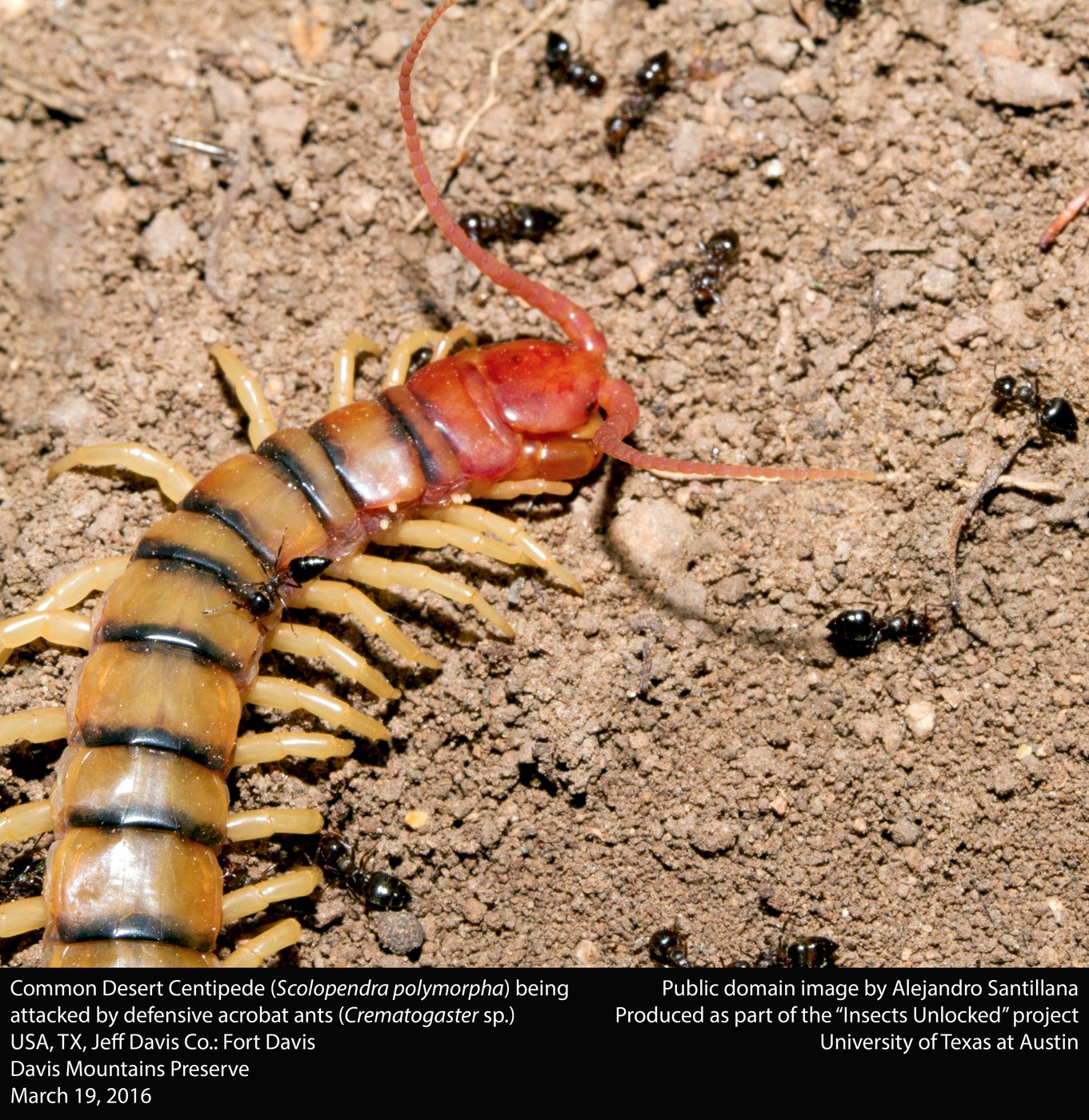
Tiger Centipede
Arid deserts, scrubland, and rocky terrain of the southwestern US and Mexico
Pill Millipede
Leaf litter, forest floors, and moist soil in temperate and tropical regions
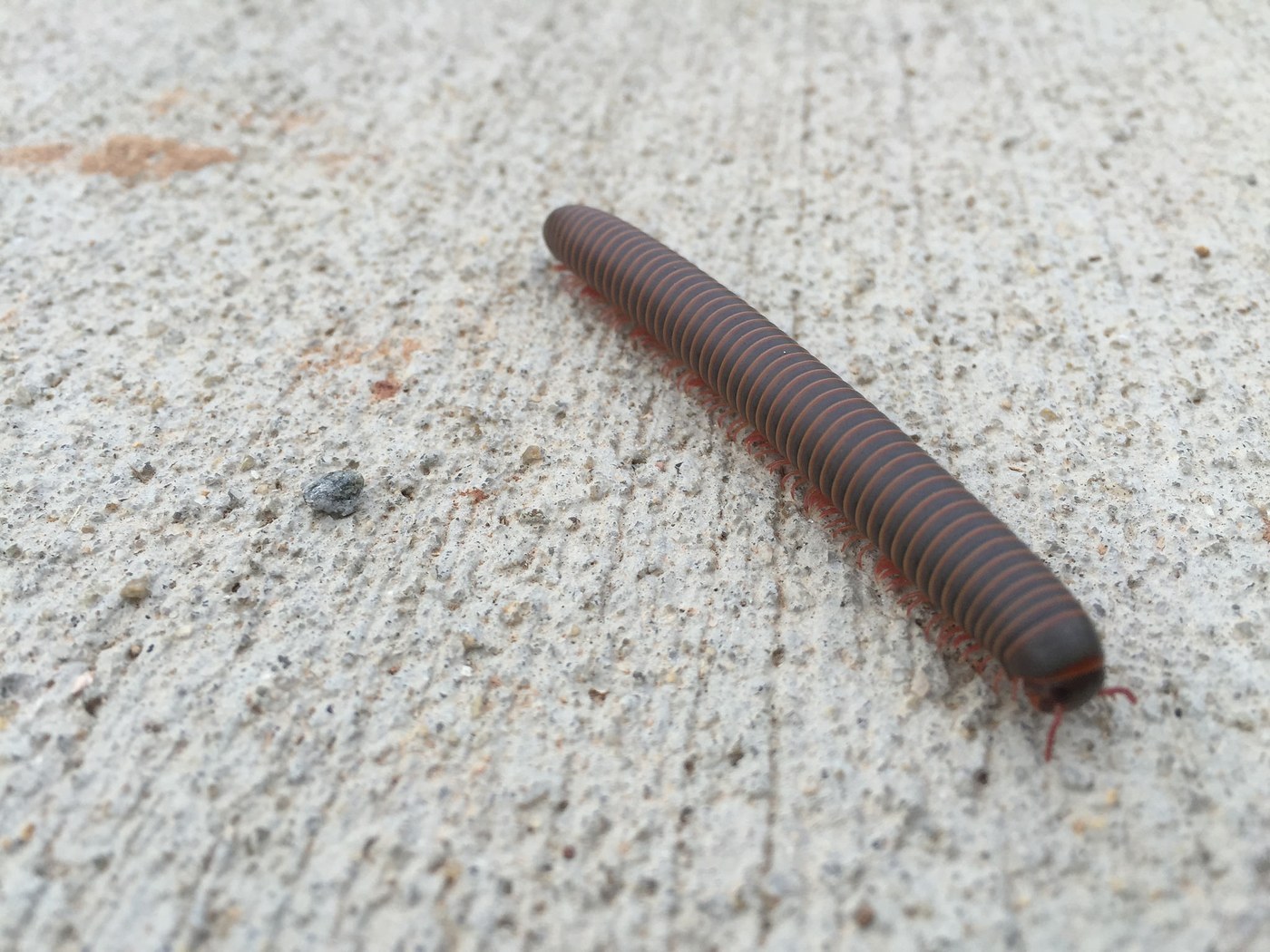
Millipede
Leaf litter, mulch, damp soil, and under logs, bark, and stones
Soil Centipede
Deep soil, leaf litter, and decaying wood
Snake Millipede
Moist soil, leaf litter, and decaying plant material
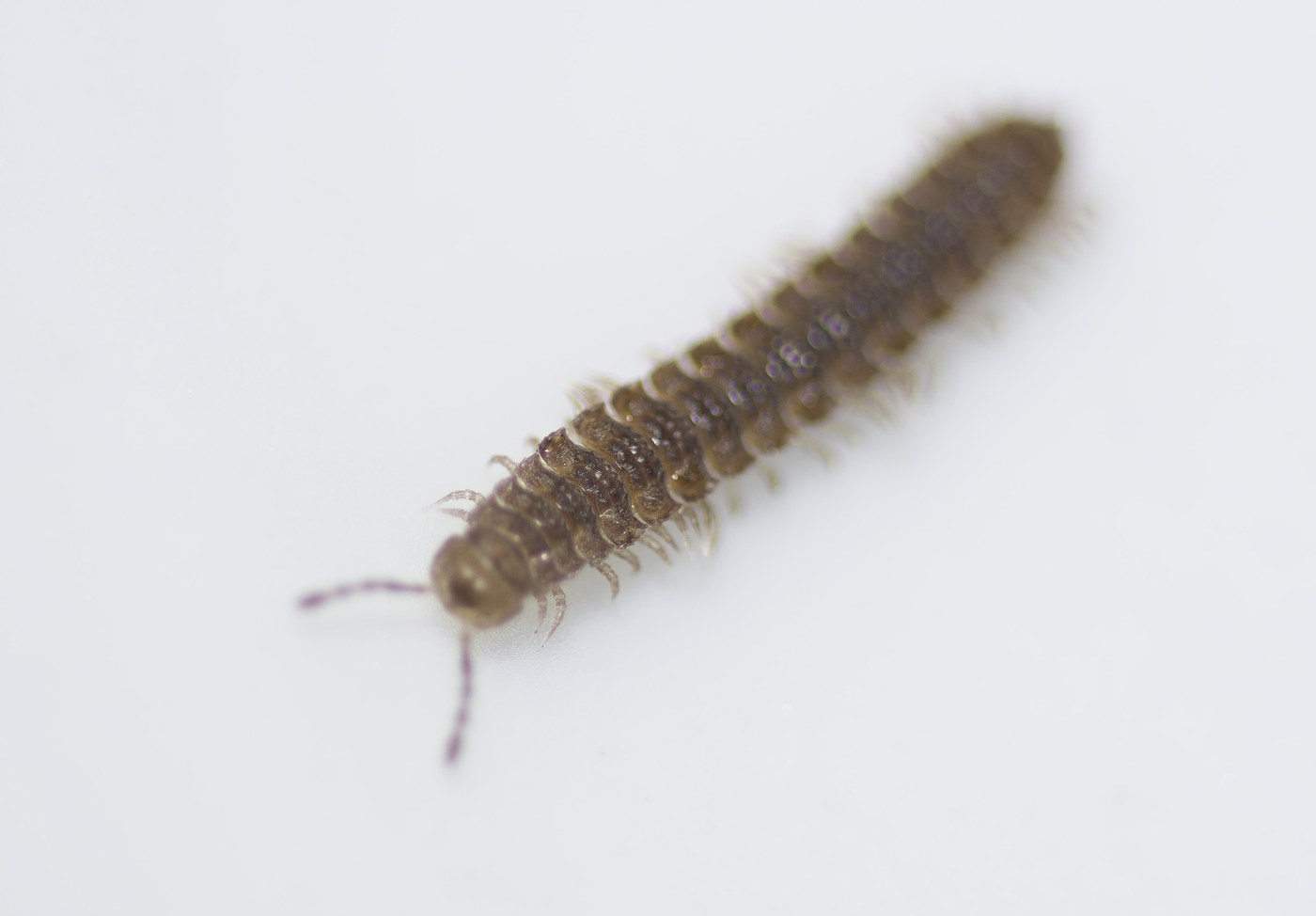
Flat-backed Millipede
Leaf litter, mulch, and damp soil in gardens and woodlands
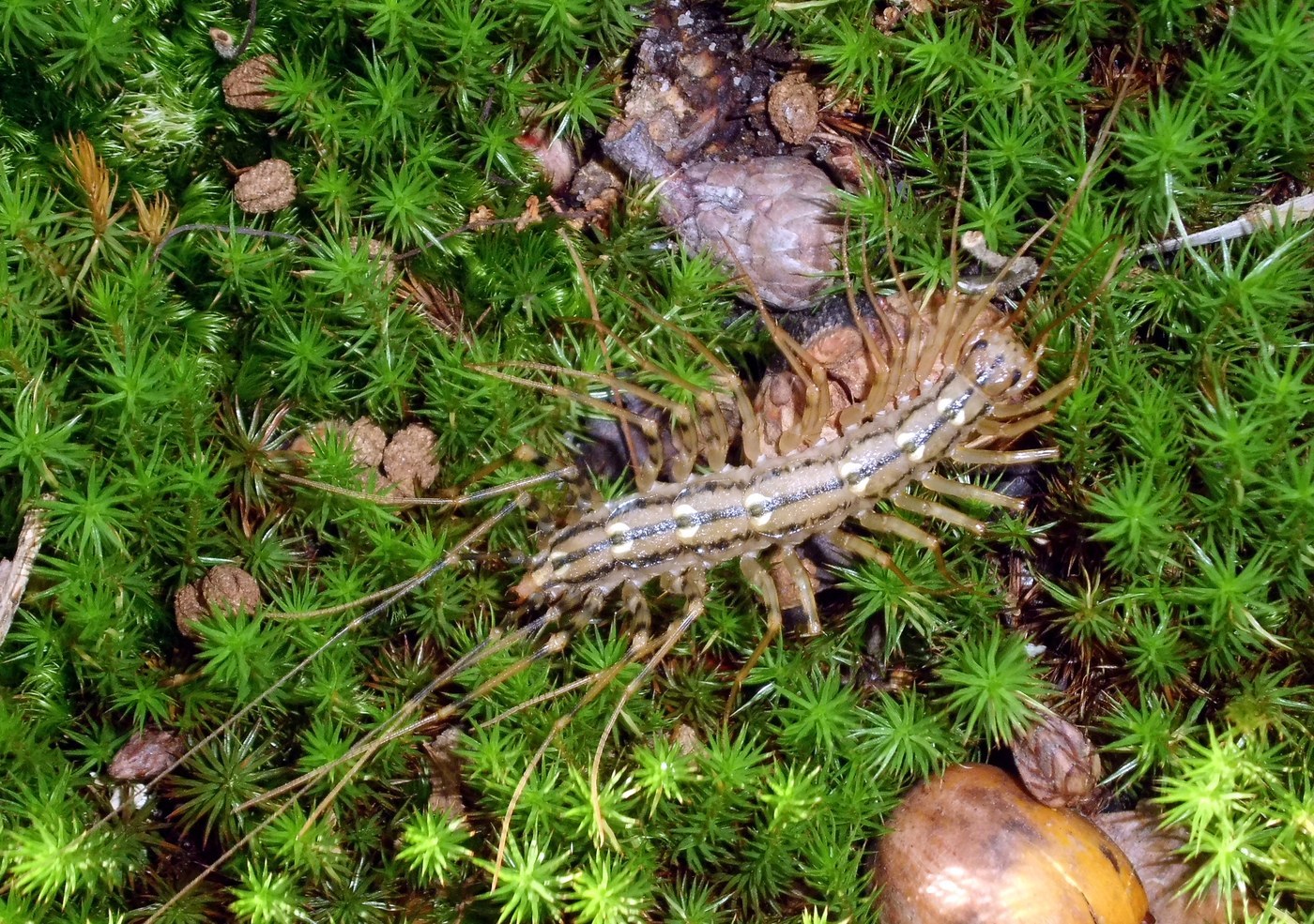
House Centipede
Damp basements, bathrooms, leaf litter
Giant Centipede
Tropical, subtropical, and warm temperate forests, deserts, and grasslands worldwide
Centipede
Damp, dark places such as basements, bathrooms, leaf litter, and under rocks and logs