
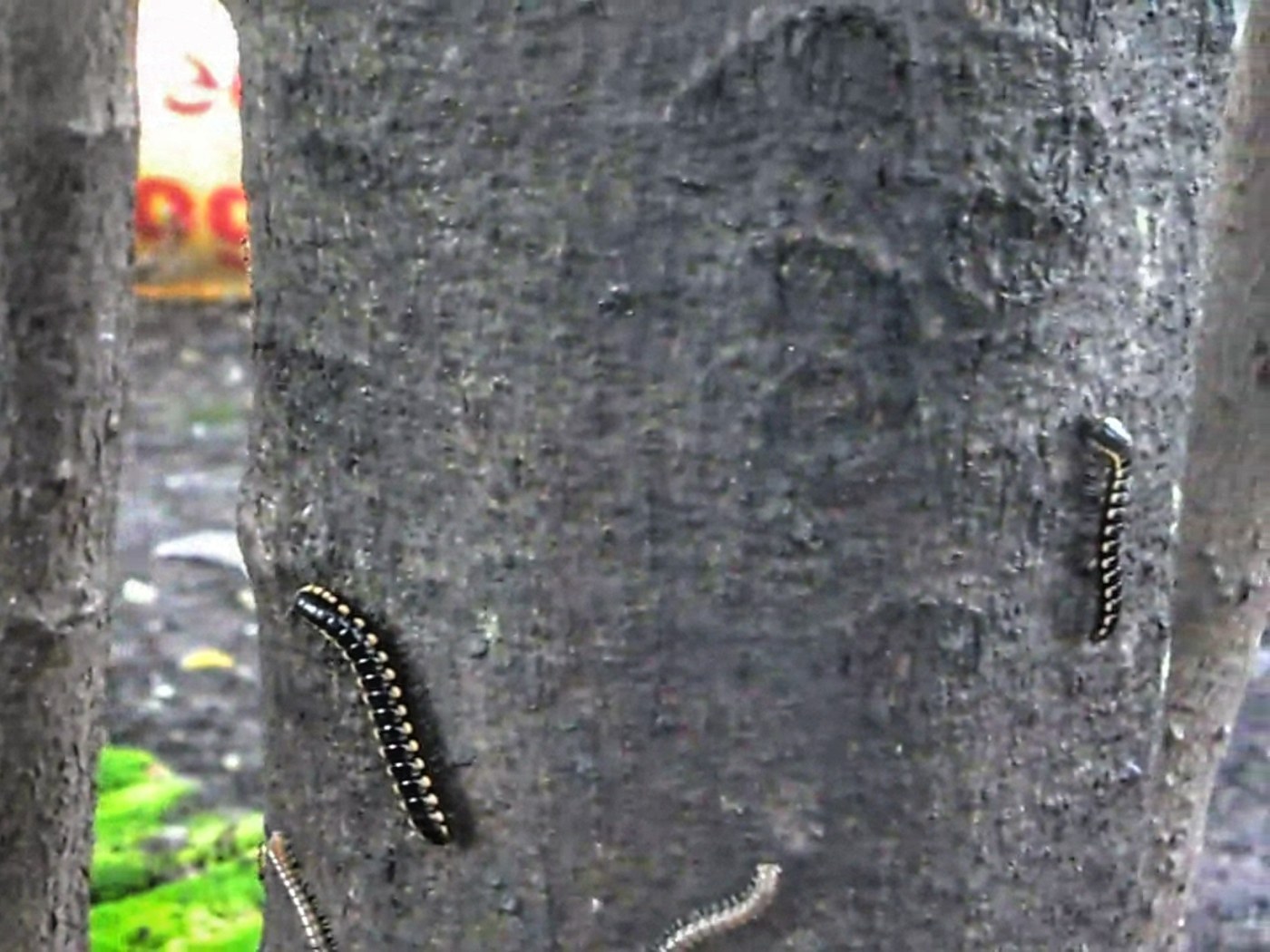
Yellow-spotted Millipede
Harpaphe haydeniana
A striking black millipede lined with bright yellow-orange spots along its flanks, one of the most recognizable invertebrates of the Pacific coast's damp forest floors.
- Size
- 4-5 cm (1.6-2 in) long
- Habitat
- Moist coniferous and mixed forests of the Pacific Northwest
- Danger
- Harmless
Spotted a bug like this?
Identify any bug or insect from a photo, free.
Overview
The yellow-spotted millipede is a large, boldly patterned polydesmid millipede native to the humid forests of the Pacific coast of North America, from British Columbia to California. Its glossy black body and evenly spaced row of yellow to orange-yellow spots along each side make it one of the easiest millipedes to identify on sight.
As a detritivore, this species is a major contributor to leaf litter decomposition in the redwood and Douglas-fir forests it inhabits, and its conspicuous coloration is thought to serve as a warning signal to potential predators about its chemical defenses. It is frequently encountered crossing trails and forest floors, especially in the wetter months of the year.
How to Identify
- Glossy black or dark brown body with a single row of bright yellow-orange spots along each side
- Flattened, keeled body typical of the order Polydesmida, with about 20 segments
- Adults reach roughly 4-5 cm in length
- Short, clubbed antennae and no visible eyes
- Coils into a tight spiral when disturbed rather than rolling into a ball
- Distinguished from other Pacific Northwest millipedes by its high-contrast black-and-yellow pattern
Habitat & Range
Restricted largely to the Pacific coast of North America, from southern British Columbia through Washington, Oregon, and into northern California, favoring damp coniferous and mixed forests with abundant leaf litter, downed wood, and consistently high humidity. It is especially common in redwood and Douglas-fir forest floors and can be abundant after autumn and winter rains.
Behavior & Diet
This millipede feeds on decomposing leaves, needles, and rotting wood, breaking down tough plant fibers and cycling nutrients back into forest soil. It is most active on the surface during cool, wet weather and retreats into deeper litter or soil during dry conditions. When threatened, it produces a defensive secretion from glands along its body, accompanied by a noticeable almond-like scent, and its bright coloring is believed to warn predators of this chemical defense. It moves slowly and relies almost entirely on these passive defenses rather than fleeing.
Life Cycle
Eggs are laid in moist soil or leaf litter, and juveniles hatch with fewer segments and legs than adults, gaining both with each molt over a period of several years. Development to full maturity is slow compared to many insects, and individuals can live for several years, overwintering in sheltered litter or soil during colder months and becoming most visible during the wetter, cooler seasons.
Frequently asked questions
Where are yellow-spotted millipedes found?
They are native to the humid coastal and mountain forests of the Pacific Northwest, from British Columbia to northern California.
Why is it sometimes called the cyanide millipede?
The common nickname refers to the defensive compounds it releases when disturbed, which produce a distinctive almond-like odor.
Are yellow-spotted millipedes harmful to plants?
No, they feed on already-decaying plant material and do not damage living vegetation.
How long do yellow-spotted millipedes live?
They can live for several years, growing slowly and molting repeatedly before reaching full adult size.
Yellow-spotted Millipede guides
In-depth guides for identifying, understanding, and living alongside Yellow-spotted Millipede.
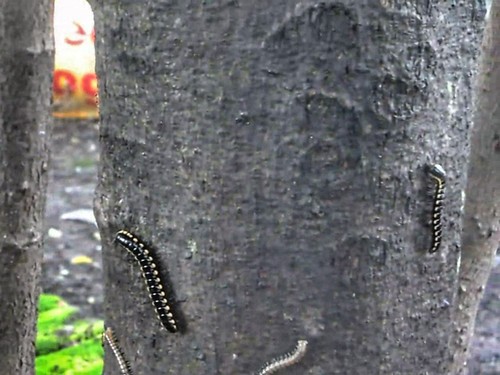
Yellow-spotted Millipede identified by the community
Real finds identified with Bug Identifier.
Other bugs you may enjoy
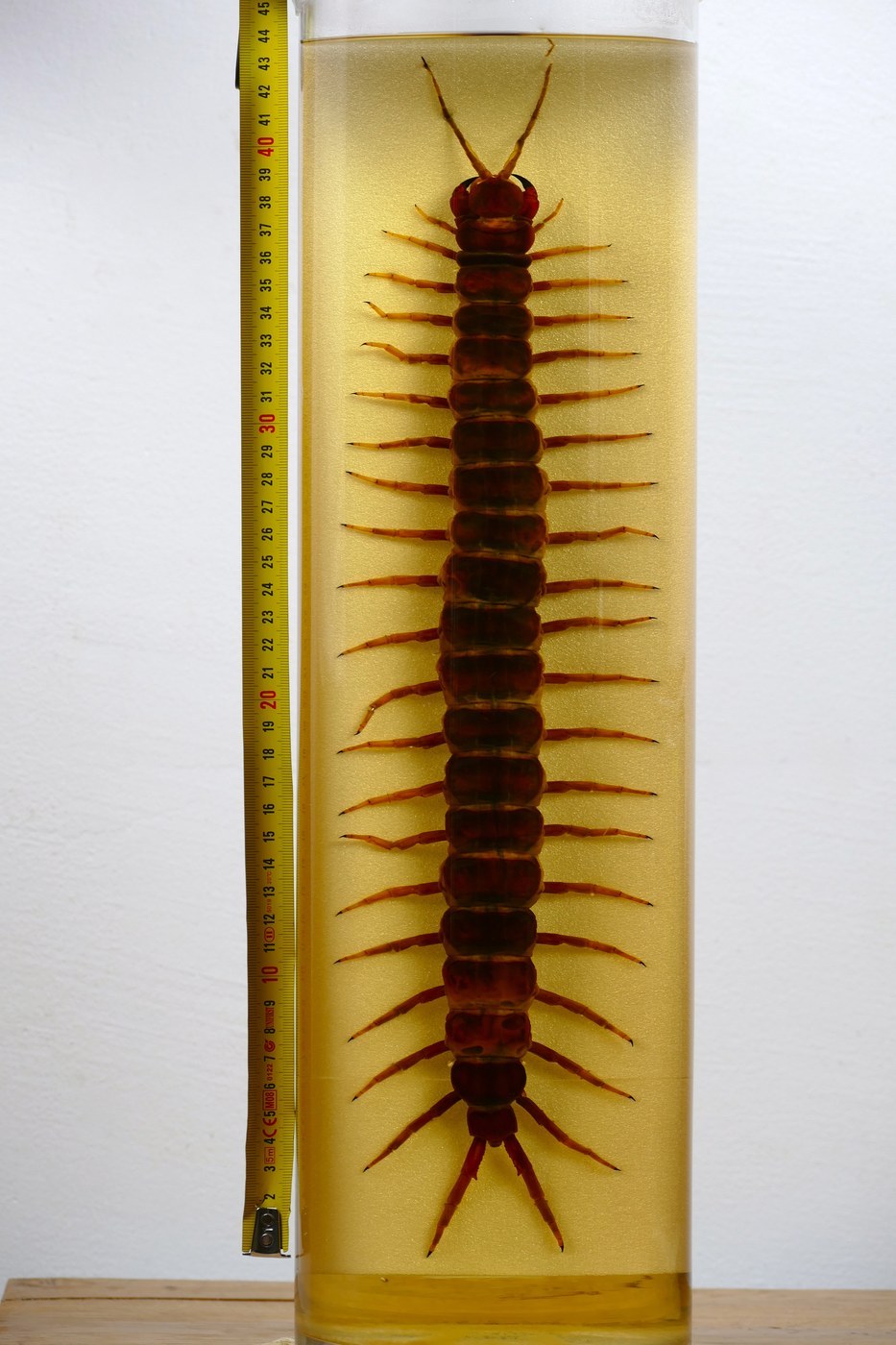
Amazonian Giant Centipede
Tropical rainforests and caves of northern South America and nearby Caribbean islands
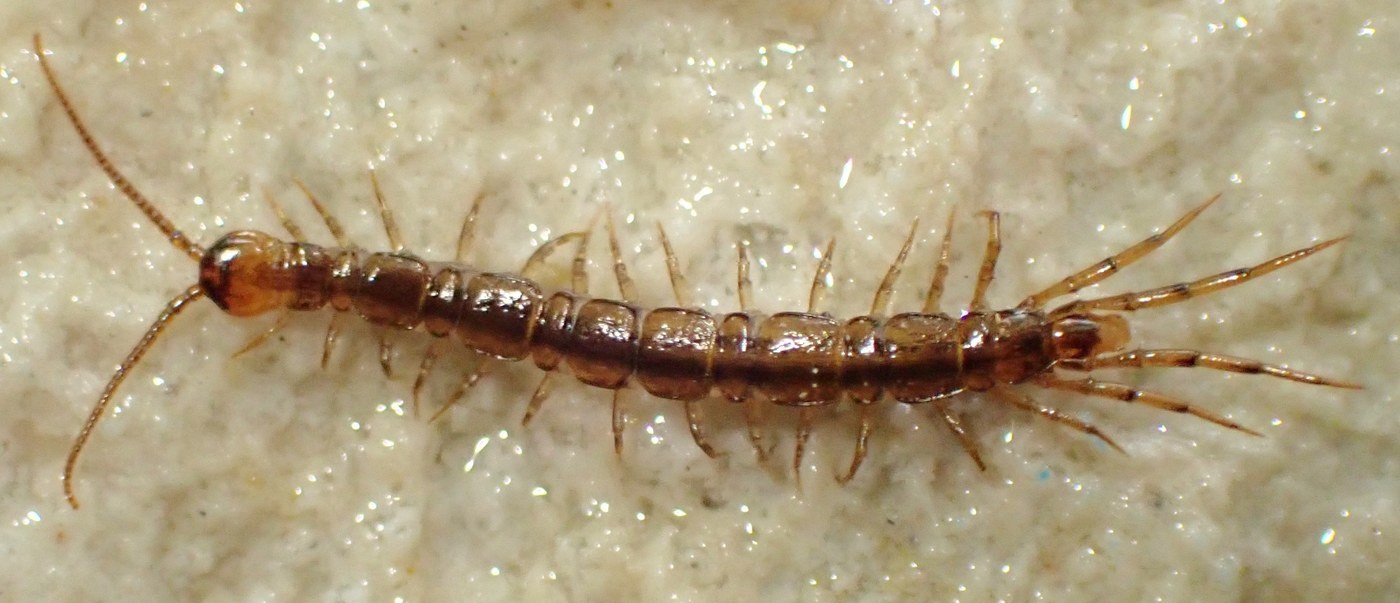
Stone Centipede
Under stones, bark, and soil in gardens and woodlands
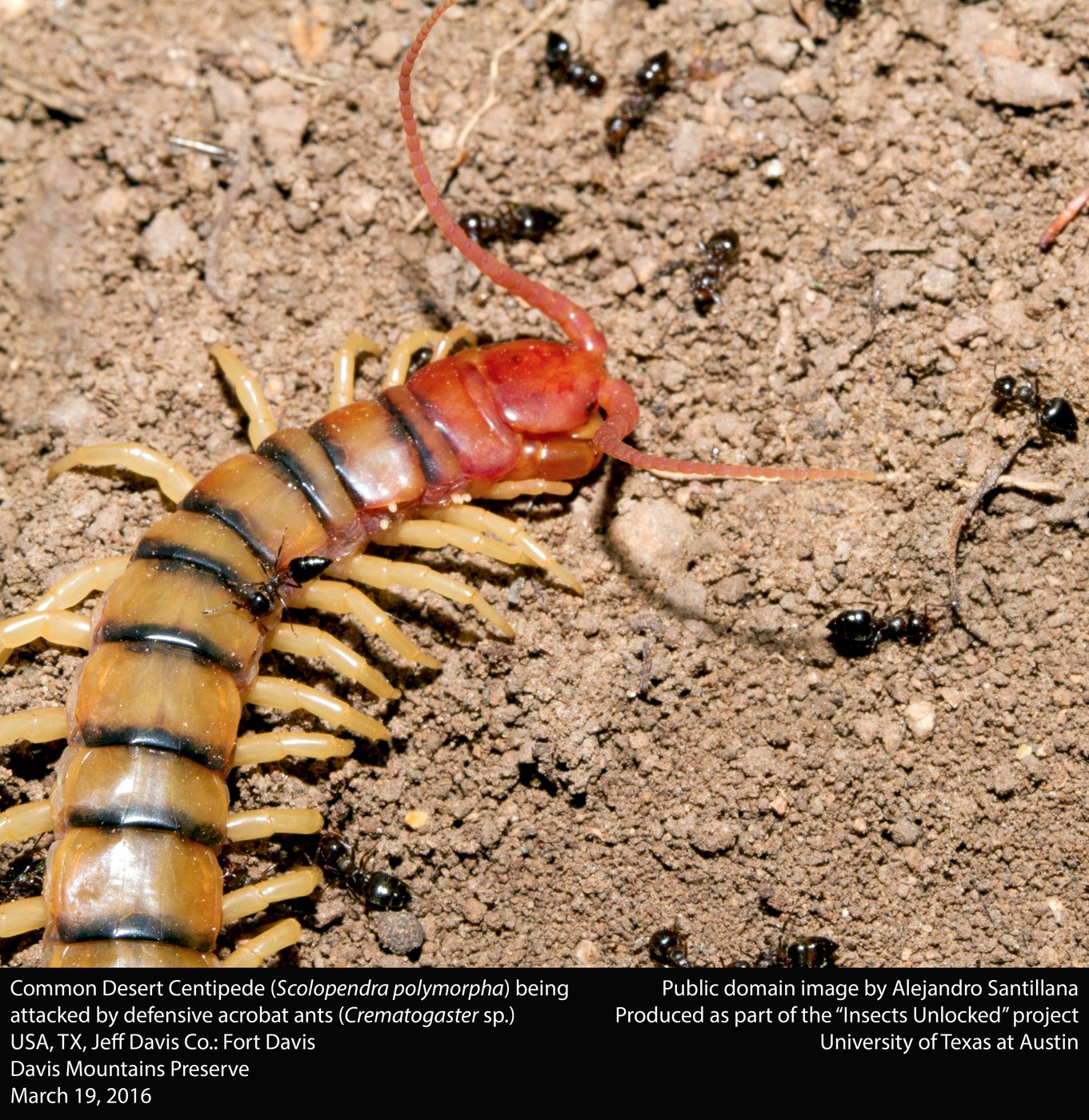
Tiger Centipede
Arid deserts, scrubland, and rocky terrain of the southwestern US and Mexico
Pill Millipede
Leaf litter, forest floors, and moist soil in temperate and tropical regions
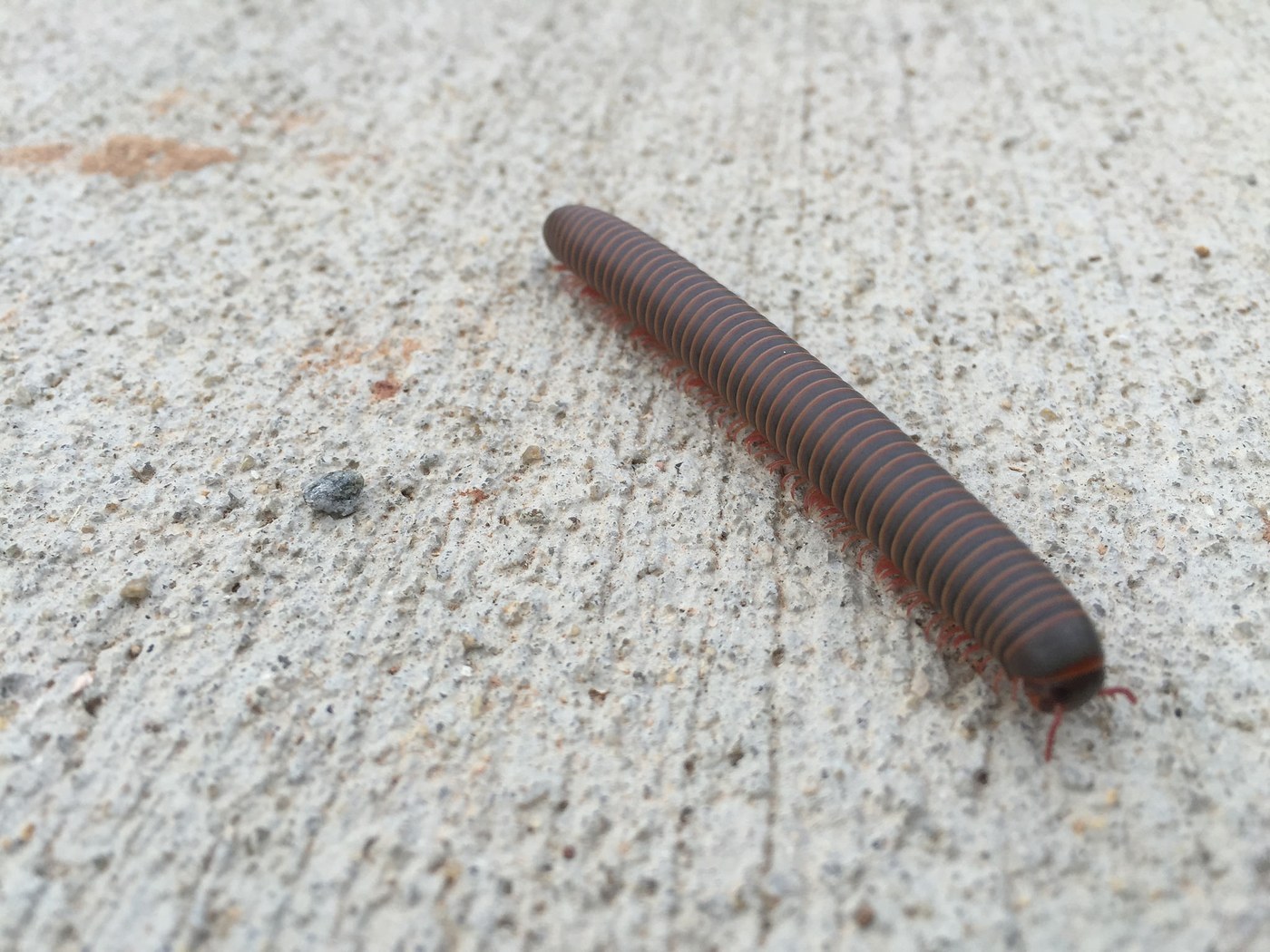
Millipede
Leaf litter, mulch, damp soil, and under logs, bark, and stones
Soil Centipede
Deep soil, leaf litter, and decaying wood
Snake Millipede
Moist soil, leaf litter, and decaying plant material
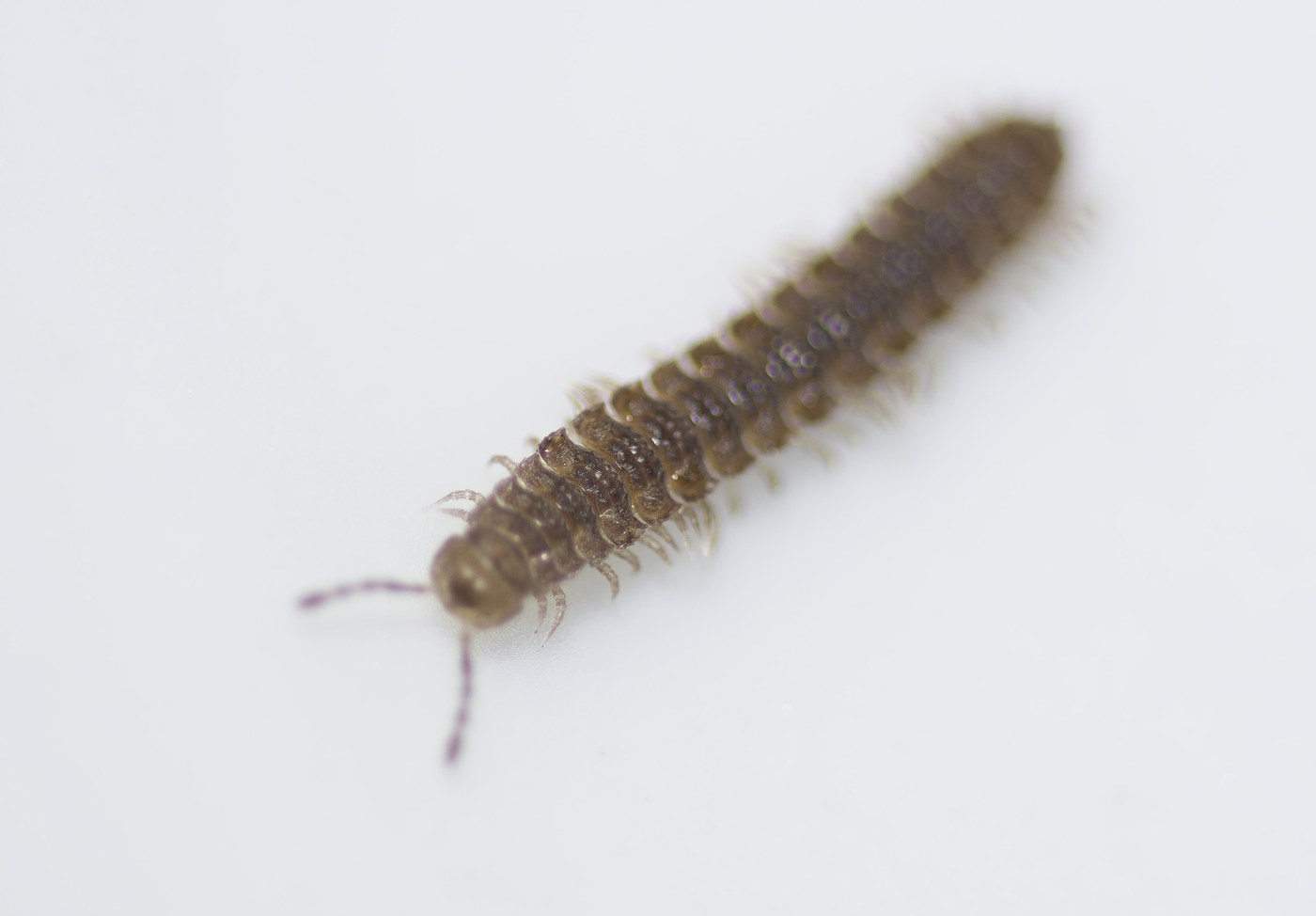
Flat-backed Millipede
Leaf litter, mulch, and damp soil in gardens and woodlands
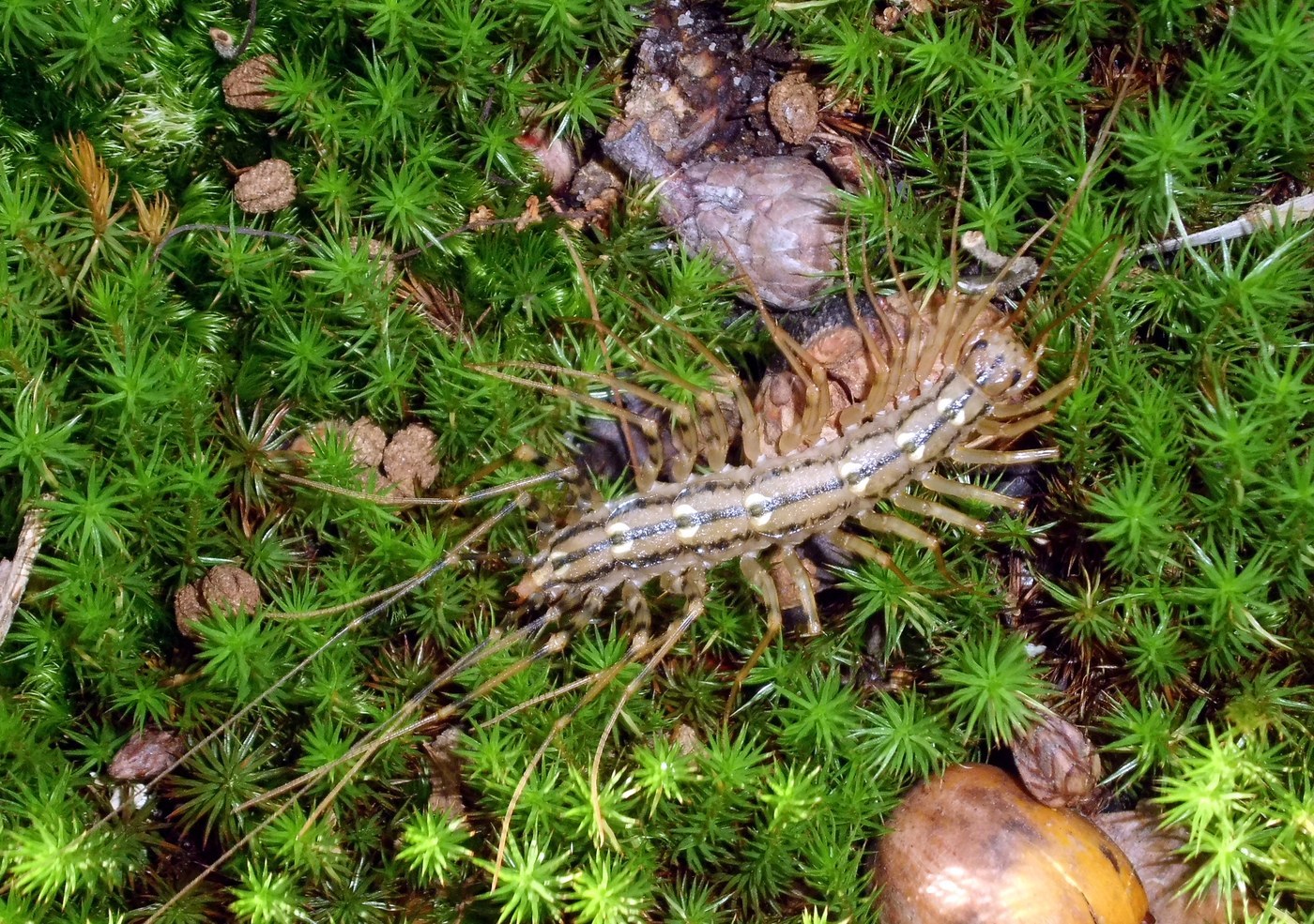
House Centipede
Damp basements, bathrooms, leaf litter
Giant Centipede
Tropical, subtropical, and warm temperate forests, deserts, and grasslands worldwide
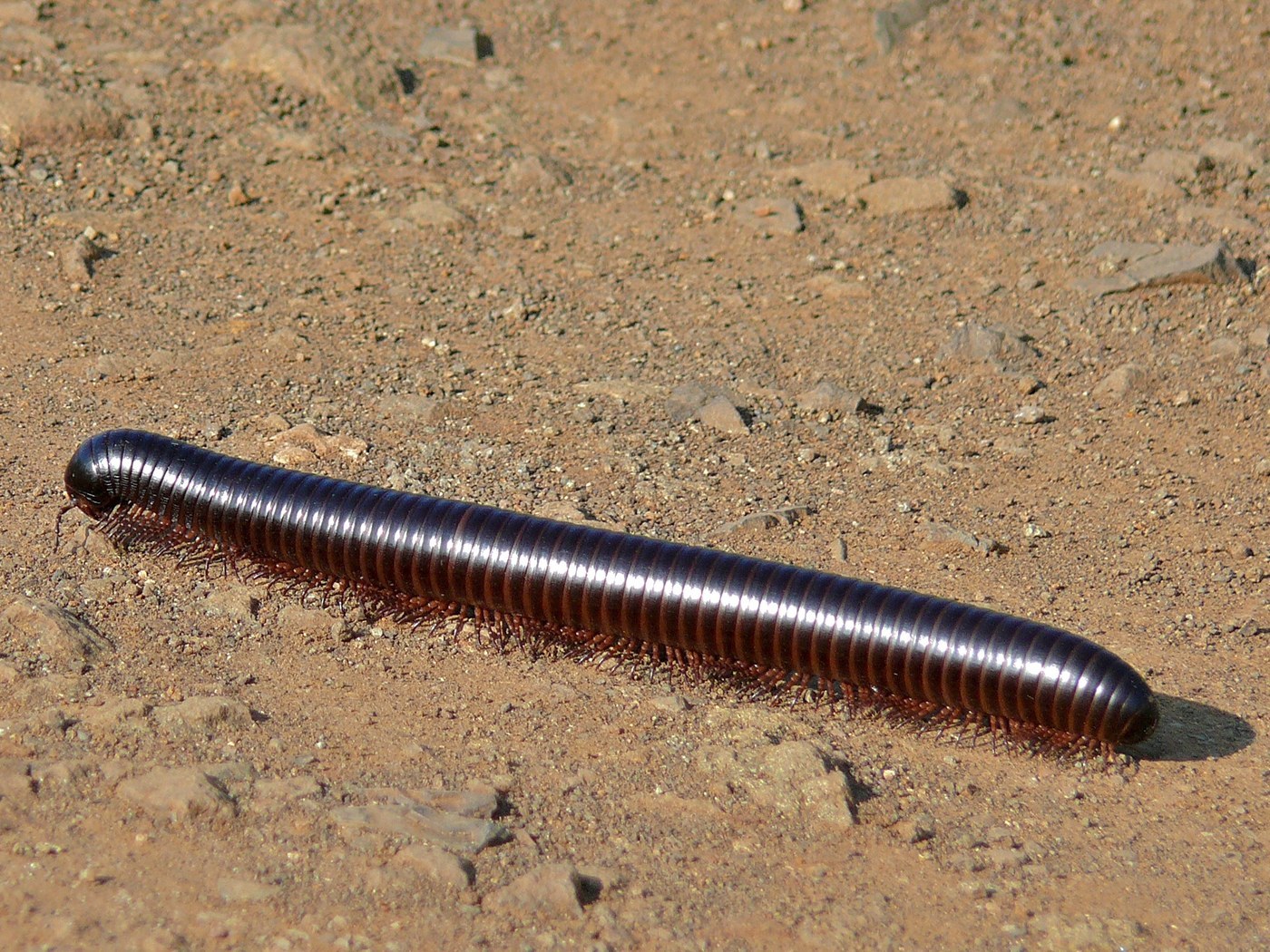
Giant African Millipede
Tropical forests and moist lowlands of East Africa
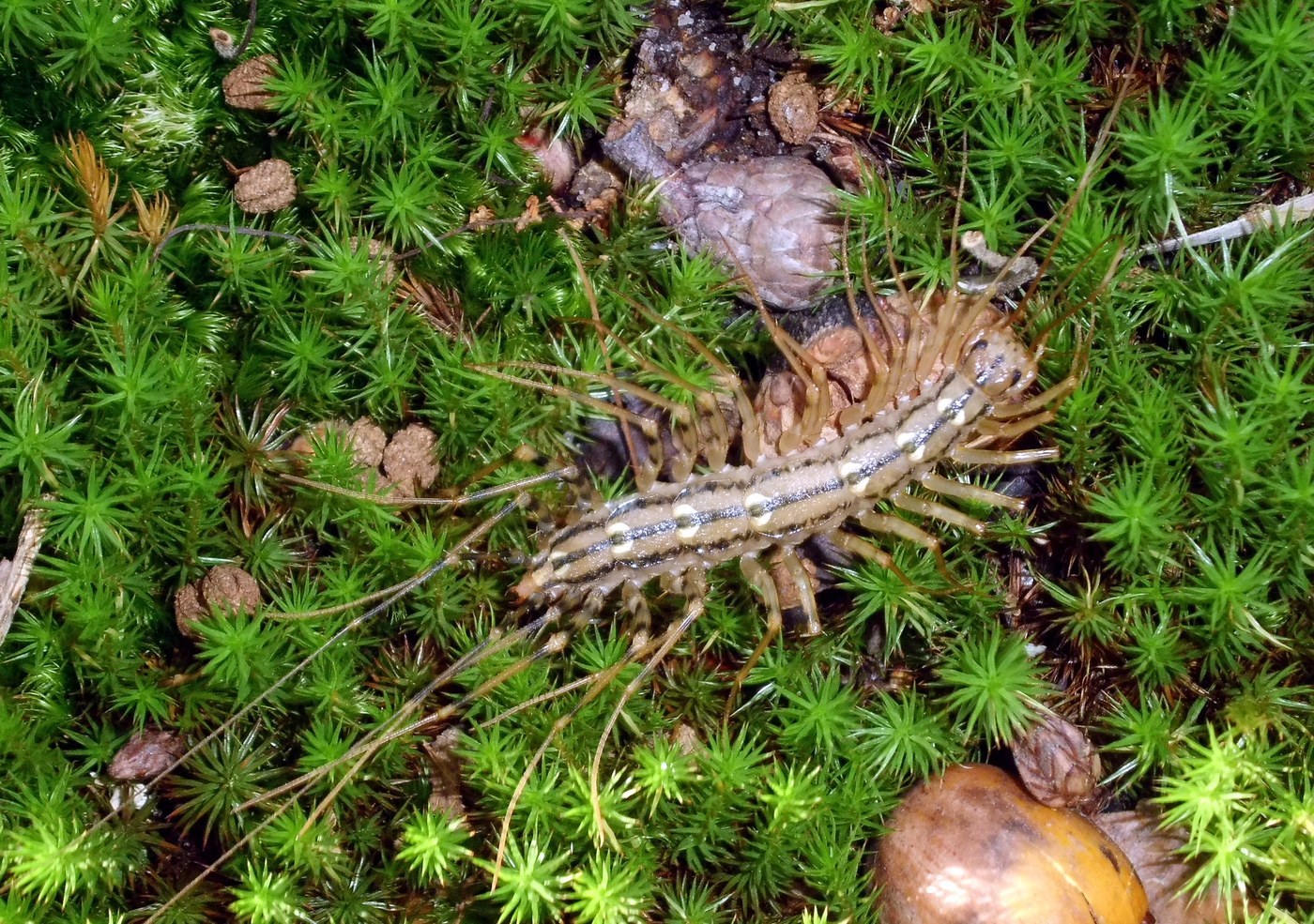
Centipede
Damp, dark places such as basements, bathrooms, leaf litter, and under rocks and logs