
Soil Centipede
Geophilus spp.
An extremely long, thin, worm-like centipede with dozens of leg pairs that burrows through soil using its elongated body rather than speed to get around.
- Size
- 3-10 cm (1.2-4 in) long, thread-thin
- Habitat
- Deep soil, leaf litter, and decaying wood
- Danger
- Bites
Spotted a bug like this?
Identify any bug or insect from a photo, free.
Overview
Soil centipedes make up the order Geophilomorpha, a group defined by their extremely elongated, thread-like bodies bearing anywhere from about 30 to well over 100 pairs of legs depending on the species. Unlike the fast-running stone or house centipedes, soil centipedes are built for burrowing, pushing through loose soil and decomposing wood using undulating body movements much like a small worm.
These pale, often yellowish or pinkish centipedes are seldom seen above ground and spend virtually their entire lives within the soil profile or inside rotting logs, where they hunt small invertebrates. Their role as subterranean predators makes them an important, if rarely noticed, part of the soil ecosystem.
How to Identify
- Very long, slender, worm-like body, much thinner in proportion to length than other centipedes
- Numerous leg pairs, often 30 to over 100 depending on species, always an odd number of pairs
- Coloration typically pale yellow, tan, or pinkish, sometimes with a darker head
- Lacks the long antennae-like rear legs seen in house centipedes
- Moves with a slow, wave-like, snake-like motion rather than scurrying
- No eyes in most species, relying on sensory antennae instead
Habitat & Range
Found worldwide in soil, leaf litter, and decaying wood, soil centipedes rarely surface, remaining within the cool, humid soil profile of gardens, forests, and grasslands. They are most likely to be uncovered by digging or turning over deeply buried logs and stones rather than surface debris.
Behavior & Diet
Soil centipedes prey on small soil invertebrates such as earthworm eggs, insect larvae, and other tiny arthropods, using a venom-injecting bite delivered through modified front legs to immobilize prey in confined soil spaces. Their elongated bodies let them navigate narrow crevices and burrows that larger, stiffer centipedes cannot enter. As subterranean predators, they help regulate populations of other small soil organisms and are themselves food for larger burrowing predators.
Life Cycle
Females typically guard a clutch of eggs, coiling around them in a soil chamber until they hatch, a behavior distinct from many other centipede groups. Unlike stone centipedes, soil centipedes hatch with their full adult number of legs and segments (epimorphic development), growing larger through subsequent molts without adding more segments. Development can take one to two years to reach maturity, and adults may live for several years within the soil.
Frequently asked questions
Why are soil centipedes so much thinner than other centipedes?
Their slender, worm-like shape lets them push through tight soil crevices and rotting wood in a burrowing lifestyle.
Do soil centipedes have more legs than other centipedes?
Yes, many species have far more leg pairs than surface-dwelling centipedes, sometimes exceeding 100 pairs.
Can soil centipedes bite?
Yes, they use a venomous bite from modified front legs to subdue tiny soil-dwelling prey, and can bite in defense if handled.
Where do soil centipedes live?
They live almost entirely underground or inside decaying logs, rarely appearing on the soil surface.
Soil Centipede guides
In-depth guides for identifying, understanding, and living alongside Soil Centipede.
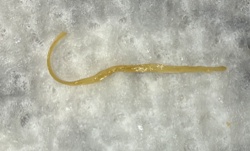
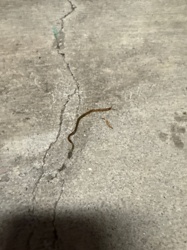
Soil Centipede identified by the community
Real finds identified with Bug Identifier.
Other bugs you may enjoy
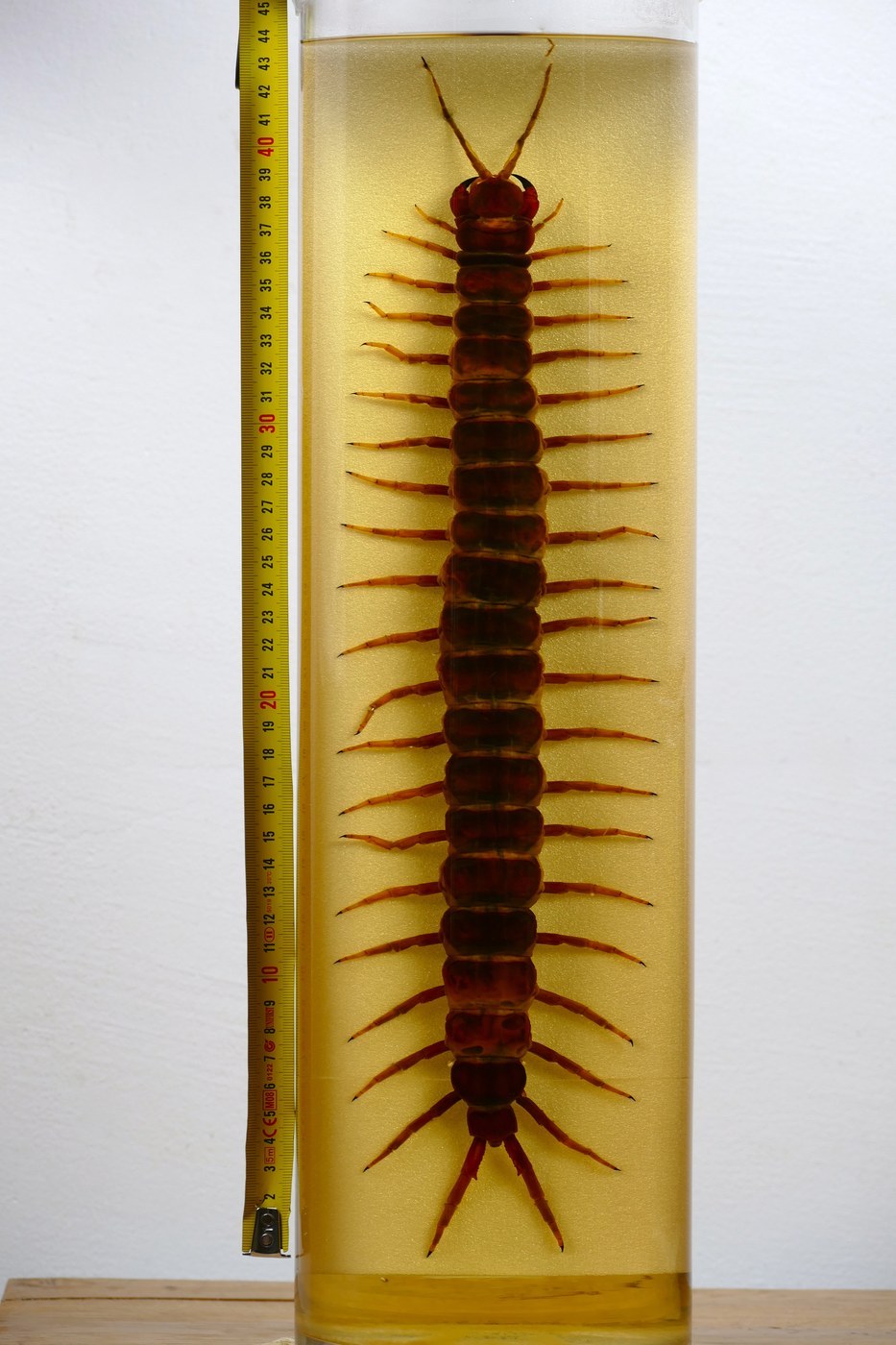
Amazonian Giant Centipede
Tropical rainforests and caves of northern South America and nearby Caribbean islands
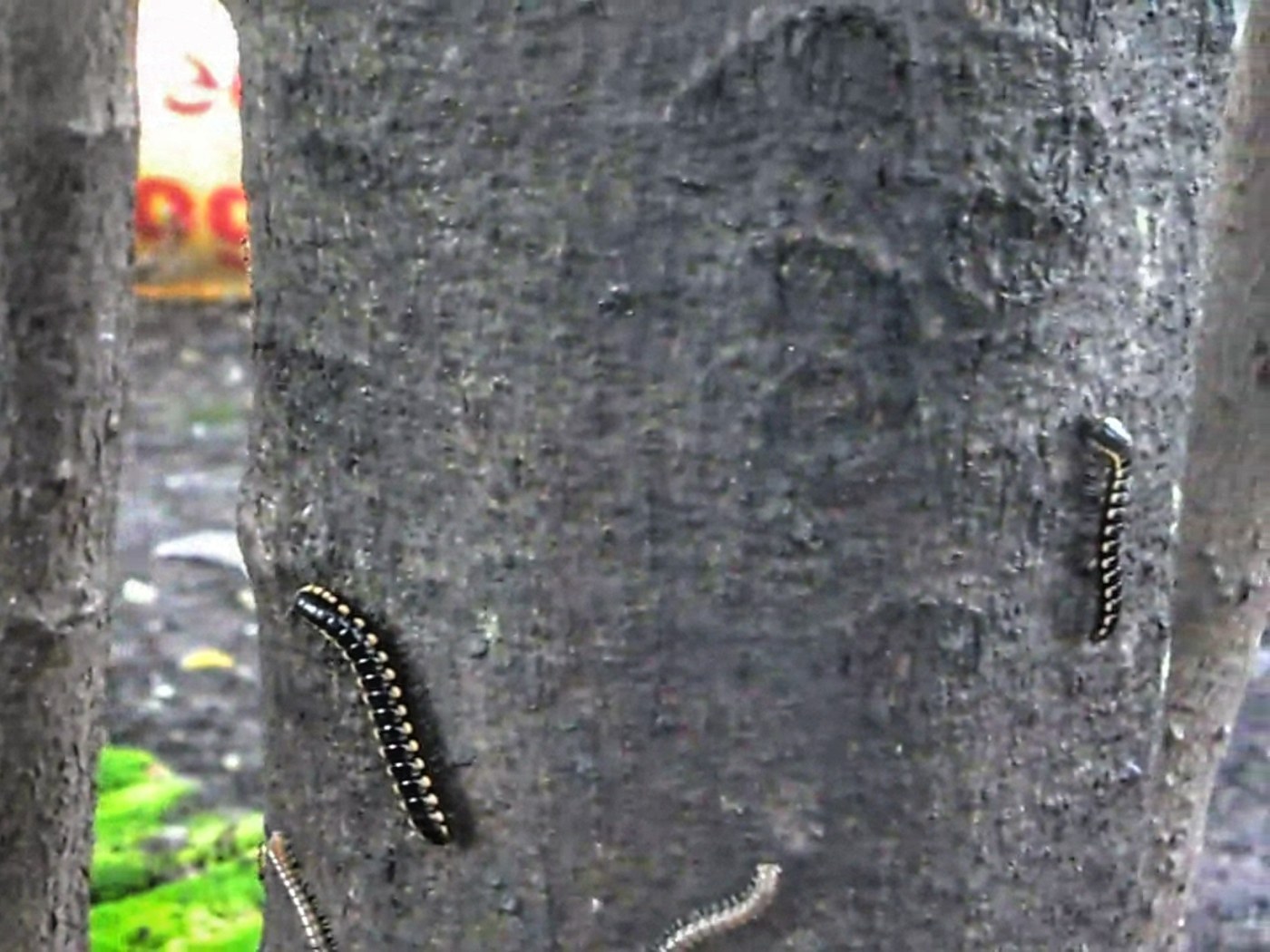
Yellow-spotted Millipede
Moist coniferous and mixed forests of the Pacific Northwest
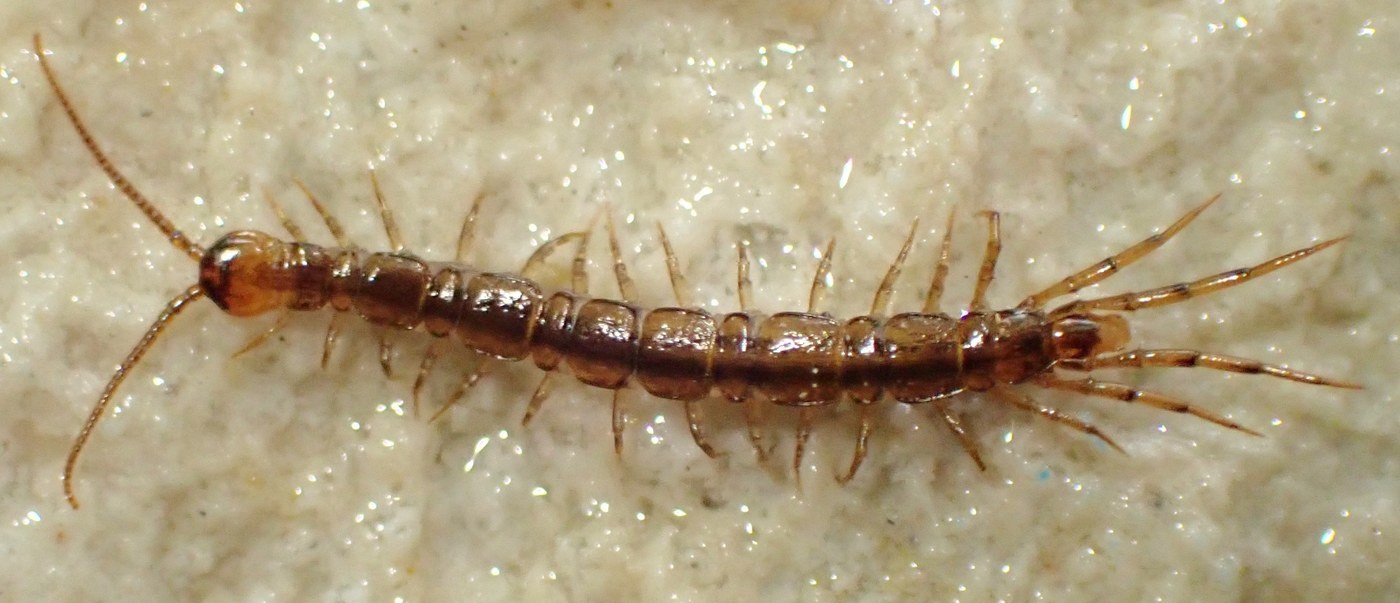
Stone Centipede
Under stones, bark, and soil in gardens and woodlands
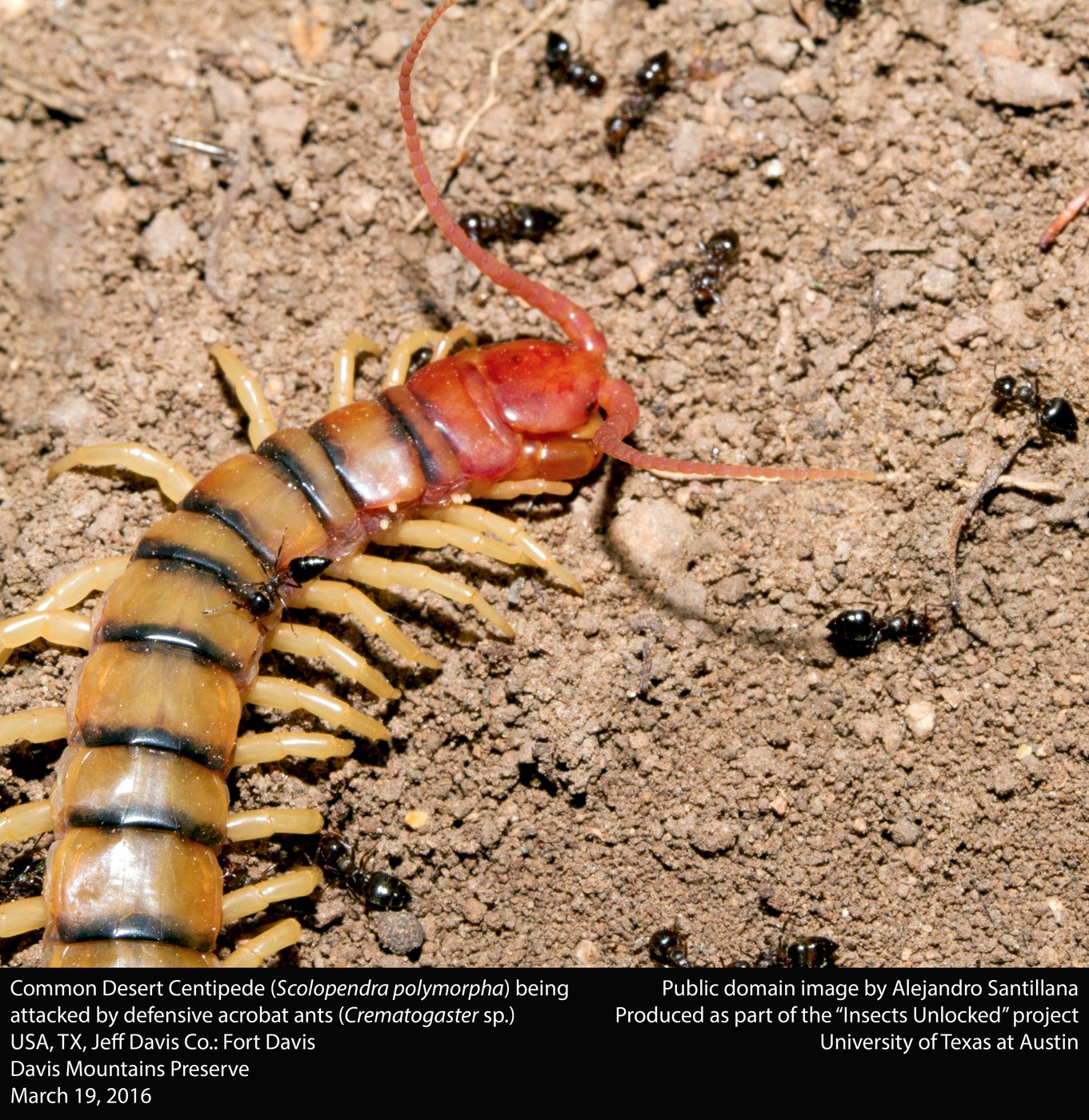
Tiger Centipede
Arid deserts, scrubland, and rocky terrain of the southwestern US and Mexico
Pill Millipede
Leaf litter, forest floors, and moist soil in temperate and tropical regions
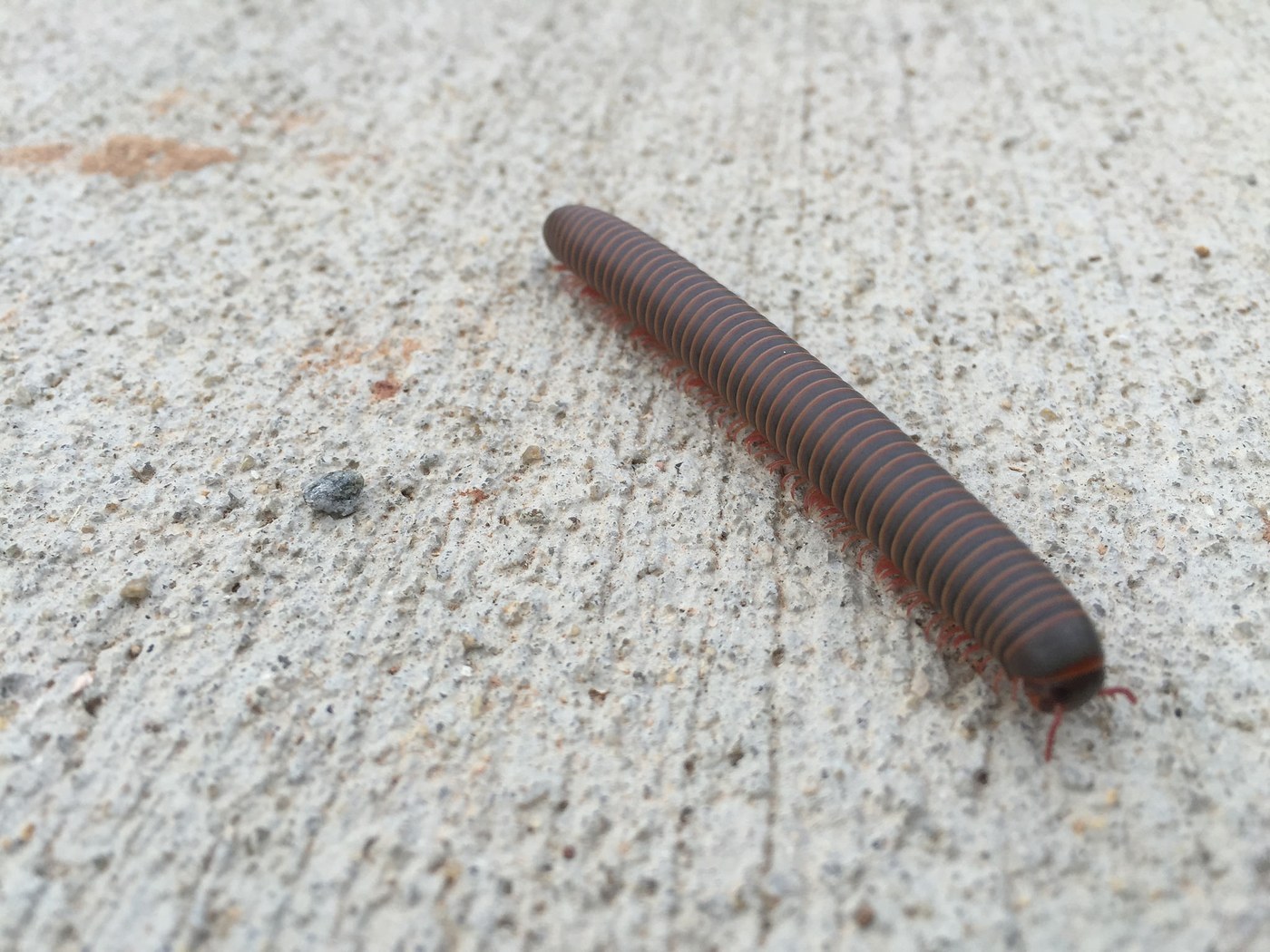
Millipede
Leaf litter, mulch, damp soil, and under logs, bark, and stones
Snake Millipede
Moist soil, leaf litter, and decaying plant material
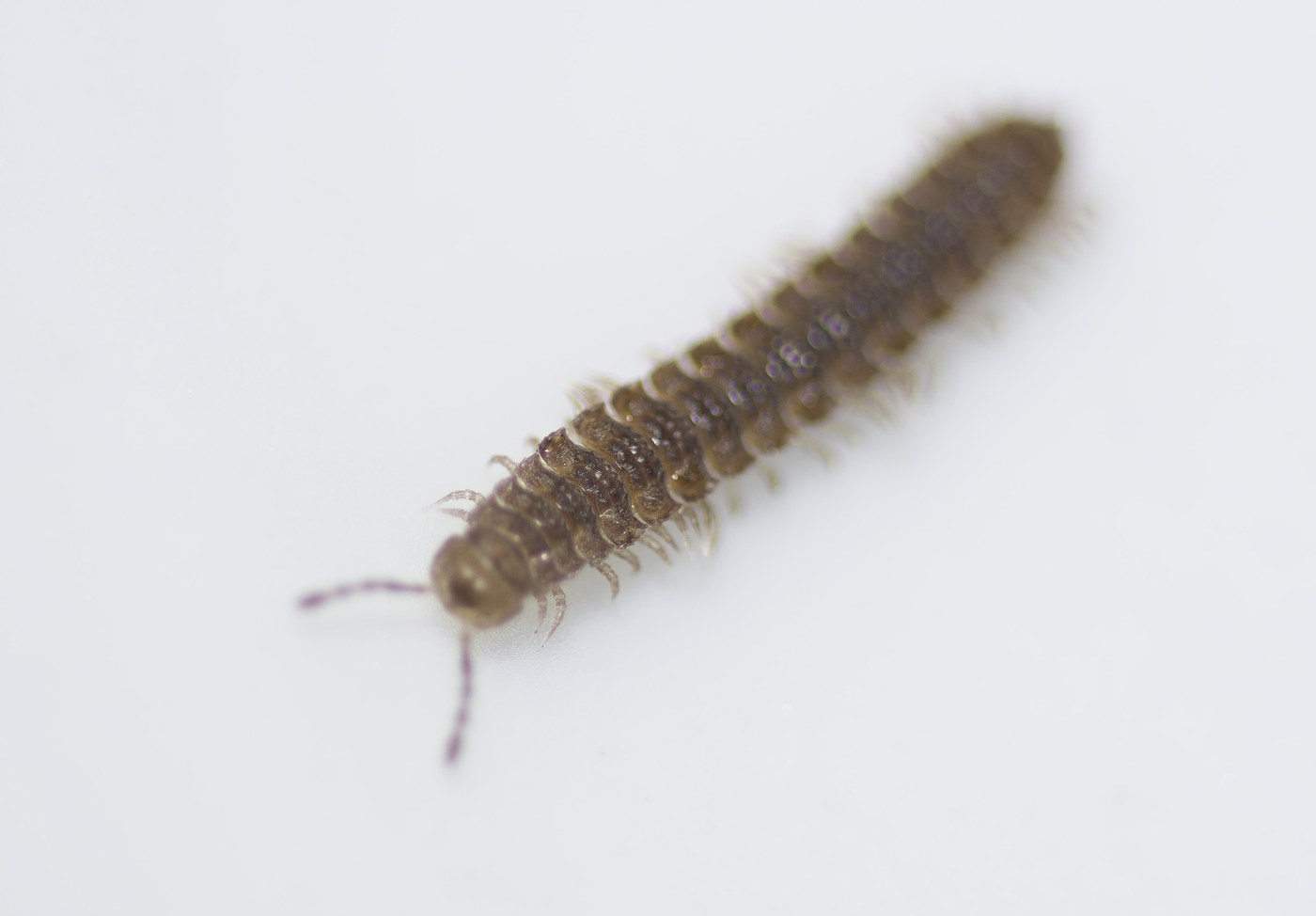
Flat-backed Millipede
Leaf litter, mulch, and damp soil in gardens and woodlands
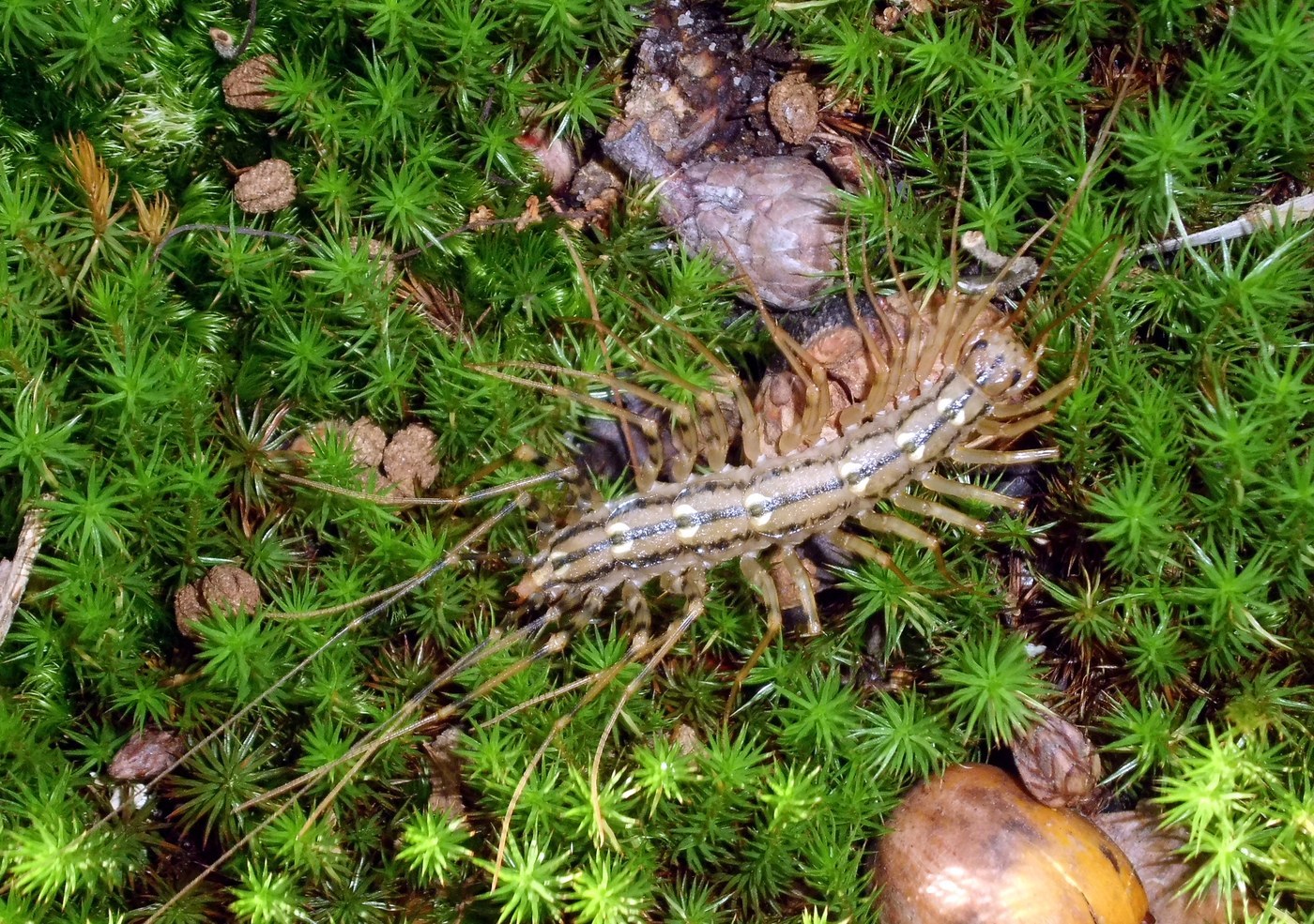
House Centipede
Damp basements, bathrooms, leaf litter
Giant Centipede
Tropical, subtropical, and warm temperate forests, deserts, and grasslands worldwide
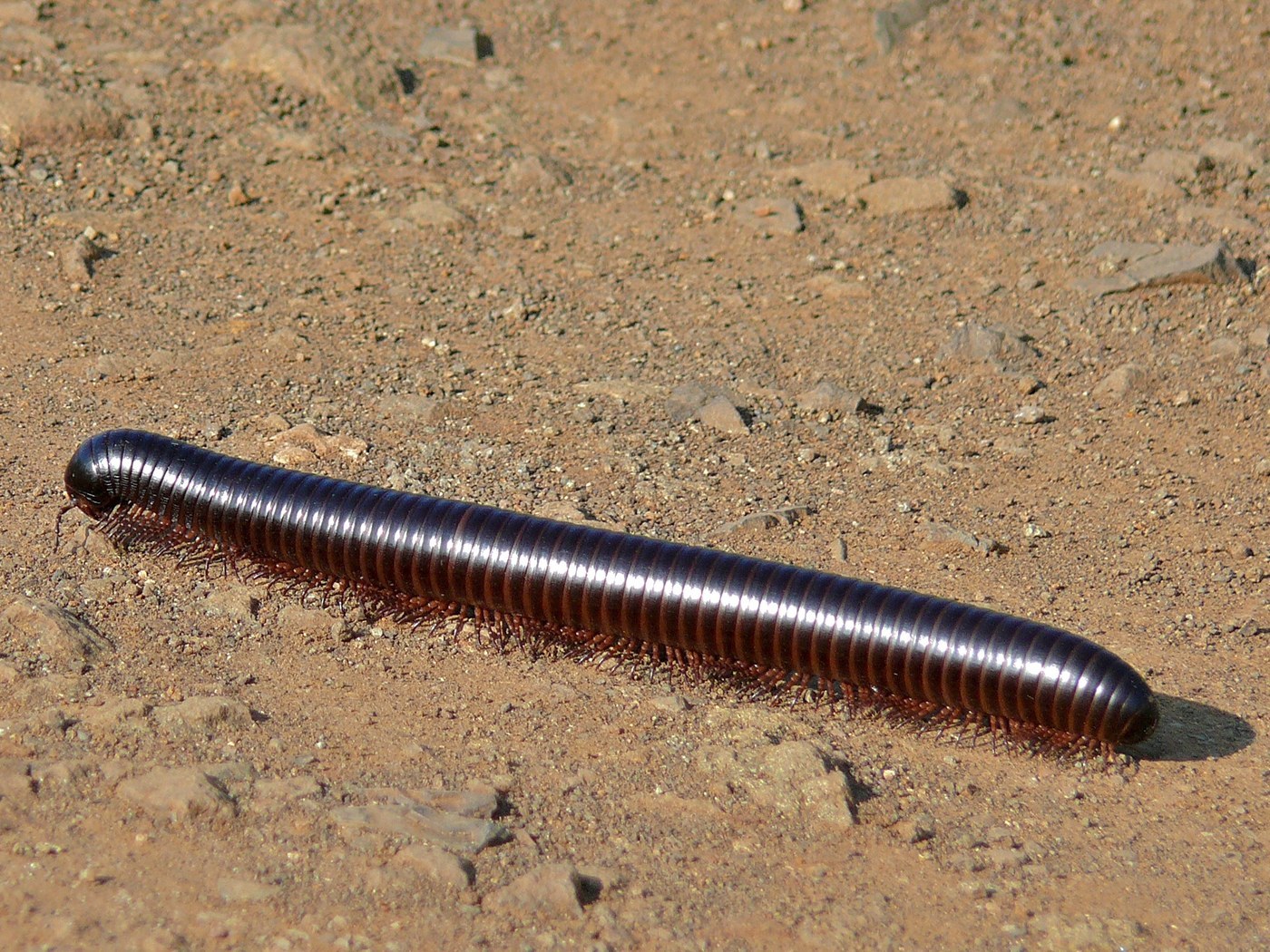
Giant African Millipede
Tropical forests and moist lowlands of East Africa
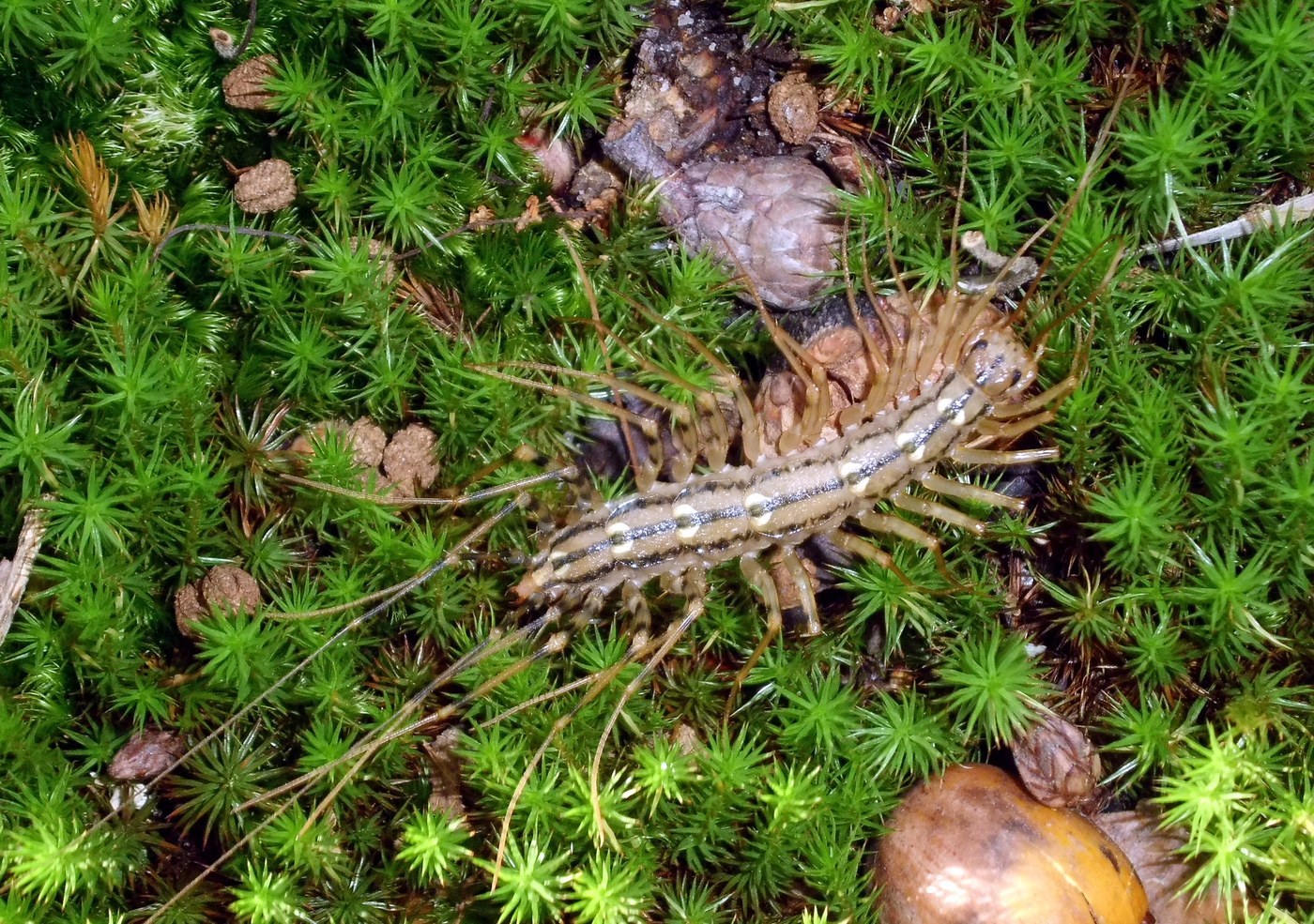
Centipede
Damp, dark places such as basements, bathrooms, leaf litter, and under rocks and logs