
Pill Millipede
Glomeris spp.
A short, heavily armored millipede that rolls into a tight, perfect ball when disturbed, closely resembling a pill bug but built from far fewer, broader body segments.
- Size
- 1-2 cm, though giant pill millipedes can reach 5 cm
- Habitat
- Leaf litter, forest floors, and moist soil in temperate and tropical regions
- Danger
- Harmless
Spotted a bug like this?
Identify any bug or insect from a photo, free.
Overview
Pill millipedes are small, compact myriapods notable for their ability to roll into a nearly perfect sphere when threatened, a defensive behavior that gives them their common name and often causes confusion with unrelated pill bugs (which are actually terrestrial crustaceans, not millipedes). Despite the superficial resemblance, pill millipedes belong to the order Glomerida and possess the two-pairs-of-legs-per-segment body plan characteristic of all true millipedes.
Their bodies are short and consist of far fewer, but much broader and more heavily armored, segments compared to the long, worm-like bodies of many other millipede groups. This robust plating allows them to form a tight, protective ball that conceals their legs and head entirely, making them very difficult for predators to grasp or pry open.
Pill millipedes are detritivores found in leaf litter and forest floor habitats worldwide, where they contribute to the breakdown of organic material and nutrient cycling in soil ecosystems.
How to Identify
- Short, oval, strongly convex body typically 1 to 2 cm long, though some larger tropical species reach around 5 cm
- Body composed of relatively few, wide, heavily armored segments compared to elongated millipede species
- Colors range from dark brown and black to more vividly patterned yellow, orange, or reddish markings in some species
- Rolls into a tight, complete sphere when disturbed, fully enclosing the legs and head
- Two pairs of legs per body segment, as in all true millipedes
- Distinguished from pill bugs (woodlice) by having many more legs and lacking the pill bug's overlapping plate segmentation and antenna structure
Habitat & Range
Pill millipedes are found in temperate and tropical regions across Europe, parts of Asia, and other areas with suitable moist forest floor habitat. They favor leaf litter, moss, decaying logs, and moist soil where organic matter is abundant.
They require consistently humid conditions to prevent desiccation and are most active during mild, damp weather, often becoming less visible during dry spells when they retreat deeper into leaf litter or soil.
Behavior & Diet
Pill millipedes feed on decaying plant material, leaf litter, and fungal matter, contributing to decomposition and nutrient cycling within forest floor ecosystems. Their feeding activity helps break down organic debris into forms more readily used by soil microorganisms and plants.
When disturbed, their primary and most distinctive defense is to roll tightly into a ball, protecting the soft underside and legs behind hardened dorsal plates, a strategy that makes them resistant to many small predators. They are generally slow-moving and non-aggressive, relying almost entirely on this passive defense rather than any active deterrent.
Life Cycle
Female pill millipedes lay eggs in moist soil or leaf litter, sometimes in small protective nests. Hatchlings emerge with fewer body segments and legs than adults, gradually gaining additional segments and leg pairs through a series of molts as they mature.
Development to adulthood generally takes place over one to a few years depending on species and climate, with molting continuing periodically throughout life. Pill millipedes can be relatively long-lived among small invertebrates, with some species persisting for several years.
Frequently asked questions
Is a pill millipede the same as a pill bug or roly-poly?
No, despite similar rolling behavior, pill millipedes are true millipedes with many pairs of legs, while pill bugs (roly-polies) are terrestrial crustaceans, a completely different group of animals.
How can you tell a pill millipede apart from a pill bug?
Pill millipedes have noticeably more legs and form a smoother, more complete sphere, while pill bugs have fewer legs, overlapping armored plates, and small tail-like appendages visible at the rear.
What do pill millipedes eat?
They feed on decaying leaves, plant debris, and fungal material found in leaf litter and forest floor soil, aiding in decomposition.
Why do pill millipedes roll into a ball?
Rolling into a tight sphere is their main defense mechanism, protecting their vulnerable legs and undersides behind hardened body plates when threatened.
Pill Millipede guides
In-depth guides for identifying, understanding, and living alongside Pill Millipede.
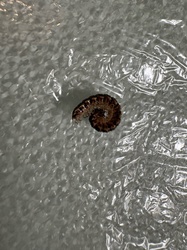
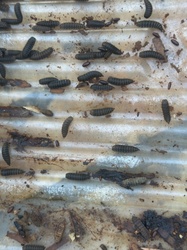
Pill Millipede identified by the community
Real finds identified with Bug Identifier.
Other bugs you may enjoy
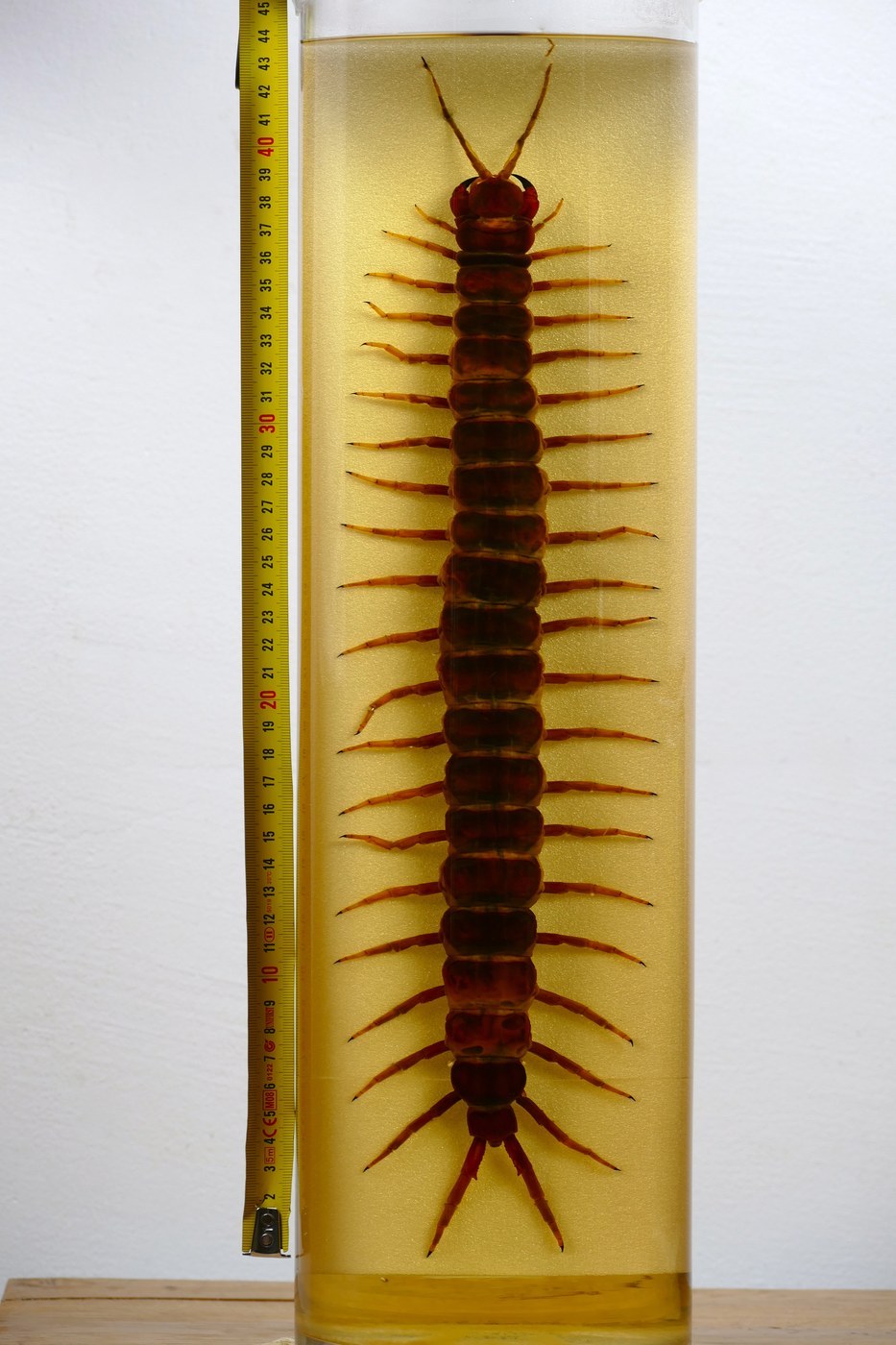
Amazonian Giant Centipede
Tropical rainforests and caves of northern South America and nearby Caribbean islands
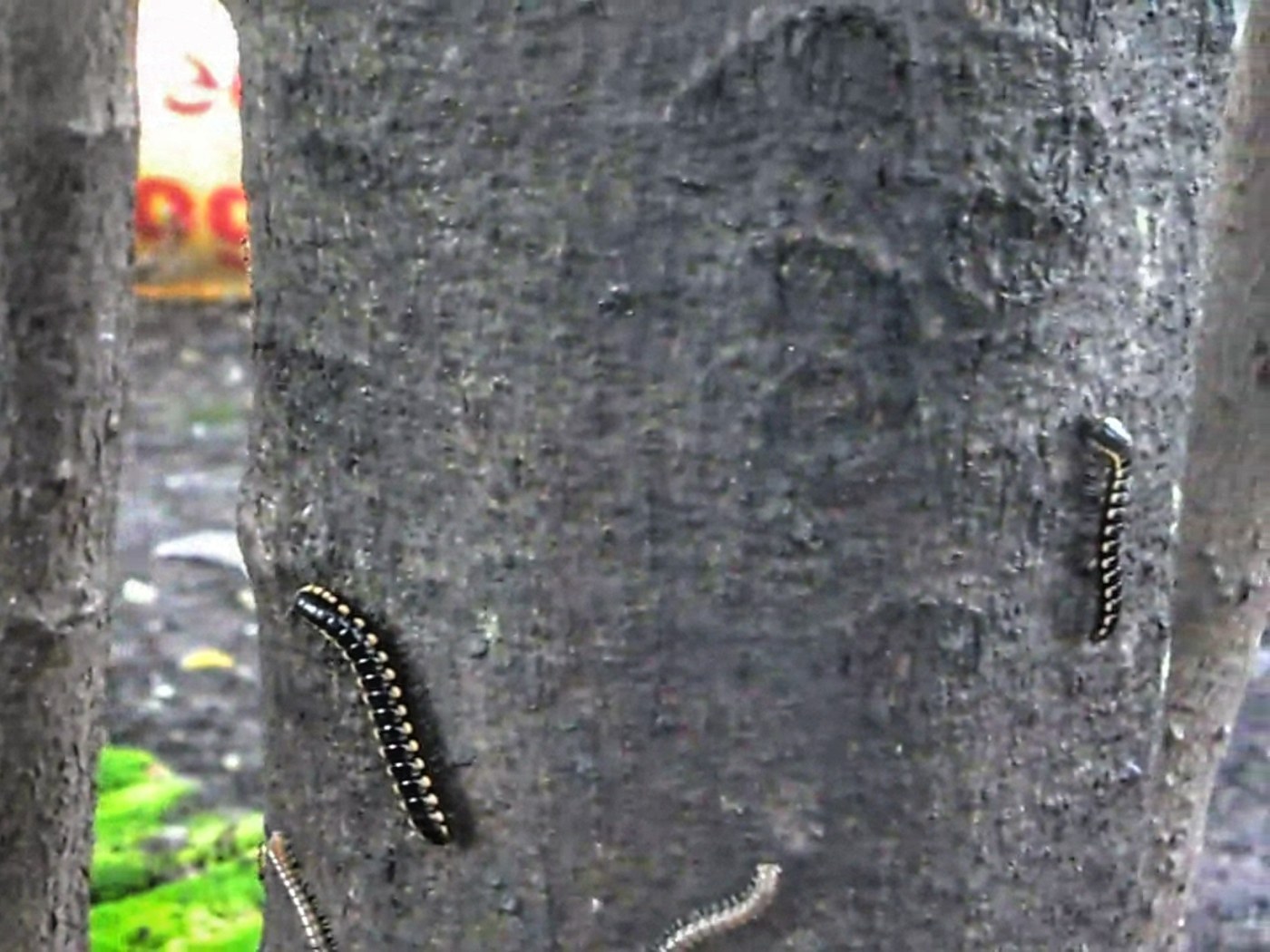
Yellow-spotted Millipede
Moist coniferous and mixed forests of the Pacific Northwest
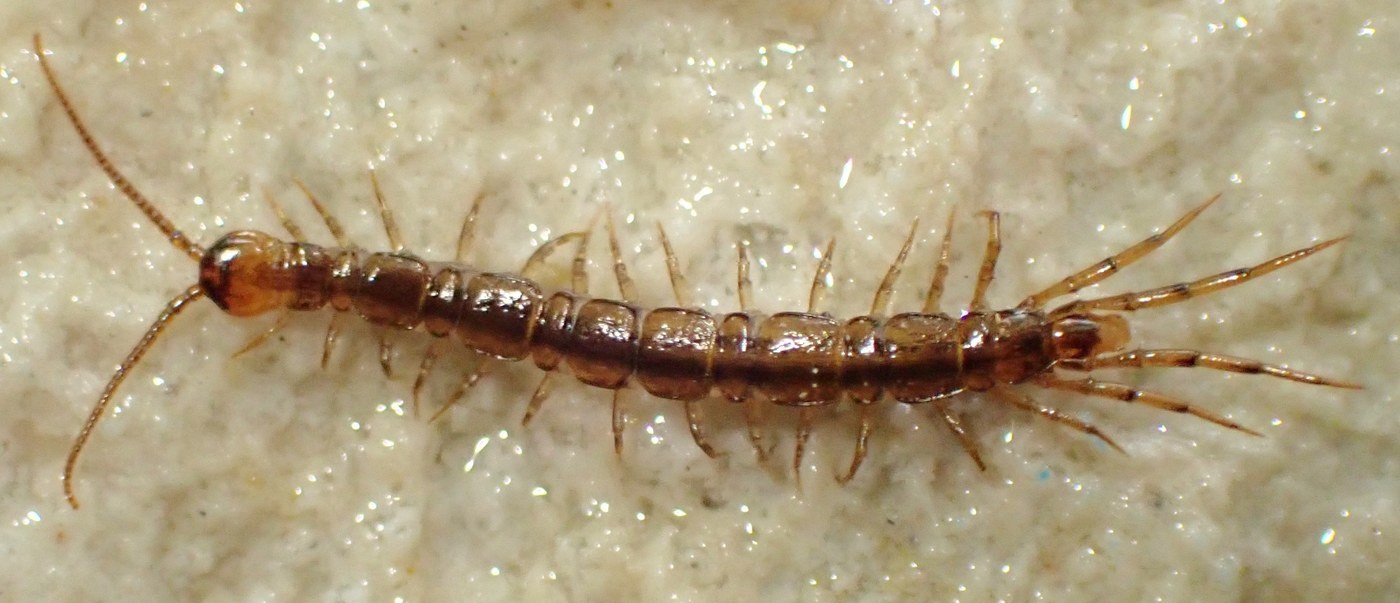
Stone Centipede
Under stones, bark, and soil in gardens and woodlands
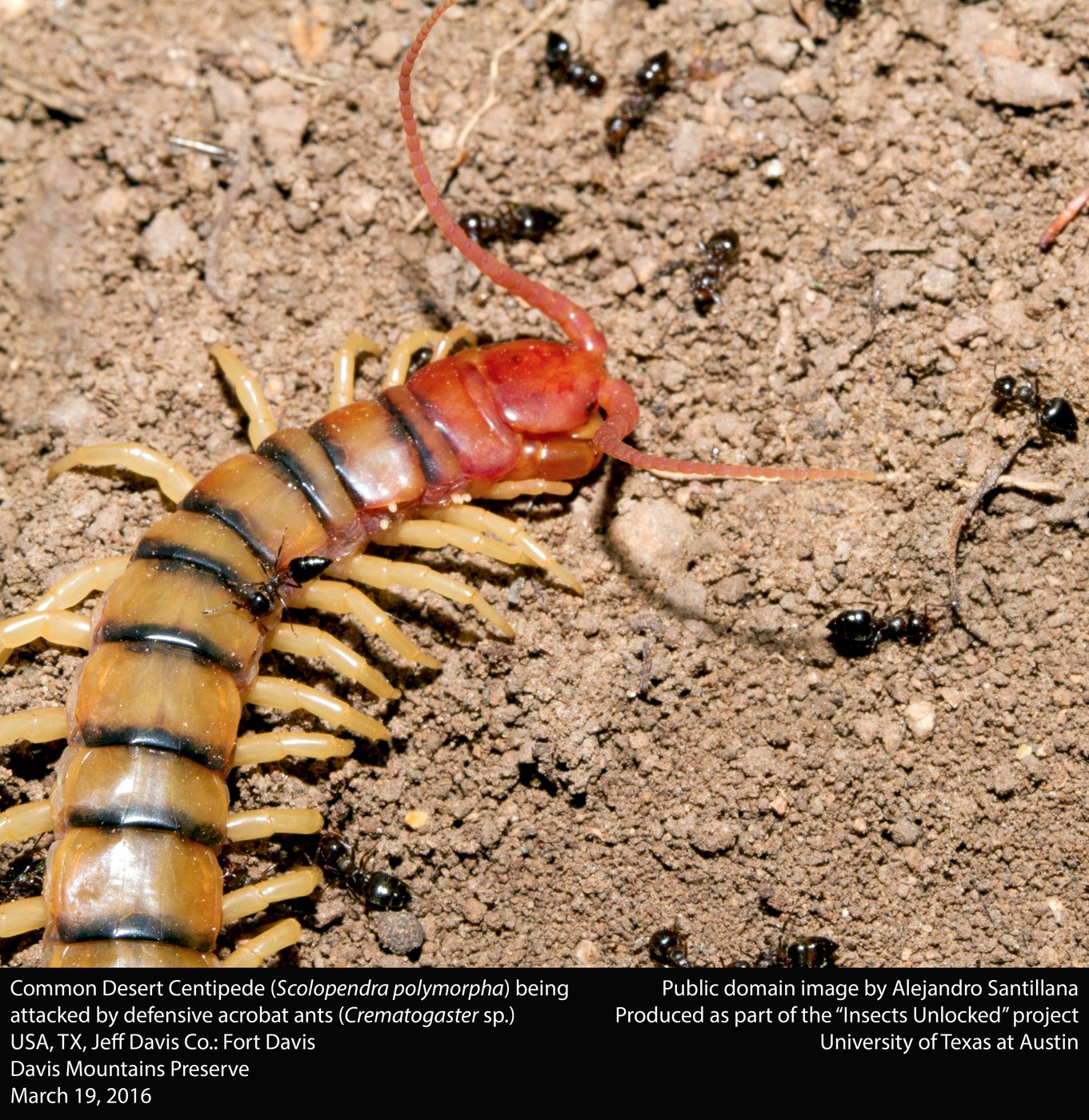
Tiger Centipede
Arid deserts, scrubland, and rocky terrain of the southwestern US and Mexico
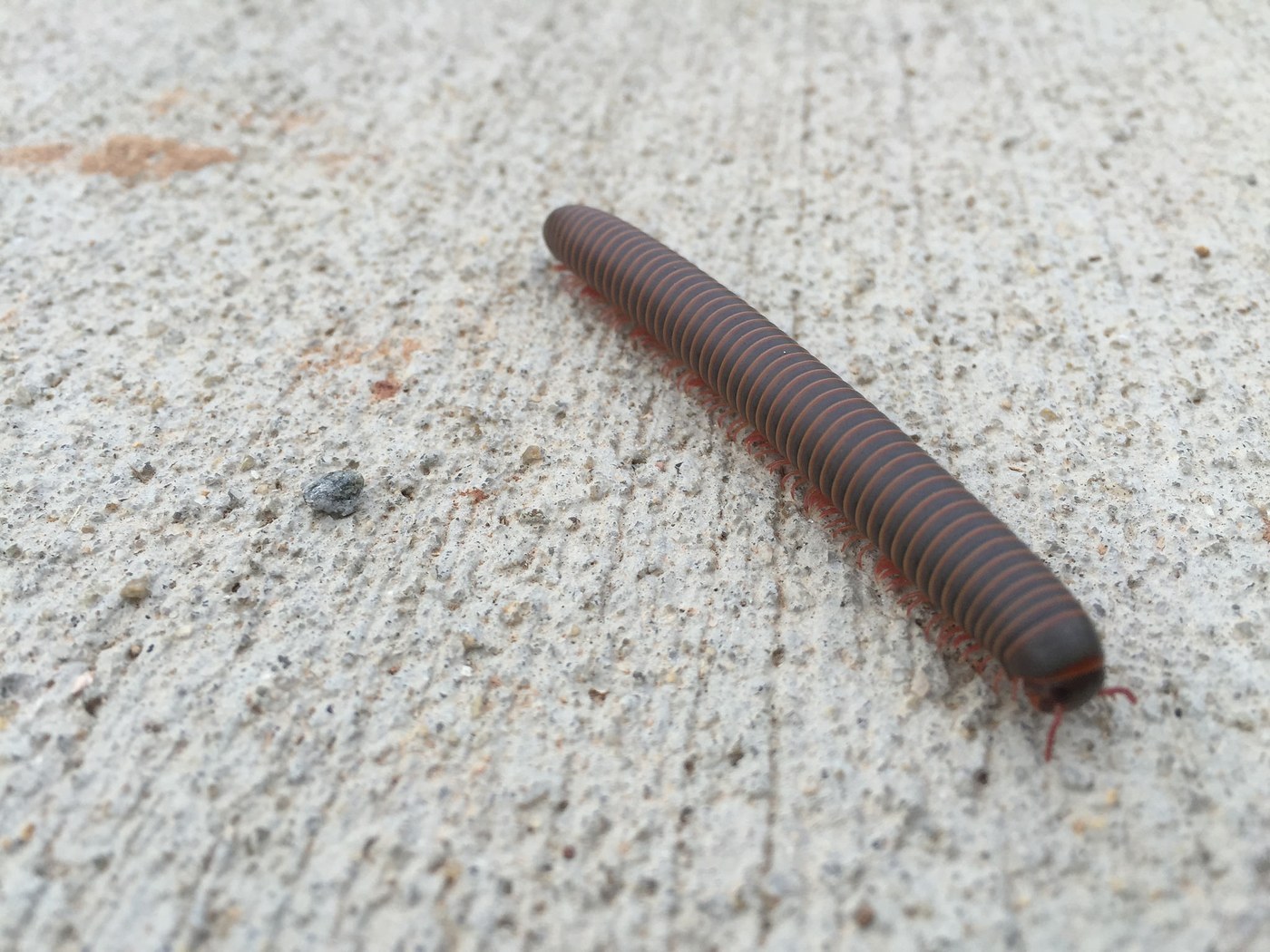
Millipede
Leaf litter, mulch, damp soil, and under logs, bark, and stones
Soil Centipede
Deep soil, leaf litter, and decaying wood
Snake Millipede
Moist soil, leaf litter, and decaying plant material
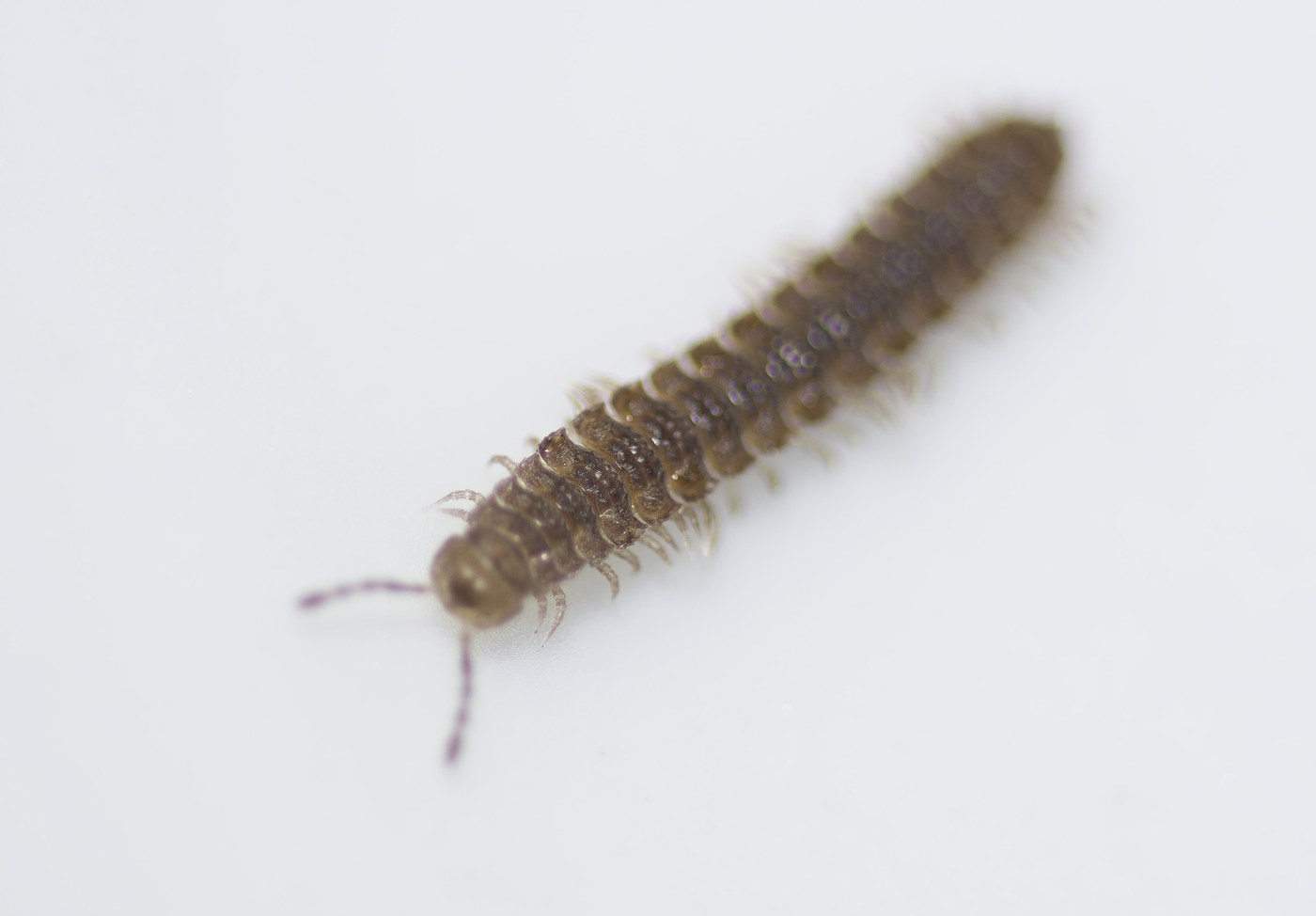
Flat-backed Millipede
Leaf litter, mulch, and damp soil in gardens and woodlands
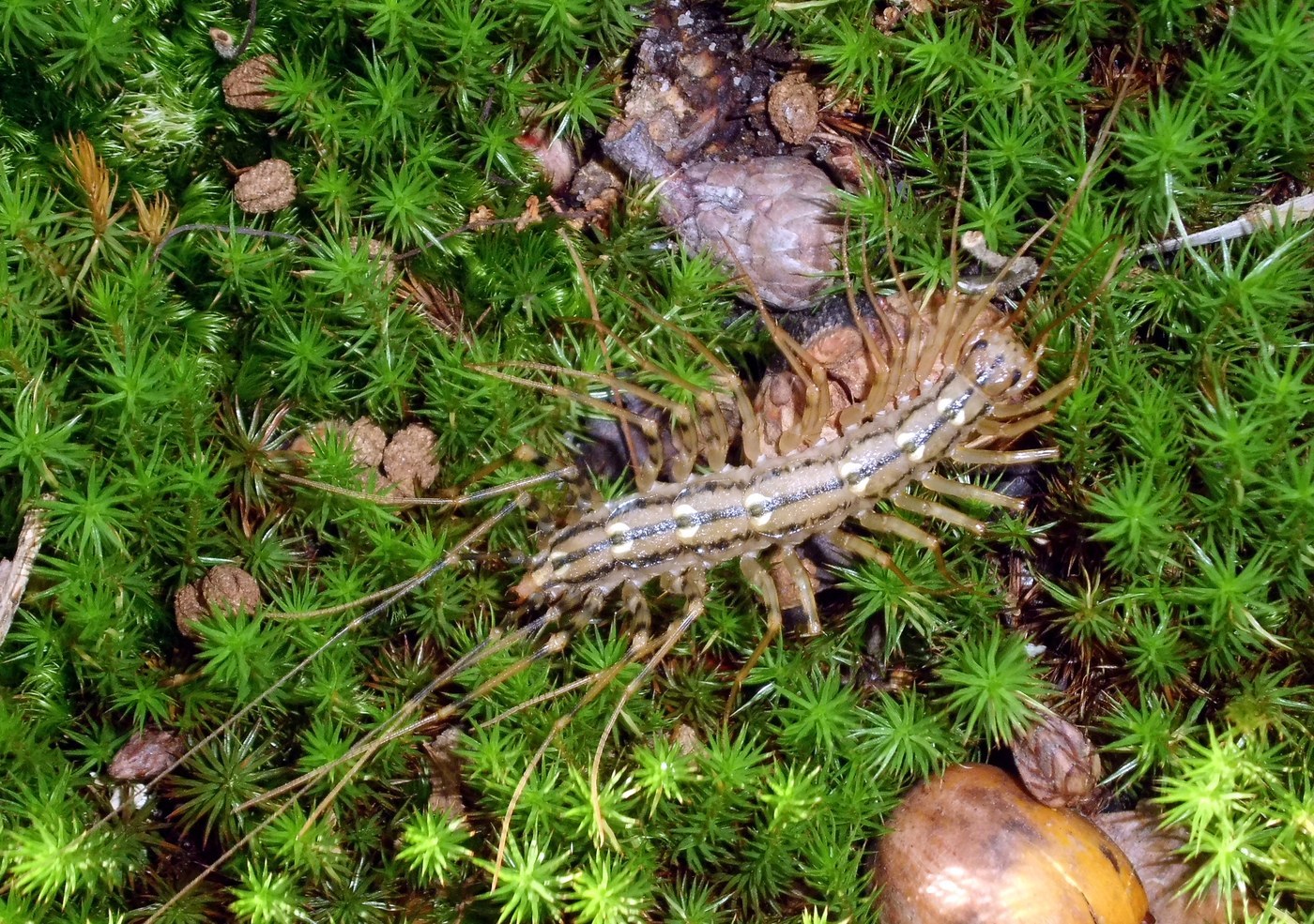
House Centipede
Damp basements, bathrooms, leaf litter
Giant Centipede
Tropical, subtropical, and warm temperate forests, deserts, and grasslands worldwide
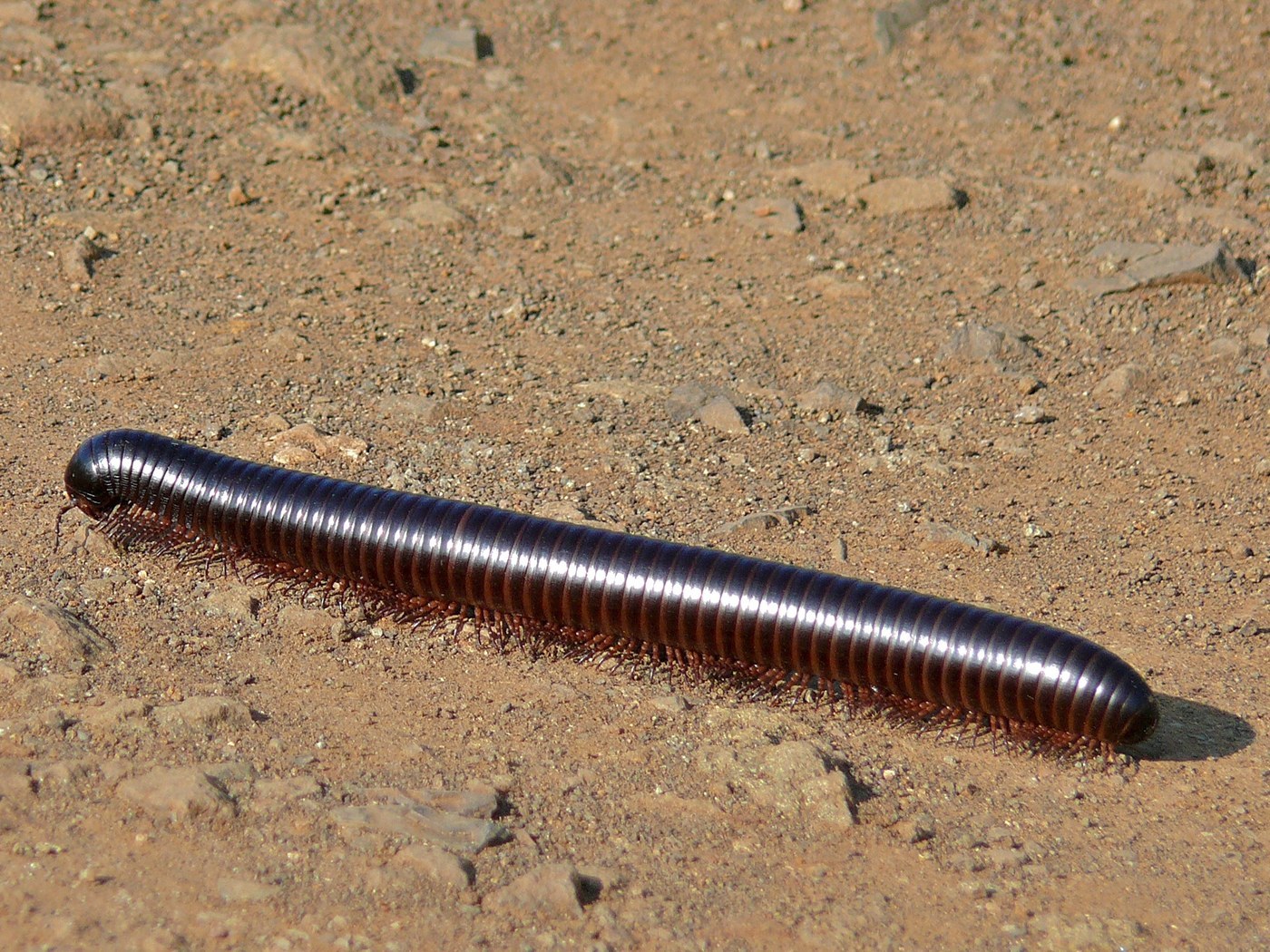
Giant African Millipede
Tropical forests and moist lowlands of East Africa
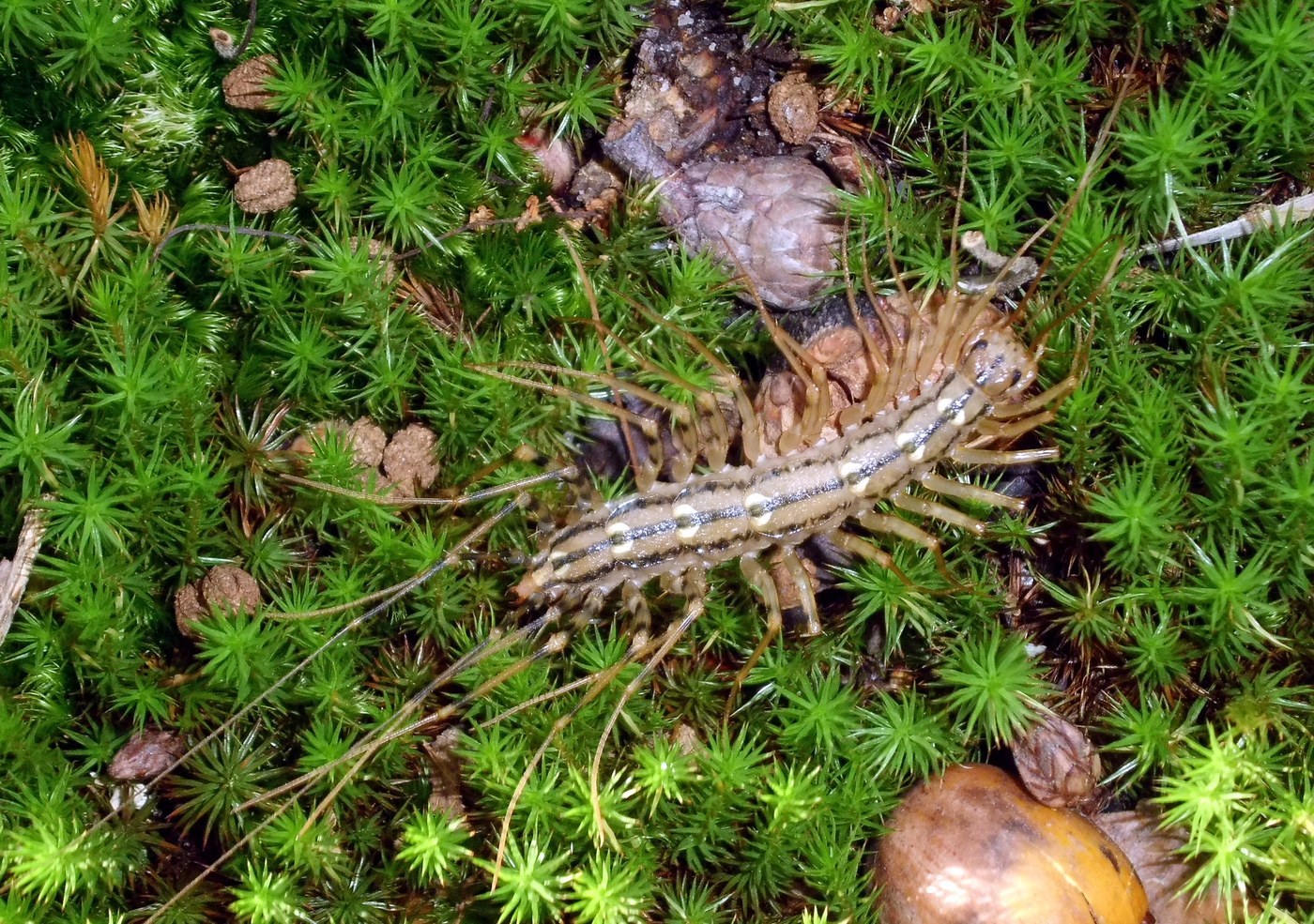
Centipede
Damp, dark places such as basements, bathrooms, leaf litter, and under rocks and logs