
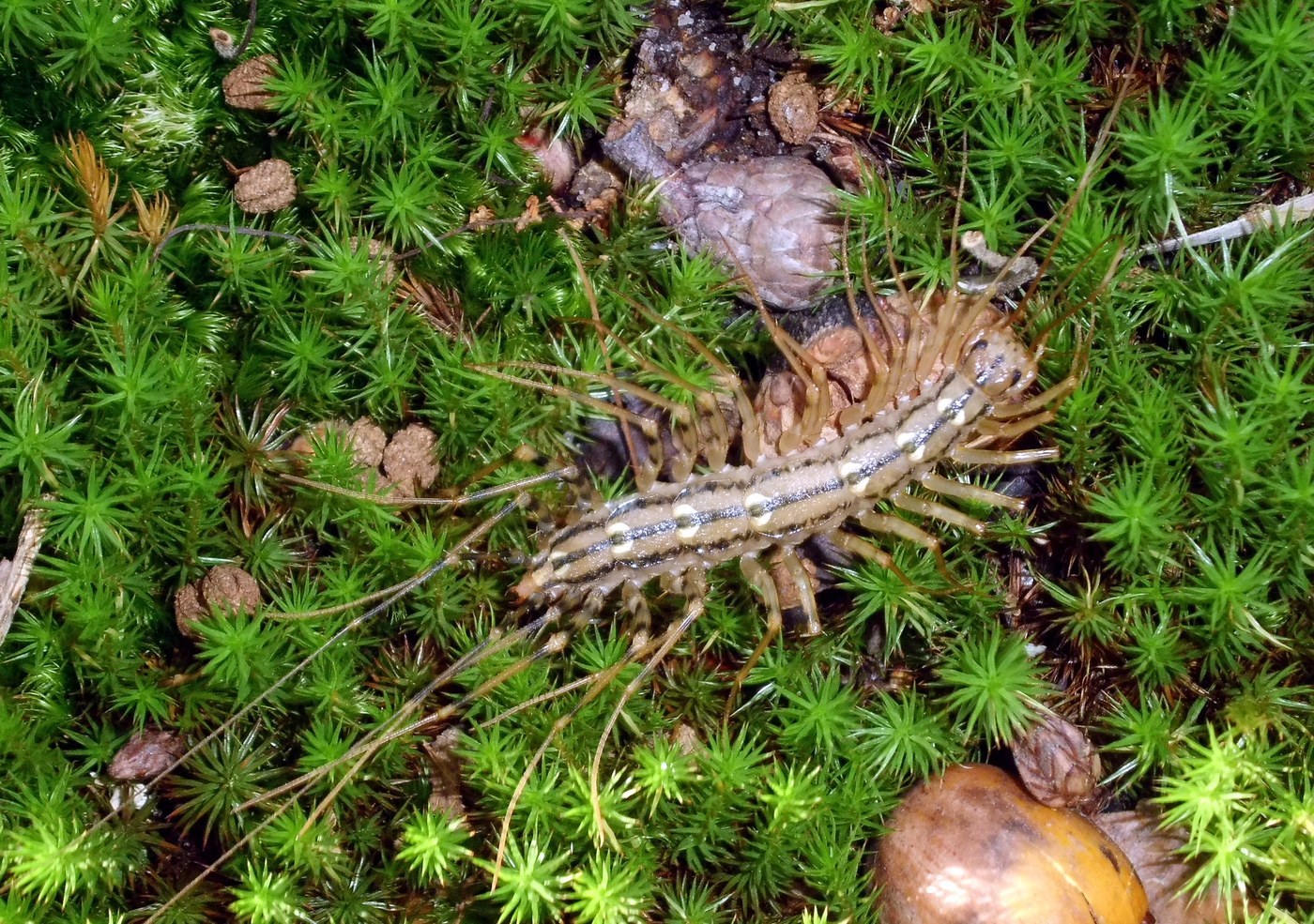
Centipede
Scutigera coleoptrata
A fast-moving, flattened, many-legged predator with one pair of long legs per body segment, instantly recognizable by its speed and, in the house centipede, its remarkably long, banded legs.
- Size
- 25–35 mm (house centipede); varies widely by species
- Habitat
- Damp, dark places such as basements, bathrooms, leaf litter, and under rocks and logs
- Danger
- Bites
Spotted a bug like this?
Identify any bug or insect from a photo, free.
Overview
Centipedes are myriapods in the class Chilopoda, predatory arthropods distinguished from millipedes by having only one pair of legs per body segment and a generally flattened, fast-moving body. The house centipede, one of the most familiar species to people, exemplifies the group's speed and predatory lifestyle, using long legs to sprint after prey rather than the slow crawl typical of millipedes.
All centipedes are predators, using a pair of modified front legs called forcipules, located just behind the head, to grasp and subdue small invertebrate prey. This predatory adaptation sets the group apart ecologically from the plant-detritus-feeding millipedes, despite the two groups' superficial resemblance as many-legged arthropods.
Centipedes are found worldwide and range enormously in size and leg count across species, from small soil-dwelling forms to large tropical species, filling an important role as invertebrate predators in leaf litter, soil, and indoor environments alike.
How to Identify
- Flattened, elongated, segmented body with one pair of legs per body segment, unlike the two pairs per segment seen in millipedes.
- In species like the house centipede, extremely long, banded legs that increase in length toward the rear of the body, along with long antennae.
- Fast, darting movement, often erratic, in sharp contrast to the slow, steady crawl of millipedes.
- A pair of modified front legs (forcipules) near the head used to grasp prey, sometimes mistaken for mouthparts or fangs.
- Lookalikes: millipedes (rounded body, two leg pairs per segment, slow deliberate movement, no forcipules).
Habitat & Range
Centipedes occur worldwide, from tropical to temperate regions, favoring consistently moist, dark microhabitats such as leaf litter, soil, under rocks and logs, and, for house-associated species, damp indoor spaces like basements and bathrooms. They are largely nocturnal, avoiding light and dry conditions.
Activity is often greatest in warm, humid seasons, though house-associated species may be encountered indoors year-round in climate-controlled buildings. They typically remain hidden in cracks, crevices, or under debris during the day.
Behavior & Diet
Centipedes are active predators that hunt small invertebrates such as insects, spiders, and other arthropods, using speed and their venom-injecting forcipules to capture and subdue prey. They rely on quick, agile movement to chase down or ambush prey rather than building traps or webs.
Most species are solitary and avoid light, retreating quickly into cover when exposed. As predators, centipedes help regulate populations of other small invertebrates within soil, leaf litter, and indoor environments, and they are themselves preyed upon by birds, larger arthropods, and other animals.
Life Cycle
Females lay eggs, often singly or in small groups in soil or moist debris, with some species providing a degree of parental care by guarding the eggs. Hatchlings emerge with fewer legs and segments than an adult in many species and gain additional segments and leg pairs through successive molts, similar in pattern to millipede development.
Development to adulthood can take from several months to a few years depending on species, and some centipedes can live for several years as adults. They generally overwinter in sheltered soil, leaf litter, or indoor voids, becoming more active again as temperature and humidity rise.
Frequently asked questions
How is a centipede different from a millipede?
Centipedes are flattened predators with one pair of legs per body segment and fast movement, while millipedes are rounded detritivores with two pairs of legs per segment and slow movement.
Why does the house centipede have such long legs?
Its unusually long, banded legs allow for rapid, agile movement used to chase down fast-moving prey such as small insects and spiders.
What do centipedes eat?
They are predators that feed on small invertebrates, including insects, spiders, and other arthropods, captured using modified front legs called forcipules.
Are the front pincers on a centipede its mouthparts?
No, the forcipules are modified legs located just behind the head, used to grasp and subdue prey, distinct from the centipede's actual mouthparts.
Centipede guides
In-depth guides for identifying, understanding, and living alongside Centipede.
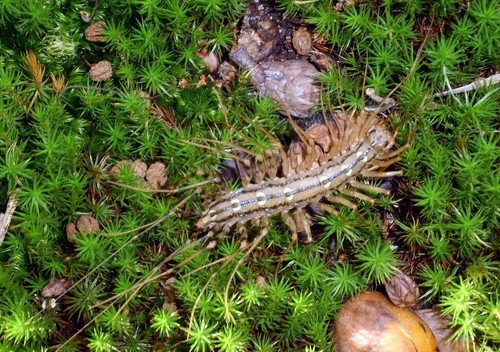
Centipede identified by the community
Real finds identified with Bug Identifier.
Other bugs you may enjoy
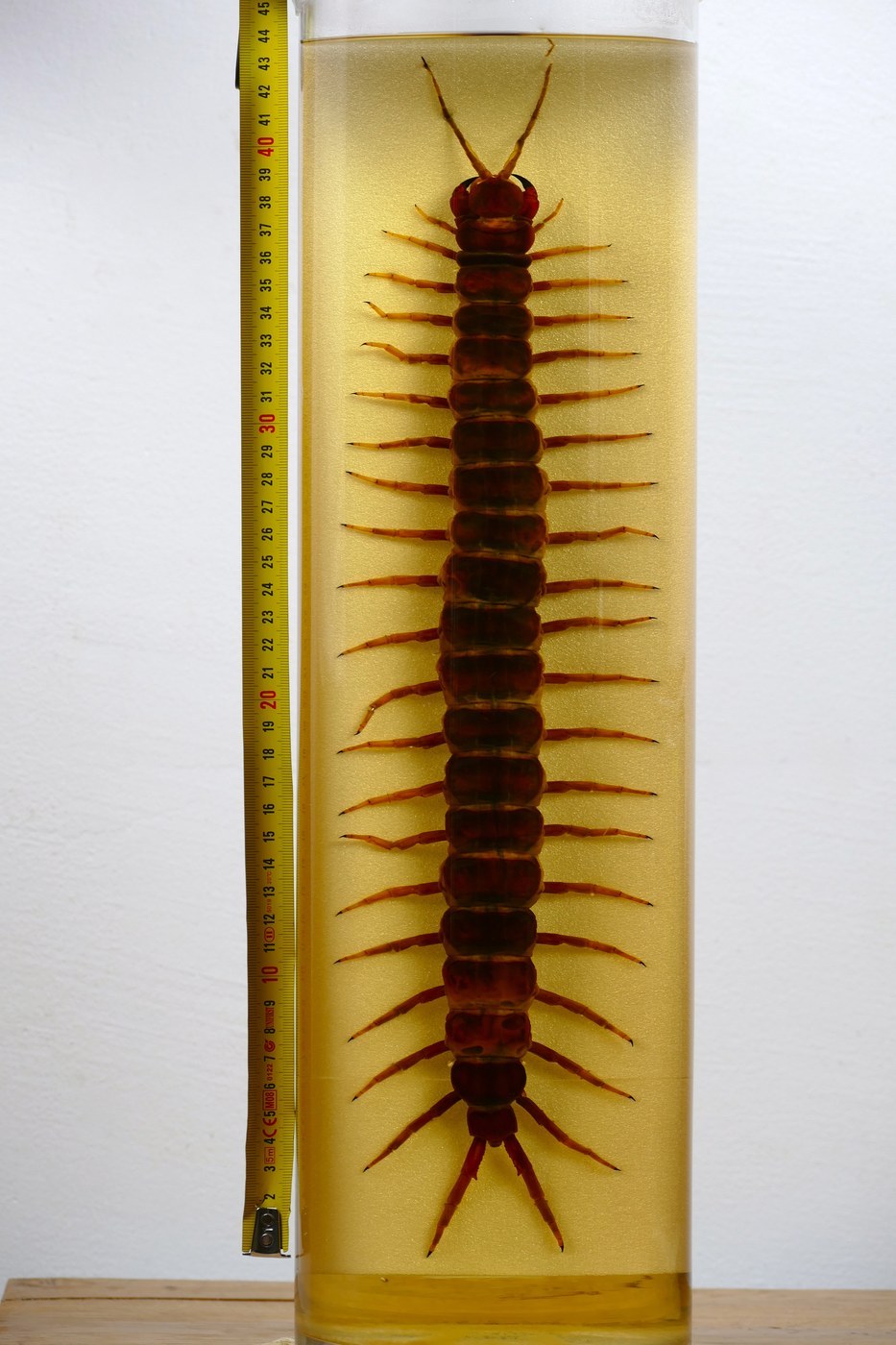
Amazonian Giant Centipede
Tropical rainforests and caves of northern South America and nearby Caribbean islands
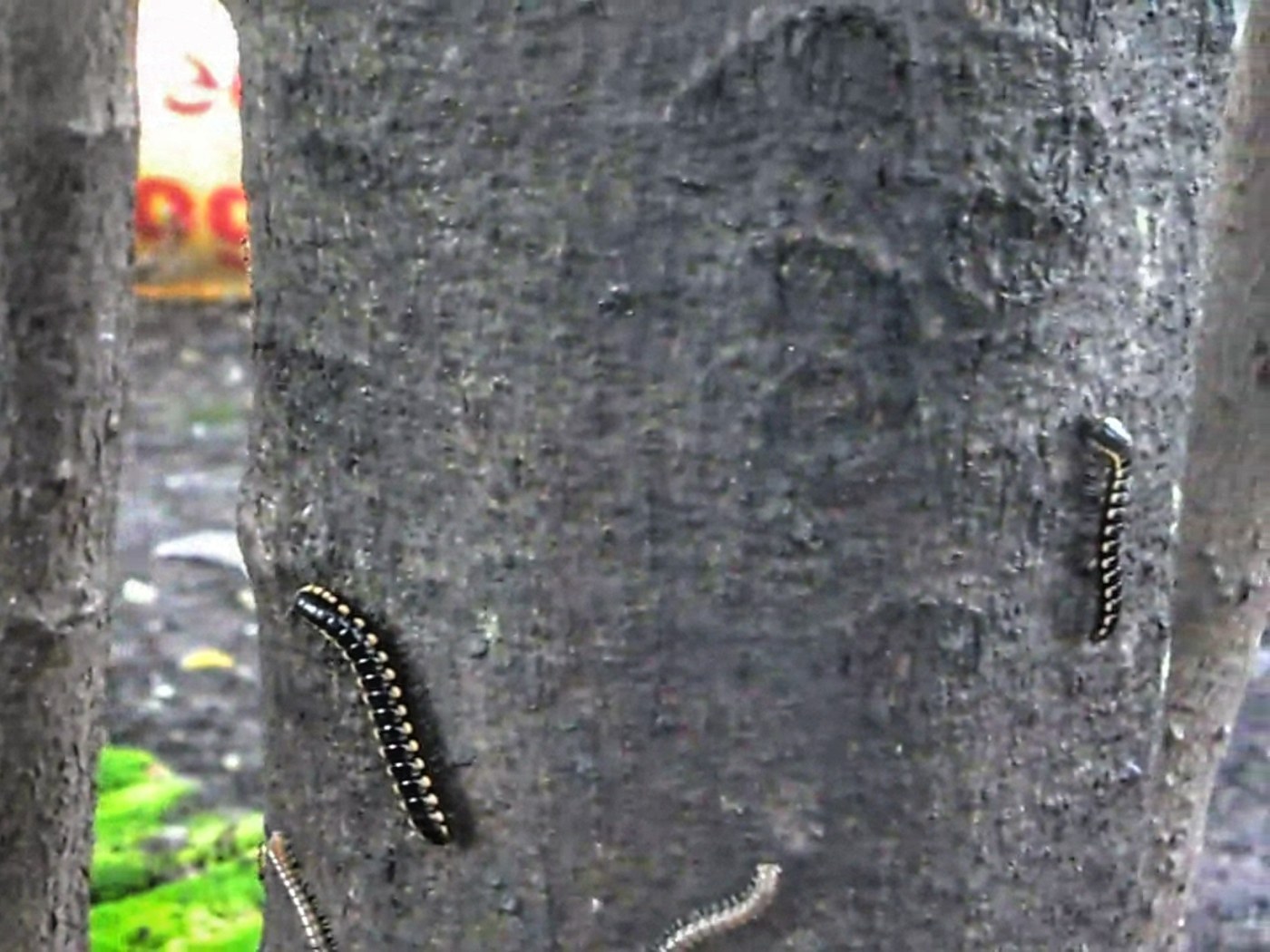
Yellow-spotted Millipede
Moist coniferous and mixed forests of the Pacific Northwest
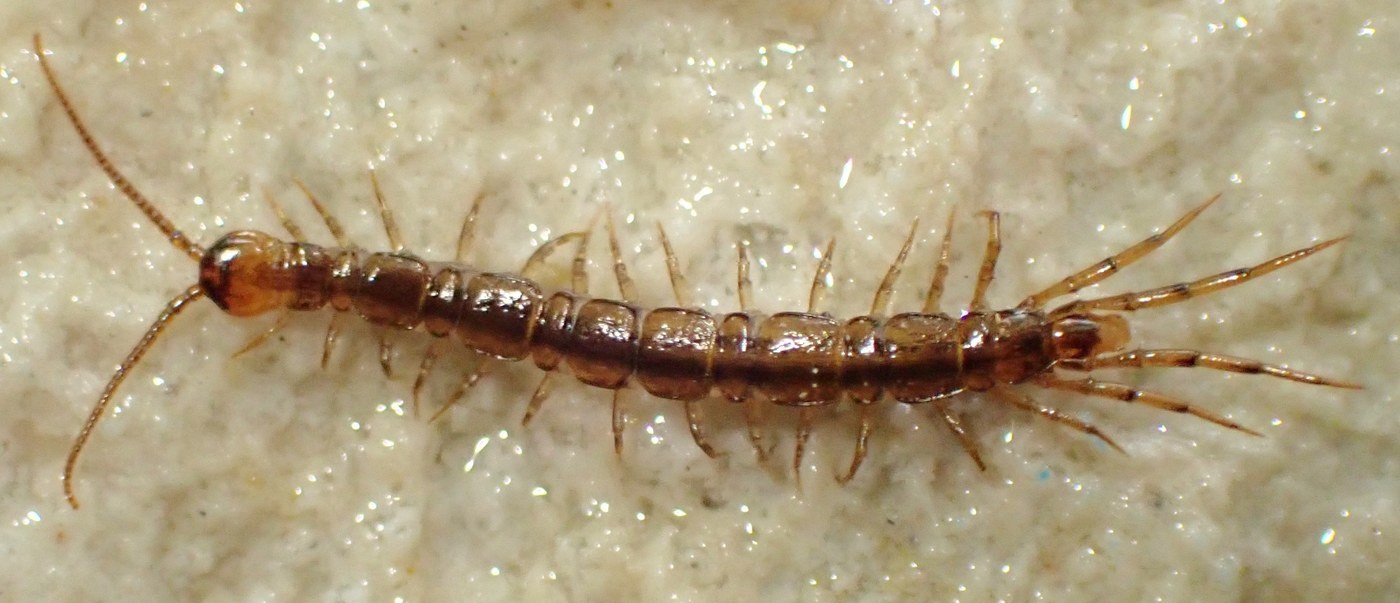
Stone Centipede
Under stones, bark, and soil in gardens and woodlands
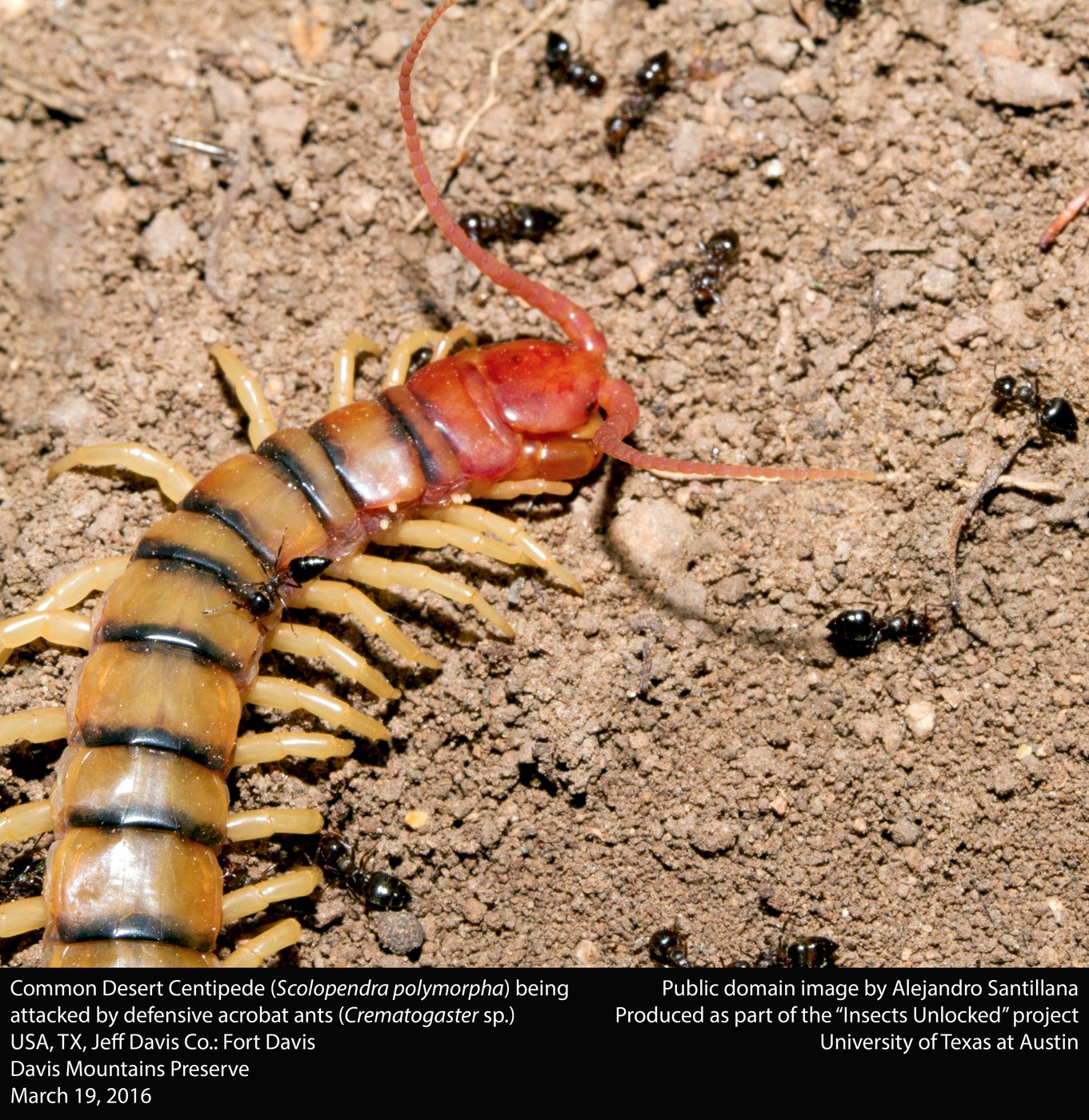
Tiger Centipede
Arid deserts, scrubland, and rocky terrain of the southwestern US and Mexico
Pill Millipede
Leaf litter, forest floors, and moist soil in temperate and tropical regions
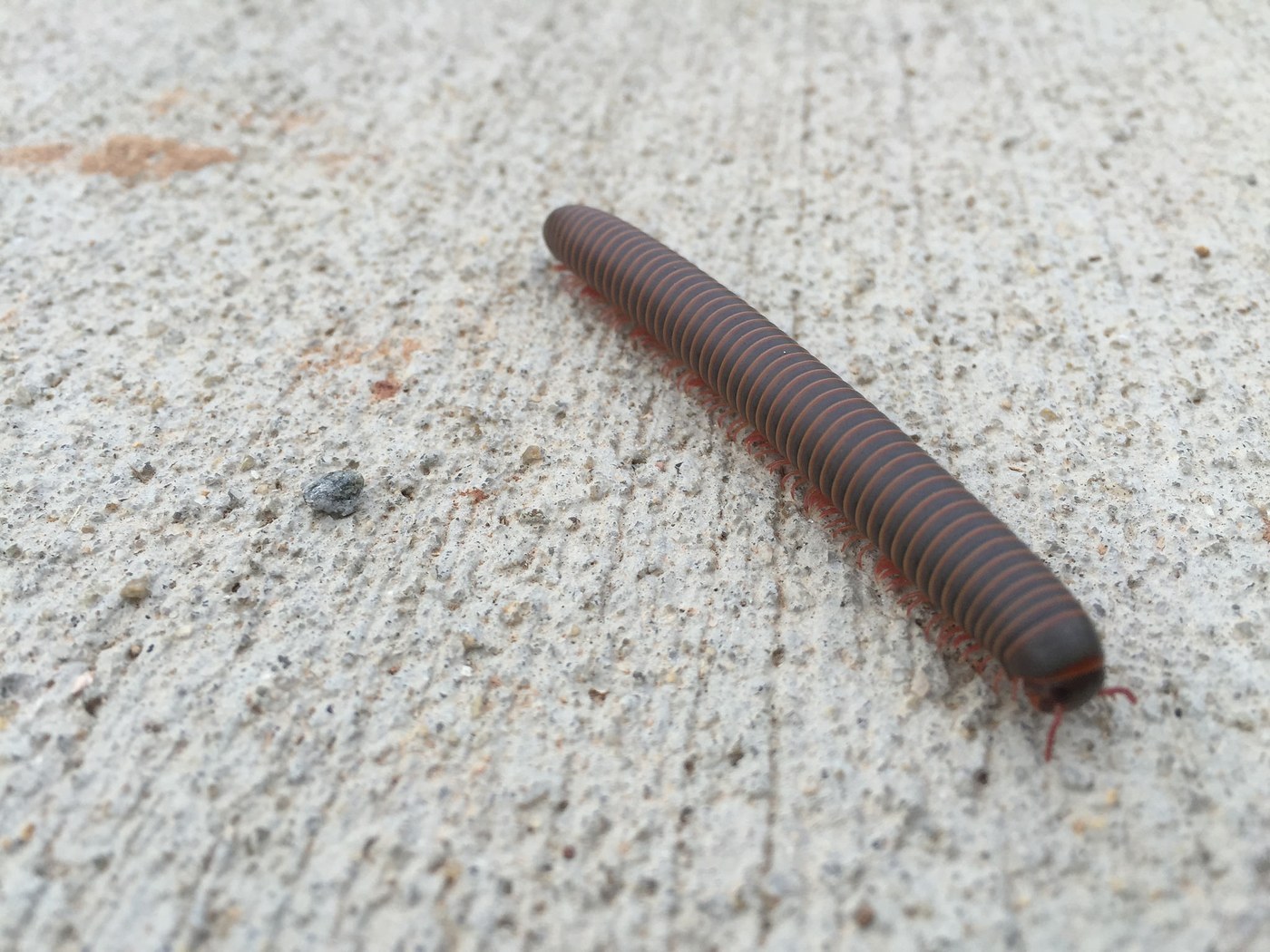
Millipede
Leaf litter, mulch, damp soil, and under logs, bark, and stones
Soil Centipede
Deep soil, leaf litter, and decaying wood
Snake Millipede
Moist soil, leaf litter, and decaying plant material
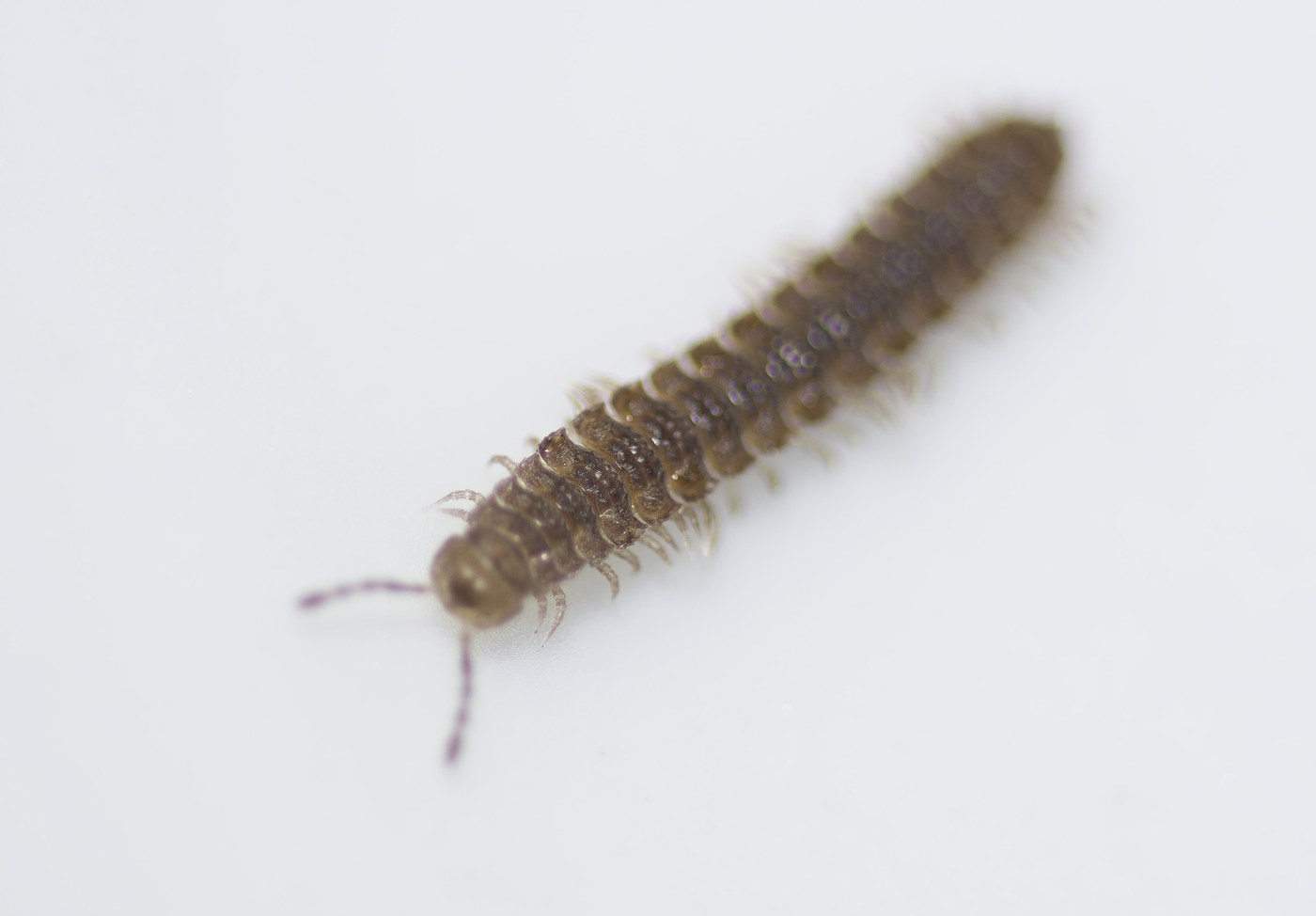
Flat-backed Millipede
Leaf litter, mulch, and damp soil in gardens and woodlands
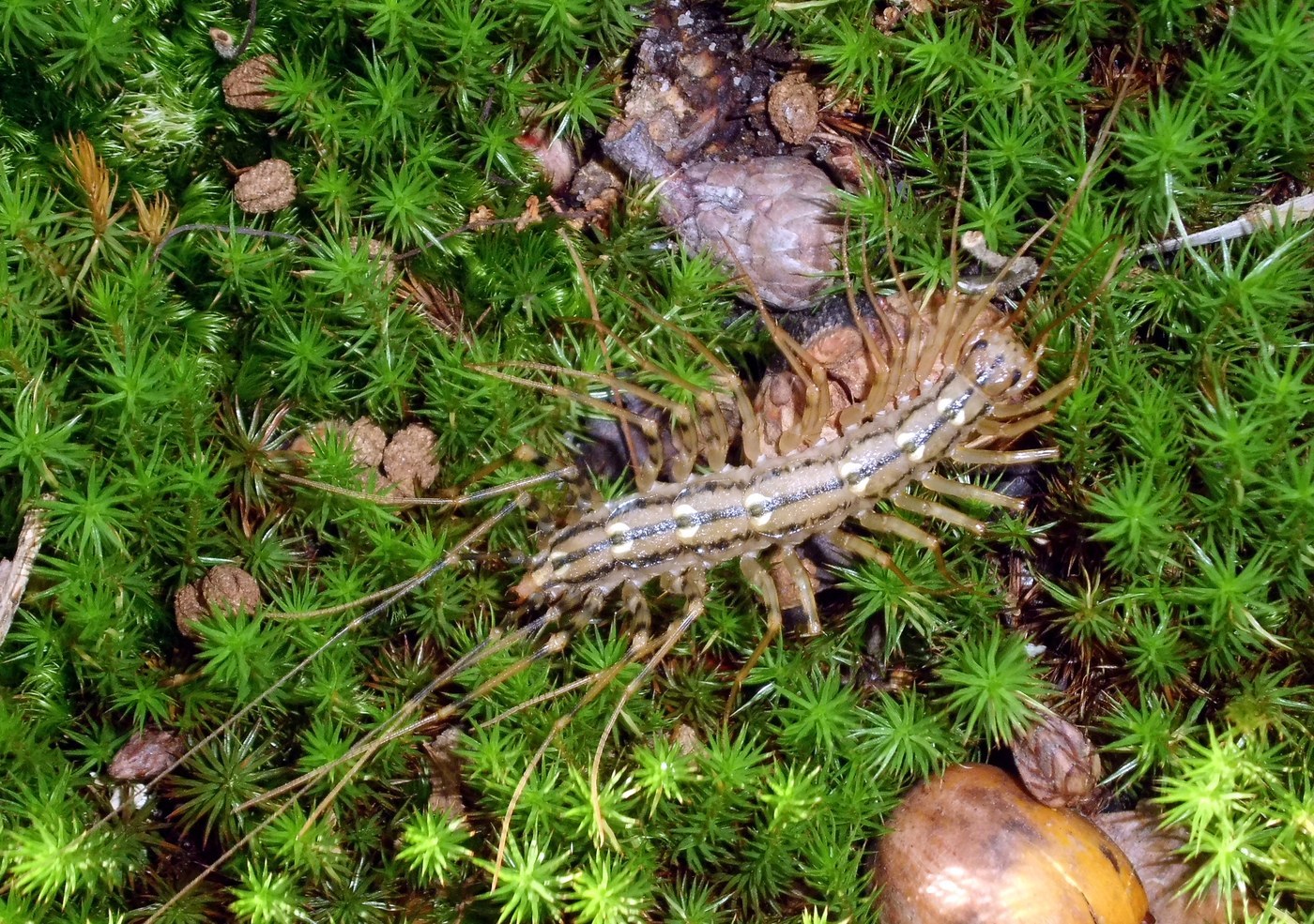
House Centipede
Damp basements, bathrooms, leaf litter
Giant Centipede
Tropical, subtropical, and warm temperate forests, deserts, and grasslands worldwide
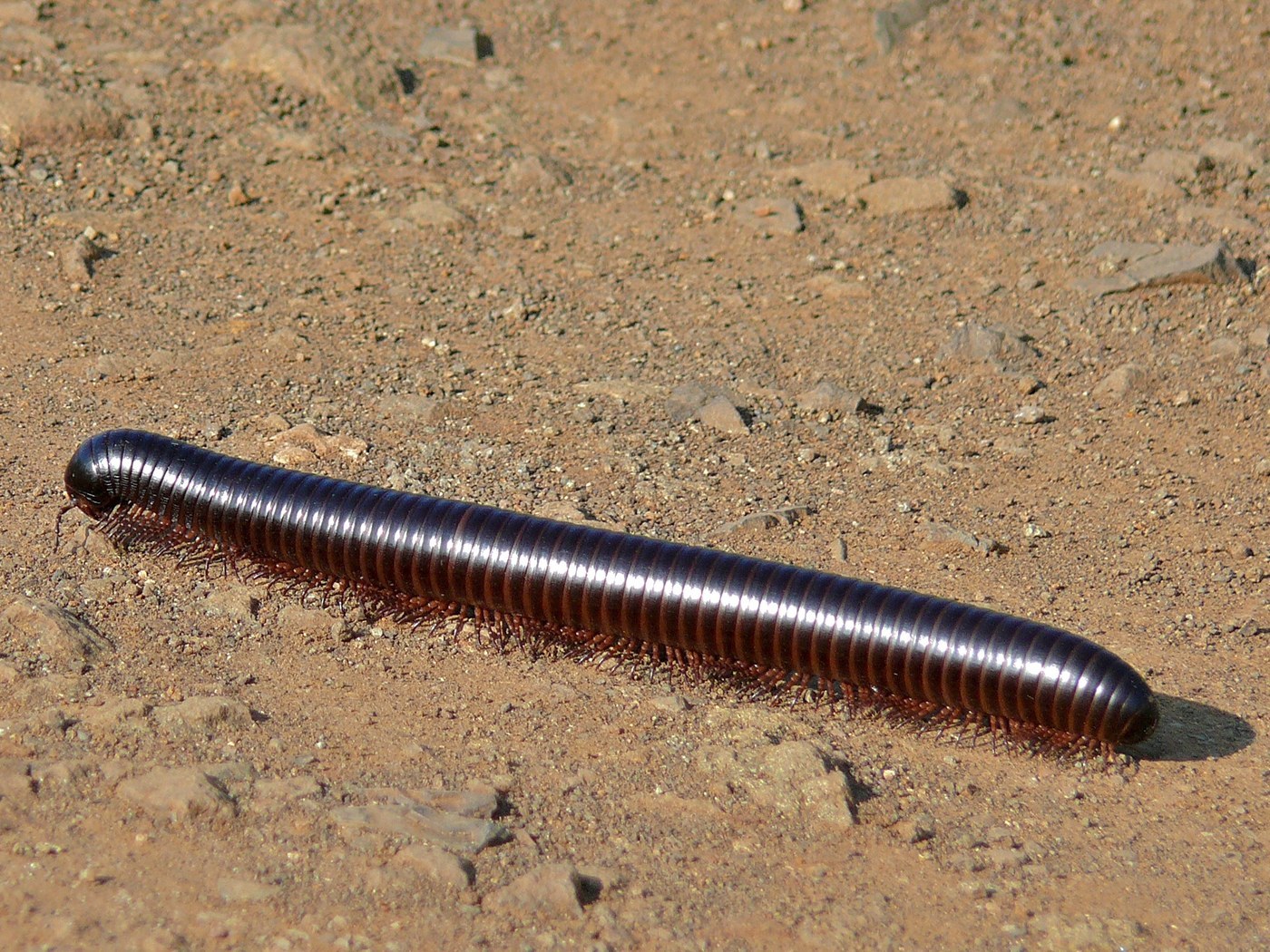
Giant African Millipede
Tropical forests and moist lowlands of East Africa