
Snake Millipede
Blaniulus spp.
A slender, glossy, pale millipede that curls into a tight spiral when disturbed and often shows a faint row of reddish spots along its sides.
- Size
- 10-20 mm
- Habitat
- Moist soil, leaf litter, and decaying plant material
- Danger
- Harmless
Spotted a bug like this?
Identify any bug or insect from a photo, free.
Overview
Snake millipedes are slender, cylindrical members of the millipede family Blaniulidae, named for their smooth, elongated, snake-like body form when compared to the more robust build of many other millipede groups. The genus Blaniulus includes species found across parts of Europe and introduced to other temperate regions, where they live in soil and decaying organic matter.
These millipedes have a pale, glossy, whitish to yellowish body that in some species is marked with a faint row of small reddish-orange spots along each side, corresponding to the position of tiny defensive glands common to many millipedes. Like other millipedes, they move slowly using many pairs of short legs in a smooth wave-like motion and curl tightly into a spiral when disturbed rather than fleeing quickly.
Snake millipedes are detritivores, feeding on decaying plant material in soil and leaf litter, and they are most often noticed in gardens, compost, and agricultural soils where they occasionally feed on soft plant tissue in addition to decomposing matter.
How to Identify
- Slender, smooth, cylindrical body that appears glossy and worm-like or snake-like compared to bulkier millipede species.
- Pale whitish to pale yellow overall coloration, sometimes with a faint row of small reddish-orange spots along each side of the body.
- Numerous short legs, two pairs per body segment, moving in a smooth rippling wave along the length of the body.
- Adults typically measure 10-20 mm, making them notably smaller and more delicate than many larger millipede species.
- Curls into a tight, flat spiral when disturbed rather than rolling into a ball, distinguishing it from pill millipedes.
Habitat & Range
Snake millipedes live in moist, organically rich soil, leaf litter, and decaying vegetation, favoring shaded and consistently damp environments such as garden beds, compost piles, and cultivated fields. They are found across much of temperate Europe and have been introduced to other regions with suitable climate and soil conditions. Activity is generally concentrated in the cooler, moister parts of the year, with the millipedes retreating deeper into soil during hot, dry conditions.
Behavior & Diet
Snake millipedes are primarily detritivores, feeding on decomposing plant material, root debris, and organic matter within the soil, though they will occasionally feed on soft seedling roots or germinating seeds when decaying material is scarce. They move slowly through soil and leaf litter using coordinated leg movements and, when disturbed, curl into a tight spiral as a defensive posture rather than attempting to flee. Within the soil ecosystem, they contribute to the breakdown of organic matter and nutrient cycling, and they serve as prey for various soil-dwelling predators such as centipedes, ground beetles, and some birds.
Life Cycle
Female snake millipedes lay eggs in small clusters within moist soil or leaf litter, which hatch into tiny young millipedes with only a few body segments and legs. As they grow, young millipedes molt repeatedly, adding both segments and additional pairs of legs with each molt, gradually approaching the adult body plan over the course of several months to about a year. Adults continue to molt periodically throughout their lives, and many species can live for a couple of years, with reproduction and activity peaking during mild, moist seasons.
Frequently asked questions
Why is it called a snake millipede?
Its smooth, slender, elongated body gives it a snake-like appearance compared to the bulkier, more robust build of many other millipede species.
What do snake millipedes eat?
They are mainly detritivores that feed on decomposing plant material and organic debris in soil, though they occasionally feed on soft seedling tissue as well.
How does a snake millipede defend itself?
When disturbed, it curls into a tight, flat spiral rather than rolling into a ball or fleeing quickly.
Where do snake millipedes live?
They live in moist, organically rich soil, leaf litter, and decaying vegetation, commonly found in gardens, compost, and cultivated fields.
Snake Millipede guides
In-depth guides for identifying, understanding, and living alongside Snake Millipede.
Other bugs you may enjoy
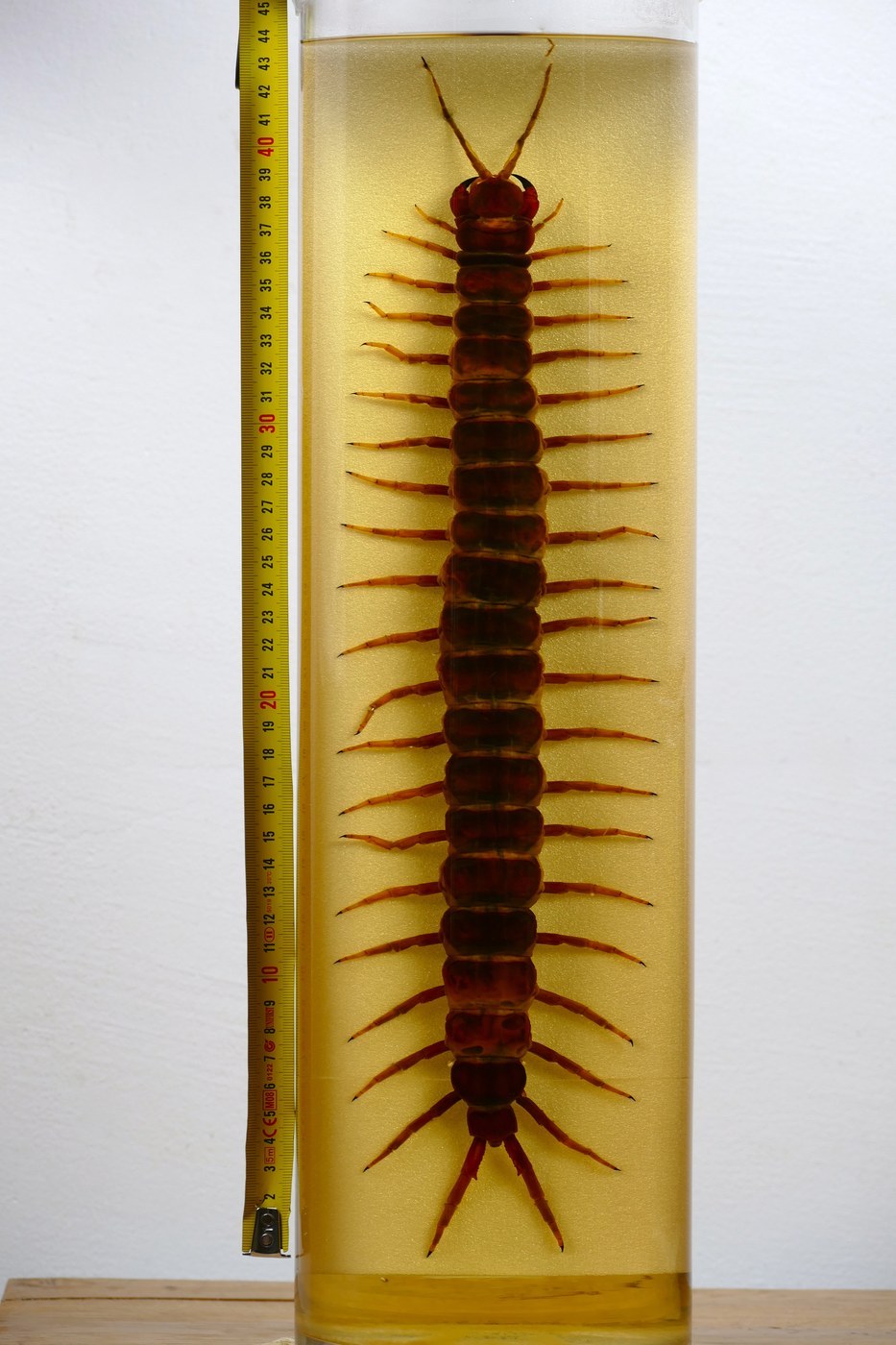
Amazonian Giant Centipede
Tropical rainforests and caves of northern South America and nearby Caribbean islands
Yellow-spotted Millipede
Moist coniferous and mixed forests of the Pacific Northwest
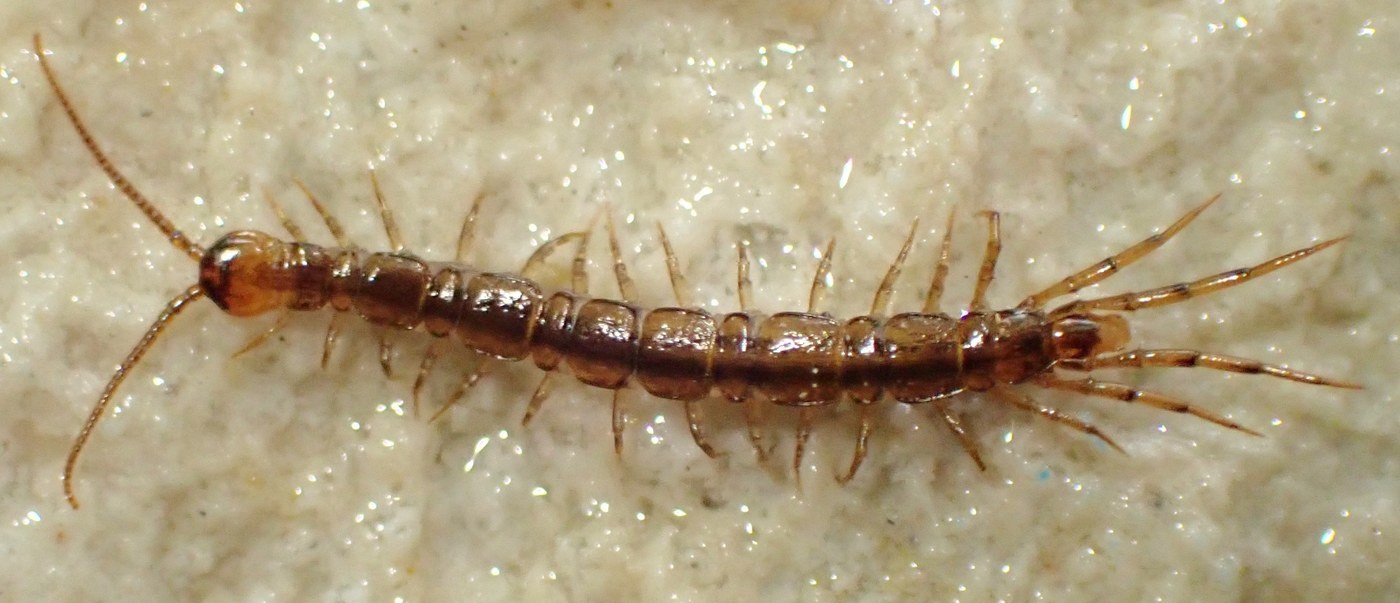
Stone Centipede
Under stones, bark, and soil in gardens and woodlands
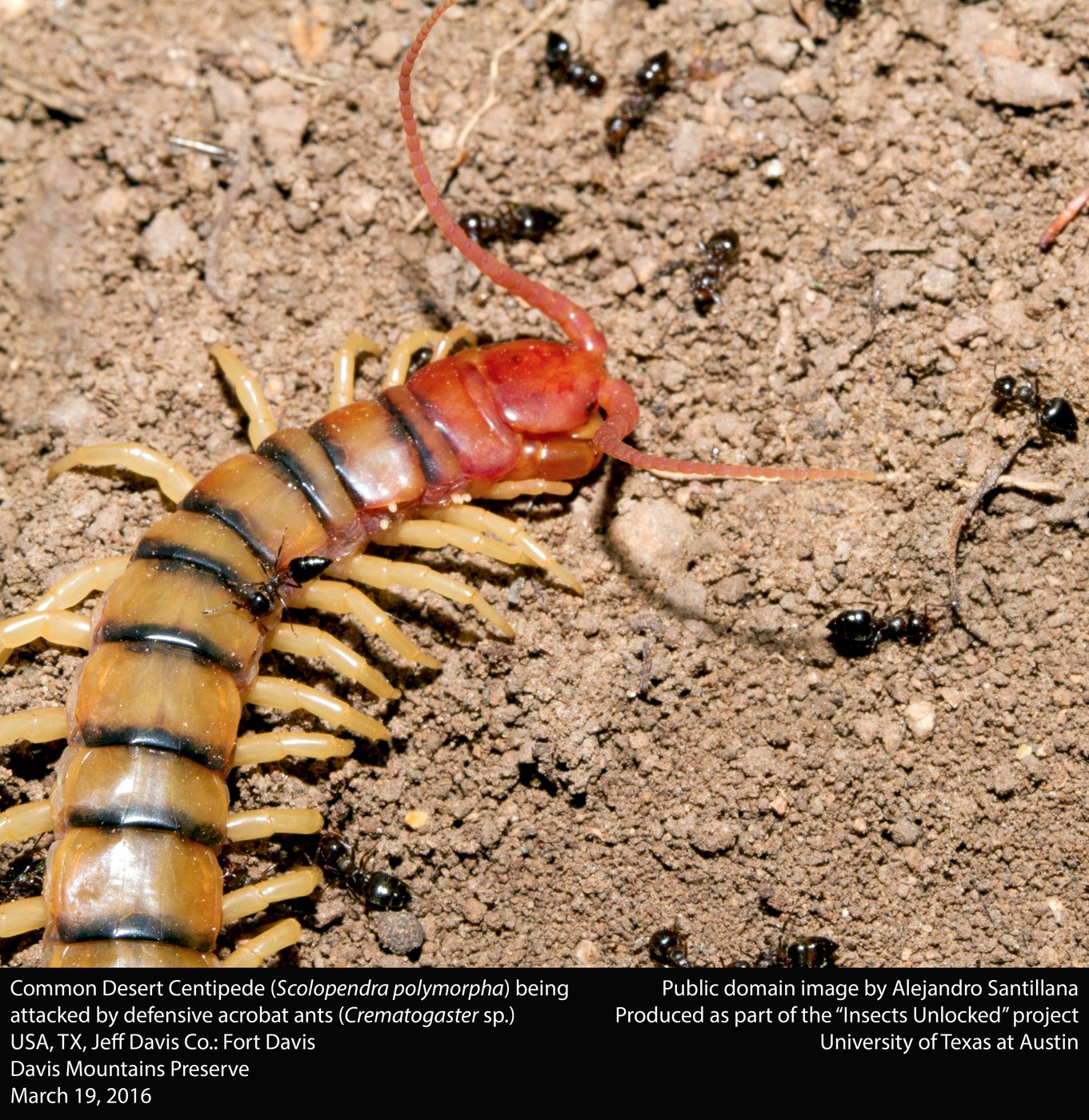
Tiger Centipede
Arid deserts, scrubland, and rocky terrain of the southwestern US and Mexico
Pill Millipede
Leaf litter, forest floors, and moist soil in temperate and tropical regions
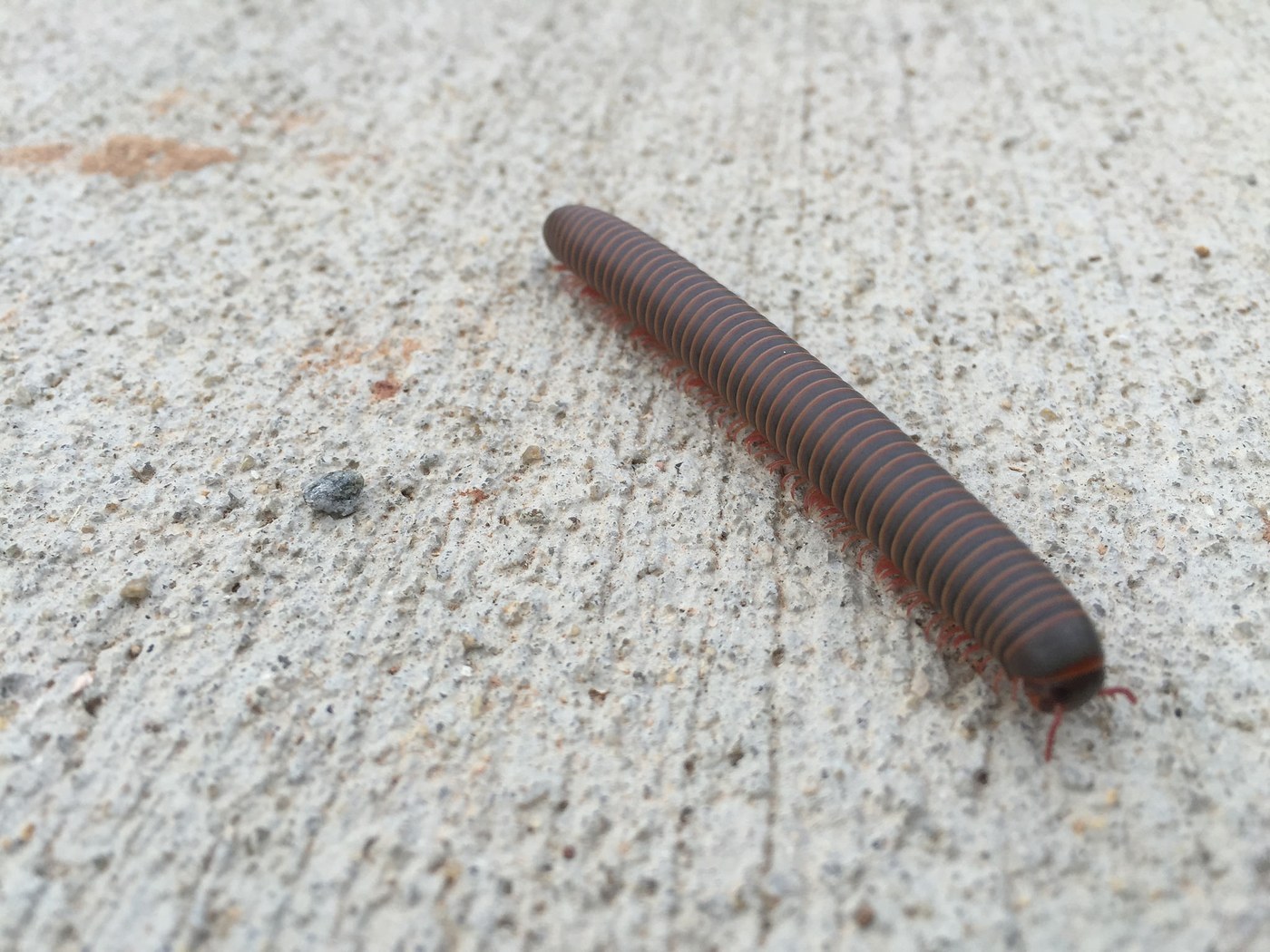
Millipede
Leaf litter, mulch, damp soil, and under logs, bark, and stones
Soil Centipede
Deep soil, leaf litter, and decaying wood
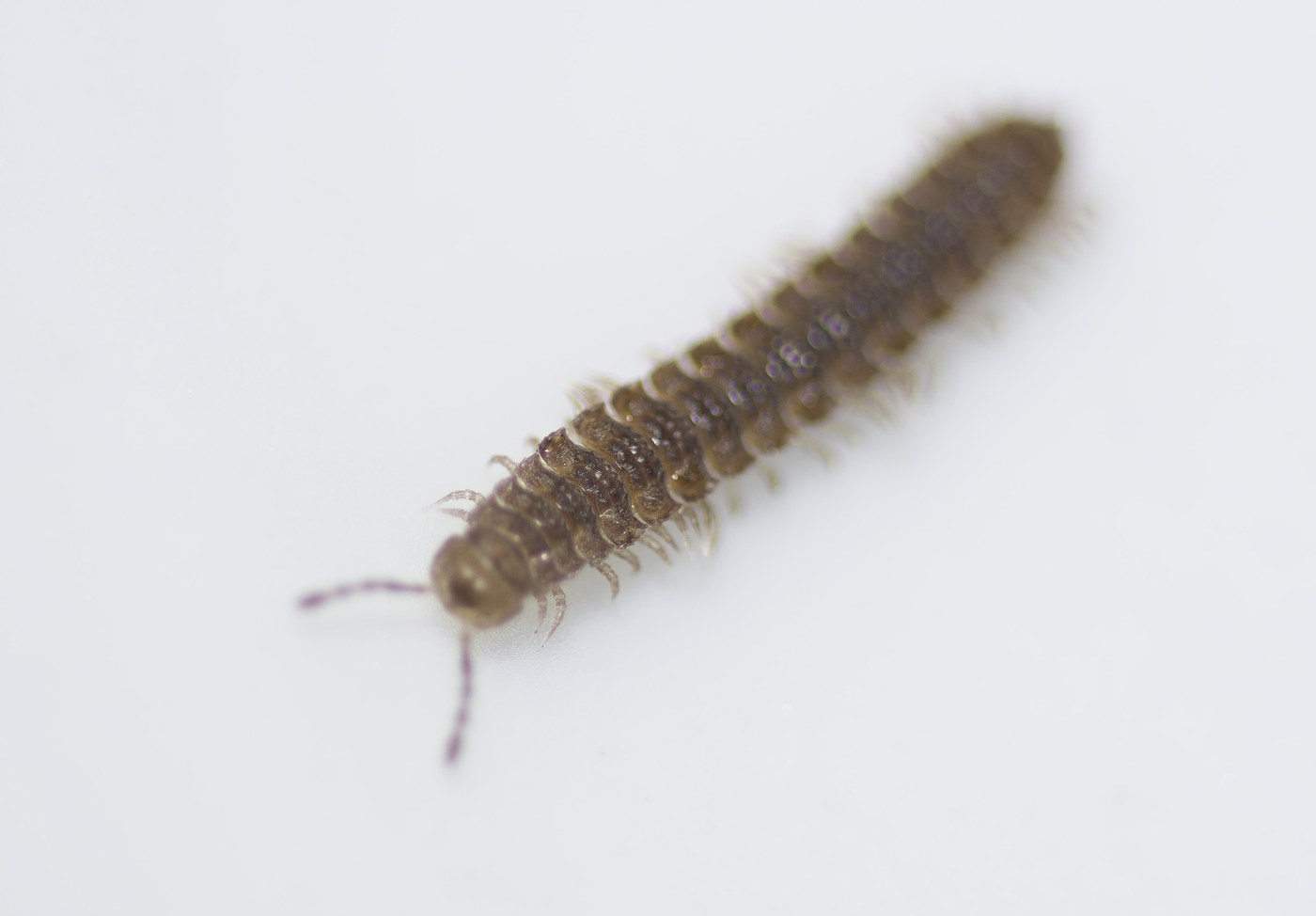
Flat-backed Millipede
Leaf litter, mulch, and damp soil in gardens and woodlands
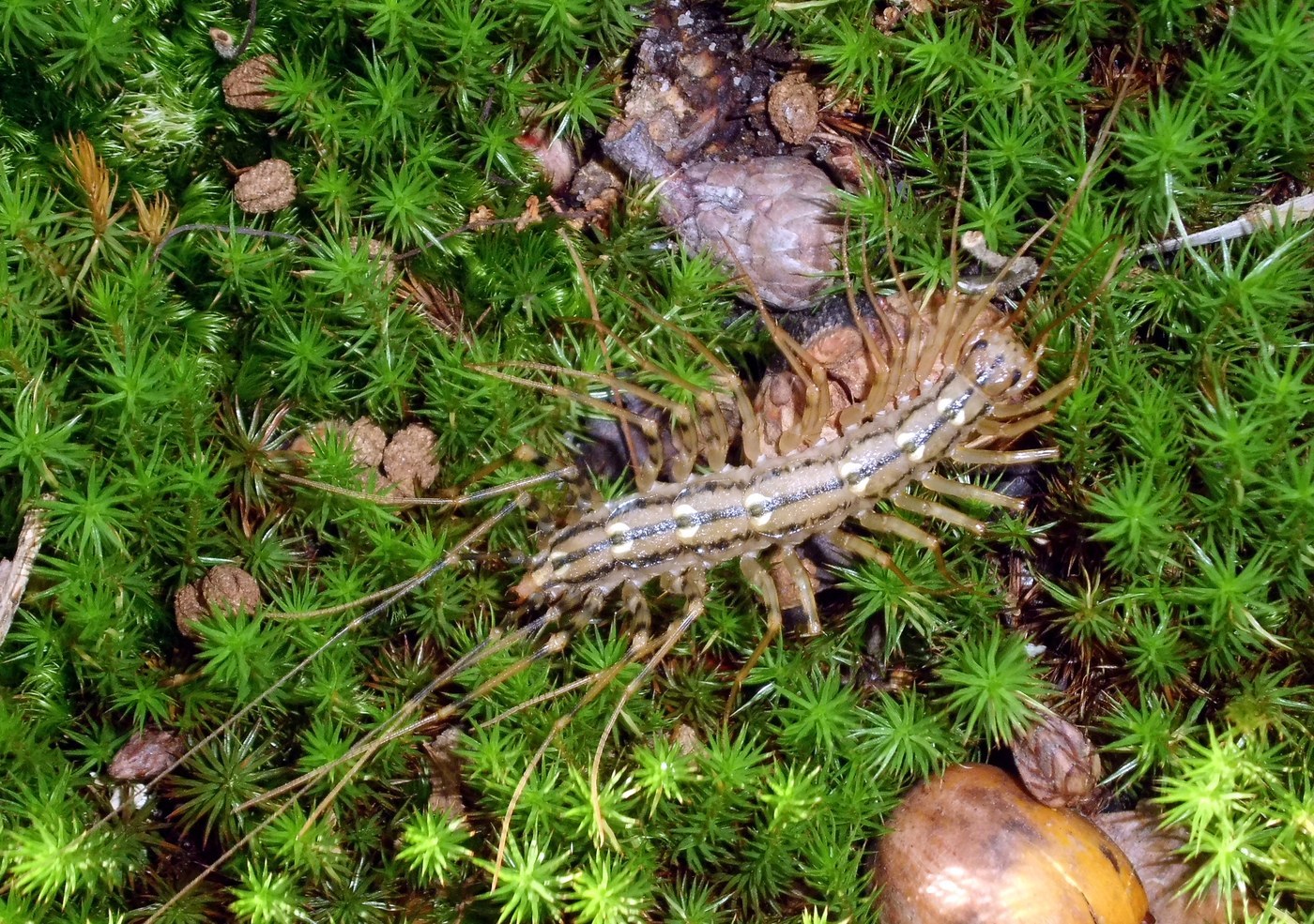
House Centipede
Damp basements, bathrooms, leaf litter
Giant Centipede
Tropical, subtropical, and warm temperate forests, deserts, and grasslands worldwide
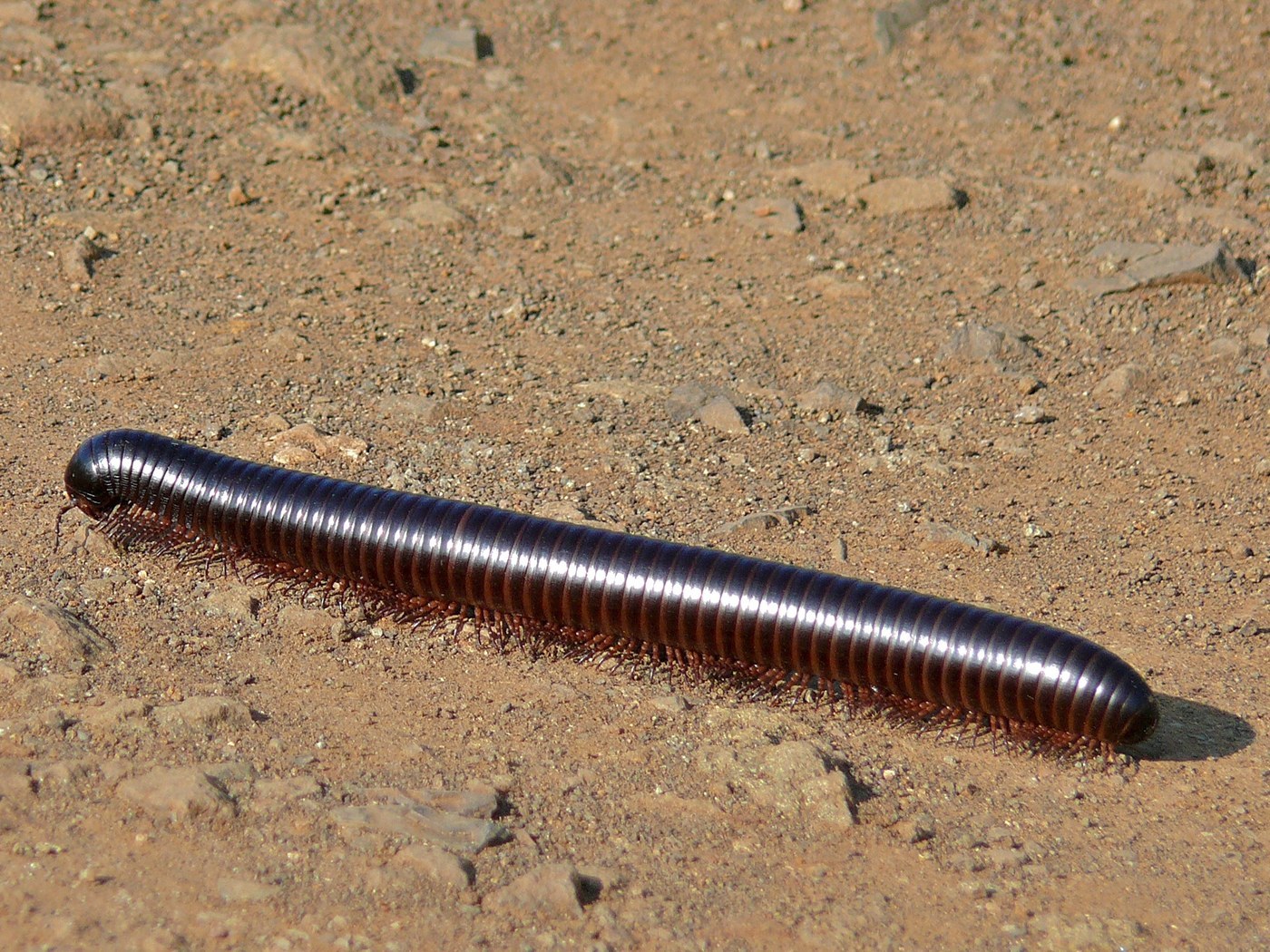
Giant African Millipede
Tropical forests and moist lowlands of East Africa
Centipede
Damp, dark places such as basements, bathrooms, leaf litter, and under rocks and logs