
Giant Weta
Deinacrida spp.
One of the world's heaviest insects, a giant flightless cricket relative endemic to New Zealand that has survived for millions of years by filling the ecological role usually taken by small mammals.
- Size
- Body up to 10 cm; among the heaviest insects, with some individuals over 30 g
- Habitat
- Native forest, scrubland and offshore predator-free islands in New Zealand
- Danger
- Bites
Spotted a bug like this?
Identify any bug or insect from a photo, free.
Overview
Giant wetas are large, flightless insects in the genus Deinacrida, part of the family Anostostomatidae within the order Orthoptera, making them relatives of crickets and katydids rather than true grasshoppers. They are endemic to New Zealand, where the absence of native land mammals for most of the archipelago's history allowed insects like the weta to evolve to unusually large sizes, filling ecological niches typically occupied by small rodents elsewhere.
The group includes some of the heaviest insects on record; the wetapunga (Deinacrida heteracantha), found on Little Barrier Island, has been recorded at over 30 grams, heavier than some small birds. Most giant weta species are now restricted to predator-free offshore islands or fenced mainland sanctuaries, having declined significantly on the mainland following the introduction of rats and other mammalian predators by early human settlers.
Giant wetas are primarily nocturnal, spending daylight hours hidden in tree hollows, dense vegetation, or burrows, and emerging at night to feed. They play a role in their ecosystems as herbivores and detritivores, and their conservation is an important focus of New Zealand wildlife management, with several species classified as threatened or endangered.
How to Identify
- Very large, heavy-bodied insect, among the largest and heaviest in the world by weight
- Brown to yellowish-brown colouring with a hard, armoured exoskeleton
- Long antennae, often longer than the body
- Flightless, with reduced wings that are not used for flight
- Long hind legs, spinier and stouter than in typical crickets, used defensively as well as for movement
- Females have a long, curved ovipositor at the tip of the abdomen used for laying eggs in soil, sometimes mistaken for a stinger
- Distinguished from other large Orthoptera by its sheer bulk, flightlessness, and restriction to New Zealand
Habitat & Range
Giant wetas live in native forest, scrubland, and grassland habitats across New Zealand, though most species now survive mainly on predator-free offshore islands or within fenced mainland sanctuaries due to historical declines caused by introduced mammalian predators. Different species within the genus occupy somewhat different habitats, from lowland forest to alpine scree in some related weta groups, though giant wetas proper are generally associated with forest and shrubland. They are active mainly at night year-round in New Zealand's temperate climate, sheltering by day in tree cavities, under bark, or in dense foliage.
Behavior & Diet
Giant wetas are nocturnal, spending the day hidden in sheltered spots such as hollow trees, foliage clumps, or burrows and emerging after dark to feed and move about. They are primarily herbivorous, feeding on leaves, flowers, fruit, and occasionally other plant material, making them significant browsers within their forest ecosystems, and some species also opportunistically feed on other invertebrates. When threatened, a giant weta typically raises and kicks with its long, spiny hind legs and may deliver a defensive bite with its strong mandibles, behaviours that serve as its primary defence given its flightlessness and slow movement. As large-bodied nocturnal herbivores, giant wetas are thought to have historically filled an ecological role similar to that of small browsing mammals in other ecosystems, before New Zealand's mammal-free evolutionary history was altered by human-introduced species.
Life Cycle
Females use their long, curved ovipositor to lay eggs individually in soil, where they can take many months to hatch. Nymphs emerge resembling small, wingless versions of the adults and develop through a series of moults over an extended period, growing considerably larger with each stage in an incomplete metamorphosis with no pupal stage. Depending on species, giant wetas can take one to two years or more to reach maturity, one of the longer developmental periods among insects, reflecting their large adult size. Adults live for several months after reaching maturity, during which mating and egg-laying occur, with populations sustained year-round in New Zealand's mild climate rather than through a single synchronised breeding season.
Frequently asked questions
Why did wetas grow so large?
New Zealand historically had no native land mammals, so insects such as the weta evolved to fill ecological niches, including large-bodied herbivory, that small mammals occupy in other parts of the world.
Are giant wetas aggressive?
They are not aggressive toward people, but if handled or threatened they may kick with their spiny hind legs or deliver a defensive bite with their mandibles.
Where can giant wetas be found today?
Most surviving populations are restricted to predator-free offshore islands or fenced mainland sanctuaries in New Zealand, following historical declines caused by introduced mammalian predators.
What do giant wetas eat?
They are mainly herbivorous, browsing on leaves, flowers, and fruit, though some species also opportunistically eat other small invertebrates.
Giant Weta guides
In-depth guides for identifying, understanding, and living alongside Giant Weta.
Other bugs you may enjoy
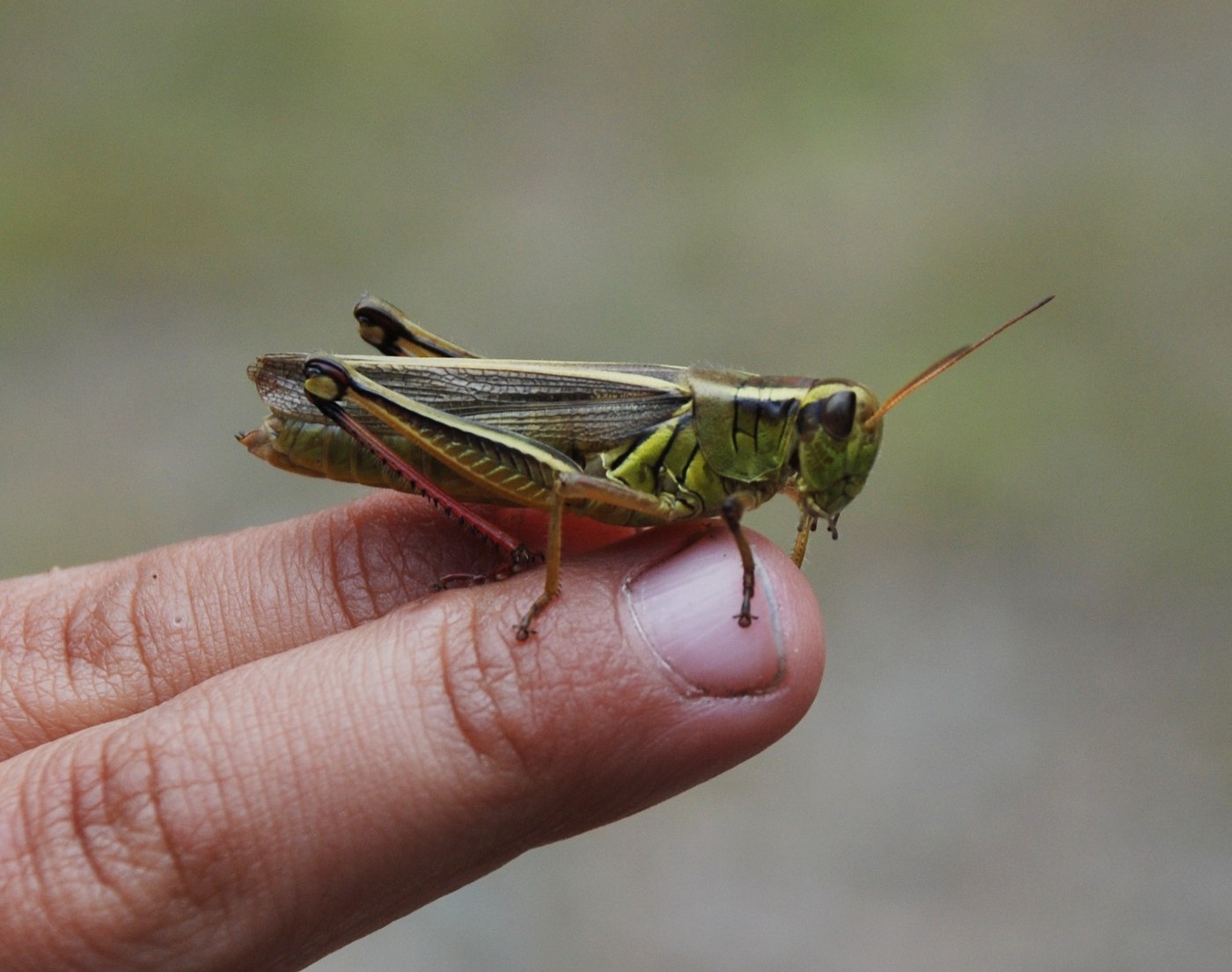
Two-striped Grasshopper
Meadows, pastures, riverbanks, and agricultural fields across North America
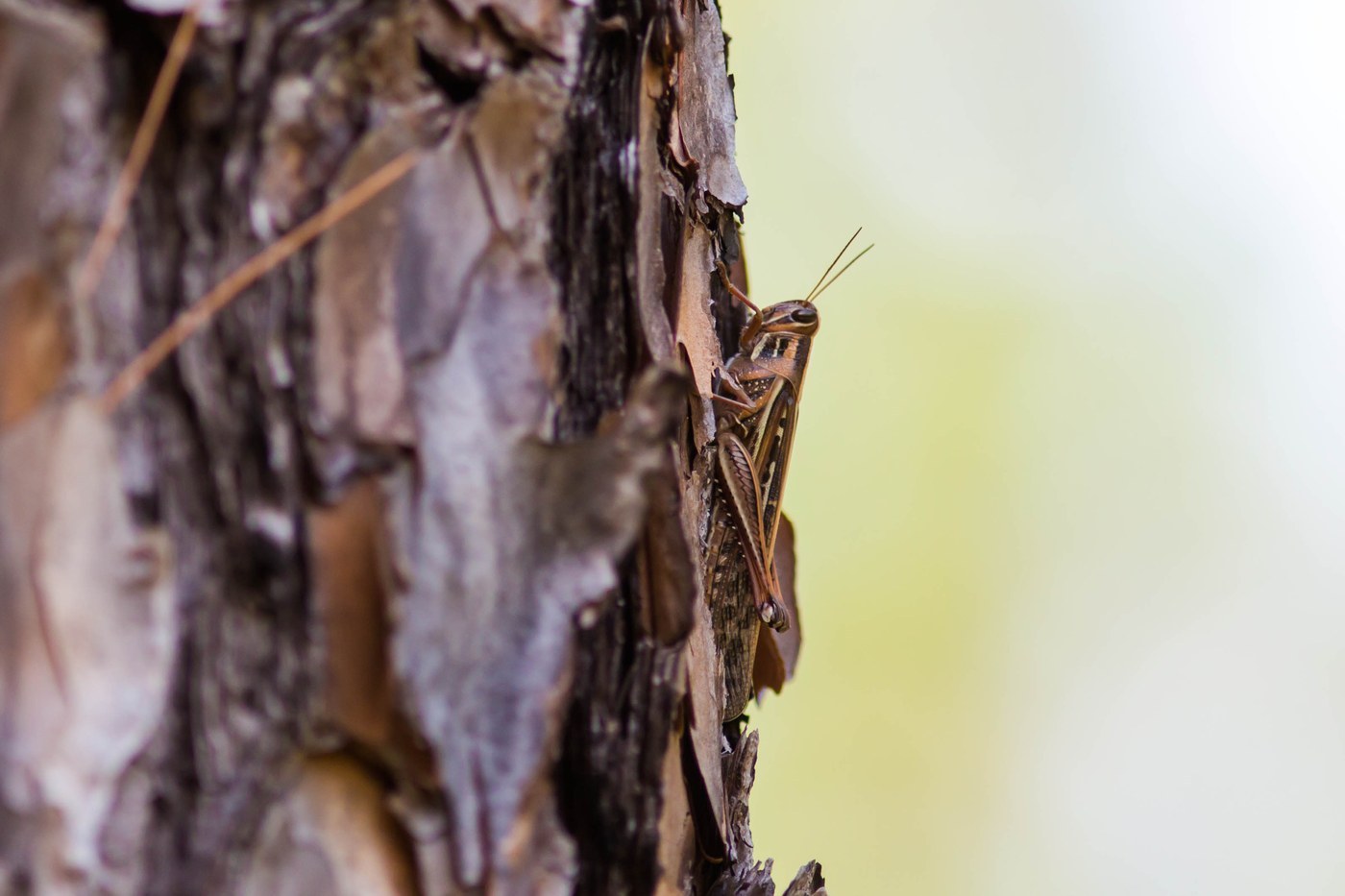
American Grasshopper
Woodland edges, citrus groves, gardens, and open fields across the southern and southeastern United States
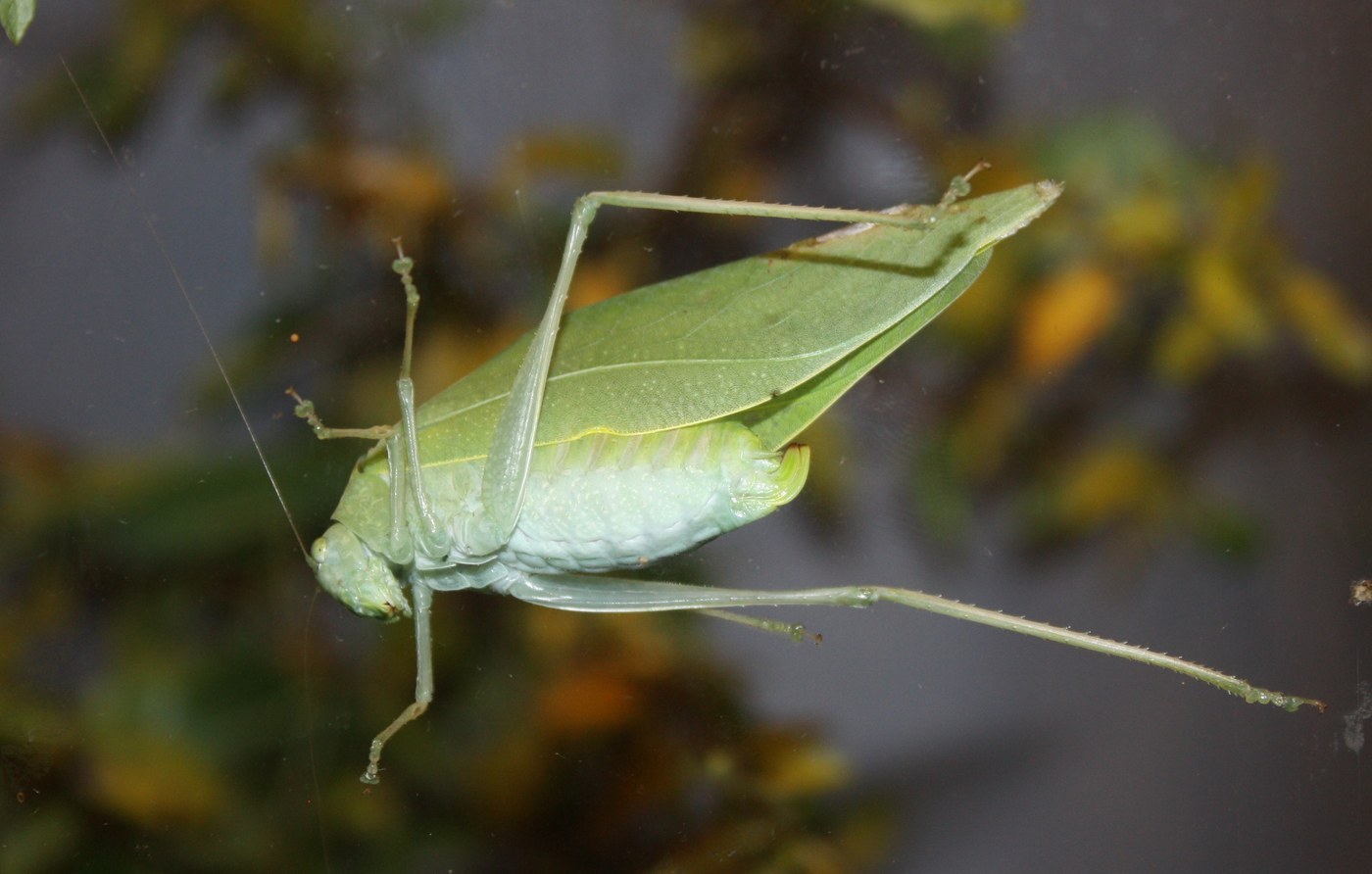
Angular-winged Katydid
deciduous trees, shrubs, and hedgerows across eastern and central North America
Spur-throated Grasshopper
grasslands, meadows, croplands, and roadsides across North America
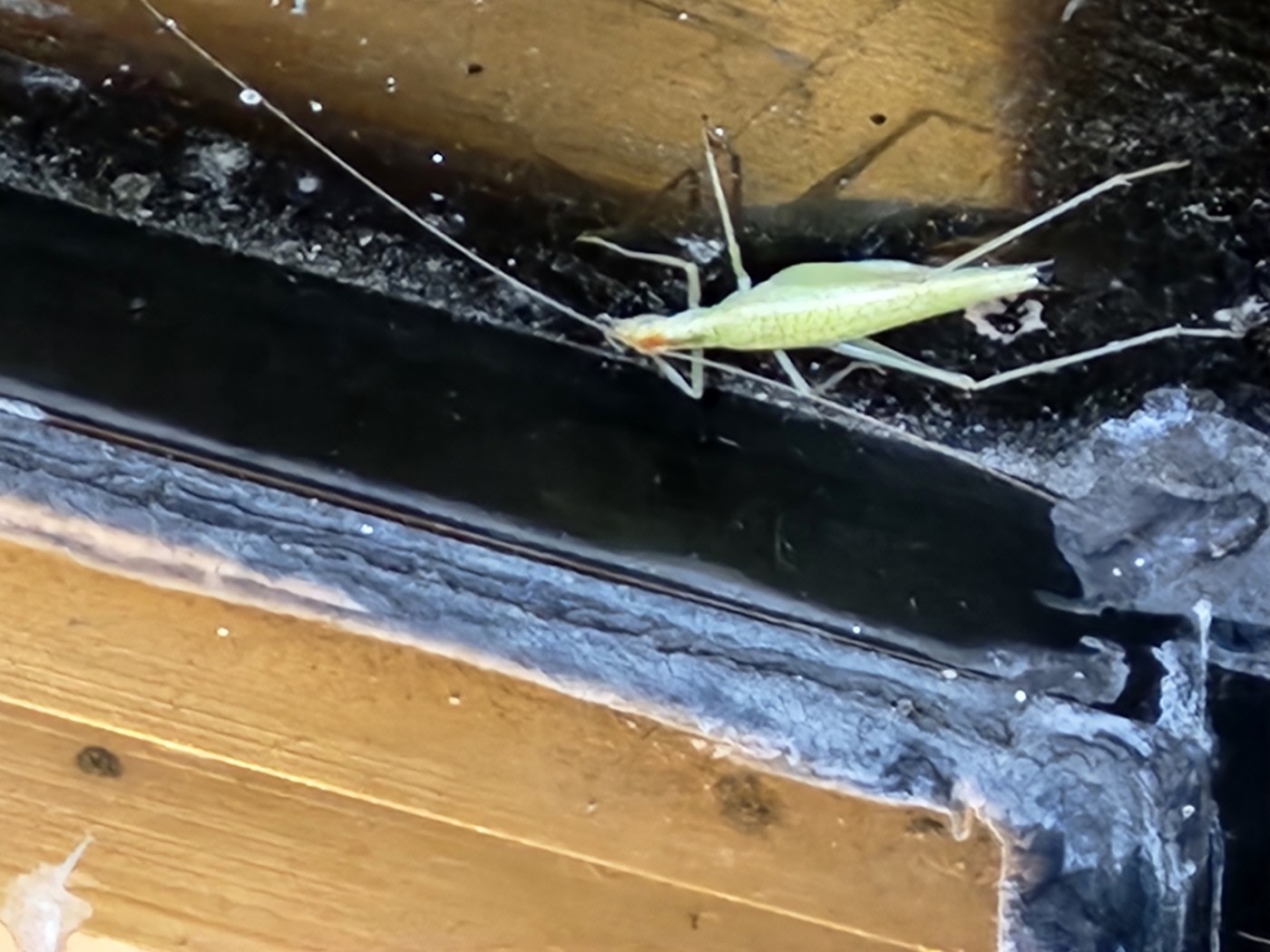
Snowy Tree Cricket
Shrubs, trees, and tall vegetation across North America
Rocky Mountain Locust
historically open grasslands and river valleys of the Rocky Mountains and Great Plains (now believed extinct)
Spotted Camel Cricket
damp caves, crawl spaces, basements, leaf litter, and rotting logs in eastern North America
Pygmy Grasshopper
damp soil, mud, and low vegetation near ponds, streams, and marshes
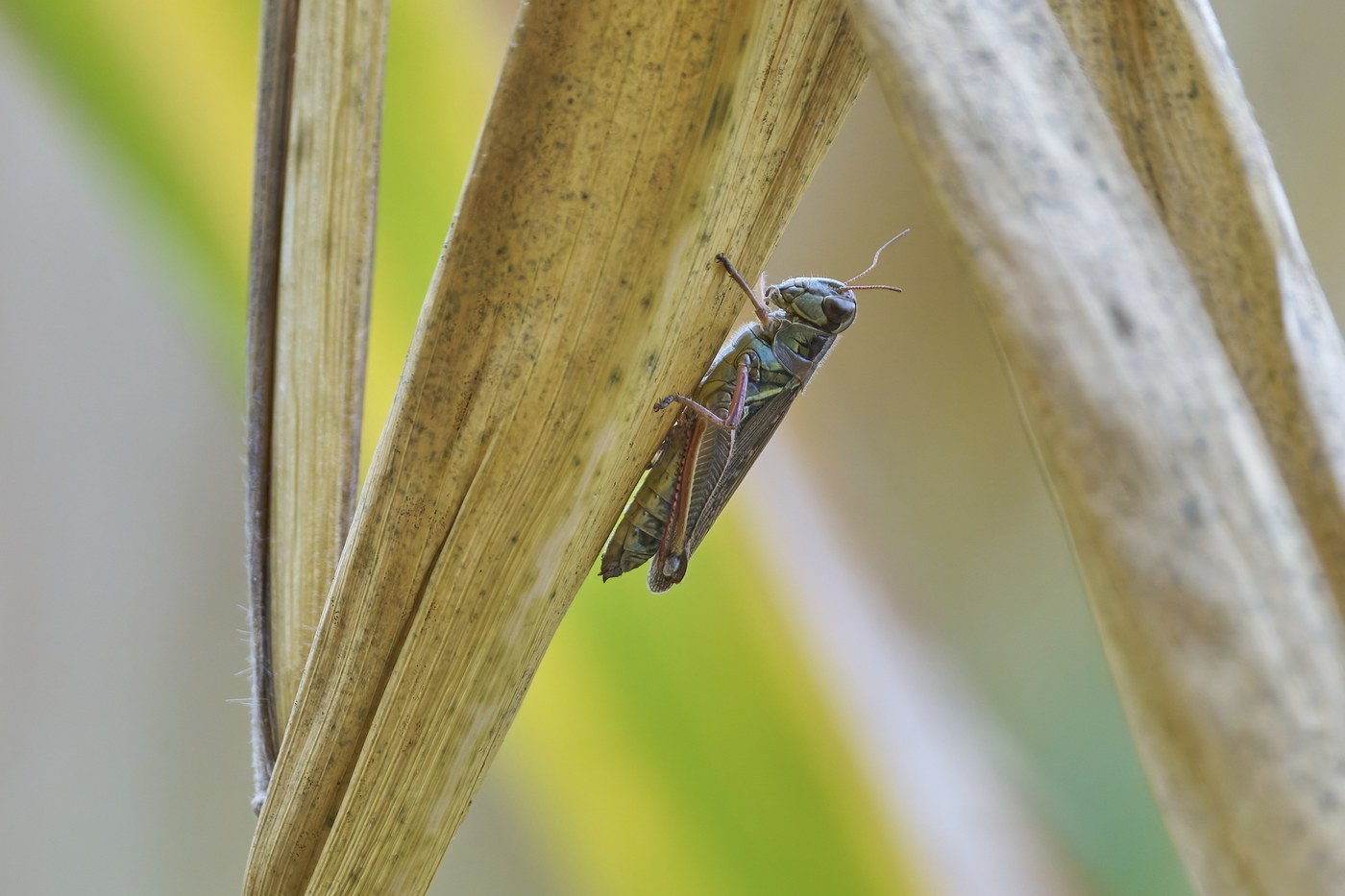
Red-legged Grasshopper
Meadows, pastures, field edges, and gardens across North America
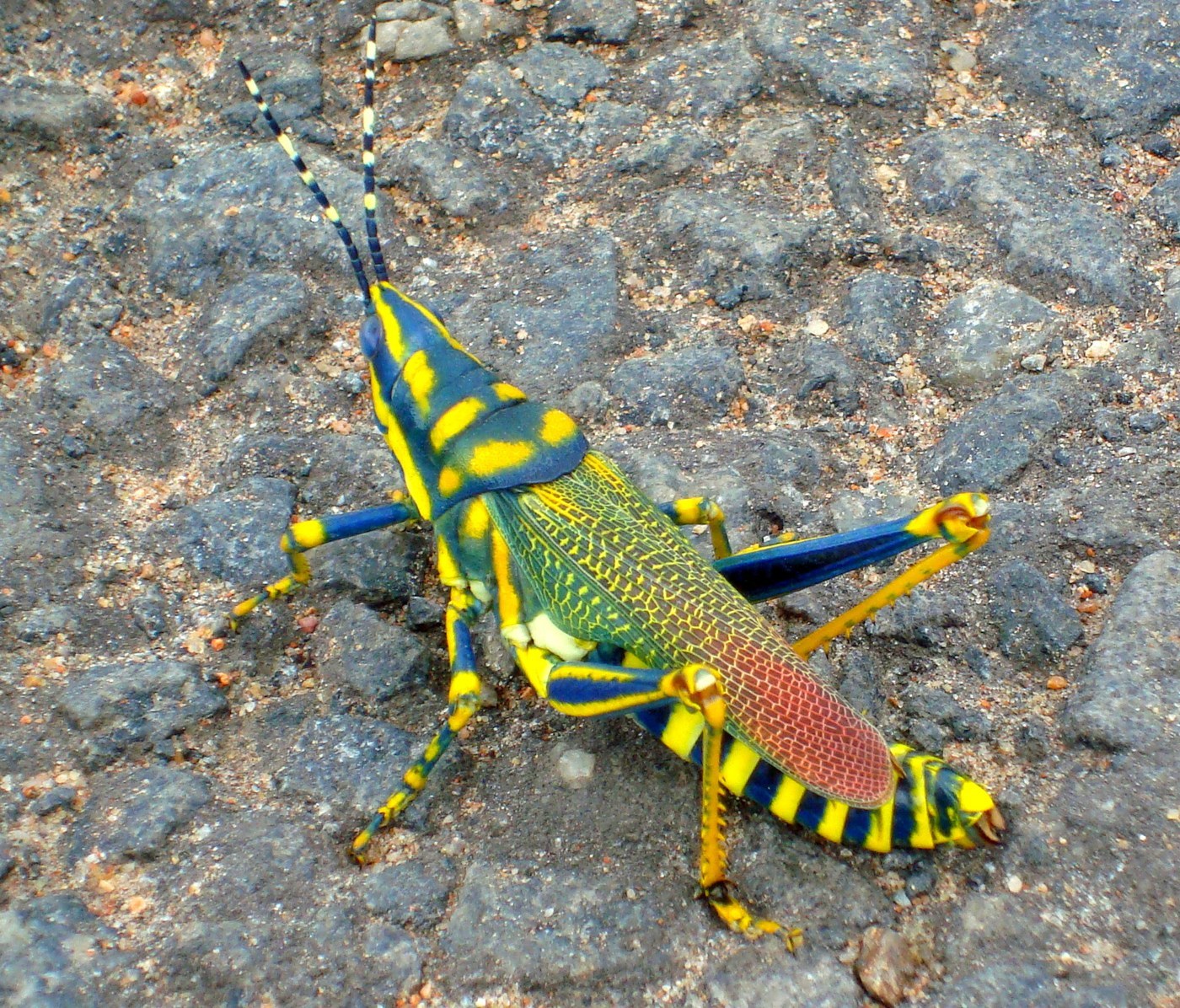
Painted Grasshopper
arid scrub, wastelands, and gardens of the Indian subcontinent, especially near milkweed plants
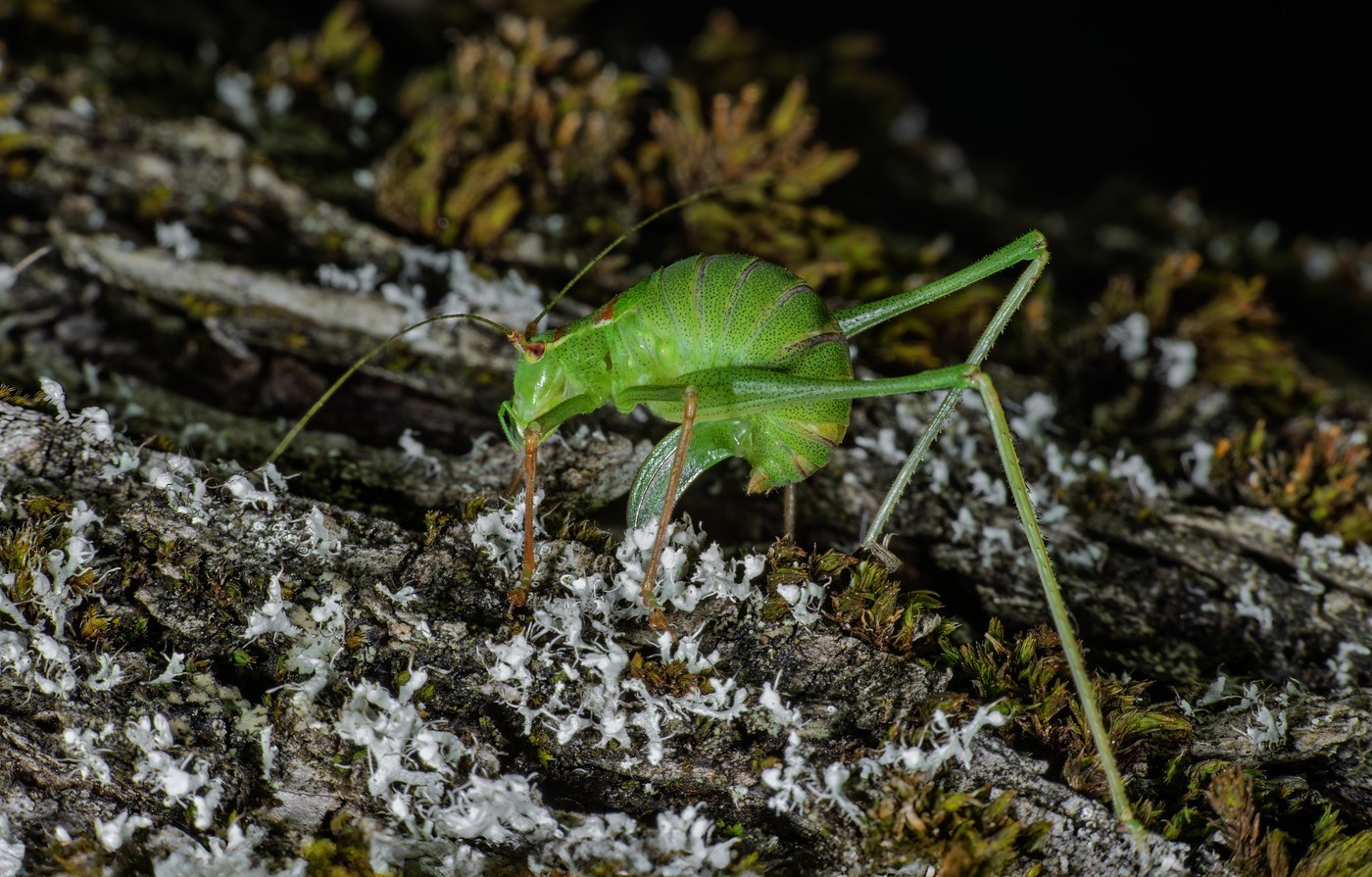
Speckled Bush Cricket
Brambles, hedgerows, nettles, and shrubby vegetation
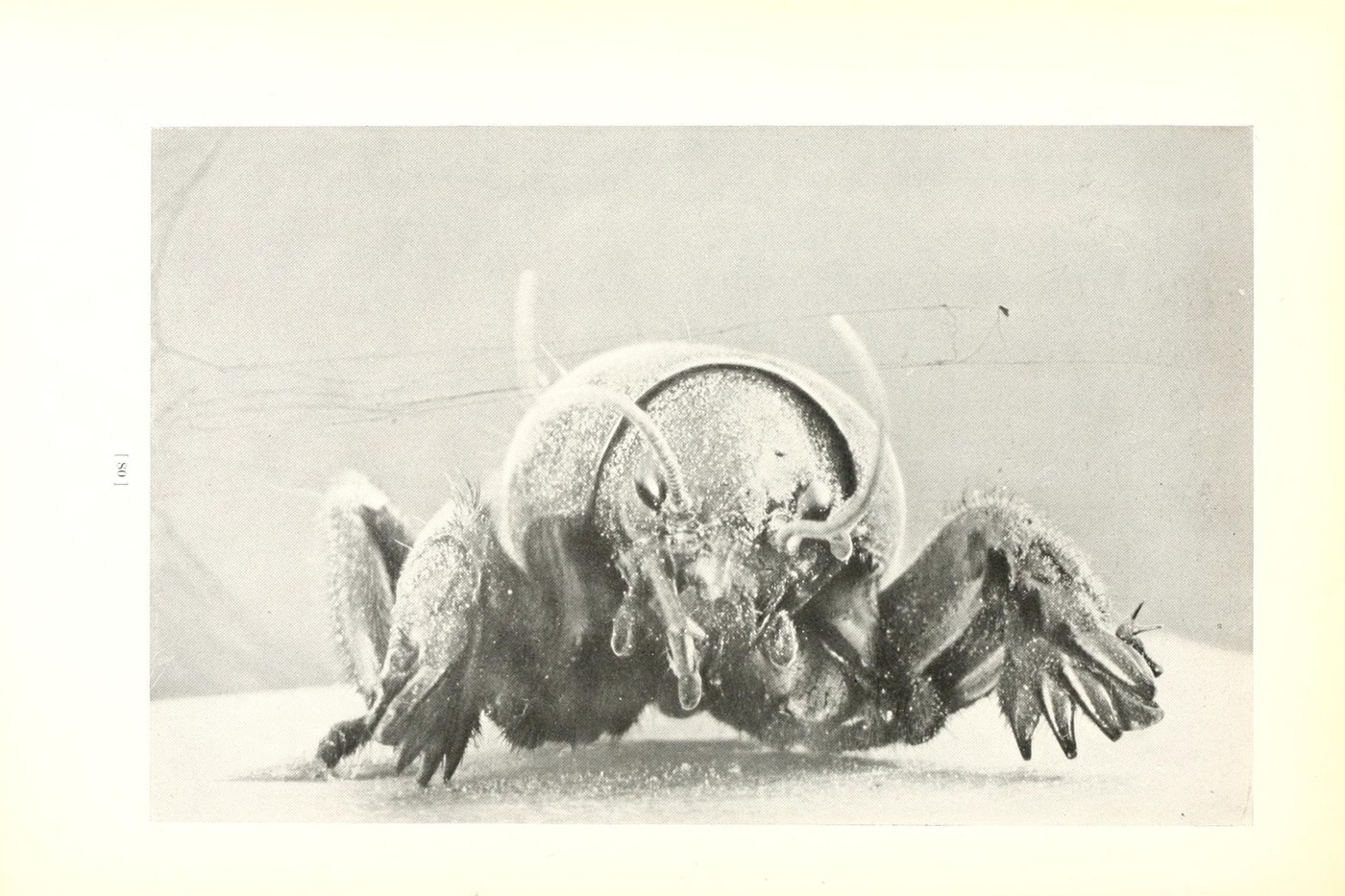
Northern Mole Cricket
wet soil, pond margins, and marshy ground across eastern and central North America