
Rocky Mountain Locust
Melanoplus spretus
Once the most destructive insect in North American history, this swarming grasshopper vanished within a few decades of forming the largest insect swarm ever recorded.
- Size
- 2–3.5 cm (0.8–1.4 in) long
- Habitat
- historically open grasslands and river valleys of the Rocky Mountains and Great Plains (now believed extinct)
- Danger
- Harmless
Spotted a bug like this?
Identify any bug or insect from a photo, free.
Overview
The Rocky Mountain locust was a swarming short-horned grasshopper native to the grasslands of the western United States and southern Canada. It is best remembered for an 1875 outbreak over Nebraska that may have contained several trillion individuals covering an area larger than California, likely the largest swarm of any single animal species ever documented.
Despite this staggering abundance, the species collapsed within about 25 years and has not been reliably observed since the early 1900s. Entomologists now generally consider it extinct, making it a striking cautionary example of how quickly even an overwhelmingly abundant species can disappear.
How to Identify
- Typical short-horned grasshopper body plan, 2–3.5 cm long
- Yellowish-brown to olive body with darker mottling across the wings
- Hind femora often reddish or yellow with dark banding
- Long, narrow forewings extending past the abdomen in the swarming (migratory) phase
- Chiefly identified today from preserved museum specimens and historical accounts rather than living individuals
Habitat & Range
Historically ranged from the eastern slopes of the Rocky Mountains across the Great Plains, from the Canadian Prairies south into Texas. Permanent breeding grounds are believed to have been narrow river valleys within the mountains, from which swarms periodically erupted onto the plains during droughts.
Behavior & Diet
In its solitary phase the species behaved like an ordinary grassland grasshopper, feeding on native grasses and forbs without causing notable damage. Under favorable weather conditions, populations could shift into a dense, gregarious swarming phase, forming vast migratory clouds that stripped crops and vegetation across the plains during the mid-to-late 1800s, causing severe agricultural losses for settlers.
Life Cycle
Eggs were laid in pods in soil during late summer and fall, overwintering before hatching into wingless nymphs the following spring. Nymphs molted through several instars before reaching winged adulthood, typically completing one generation per year. Under swarm conditions, rapid population growth combined with mass migration allowed outbreaks to spread across huge distances in a single season.
Frequently asked questions
Is the Rocky Mountain locust still alive today?
No living specimens have been confirmed since the early 1900s, and the species is generally considered extinct.
What likely caused its disappearance?
The leading theory is that agricultural plowing and irrigation destroyed the narrow mountain river-valley habitats where the species bred during its low-population years.
How large were its swarms?
The 1875 outbreak is estimated to have covered roughly 198,000 square miles, making it possibly the largest insect swarm ever recorded.
Is it related to grasshoppers alive today?
It belonged to the genus Melanoplus, which includes many living North American grasshopper species, but it is treated as a distinct, now-extinct species.
Rocky Mountain Locust guides
In-depth guides for identifying, understanding, and living alongside Rocky Mountain Locust.
Other bugs you may enjoy
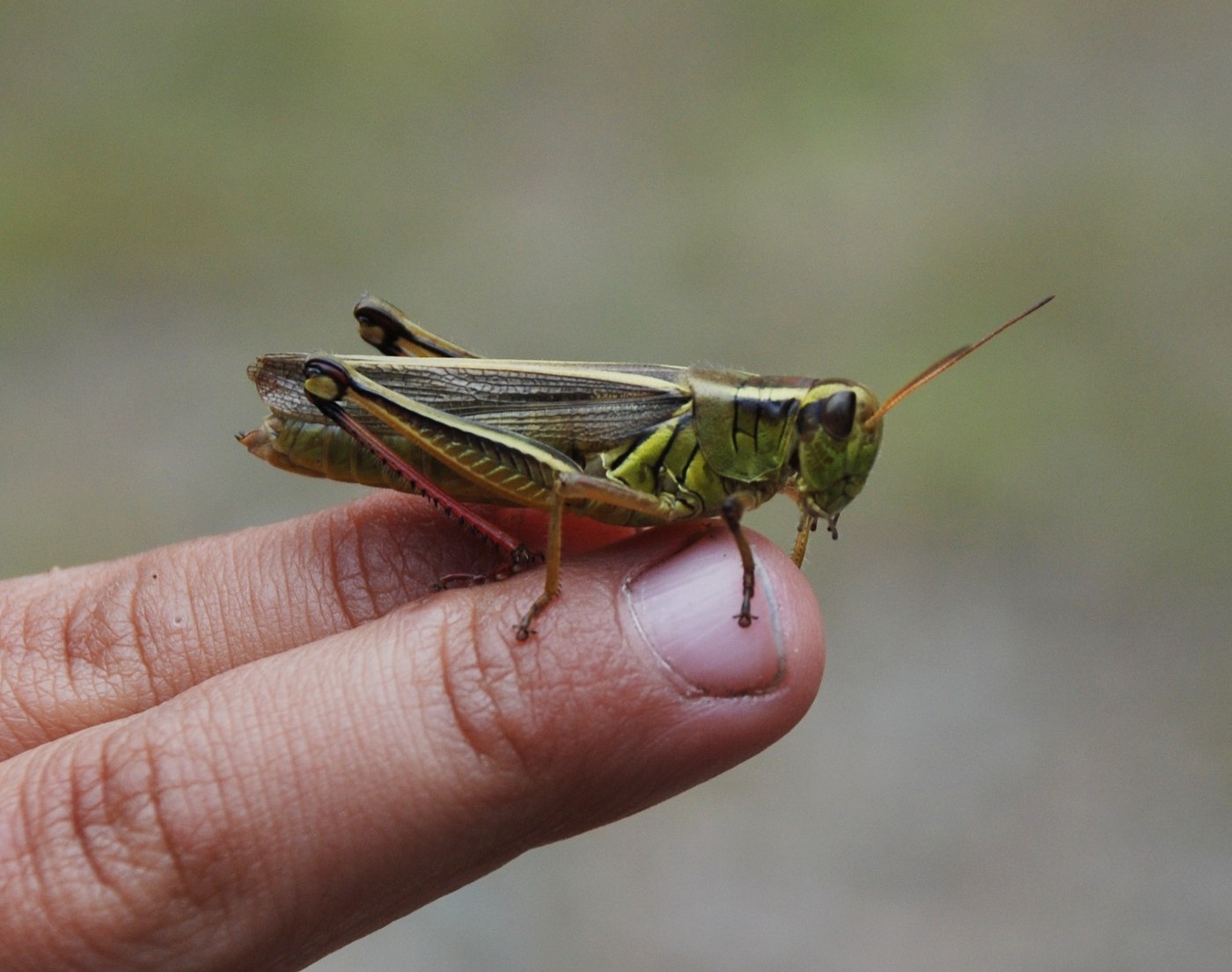
Two-striped Grasshopper
Meadows, pastures, riverbanks, and agricultural fields across North America
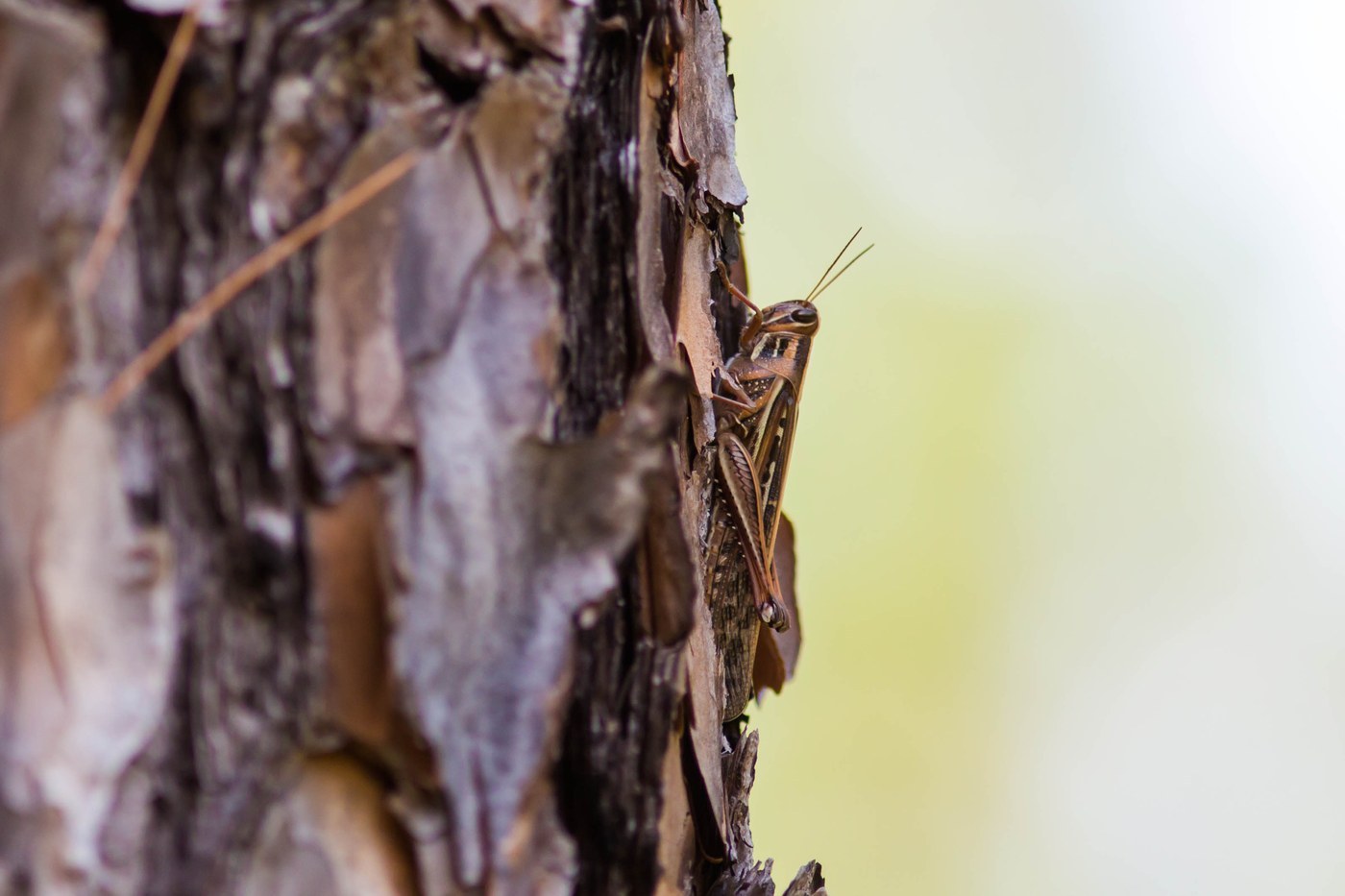
American Grasshopper
Woodland edges, citrus groves, gardens, and open fields across the southern and southeastern United States
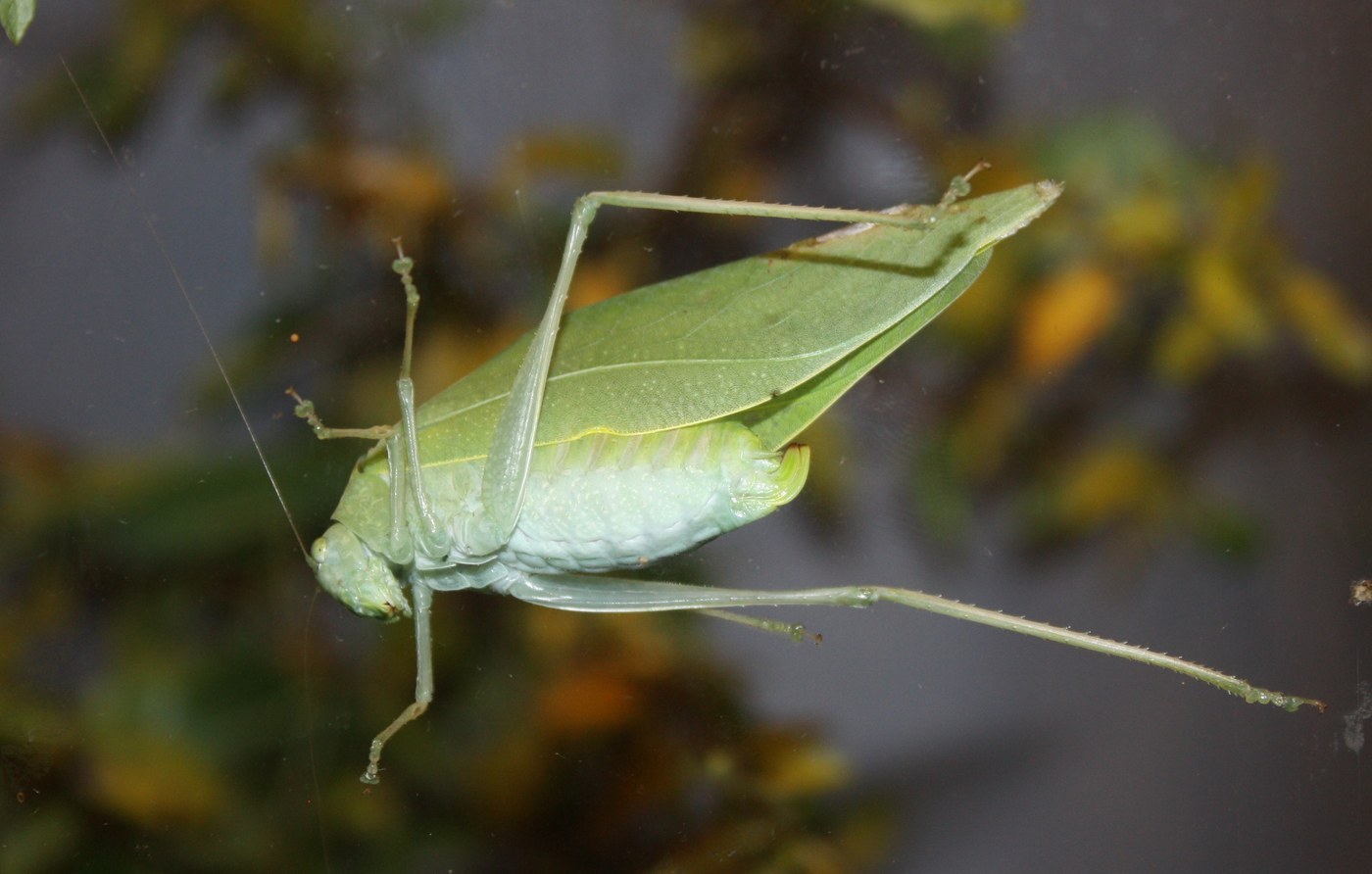
Angular-winged Katydid
deciduous trees, shrubs, and hedgerows across eastern and central North America
Spur-throated Grasshopper
grasslands, meadows, croplands, and roadsides across North America
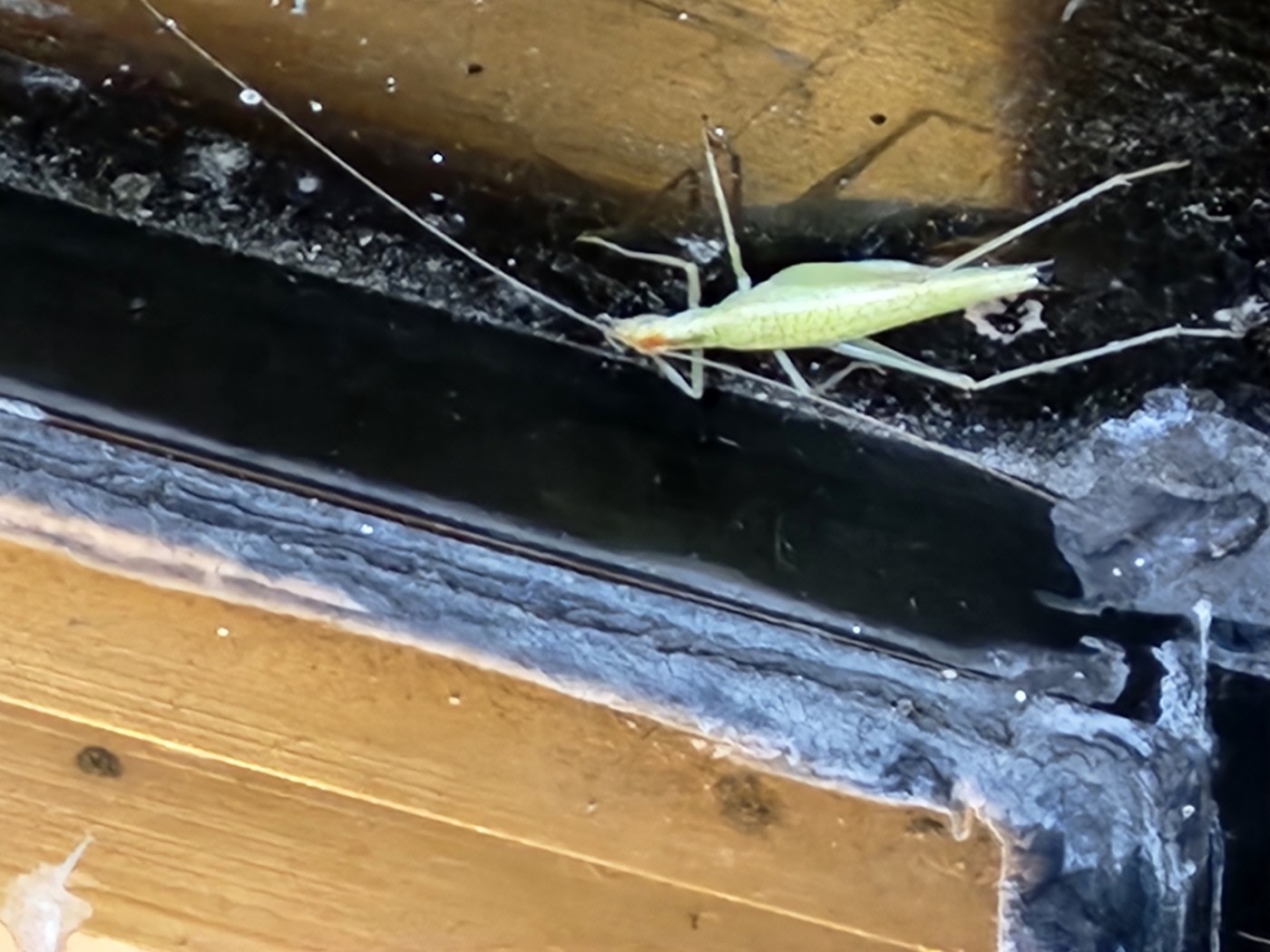
Snowy Tree Cricket
Shrubs, trees, and tall vegetation across North America
Spotted Camel Cricket
damp caves, crawl spaces, basements, leaf litter, and rotting logs in eastern North America
Pygmy Grasshopper
damp soil, mud, and low vegetation near ponds, streams, and marshes
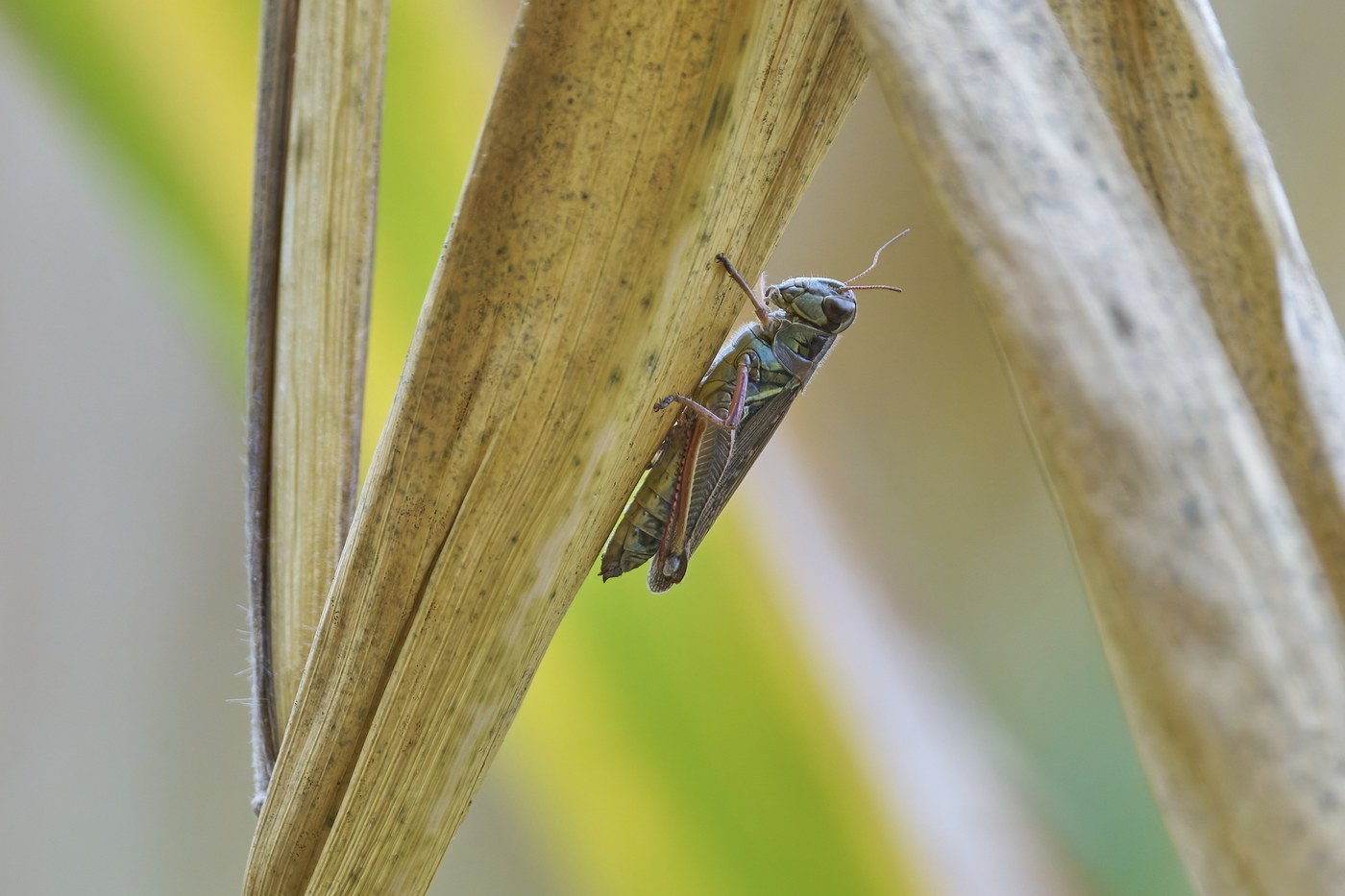
Red-legged Grasshopper
Meadows, pastures, field edges, and gardens across North America
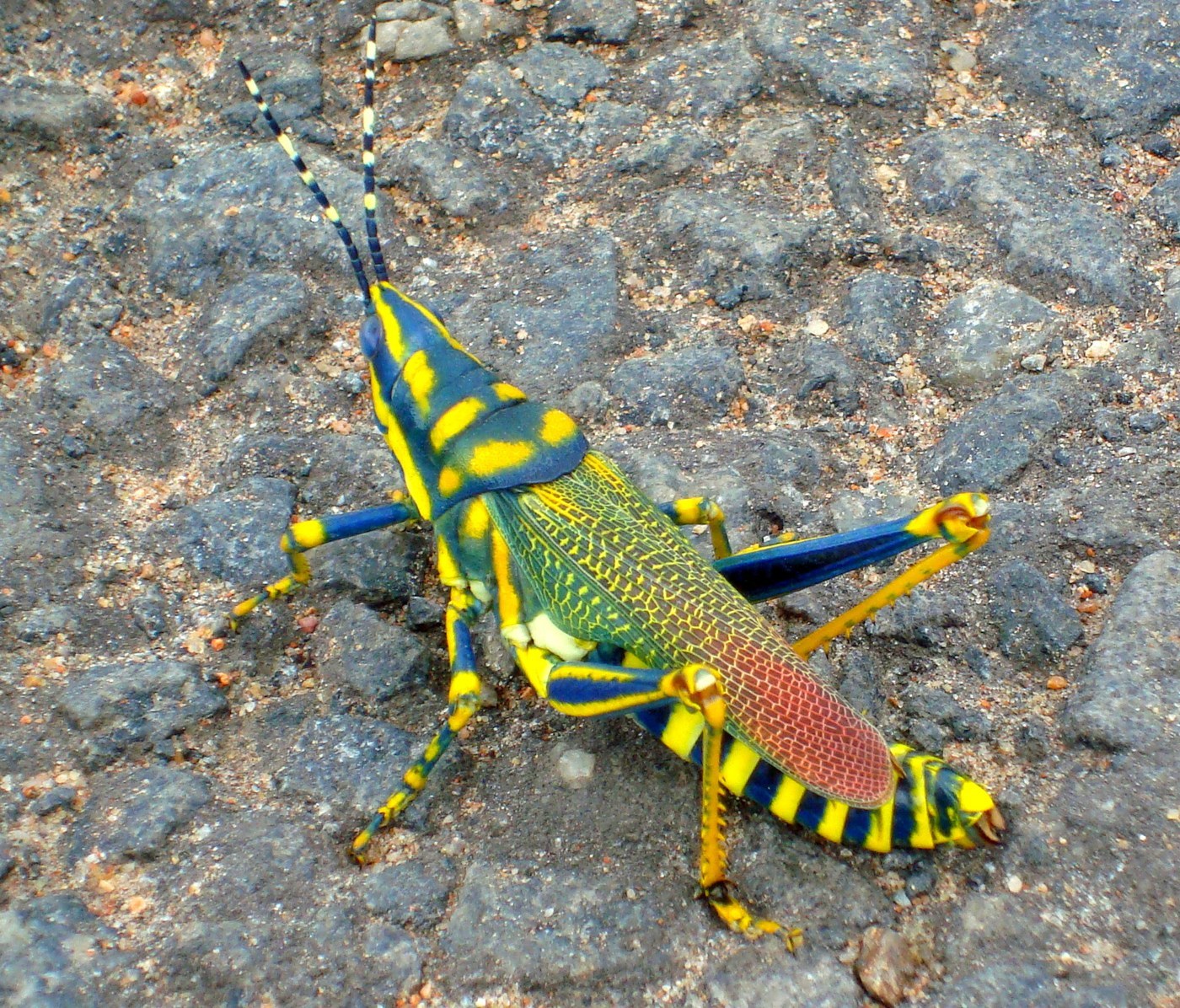
Painted Grasshopper
arid scrub, wastelands, and gardens of the Indian subcontinent, especially near milkweed plants
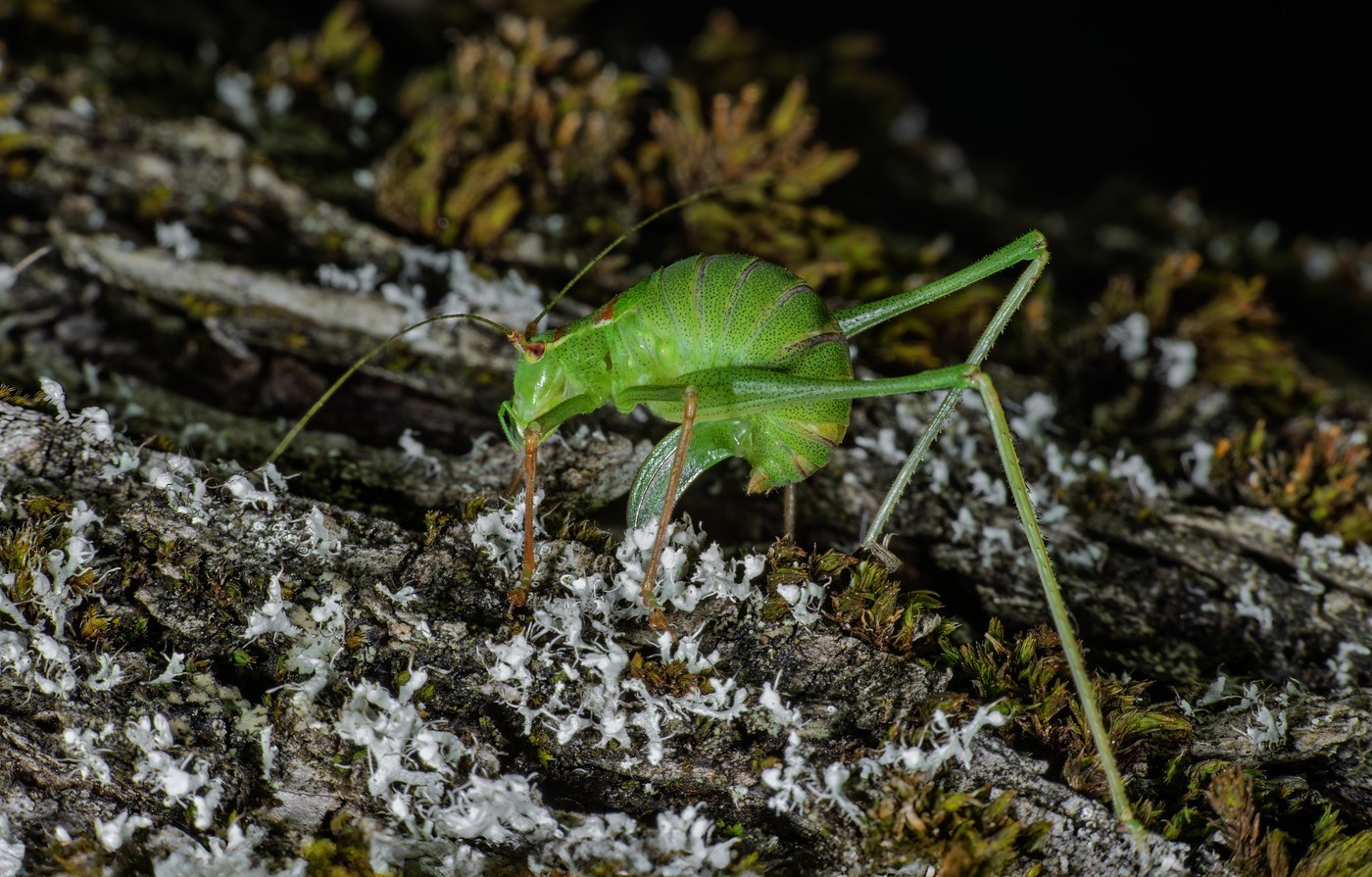
Speckled Bush Cricket
Brambles, hedgerows, nettles, and shrubby vegetation
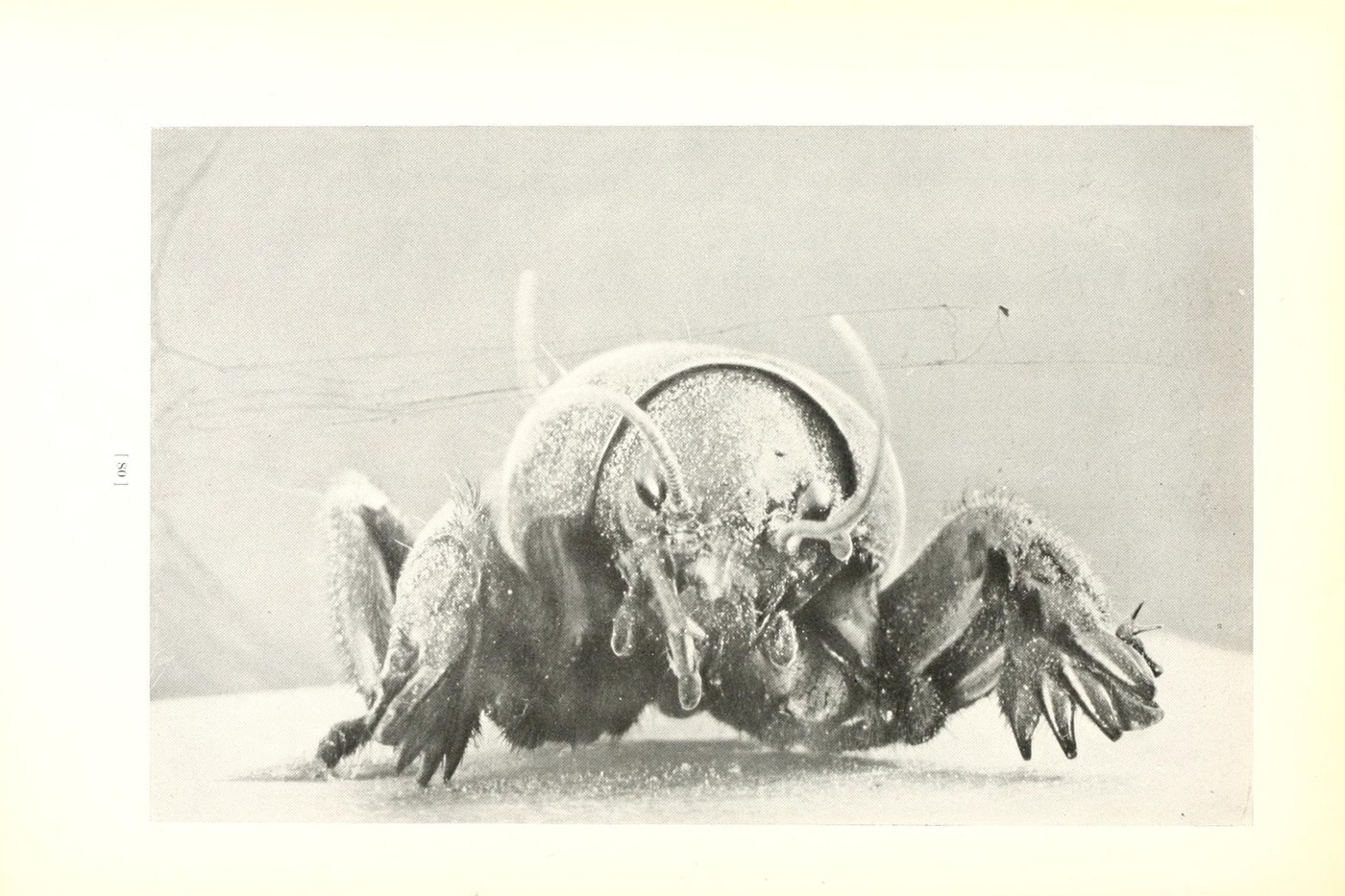
Northern Mole Cricket
wet soil, pond margins, and marshy ground across eastern and central North America
Roesel's Bush Cricket
Damp grasslands, meadows, and roadside verges