
Spur-throated Grasshopper
Melanoplus spp.
One of the most familiar grasshopper groups in North America, named for the small spine on its throat and known for including some of the continent's most abundant rangeland species.
- Size
- 0.75-2 in (2-5 cm) long
- Habitat
- grasslands, meadows, croplands, and roadsides across North America
- Danger
- Harmless
Spotted a bug like this?
Identify any bug or insect from a photo, free.
Overview
Spur-throated grasshoppers make up the large subfamily Melanoplinae, with the genus Melanoplus containing hundreds of North American species, including some of the most common grasshoppers encountered in fields, gardens, and prairies. The group's name comes from a small, tooth-like spur located on the underside of the throat between the front legs, a feature used to distinguish them from band-winged and slant-faced grasshoppers.
Members of this group are typically medium to large grasshoppers with relatively short, thick antennae and a rounded, blunt head profile rather than the elongated, slanted face seen in some other grasshopper subfamilies. Coloration ranges from brown and olive to gray, often with mottling that provides camouflage against soil and dried vegetation. Some species have brightly colored hind legs, while the hindwings themselves are usually clear or lightly tinted rather than boldly patterned.
Ecologically, spur-throated grasshoppers are important herbivores in grassland and agricultural ecosystems, feeding on a wide range of grasses and broadleaf plants. Several species are known for periodic population surges that can lead to conspicuous, though usually short-lived, buildups in numbers, and they serve as a significant food source for birds, small mammals, and other predators throughout their range.
How to Identify
- Medium to large grasshoppers, roughly 0.75-2 in (2-5 cm) long depending on species
- Small spur or spine on the underside of the throat between the front legs (key diagnostic feature)
- Rounded, blunt-faced head rather than a sharply slanted profile
- Coloration typically brown, olive, or gray with mottled patterning for camouflage
- Hindwings usually clear or only lightly tinted, without the bold colors seen in band-winged grasshoppers
- Short to moderately long antennae compared to the very long antennae of katydids
Habitat & Range
This group is widespread across North America, occupying grasslands, prairies, pastures, hay fields, croplands, roadsides, and open meadows from lowlands to mountain foothills. Different species specialize in different habitats, from dry shortgrass prairie to moist meadows, and many are common in disturbed or agricultural landscapes. Adults are most abundant from midsummer through early fall.
Behavior & Diet
Spur-throated grasshoppers are diurnal, sun-loving insects that feed on grasses and a wide variety of broadleaf plants, with some species showing a preference for specific host plants. Males of many species produce soft crepitating or ticking sounds by rubbing their hind legs against their wings or abdomen during courtship displays. They are strong jumpers and can also fly short distances when disturbed. As a highly abundant group across grassland ecosystems, they are a foundational prey item for grassland birds, rodents, reptiles, and predatory insects, and their grazing pressure helps shape plant community composition in prairies and pastures.
Life Cycle
Like other grasshoppers, spur-throated species undergo incomplete metamorphosis. Females deposit egg pods in the soil in late summer or fall, and the eggs overwinter, hatching the following spring or early summer. Nymphs resemble small, wingless versions of adults and pass through five or six molts before reaching maturity, developing full wings at the final molt. Most species complete a single generation per year, with adults present from midsummer until the first hard frosts.
Frequently asked questions
How did the spur-throated grasshopper get its name?
It refers to a small spine or spur located on the underside of the throat between the front legs, which distinguishes this subfamily from other grasshopper groups.
What genus makes up most spur-throated grasshoppers?
The genus Melanoplus contains the vast majority of North American spur-throated grasshopper species.
What do spur-throated grasshoppers eat?
They feed on a wide variety of grasses and broadleaf plants found in grasslands, meadows, and agricultural fields.
How can you tell a spur-throated grasshopper from a band-winged grasshopper?
Spur-throated grasshoppers have a small throat spur and usually clear or lightly tinted hindwings, while band-winged grasshoppers often show bold color bands on the hindwings when they fly.
Spur-throated Grasshopper guides
In-depth guides for identifying, understanding, and living alongside Spur-throated Grasshopper.
Other bugs you may enjoy
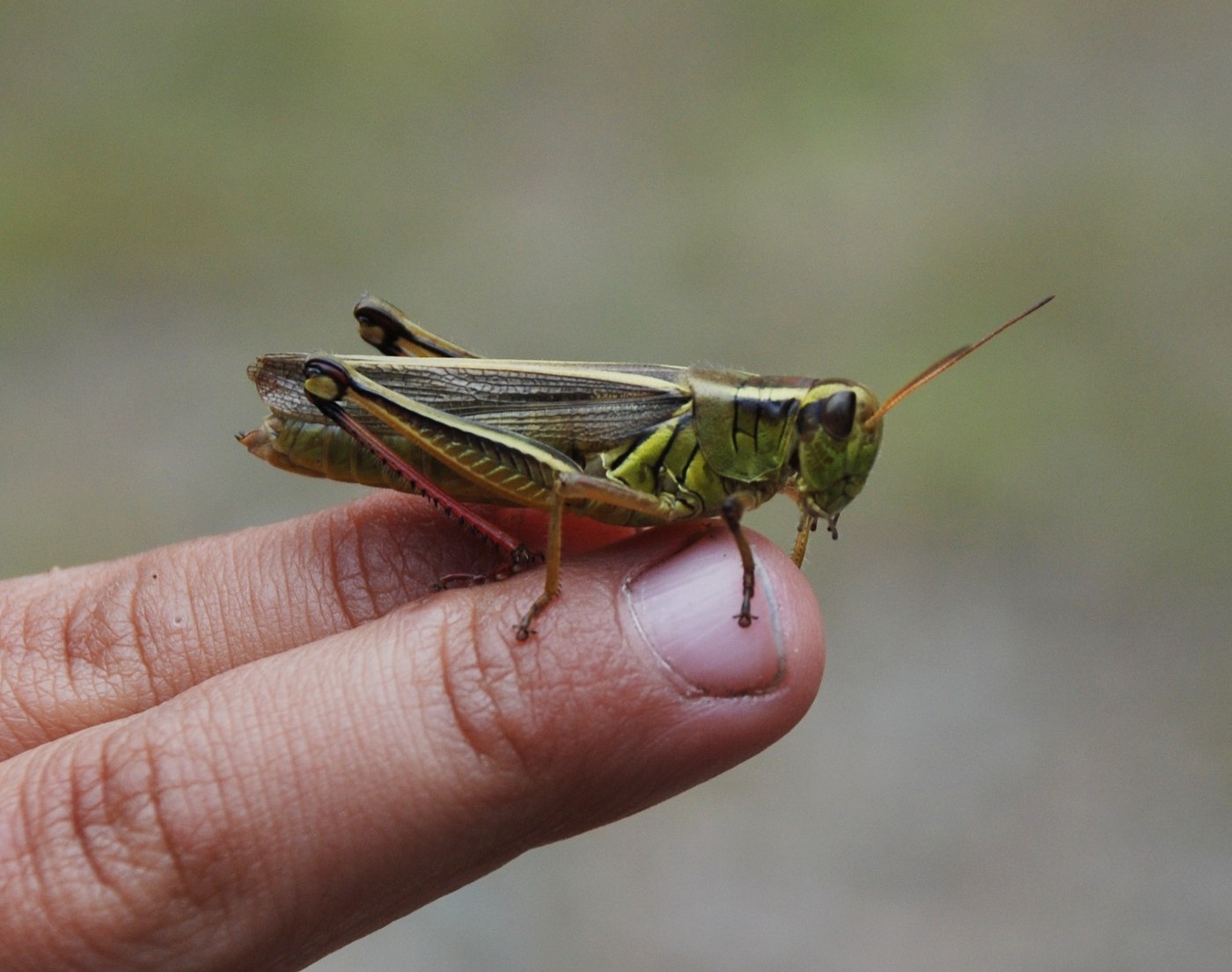
Two-striped Grasshopper
Meadows, pastures, riverbanks, and agricultural fields across North America
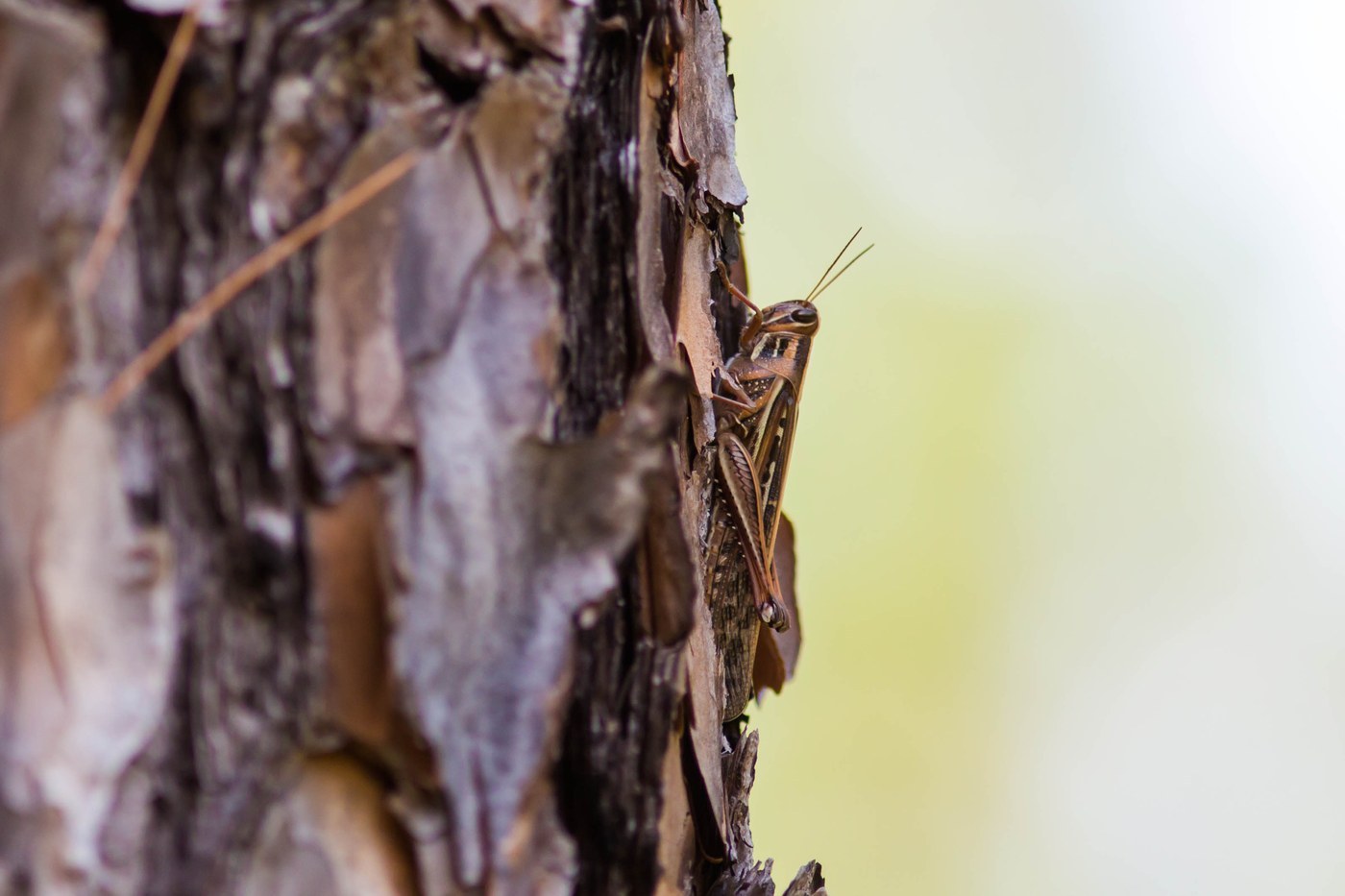
American Grasshopper
Woodland edges, citrus groves, gardens, and open fields across the southern and southeastern United States
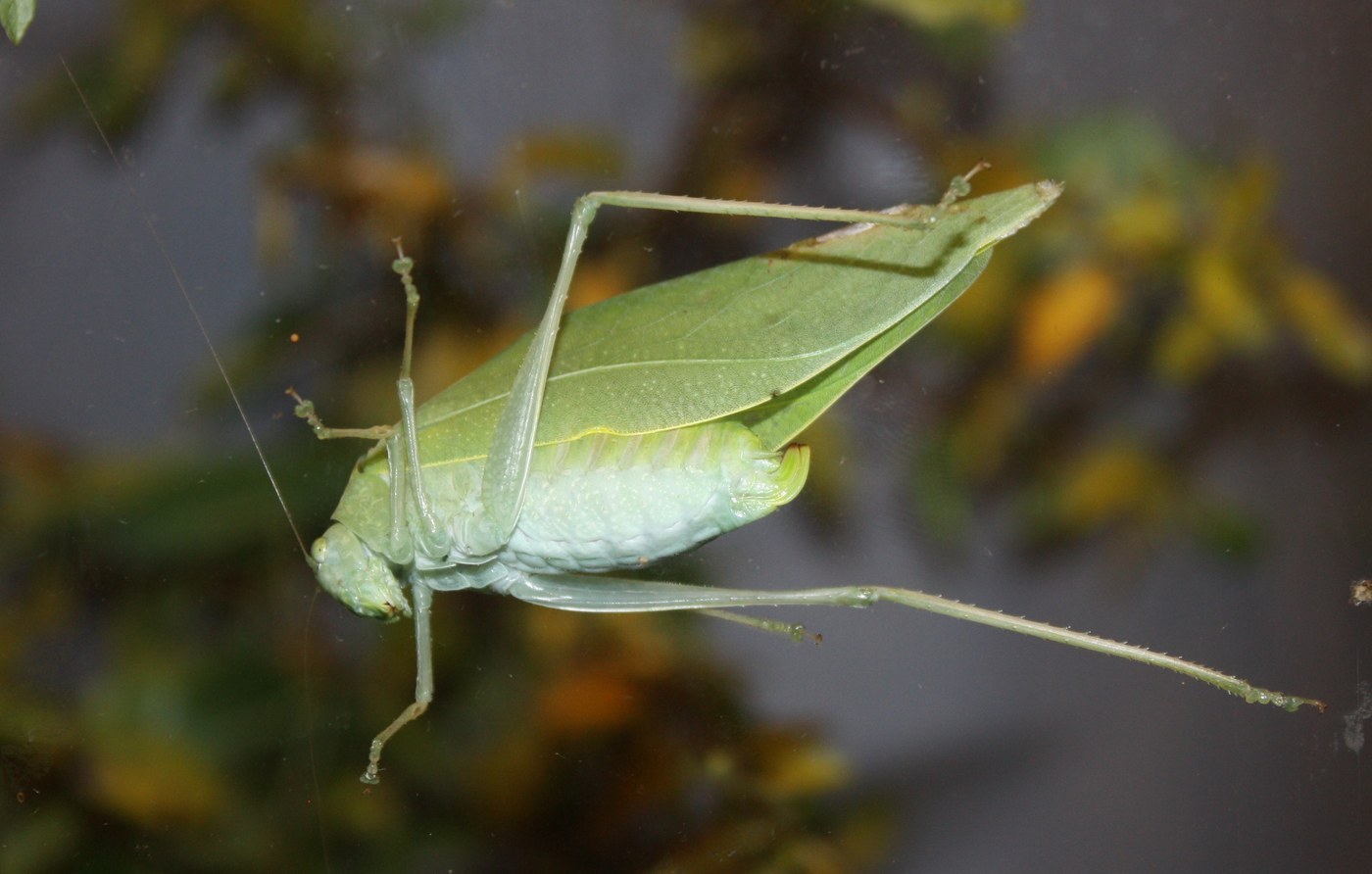
Angular-winged Katydid
deciduous trees, shrubs, and hedgerows across eastern and central North America
Snowy Tree Cricket
Shrubs, trees, and tall vegetation across North America
Rocky Mountain Locust
historically open grasslands and river valleys of the Rocky Mountains and Great Plains (now believed extinct)
Spotted Camel Cricket
damp caves, crawl spaces, basements, leaf litter, and rotting logs in eastern North America
Pygmy Grasshopper
damp soil, mud, and low vegetation near ponds, streams, and marshes
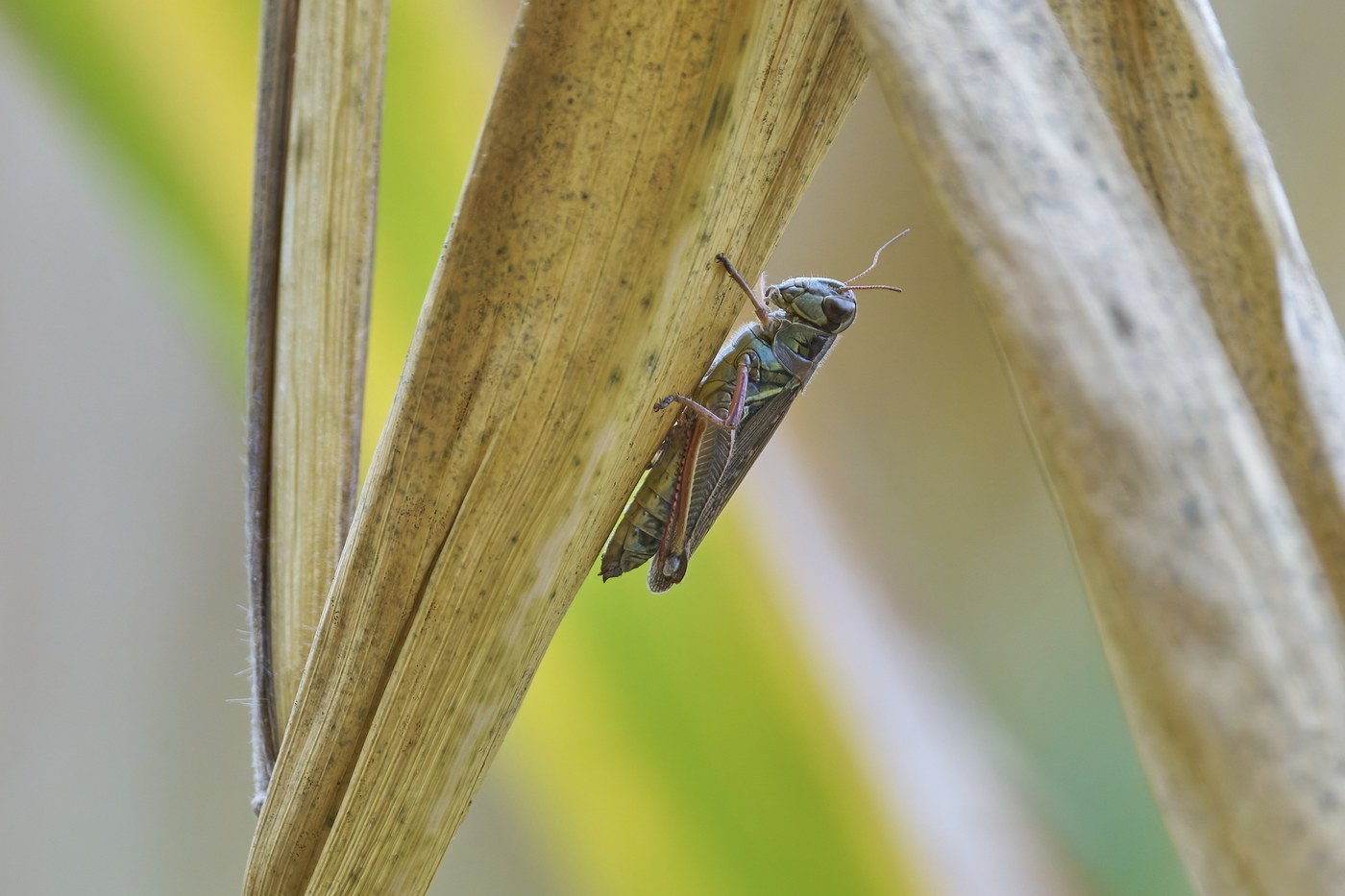
Red-legged Grasshopper
Meadows, pastures, field edges, and gardens across North America
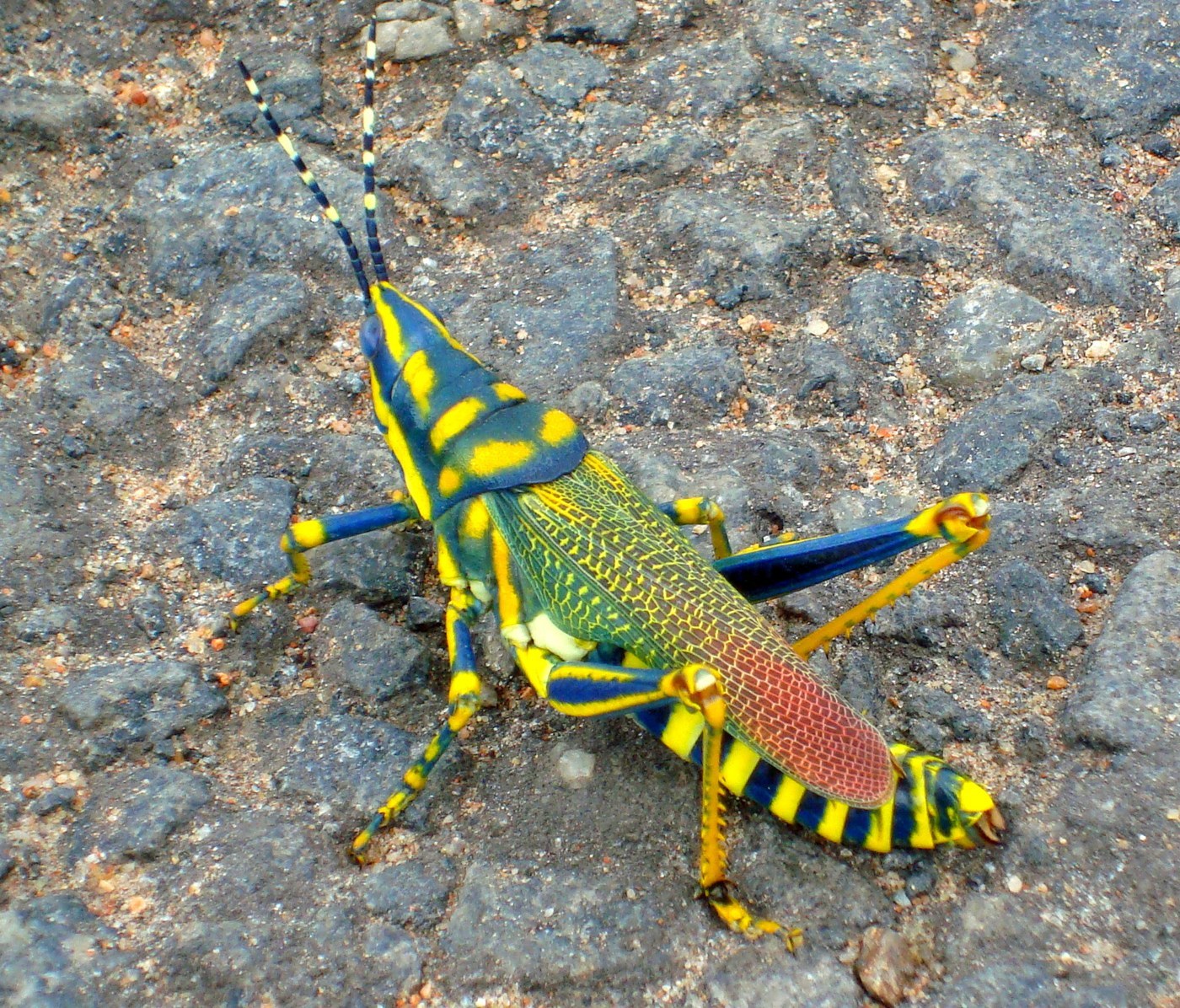
Painted Grasshopper
arid scrub, wastelands, and gardens of the Indian subcontinent, especially near milkweed plants
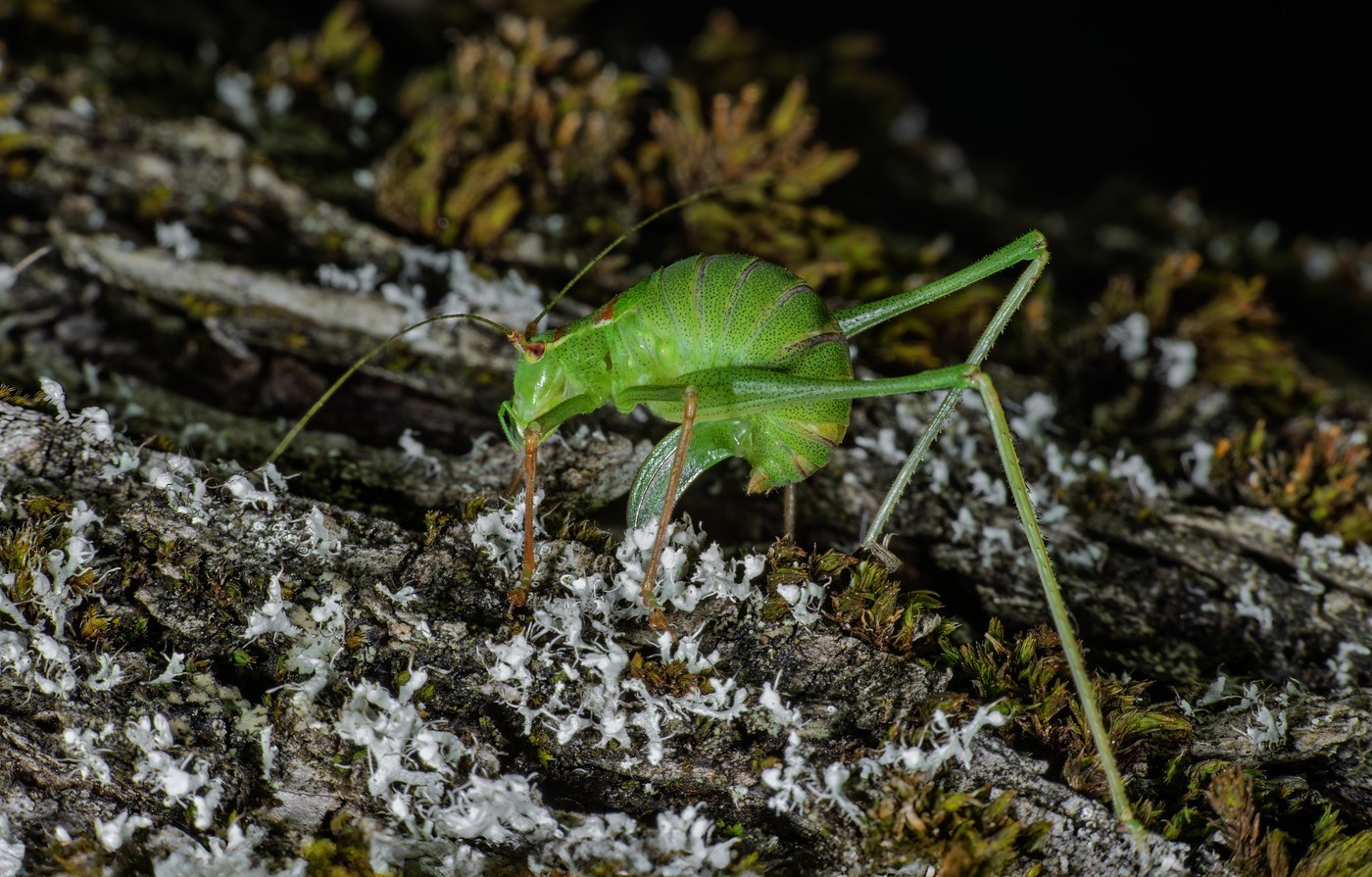
Speckled Bush Cricket
Brambles, hedgerows, nettles, and shrubby vegetation
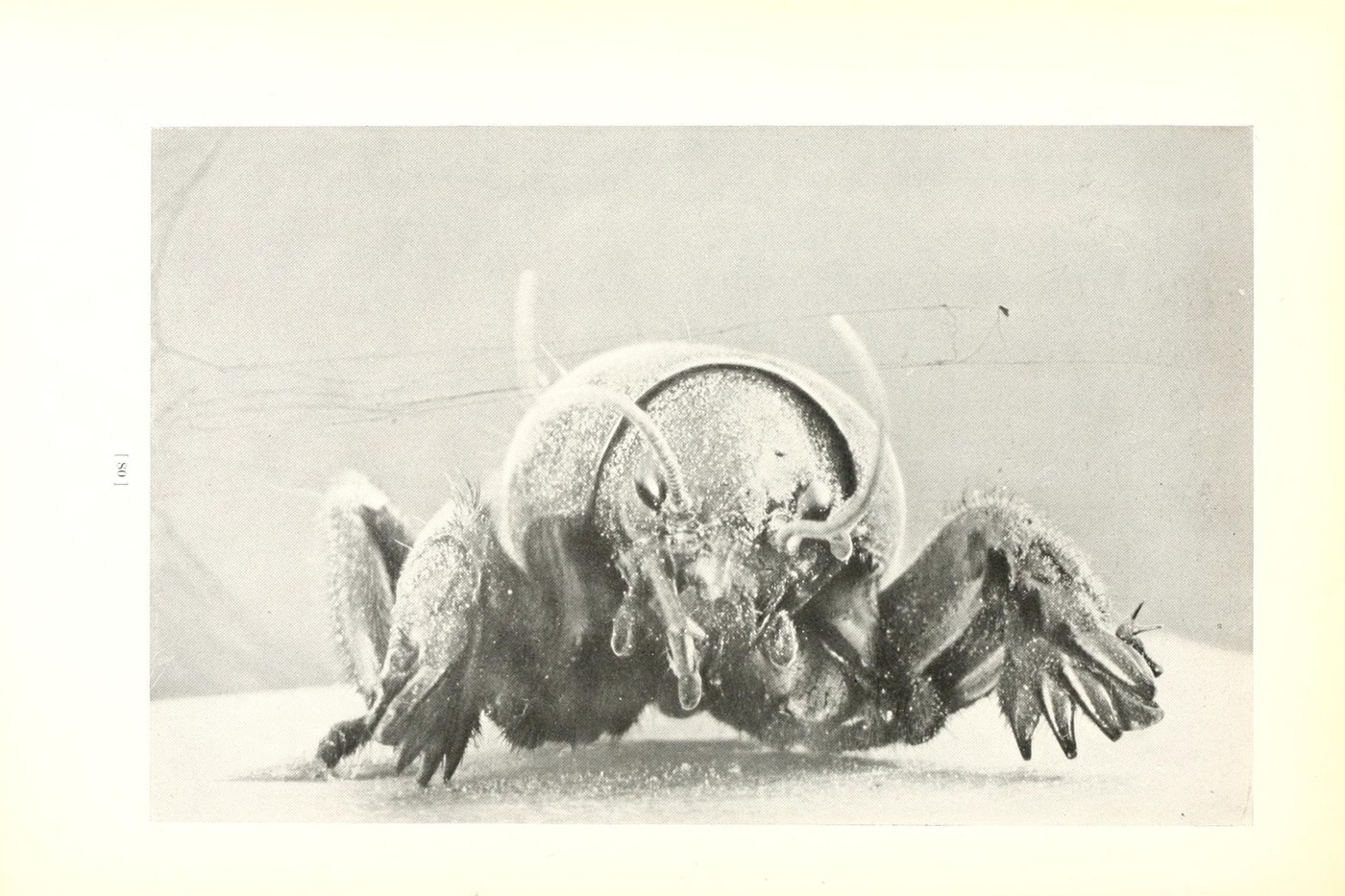
Northern Mole Cricket
wet soil, pond margins, and marshy ground across eastern and central North America
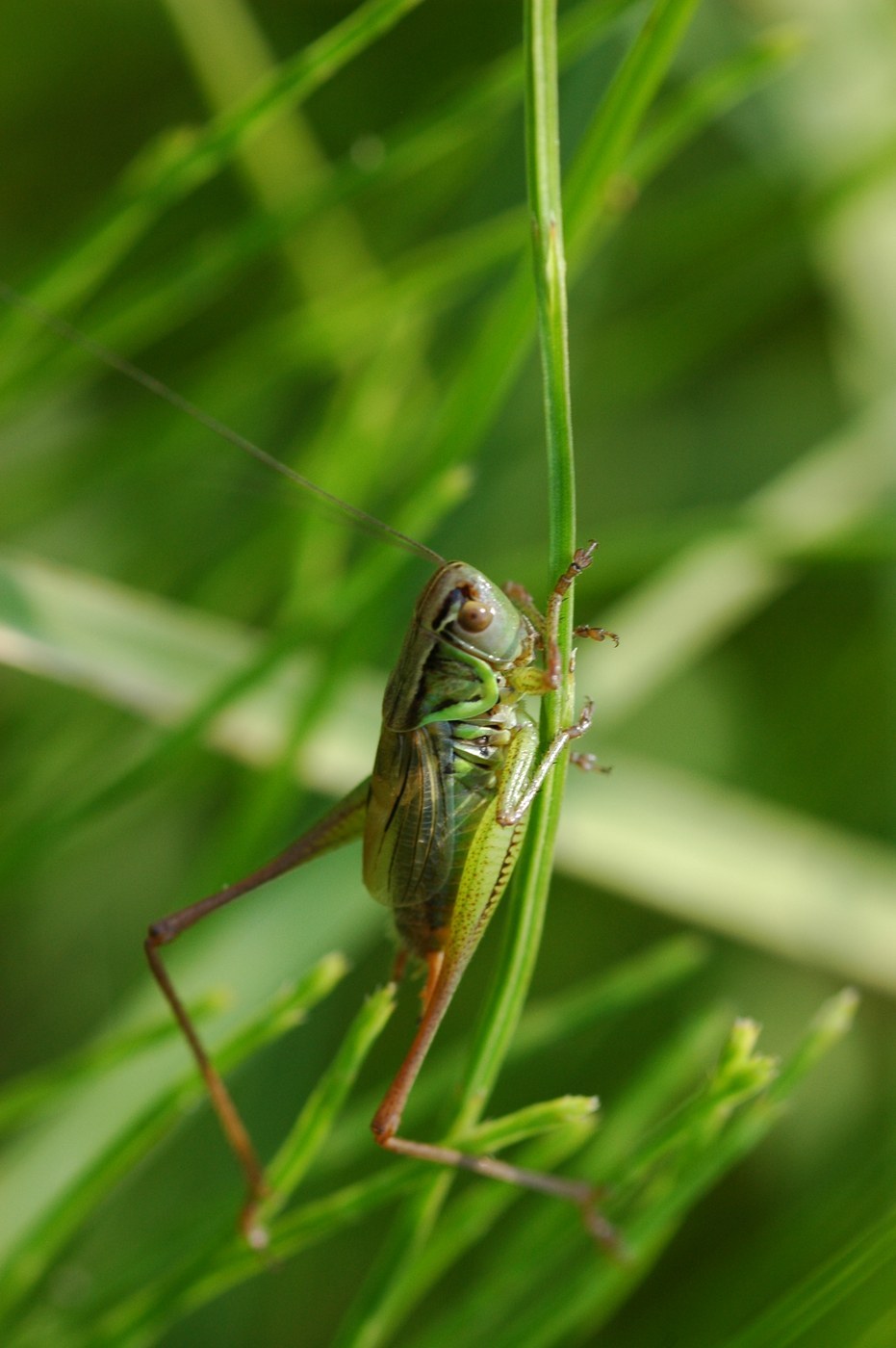
Roesel's Bush Cricket
Damp grasslands, meadows, and roadside verges