
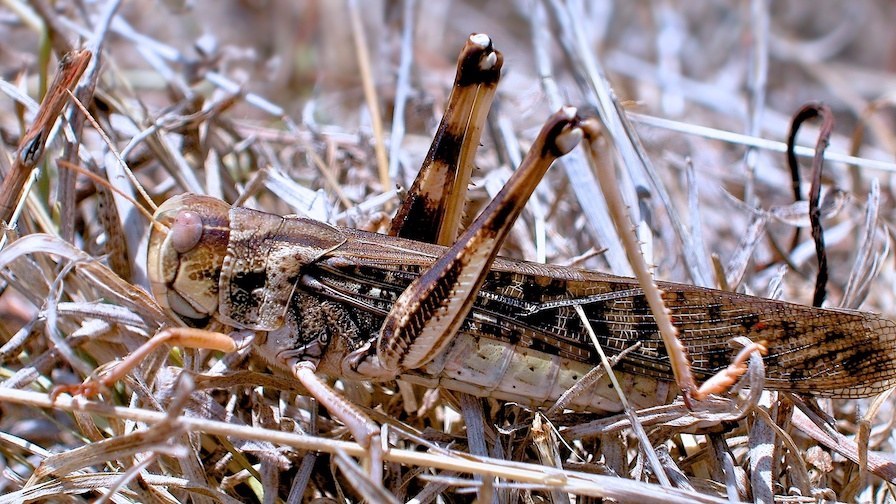
Migratory Locust
Locusta migratoria
A grasshopper with a split personality, the migratory locust can switch from a quiet, solitary green insect into a boldly marked swarming form that travels in enormous, crop-devouring bands.
- Size
- 3.5–6 cm (1.4–2.4 in) long
- Habitat
- Grasslands, floodplains, and savannas across Africa, Asia, Europe, and Australia
- Danger
- Harmless
Spotted a bug like this?
Identify any bug or insect from a photo, free.
Overview
The migratory locust is one of the most widespread and famous swarming insects in the world, found across a huge range spanning Africa, Asia, Australia, and parts of southern Europe. It belongs to a small group of grasshoppers capable of true phase polyphenism, meaning a single species can develop into two dramatically different forms depending on population density. Under normal, low-density conditions individuals live as solitary, shy grasshoppers, but when populations build up in favorable breeding areas, the insects change color, shape, and behavior to become gregarious swarming locusts.
This species has shaped agricultural history for millennia, with recorded locust plagues dating back to ancient Egyptian and Chinese texts. While the desert locust tends to dominate headlines in modern times, the migratory locust remains an important economic pest across its enormous range, particularly in parts of China, Central Asia, and Africa where periodic outbreaks still occur. Regional subspecies exist, adapted to different climates from temperate river valleys to tropical grasslands.
Outside of outbreak years, the migratory locust behaves like an ordinary, unremarkable grasshopper, feeding quietly on grasses and doing little noticeable damage. It is the transformation under crowded conditions—triggered by repeated physical contact between individuals—that turns this species into one of the most consequential insects in agricultural history.
How to Identify
- Solitary phase: green or brown with mottled, cryptic patterning that blends into grass and vegetation.
- Gregarious (swarming) phase: brighter yellow-brown to pink body with contrasting black markings on the thorax and legs.
- Long, narrow forewings that extend well past the tip of the abdomen, allowing sustained flight.
- Robust, spined hind femurs used for jumping, though swarming adults rely mainly on flight.
- Adults measure roughly 3.5–6 cm, with females larger than males.
- Lookalikes include the desert locust (Schistocerca gregaria) and various Melanoplus grasshoppers, distinguished by subtler color and proportion differences.
Habitat & Range
Migratory locusts occupy open grasslands, reed beds, floodplains, and river deltas across a vast Old World range stretching from West Africa through the Middle East, Central and East Asia, and south into Australia. Breeding outbreaks are most closely tied to moist, low-lying grassland habitats near rivers and lakes where soil conditions favor egg-laying, followed by dry spells that concentrate populations and trigger phase change.
Behavior & Diet
The defining behavior of this species is density-dependent phase transformation: crowding causes changes in color, body proportions, and behavior, shifting insects from solitary and sedentary to gregarious and highly mobile. Swarms of the gregarious phase can travel long distances on the wind, feeding on grasses, cereal crops, and other vegetation as they move. Solitary-phase individuals are far less conspicuous, feeding locally on wild grasses and playing a minor role as herbivores and prey for birds, reptiles, and other predators within grassland food webs.
Life Cycle
Females deposit egg pods, each containing dozens of eggs, into moist soil using an extendable ovipositor. Eggs hatch into wingless nymphs, or hoppers, which resemble small versions of the adult and pass through five to six instars via incomplete metamorphosis, gradually developing wing pads. Multiple generations can occur each year in warm climates, while in temperate regions eggs typically overwinter and hatch in spring. Under crowded rearing conditions, the phase change from solitary to gregarious form can begin within a single generation.
Frequently asked questions
What makes the migratory locust different from a normal grasshopper?
It is the same insect in two forms: under low population density it looks and acts like an ordinary solitary grasshopper, but crowding triggers a shift to a differently colored, swarming form.
Where is the migratory locust found?
It has one of the broadest ranges of any locust species, occurring across Africa, Europe, Asia, and Australia in grassland and floodplain habitats.
What do migratory locusts eat?
They feed primarily on grasses and, during outbreaks, on cereal crops and other cultivated vegetation.
How does the swarming phase begin?
Repeated physical contact between individuals in crowded conditions triggers hormonal changes that shift the population from the solitary to the gregarious, swarming phase.
Migratory Locust guides
In-depth guides for identifying, understanding, and living alongside Migratory Locust.
Migratory Locust identified by the community
Real finds identified with Bug Identifier.
Other bugs you may enjoy
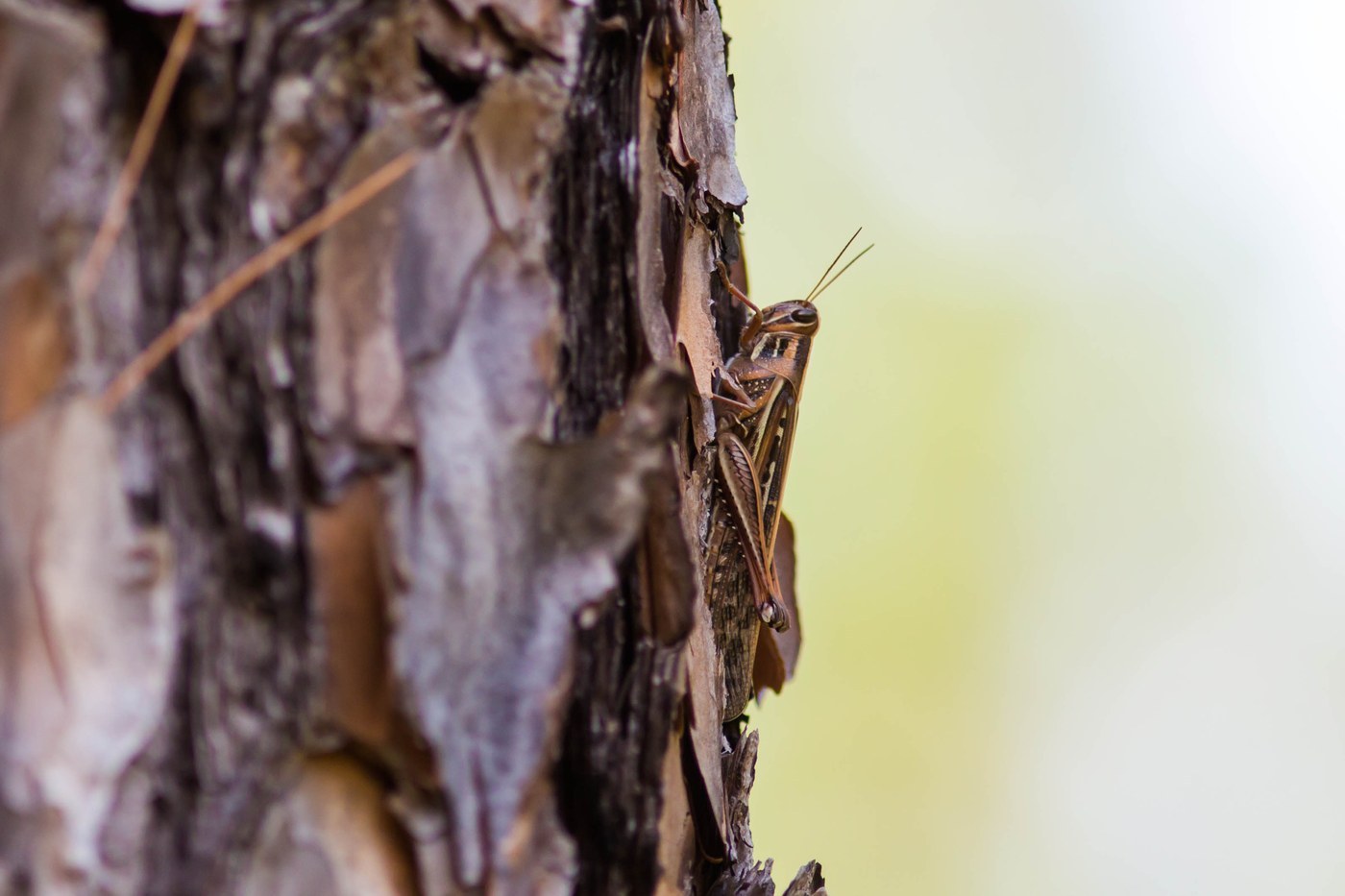
Two-striped Grasshopper
Meadows, pastures, riverbanks, and agricultural fields across North America
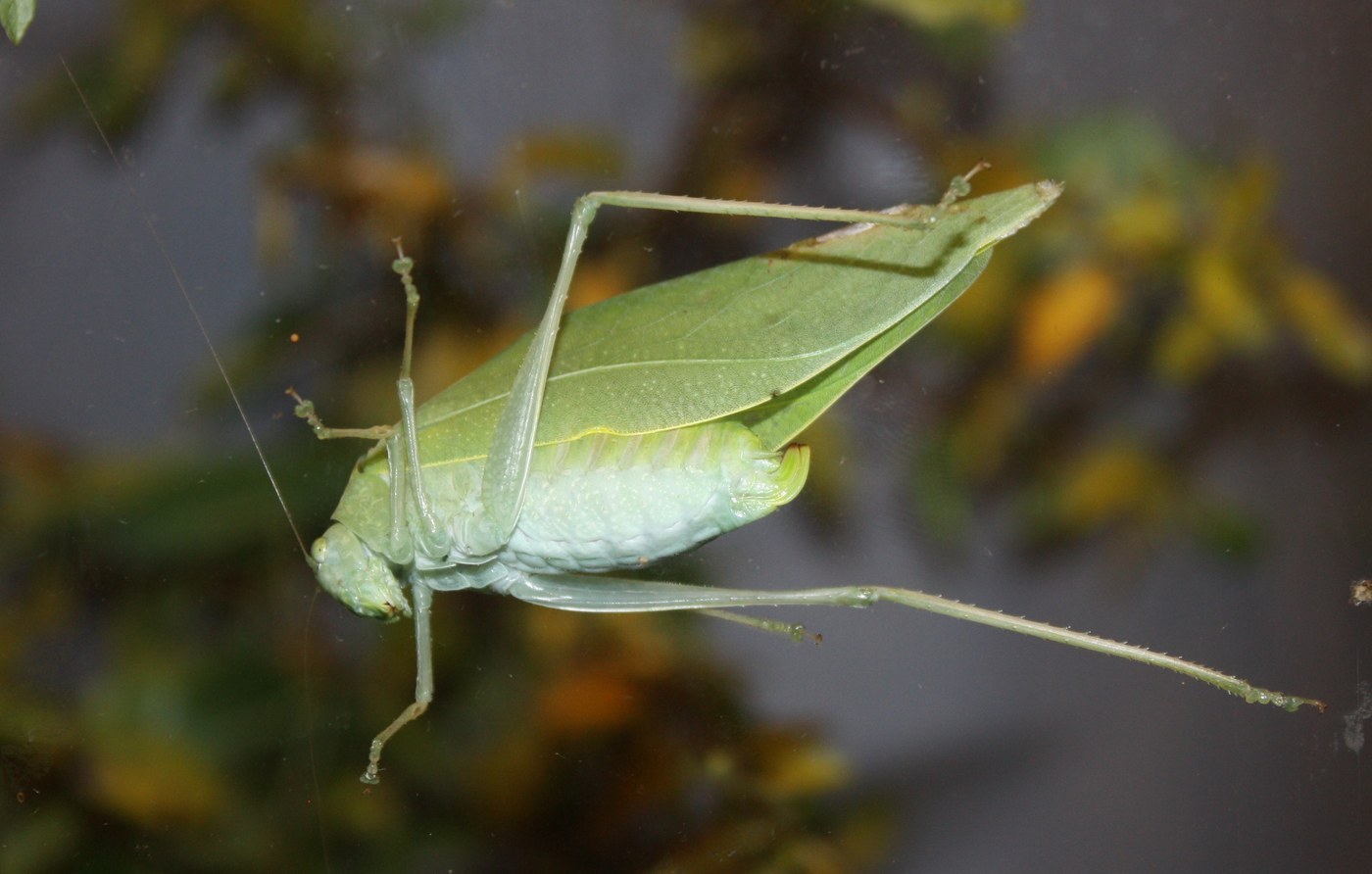
American Grasshopper
Woodland edges, citrus groves, gardens, and open fields across the southern and southeastern United States
Angular-winged Katydid
deciduous trees, shrubs, and hedgerows across eastern and central North America
Spur-throated Grasshopper
grasslands, meadows, croplands, and roadsides across North America
Snowy Tree Cricket
Shrubs, trees, and tall vegetation across North America
Rocky Mountain Locust
historically open grasslands and river valleys of the Rocky Mountains and Great Plains (now believed extinct)
Spotted Camel Cricket
damp caves, crawl spaces, basements, leaf litter, and rotting logs in eastern North America
Pygmy Grasshopper
damp soil, mud, and low vegetation near ponds, streams, and marshes
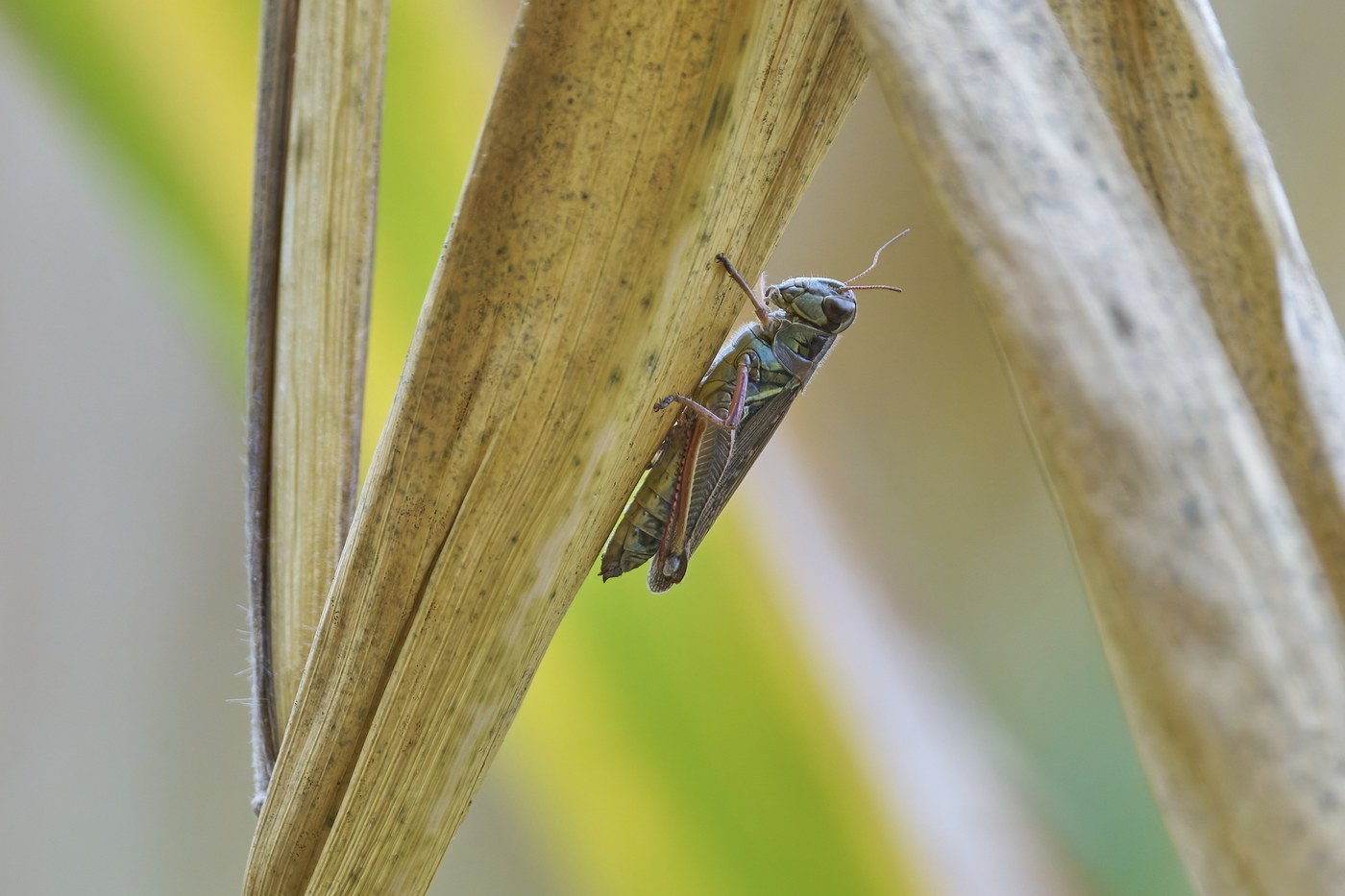
Red-legged Grasshopper
Meadows, pastures, field edges, and gardens across North America
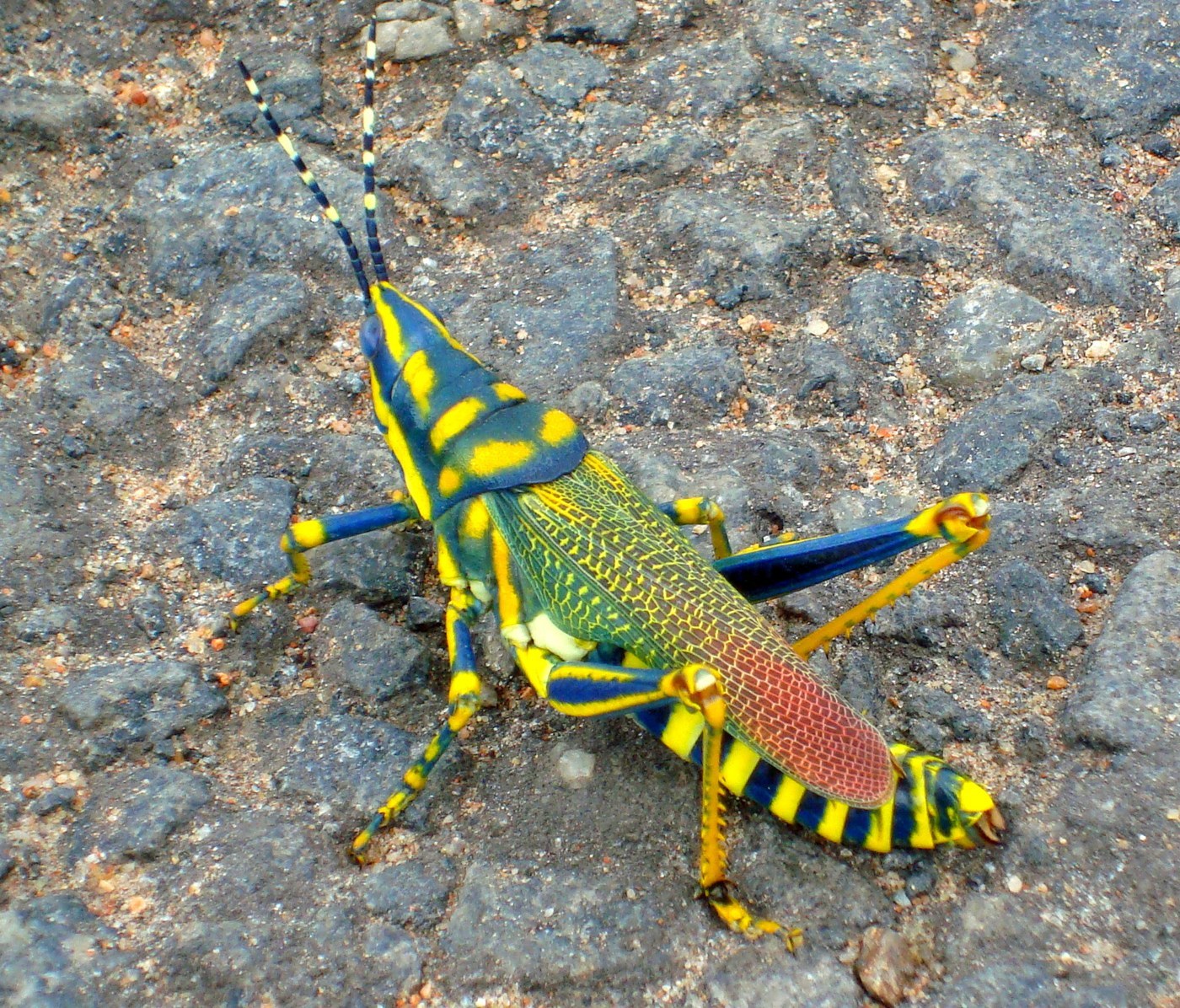
Painted Grasshopper
arid scrub, wastelands, and gardens of the Indian subcontinent, especially near milkweed plants
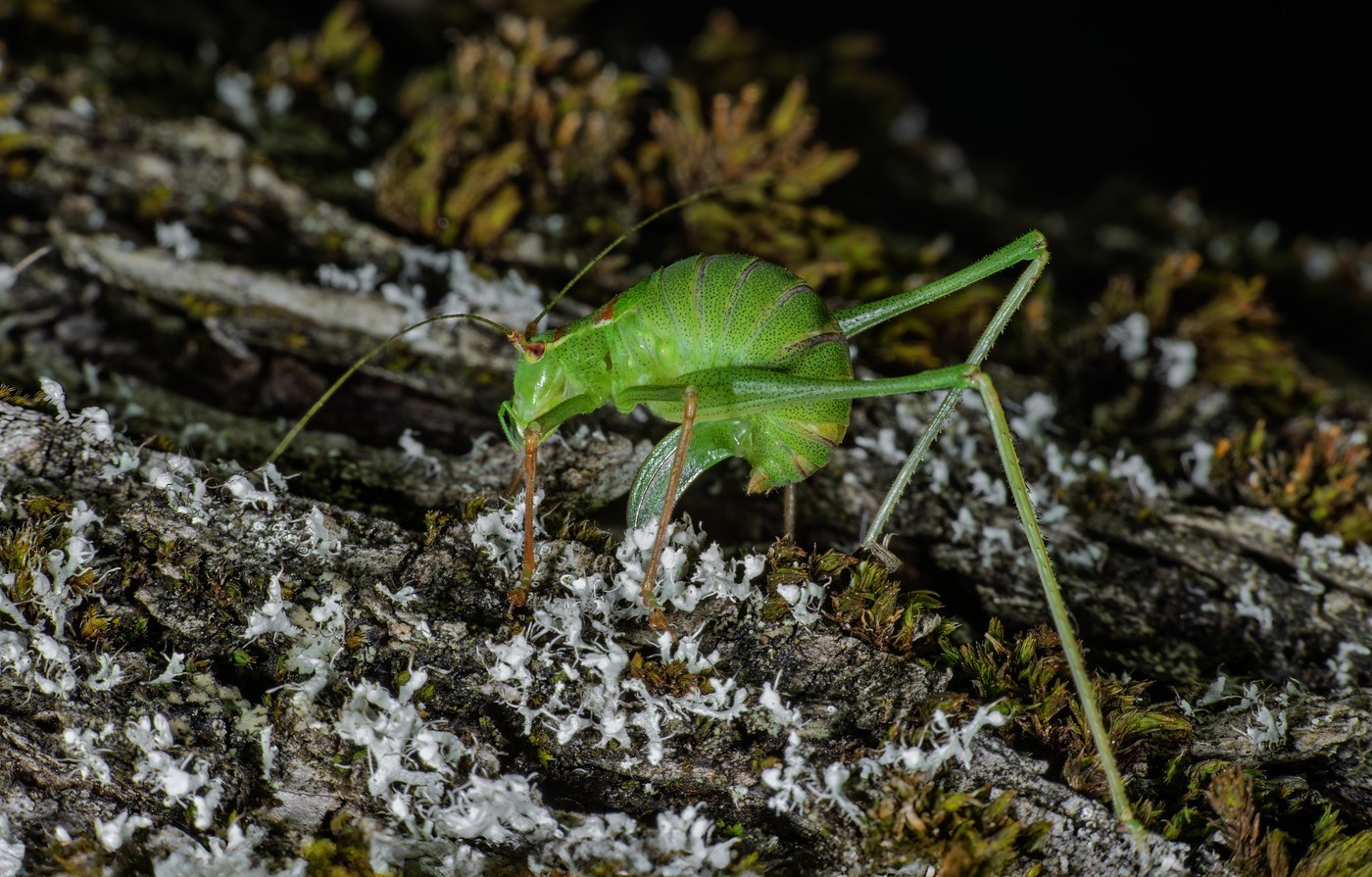
Speckled Bush Cricket
Brambles, hedgerows, nettles, and shrubby vegetation
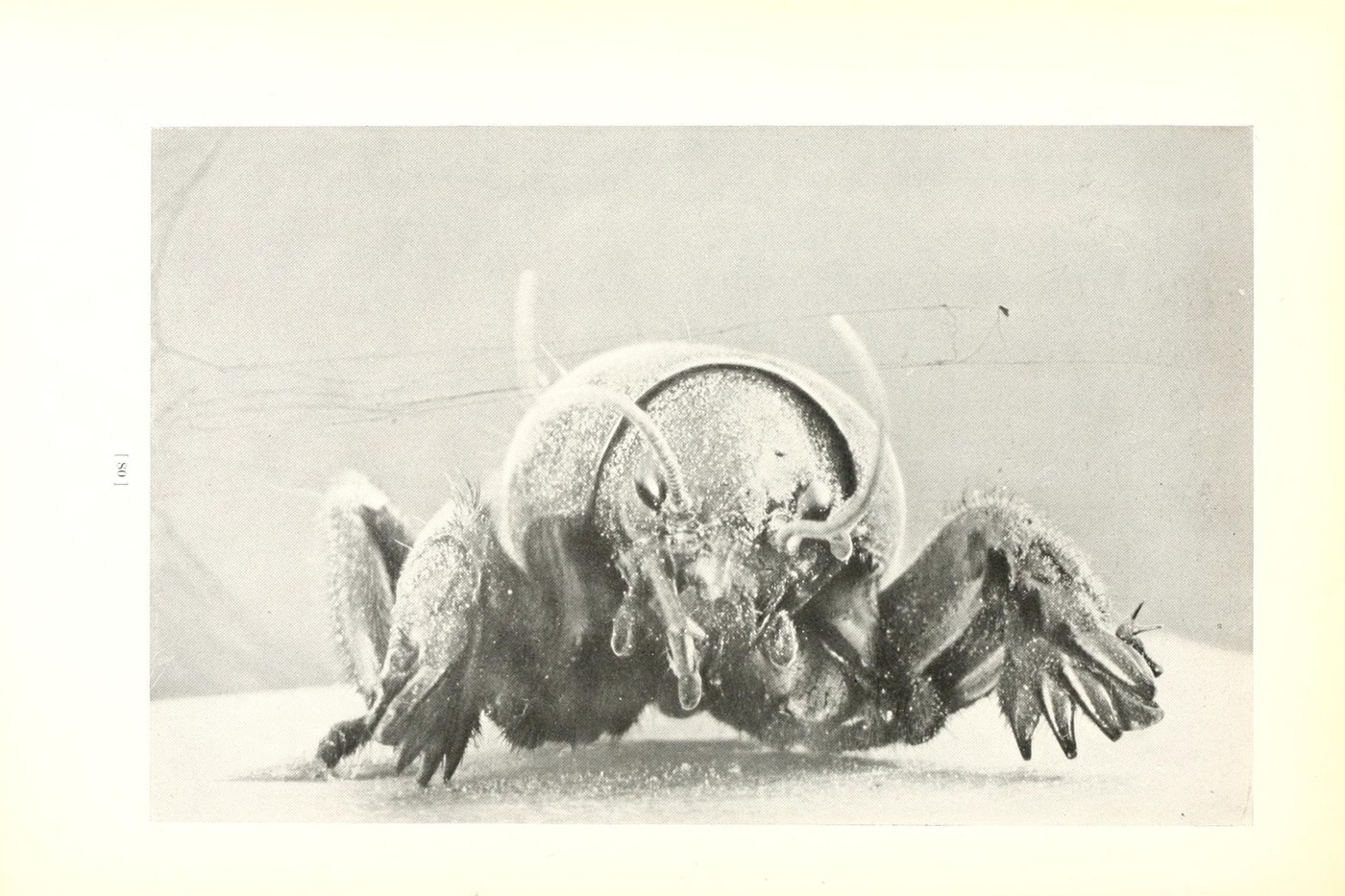
Northern Mole Cricket
wet soil, pond margins, and marshy ground across eastern and central North America